12 California Places Where Silent-Era Glamour And Old Western Movie Lore Still Linger
Old movie history feels better when you can still stand where it happened.
Not behind glass or in a caption.
Actually there, on streets, studio grounds, and desert edges that still carry a little screen-era electricity.
Silent films gave California some of its earliest myths.
Western sets added dust, stunt work, and enough frontier drama to shape how the world pictured the American West.
Plenty of that history has vanished. The lucky pieces stayed visible.
A grand theater can still feel ready for a premiere. An old filming location can make a hillside look suspiciously familiar.
Glamour and grit rarely shared the same mood, which is what makes this mix so fun.
One stop might feel polished. Another might feel sunbaked and rugged. Together, they show how much movie lore still lives in plain sight.
1. Alabama Hills, Lone Pine
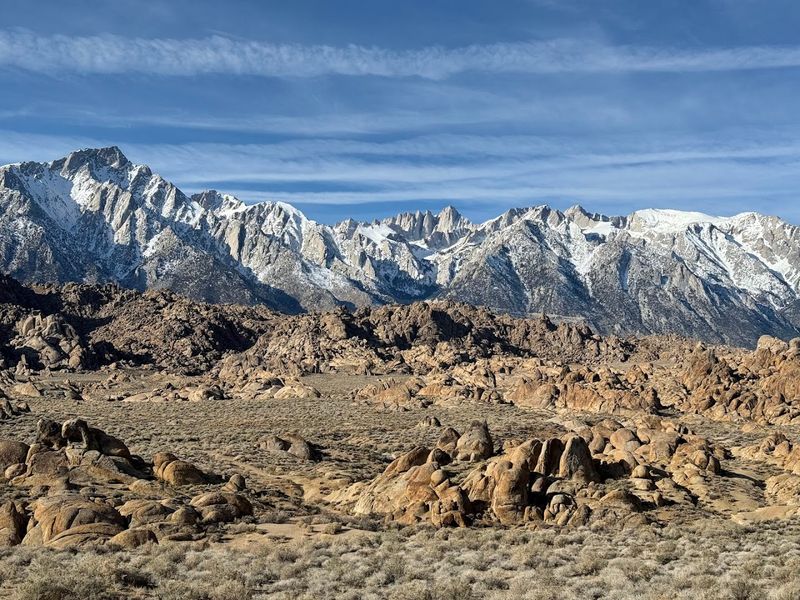
Few landscapes in California carry the kind of cinematic weight that the Alabama Hills do.
Spread across the high desert near Lone Pine at the base of the Sierra Nevada, these rounded orange boulders and sweeping open terrain have appeared in hundreds of films and television productions over the decades.
The area has been a go-to backdrop for classic B-Westerns, epic adventure films, and more recently, major blockbusters.
The rock formations create natural arches and passages that give every angle a dramatic, ready-for-filming quality.
Sunrise and late afternoon light tend to hit the boulders in a way that turns the landscape a deep amber, making it easy to understand why directors kept coming back.
Trails wind through the area and are open year-round, with free access managed by the Bureau of Land Management.
Lone Pine itself sits just a few minutes away and offers lodging, food, and a film-history museum that pairs perfectly with a visit here.
The area can get warm in summer, so morning visits are generally more comfortable.
Dust and uneven terrain are part of the experience, and sturdy footwear is a practical choice before heading out onto the trails.
2. Niles Essanay Silent Film Museum, Fremont
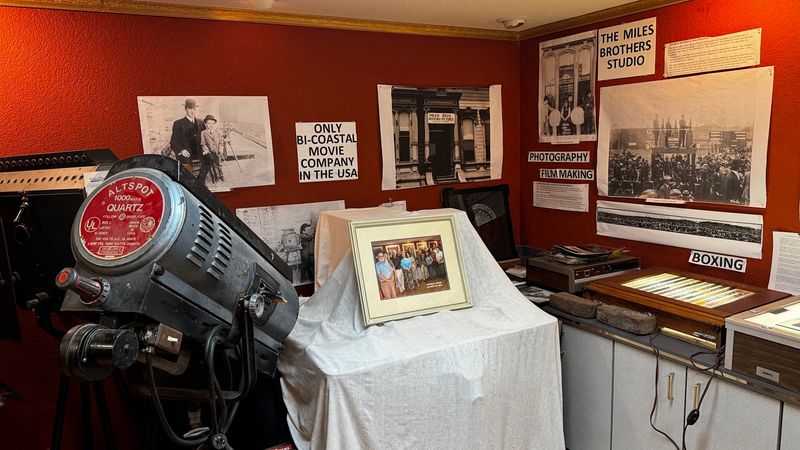
Inside a century-old Nickelodeon theater in Fremont’s Niles district, this museum quietly holds one of the most important chapters in American film history.
The Essanay Studios once operated nearby, producing early silent films in the 1910s featuring legendary comedic performers and action heroes of the era.
The museum preserves that legacy with artifacts, screenings, and exhibits that trace the roots of Bay Area filmmaking.
Visitors can explore memorabilia, vintage film equipment, and rotating exhibits that bring the silent era to life in a hands-on way.
Regular screenings of silent films are held at the museum, often accompanied by live music, which recreates the authentic theater experience of the early 1900s.
The building itself feels like a time capsule, with its original character largely intact.
Located at 37417 Niles Blvd in Fremont, the museum is free to enter, though donations are welcome. Parking is available along the nearby streets in the Niles historic district.
Weekends tend to be livelier, especially when special screenings or events are scheduled, so checking the museum’s calendar ahead of a visit is a smart move.
3. Paramount Ranch, Agoura Hills
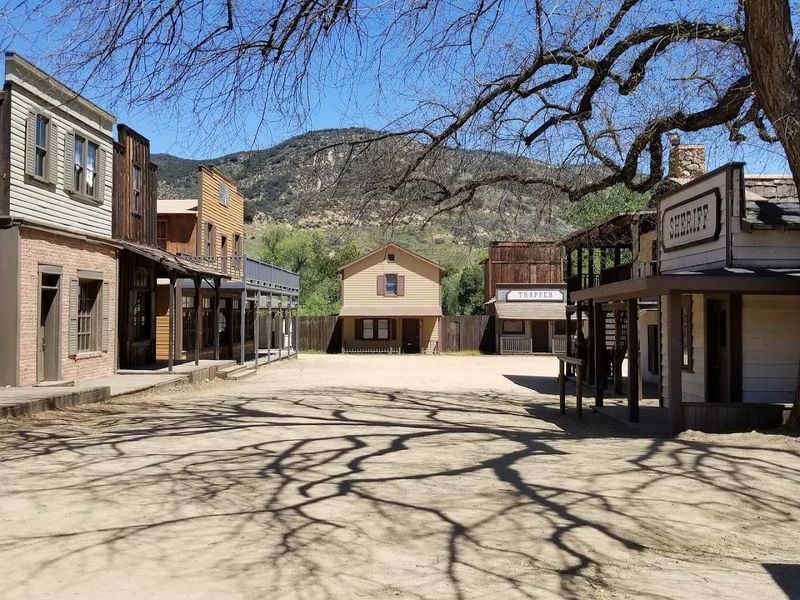
Paramount Pictures leased this ranch in 1927, making it one of the earliest and longest-running movie ranches in California history.
Nestled in the Santa Monica Mountains near Agoura Hills, the property offered a flexible outdoor environment that could double as a frontier town, a jungle, or a rural countryside depending on the production.
A Western Town set was constructed on the property in the 1950s and became a recurring backdrop for television and film projects.
The 2018 Woolsey Fire caused significant damage to the Western Town structures, and visitors today will find the site in a partial state rather than a fully intact set.
The National Park Service, which manages the property as part of the Santa Monica Mountains National Recreation Area, continues to maintain the land for public use.
Hiking trails pass through the area and offer a feel for the terrain that made it so appealing to filmmakers.
Access is free, and the trails are well-marked for a straightforward visit.
The landscape itself, with its rolling hills and old oak trees, still communicates why productions kept returning here across several decades.
Going on a weekday tends to mean fewer crowds, and the morning light across the hills is especially worth catching early in the day.
4. Museum of Western Film History, Lone Pine
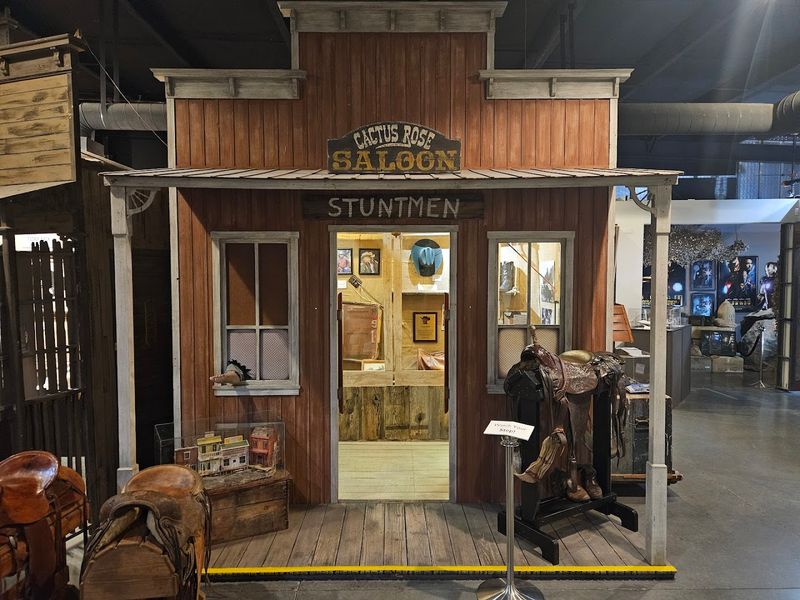
Housed in a converted movie theater in the heart of Lone Pine, this museum captures the long relationship between the surrounding Alabama Hills landscape and Hollywood’s Western genre.
Over 400 films have been shot in the area, and the museum pulls together props, costumes, posters, and equipment that tell that story with surprising depth.
The tagline used by the museum sums it up well: where the Real West becomes the Reel West.
Inside, exhibits cover both the golden age of B-Westerns and more recent productions that used the Lone Pine area as a backdrop.
Life-size dioramas, vintage vehicles, and interactive displays make the space engaging for visitors of all ages.
The museum does a good job of connecting the physical landscape outside with the on-screen worlds that were built from it.
Located at 701 S Main St in Lone Pine, the museum is easy to find and pairs naturally with a trip out to the Alabama Hills just a short drive away.
Admission is charged, and hours may vary by season, so confirming in advance is a good habit.
The gift shop carries film-history books and regional memorabilia that make for meaningful souvenirs beyond the typical tourist fare.
5. Pioneertown, Near Yucca Valley
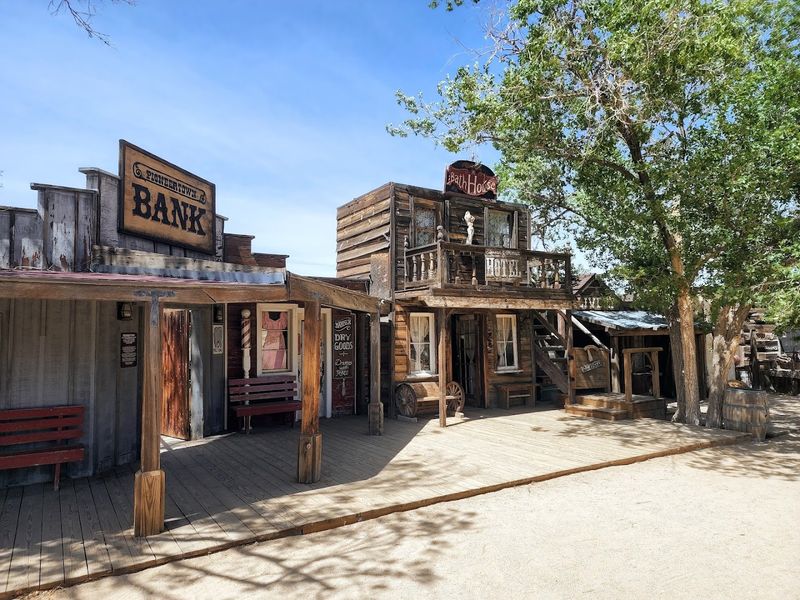
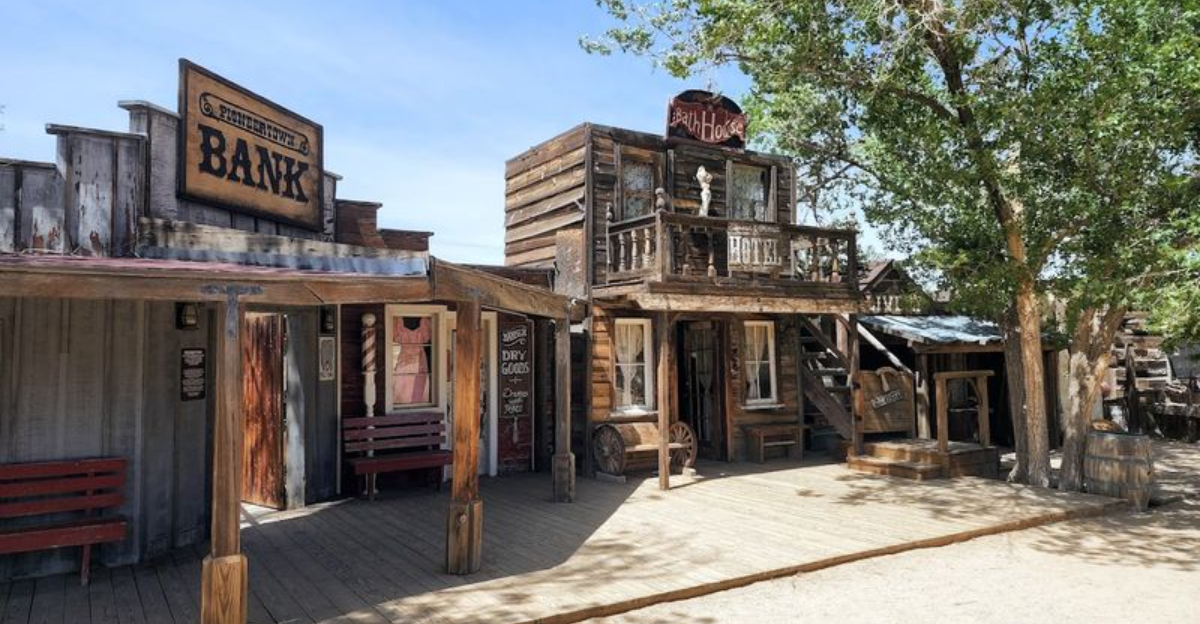
Built in 1946 by a group of Hollywood investors that included Western film stars of the era, Pioneertown was designed from the ground up as a functioning Old West film set.
The false-front buildings along its main drag were constructed to look authentic on camera while also serving as real operating businesses and residences.
Over 200 productions were filmed here during its active years, giving the town a genuine place in Western movie history.
Today the community still exists as a residential area, and several of its original buildings remain standing along Mane Street.
The rustic wooden storefronts, dusty roads, and wide desert sky give the place an atmosphere that feels genuinely timeless rather than staged.
Visitors often describe the experience as stepping into a film set that never fully closed down.
Located near Yucca Valley in the high desert, Pioneertown sits close to Joshua Tree National Park, making it a natural addition to a broader desert day trip.
The area is small and walkable, with no formal admission fee to explore the streets.
Weekend afternoons can bring more foot traffic, but the space is open enough that it rarely feels crowded. Comfortable shoes and sunscreen are both practical necessities given the terrain and sun exposure.
6. Corriganville Park, Simi Valley
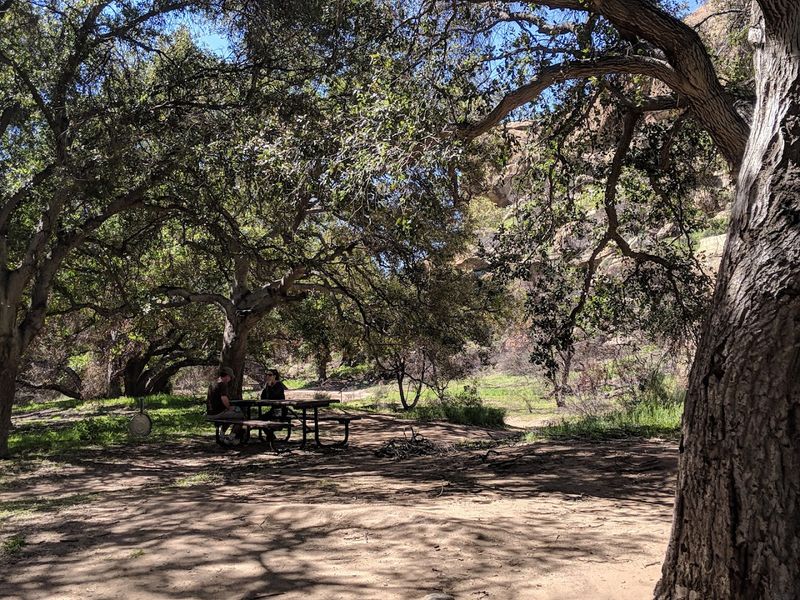
Before it became a public park, this site in Simi Valley operated as one of Southern California’s most active movie ranches.
Known as Corriganville Movie Ranch, it served as a filming location for major Western productions including Fort Apache, Bonanza, The Cisco Kid, and The Lone Ranger.
The rugged terrain with its natural rock formations and open hillsides made it a convincing stand-in for frontier landscapes across dozens of productions.
The park today is managed by the City of Simi Valley and is open to hikers and history enthusiasts.
Trails wind through the property, and while the original sets are long gone, the landscape itself still carries the character that attracted filmmakers for decades.
Informational signage at the park helps connect the terrain to its on-screen past, giving context to what visitors are walking through.
There is no admission fee to enter the park, and parking is available near the main trailhead.
The trails range from easy to moderate and are suitable for casual walkers as well as more active hikers.
Visiting in the cooler months of fall or spring tends to be more comfortable given the exposed terrain.
Bringing water is a reliable piece of advice for any visit, as shade is limited along much of the trail network.
7. Egyptian Theatre, Hollywood
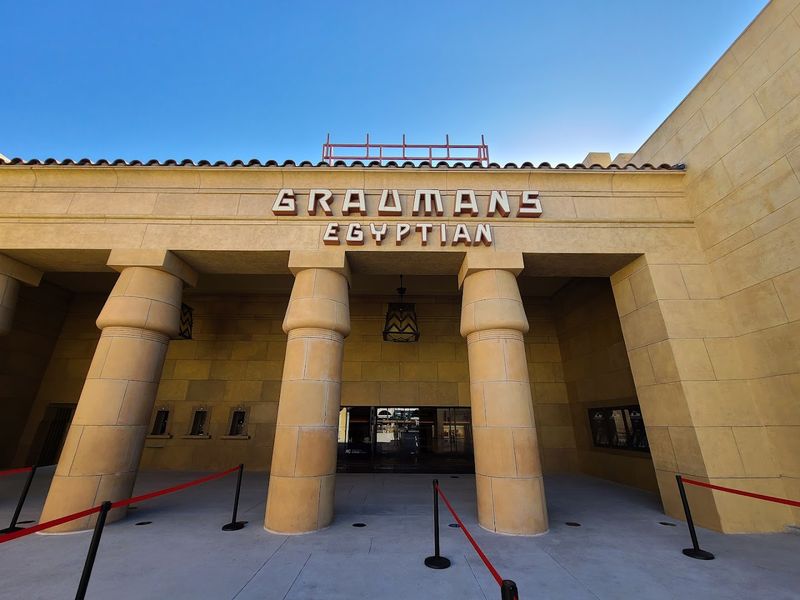
When it opened in 1922 on Hollywood Boulevard, the Egyptian Theatre introduced the concept of the grand movie premiere to Hollywood.
The venue hosted the first-ever Hollywood movie premiere, a distinction that places it at the very origin point of what would become one of the entertainment industry’s most enduring traditions.
The elaborate Egyptian Revival architecture, complete with hieroglyphic details and towering columns, was designed to make moviegoing feel like a special occasion rather than a casual outing.
American Cinematheque operated the theater for many years and focused on repertory programming and film preservation.
Netflix later acquired and restored the venue, which reopened with a renewed commitment to theatrical film experiences.
The restoration work brought the building back to a condition that honors its architectural and cultural significance while updating the technical aspects of the screening experience.
Located at 6712 Hollywood Blvd in Los Angeles, the theater sits along a stretch of Hollywood Boulevard that still carries echoes of the golden age of cinema.
Checking the current programming schedule is the best first step before planning a visit, as screenings and events vary.
The neighborhood around the theater is walkable and connects to other Hollywood landmarks, making it a natural anchor for a broader exploration of early Hollywood history.
8. Garden of the Gods, Chatsworth
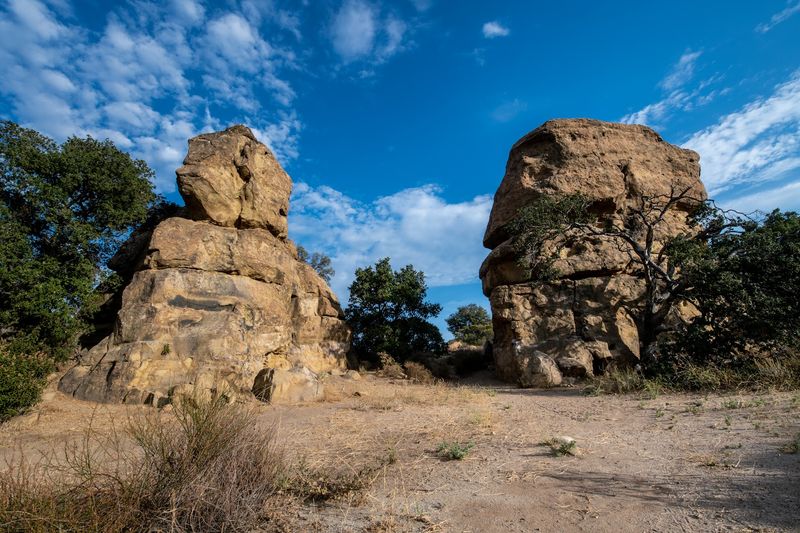
Hidden within the hills of Chatsworth, this rocky open-space park was once part of the historic Iverson Movie Ranch, one of the most recognizable outdoor filming locations of the early Hollywood era.
The large sandstone boulders and layered rock formations created a natural set that required very little dressing to look like the American frontier.
Countless Westerns, serials, and adventure films used this terrain as a backdrop throughout the 1920s, 1930s, and beyond.
Managed by the Mountains Recreation and Conservation Authority, the park is open to the public and offers a direct connection to that filming history.
The boulders here have a distinctive shape that makes them visually familiar even to people who have never visited, precisely because those formations appeared on screen so many times.
Walking through the area gives a grounded sense of how location scouting worked in the early days of filmmaking, when a naturally dramatic landscape was the most practical special effect available.
The park is free to access and the terrain is rugged but navigable for most visitors.
Trails are informal in some sections, so paying attention to footing is worthwhile.
Early morning visits tend to offer the best light across the rock faces, and the park is generally quieter on weekday mornings compared to weekend afternoons.
9. Vasquez Rocks Natural Area, Agua Dulce
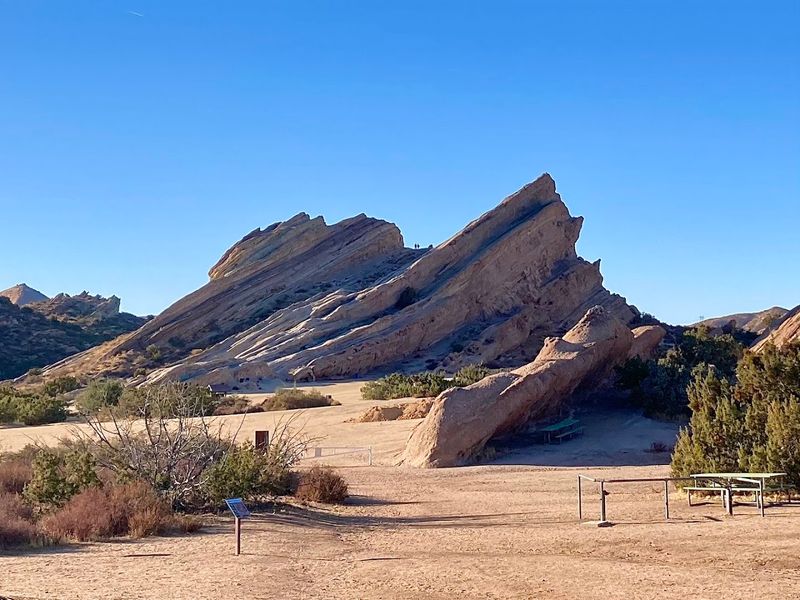
The tilted slabs of rock that rise sharply out of the high desert floor near Agua Dulce are among the most filmed geological formations in California.
Vasquez Rocks Natural Area covers roughly 945 acres and has appeared in movies, television shows, and commercials spanning nearly a century of production history.
The angular formations are visually striking in a way that feels almost designed for the camera, even though they are entirely natural.
Early Westerns used the site for chase scenes and showdowns, and the location has since appeared in everything from science fiction series to music videos.
Los Angeles County Parks manages the area, and it is open to the public with no admission fee.
Trails loop through the rocks and allow visitors to get up close to formations that have served as backdrops for some of the most recognizable on-screen moments in television history.
The park sits off Highway 14 in Agua Dulce, making it accessible as a day trip from the Los Angeles area. Parking is available at the main lot near the trailhead.
The exposed landscape means that summer visits can be hot, so early morning arrival is generally the most comfortable approach.
Sturdy shoes are a practical necessity since the rock surfaces can be uneven and loose in places.
10. TCL Chinese Theatre, Hollywood
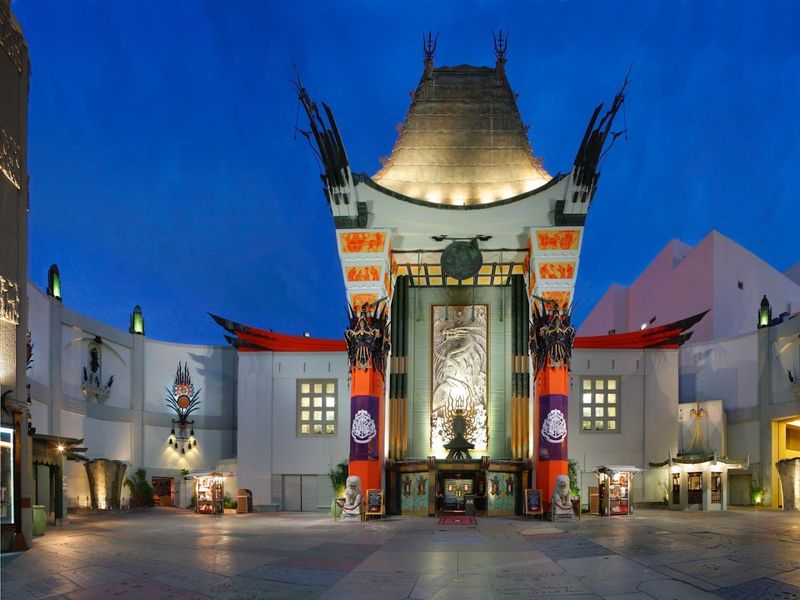
The forecourt of TCL Chinese Theatre is one of the most recognizable patches of concrete in the world, and the story behind it connects directly to the earliest years of Hollywood stardom.
The oldest official celebrity prints in the forecourt date to 1927 and belong to two of silent cinema’s biggest names, Douglas Fairbanks and Mary Pickford.
That detail alone makes the forecourt a genuine piece of film history rather than just a tourist attraction.
The theater opened in 1927 with a design inspired by Chinese imperial architecture, featuring sweeping rooflines, ornate columns, and stone guardian figures flanking the entrance.
It became an immediate landmark and a preferred venue for major film premieres during the late silent era and into the sound era that followed.
The building has been continuously operating as a cinema ever since, which is a remarkable run for any structure in a city that tends to favor demolition over preservation.
Located at 6925 Hollywood Blvd in Los Angeles, the theater is open daily and offers both regular screenings and IMAX presentations.
The forecourt is free to visit at any time, while film tickets require purchase.
Arriving early before a screening gives enough time to walk the forecourt without feeling rushed, and the surrounding area along Hollywood Boulevard has plenty of additional landmarks worth seeing.
11. Bronson Canyon and Bronson Caves, Griffith Park
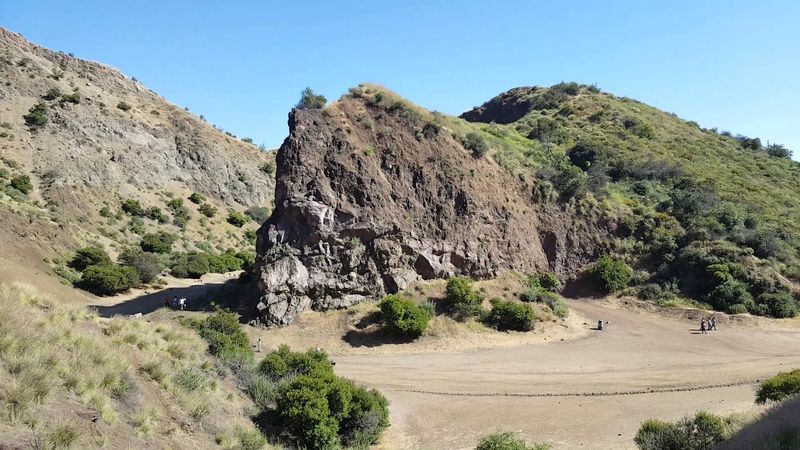
Griffith Park covers a vast stretch of hillside terrain in Los Angeles, and tucked within it is a spot that has quietly served as a filming location for nearly a century.
Bronson Canyon and its distinctive cave openings have appeared in Westerns, adventure serials, and science fiction productions going back to the early days of Hollywood.
The Directors Guild of America has noted the caves’ long history as a set, and the location remains one of the most accessible pieces of real film history in the city.
The caves themselves are former quarry openings carved into the hillside, which gives them a rough, tunneled quality that reads differently on camera depending on how they are lit and framed.
Visitors can walk directly into the caves and look out through the openings, which frames the canyon and hillside in a way that feels immediately cinematic.
The trail from the parking area to the caves is short and manageable for most fitness levels.
Access is free and the site is open during regular park hours.
Griffith Park is one of the largest urban parks in the country, so combining the canyon visit with other areas of the park is straightforward.
Weekday mornings tend to be quieter, and the shaded canyon trail offers a bit of relief from the sun during warmer months.
12. William S. Hart Park and Museum, Santa Clarita
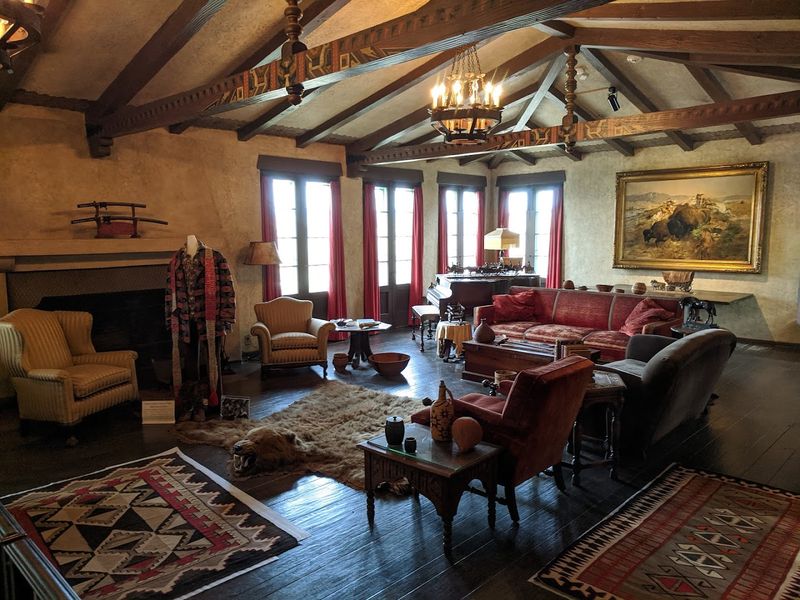
Perched on a hillside above the Santa Clarita Valley, this park and museum preserve the former estate of one of silent cinema’s most beloved Western stars.
The property reflects the world that defined Hollywood in the 1920s, from the Spanish Colonial Revival mansion at the top of the hill to the working ranch grounds below.
The actor and director who built this estate was known for bringing a gritty realism to Western films at a time when the genre was still defining itself on screen.
The mansion has been preserved largely as it was during its owner’s lifetime, with original furnishings, artwork, and personal collections still in place.
Guided tours of the interior offer a close look at the domestic life of a major Hollywood figure from the silent era, which is a perspective that most film history sites cannot provide.
The grounds include a ranch area with bison, which adds a living, textured element to the visit that connects back to the Western mythology the estate was built around.
Managed by Los Angeles County, the park at 24151 San Fernando Rd in Newhall is free to enter, though mansion tours may have associated fees and limited availability.
Checking the current tour schedule before visiting is a practical step.
The grounds themselves are open for walking and picnicking, and the views from the upper areas of the property are genuinely worth the short uphill walk.