The Forgotten Fort At The End Of This Colorado Hike Feels Like A Hidden Piece Of History
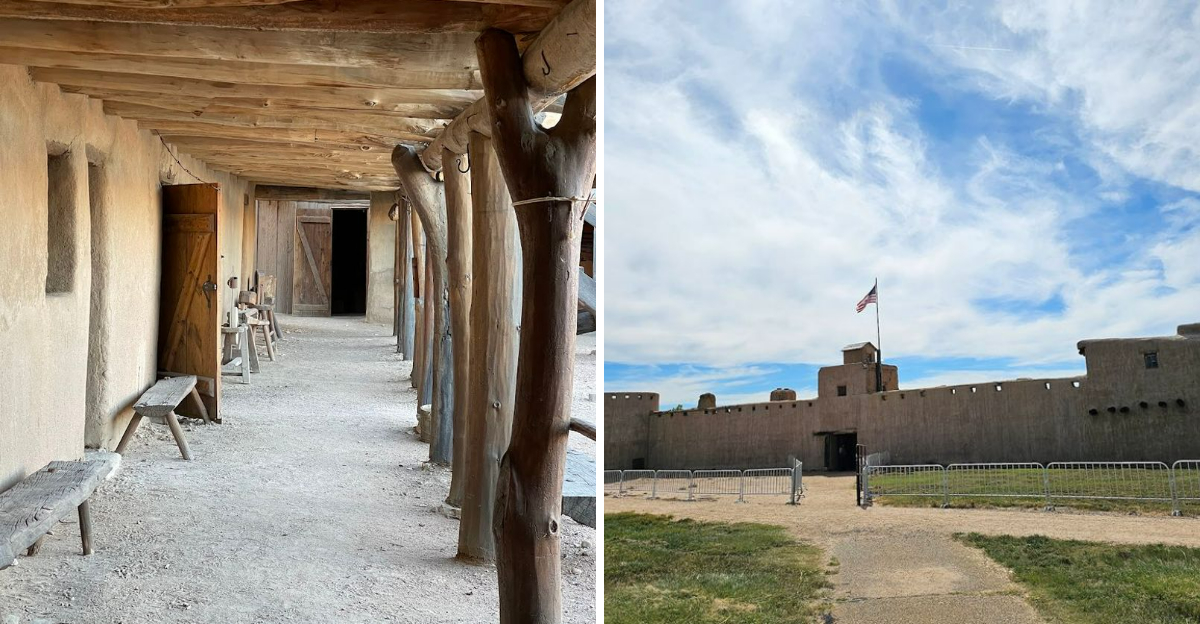
Most of Colorado’s history does not sit behind museum glass. Some of it waits at the end of a trail, silent and half-forgotten, standing exactly where it has always stood.
I had read a few lines about this place before making the drive out, and nothing fully prepared me for what I found. The trail is quiet.
The landscape is open and wide. And then it appears.
An old adobe structure rising out of the plains like a rumor that turned out to be true. No crowds, no gift shop, no noise.
Just history sitting out in the open, patient and unhurried. Colorado holds onto stories like this in the quietest corners of the state, and this one deserves far more attention than it gets.
Once you make the hike and stand inside those walls, the past stops feeling distant and starts feeling uncomfortably close.
The Quarter-Mile Walk That Sets The Mood
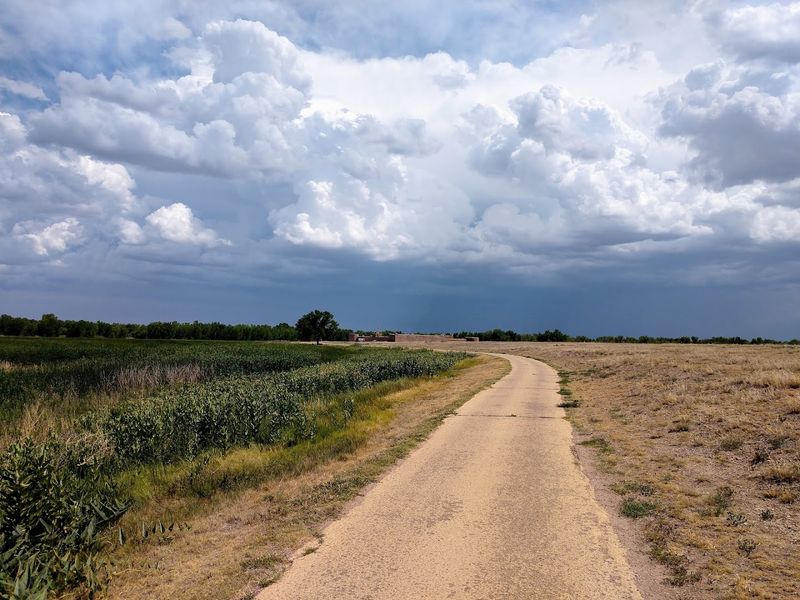
Most great adventures start with a walk, and this one does not disappoint. From the parking lot, a paved quarter-mile path stretches out toward the fort.
The surrounding landscape is flat, open, and surprisingly beautiful.
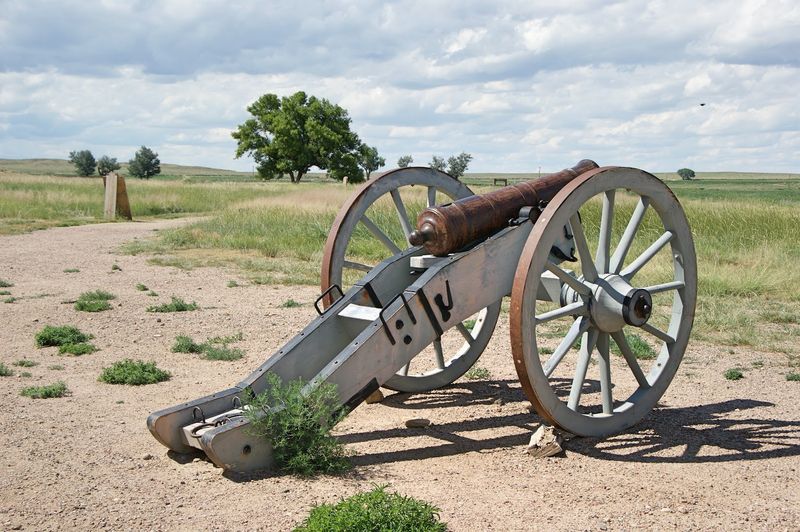
The trail passes historic features that help set the tone for the visit. The quiet surroundings make it easy to reflect on the site’s long history.
You feel the weight of history before you even reach the entrance.
On a hot Colorado day, bring water and sunscreen. The path is fully exposed to the sun, and there is no shade until you reach the fort walls.
A hat is genuinely useful here, not just a fashion choice.
The paved surface is smooth and mostly level. Sturdy wheelchairs and strollers can usually manage it well.
The walk takes about ten minutes at a relaxed pace, which feels just right.
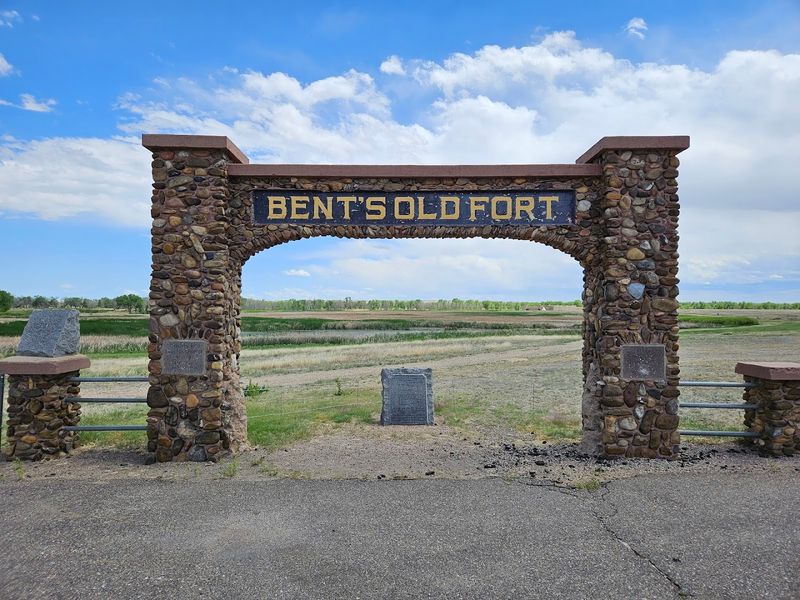
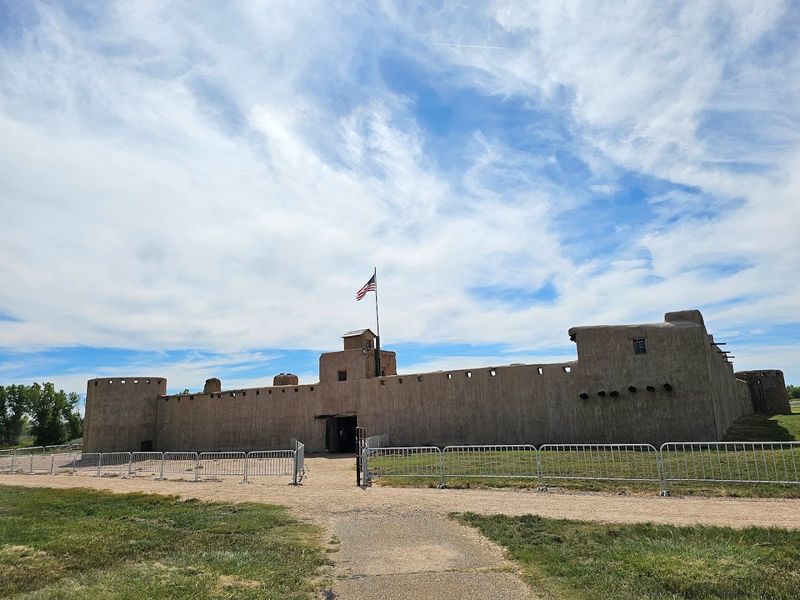
Bent’s Old Fort National Historic Site at 35110 CO-194, La Junta, CO 81050, earns every step of that approach. The anticipation builds naturally, and by the time those thick adobe walls come into view, you are already hooked.
Adobe Walls That Have Seen Everything
Adobe walls should not be this impressive, yet here we are. The reconstructed fort stands solid and commanding against the wide Colorado sky.
The thick earthen walls feel ancient even though they were carefully rebuilt in 1975 and 1976.
That reconstruction was no guesswork project. Archaeologists, original sketches, paintings, and detailed diaries all guided every decision.
A U.S. Army lieutenant who stayed at the fort happened to be an architect, and his precise measurements made the rebuild possible.
The original fort was built between 1833 and 1834 by brothers Charles and William Bent along with Ceran St. Vrain. It was first called Fort William before the Bent name stuck.
For about sixteen years, it was the only major American settlement between Missouri and Mexican territory on the Santa Fe Trail.
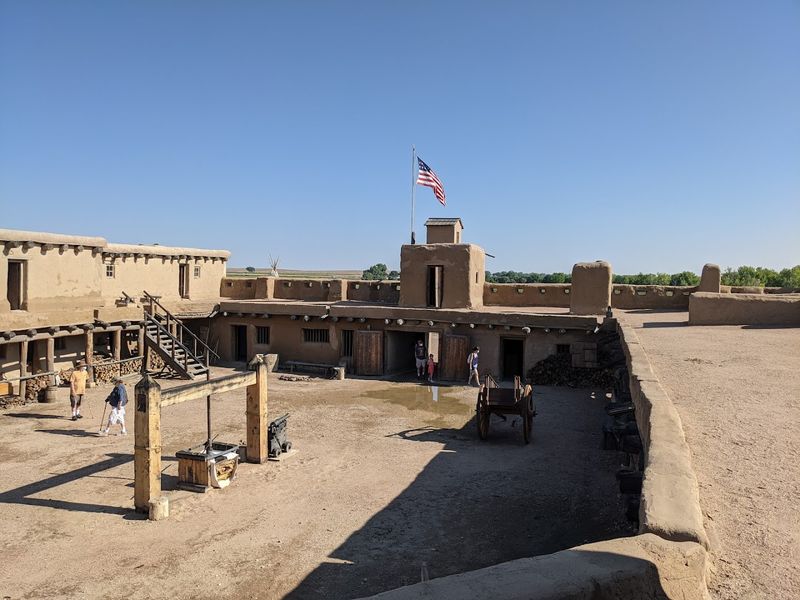
Standing inside the courtyard, you can feel how self-contained this place once was. Traders, Native Americans, explorers, and soldiers all passed through these same walls.
That mixture of cultures makes the place feel alive rather than just preserved.
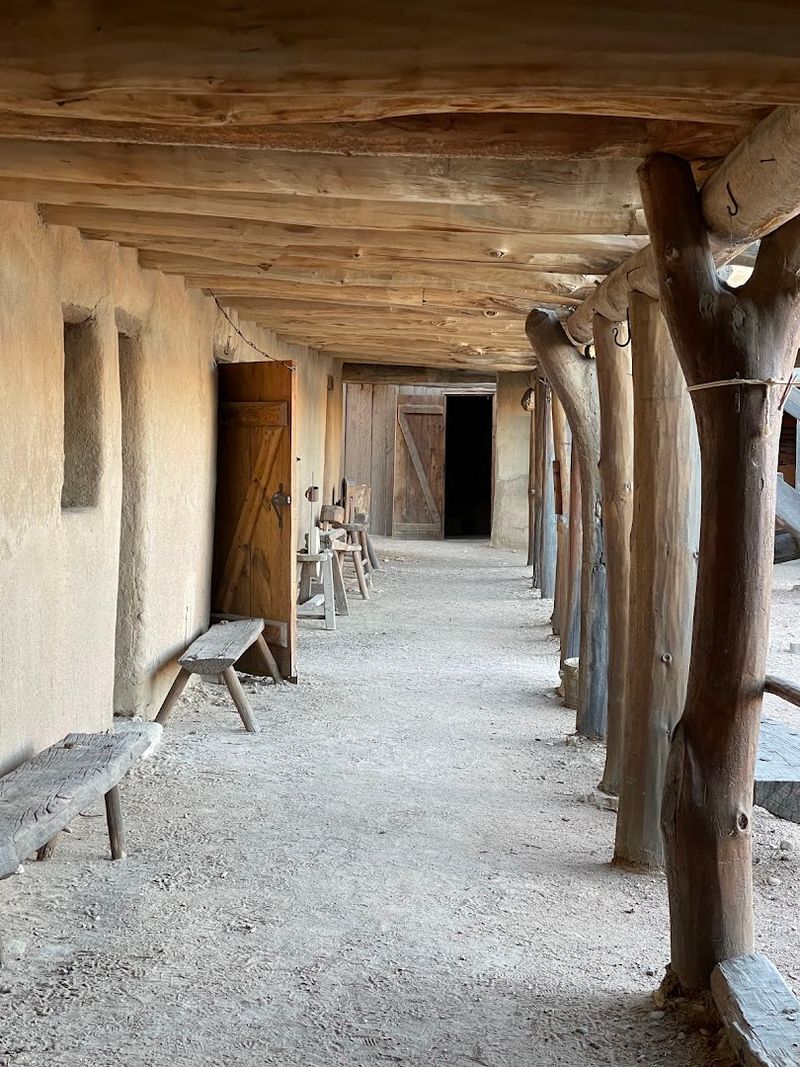
The structure is genuinely impressive up close. Every room, every doorway, and every roofline tells a story worth pausing to read carefully.
The Trading Post Story Behind The Fort
Buffalo robes were once the hottest commodity in the American West. This fort was built specifically to trade them.
The Southern Cheyenne and Arapaho Plains Indians brought robes and hides, while traders brought manufactured goods from the East.
The fort became a cultural crossroads unlike anything else on the frontier. American, French, and Hispanic traders all shared space here.
Multiple Native American tribes visited regularly, creating a rare atmosphere of commerce and exchange.
Travelers on the Santa Fe Trail used the fort as a resupply stop. Wagon wheels got repaired, food supplies got restocked, and weary travelers rested inside those thick cool walls.
It was essentially the frontier version of a highway rest stop, but far more interesting.
William Bent eventually left the fort behind in 1849. Shifting trade patterns and declining buffalo populations had changed the landscape of frontier commerce entirely.
What had once been one of the most active trading hubs in the region quietly faded into history, leaving behind walls that still have plenty to say.
Living History Demonstrations Worth Catching
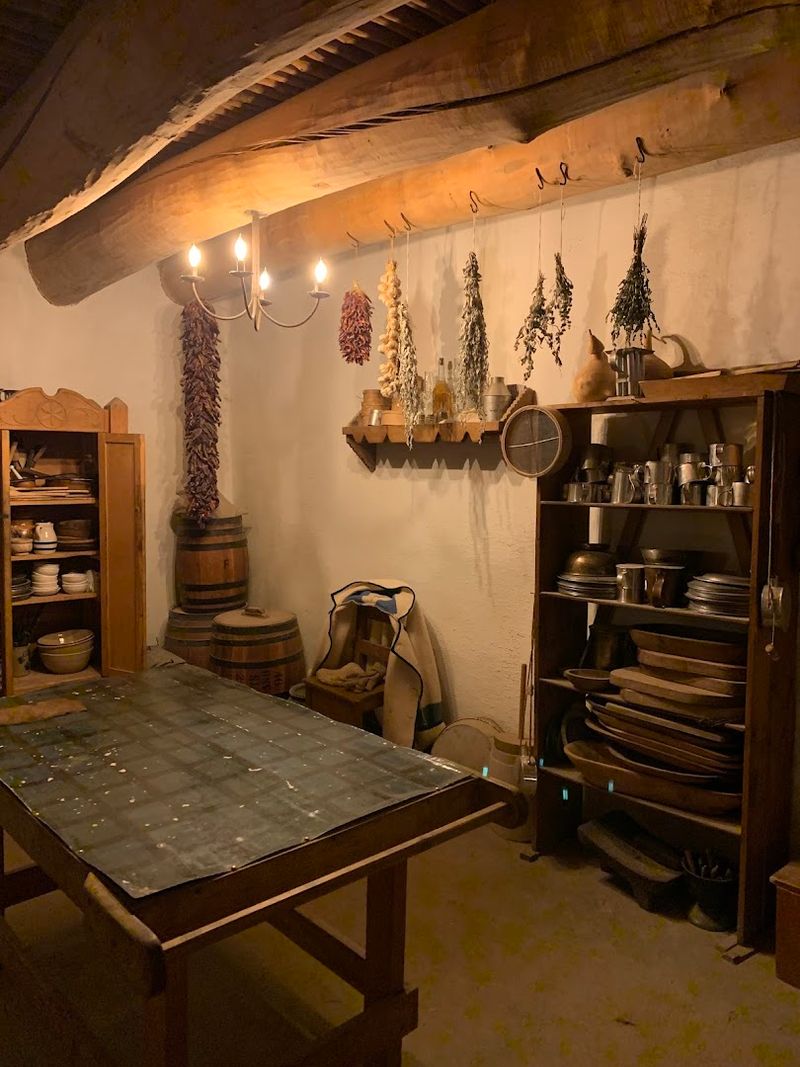
Watching someone in period clothing explain frontier life is surprisingly compelling. Rangers and living history actors bring the fort’s story to life in a way that no sign or pamphlet ever could.
The demonstrations feel personal and specific rather than rehearsed.
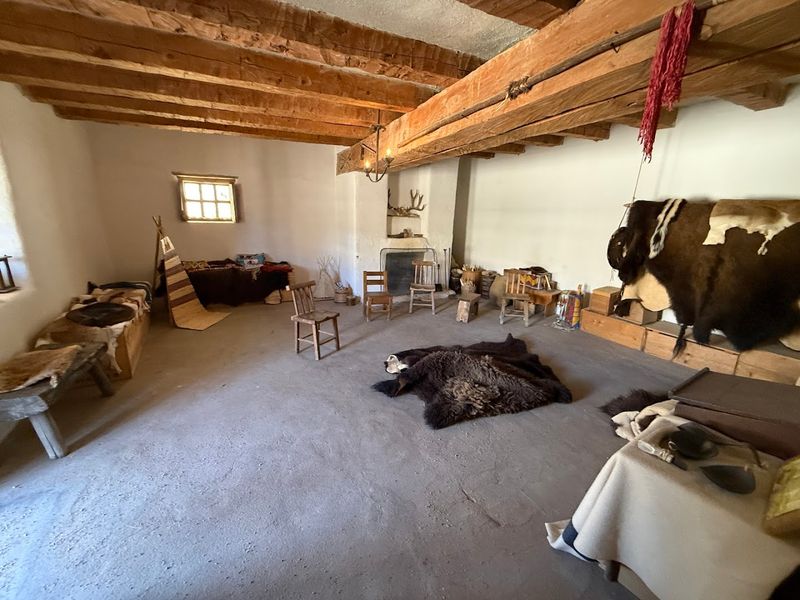
Guided tours run regularly and cover furnished rooms inside the fort. Each room is set up to reflect how it would have looked during the 1840s.
You can see sleeping quarters, trade rooms, and storage areas all styled with period-appropriate detail.
The staff here are genuinely enthusiastic about this history. They answer questions thoroughly and seem to enjoy the conversations.
That energy makes the whole experience feel warmer and more welcoming than a typical museum visit.
Self-guided tours are also available using a printed booklet. The educational signs placed throughout the fort are well-written and informative.
You can move at your own pace and spend extra time in whichever areas interest you most.
Visitors may also see heritage livestock around the site, helping illustrate daily life at the fort during the 1840s. Animals associated with frontier life add to the site’s immersive atmosphere.
The animals make the place feel active rather than frozen in time, which is a nice touch.
The Buffalo Loop Trail Along The Arkansas River
Hiking and history make a surprisingly good combination here. The Buffalo Loop Trail runs along the Arkansas River near the fort, offering a peaceful walk through open Colorado landscape.
The trail surface is even and accessible for most visitors.
The river views add a calming dimension to the visit. Cottonwood trees line the banks, and the sound of moving water is a welcome contrast to the dusty plains.
Early morning visits especially reward you with quiet and good light.
Cell service may be limited in some areas around the site, encouraging visitors to focus on the surrounding landscape. Without the distraction of notifications, you actually look around and absorb where you are.
The forced unplugging feels refreshing rather than frustrating.
The trail loop is a reasonable length for families, kids, and casual hikers. It does not require special gear or serious fitness.
A comfortable pair of shoes and a water bottle are all you really need.
Walking the same ground that traders and Native Americans once traveled adds meaning to every step. The Arkansas River was a major landmark on the Santa Fe Trail.
Standing beside it connects you to a chapter of American history that most people know very little about.
The Abandoned Years And What They Cost
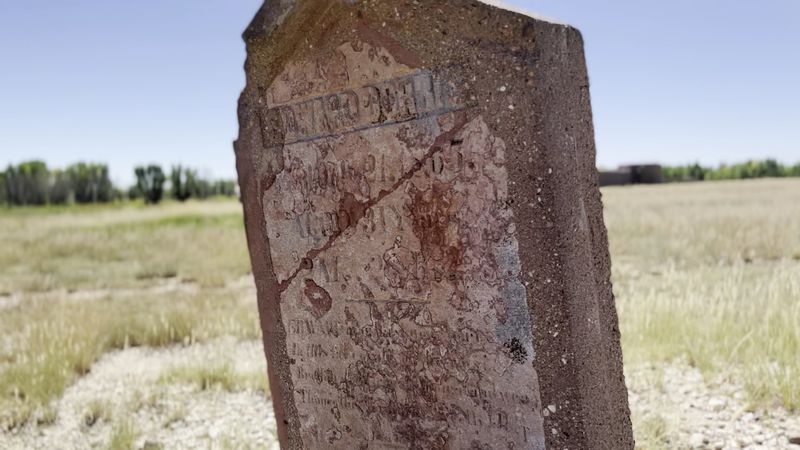
History does not always get preserved on purpose. After William Bent left in 1849, the fort slowly crumbled.
Settlers took adobe bricks for their own buildings, and by 1916 most of the original structure had simply disappeared into the landscape.
The fort sat forgotten for decades. Its importance to American westward expansion, Native American trade, and frontier culture was largely overlooked.
That kind of historical neglect is genuinely hard to imagine when you see how significant this place actually was.
The Daughters of the American Revolution stepped in and took ownership in 1926. The State Historical Society of Colorado acquired the land in 1954.
Those efforts kept the story alive long enough for real restoration to happen.
In 1960, the National Park Service designated the site a National Historic Site. The full reconstruction finally began in 1975 to mark the nation’s bicentennial.
Every detail of that rebuild was checked against archaeological findings and historical records.
The fact that it nearly vanished completely makes visiting feel more meaningful. You are not just walking through a preserved building.
You are walking through a place that was almost lost forever, and someone cared enough to bring it back.
The Gift Shop And Passport Stamp Situation
National Park passport stamp collectors, this one is worth the detour. The gift shop at this site carries the stamp, and the staff will happily point you toward it.
Getting that stamp feels like a small but satisfying reward after the walk and the tour.
The gift shop offers books, maps, and souvenirs related to the fort’s history. It sits at the back of the fort, which means you pass through the most interesting areas before you reach it.
That layout is actually smart design for encouraging exploration.
Food and beverage options are limited at the site, so planning ahead is recommended. Plan your snacks and meals before you arrive.
The nearest town is La Junta, so stocking up beforehand saves a lot of inconvenience.
Bathrooms are located near the parking lot rather than inside the fort. That detail is worth knowing before you start the quarter-mile walk.
A quick stop before the hike makes the whole visit more comfortable.
The site is free to visit, which makes the gift shop a natural way to support the place. Picking up a book about the Santa Fe Trail or a small keepsake feels like a fair trade for a genuinely memorable experience.
The shop is worth browsing slowly.
When To Visit And What To Expect
Timing your visit makes a real difference here. The site is generally open during daytime hours, but visitors should check the National Park Service website for current schedules before visiting.
Arriving early on a weekday almost guarantees a quieter, more personal experience.
Guided ranger tours are not available every single day. Calling ahead at 719-383-5010 before your visit is genuinely useful.
Knowing what programs are running that day helps you plan your time more effectively.
Summer visits are popular but hot. The southeastern Colorado sun is intense, and the open trail offers no relief.
Late spring and early fall bring more comfortable temperatures and equally clear skies.
The fort occasionally undergoes structural restoration work, which can limit access to certain rooms. Periodic restoration projects may occasionally affect access to certain areas of the fort.
Checking the National Park Service website at nps.gov/beol before you go keeps you informed about current conditions.
Parking is ample and free, with space for RVs and larger vehicles. The lot includes an exhibit panel that explains the site before you even start walking.
Reading that panel first gives you helpful context that makes the fort itself even more interesting to explore.
Why This Fort Deserves Way More Attention
Sixteen years as the only major American settlement between Missouri and Mexican territory is not a small footnote. This fort shaped trade routes, diplomatic relationships, and the movement of entire cultures across the continent.
That kind of impact deserves serious recognition.
The cultural mix that happened inside these walls was remarkable for its time. Cheyenne, Arapaho, Comanche, and Kiowa tribes all traded here alongside American, French, and Hispanic merchants.
Few places in early American history brought that many different groups together so regularly.
The reconstruction itself is a feat worth appreciating. Every room was rebuilt using original measurements, artist sketches, and written accounts.
The result feels authentic in a way that many historical reconstructions simply do not achieve.
Visitors frequently praise the site for its historical significance, reconstructed buildings, and educational programs. The combination of knowledgeable rangers, well-furnished rooms, and meaningful trail access creates an experience that punches well above its weight.
Most people leave wishing they had stayed longer.
Eastern Colorado is full of overlooked history, and this spot sits at the center of it. The drive out through farmland and open plains is part of the experience.
Arriving here feels earned, and that makes everything you discover inside feel genuinely worth the trip.