The Nebraska Sandhills Road That Rolls For 272 Miles And Feels Miles From Everything
Some roads feel built for getting somewhere. Others feel built for disappearing a little. A 272-mile drive through the Sandhills belongs to the second group.
The road rises, dips, bends, and rolls through a landscape that refuses to feel crowded.
Grass-covered dunes stretch out in every direction. Cattle appear more often than traffic.
Small towns break up the miles just enough to remind you there is still coffee and someone who probably knows the weather better than any app.
Out here, Nebraska feels huge in a way that catches people off guard.
Not empty. Open. There is a difference.
The view keeps changing slowly until you realize the drive itself has become the attraction.
No big city noise follows you. No packed schedule makes much sense. Just sky, prairie roads, and that strange relief of being far from the usual rush.
This is the kind of route that makes miles feel less like distance and more like breathing room.
A 272-Mile Road Trip Across The Sandhills
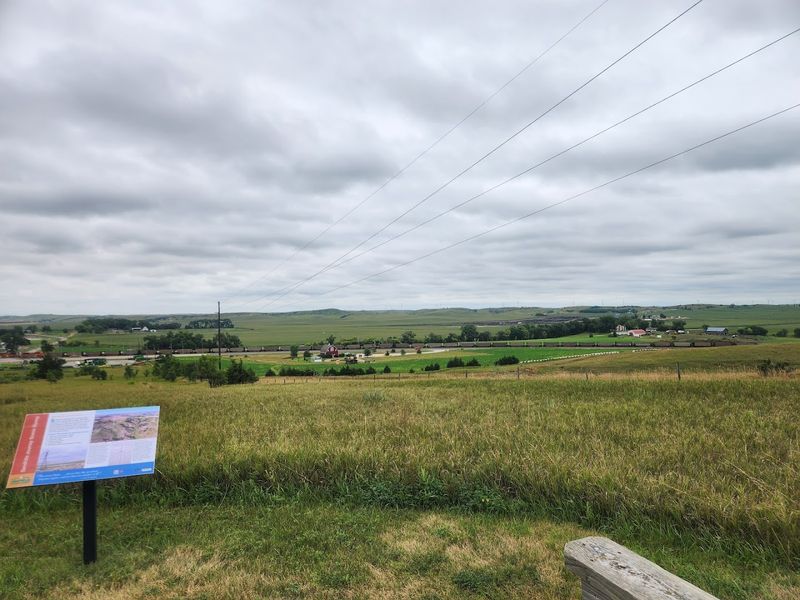
Stretching from Grand Island all the way to Alliance, Highway 2 covers 272 miles of some of the most open and unhurried driving in the entire country.
The estimated drive time sits around four and a half hours, but that number assumes a traveler who never slows down, never pulls over, and never steps out to listen to the wind moving through the grass.
Planning the route from east to west gives drivers the advantage of a gradually deepening sense of remoteness.
The towns thin out, the traffic nearly disappears, and the dunes begin to feel less like scenery and more like a presence.
Starting in Grand Island makes logistical sense because it offers fuel, food, and a good night of rest before heading into stretches where services are spaced far apart.
Keeping a full tank at every opportunity along the way is one of the most practical habits to build on this drive.
The reward for that small extra effort is the freedom to stop anywhere along the road without worrying about running low before the next town appears on the horizon.
Rolling Dunes Instead Of Mountain Peaks
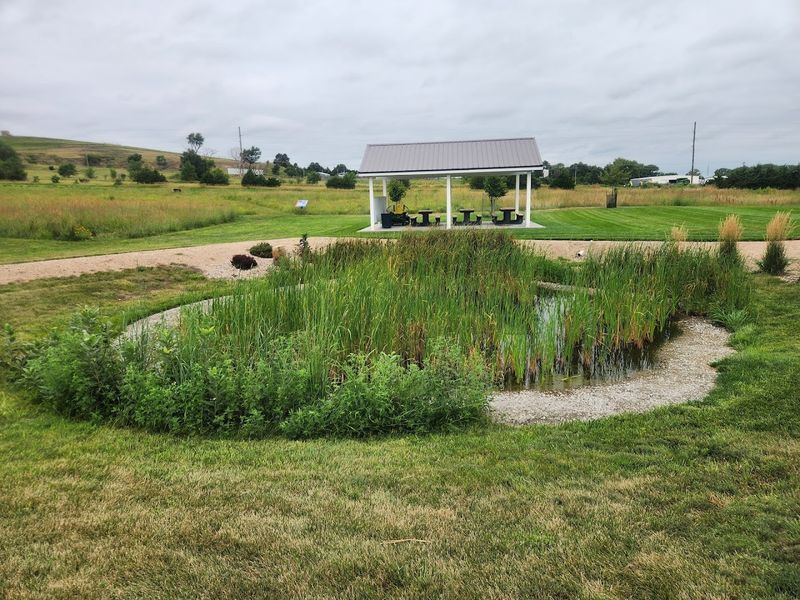
There are no jagged peaks or sheer cliff walls out here, and that is precisely the point.
The Nebraska Sandhills offer a completely different kind of drama, one built from gentle undulation, native grass bending in the breeze, and a sky so wide it seems to wrap around the edges of the earth.
Covering roughly one-fourth of Nebraska, the Sandhills are the largest stabilized grass-covered sand dune region in the Western Hemisphere.
The dunes themselves can reach heights of several hundred feet, but because they are anchored by deep-rooted prairie grasses, they do not shift or blow like desert dunes.
That stability gives the landscape a calm, almost oceanic quality that takes time to fully settle into.
Travelers accustomed to mountain roads may find the Sandhills unexpectedly moving once the eye adjusts to the scale.
The light changes constantly across the curved surfaces of the hills, shifting from pale gold in the morning to deep amber near dusk.
Stopping the car and simply standing on the roadside for a few minutes gives a much clearer sense of just how alive and textured this landscape really is beneath its quiet surface.
It Feels Remote In A Very Real Way
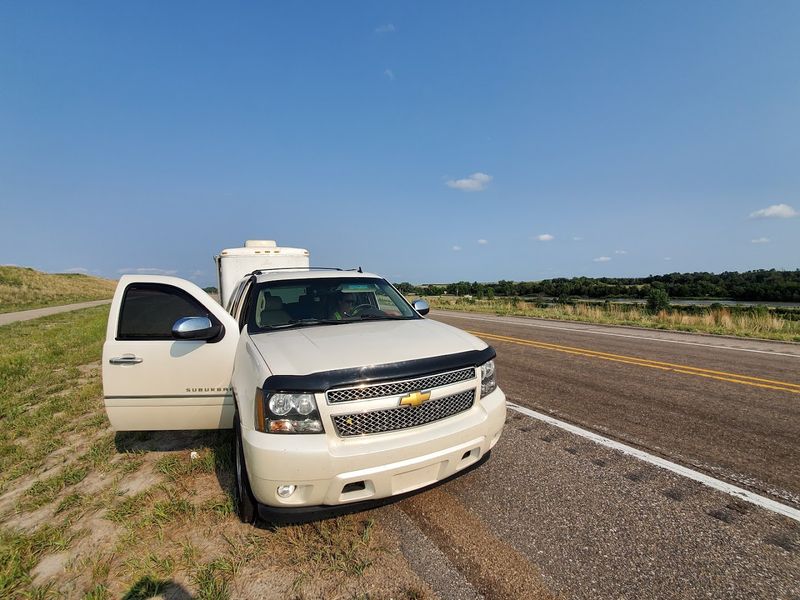
Long stretches of Highway 2 pass through areas where fuel stations simply do not exist, and cell service can drop to nothing depending on the carrier.
That kind of genuine remoteness is increasingly rare in modern travel, and it carries a particular weight once the last town disappears in the rearview mirror.
The overall population density across the Sandhills region sits at roughly one person per square mile.
On certain segments of the drive, it is entirely possible to travel for miles without seeing another vehicle in either direction.
That quiet is not eerie so much as it is clarifying, the sort of stillness that makes ordinary distractions feel far away.
Preparing practically before heading into the more isolated stretches makes the experience far more enjoyable.
Filling the gas tank at every opportunity, carrying extra water, and downloading offline maps before losing signal are all habits worth building before departure.
A paper road atlas is still a reliable backup tool on a drive like this one.
The remoteness here is not a flaw in the route but one of its defining qualities, and arriving prepared means spending that quiet time actually enjoying it rather than worrying through it.
Broken Bow Makes A Natural Midway Stop
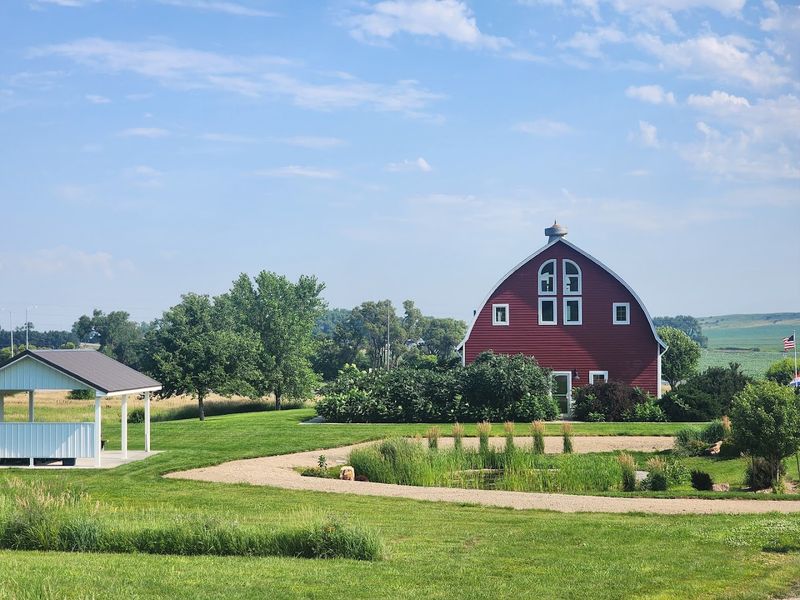
Roughly halfway along the route, Broken Bow offers a natural place to pause, stretch, and get oriented before continuing west.
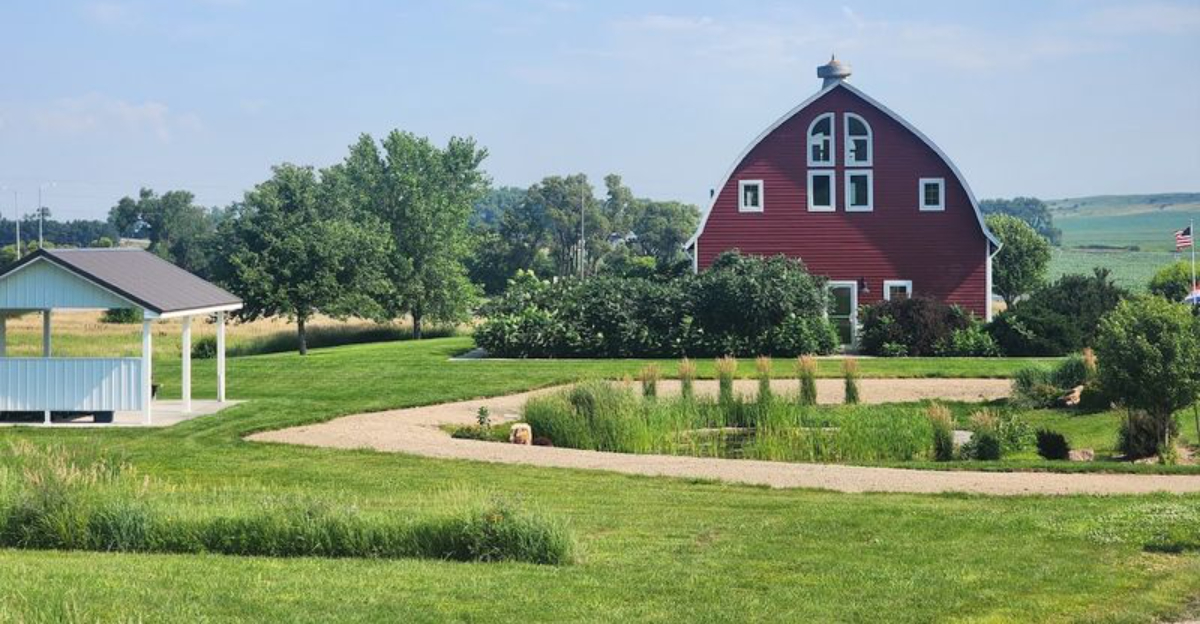
The Sandhills Journey Scenic Byway Visitor Center is housed inside a distinctive Big Red Barn on the east side of town, making it easy to spot and hard to miss.
The visitor center sits at 648 South E Street, Broken Bow, NE 68822, and serves as a reliable source of maps, regional information, and helpful context about what lies ahead on the drive.
Staff there tend to have firsthand knowledge of road conditions, seasonal highlights, and local spots that do not always make it onto official tourism websites.
Beyond the visitor center, Broken Bow itself has grocery stores, fuel stations, and dining options that make it a practical resupply point for travelers heading into the more sparsely populated western half of the byway.
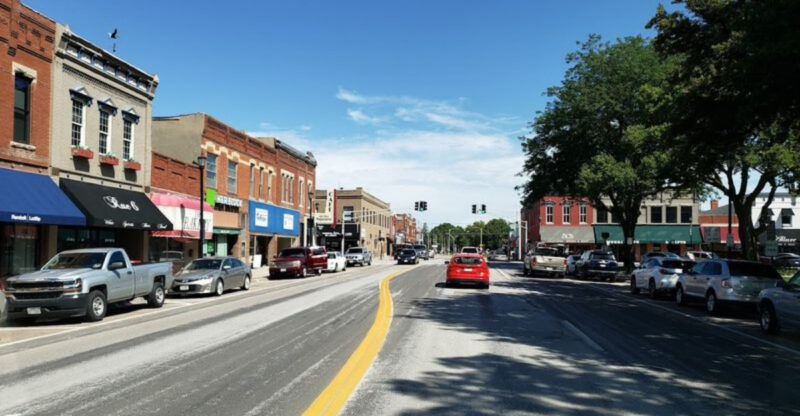
Taking a short walk around the town square gives a feel for the quiet, unpretentious character of Sandhills communities.
The pace here is noticeably slower than in larger Nebraska cities, and that unhurried rhythm is part of what makes stopping in a place like Broken Bow feel like a genuine part of the journey rather than just a logistical errand.
Nebraska National Forest Adds A Surprise Twist
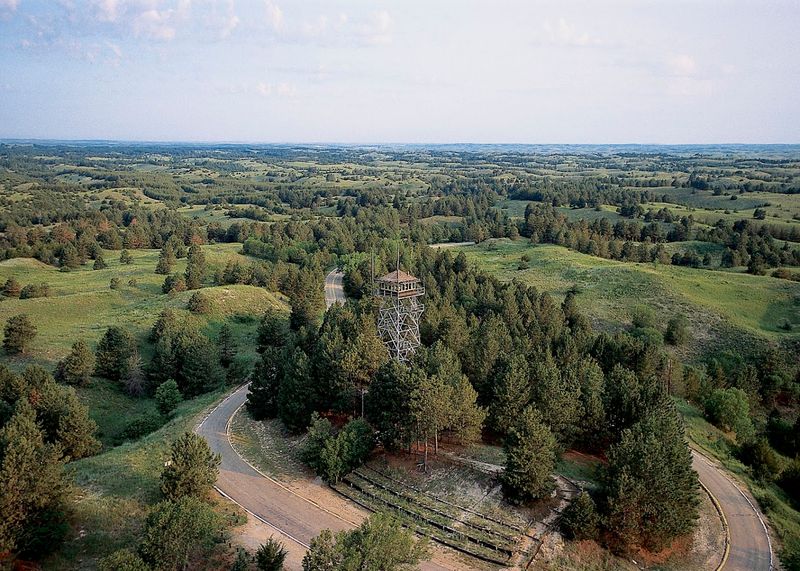
Most people do not expect to find a forest in the middle of the Great Plains, which is exactly what makes the Nebraska National Forest near Halsey such a memorable detour.
Known as the Bessey Ranger District, this section of the forest holds the distinction of being the largest hand-planted forest in the Northern Hemisphere, a fact that tends to catch first-time visitors completely off guard.
The trees were planted beginning in the late 1800s as part of an effort to test whether forests could be established on the open plains.
What started as an experiment has grown into a shaded, trail-crossed landscape that feels almost surreal when approached from the surrounding open grasslands.
The contrast between the treeless dunes and the dense pine canopy is striking in a way that photographs struggle to fully capture.
Camping, hiking trails, fishing, OHV use, and river access are all available within the district, making it a destination in its own right rather than just a roadside curiosity.
Families with younger kids especially tend to enjoy the combination of shade, trails, and open space.
Arriving on a weekday generally means fewer crowds and a more relaxed experience throughout the campground and trail areas.
Spring Brings The Crane Migration
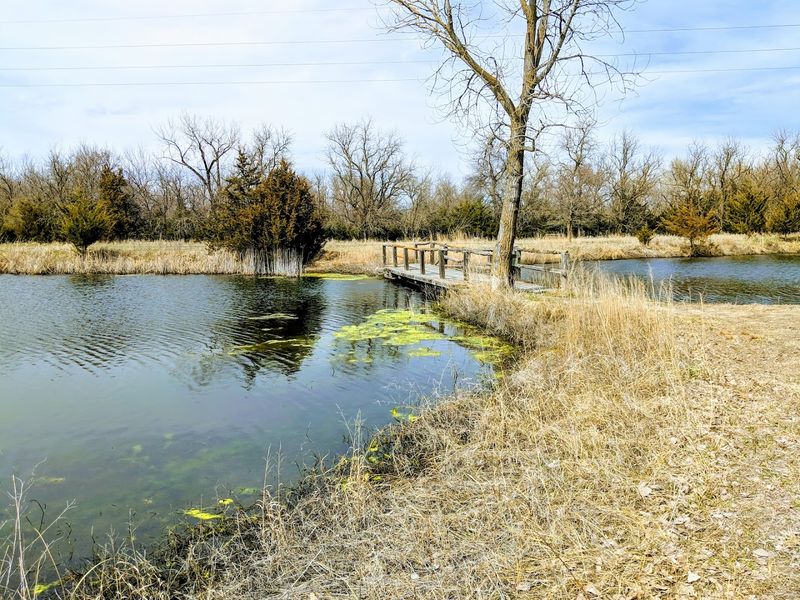
Every spring, more than 500,000 sandhill cranes descend on the Platte River Valley in central Nebraska, creating one of the largest wildlife migration spectacles in North America.
The peak window runs roughly from late February through early April, and travelers timing a byway trip to coincide with this period get an extraordinary added layer to the experience.
The cranes use the Platte River as a critical staging ground, feeding in nearby cornfields during the day and gathering in enormous noisy flocks along the river at dusk and dawn.
The sound of that many birds in one place is something that stays with people long after the drive is finished.
Standing near the riverbank at sunrise while the cranes lift off in waves is one of those travel moments that genuinely earns the overused word unforgettable.
Grand Island serves as a natural base for crane viewing since the Platte River runs directly through the area.
Several viewing blinds and organized crane-watching programs operate during the migration season, offering structured ways to experience the spectacle without disturbing the birds.
Booking accommodations well in advance is strongly recommended during peak migration weeks, as rooms in the area fill up quickly once the season gets underway.
Small Towns Keep Breaking Up The Empty Miles
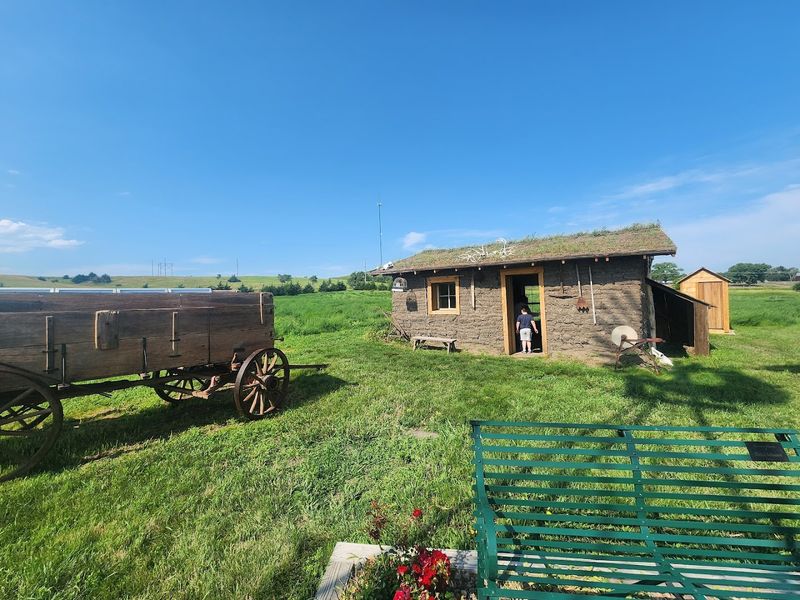
Driving the full 272 miles of Highway 2 does not mean spending the entire trip in total isolation.
The route passes through or connects to a string of small communities including Ravenna, Broken Bow, Dunning, Halsey, Thedford, Mullen, Hyannis, and Alliance, each one offering at least the basics and sometimes a bit more character than expected.
These towns tend to be the kind of places where a local diner serves a daily special on a chalkboard and the gas station attendant actually knows the roads ahead.
Stopping in even one or two of them adds texture to the drive that a nonstop run through the Sandhills simply cannot provide.
Alliance, at the western end of the route, is also the closest town to Carhenge, the quirky art installation made entirely of vintage automobiles arranged in the style of Stonehenge.
Each town along the route has its own quiet identity shaped by ranching culture, agricultural history, and the particular rhythms of life in one of the least densely populated regions in the lower 48 states.
Slowing down enough to walk a block or two in any of these communities adds a human dimension to what might otherwise feel like a purely scenic drive through an empty landscape.
History Stops Add More Than Scenery
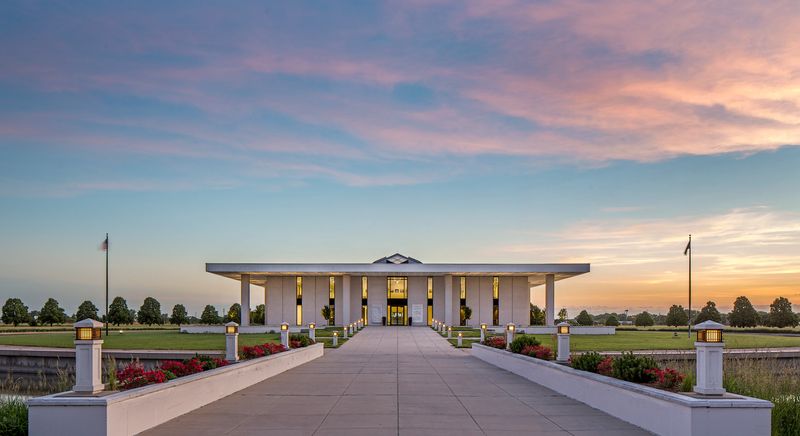
The landscape along the Sandhills Journey Byway carries a deep layer of human history beneath its open surface, and several museums and historical sites along the route make that history accessible in tangible ways.
The Stuhr Museum of the Prairie Pioneer in Grand Island is one of the most substantial history destinations in the state, operating as a living history museum that brings 19th-century Plains life into direct, walkable experience.
The museum covers a sprawling campus that includes restored historic buildings, period demonstrations, and rotating exhibits on the cultural and agricultural heritage of the region.
Spending two to three hours here before heading west along the byway gives the subsequent drive considerably more historical context.
Further along the route, the Custer County Historical Museum in Broken Bow and the Thomas County Historical Museum in Thedford offer smaller but locally specific collections that reflect the ranching and settlement history.
The Knight Museum and Sandhills Center in Alliance provides a thoughtful overview of the regional culture at the western end of the drive.
Each of these stops rewards curiosity with details that do not appear in the scenery alone.