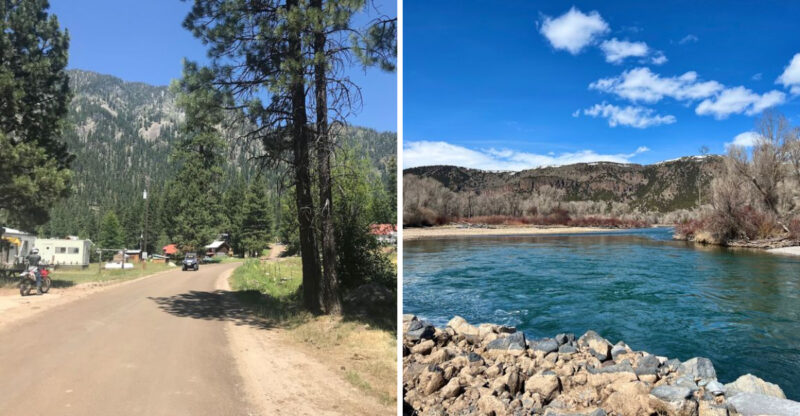
This Quiet Idaho Lake Is At The Center Of A Heated Debate
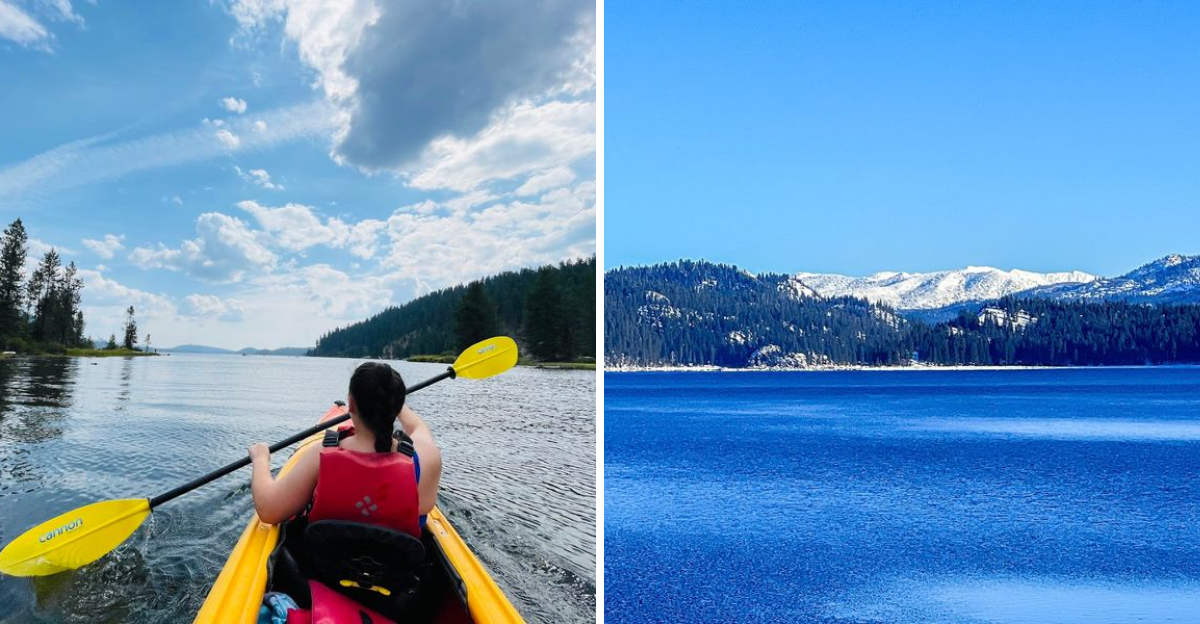
Calm water can make a place look untouched, but even the prettiest lake can carry difficult questions beneath the surface.
Near McCall, this beloved Idaho destination has long been the kind of mountain escape people speak about with real affection, which is exactly why the current debate feels so personal.
The views are easy to understand, but the concerns around the lake deserve just as much care.
This is not a simple argument over scenery.
It is a conversation about how a cherished place should be protected while people continue to use and enjoy it.
That balance is never easy.
When a lake means this much to a community, every decision feels bigger than the moment, because the future is part of the shoreline too.
You See The Calm Water Before You Hear The Arguments
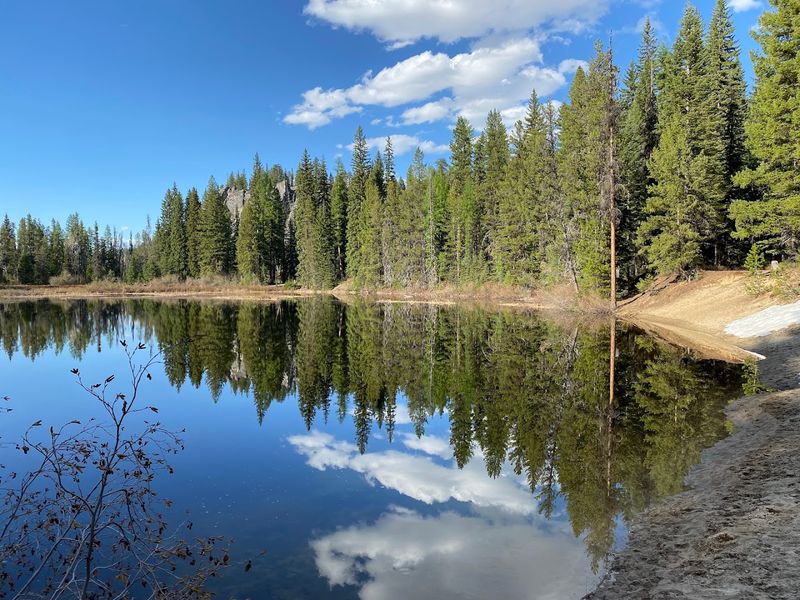
Standing near Payette Lake, the first impression is still beauty. Clear mountain water sits beneath forested slopes, with McCall wrapped around the southern edge and boats moving across the surface when the weather turns warm.
The setting can make every concern feel far away for a few minutes. Families still spread towels near the beach.
Kayaks still move quietly over the water. Visitors still stop because the lake looks like the whole reason Idaho summer exists.
Then the local debates begin to surface. Payette Lake is not only a pretty backdrop.
It is a working recreation space, a public-land issue, a water-quality concern, a shoreline-development question, and a community identity all at once. That is why the calm view feels almost misleading.
People are not arguing because they dislike the lake. They are arguing because they love it enough to worry.
Growth, boats, invasive plants, wastewater, and land transfers all affect how this place will look and function in the years ahead. The water may stay still on a quiet morning, but the decisions around it are moving fast.
Payette Lake Looks Peaceful Enough To Hide A Very Loud Debate
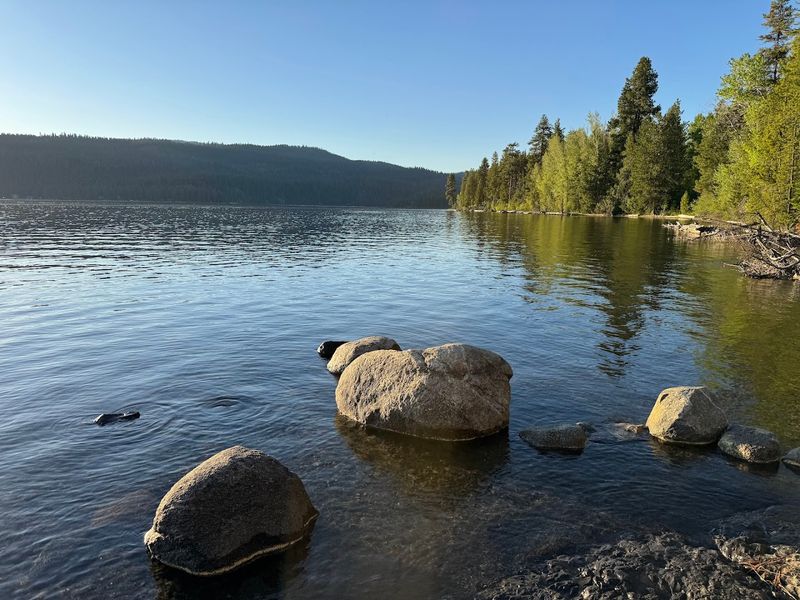
Glacial history gives Payette Lake its striking mountain-lake character, but modern land questions are what keep it in the news.
The lake sits near McCall in Valley County, with state endowment lands, federal forest lands, private parcels, resort pressure, and public access all tangled around the larger conversation.
A current land-exchange proposal could transfer roughly 15,700 acres of Idaho endowment land around Payette Lake to the U.S. Forest Service in exchange for federal land elsewhere.
That idea matters because people still remember earlier private-development fears around the lake. A 2020 proposal involving Trident Holdings and thousands of acres of state endowment land sparked intense public pushback before being rejected.
Since then, many residents have watched every new land proposal carefully. The question is not only who owns the land on paper.
It is what ownership means for trails, timber, wildlife, lake access, development pressure, and the public character of McCall’s most defining landscape. Payette Lake looks peaceful from shore, but that peaceful view depends on complicated land decisions.
One map line can change how locals imagine the lake’s future.
McCall’s Favorite View Comes With Big Questions Attached
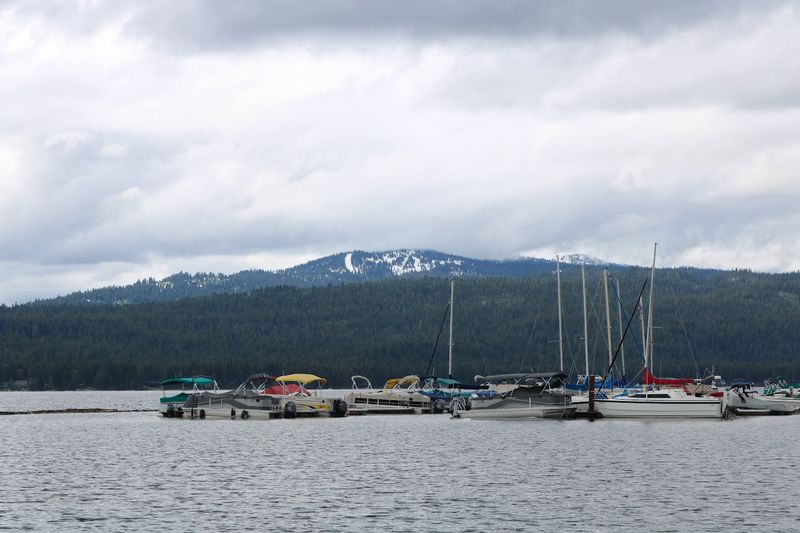
McCall’s identity is tied so tightly to Payette Lake that separating the town from the water feels almost impossible.
Visitors come for boating, fishing, swimming, camping, hiking, paddling, restaurants, summer cabins, winter views, and that mountain-town feeling that makes people start checking real estate prices after one weekend.
Legacy Park, at 1100 East Lake Street, McCall, Idaho 83638, gives one of the easiest public views of the lake and shows exactly why the place inspires such strong feelings. The address matters because this is not an abstract debate happening around a distant resource.
It is happening around the beach where families gather, the shoreline people photograph, and the water that anchors daily life in town. Growth brings money, visitors, jobs, and energy.
It also brings more traffic, more boats, more shoreline pressure, more infrastructure needs, and more concern over what the lake can handle. Residents are not simply trying to freeze McCall in place.
Most understand that tourism and recreation are part of the town’s economy. The real question is how much growth can happen before the lake loses the qualities that made people care in the first place.
Growth, Boats, And Water Quality Keep Pulling The Lake Into The Spotlight
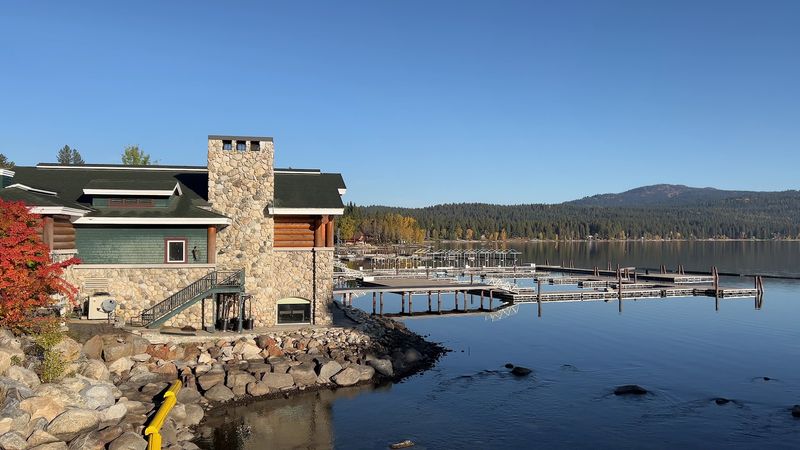
Boating pressure has become one of the sharpest parts of the Payette Lake conversation. Powerboats, wake boats, personal watercraft, rentals, marina slips, shoreline waves, and crowded summer weekends all shape how the lake feels and functions.
The Mile High Marina expansion approved in 2024 added another layer, with plans for about 90 new slips and more public boardwalk space around the marina area. Supporters can point to organized access, marina upgrades, and public waterfront improvements.
Critics worry about more boat traffic, bigger wakes, shoreline erosion, sediment disturbance, invasive plant fragments, safety, and the cumulative stress on a lake already carrying many demands. That is why the debate gets heated.
Everyone can agree that Payette Lake is meant to be enjoyed. The harder question is what kind of enjoyment causes the least harm.
Swimming, paddling, fishing, motorboating, wake sports, and scenic shoreline use do not always fit together neatly on a busy summer day. Water quality concerns make the disagreement more serious than a simple recreation preference.
What happens on the surface can affect what grows below it, what washes into the shoreline, and how clear the lake stays over time.
Invasive Milfoil Turned A Pretty Lake Into A Hard Choice
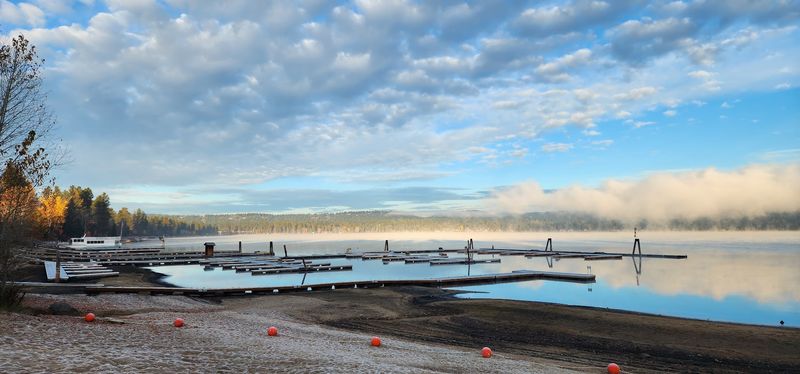
Eurasian watermilfoil sounds harmless until it starts changing a lake. This invasive aquatic plant spreads easily through fragments, which means pieces can break off, drift, re-root, and grow into new patches.
Boats, trailers, propellers, and equipment can help move those fragments around if people are careless. Payette Lake has dealt with milfoil for years, and management has become one of the most emotional lake issues in McCall.
Chemical herbicide treatment was debated heavily in 2025, then postponed after public opposition. In 2026, state officials adopted a plan that calls for herbicide treatment on selected acres, with diver-assisted removal also part of the broader response.
That shift shows how difficult the problem has become. Some residents fear herbicides in a beloved swimming and drinking-water landscape.
Others fear that refusing treatment will let milfoil spread until the lake becomes harder to protect. Mechanical removal feels safer to some people, but it can be expensive, slow, and limited in reach.
Herbicides can cover more area, but they raise public trust questions. Nobody gets an easy answer.
The plant keeps growing while the community debates the least damaging way to fight it.
Locals Want To Protect The Water Without Losing The Summer Fun
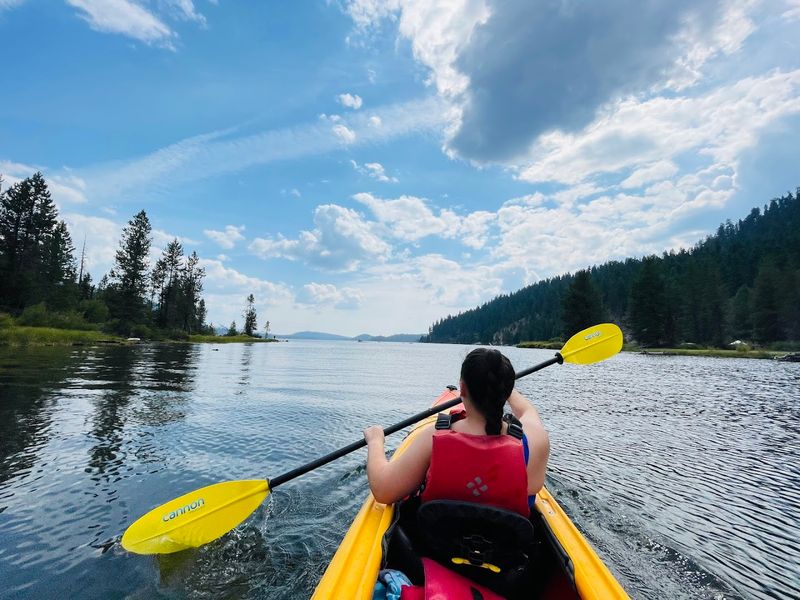
Payette Lake memories are often simple: a towel on the sand, a cold swim, a rented kayak, a boat ride, a picnic, a sunset, or a summer afternoon that feels longer than it really is.
Those memories are why residents get emotional when rules, restrictions, treatment plans, and development proposals enter the conversation.
People want the lake protected, but they also want the lake available. They want clean water without turning summer into a list of bans.
They want boating without damage. They want public land without neglect.
They want visitors without losing the town’s character. That combination is difficult but not unreasonable.
The strongest communities around popular lakes usually learn how to hold two ideas at once: recreation matters, and limits matter too. Payette Lake is now deep in that balancing act.
A person who only sees the lake for one sunny weekend may wonder why everyone sounds so tense. Longtime locals know the answer.
Every summer adds pressure. Every new project raises questions.
Every invasive plant patch, sewer concern, or land proposal changes the stakes. Loving the lake means enjoying it, but it also means accepting that joy needs rules, planning, and maintenance to survive.
Every Quiet Shoreline View Feels More Complicated Than It Looks
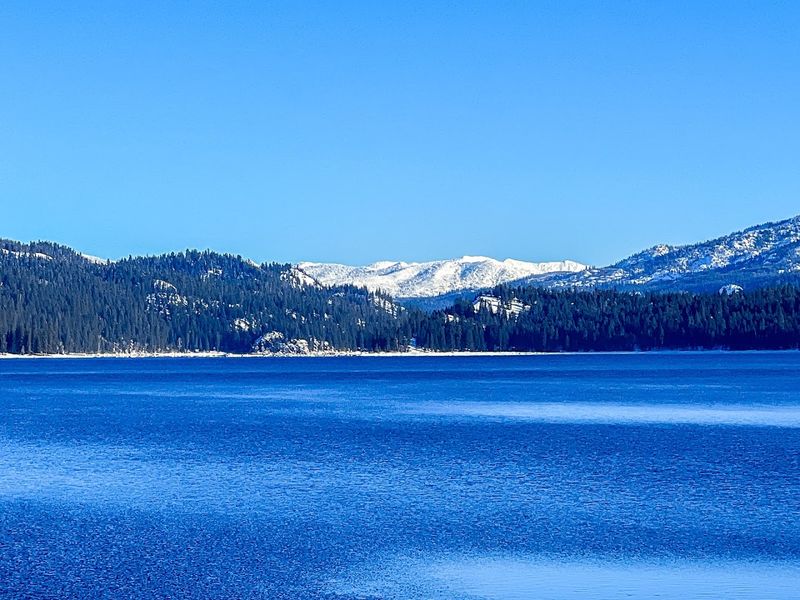
Water quality debates rarely look dramatic from shore, which makes them easy for casual visitors to miss. The lake may sparkle, the beaches may stay busy, and the marina may look normal while complicated infrastructure questions unfold nearby.
One of the biggest recent concerns involves the Payette Lakes Recreational Water and Sewer District.
Idaho environmental officials sued the district in 2026 over allegations that treated wastewater had been leaking from a recycled-water storage pond and reaching the North Fork Payette River.
That river flows toward Payette Lake, which makes the issue more than a technical sewer-district dispute. The state’s concern centers on phosphorus, a nutrient that can contribute to algae growth when too much enters a water system.
Infrastructure problems like this are not as visible as a new marina or a crowded beach, but they can be just as important. Visitors rarely think about pond liners, wastewater systems, nutrient loading, or old maintenance problems while looking at a mountain lake.
Local residents have to think about them because the lake’s future depends on what flows into it. A quiet shoreline view can hide a lot of unseen work, and sometimes a lot of unresolved trouble.
Payette Lake Proves Beautiful Places Can Still Stir Up Big Feelings
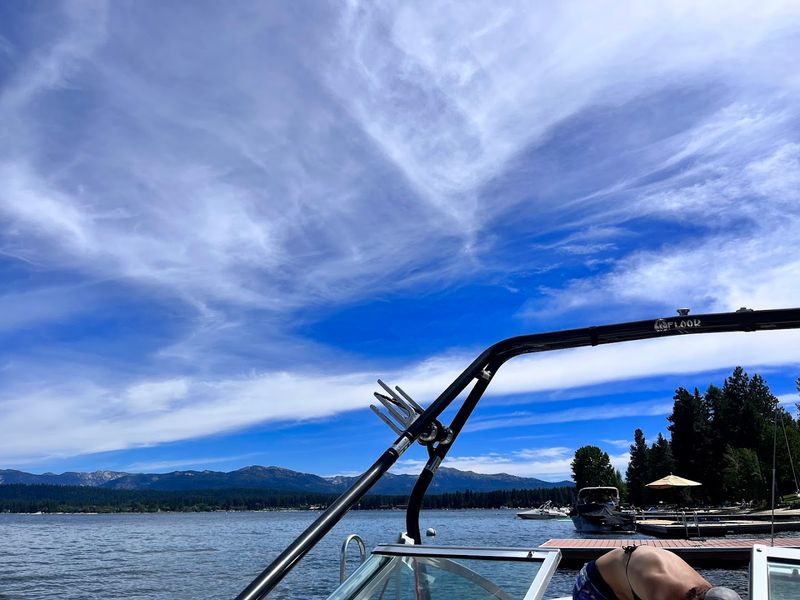
Beautiful places create big feelings because people can see what is at stake. Payette Lake is not a random water body on a map.
It is McCall’s centerpiece, a recreation hub, a public-access question, a wildlife and water-quality concern, and a symbol of what many Idahoans want protected as growth accelerates.
A 2025 survey showed strong local support for transferring endowment lands around Payette and Little Payette Lakes to the U.S.
Forest Service, with many respondents worried about future privatization. That does not mean every resident agrees on every detail.
Land exchanges are complicated. Forest Service ownership raises its own management questions.
Recreation access, timber values, public funding, conservation goals, and local economic needs all have to be weighed. Ponderosa State Park, which extends into the lake on a forested peninsula, gives visitors a clear reminder of why public access and scenic protection matter so much here.
Trails, overlooks, beaches, marinas, cabins, and summer crowds all exist because Payette Lake is loved. The heated debate is not separate from that love.
It is part of it. Some places stay beautiful only because people argue loudly enough to keep paying attention.