This Eerie Michigan Asylum Tour Hides A Whole World Beneath The Surface
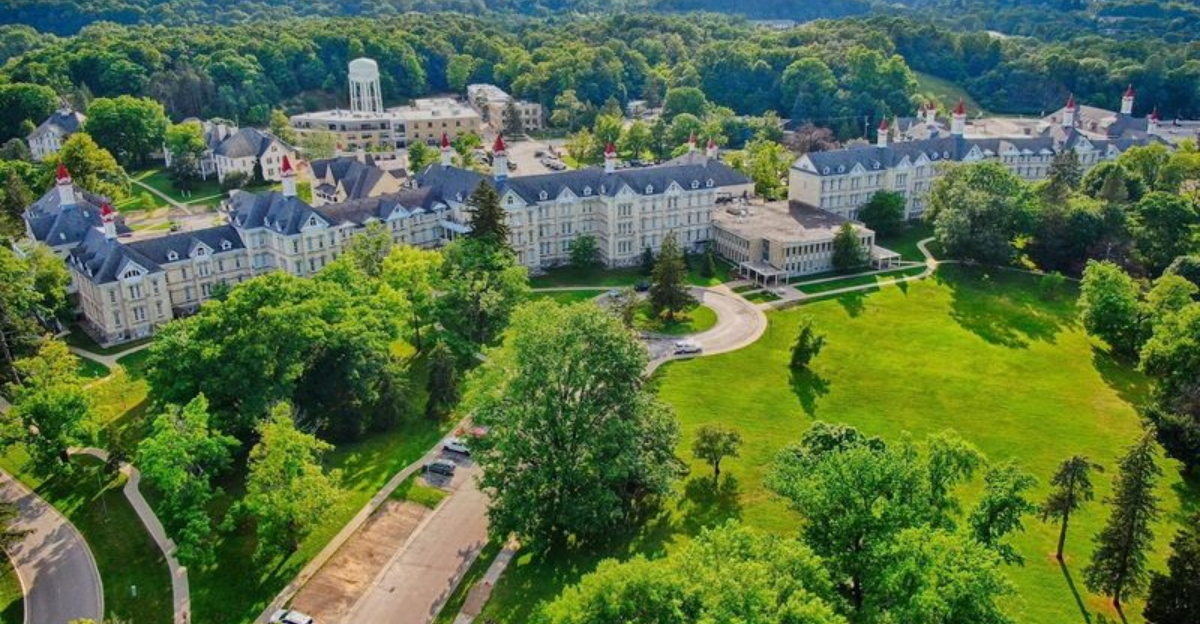
Yellow brick and sweeping lawns hide a darker story. The campus looks grand and Victorian outside. Inside, layers of history wait quietly.
This site served as a hospital for decades. Now curious visitors arrive from everywhere. Michigan keeps this eerie landmark alive.
Curious what waits beneath the floors? I walked the tunnels with a real chill. Shops and restaurants fill the old wards.
The sheer weirdness pulls you deeper. Human stories soaked into these halls. The place leaves a lasting mark.
Cold air drifts up the brick stairwells. Old doors creak on rusted hinges, while the guides share old stories. Come wander and feel the past.
A History Written In Yellow Brick
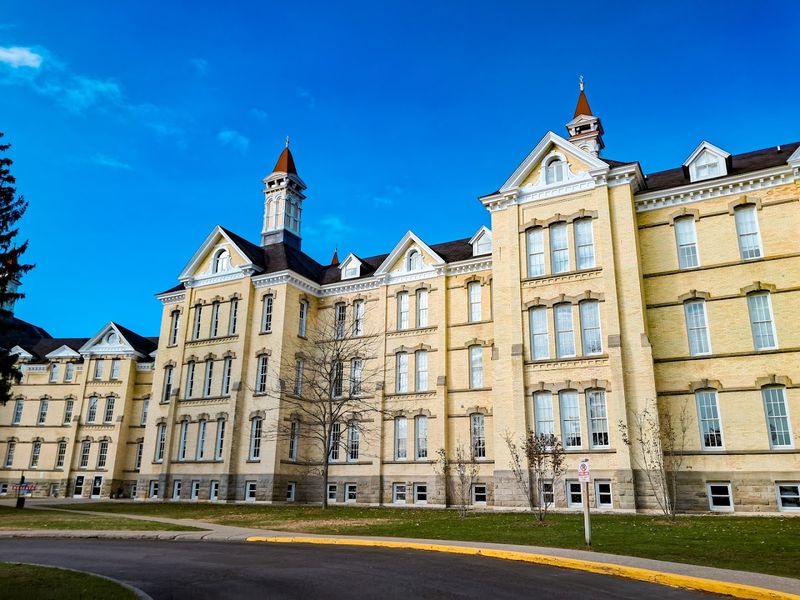
Built in 1885, the Northern Michigan Asylum opened its doors with a philosophy that was radical for its time.
Fresh air, natural beauty, and meaningful work were considered as important as any medical treatment. The campus was designed by architect Gordon W.
Lloyd, and its Kirkbride-style layout was meant to feel more like a retreat than a facility.
Michigan was among the states that embraced this progressive model early on. The original vision was that patients would farm the land, tend gardens, and find healing through purpose.
Walking the grounds today, that original ambition is still visible in the architecture. The long, sweeping wings of the main building were designed to maximize light and airflow.
Every detail, from the ornate brickwork to the wide corridors, speaks to a belief that the environment shapes wellbeing.
It is a philosophy that feels surprisingly modern, even by today’s standards, and one that makes the history here feel genuinely worth understanding rather than just gawking at.
What The Tunnels Actually Look Like
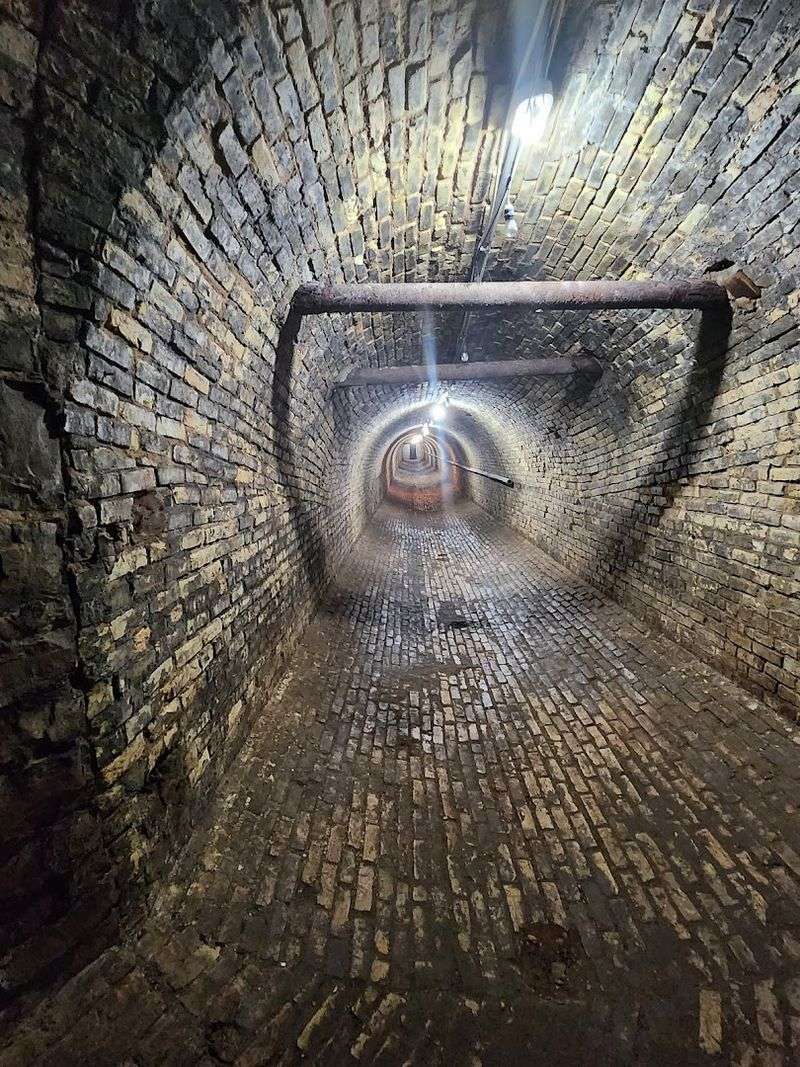
Few things on the tour generate more buzz than the underground tunnel system at 830 Cottageview Dr in Traverse City, and they absolutely deliver on the hype.
The tunnels were originally built to carry steam heat between buildings across the sprawling campus. They run beneath the grounds like a hidden circulatory system, connecting structures that look completely separate from above.
When I walked through one of these tunnels, the temperature dropped noticeably and the brick walls seemed to close in just enough to make things interesting.
Remnants of the old steam pipes are still visible overhead. The floors are uneven in places, which is part of why the tour guides ask you to sign a waiver before heading in.
Michigan winters are brutal, and these tunnels meant that staff and patients could move between buildings without braving the cold.
These were not secret passages built for drama. They were built for survival and convenience.
Knowing that context changes how you see them, turning what could feel like a horror movie set into something that actually tells a quiet, practical story about daily life inside the old hospital.
Inside The Unrenovated Cottages
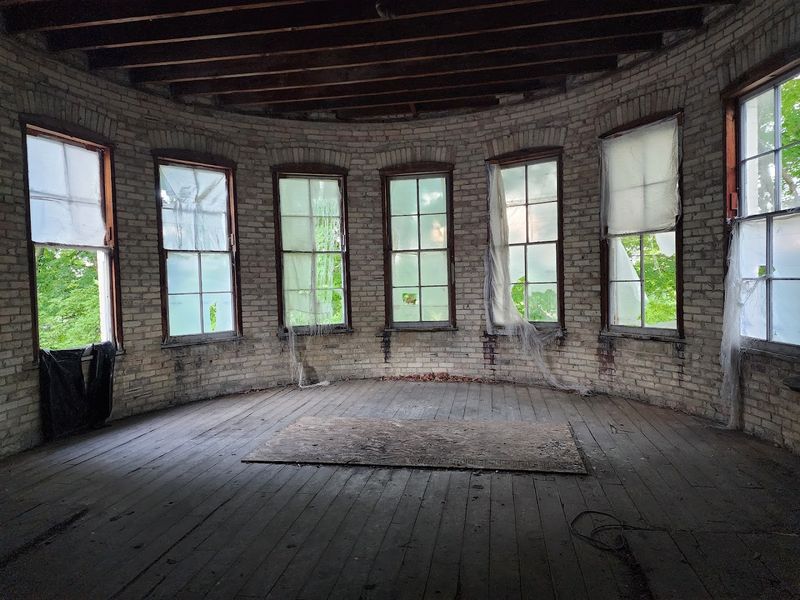
Not every part of the campus has been polished up for visitors.
Some of the original cottages remain largely untouched, and touring them is a completely different experience from walking through the renovated retail areas. The contrast is striking in a way that no amount of description fully prepares you for.
Original terrazzo floors are still visible in places, cracked but recognizable. Tile work from over a century ago clings to walls in faded patterns.
The ceilings are high and the rooms are larger than you might expect, which somehow makes the emptiness feel more present rather than less.
Michigan has no shortage of historic buildings, but few offer this kind of unfiltered access to a structure that is still mid-story. These cottages are not ruins for the sake of atmosphere.
They are buildings waiting for a decision about their future. The tour guides are candid about the financial and logistical challenges of restoration.
That honesty adds a layer of meaning to the visit that I appreciated. You leave feeling like a witness to something ongoing, not just a tourist who peeked at the past.
Shops And Surprises
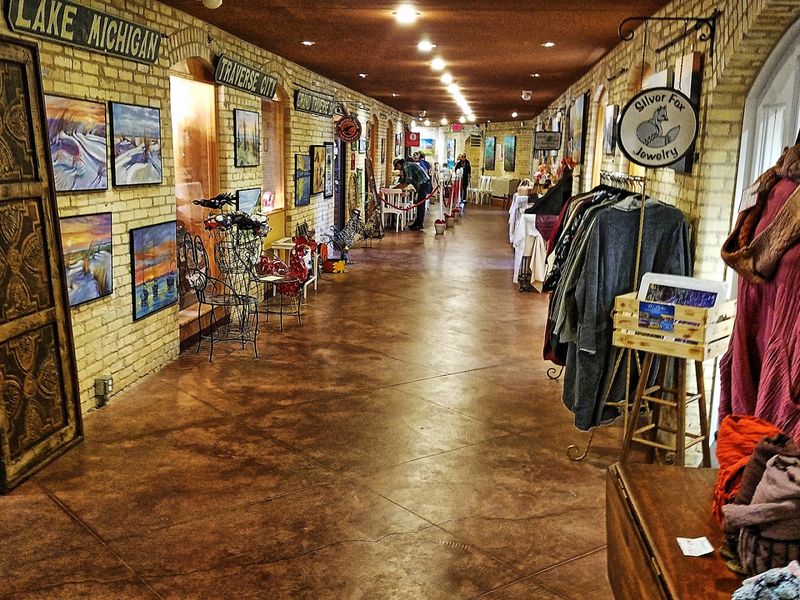
The renovated section of the campus has been rebranded as The Village at Grand Traverse Commons, and it is an enjoyable place to spend an afternoon even if you skip the tour entirely.
Boutique shops line the wide original corridors, and the mix of offerings is more interesting than your average tourist shopping strip.
A candy shop sells loose candy by weight and old-fashioned varieties that are surprisingly hard to find elsewhere.
A toy shop stocks an impressive selection of three-dimensional printed items that kids and adults both tend to linger over. A flower shop fills the hallway with fragrance that drifts pleasantly toward the main entrance.
What makes the shopping experience feel different here is the setting. You are browsing handmade goods in a hallway where the original woodwork is still intact above the doorframes.
The history is not hidden or sanitized. It is literally on the walls, in framed photographs and informational plaques that tell the story of the building around you.
Plan extra time, because it is easy to lose track of it here.
Tour Options Worth Knowing About
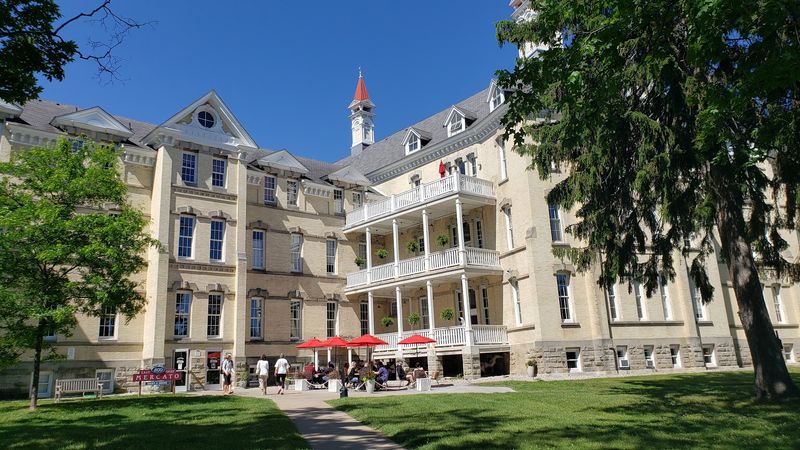
The tour lineup at Traverse City State Hospital has grown over the years to include several different formats.
The standard history tour runs about ninety minutes to two hours and covers multiple buildings along with at least one tunnel section. There is also a twilight tour option that runs in the evening and has a noticeably different atmosphere once the natural light fades.
Tours are available most days of the week, though the schedule varies, and booking ahead is strongly recommended. Tickets tend to sell out well in advance, especially during peak summer months and around Halloween.
Buying online a few weeks early is a much safer strategy than hoping for walk-in availability. Comfortable footwear matters more here than at almost any other attraction I have visited in Michigan.
The terrain shifts between smooth renovated floors, original uneven tile, and outdoor pathways between buildings.
Guides are knowledgeable and tend to have personal connections to the history of the place, which gives the narration a warmth that a purely academic approach would miss.
Dining With A Dramatic Backdrop
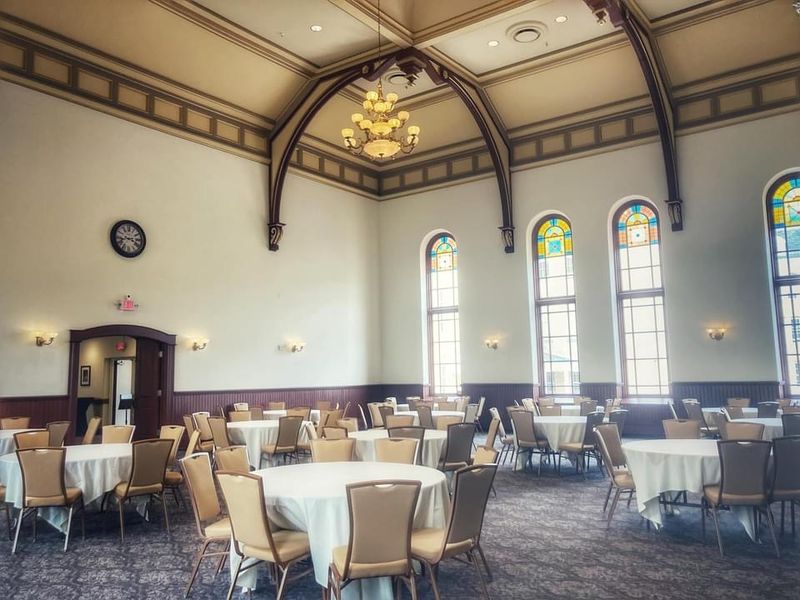
Eating inside a former psychiatric hospital sounds like a concept that should not work, but the restaurants at The Village pull it off with real style.
The setting is dramatic without being gimmicky. Exposed original brick, high ceilings, and large windows create a dining atmosphere that feels both historic and comfortable.
The food options range from casual to upscale, so the campus works for a quick lunch between tour stops or a proper sit-down dinner.
The aromas drifting through the main corridor are enough on their own to make a reservation feel necessary. Several visitors I spoke with mentioned regretting not planning a meal into their itinerary from the start.
Michigan summers bring a lot of food tourism to the northern part of the state, and the dining options here hold their own against much of the competition. The combination of setting and food quality creates an experience that feels complete rather than incidental.
Staying Overnight On The Grounds
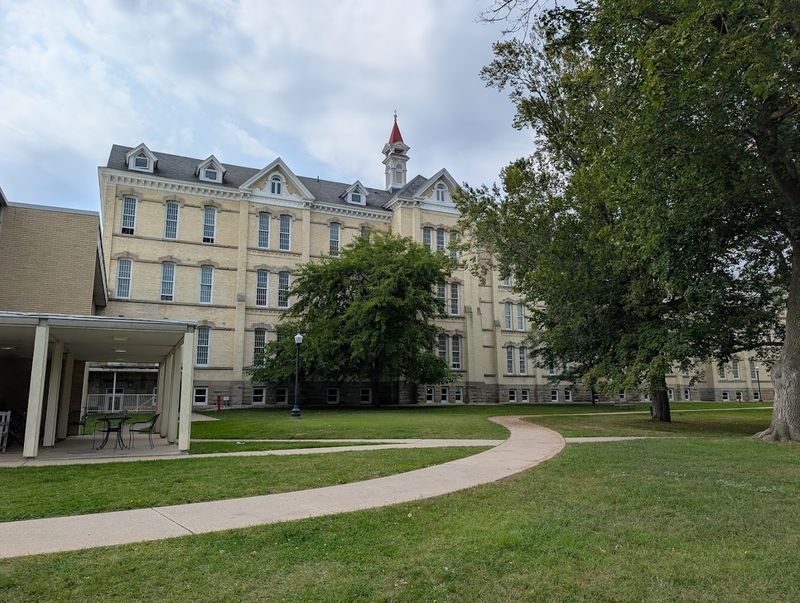
One of the most unexpected things about this campus is that you can actually sleep here.
A portion of the old hospital buildings has been converted into residential condominiums, and some of those units are available for short-term stays.
Waking up inside a building with this much history is an experience that most Michigan travel itineraries would never anticipate.
The conversions are thoughtful rather than superficial. Original architectural details like tall ceilings, large windows, and thick brick walls have been preserved wherever possible.
The result is a space that feels genuinely historic rather than themed, which is a meaningful distinction when you are paying to stay somewhere for the atmosphere.
Being on the grounds after the day visitors have left gives you a completely different read on the place. The campus gets quiet in a way that feels earned rather than empty.
You notice things you would miss during a busy afternoon tour, like the way the yellow brick changes color in evening light, or how far the grounds actually extend beyond the main building cluster.
Planning Your Visit Practically
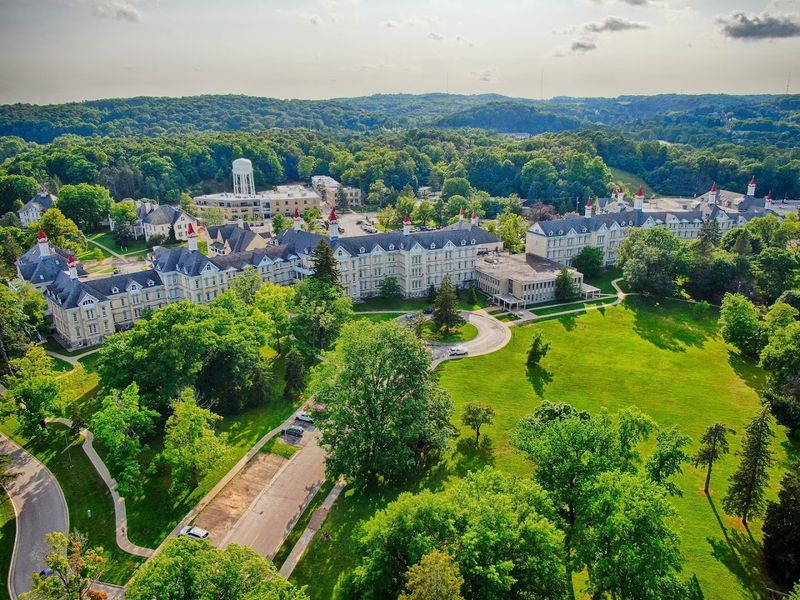
Getting the most out of a visit here takes a little advance planning, and that planning pays off noticeably.
The campus is open most days, but tour availability is separate from general access to the shops and restaurants. You can walk the grounds and browse without a ticket, but the tunnel and cottage access requires a booked tour.
Parking is free, which is a genuine relief given how popular the campus has become. The main check-in point for tours is the gift shop, which also serves as a good starting point for orienting yourself to the layout of the grounds.
Restrooms are clean and accessible near the shop area.
Michigan weather can shift quickly in the north, especially in spring and fall, so a light layer is worth packing even on days that start warm. Tours run rain or shine, and the outdoor portions between buildings can get breezy.
Arriving with a rough sense of the schedule, knowing which tour you want and when it runs, turns what could be a confusing first impression into a smooth and satisfying day from start to finish.