This Idaho Landmark Is One Of The State’s Most Meaningful Places To Honor Those Who Served
Some places do not ask for attention, yet the moment you arrive, your whole pace changes.
This Boise cemetery carries a quiet power that feels impossible to rush.
Every marker holds more than a name, because behind each one is a life shaped by service and remembered by people who still carry that love forward.
Nothing about the setting feels ordinary.
The beauty is gentle, but the meaning is heavier, and that combination can stop a person in the middle of a simple walk.
Here in Idaho, the silence feels full in the most moving way.
A visit becomes less about seeing a landmark and more about pausing long enough to feel the gratitude it deserves.
Stand Beneath The Flag That Watches Over The Grounds
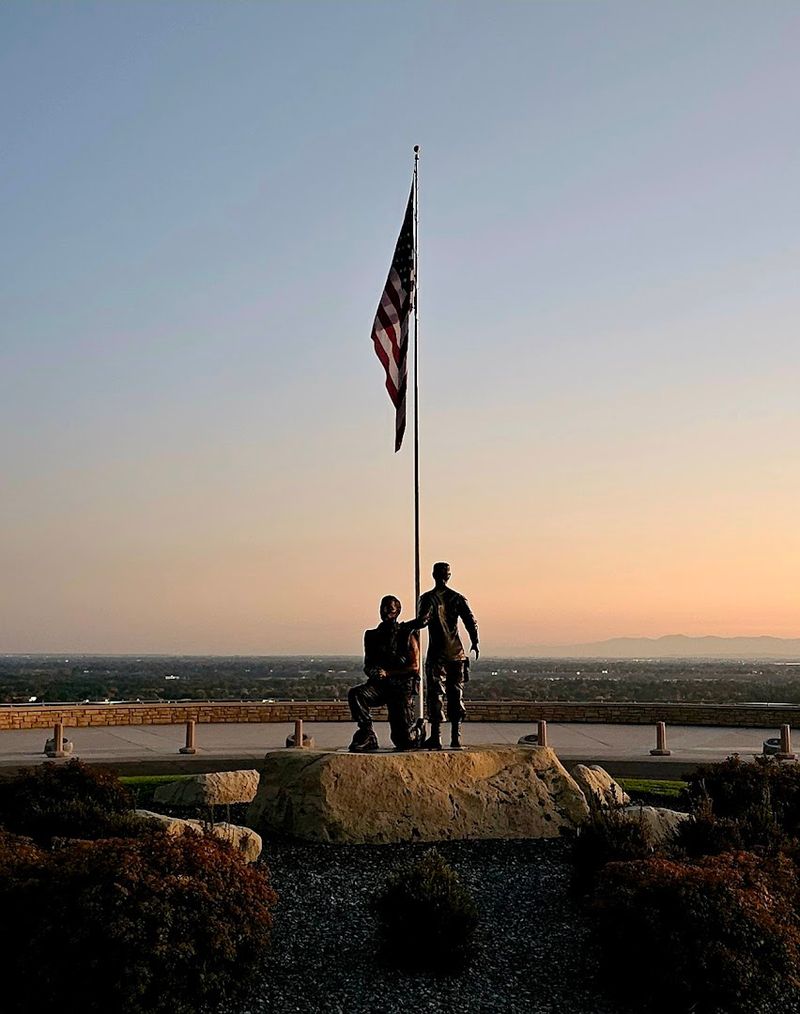
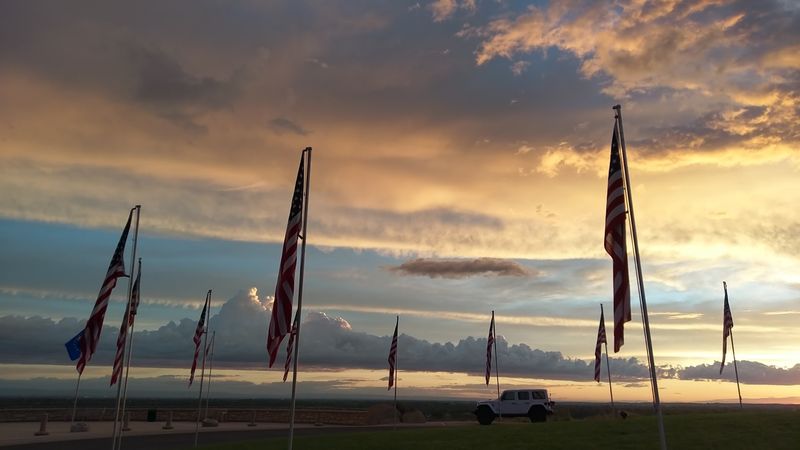
High above the orderly rows, the American flag gives the cemetery one of its most powerful visual anchors. The Idaho State Veterans Cemetery is found at 10100 North Horseshoe Bend Road, Boise, Idaho 83714, and the flag’s position helps it feel like a steady presence over the entire landscape.
It is the first detail many visitors notice and one of the last they remember after leaving. Nothing about it feels decorative.
The flag carries the weight of the place without needing explanation. Families pause nearby.
Visitors look up before walking the rows. The wind gives the scene movement, but the feeling remains calm.
That contrast matters. A cemetery like this is not only about grief.
It is also about gratitude, duty, memory, and the promise that service will not be treated as something anonymous. Standing beneath the flag gives visitors a moment to gather themselves before moving deeper into the grounds.
No speech is required. No ceremony has to be underway.
The flag, the hill, the markers, and the silence do enough on their own.
Let The Quiet Hilltop Setting Slow Everything Down
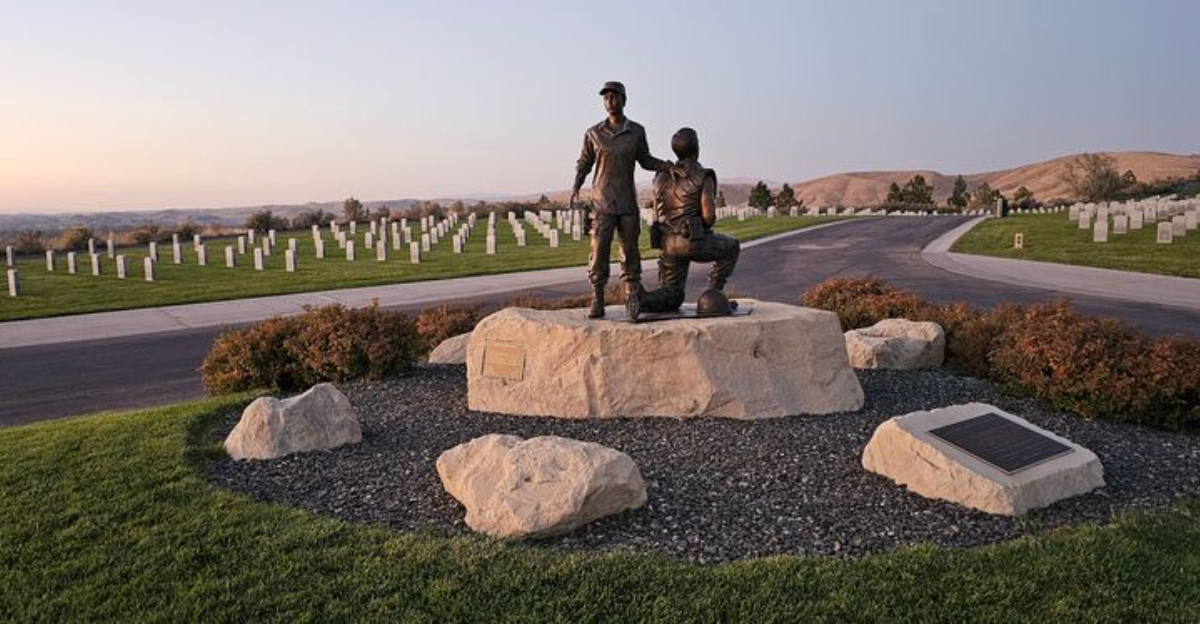
Wide space changes the way people move, and this cemetery has enough room to make visitors naturally lower their pace. The grounds cover 76.5 acres in the Boise foothills area, with open views, native high-desert character, and a sense of distance from the rush of the city.
That setting helps the cemetery feel solemn without feeling closed in. Visitors may arrive carrying private grief, family history, curiosity, or a simple desire to pay respects.
The landscape gives all of those reasons room to exist. Rolling terrain, sky, wind, and carefully maintained grounds work together in a way that feels restrained and dignified.
The cemetery is not trying to impress through ornament. It impresses through care.
Markers are aligned with precision. Roads and paths guide visitors gently through the property.
The quiet does not feel empty. It feels purposeful.
This is the kind of place where even a short stop can shift the mood of a day. Boise has many landmarks that celebrate growth, culture, and outdoor life.
This one asks people to slow down and remember the service that sits beneath the surface of everyday freedom.
Walk The Rows With The Respect They Deserve
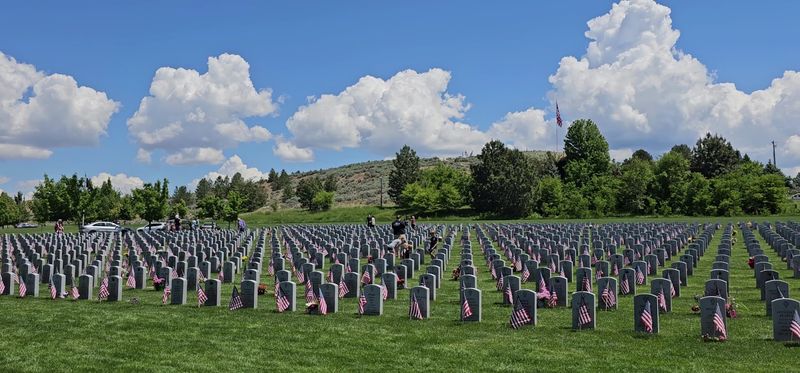
Rows of grave markers can look uniform from a distance, but each one belongs to a specific person, family, and story. Walking through the Idaho State Veterans Cemetery means paying attention to that truth.
Names, service branches, dates, ranks, symbols, and inscriptions turn the landscape from a broad memorial into thousands of individual lives. A respectful visit does not need to be complicated.
Move slowly. Keep voices low.
Stay on paths and open areas where appropriate. Avoid treating markers as photo props.
Let each name register for a moment before moving on. The cemetery follows veterans cemetery standards and is maintained with a level of order that reflects the service being honored here.
That care shows in clean grounds, aligned markers, and a setting designed for families who may be visiting on some of the hardest days of their lives. Children and first-time visitors can learn a lot from simply watching how others behave in the space.
Respect is not dramatic. It is quiet, steady, and practical.
A slow walk through these rows reminds visitors that public gratitude becomes more meaningful when it is paired with careful behavior.
Use The Gravesite Locator To Find A Name And A Story
Finding one grave within a large cemetery can feel overwhelming, especially for families arriving with emotion already close to the surface. The Idaho State Veterans Cemetery participates in grave-location tools that help visitors search for a specific person before or during a visit.
That practical step can make the experience calmer and more personal. A name, service record, or family connection becomes easier to follow when the location is known.
The cemetery also offers staff assistance during office hours, which can help visitors who are unsure where to begin. This matters because the grounds are not only a landmark.
They are a place where families return to speak to someone they love, where researchers may trace service histories, and where younger generations can connect a surname to a lived military story.
Searching before the visit can also help school groups, relatives, and community members prepare with more intention.
A cemetery visit changes when you are walking toward someone specific. The rows still carry collective meaning, but one marker becomes the center of the day.
That is when the scale of the place meets the intimacy of memory.
Notice How The Boise Foothills Frame This Place Of Rest
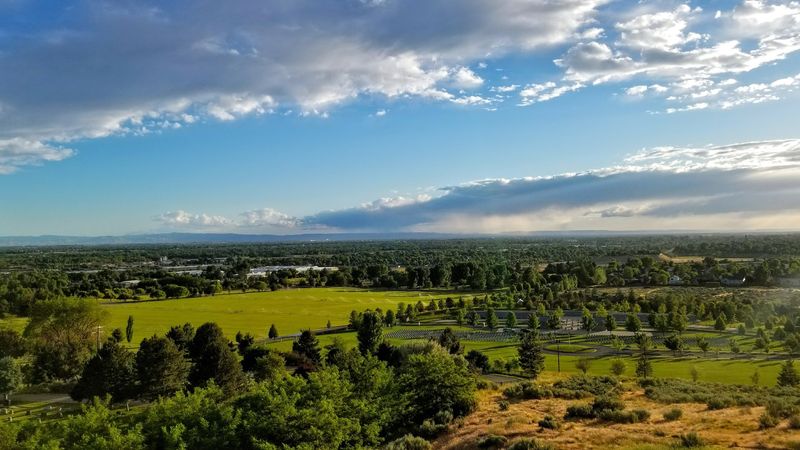
Landscape gives this cemetery part of its emotional force. The Boise foothills rise nearby with sagebrush, grasses, open sky, and the muted colors that define this part of Idaho.
Those natural lines create a backdrop that feels fitting for a place of military remembrance. The hills do not soften the seriousness of the cemetery.
They deepen it. On clear days, the light can make the rows of markers appear even more precise against the rugged terrain.
In winter, the setting can feel especially still. During warmer months, grasses and sky add a quiet brightness that keeps the grounds from feeling heavy in only one way.
That seasonal change gives repeat visits a different tone each time. The cemetery belongs to Boise, but it also belongs to the larger Idaho landscape around it.
That matters for families who see the state itself as part of what their loved ones served, protected, and returned to. The contrast between carefully ordered markers and wild foothill edges says something without spelling it out.
Service, memory, land, and home all share the same view here. Few places in the Treasure Valley express that connection with this much restraint.
Leave Flowers With Care And Follow The Cemetery Guidelines
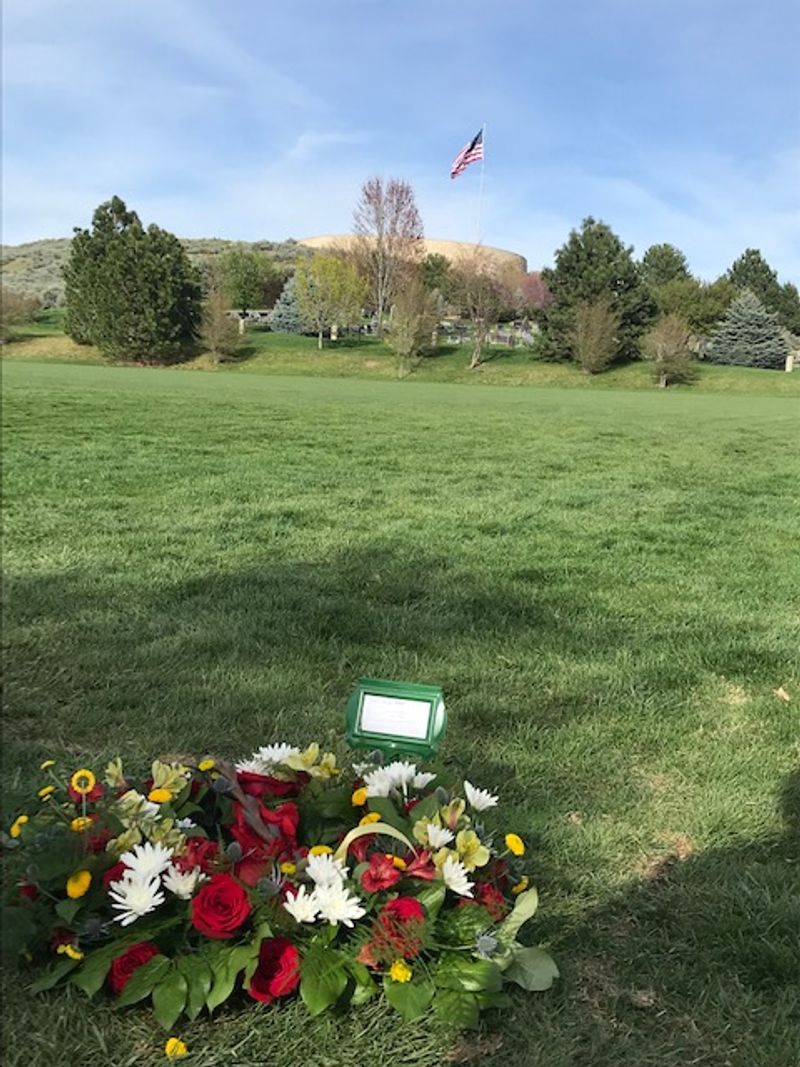
Tributes matter, but the way they are left matters too. Flowers, small flags, wreaths, and other remembrances can help families express love when words feel too small.
The Idaho State Veterans Cemetery maintains floral and decoration guidelines so the grounds stay safe, dignified, and accessible for everyone who visits. Following those rules is not a technicality.
It is part of honoring every family represented on the property. Simple arrangements are often the most powerful.
A single stem, a modest bouquet, or a properly placed seasonal tribute can carry deep meaning without creating problems for maintenance crews or neighboring graves. Wind, weather, mowing, and safety concerns all shape what the cemetery can allow.
Visitors should check current rules before leaving items, especially around holidays or special placement periods. Community efforts such as veterans wreath programs also give people an organized way to participate in remembrance beyond a private visit.
The important thing is intention paired with respect. A cemetery like this belongs to many families at once.
Personal grief and public dignity have to share the same ground. Thoughtful visitors help protect that balance with every item they leave behind.
Take Time To Understand Idaho’s Promise To Its Veterans
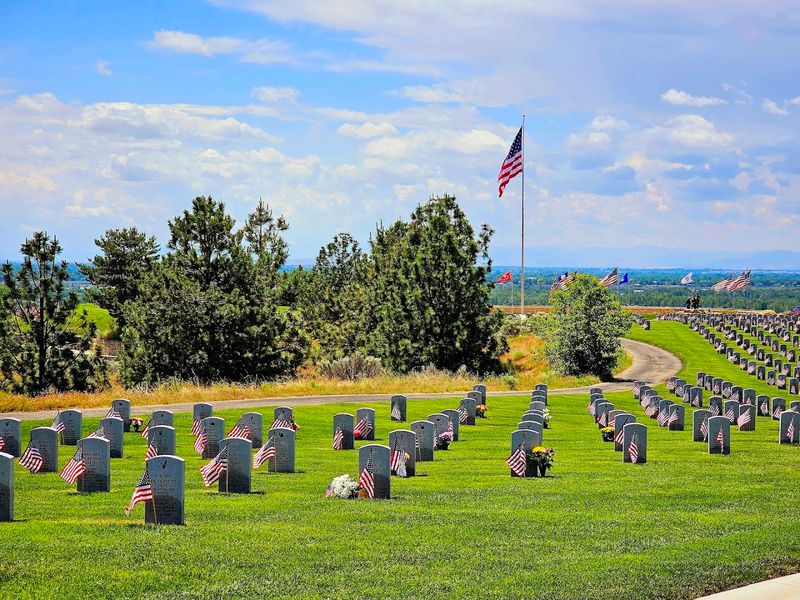
Interestingly, this was the last state in the nation to establish a dedicated veterans cemetery. That fact carries weight.
When the State Veterans Cemetery finally opened in 2004, it came with an $8.2 million investment paid for by the federal government and a clear mission: to honor veterans and their families with dignified, respectful interment services that commemorate their service.
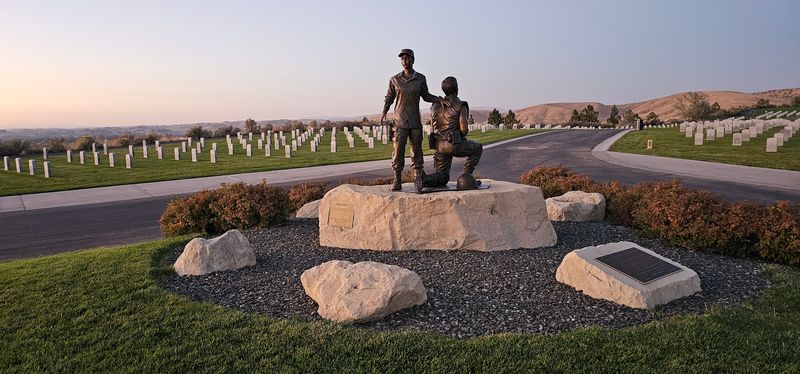
The bronze statue known as “I’ve Got Your Back” stands as one of the most powerful symbols of that promise. It depicts two soldiers across generations, one grieving and one offering steady support, both facing the flag with resolve.
The Women Veteran Memorial, dedicated in September 2025, adds another layer to that commitment, honoring women who served including Cpl. Carrie French, the first woman from the state unalived in combat.
Understanding these stories transforms a visit from a simple walk into something far more significant. The cemetery is not just a burial ground.
It is a physical declaration that service will never be forgotten. Every statue, every marker, and every ceremony held here reinforces a promise that this state takes seriously.
Bring Younger Visitors Who Are Ready To Listen And Learn
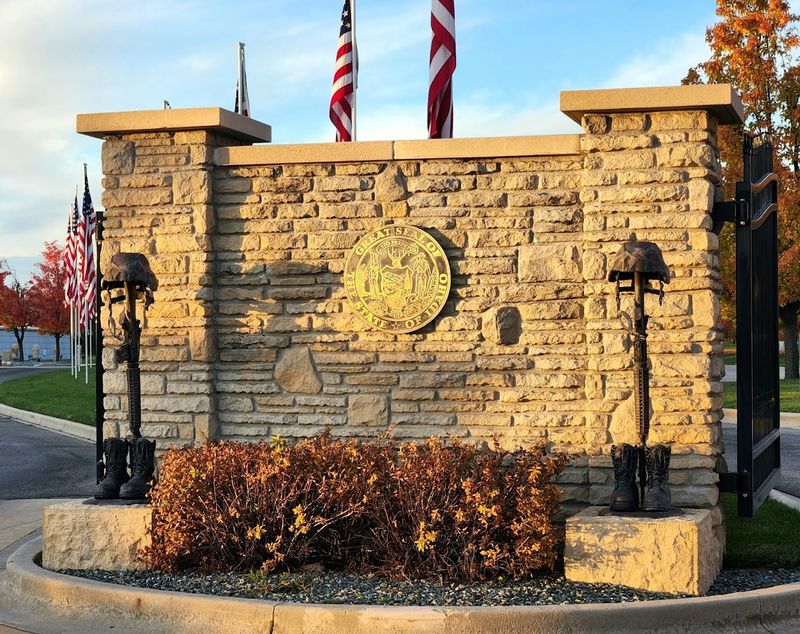
Younger visitors can learn something here that is difficult to create in a classroom. The Idaho State Veterans Cemetery turns military service from an abstract lesson into names, dates, symbols, families, and a place people still visit with real emotion.
Children and teenagers do not need a complicated lecture before arriving, but they do need context. Explain that the cemetery is a place of respect.
Talk about why voices should stay low, why markers should not be touched carelessly, and why the rows represent real people rather than distant history. Once there, encourage slow observation.
Let them read names. Let them notice different branches of service.
Let them ask questions, even if the answers are not simple. A visit like this can help young people understand that honoring veterans is not only something done during public ceremonies.
It can also happen quietly on an ordinary day, through attention and behavior. Families may choose to connect the stop with a relative’s service story or with a broader conversation about duty and community.
The lesson does not need to be heavy-handed. The place already carries enough weight.
Young visitors only need enough guidance to listen.