11 Nebraska Parks And Preserves Where The Terrain Barely Feels Like The Midwest
The Midwest has a reputation for playing it safe. Flat roads. Soft fields. Easy horizons.
Nebraska has terrain that can make the Midwest label feel too small.
Badlands-style bluffs rise from nowhere. Sandhills roll farther than expected. Canyons cut through the ground.
Pine-covered ridges make the whole scene feel borrowed from somewhere much farther west.
That is what makes these parks and preserves so surprising.
They do not match the lazy version of the state people keep repeating. The terrain has texture. It has attitude.
One trail might lead through rugged buttes. Another might open onto prairie that feels huge instead of plain.
A preserve can turn a simple walk into a reminder that Nebraska has far more range than outsiders give it credit for.
1. Toadstool Geologic Park, Crawford Area
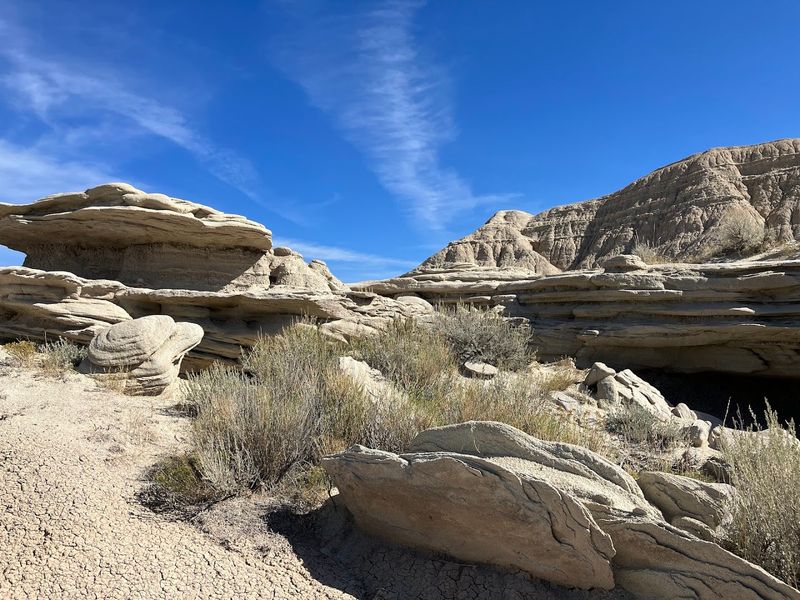
Few places in the Great Plains look as otherworldly as Toadstool Geologic Park, tucked inside the Oglala National Grassland in far northwestern Nebraska.
The landscape here earns its nickname as the badlands of Nebraska, with eroded clay and sandstone formations rising into shapes that genuinely resemble giant mushrooms or toadstools.
The ground feels cracked and pale underfoot, and the surrounding hills have a moonscape quality that catches visitors off guard.
Fossils found here include remains of entelodonts, hyaenodons, and trackways left by prehistoric rhinos, camels, and early three-toed horses, making this one of the more scientifically significant stops in the state.
A one-mile loop trail winds through the main formation area, and a longer three-mile Bison Trail connects to the Hudson-Meng Bison Kill site.
The terrain shifts gradually as the trail moves outward, offering views that stretch far beyond the formations themselves.
Camping is available on-site, and the park stays open year-round with no gate hours. Early morning light tends to bring out the texture of the rock in ways that afternoon sun flattens out.
2. Scotts Bluff National Monument, Gering
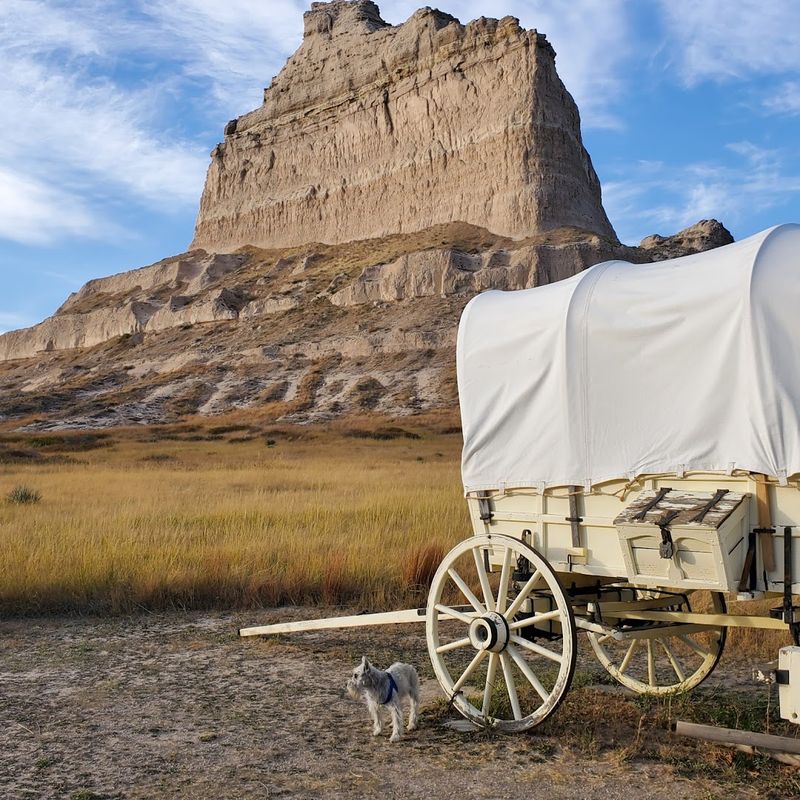
Rising roughly 800 feet above the North Platte River Valley, Scotts Bluff National Monument is the kind of landmark that stops traffic.
Located near Gering, Nebraska, the monument served as a critical navigation point along the Oregon Trail, and the ruts left by wagon wheels are still visible in places nearby.
Standing at the base and looking upward gives a real sense of how travelers in the 1800s would have felt approaching something this massive.
The summit is reachable by car via a tunnel road or on foot through hiking trails that wind up the bluff face.
From the top, the panoramic views stretch across the valley floor and into Wyoming on clear days, with visible layers of geological history in the exposed rock faces.
The visitor center at the base offers exhibits covering both the natural geology and the human history of the area, which adds helpful context before heading up.
Visiting on a weekday tends to mean shorter lines at the tunnel entrance. Spring and fall offer cooler temperatures that make the hiking trails more comfortable to navigate at a steady pace.
3. Agate Fossil Beds National Monument, Harrison Area
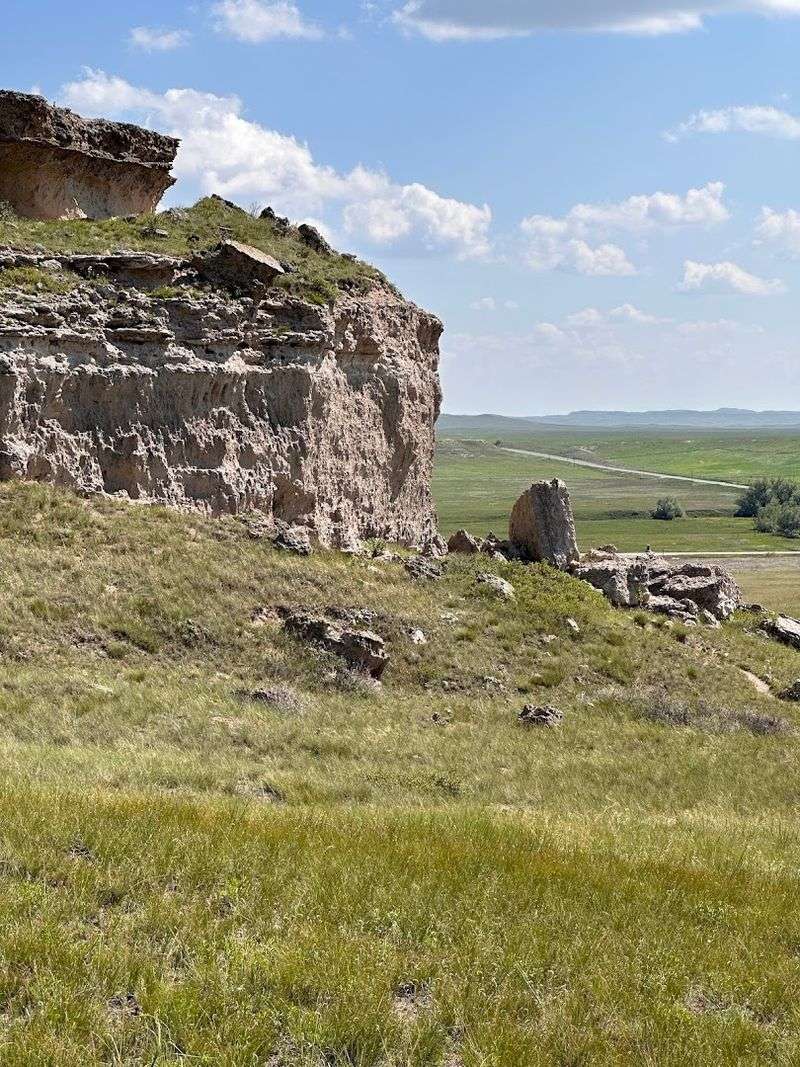
Hidden in the rolling grasslands near Harrison, Nebraska, Agate Fossil Beds National Monument holds one of the most concentrated deposits of Miocene-era mammal fossils found anywhere in the world.
The bones of animals that roamed this region roughly 20 million years ago were discovered here in the late 1800s, and the site quickly became a landmark for paleontologists.
What makes this place feel different from a typical Midwest stop is the combination of exposed ancient terrain and wide-open sky that gives the land an almost prehistoric atmosphere.
Two trails loop through the monument grounds, passing the excavation sites where fossils were originally uncovered.
The visitor center displays real fossil specimens along with exhibits about the ranching family who first documented the site, adding a layered story that goes beyond just the science.
The surrounding hills look deceptively gentle but carry a quiet drama once the context of what lies beneath them sinks in.
Entrance fees apply and are subject to change, so checking the official NPS site before visiting is a good idea. The area is also part of the broader Pine Ridge landscape, which adds scenic value to the drive in.
4. Ashfall Fossil Beds State Historical Park, Royal
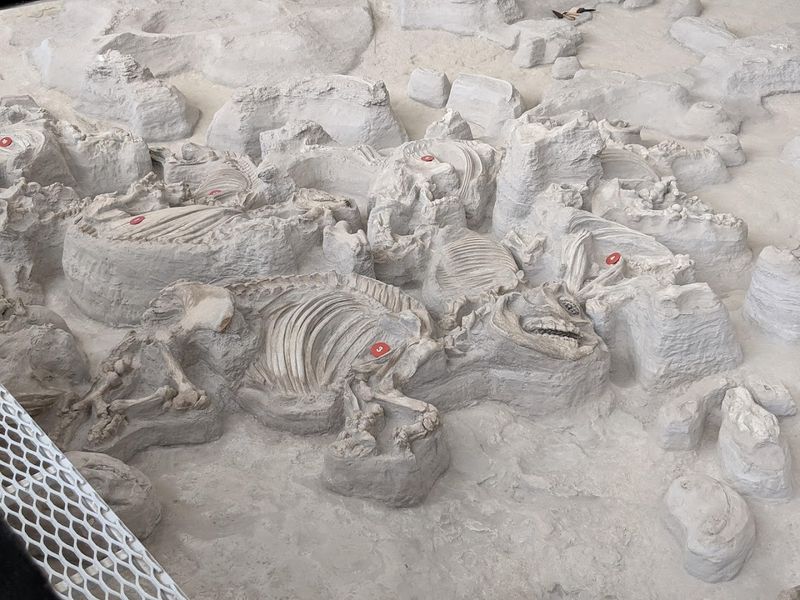
About ten million years ago, a volcanic eruption far to the west sent a thick blanket of ash across what is now northeastern Nebraska, and the animals that died in that event were preserved almost exactly as they fell.
Ashfall Fossil Beds State Historical Park near Royal protects that remarkable site, and the fossils here include complete skeletons of barrel-bodied rhinos, three-toed horses, camels, and saber-toothed deer.
Walking through the Rhino Barn, which covers the active excavation site, feels more like stepping into a natural history documentary than a typical state park visit.
The park is open seasonally but checking current hours before making the trip is strongly recommended.
Guided tours of the excavation area are available during the season and offer a closer look at how the fossils are carefully uncovered and documented by researchers.
The surrounding landscape is flat and open, which creates a sharp contrast with the dense, layered world preserved just below ground level.
School groups and curious adults tend to find this site equally engaging because the fossils are not behind glass but right there in the ground.
The park also includes a visitor center with additional exhibits covering the volcanic event and its regional impact on ancient ecosystems.
5. Smith Falls State Park, Valentine Area
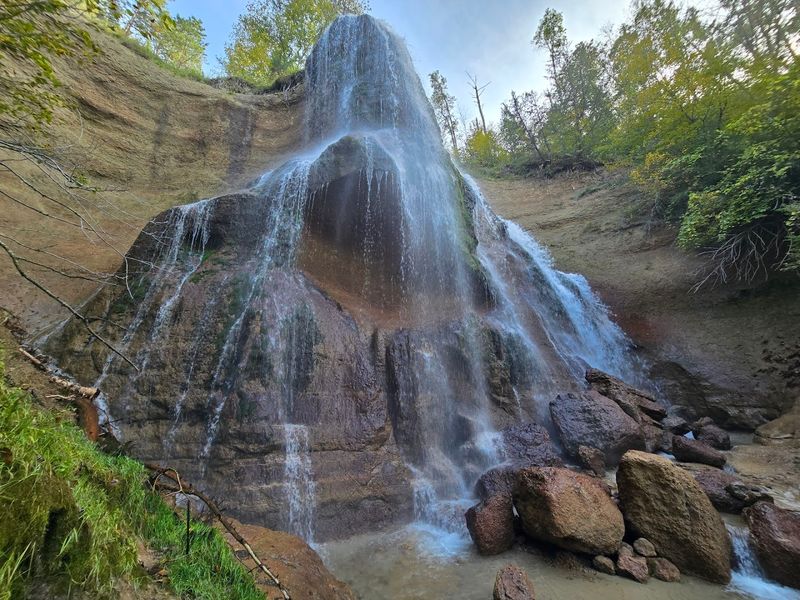
Nebraska’s tallest waterfall drops 70 feet into a fern-lined canyon at Smith Falls State Park, and the moment it comes into view on the trail, it genuinely surprises people who expected nothing more dramatic than a prairie overlook.
The falls are fed by a spring that maintains a steady flow even in dry summers, giving the area a lush, almost jungle-like feel compared to the open grasslands just a short drive away.
The sound of the water bouncing off the canyon walls adds to the sense that this corner of the state belongs somewhere much farther from the Midwest.
The park sits along the Niobrara River near Valentine, Nebraska, and offers access to kayaking, canoeing, and tubing in addition to the trail leading to the falls.
A suspension footbridge connects the main park area to the waterfall trail, and the crossing alone offers a good view of the river corridor below.
Camping is available within the park for those who want to extend the visit into a full overnight experience.
The park tends to be busiest during summer weekends when river traffic peaks, so arriving earlier in the day helps secure a good spot.
Fall visits bring a different kind of reward, with changing foliage along the canyon walls adding deep color to an already striking landscape. The terrain here simply does not read as typical Nebraska.
6. Niobrara National Scenic River, Valentine Area
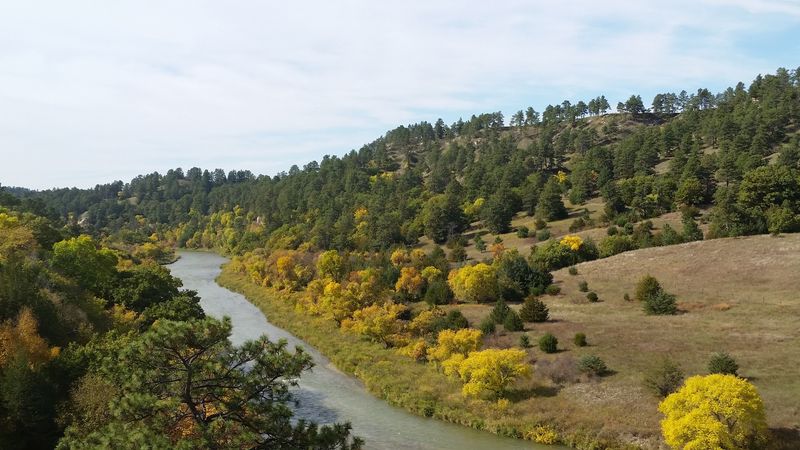
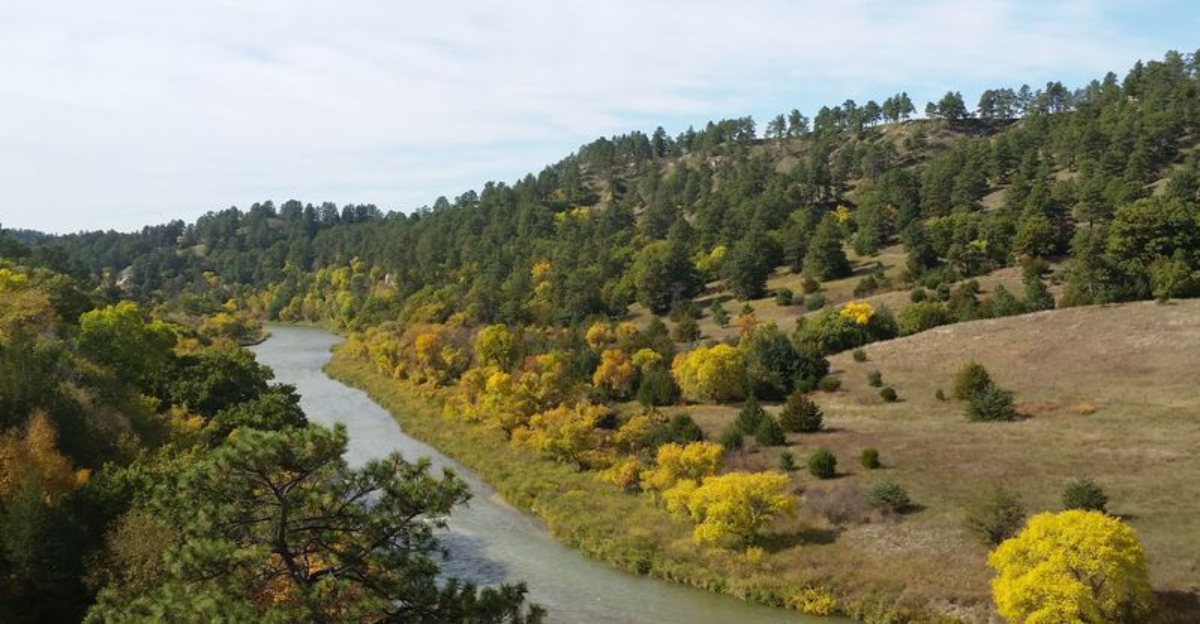
Stretching 76 miles through a canyon carved over millions of years, the Niobrara National Scenic River near Valentine is one of the most biologically diverse river corridors in the Great Plains.
The river cuts through layers of rock that expose geological history at eye level, and waterfalls tumble directly into the current from side canyons along the way.
The pine-forested valley walls create a visual environment that feels far closer to the Rocky Mountain foothills than to the flat terrain most people associate with Nebraska.
Floating the river by kayak, canoe, or tube is the most popular way to experience the Niobrara, and outfitters in the Valentine area offer rentals and shuttle services during the warmer months.
The water moves at a pace that allows for easy paddling while still covering meaningful distance in a single afternoon.
Several access points along the corridor allow visitors to choose shorter or longer float sections depending on their schedule and comfort level.
The Niobrara holds a rare distinction as North America’s first International Quiet Trail designation, which reflects the effort to preserve the soundscape along the river.
Birding is exceptional here, with species from eastern forests, western grasslands, and northern boreal zones all converging in the same stretch of habitat.
7. Niobrara Valley Preserve, Johnstown and Sparks Area
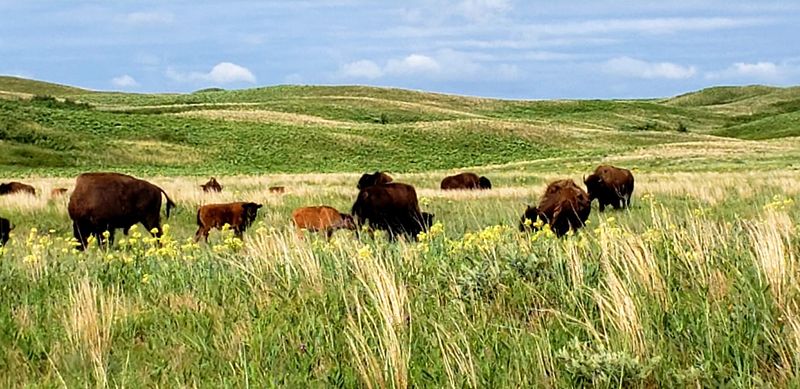
Managed by The Nature Conservancy, the Niobrara Valley Preserve covers roughly 55,000 acres near Johnstown and Sparks, Nebraska, and it functions as one of the most ecologically layered landscapes in the entire Great Plains.
Six distinct ecosystem types converge here, including northern boreal forest, eastern deciduous forest, mixed-grass prairie, tallgrass prairie, and Sandhills prairie, making it a genuine biological crossroads.
Watching a bison herd move across open grassland while pine-clad canyon walls rise in the background creates a scene that feels almost cinematic.
The Norden Chute, a natural waterfall and river bottleneck within the preserve, is one of the more unusual geological features in Nebraska and draws visitors who want to see moving water in an unexpected setting.
Trails wind through the canyon areas and along river corridors, offering views that shift dramatically depending on which ecosystem zone the path enters.
The preserve is open to the public for day visits, though it is worth confirming current access details before heading out since conditions can vary seasonally.
Wildlife sightings here go well beyond the bison herd, with deer, wild turkeys, and a wide range of bird species frequently spotted along the trails.
The combination of terrain types in a single location makes this one of the most rewarding natural destinations in the state for anyone interested in ecology or landscape photography.
8. Chadron State Park, Chadron
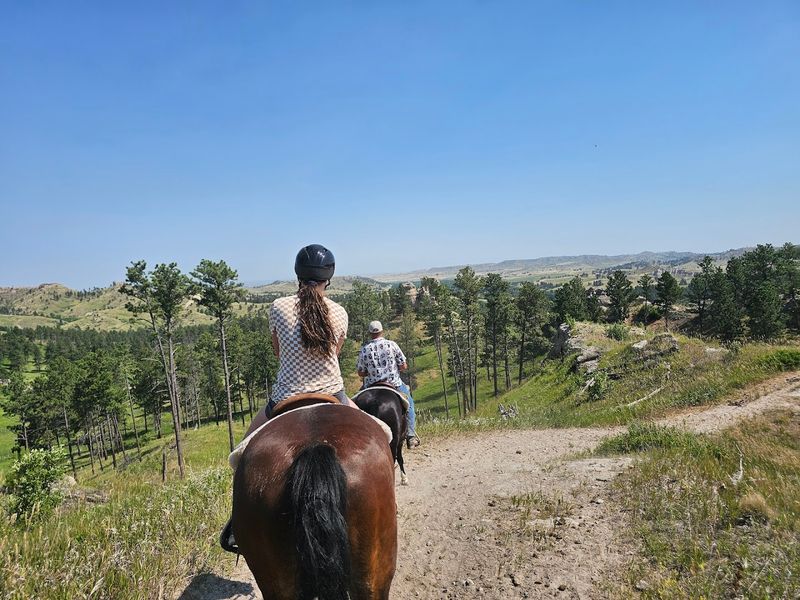
Established in 1921, Chadron State Park holds the distinction of being Nebraska’s oldest state park, and the Pine Ridge landscape it protects still looks remarkably wild.
Located near the town of Chadron in the northwestern corner of the state, the park is surrounded by ponderosa pine forests that cover steep canyon walls and ridge lines, giving the terrain a character that feels more like the Black Hills of South Dakota than anything typically associated with Nebraska.
The smell of pine in the summer heat adds a sensory detail that surprises first-time visitors.
Hiking trails range from easy valley-floor walks to more demanding ridge climbs, and mountain biking is permitted on certain trails as well.
The park also offers horseback riding opportunities, which suits the landscape well given how open and trail-rich the terrain is.
Cabins and campgrounds are available for overnight stays, and reservations during summer weekends tend to fill up well in advance.
The park sits just a few miles south of Chadron along Highway 385, making it easy to reach from town without a long drive on unpaved roads.
Wildlife in the area includes white-tailed deer, mule deer, and wild turkeys, which tend to be most visible in the early morning hours along the lower trail corridors. The overall atmosphere here leans rugged and unhurried.
9. Fort Robinson State Park, Crawford
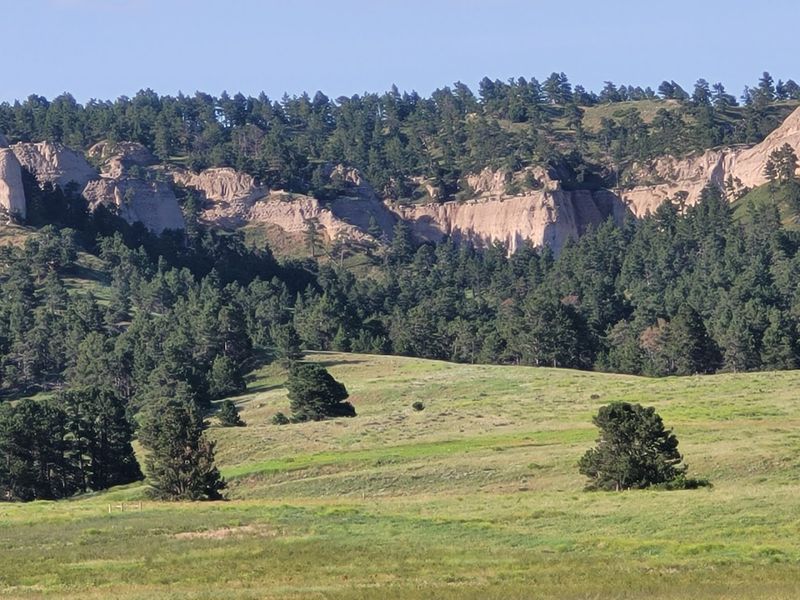
At 22,000 acres, Fort Robinson State Park near Crawford is the largest state park in Nebraska, and the landscape it protects is among the most dramatic in the entire state.
Chalk cliffs rise sharply above box canyons, and the surrounding Pine Ridge terrain creates a backdrop that looks more like the American West than the Midwest.
The park carries significant historical weight as well, having served as a U.S. Army post and the site of several key events in frontier history.
Trails for hiking, mountain biking, and horseback riding thread through the canyon country, covering terrain that shifts between open meadows and deeply shaded cliff corridors.
The park offers trail rides through a historic stable operation, and jeep tours are available for visitors who want a guided look at the more remote sections of the property.
Cabins, lodge rooms, and camping options are spread across the grounds, giving visitors a range of overnight choices.
Fall tends to bring cooler temperatures and less foot traffic, which makes the canyon trails particularly pleasant to walk.
The contrast between the open sky above and the enclosed canyon walls below creates a sense of scale that is genuinely hard to find elsewhere in the state.
10. Crescent Lake National Wildlife Refuge, Ellsworth and Oshkosh Area
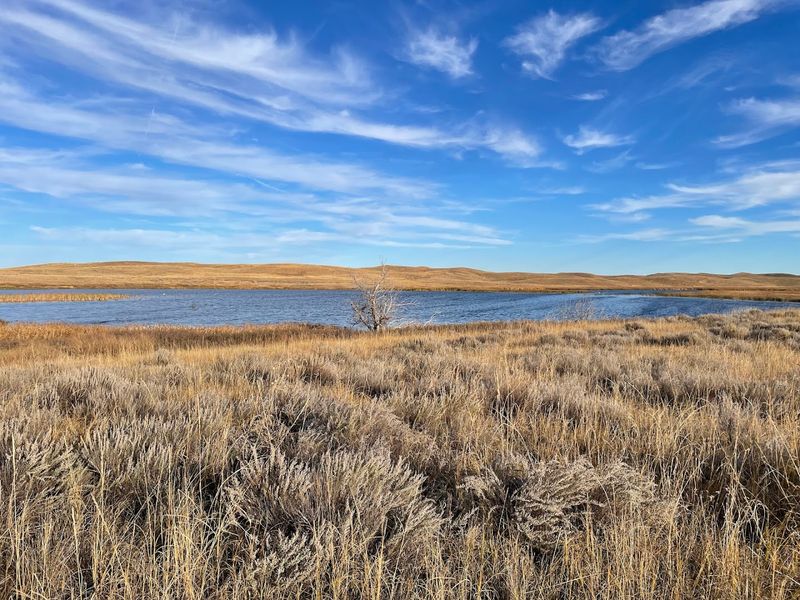
Far from any major highway in the Nebraska Sandhills, Crescent Lake National Wildlife Refuge feels like a place the modern world forgot to reach.
The refuge covers over 45,000 acres of grass-stabilized sand dunes, shallow lakes, and wetlands that together form one of the most productive migratory bird habitats in the interior of North America.
The dune landscape here has a rolling, almost oceanic quality that sets it apart from any other terrain in the region.
Over 270 bird species have been documented at Crescent Lake, including large concentrations of waterfowl during spring and fall migration periods.
White-tailed deer, pronghorn, and coyotes are regularly seen moving through the open grassland areas between the lakes.
The refuge roads are unpaved and can be rough in wet conditions, so a vehicle with decent clearance is recommended for visiting the more remote sections.
The refuge headquarters are located near Ellsworth, Nebraska, and the area is managed by the U.S. Fish and Wildlife Service.
Access is generally open to the public during daylight hours, but facilities are minimal, so arriving with water and supplies is important.
The sheer quiet of the refuge on a calm morning, with nothing but wind moving through the grass and birds calling across the water, creates an atmosphere unlike almost anything else in the state.
11. Valentine National Wildlife Refuge, Valentine Area
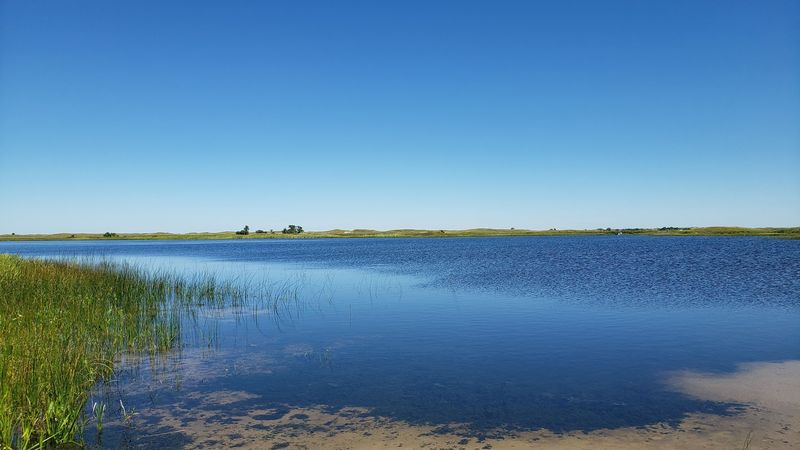
Roughly 20 miles south of Valentine, Nebraska, the Valentine National Wildlife Refuge covers 71,000 acres of Sandhills terrain that reads more like a coastal dune system than a landlocked prairie.
The refuge protects a mosaic of wet meadows, Sandhills lakes, and grass-covered dunes that shift in color and texture depending on the season and the angle of light.
The visual scale of the place is hard to fully appreciate until standing in the middle of it, where the dunes roll away in every direction without a building or road in sight.
Waterfowl nesting and migration are central to the refuge’s ecological role, and the shallow lakes scattered across the property attract large numbers of ducks, geese, and shorebirds at various points throughout the year.
Sandhill cranes pass through the area during migration, adding to an already impressive bird list that spans both grassland and wetland species.
Hunting and fishing are permitted in designated areas of the refuge during appropriate seasons, which draws a different kind of visitor than the typical wildlife watcher.
The refuge roads are primarily gravel and can become impassable after significant rain, so checking conditions ahead of time is worthwhile.
The landscape here has a raw, unfiltered quality that rewards patience and slow travel more than any kind of rushing through. Early mornings in autumn bring a particular stillness that feels genuinely rare.