This 1939 North Carolina Cathedral Brings Old-World Gothic Beauty To Charlotte
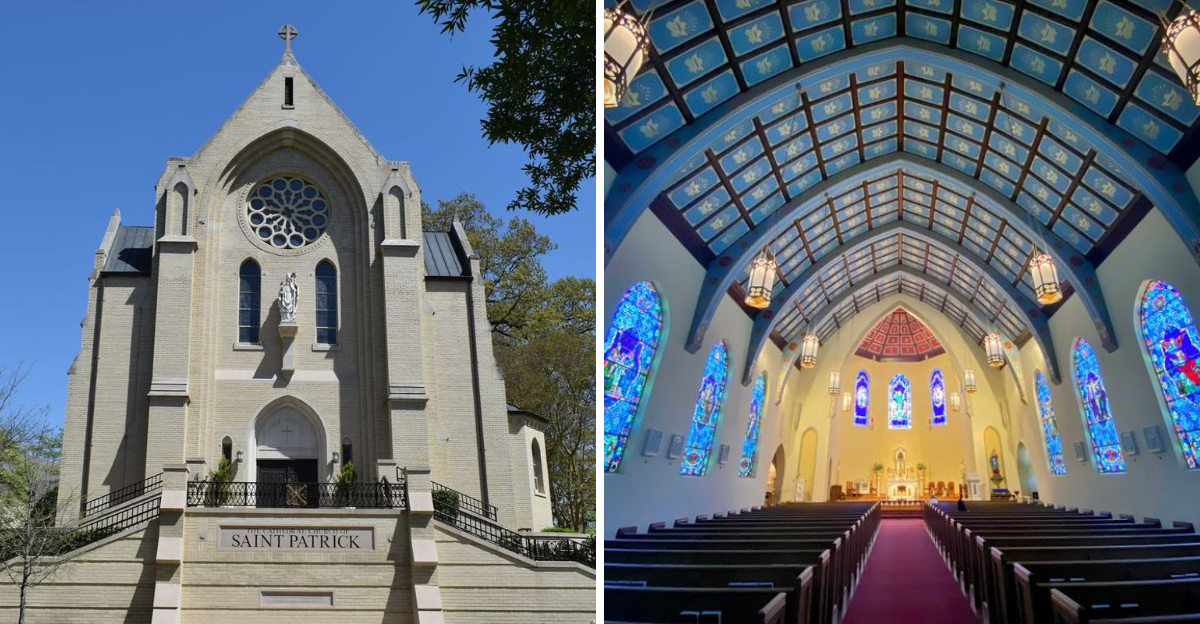
Stone has a way of changing the air when it rises with enough Gothic confidence.
Near tree-lined streets, this historic North Carolina landmark feels less like a building and more like a quiet spell with stained glass watching from above.
The drama is not loud. It gathers slowly, in the height of the walls and the hush that seems to settle before anyone even speaks.
Built in 1939, the design carries that old cathedral mood people usually expect to find across an ocean, not tucked into the American South.
Every step feels a little more careful here, as if the place politely reminds visitors to lower their voice and look up.
Come for the architecture, then let the silence do the storytelling.
Let The Tower Pull Your Eyes Up Before You Even Walk In
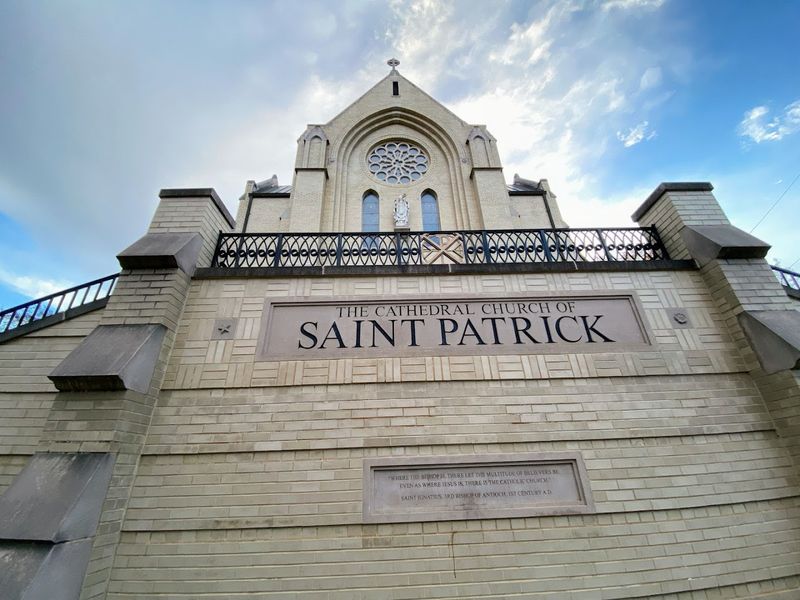
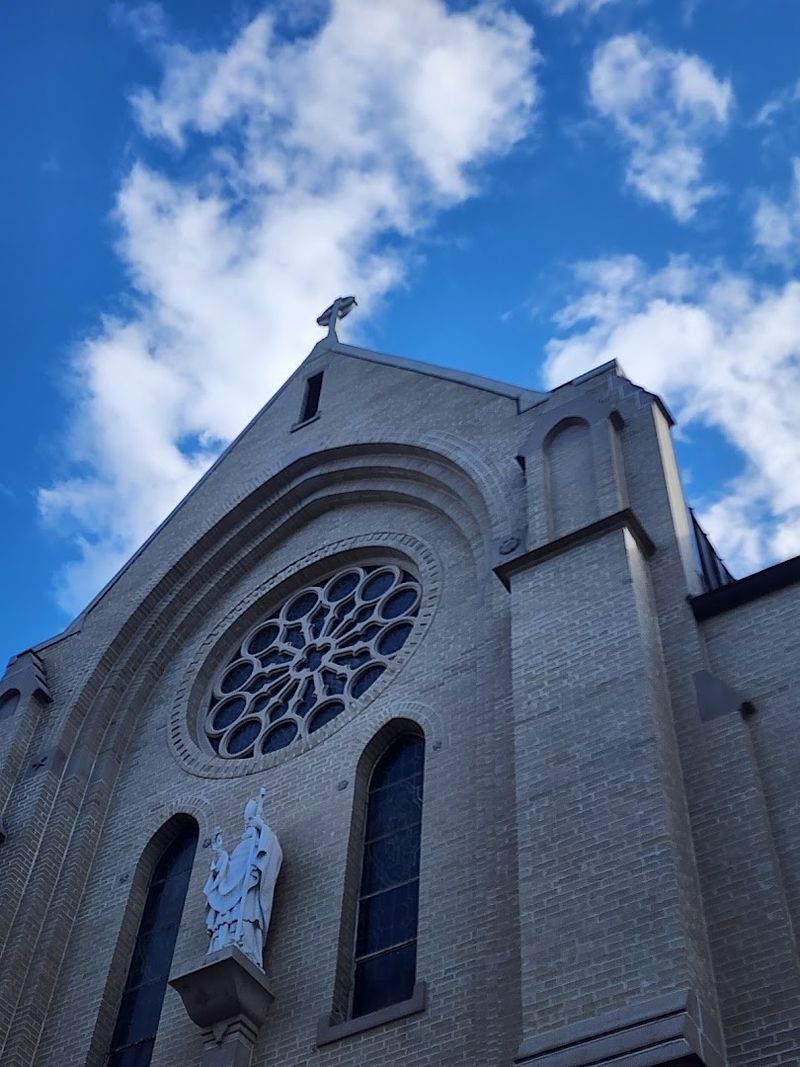
Vertical lines do the first bit of storytelling before the front doors ever open. The Cathedral of Saint Patrick rises at 1621 Dilworth Road East, Charlotte, North Carolina 28203, where its 77-foot tower gives the building a strong presence among the trees and historic homes of Dilworth.
The exterior feels different from much of modern Charlotte, not because it shouts for attention, but because it stands with an older kind of confidence.
Designed by Austrian-born architect Frank Frimmer, the building reflects Old-World church influences with gray stucco, Gothic-inspired lines, a balcony, and a nave built to seat about 400 worshippers.
Construction began on March 17, 1938, and the church was consecrated on September 4, 1939. That timeline gives the building a remarkable sense of purpose, especially considering the level of detail preserved in its architecture.
The tower’s later bell adds another historic layer, with a 700-pound bell cast in 1875 installed in 2007. Before visitors study the windows, marble, or sanctuary, the tower has already done its job.
It pulls the gaze upward and reminds people that the building was meant to lift attention away from the ordinary street.
Step Inside And The 1939 Beauty Starts Doing The Talking
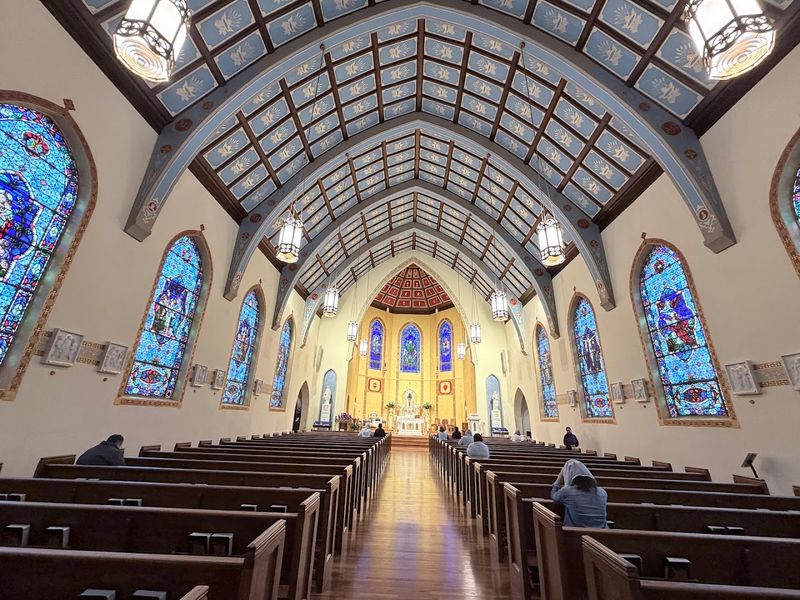
Crossing into the nave changes the mood almost immediately. Outside, Dilworth feels leafy and residential.
Inside, the cathedral gathers everything into calm lines, careful proportions, and a sense of reverence that belongs to a different pace. The space was built with a 400-seat nave, and that scale works beautifully.
It feels grand enough to feel special but not so enormous that visitors disappear inside it. The eye moves naturally toward the altar, while the balcony, stained glass, ceiling details, and side chapels gradually reveal themselves.
Overhead, 300 ceiling tiles add texture and visual rhythm, rewarding anyone who remembers to look up. The side chapels dedicated to Mary and Joseph give the interior smaller spaces of devotion within the larger sanctuary, creating a layered experience instead of one single dramatic view.
Renovations over the years have adjusted and restored parts of the interior, including major work in 1979 and 1996, with later updates continuing to protect the cathedral’s historic character. That balance is important.
Sacred buildings need to serve living communities, not only preserve the past. Saint Patrick manages both.
It still functions as a cathedral, yet it holds onto the atmosphere of the 1939 church that first gave Dilworth this remarkable landmark.
Look For Stained Glass That Turns The Light Into A Story
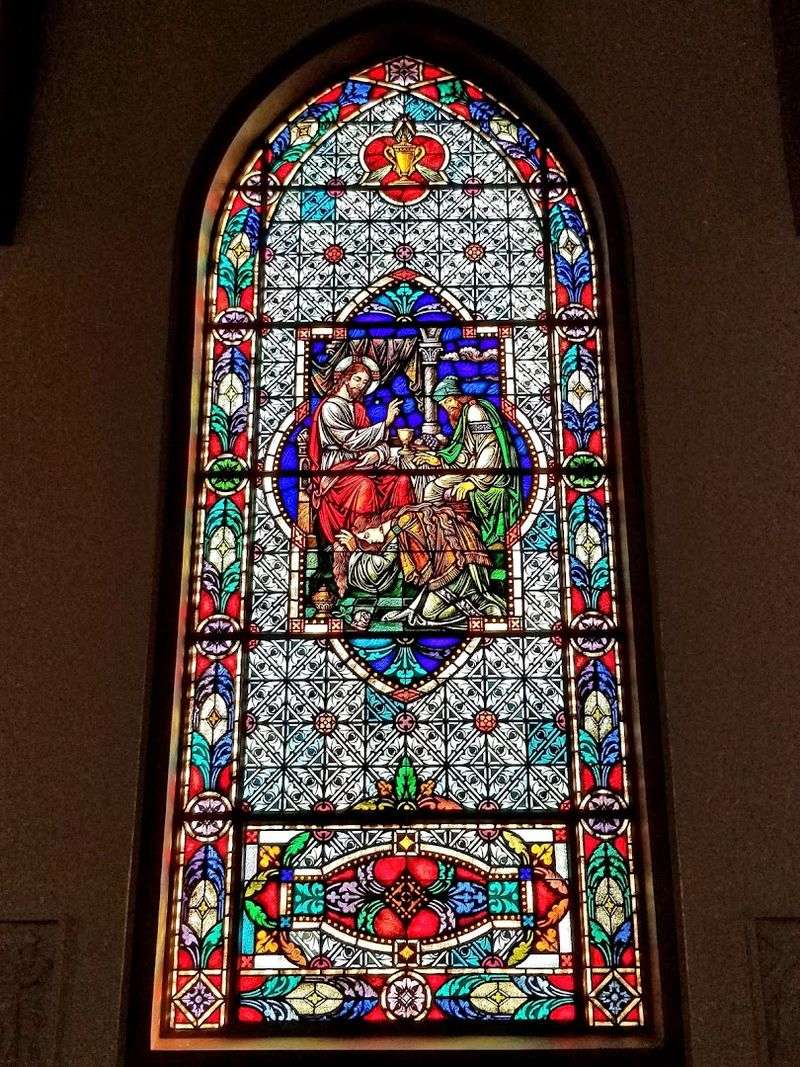
Color carries some of the cathedral’s most memorable teaching. The stained glass windows were designed by Henry Keck Studios of Syracuse, New York, and their artistry gives the interior much of its warmth.
Instead of acting as simple decoration, the windows turn light into narrative. Scenes and figures connected to Scripture and Catholic tradition appear in rich color, allowing visitors to read the walls slowly through image rather than text.
Morning and afternoon light can change the mood dramatically, making certain details glow while others fall back into shadow. That shifting quality keeps the windows alive across the day.
A quick glance may catch the larger shapes, but a slower look reveals gestures, faces, symbols, borders, and small choices that show real craftsmanship. Families visiting with children can use the windows as a gentle way into the building’s stories.
Architecture lovers can study the way the glass works with the Neo-Gothic design. Worshippers experience the windows as part of the cathedral’s devotional atmosphere.
The best approach is not to rush from one panel to the next. Stand still for a moment and let the light do its work.
In a city full of glass towers, this older glass offers something far more human.
Give The Marble Details More Than A Passing Glance
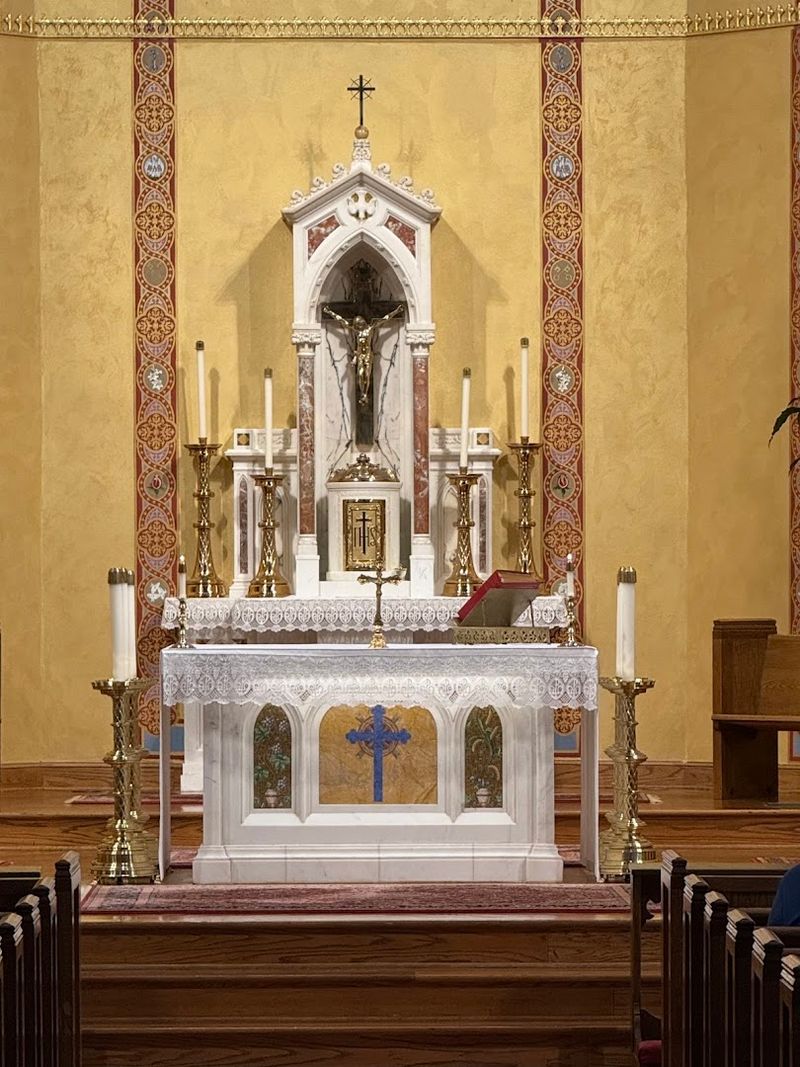
Stone has its own quiet language inside Saint Patrick. The Carrara marble high altar contains relics of Saint Jucundius and Saint Justina, adding sacred significance to a feature visitors might otherwise admire only for its beauty.
That detail changes how the altar feels. It is not simply a focal point made of fine material.
It carries devotional meaning within the life of the church. John Henry Phelan funded the building in memory of his parents, Patrick and Margaret Adele Phelan, and that gift helps explain the care behind the materials and design.
The marble, chapels, ceiling, glass, and overall proportions were not random choices. They were part of a memorial act that became a lasting public landmark.
Visitors who pause near the altar can sense how many layers meet there: family memory, Catholic tradition, craftsmanship, worship, and Charlotte history. The stonework is refined without feeling cold, giving the sanctuary a center that feels both dignified and approachable.
It is easy to focus only on the tower or the windows, because those features announce themselves more quickly. The marble asks for a slower kind of attention.
Give it that time, and the cathedral’s emotional weight becomes much clearer.
Notice How The Old-World Design Feels Unusual For Charlotte
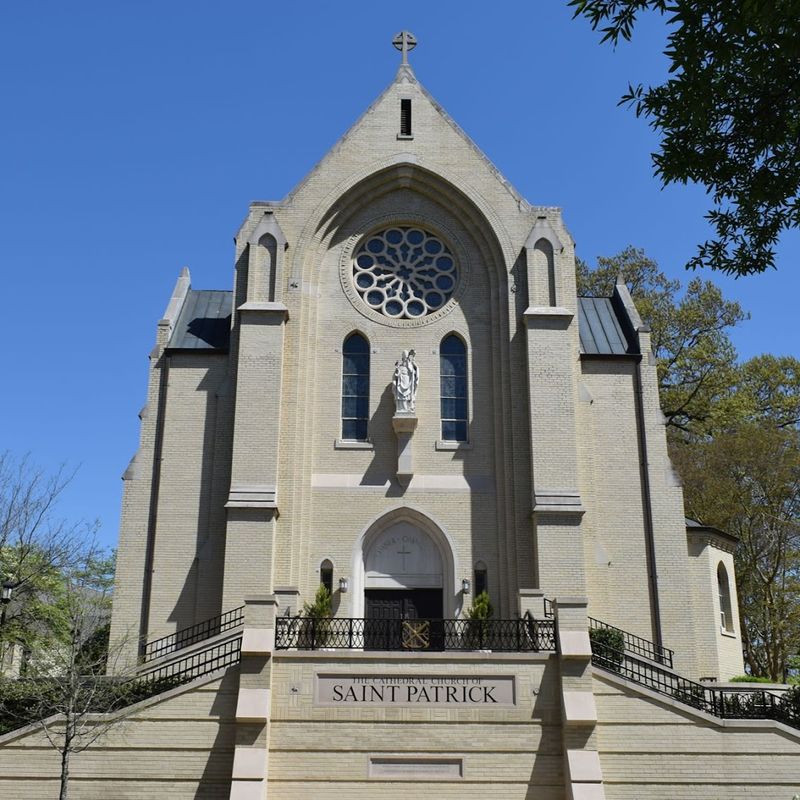
Modern Charlotte makes Saint Patrick feel even more striking. The city is known for growth, glass, business districts, cranes, and a skyline that keeps changing.
Against that backdrop, a Neo-Gothic cathedral in Dilworth offers a different kind of beauty. Its pointed forms, stucco exterior, tower, stained glass, and sanctuary details feel rooted in European church tradition rather than contemporary urban design.
That contrast is part of the appeal. The building does not seem misplaced, though.
It has become part of Dilworth’s own historic character, surrounded by tree-lined streets and older homes that soften the transition from neighborhood to cathedral.
The church is listed as a contributing property in the Dilworth Historic District, which was added to the National Register of Historic Places in 1987.
That recognition speaks to the building’s role beyond parish life. It matters architecturally and historically within the neighborhood.
Frank Frimmer’s design gives Charlotte a sacred space that feels distinct from the city’s faster visual language. Visitors do not have to be architecture experts to notice the difference.
The building simply asks the eyes to move differently. Instead of scanning a skyline, you trace arches, tower lines, glass, and stone.
That slower way of looking is part of the visit.
Pause Where The Sanctuary Still Carries Its Restored Character
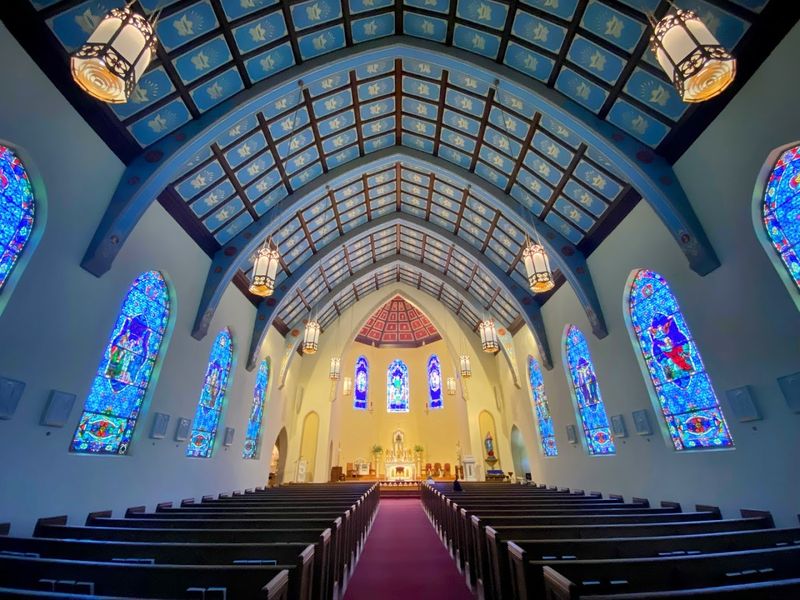
Careful restoration has helped the cathedral keep its historic voice. Over the decades, Saint Patrick has undergone renovations that adjusted the sanctuary for worship while also respecting the building’s original character.
A major 1979 renovation changed parts of the interior, while 1996 work helped recover more of the 1939 appearance by repositioning furnishings and removing later dark wood paneling.
More recent repairs and updates have continued the long process of maintaining a building that still serves an active cathedral community.
That ongoing care matters because old buildings do not preserve themselves. Roofs, plaster, floors, altars, organs, chapels, and lighting all need attention.
Inside the sanctuary, visitors can feel the result of that layered stewardship. The space does not seem frozen, but it also does not feel stripped of identity.
The 300 ceiling tiles, stained glass, side chapels, marble, and balcony all contribute to a sense of continuity. The pipe organ in the balcony, designed and manufactured by W.
Zimmer and Sons, adds another dimension during services and special occasions. Even when the organ is silent, the balcony gives the room added depth.
A restored sanctuary is not only about appearance. It is about keeping a place usable, meaningful, and recognizable across generations.
Find The Quiet Corners That Make The Visit Feel Reverent
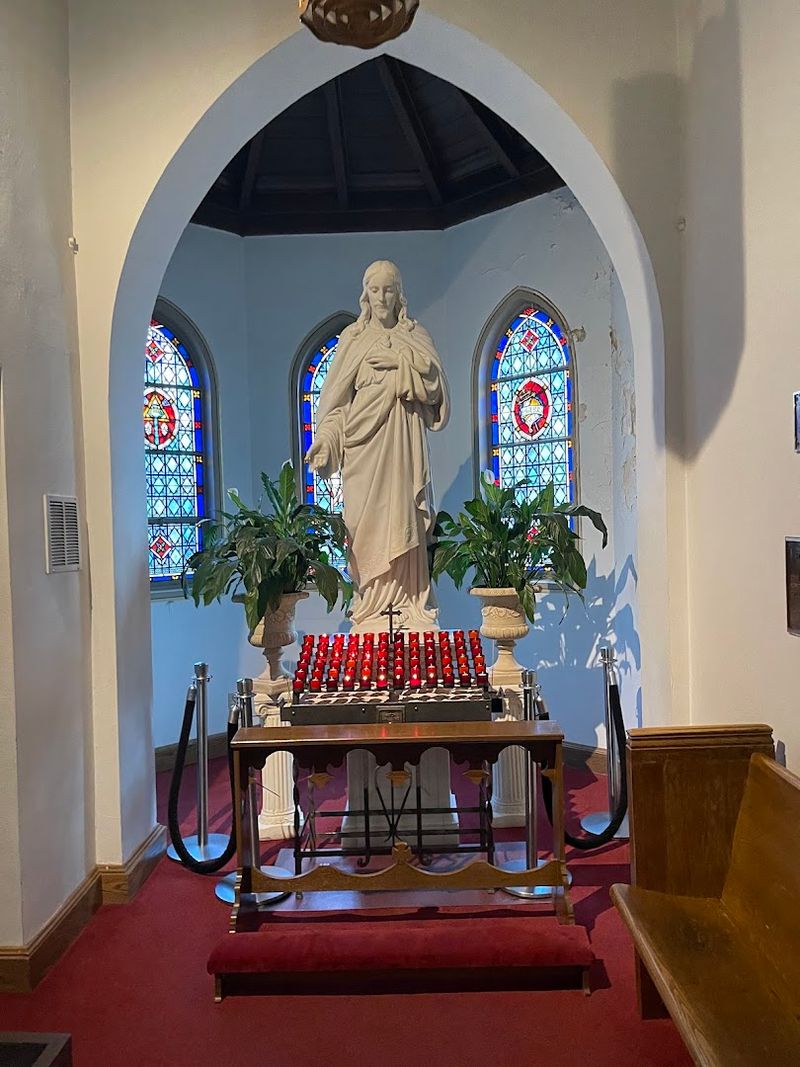
Small spaces can carry as much meaning as grand ones. The side chapels dedicated to the Blessed Virgin Mary and Saint Joseph give visitors quieter places within the cathedral to pause, pray, or simply absorb the atmosphere.
These chapels change the scale of the visit. The main nave draws the eye forward and upward, but the chapels invite a more personal kind of attention.
Soft light, devotional art, and a quieter footprint make them especially meaningful for anyone who wants a moment away from the central aisle. Visitors should remember that this is an active house of worship, not only a historic landmark.
Speaking softly, moving respectfully, avoiding disruptions during services, and checking current visiting hours before making a special trip all help protect the experience for everyone. That etiquette is not complicated.
It simply matches the space. The cathedral’s beauty works best when people give it room to breathe.
A quick architectural stop can become more reflective if visitors sit for a few minutes in one of these side spaces. Dilworth hums outside, Charlotte keeps moving, and the cathedral continues at its own steadier pace.
Those quiet corners make that contrast feel especially powerful.
Leave With A New Reason To Slow Down In Dilworth
A visit to Saint Patrick can change how the surrounding neighborhood feels afterward. Dilworth already has tree-lined streets, historic homes, sidewalks, nearby parks, and a softer rhythm than many parts of Charlotte.
After time inside the cathedral, those details seem easier to notice. The building gives the neighborhood an anchor, a reminder that Charlotte’s history is not only found in museums or uptown landmarks.
It also lives in parish buildings, school grounds, side streets, and places where communities have gathered for decades. Saint Patrick became the cathedral of the Diocese of Charlotte in 1972, when the diocese was established, giving this 1939 church a larger role in Catholic life across the region.
That status adds significance, but the visit does not need to feel formal. Some people come for Mass.
Others come for architecture, stained glass, local history, or a few quiet minutes in a beautiful place. All of those reasons can fit, as long as the space is treated with respect.
Pairing the cathedral with a slow walk through Dilworth makes the stop feel fuller. The neighborhood’s calm streets help the experience linger, and the tower remains in memory long after the building disappears behind the trees.