The Black Bear Capital Of North Carolina Is Near Alligator River, And It’s Well Worth Adding To Your Bucket List
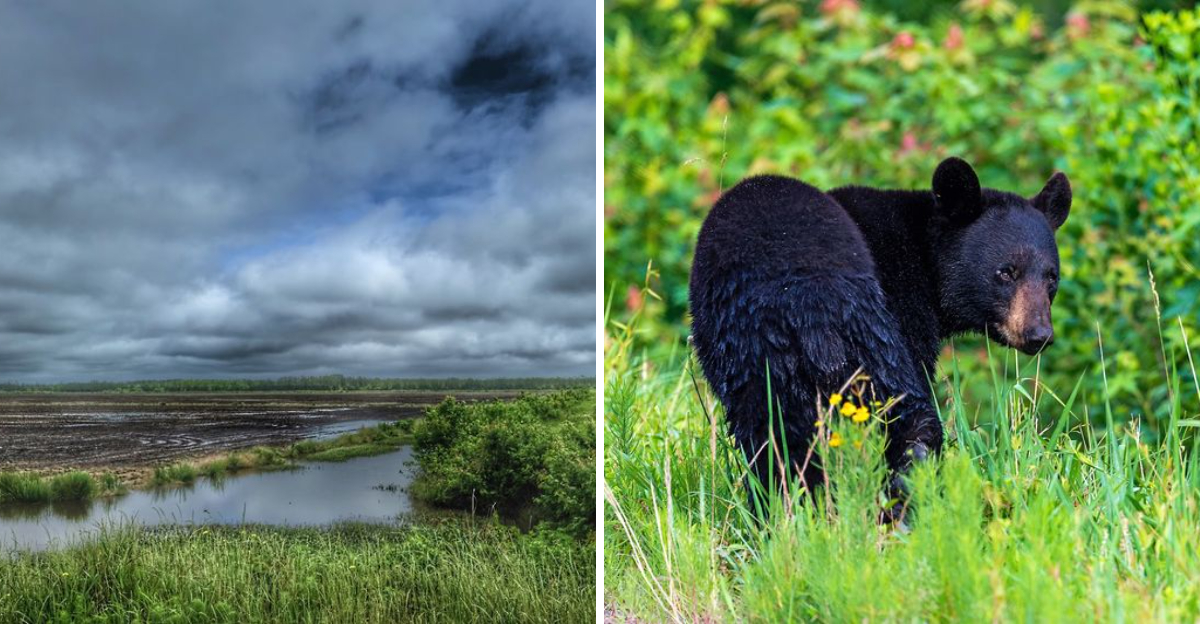
Around here, black bears are not just wildlife.
They are the headliners, the local legends, the furry celebrities everyone hopes will make a dramatic appearance before the drive home.
Eastern North Carolina gives them a huge, swampy stage where quiet refuge roads suddenly feel like backstage passes to the state’s most impressive bear show.
Visitors arrive with binoculars ready and start treating every shadow near the trees like breaking news. The bears do not rush, of course, because celebrities rarely sprint unless snacks are involved.
They lumber through the wetlands with calm confidence, acting like the cameras are simply part of the job and the paparazzi should really keep a respectful distance.
With so many black bears calling this refuge home, the nickname makes perfect sense. This is where nature brings the drama, and the main attraction wears fur.
Black Bear Country
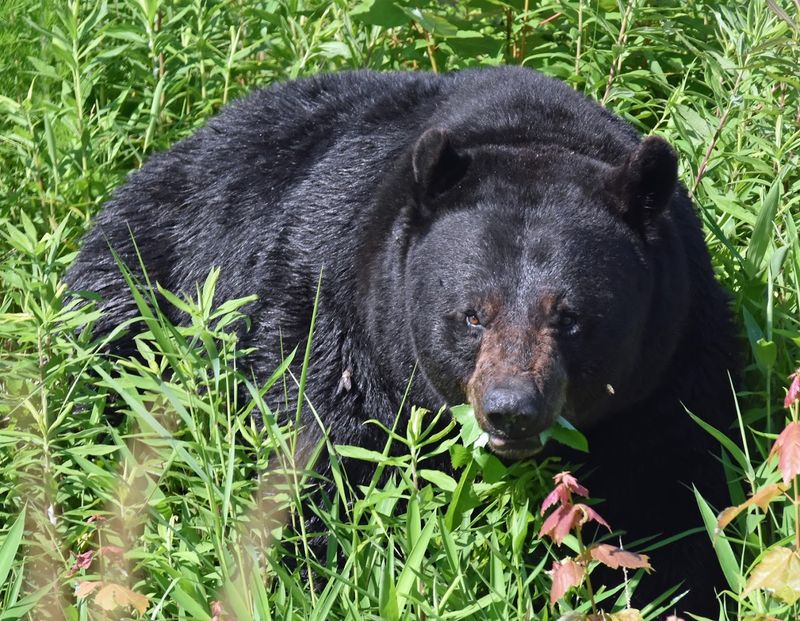
Wildness arrives quickly at Alligator River National Wildlife Refuge, where the Albemarle Peninsula stretches across 152,000 acres of pocosin wetlands, swamp forest, marsh, and quiet refuge roads.
Established in 1984, the refuge protects rare peat-based habitat and one of eastern North Carolina’s strongest black bear populations.
Bears thrive here because dense shrub cover gives them shelter, while open fields create easier foraging opportunities at the edges of the refuge. A drive through the area can feel calm for miles, then suddenly unforgettable when a dark shape appears near a field line.
Milltail Road is one popular access point, and current road conditions should be checked before visiting because some refuge roads can close or become difficult after weather.
Wildlife Drive Gives Bear Watching A Clear Route
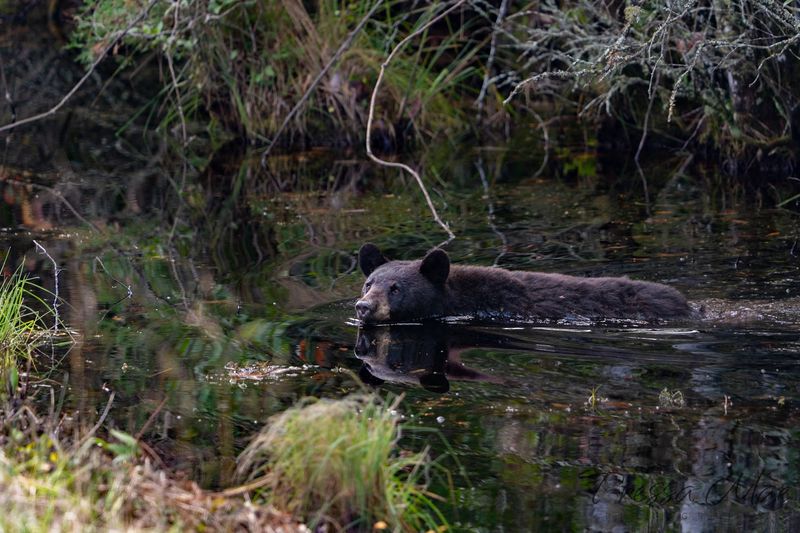
Milltail Road gives visitors one of the clearest ways to explore Alligator River National Wildlife Refuge without needing a complicated plan. Official refuge information identifies Milltail Road as part of the wildlife drive and a popular entrance, with parking available near the Creef Cut Trail.
Unpaved roads lead through a mix of open fields, wooded edges, and wetland habitat where wildlife sightings feel possible without leaving the vehicle. Slow driving matters here.
Bears can appear near field margins, along canal edges, or farther back in the open landscape, so binoculars make the experience much better.
Weather can affect road conditions, and the refuge notes that some roads may become impassable or close to motorized access, so checking updates before heading out is smart.
A good visit feels patient rather than rushed. The reward is not guaranteed, but the route gives travelers a strong chance to experience real eastern North Carolina wildlife habitat at a calm pace.
Open Fields Make Sightings Feel Possible
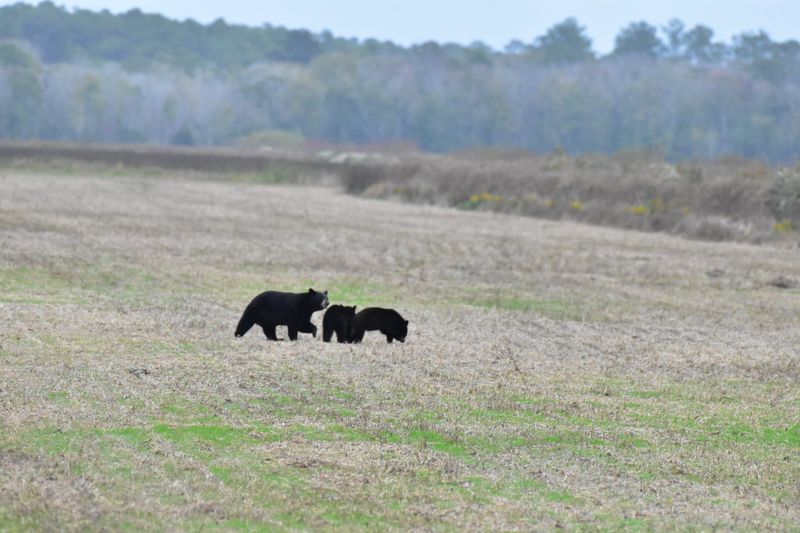
Fields inside the refuge are part of what makes bear watching feel so promising. Instead of searching only through dense woods, visitors can scan broad agricultural openings bordered by thick pocosin vegetation.
Bears often use those edges, moving between cover and feeding areas in a way that gives patient observers a better chance to spot them from a safe distance. A wildlife drive near sunset is especially well known for bear activity, and U.S.
Fish and Wildlife materials mention Milltail Road as a place where evening drives often produce sightings. Binoculars help turn a distant dark shape into a clear look without disturbing the animal.
Cameras with zoom lenses work better than trying to approach. The best sightings happen when visitors remain quiet, stay near their vehicles, and respect the refuge as wild habitat rather than a drive-through zoo.
That balance is what makes the experience feel so memorable and real.
Pocosin Wetlands Shape The Wild Setting
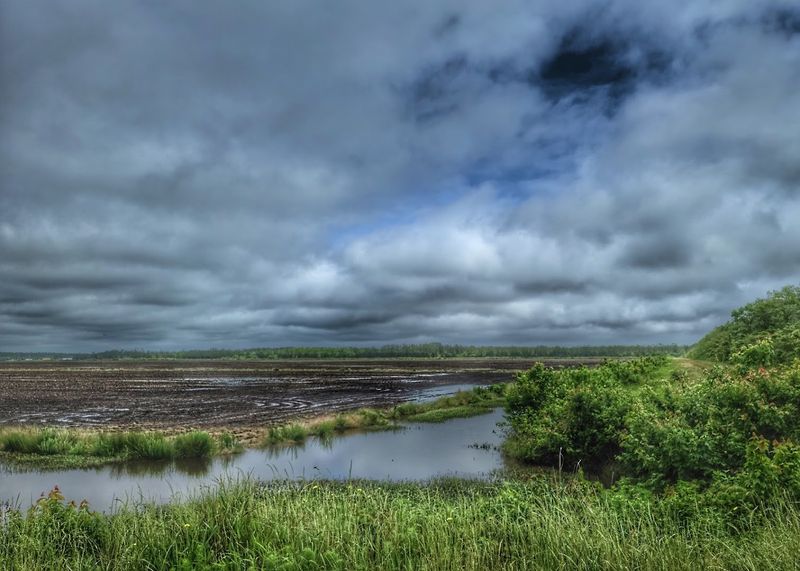
The word pocosin comes from an Algonquian term meaning swamp on a hill, and this unique ecosystem defines the entire character of Alligator River National Wildlife Refuge.
Unlike typical freshwater swamps, pocosins are peat-based wetlands filled with dense shrubs like titi, red bay, and pond pine.
They are notoriously difficult terrain for humans to move through, which is precisely why black bears, red wolves, and other wildlife find them so appealing as shelter.
For visitors, the pocosin landscape creates a backdrop unlike anything found in the western United States. Dark, tannic waterways reflect twisted vegetation, and the air carries a rich earthy scent that feels ancient and alive.
Canoe launches within the refuge allow paddlers to glide through these wetland corridors for a ground-level perspective that no road can offer.
North Carolina is one of very few states where intact pocosin ecosystems still exist at this scale, making the refuge valuable far beyond its bear population. The wetlands filter water, store carbon, and support an extraordinary web of plant and animal life that rewards curious visitors at every turn.
Early And Late Visits Bring More Animal Activity
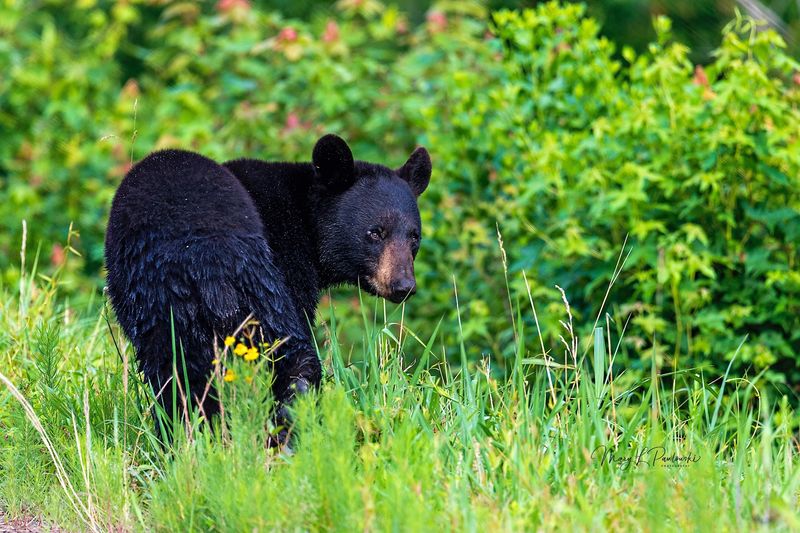
Dawn and dusk usually give wildlife watchers the strongest odds, especially during warmer months when animals avoid the brightest heat of the day. U.S.
U.S. Fish and Wildlife Service materials describe summer “Bear Necessities” programs featuring orientations and wildlife drives, with evening trips along Milltail Road often producing bear sightings.
Early morning can feel equally rewarding, with softer light, quieter roads, and more movement along field edges.
Midday visits may still be beautiful, but animal activity often drops when temperatures climb. Bug spray is not optional during much of the warm season because wetland mosquitoes can be intense.
Water, sun protection, and patience also belong in the car. Road updates matter too, since closures can affect which routes are available.
A flexible plan works best: arrive early or late, drive slowly, scan carefully, and let the refuge set the pace. Wildlife does not perform on schedule, which is exactly why a good sighting feels earned.
Red Wolves Add Another Rare Wildlife Reason
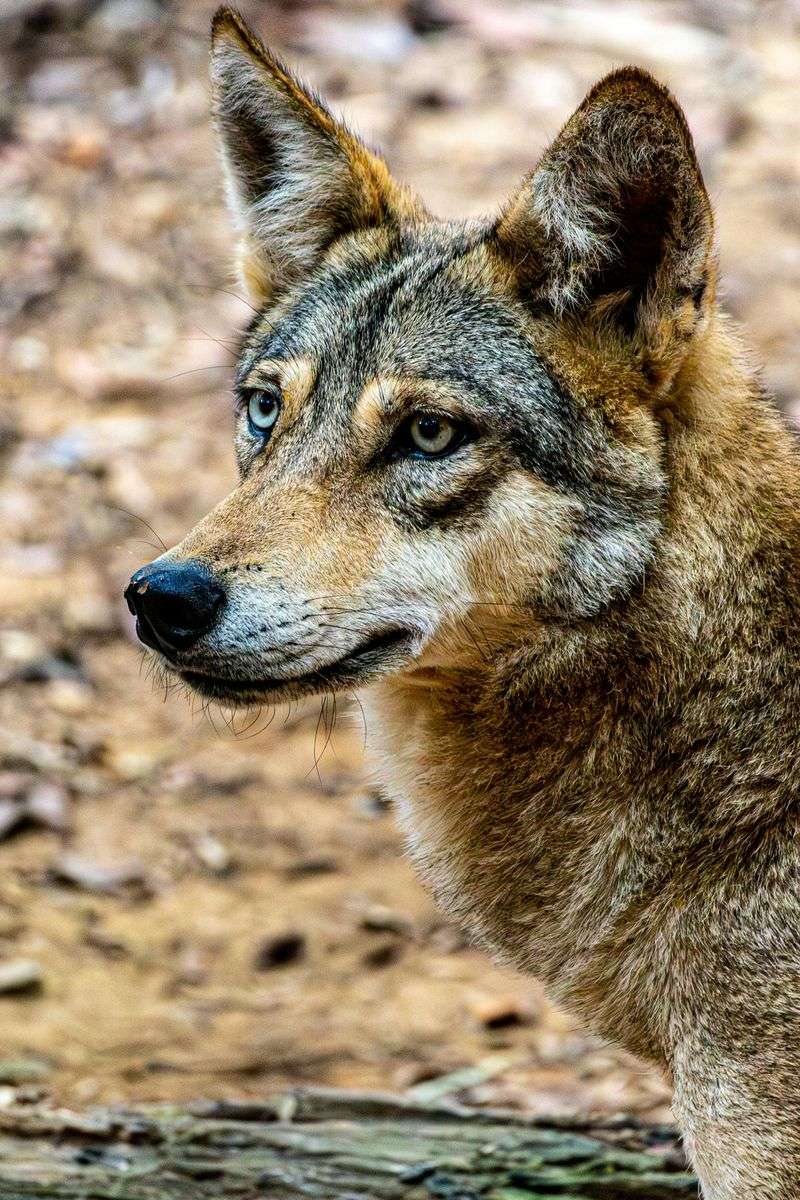
Beyond the famous black bears, Alligator River National Wildlife Refuge holds one of the most extraordinary conservation stories in the entire country. The refuge is part of the only remaining wild red wolf recovery area in the world.
Once declared extinct in the wild, red wolves were reintroduced to this corner of North Carolina in 1987 as part of a landmark recovery program led by the U.S. Fish and Wildlife Service.
Spotting a red wolf is a rare and genuinely humbling experience. These animals are extremely shy, and most visitors catch only a fleeting glimpse if they are fortunate enough to see one at all.
Dawn and dusk drives along the quieter roads of the refuge offer the best odds, particularly in areas where the tree line meets open fields. The refuge offers ranger-led programs specifically focused on wolf and bear education, which are well worth joining for the added context they provide.
Knowing that you are driving through one of the last strongholds of a critically endangered predator adds a layer of meaning to every moment spent at this remarkable place in eastern North Carolina.
Outer Banks Travelers Can Make It A Detour
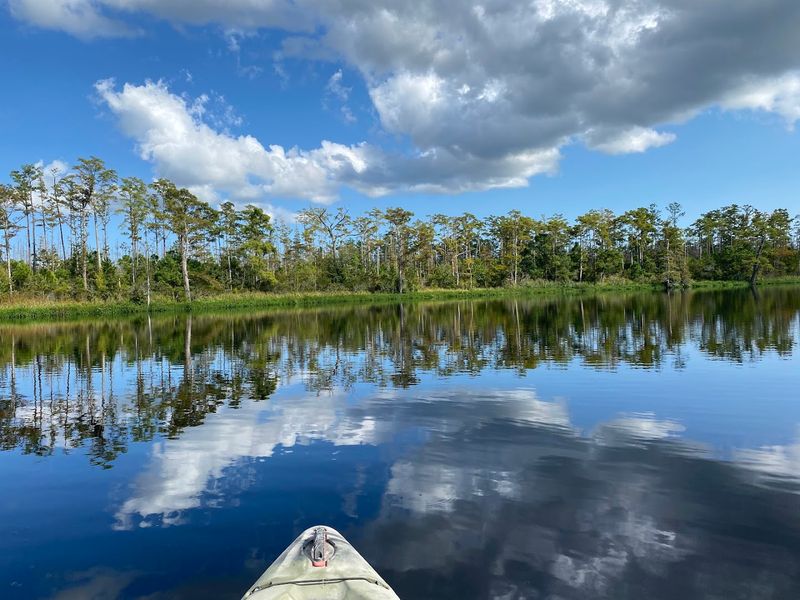
Most travelers heading to the Outer Banks pass within just a few miles of Alligator River National Wildlife Refuge without realizing it.
The refuge sits right along US-64, the main highway connecting Raleigh and the Outer Banks, making it one of the easiest detours imaginable for beach-bound visitors.
Adding a morning or evening wildlife drive to an Outer Banks trip costs nothing and takes very little time away from the rest of your itinerary.
Visitors can find refuge maps at the Creef Cut Wildlife Trail kiosk and near the Refuge Operations Facility entrance on Milltail Road.
Stopping there first allows you to pick up a refuge map, learn about current wildlife activity, and get tips from knowledgeable staff before heading out onto the roads.
Maps can also be obtained from the Pea Island Visitor Center if you are approaching from the south along the Outer Banks.
For families making the long drive from central or western North Carolina, the refuge provides a natural and memorable pit stop. Watching a black bear graze peacefully in an open field is the kind of moment that sticks with kids and adults alike for years after the trip.
Why This Refuge Belongs On A Black Bear Bucket List
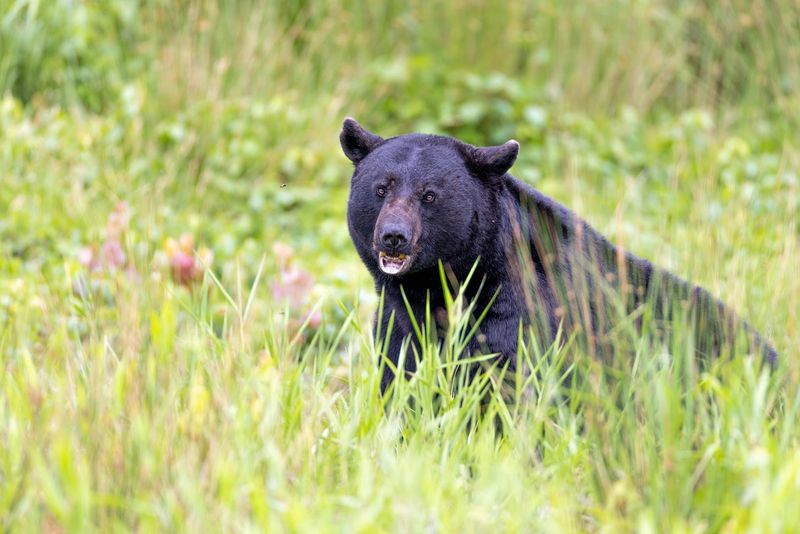
Few North Carolina wildlife experiences feel as accessible and wild at the same time.
Alligator River National Wildlife Refuge protects 152,000 acres of wetlands and forests where black bears, red wolves, river otters, birds, reptiles, and wetland plants share a vast, diverse habitat.
Visitors do not need a costly tour or a long hike to feel the scale of the place. A slow drive on open refuge roads, a pair of binoculars, and enough patience can be enough.
Bear sightings are never guaranteed, and road conditions can change, but the refuge gives wildlife watchers a rare combination of open views and genuine habitat. That is what makes it bucket-list worthy.
This is not a staged bear encounter or a fenced attraction. It is a working national wildlife refuge where animals move on their own terms.
For travelers who want eastern North Carolina at its wildest, Alligator River belongs near the top.