This Breathtaking Minnesota Road Was Named The Most Scenic Drive In The State
Some drives are just a way to get somewhere. This Minnesota road is the entire reason to go.
The journey completely upstages the destination.
It hugs the shore of Lake Superior for mile after stunning mile. The water stretches so wide it could pass for an ocean.
Cliffs, lighthouses, and waterfalls keep showing off the whole way.
You can stop for a hike, then a pie, then another waterfall. Every pullout begs you to grab your camera again.
Fall turns the hillsides into something almost unfair.
This is the kind of route that makes passengers go quiet. Not from boredom, but from the view doing all the talking.
People plan whole trips around this single stretch of road.
Fill the tank and clear your schedule completely. The most scenic drive in the state is waiting.
Starting At Duluth’s Aerial Lift Bridge
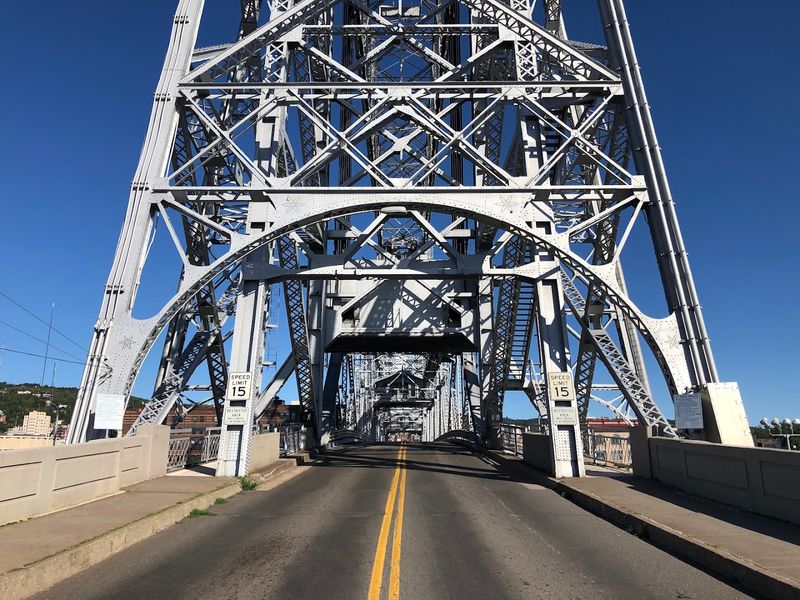
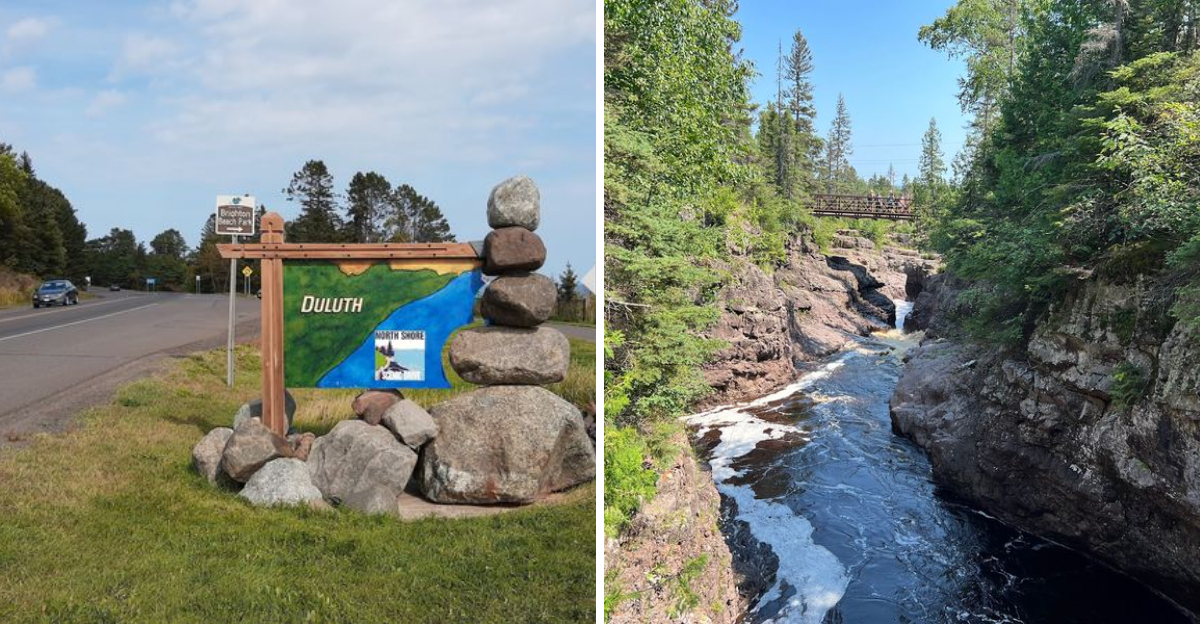
Not every great road trip begins with a landmark you can hear before you see it. The Aerial Lift Bridge in Duluth signals the start of Highway 61 with a kind of ceremony that feels almost theatrical.
The bridge rises, a horn sounds, and suddenly you understand this route means business.
Duluth sits at the very western tip of Lake Superior, the largest freshwater lake in the world by surface area. That fact alone is worth pausing on.
The water stretches so far east that on cloudy days, the horizon completely disappears.
Canal Park, right near the bridge, is a solid place to grab coffee and stretch your legs before the real drive begins.
The energy here is relaxed but alive, full of locals walking dogs and visitors squinting at the lake in happy disbelief. Starting your MN-61 journey here gives you a strong sense of scale.
You’re not just heading up a pretty road. You’re following the edge of something enormous, ancient, and genuinely spectacular.
Buckle up, because the first mile already earns its reputation.
Two Harbors And The Oldest Lighthouse Still Operating In Minnesota
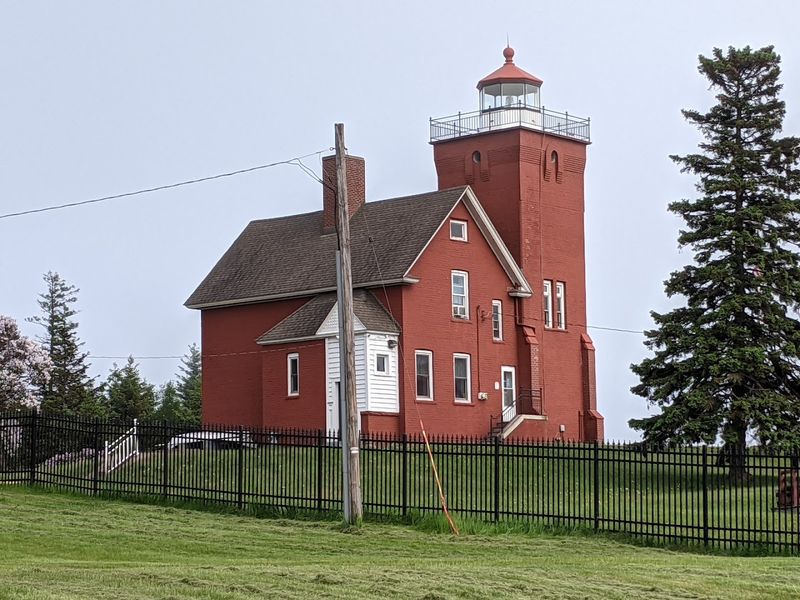
About 25 miles up the shore, Two Harbors sneaks up on you in the best possible way. It’s a small town with a big claim: it’s home to the Agate Bay Lighthouse, the oldest operating lighthouse on Lake Superior’s north shore.
Built in 1892, it has guided ships through some of the lake’s most brutal storms.
You can actually tour the lighthouse, which sits right at the edge of the harbor.
The keeper’s house has been preserved beautifully, and standing inside it gives you a strange, quiet feeling, like time moved around this place but never quite touched it.
Two Harbors also has a great little downtown worth a slow walk through. There are bakeries, shops, and a genuine small-town warmth that doesn’t feel performed.
I stopped at a local diner on Waterfront Drive for a slice of pie that I still think about more than I should. The town sits at the junction of the Cloquet and St.
Louis rivers before they empty into Lake Superior, so the geography alone is fascinating. Don’t rush through here.
It rewards the curious.
Split Rock Lighthouse State Park Pulls You Off The Road
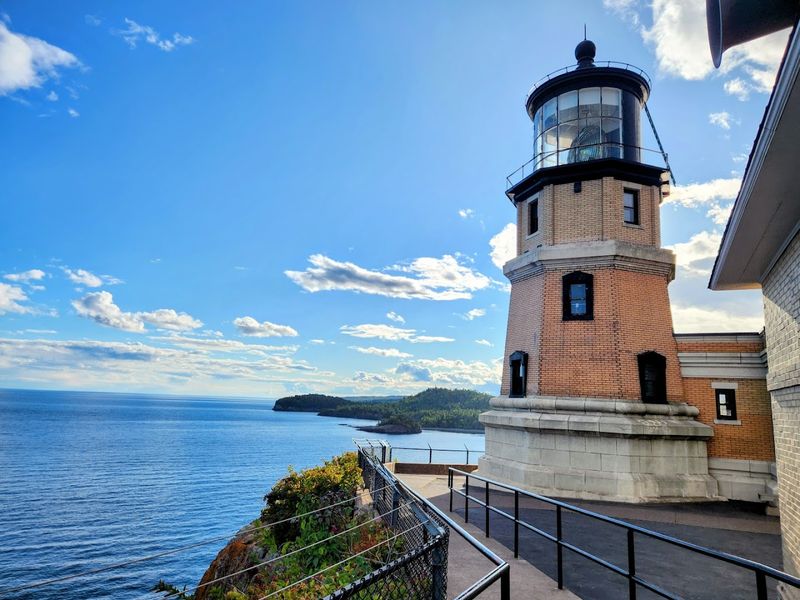
There are places that look better in photos than in real life, and then there’s Split Rock Lighthouse.
Somehow it manages to look even more dramatic when you’re standing at the base of the cliff staring straight up at it.
Built in 1910, this lighthouse perches 130 feet above Lake Superior on a sheer basalt cliff, and it is genuinely one of the most photographed spots in the entire state.
The park surrounding it offers hiking trails that wind through birch and pine forests right to the lake’s edge.
The pebbled shoreline here is where agate hunters come at sunrise, crouching over rocks like they’ve found treasure, which technically they have. Lake Superior agates are found almost nowhere else on earth.
The visitor center inside the park does a great job explaining the lighthouse’s history, including why it was decommissioned in 1969 and how it was preserved afterward. Kids love the interactive exhibits.
Adults love the view from the cliff edge, which on a clear day stretches for miles across open water. Plan for at least two hours here.
You’ll need every minute of it, and you’ll still leave wishing you had more time.
Gooseberry Falls State Park With Five Waterfalls And Zero Disappointments
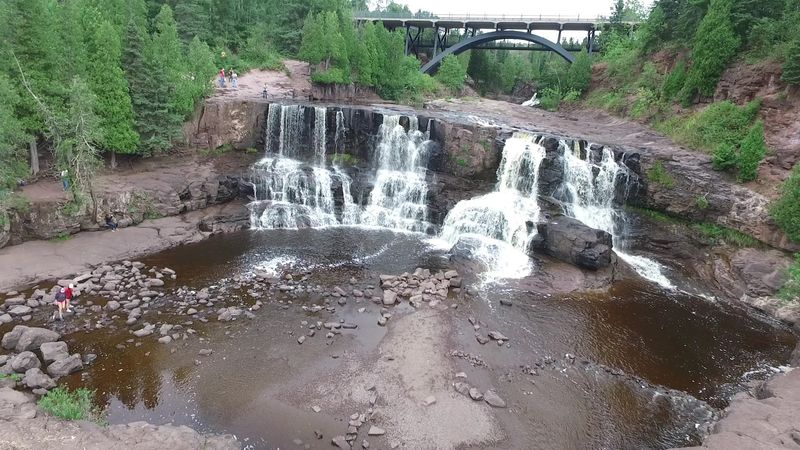
Five waterfalls in one park sounds like a marketing exaggeration until you actually walk the trails at Gooseberry Falls State Park.
The Gooseberry River drops dramatically over ancient lava rock in a series of falls that get louder and more impressive the closer you get.
The lower falls empty directly into Lake Superior, which is a combination that feels almost too cinematic to be real.
The park is one of Minnesota’s most visited state parks, and for good reason. There are over 18 miles of hiking trails ranging from flat and easy to steep and rewarding.
Even the short loop near the main parking area gives you a front-row view of two major falls without much effort at all.
What makes Gooseberry special beyond the obvious drama of falling water is the geology underneath it. The basalt and rhyolite rock formations here are over a billion years old.
Standing on them while water rushes past your feet is a surreal reminder of just how long this landscape has been doing its thing.
The park sits at 3206 Minnesota Highway 61, Two Harbors, MN 55616. Arrive early on weekends to beat the crowds and catch the best light on the falls.
Temperance River Gorge Rewards Those Who Wander Off The Main Path
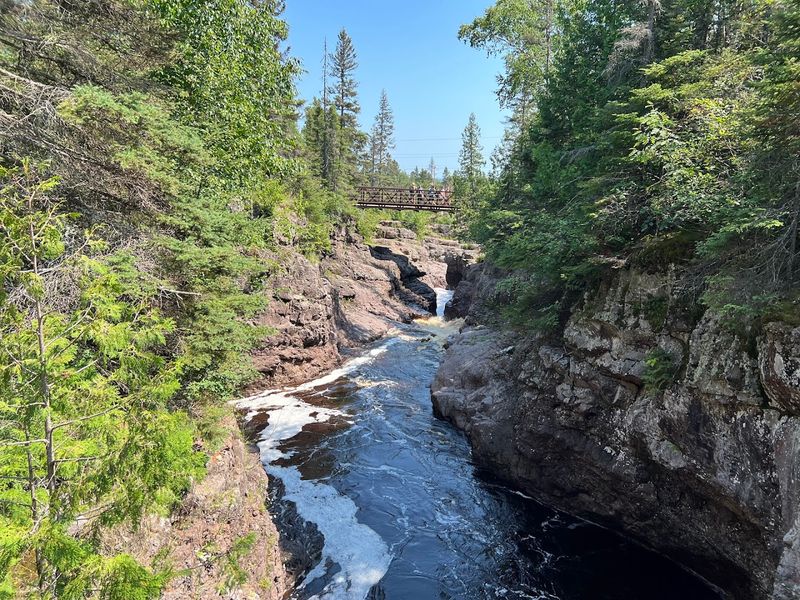
Most people slow down for the big names on Highway 61, but Temperance River State Park is the kind of stop that feels like your own personal discovery.
The river has carved one of the most dramatic gorges on the entire North Shore, cutting deep into volcanic rock over thousands of years.
The result is a narrow, churning channel of water that sounds absolutely ferocious even from the trail above.
The name Temperance comes from the fact that, unlike most rivers along the shore, this one has no bar at its mouth where it meets Lake Superior.
Early settlers found that amusing enough to name the river after it. That kind of dry historical humor fits the place perfectly.
The hiking here is accessible but genuinely exciting. Bridges cross the gorge at several points, and looking straight down into the rushing water below is thrilling in a completely safe but heart-quickening way.
Fall is especially spectacular here when the maple and birch trees turn gold and orange against the dark rock.
Even a thirty-minute stop at Temperance River leaves you feeling like you found something most people drove right past. That feeling is half the joy of this entire road.
Grand Marais Feels Like The North Shore’s Best-Kept Secret That Nobody Kept
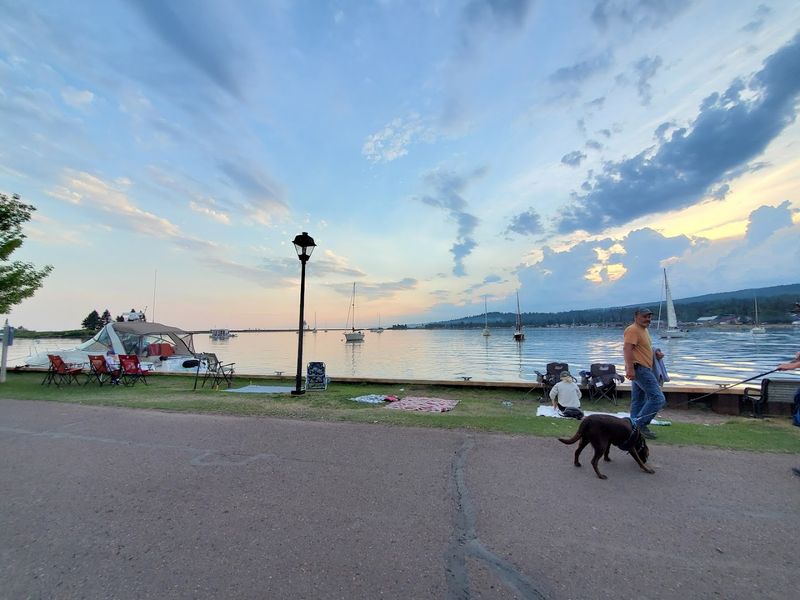
Grand Marais is the kind of town that makes you immediately wonder why you haven’t been coming here your entire life.
Sitting about 110 miles up the shore from Duluth, this small arts community has built a reputation that punches well above its population of roughly 1,300 people.
The harbor is picturesque in a way that feels earned rather than staged.
The downtown strip is lined with galleries, bookshops, outfitters, and restaurants that are genuinely good.
The Angry Trout Cafe on the harbor has been a local institution for years, serving lake fish in a setting that makes the food taste even better than it already is.
The views from nearly every window in town include either the lake or the surrounding boreal forest.
Artists have been drawn to Grand Marais for decades, and you can feel that creative energy just walking around.
The North House Folk School here teaches traditional crafts like boat building, blacksmithing, and fiber arts, and their open campus events are worth timing your trip around if you can.
Grand Marais also serves as the gateway to the Boundary Waters Canoe Area Wilderness, one of the most remarkable natural areas in the country. This town earns every bit of its reputation.
The Drive Ends At The Canadian Border, But The Feeling Doesn’t
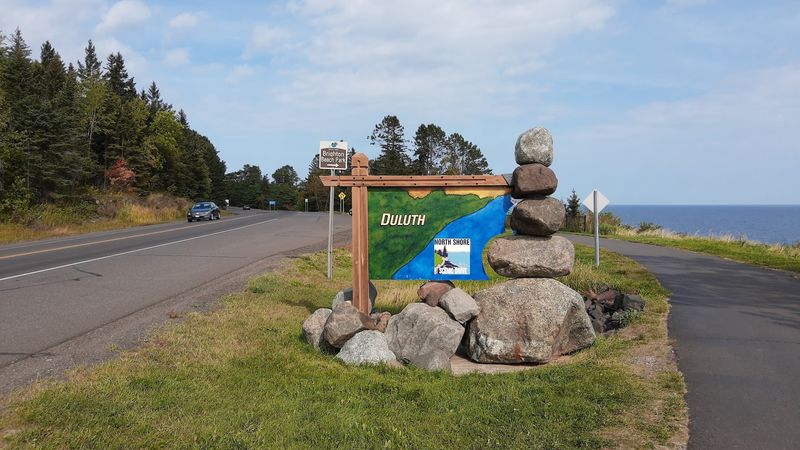
The final stretch of Highway 61 before the Canadian border is where the road gets truly wild. The trees press closer, the towns thin out, and the lake becomes a constant, dramatic presence to your right.
Grand Portage, the last community before the border, carries enormous historical weight as one of the most important fur trade hubs in North America during the 18th century.
Grand Portage National Monument preserves a reconstructed fur trade depot that gives a vivid picture of what this remote outpost looked like in its heyday.
The site also connects to Grand Portage State Park, home to Minnesota’s highest waterfall, High Falls, which drops 120 feet.
That’s not a number you expect to find this close to the Canadian border, but the North Shore has a habit of exceeding expectations.
Pulling up to the border crossing at the end of MN-61 gives you a strange mix of satisfaction and reluctance. The drive is over, but you’re already mentally planning the return trip.
Few roads in the Midwest offer this much consistent beauty over such a long stretch. Highway 61 doesn’t just deserve its title as Minnesota’s most scenic drive.
It earns it again with every single mile.