7 Connecticut Trails That Reveal Hidden Ruins And Local Legends
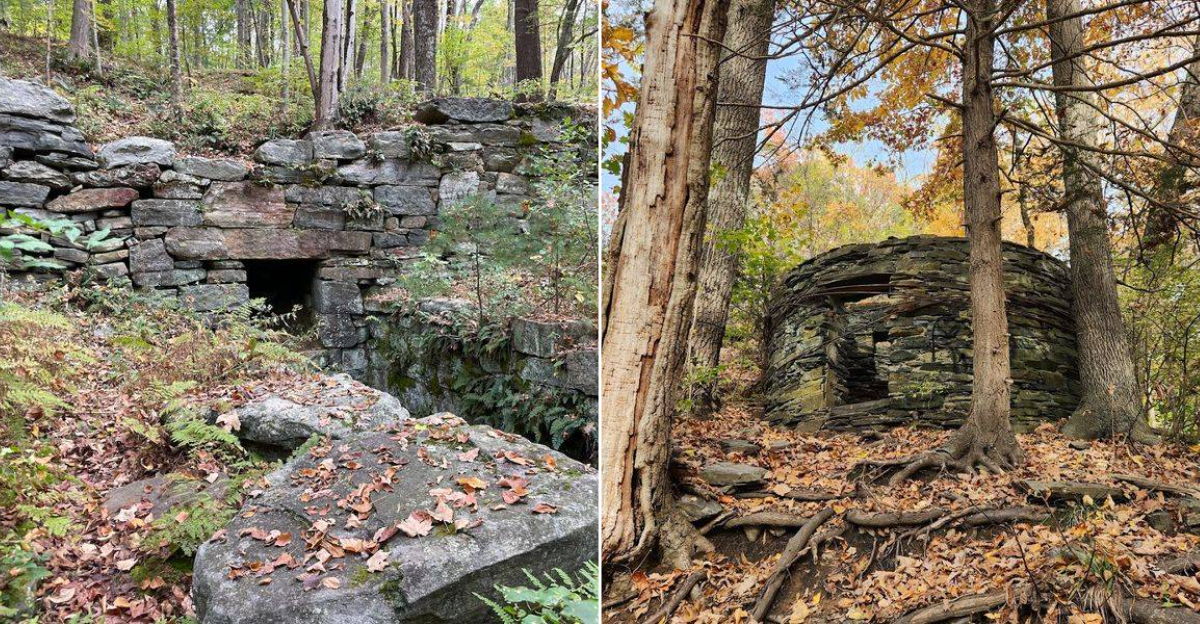
A good trail does not need a big overlook to keep you hooked. Sometimes the best part is spotting an old stone wall, hearing a strange bit of folklore, or realizing the path under your feet has way more history than it first lets on.
These Connecticut trails turn an ordinary walk into a story filled with old ruins and local mystery. That is what makes this kind of outing so fun.
You get fresh air, a little exercise, and the feeling that the woods are quietly holding onto old secrets. One minute it feels peaceful.
The next, you are wondering who built that crumbling foundation or why a certain bend in the path has a spooky story attached to it. It is nature with a plot twist, basically.
And honestly, that makes the whole walk feel a lot more memorable than just another pretty trail.
1. Mine Hill Preserve, Roxbury
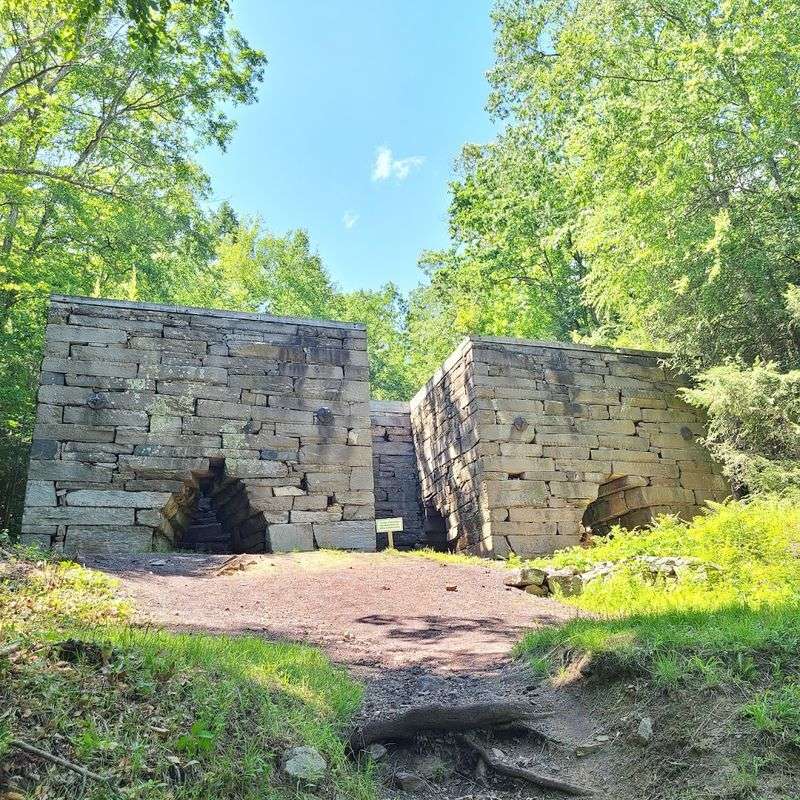
A hike through Mine Hill Preserve in Roxbury brings nature and industrial history together in a way that feels unusually vivid.
Along the wooded trails, remnants of 19th-century iron mining and furnace operations still rise from the forest, including stone structures, ore roasting ovens, mine shafts, and other weathered ruins.
The result feels less like a standard woodland walk and more like an open-air history lesson shaped by moss, trees, and time.
Maintained by the Roxbury Land Trust, the preserve covers about 360 acres and includes several miles of trails through mixed hardwood forest, rocky slopes, and historic work sites.
The entrance is along Mine Hill Rd, Roxbury, CT 06783, where visitors can begin exploring a landscape that once played a role in the region’s iron industry.
Interpretive signs help explain the mining process, the furnace complex, and the site’s impact on the surrounding area.
Mining activity here reaches back well before the preserve era, though the most visible industrial remains are tied to the 1800s, when iron production became the main focus.
The operation eventually closed, leaving behind stonework and shafts that now appear almost fused with the hillside.
The site is listed on the National Register of Historic Places, reinforcing its statewide significance. Late spring and early fall are especially good times to visit, when temperatures are comfortable and the ruins are easier to spot before dense summer growth fills in.
The preserve is open year-round from dawn to dusk and is free to enter, making it a fascinating stop for curious hikers and history lovers alike.
2. Tory Den And Mile Of Ledges, Burlington
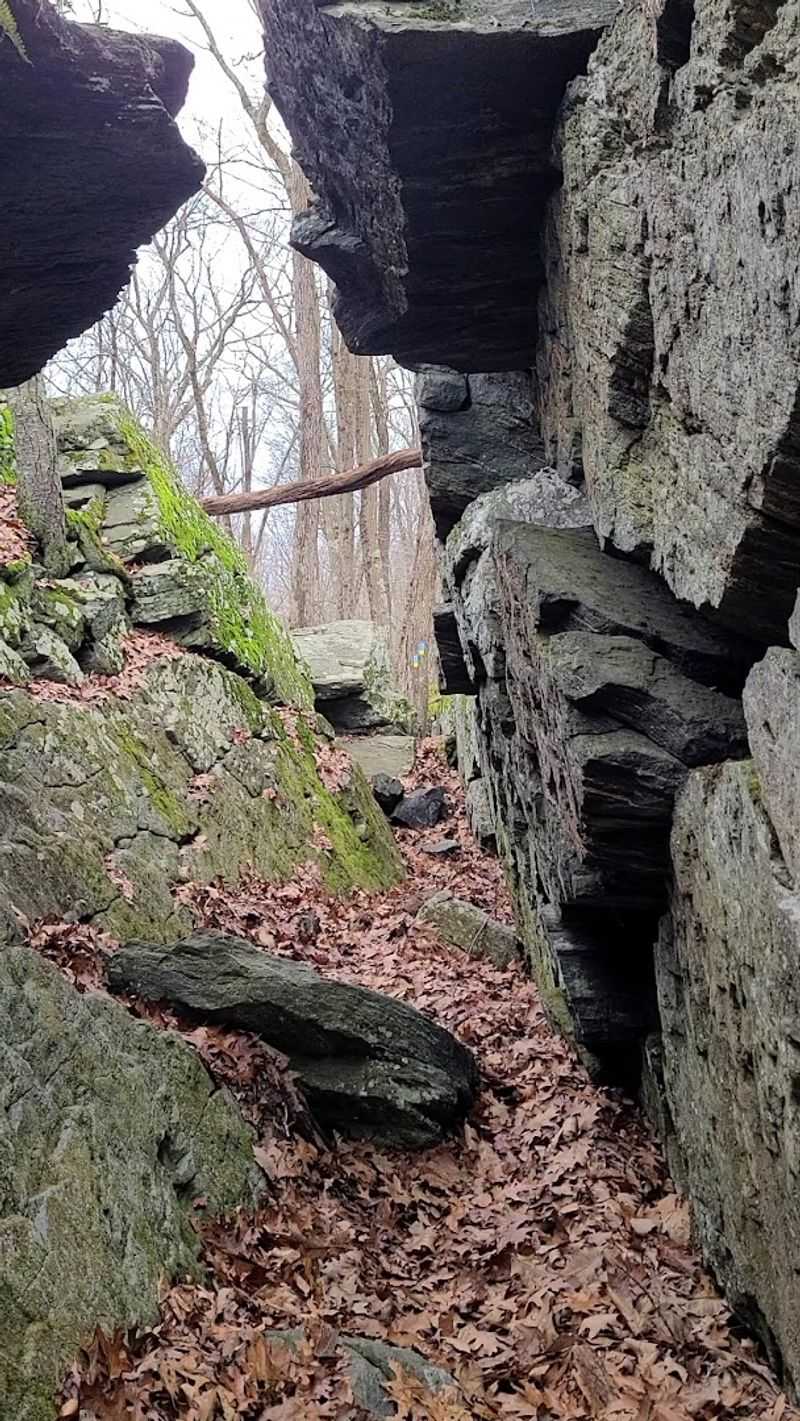
Revolutionary War history takes on a very physical form at Tory Den in Burlington, where massive rock formations created natural hiding spots that real people once used to survive.
The trailhead is found at 26 Greer Rd, Burlington, CT 06013, and the hike along the Mile of Ledges trail is one of the more atmospheric walks in the central part of the state.
Large boulders have tumbled and stacked over centuries, forming narrow tunnels and chambers that hikers can actually crawl through today.
During the Revolutionary War, local Loyalists known as Tories were driven from their homes by revolutionary neighbors who viewed them as traitors to the colonial cause.
Some of these individuals reportedly sought refuge in the rock formations along this ridge, hiding in the cramped and cold spaces between the boulders.
Local accounts suggest that several of them did not survive the brutal winters, and the area carries a somber undercurrent that is easy to feel once the story is known.
The main cave chamber is overgrown with vines and feels genuinely ancient, with low ceilings and uneven footing that make exploring it a memorable physical experience.
The surrounding forest is dense and quiet, which adds to the sense of stepping back into a much earlier chapter of American history.
The trail itself is moderately difficult with some uneven and rocky sections, so wearing appropriate footwear matters. Visiting in late fall after the leaves have dropped tends to make the rock formations more visible and the overall landscape more dramatic.
The site is free to access and open to the public throughout the year.
3. Hubbard Park And Castle Craig, Meriden
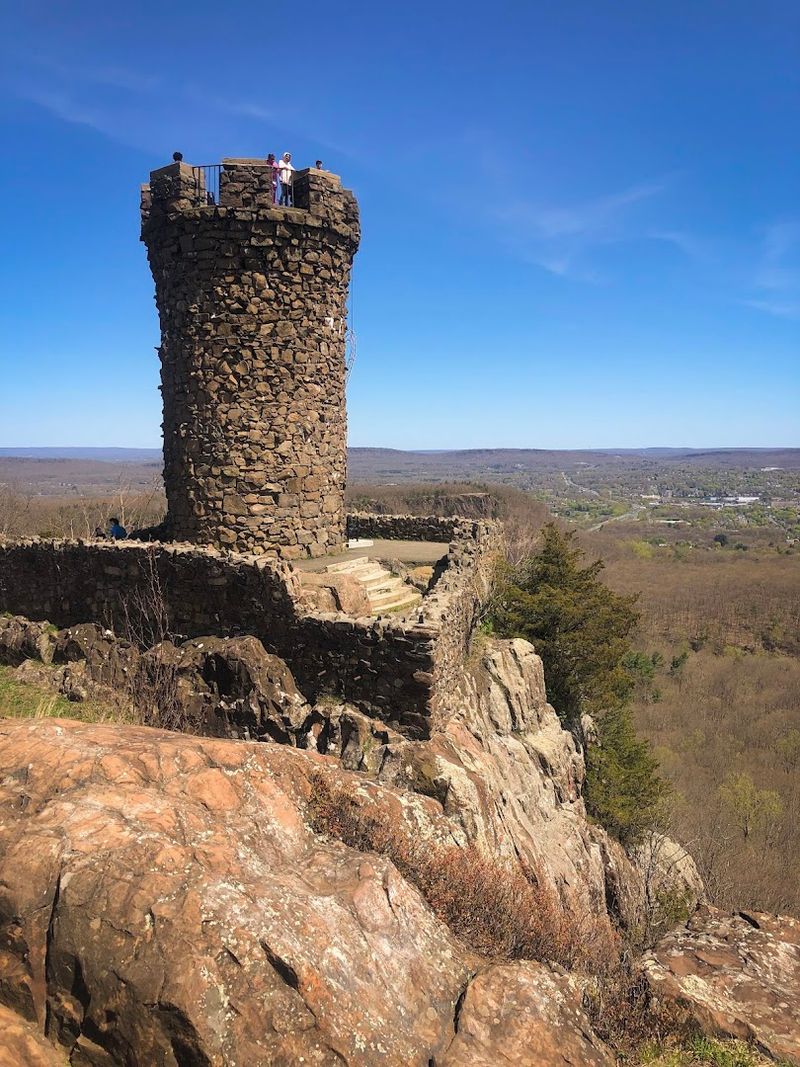
High on East Peak in Meriden, Castle Craig has looked out across the Hanging Hills for more than a century. The stone observation tower was dedicated in 1900 as a gift from businessman Walter Hubbard, giving residents a dramatic overlook above the city and surrounding ridgelines.
From the top, the view opens in every direction, and on clear days, visitors may see as far south as Long Island Sound.
Trails through Hubbard Park climb across rugged trap rock terrain, where steep grades and loose footing can make the approach feel more adventurous than expected.
The park’s main address is 999 W Main St, Meriden, CT 06451, and the tower can be reached on foot or by a seasonal road that opens to vehicles during posted daytime hours, weather permitting.
Along the ridge, hikers have long shared stories of the Black Dog of the Hanging Hills, a silent black dog said to appear to travelers. According to local tradition, the first sighting brings joy, the second sorrow, and the third a darker warning.
Hubbard Park itself is spacious and well cared for, with picnic areas, a pond, wooded trails, and routes that range from easy walks to more demanding climbs. Castle Craig remains the park’s signature landmark, blending accessible infrastructure with genuinely dramatic scenery.
That mix of history, folklore, views, and trail variety makes this one of central the state’s most memorable outdoor destinations, whether visitors drive partway up or earn the panorama on foot.
4. Sleeping Giant State Park, Hamden
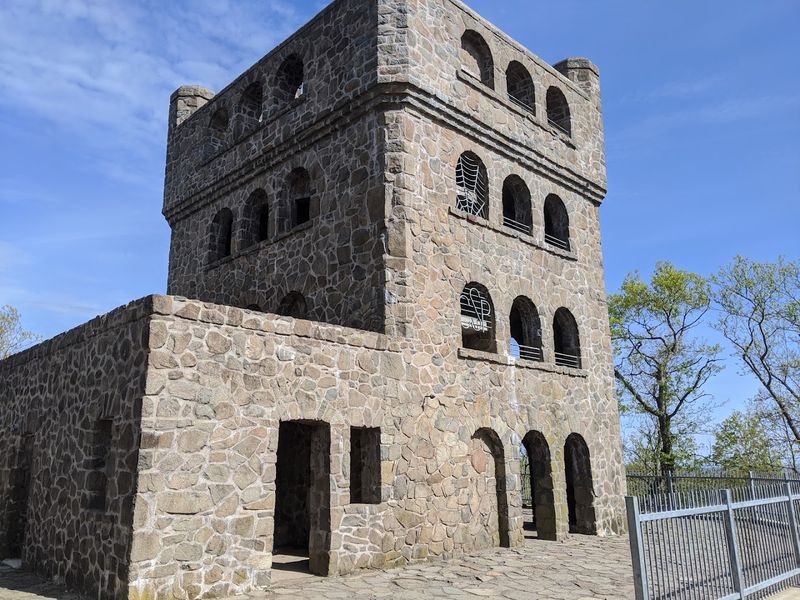
A ridgeline that genuinely looks like a reclining human figure when viewed from a distance, Sleeping Giant State Park has captured local imagination for as long as people have been hiking in the Hamden area.
The park entrance is at 200 Mt Carmel Ave, Hamden, CT 06518, and the trail system spans over 30 miles across a basalt ridge that rises sharply from the surrounding suburban landscape.
The stone tower at the summit of the head offers views that stretch across the New Haven region on clear days.
The legend behind the name comes from an Algonquian story about Hobbomock, a powerful and mischievous giant who was put to sleep by the god Kietan as punishment for disrupting the flow of the Connecticut River.
The giant’s body is said to rest beneath the ridge, and the shape of the hills does bear a striking resemblance to a massive figure lying on its back when seen from the right vantage point.
The story adds a layer of mythological weight to what is already a visually striking landscape.
Trails at Sleeping Giant range from easy flat paths to steep and rocky climbs that challenge even experienced hikers, so choosing the right route based on fitness level matters before setting out.
The blue-blazed Tower Path is the most popular route to the summit and takes roughly an hour each way at a moderate pace.
Fall weekends tend to draw larger crowds due to the foliage, while early weekday mornings offer a noticeably quieter experience. The park charges a seasonal parking fee from late spring through early fall, so checking current rates before visiting is a practical step.
5. Devil’s Hopyard State Park, East Haddam
Chapman Falls is the kind of waterfall that stops hikers mid-step, dropping 60 feet over ancient Scotland Schist rock formations in a display that feels genuinely powerful regardless of the season.
Devil’s Hopyard State Park is located at 366 Hopyard Rd, East Haddam, CT 06423, and the falls are the centerpiece of a park that combines natural beauty with a surprisingly rich layer of colonial history and local legend.
The name alone tends to generate questions from first-time visitors, and the answers are worth knowing before the hike begins.
During the Revolutionary War, a colonial-era gristmill operated at this site by a man known as Dr. Beebe was reportedly attacked because of his loyalty to England.
According to local accounts, Beebe was tortured, tarred, and feathered by revolutionary neighbors, and stones from his mill were damaged and thrown into the river.
The mill had operated using the power of Chapman Falls since the early colonial period, and remnants connected to that history can still be found near the water. The falls themselves continued to power Beebe’s Mills until the mid-1890s.
The park’s trail system winds through hemlock groves and along the Eight Mile River, offering a variety of loop options that suit different energy levels.
The falls are easily accessible from the main parking area and require only a short walk, making them reachable for visitors of most ages and physical abilities.
Mornings tend to offer the best light for viewing the falls and the most peaceful atmosphere along the trails. The park is open year-round, and the falls are particularly dramatic during spring when snowmelt increases the water volume considerably.
6. Gay City State Park, Hebron
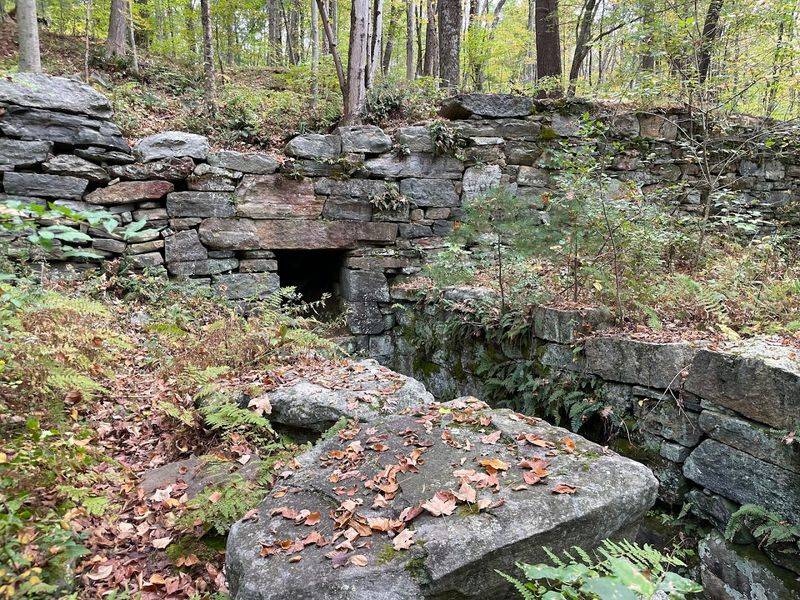
Deep under the pine and oak canopy of Hebron, Gay City State Park preserves the quiet remains of a once-busy mill village. Trails pass old stone foundations, cellar holes, mill remnants, and traces of a community that once grew around the Blackledge River.
Before the park took on its current name, the area was known as Factory Hollow, later becoming associated with the Gay family, one of the most prominent families connected to the settlement.
The village began in 1796, when religious leader Elijah Andrus and his followers moved into the hollow. Over time, the community grew to around 25 families and supported mills powered by the river, including saw, wool, and later paper operations.
Fires, business setbacks, and changing fortunes gradually emptied the settlement, with the final mill fire in the late 1800s marking the end of its village life. The park entrance can be found at 435 North St, Hebron, CT 06248.
Today, hikers can follow marked trails through forested sections where old foundations and stonework sit partly covered by leaves, moss, and tree roots. The effect is atmospheric without feeling inaccessible, and the trails are manageable for many casual hikers and families.
Local folklore has added eerie stories to the ruins over the years, giving the park a mysterious reputation in the eastern part of the state. A pond, swimming area, picnic spots, and campground bring a brighter recreational side to the park.
Fall and early spring are especially good times to visit, when thinner vegetation makes the old stonework easier to spot.
7. Lovers Leap State Park, New Milford
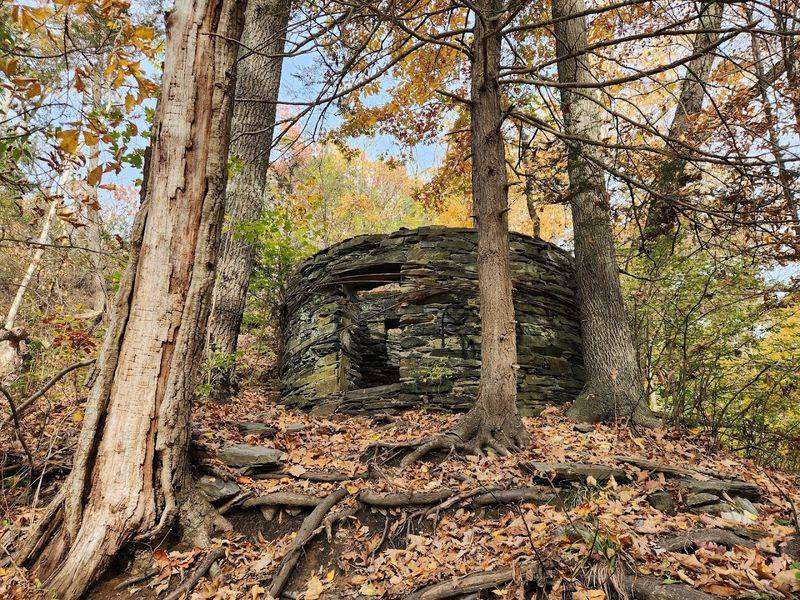
High above the Housatonic River, Lovers Leap State Park in New Milford blends dramatic scenery with one of the region’s most enduring legends. Trails lead through a compact landscape of wooded paths, rocky viewpoints, old ruins, and sweeping looks over the river gorge below.
With its steep drops, rugged ledges, and storybook name, the park has the kind of atmosphere that makes local folklore feel almost built into the view.
The best-known tale is connected to Lillinonah, daughter of Chief Waramaug, and a love story that has been retold in different forms for generations. While the legend cannot be confirmed as history, it remains closely tied to the identity of the park and the surrounding New Milford area.
Visitors can reach the park at 178 Short Woods Rd, New Milford, CT 06776, then follow the trail system toward the gorge, the historic bridge, and several scenic overlooks.
The trails range from easy to moderately challenging, with rocky stretches that call for careful footing. Fall is a favorite season here, when color spreads through the Housatonic Valley and frames the cliffs in bright shades of orange, gold, and red.
Since the park covers about 160 acres, it works well for a half-day outing rather than a full-day trek. Parking is available near the trailhead, and weekday mornings are usually quieter.
Sturdy shoes are a smart choice, especially after rain, when rockier sections near the viewpoints can become slick.