12 California Coastal Places Where Shipwrecks And Lighthouses Still Tell Stories
Some coastlines look pretty. Then some coastlines look like they are keeping records.
You stand near the water and notice lighthouses feeling less like a postcard and more like a warning.
California’s coast has never been just scenery. It has cliffs, wrecks, and old lights built because the ocean did not always play nice.
That is what makes these places linger.
A lighthouse can make the view feel historic.
A shipwreck story can make the same stretch of water feel darker and harder to ignore.
Walk the headlands. Look toward the horizon. Read the plaques.
Notice how quickly a beautiful spot can turn into a place with consequences.
1. Point Reyes National Seashore, Marin County
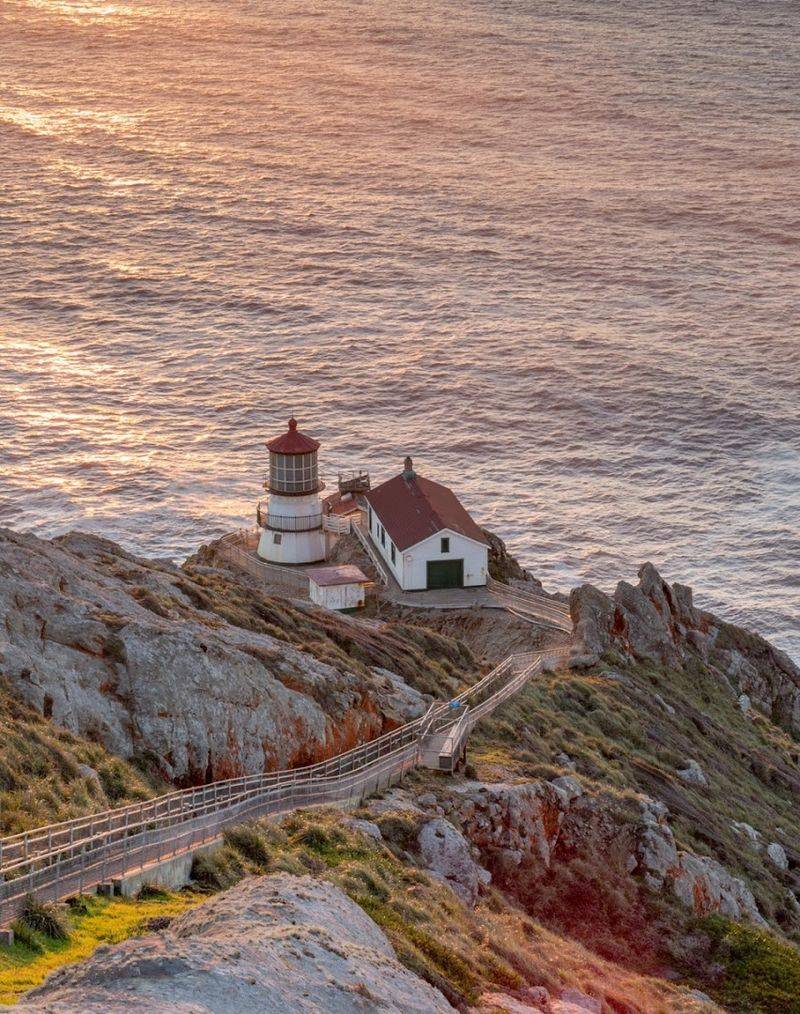
Few stretches of California coastline carry as much maritime weight as the windswept headlands of Point Reyes.
The lighthouse here began operation on December 1, 1870, built specifically to reduce the staggering number of disasters along this fog-prone stretch of coast.
Before it was lit, over three-quarters of a million dollars worth of ships and cargo had already been lost on the rocks.
More than 73 major marine wrecks have been recorded in this area, with 37 of them classified as total losses.
The very first recorded shipwreck in California history happened nearby when the San Agustin went down in Drakes Bay in 1595.
Shipwrecks continued even after the lighthouse was built, which eventually led to the establishment of U.S. Life-Saving Service stations at Point Reyes.
Visitors today can walk down the 308 steps to the lighthouse and learn about the keepers who lived in isolation on this exposed headland.
The wind here can be fierce, and the views across the Pacific make it easy to understand why sailors feared this coastline.
Point Reyes National Seashore is open year-round, though the lighthouse itself has seasonal hours worth checking before visiting.
2. Pigeon Point Light Station, Pescadero
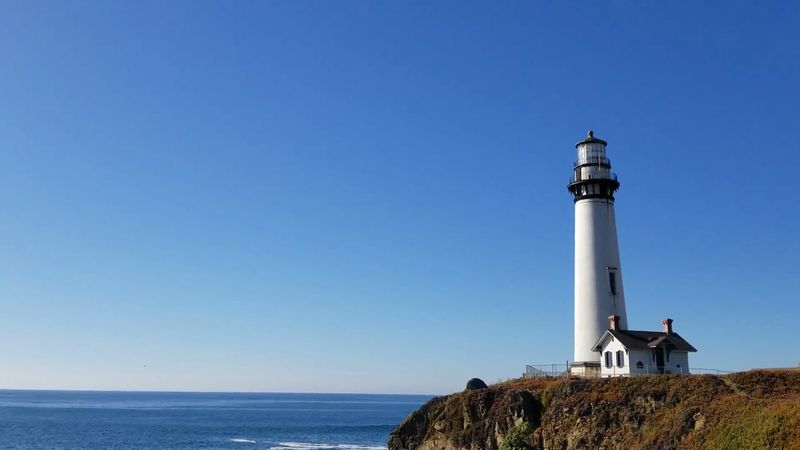
Standing 115 feet tall on the Central California coast, Pigeon Point Lighthouse is one of the most recognizable landmarks along Highway 1.
Built in 1872, it was constructed partly in response to a series of deadly shipwrecks that had plagued the surrounding waters for years.
The point itself was named after the clipper ship Carrier Pigeon, which ran aground there in dense fog on June 6, 1853, during its very first voyage from Boston to San Francisco.
The tragedy that truly pushed for the lighthouse’s construction was the wreck of the Coya in 1866, when an iron ship from Britain struck a reef in heavy fog and 26 people passed, including the captain and his family.
Earlier losses like the Sir John Franklin and the Hellespont added to the public pressure for a permanent warning light here.
The lighthouse was automated in the mid-1970s and has been undergoing an extensive restoration since 2001, with a planned reopening estimated for spring 2027.
The grounds and surrounding area remain accessible for visitors who want to walk the coastal bluffs and absorb the history.
3. Point Cabrillo Light Station And Frolic Cove, Mendocino County
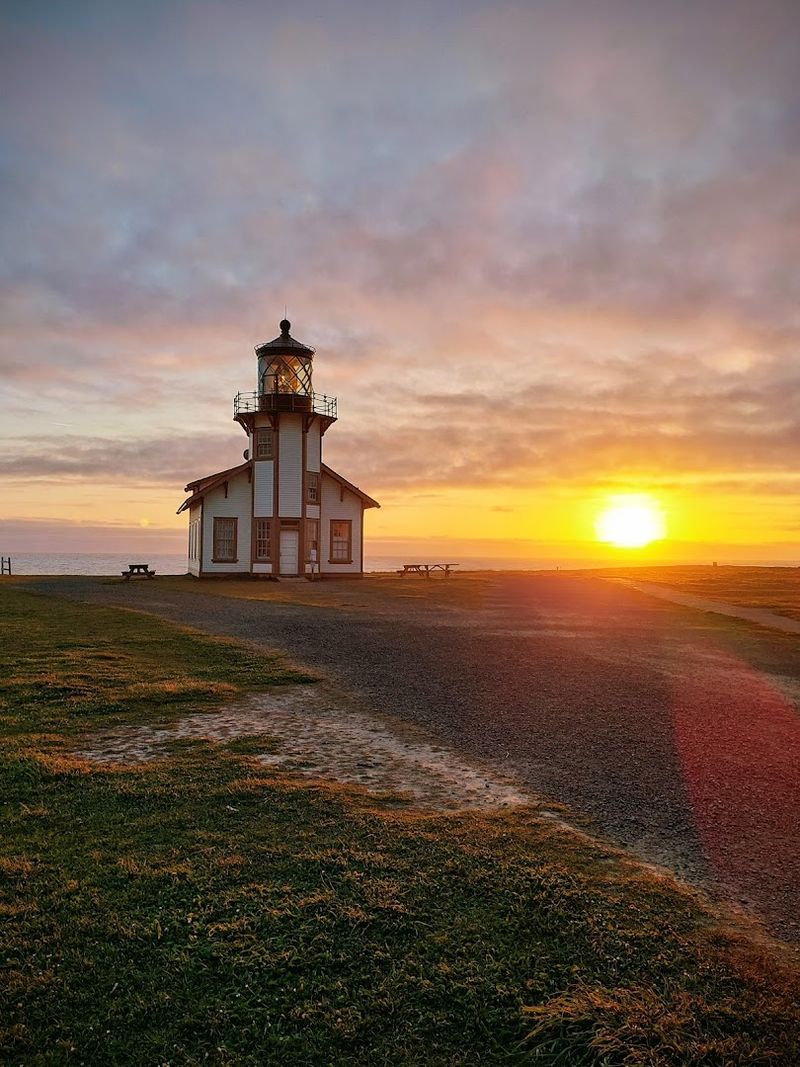
The story of Point Cabrillo Light Station is inseparable from the wreck of the Frolic, a trading vessel that went down in 1850 near the Mendocino coast and sparked an entire chain of events that shaped the region.
When a salvage party went to investigate the wreck, they discovered the enormous redwood forests inland, which soon led to the establishment of a major lumber industry along this stretch of coast.
Without the Frolic, Mendocino might have looked very different today.
The light station itself was built in 1909 to guide the lumber schooners that regularly traveled these waters.
It sits on a 300-acre preserve with walking trails, restored keeper cottages, and a working light that still functions as a navigational aid.
The setting feels genuinely unhurried, with open meadows running down to dramatic coastal bluffs.
The keeper’s dwelling has been converted into a small museum where the history of the Frolic wreck and the lighthouse era are explained in detail.
For anyone interested in how one shipwreck can change the course of a region’s entire history, this stop is genuinely worthwhile.
4. Point Arena Lighthouse, Mendocino County
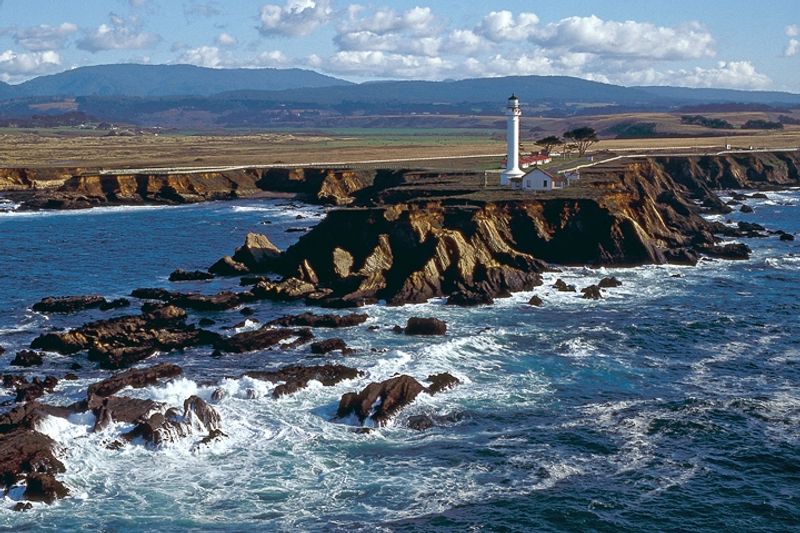
At 115 feet tall, Point Arena Lighthouse is the only lighthouse in California where visitors can climb all the way to the top of the tower and step out onto the watch gallery.
The original lighthouse on this site was built in 1870, partly in response to the growing number of shipwrecks along this notoriously dangerous stretch of Northern California coast.
Rising wreck numbers made the need for a reliable warning light here impossible to ignore.
The 1906 earthquake destroyed the original brick tower, and the current reinforced concrete structure was completed in 1908, making it one of the first major uses of that building technique in lighthouse construction.
The Fresnel lens inside is still in excellent condition and is considered one of the finest examples remaining on the West Coast.
Point Arena Lighthouse is located at 45500 Lighthouse Road in Point Arena and is open daily for tours.
Keeper’s quarters on the property have been converted into overnight rental cottages, which makes it possible to spend the night right at the edge of the Pacific with uninterrupted ocean views.
The surrounding coastal bluffs are excellent for whale watching during migration season, adding a natural history dimension to the maritime one.
5. Crescent City And St. George Reef, Del Norte County
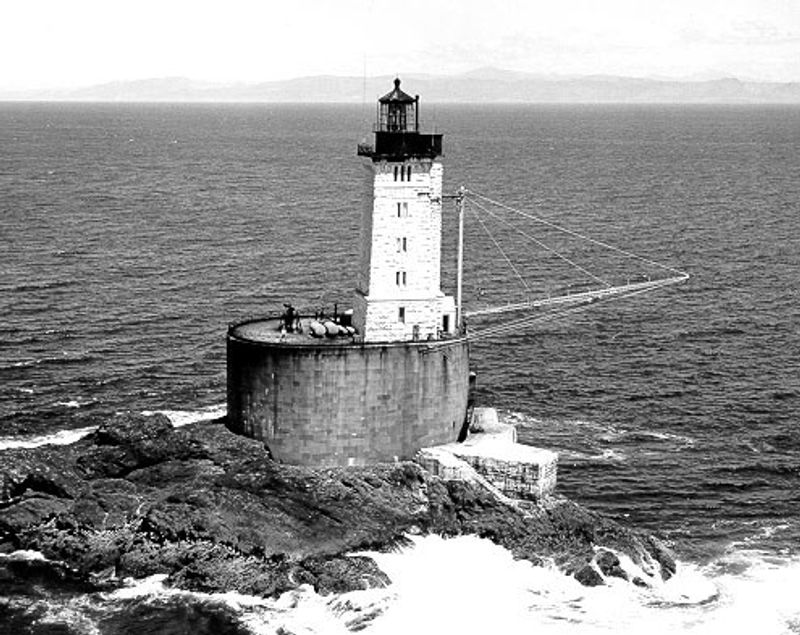
Off the coast of Del Norte County sits one of the most dramatic and costly lighthouse projects in American history.
The St. George Reef Lighthouse was built on a submerged rock roughly six miles offshore from Crescent City.
Its construction took nearly a decade and cost over $700,000, making it the most expensive lighthouse ever built in the United States at the time.
The project was launched largely in response to the Brother Jonathan disaster of 1865, when a paddle steamer ran aground on the reef and 225 people lost their lives.
The lighthouse was completed in 1892 and decommissioned in 1975.
Restoration efforts have continued for years, and while access to the reef structure itself is limited, the Del Norte County Historical Society Museum in Crescent City displays the original first-order Fresnel lens from the lighthouse.
The Del Norte County Historical Society Museum is located at 577 H Street in Crescent City and tells the story of this coast in considerable depth.
The combination of the Brother Jonathan wreck, the offshore lighthouse, and the museum collection makes this part of the California coast one of the most historically significant maritime destinations in the entire state.
6. Battery Point Lighthouse, Crescent City
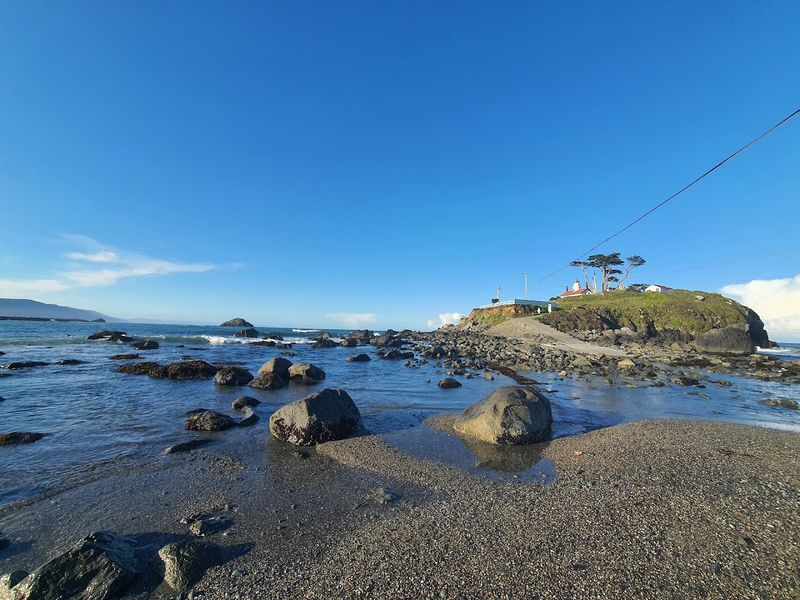
Perched on a small rocky island just off the shore of Crescent City, Battery Point Lighthouse has a charm that is hard to match anywhere on the California coast.
Built in 1856, it is one of the oldest lighthouses in the state and still operates as an active aid to navigation.
At low tide, visitors can walk across a natural land bridge to reach the island, which gives the visit a sense of mild adventure that most lighthouse stops simply cannot offer.
The lighthouse operates as a museum with a keeper-style interior that feels genuinely preserved rather than recreated.
Antique navigational equipment, period furnishings, and historical photographs fill the rooms, and knowledgeable volunteer docents are usually on hand to share the stories of the keepers who once lived and worked here.
The 1964 tsunami caused significant damage to Crescent City, and the lighthouse itself survived while much of the surrounding town did not.
Hours are tide-dependent and seasonal, so checking ahead is strongly recommended before planning a visit.
The combination of its age, its active status, and its island setting makes Battery Point one of the most complete lighthouse experiences available to the public in California.
7. Trinidad Head Lighthouse, Humboldt County
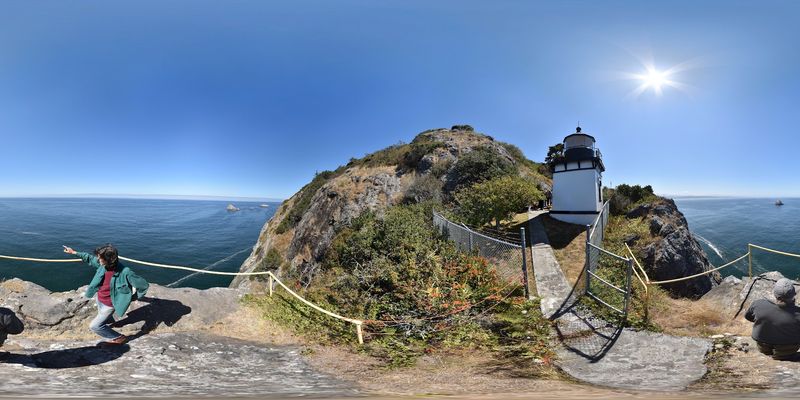
Overlooking one of the most picturesque natural harbors on the California coast, Trinidad Head Lighthouse has been guiding ships since it was first lit on December 1, 1871.
The headland it sits on rises dramatically from the water, and the lighthouse itself is relatively modest in size compared to others on the North Coast, but its position makes it visible for miles in clear conditions.
The surrounding area is part of a rugged stretch of coastline that has seen its share of maritime trouble over the decades.
Trinidad Bay below the headland served as an important supply port during the logging era, and the combination of heavy coastal traffic and unpredictable weather made a reliable light essential here.
The lighthouse is still an active navigational aid maintained by the U.S. Coast Guard, which limits interior access, but the exterior and the surrounding trails are accessible to visitors.
A replica of the lighthouse bell that once warned ships during foggy conditions is on display in the town of Trinidad, and the headland itself offers outstanding views of the bay and the offshore sea stacks.
The hike up to the lighthouse is relatively short but rewarding, especially on clear days when the coastline stretches north and south in both directions.
8. San Francisco Maritime National Historical Park, San Francisco
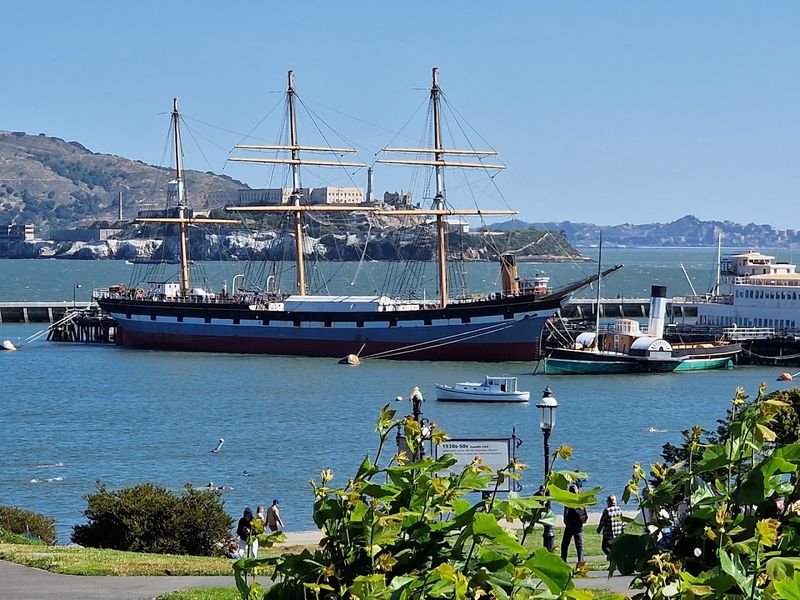
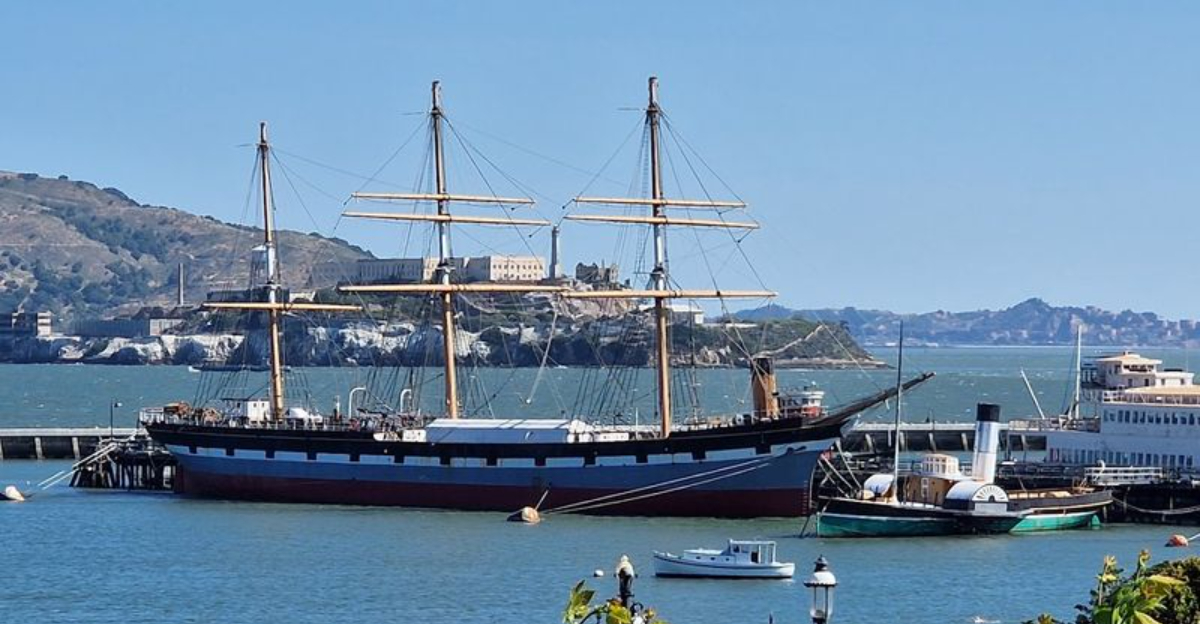
Built around the seafaring soul of one of America’s great port cities, San Francisco Maritime National Historical Park preserves a remarkable collection of historic vessels, artifacts, and stories right on the northern waterfront.
Aquatic Park Cove forms the heart of the park, with Hyde Street Pier extending into the bay and holding a fleet of restored historic ships that visitors can actually board and explore.
The collection includes square-riggers, a steam schooner, and a working ferryboat, all of which tell the story of California’s maritime commerce in a very hands-on way.
The park’s visitor center and maritime museum building, housed in a striking 1939 Art Deco structure, contains ship models, figureheads, and exhibits covering everything from the Gold Rush shipping era to the fishing industry.
San Francisco Maritime National Historical Park is located at 499 Jefferson Street in San Francisco and is accessible by foot from Fisherman’s Wharf.
The surrounding waterfront has changed dramatically over the decades, but the park functions as a kind of anchor point for the city’s seafaring identity.
Weekday visits tend to be quieter than weekends, when the Fisherman’s Wharf area draws large crowds.
The combination of walkable historic ships, a strong museum collection, and an iconic bay setting makes this one of the most accessible maritime history experiences in California.
9. The Golden Gate And Gulf Of The Farallones, San Francisco Bay Area
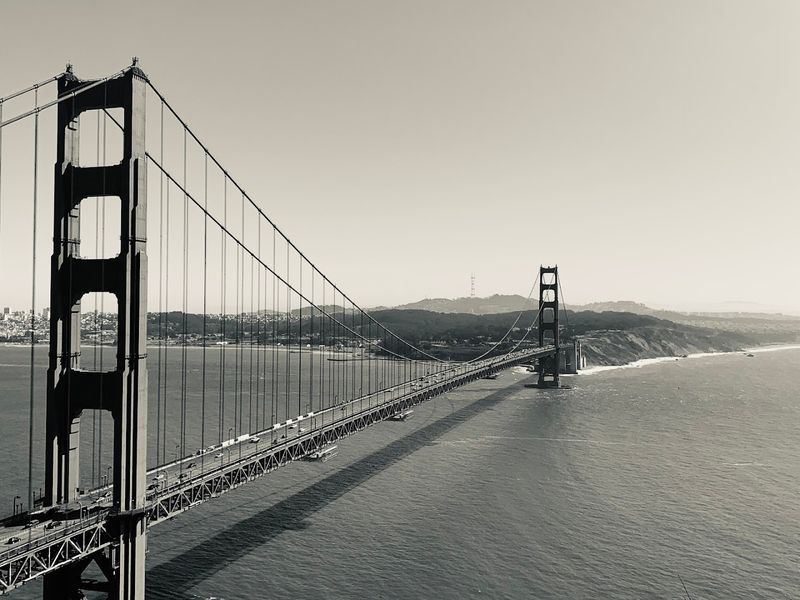
Hundreds of ships have met their end near the entrance to San Francisco Bay, making the waters around the Golden Gate one of the most shipwreck-dense stretches of coastline in the entire country.
NOAA has documented hundreds of wreck sites in this area, many of which remain uncharted or only partially identified.
The combination of heavy maritime traffic during the Gold Rush era, powerful tidal currents, dense fog, and shifting sandbars created conditions that claimed vessels with startling regularity.
At Lands End in San Francisco, the remains of three ships including the Lyman A. Stewart, the Ohian, and the Frank H.
Buck are still visible from the Coastal Trail at low tide, offering a rare chance to see actual wreck debris.
The trail itself is a rewarding walk with views across the bay entrance and toward Marin County.
The Gulf of the Farallones, which extends offshore from the Golden Gate, adds another layer of maritime mystery to the region.
The Farallon Islands sit roughly 27 miles offshore and have their own wreck history.
NOAA’s Greater Farallones National Marine Sanctuary manages this area and provides online resources for those who want to learn more about specific wrecks before visiting the coast.
10. Point Pinos Lighthouse, Pacific Grove
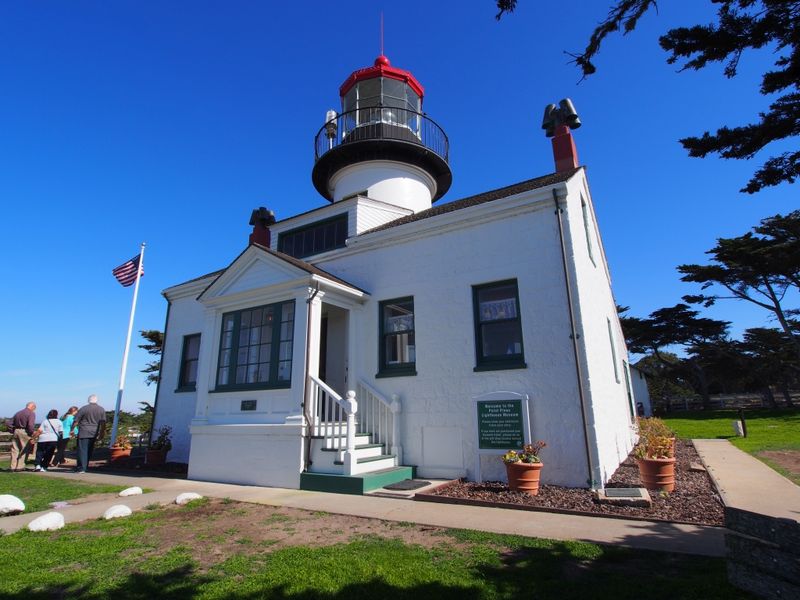
Credited by the city of Pacific Grove as the oldest continuously operating lighthouse on the West Coast, Point Pinos Lighthouse has been guiding ships since February 1, 1855.
The original Fresnel lens installed in 1855 is still in use today, which is an extraordinary fact given how many lighthouses have been modernized or decommissioned over the past century and a half.
The building itself is constructed from local granite and blends naturally into the coastal scrub and pine forest that surrounds it.
The lighthouse sits at the southern tip of the Monterey Peninsula where Monterey Bay meets the open Pacific, a transition zone that creates challenging conditions for mariners.
Fog is common here, and the lighthouse’s role as a warning beacon has remained consistent even as the surrounding area has grown into a popular coastal community.
The lighthouse is operated as a museum by the Pacific Grove Museum of Natural History.
The surrounding area includes a coastal recreation trail that runs along the rocky shoreline, making it easy to combine a lighthouse visit with a walk along one of the most scenic stretches of the Monterey Peninsula.
11. Channel Islands National Park And Marine Sanctuary, Ventura And Santa Barbara Coast
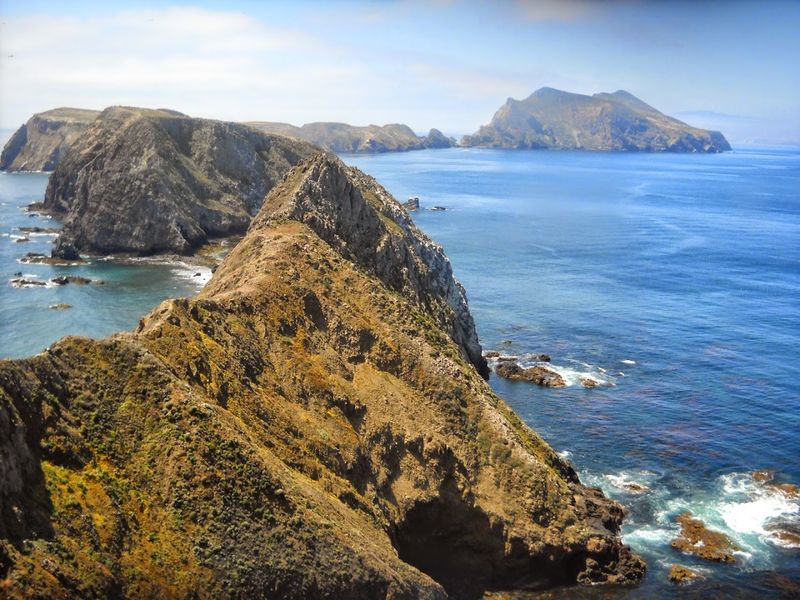
More than 150 historic ships and aircraft are documented to have wrecked within the boundaries of Channel Islands National Park and the Channel Islands National Marine Sanctuary, making this one of the most significant underwater heritage areas.
The islands sit in a stretch of the Santa Barbara Channel that has been heavily traveled for centuries, first by Indigenous Chumash mariners in their plank canoes and later by Spanish galleons, American trading vessels, and military ships.
The wrecks range in age from the Spanish colonial era to World War II, and the clear waters around the islands make many of them accessible to recreational divers.
The sanctuary manages these sites with the goal of preserving them as underwater cultural resources rather than disturbing or salvaging them.
Terrestrial history on the islands includes ranching ruins and a lighthouse at Anacapa Island that has been active since 1932.
Visitor access to the islands is by boat from Ventura Harbor or Channel Islands Harbor in Oxnard, with Island Packers operating scheduled trips throughout the year.
The Channel Islands Visitor Center is located at 1901 Spinnaker Drive in Ventura and provides exhibits on both the natural and maritime history of the islands.
Planning ahead is recommended since boat trips can fill up quickly, especially on weekends and during summer months.
12. Cabrillo National Monument And Old Point Loma Lighthouse, San Diego
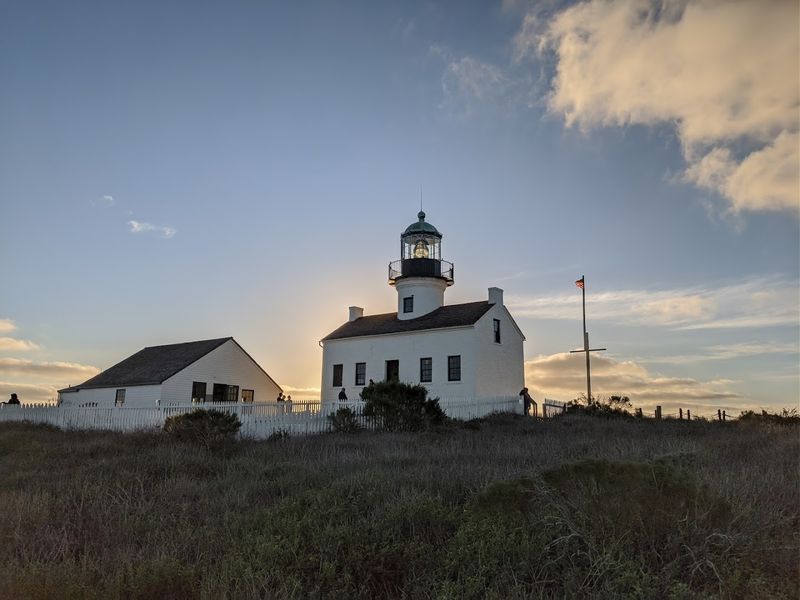
Few lighthouse stories along the California coast carry as much symbolic weight as the one at Old Point Loma.
Built in 1855 as one of the first eight lighthouses on the West Coast, it guided ships into San Diego Bay for 36 years before a persistent problem forced a change.
At 462 feet above sea level, it was the highest lighthouse in the nation at the time, but that height worked against it because fog and low clouds frequently obscured the light entirely.
A new lighthouse was established at a lower elevation in 1891, and the original tower was eventually abandoned.
After decades of neglect and serious threats of demolition, a major restoration between 1933 and 1935 saved the building, and it now operates as a museum within Cabrillo National Monument.
The interior has been restored to its 1880s appearance with period-appropriate furnishings and equipment.
Cabrillo National Monument is located at 1800 Cabrillo Memorial Drive in San Diego and is open daily.
The monument also includes a newer lighthouse, tide pools, coastal trails, and sweeping views across San Diego Bay and the Pacific.
The old lighthouse itself is a short walk from the main visitor center and remains one of the most historically significant structures anywhere on the California coast.