This Castle-Like Mansion In Nebraska Is Worth Visiting Again And Again
Regular houses do not usually come with castle energy.
One look at towering walls and dramatic architecture can make the brain immediately start inventing fictional inheritance claims.
A place like this gives Nebraska a surprisingly royal little flex.
Every room feels designed for people who enjoy staring upward for no reason.
Old woodwork pulls attention fast. Massive windows do the same. Then another hallway appears and suddenly the visit turns into a slow-moving architectural rabbit hole.
Coming once almost feels pointless because the details keep hiding from you the first time around.
That is part of the charm. A mansion like this does not just sit there looking historic. It practically dares people to come back and notice something new.
The Castle-Like Architecture That Makes Arbor Lodge Unforgettable
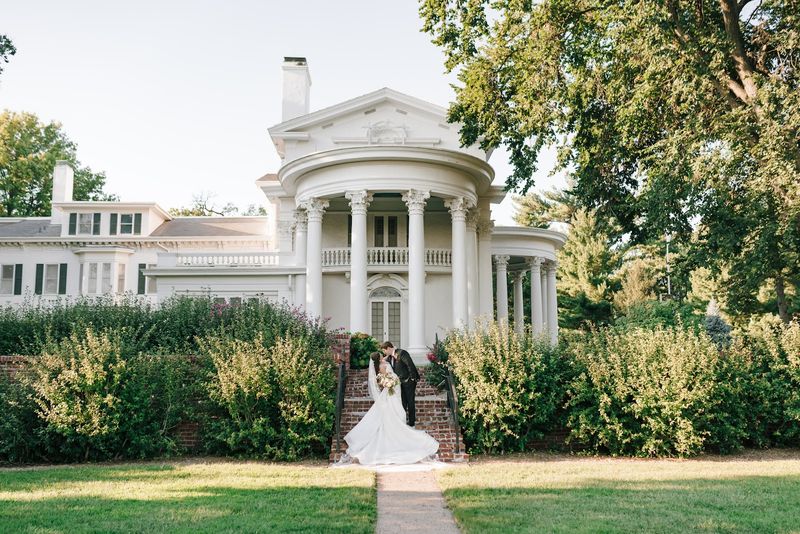
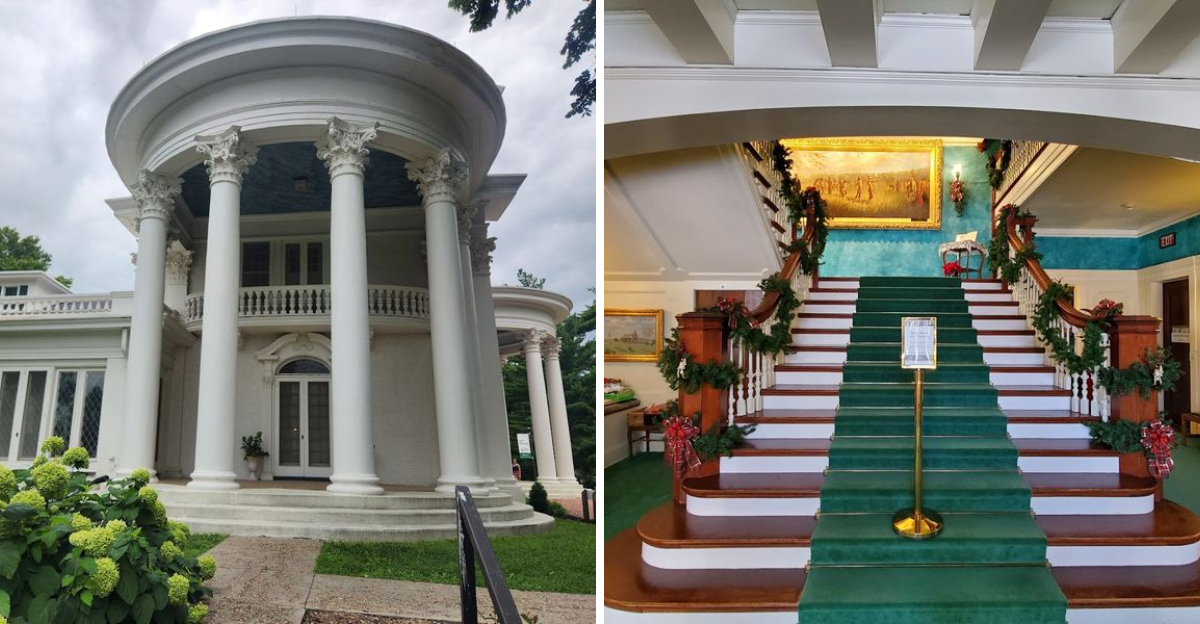
Standing in front of Arbor Lodge Mansion for the first time tends to stop people in their tracks.
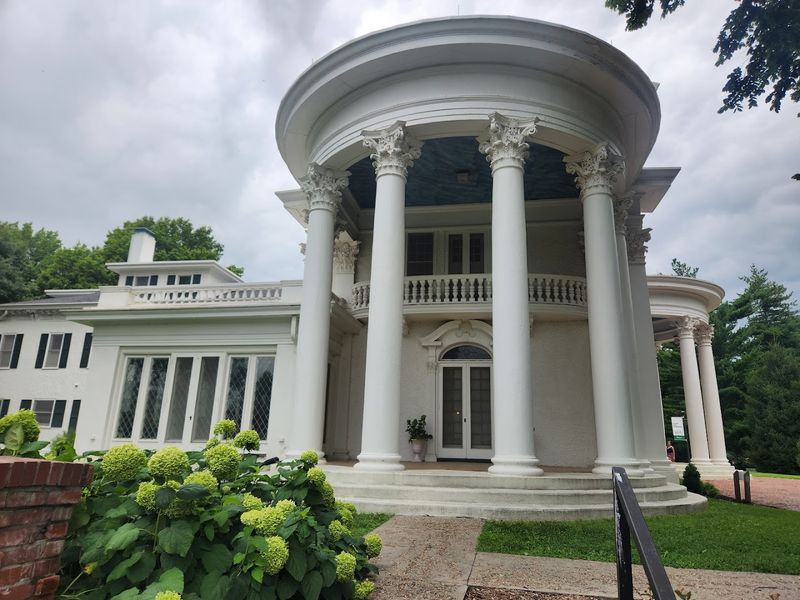
The grand neo-classical revival exterior, with its tall columns and three-story addition, gives the building a presence that feels far more castle-like than anything most visitors expect to find in Nebraska.
The structure commands attention from every angle.
Architect Jarvis Hunt redesigned and expanded the mansion in 1903, adding the dramatic front section that defines its current silhouette.
That transformation turned a modest family home into one of the most architecturally distinctive historic properties in the entire state.
The scale alone, spanning 52 rooms across four floors, makes it genuinely rare in the region.
Located at 2600 Arbor Ave, Nebraska City, NE 68410, the mansion is open for public tours Tuesday through Sunday from 11 AM to 5 PM.
Admission is $9 for adults and $7 for youth ages 3 to 12, with children 2 and under entering free. Calling ahead at 402-873-8733 is a smart move since hours can shift by season.
A Four-Room House That Grew Into 52 Rooms Over Five Decades
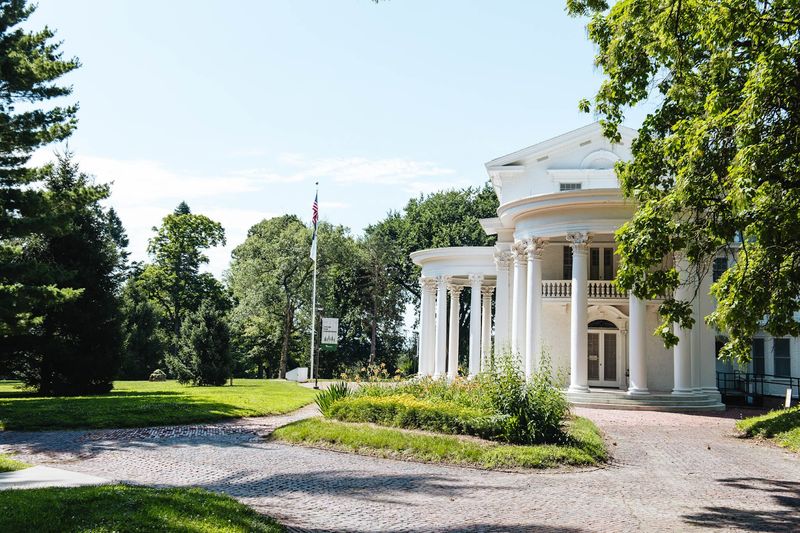
Not many buildings in America tell a growth story quite like Arbor Lodge.
What started in 1855 as a modest four-room frame house on the Nebraska plains slowly transformed through multiple renovation projects into the sprawling 52-room mansion visitors explore today.
Each phase of construction added personality and purpose to the structure.
The Morton family kept expanding and refining the home over roughly five decades, responding to both growing family needs and changing architectural tastes.
By the time Joy Morton hired Jarvis Hunt in 1903 to complete the final major redesign, the house had already gone through several significant additions.
The result is a layered building where different eras of American domestic architecture quietly overlap.
Walking through the mansion, visitors can pick up on subtle shifts in style from room to room, which reflects each chapter of the home’s long evolution.
The basement level adds yet another layer of exploration to a property that already spans four floors.
For history enthusiasts, tracing that transformation from humble beginnings to grand estate makes the tour feel like a genuine journey through time rather than a simple walk-through.
The Tiffany Skylight Hidden Inside The Sun Room
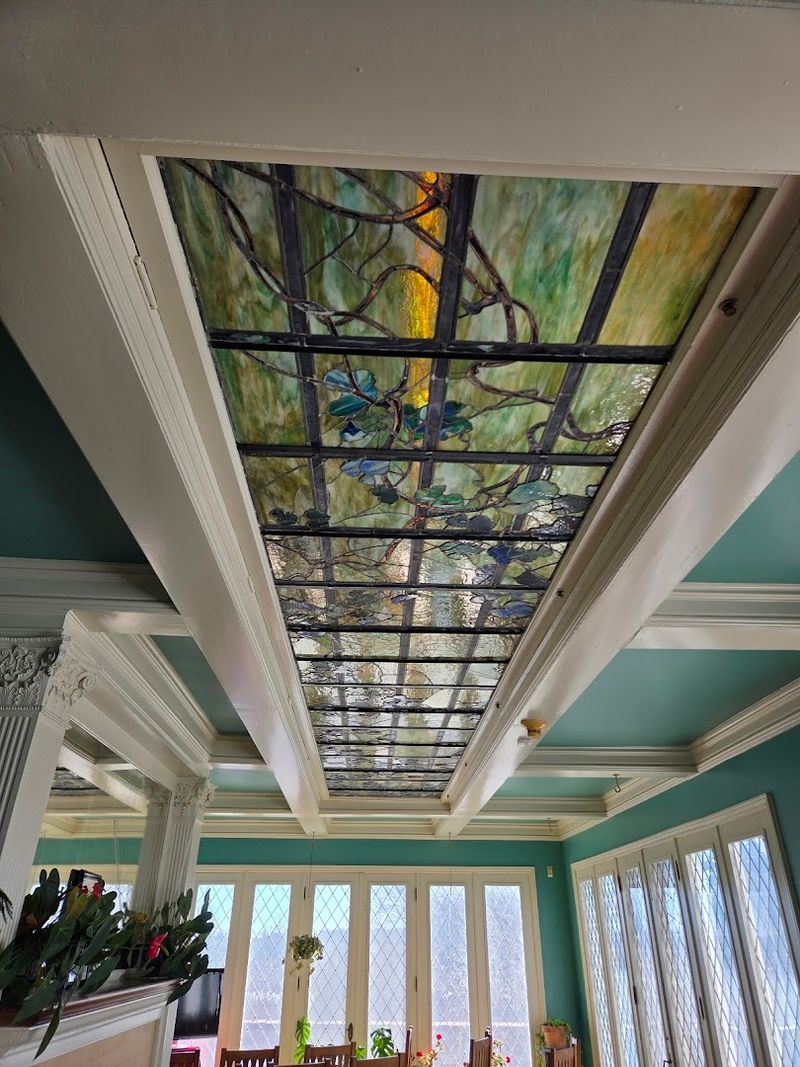
Tucked inside the Sun Room parlor of Arbor Lodge Mansion is a detail that tends to catch visitors completely off guard.
A genuine Tiffany skylight featuring a grape wreath design sits overhead, filtering light into the space in a way that feels both elegant and unexpected for a Nebraska historic home.
Moments like this are exactly why repeat visits to the mansion often feel rewarding.
Tiffany glasswork of this kind is rarely found outside major museums or East Coast estates, which makes its presence here genuinely notable.
The craftsmanship in the design reflects the elevated tastes and connections the Morton family cultivated during their most prosperous years.
Seeing it in person carries a different weight than reading about it.
The Sun Room sits within a mansion that also holds Victorian and Empire furnishings, many of which belonged to the Morton family originally.
Having authentic period pieces rather than reproductions gives the interior an honesty that museum visitors tend to notice and appreciate.
The combination of original furniture and architectural details like the Tiffany skylight makes Arbor Lodge feel like a preserved home rather than a staged exhibit.
Original Morton Family Furnishings Make The Rooms Feel Lived In
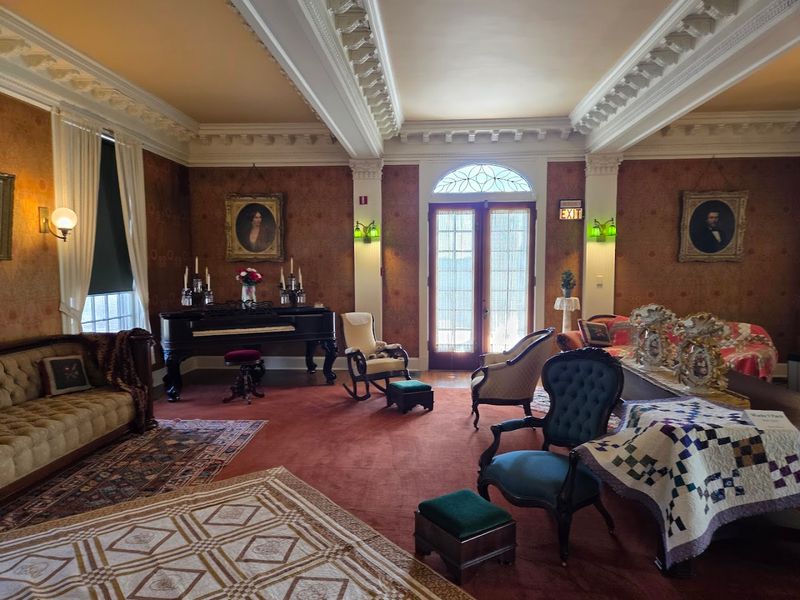
Something shifts in the atmosphere of a historic home when the furniture inside actually belonged to the family who lived there.
Arbor Lodge Mansion holds a remarkable collection of original Victorian and Empire furnishings that the Morton family used in their daily lives, and that authenticity comes through in a way that reproductions simply cannot replicate.
Victorian furniture tends to carry a certain visual weight, with dark wood tones, upholstered seats, and ornate detailing that reflects the design sensibilities of the late 1800s.
Seeing those pieces arranged within the actual rooms they were meant for gives visitors a grounded sense of how the family lived, entertained, and moved through their days.
Context transforms objects into stories.
The third floor of the mansion features displays focused on the Morton descendants, tracing what each family member accomplished as they grew up and moved through their own chapters of life.
That personal dimension lifts the experience beyond standard history museum territory.
Spending time with the furnishings and the family narrative together creates a visit that feels layered, specific, and genuinely memorable rather than generically educational.
The Arboretum With State-Champion Trees And Rare Varieties
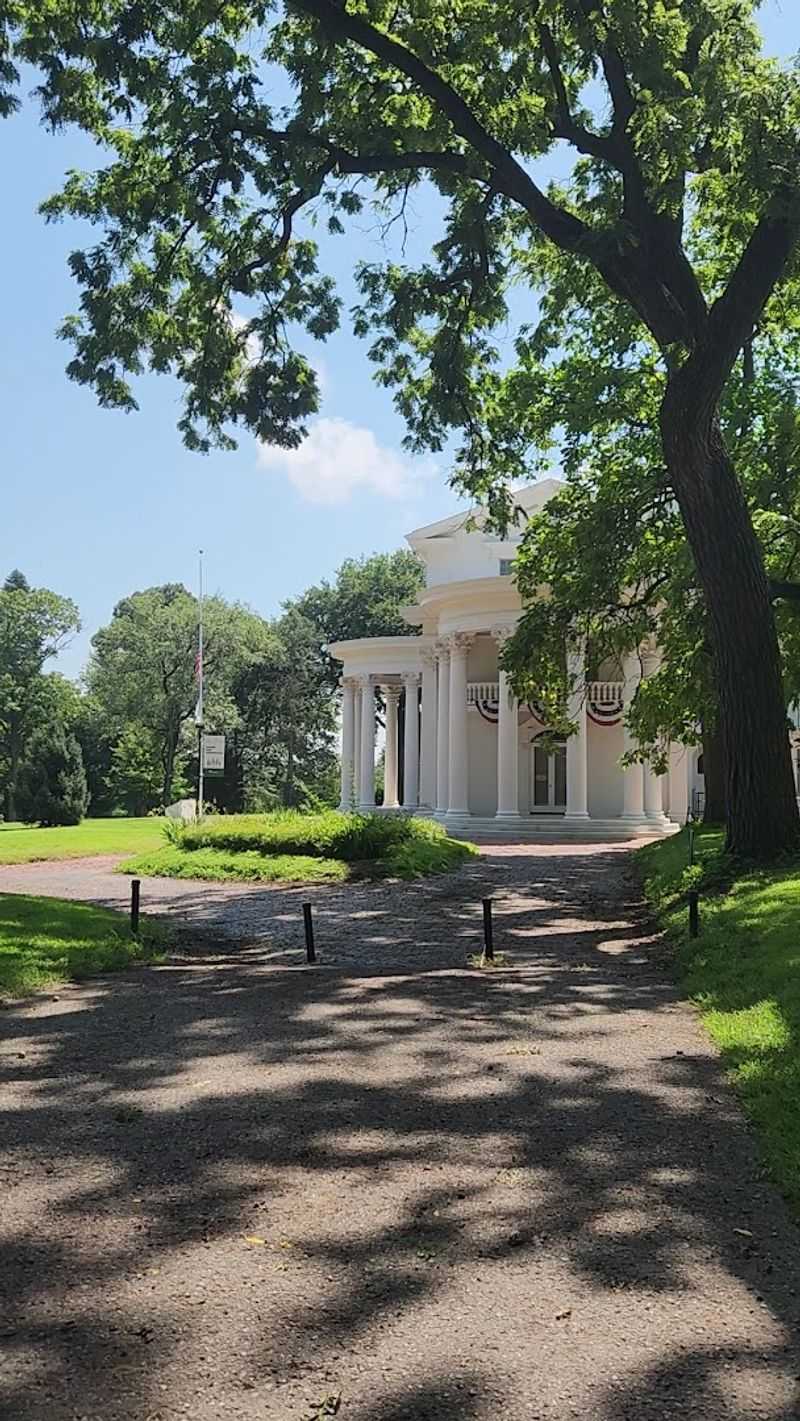
Before Arbor Day became a national tradition, the grounds surrounding the Morton home were already functioning as a living laboratory for tree cultivation.
J. Sterling Morton and his wife planted more than 270 varieties of trees and shrubs on the property, many of them imported specifically to test whether they could thrive in the Nebraska climate.
That experimental spirit shaped what is now one of the most diverse arboretums in the state.
The arboretum today includes acres of oaks, maples, chestnuts, and pines alongside apple orchards and other plantings that reflect the Mortons’ agricultural curiosity.
At least ten trees on the property hold state-champion status, meaning they represent the largest known examples of their species in Nebraska.
Walking beneath those trees carries a quiet sense of scale that photographs rarely communicate accurately.
The grounds are open year-round and do not require a park permit for entry, which makes a casual visit to the arboretum accessible at any time of year.
Fall brings its own visual reward when the deciduous trees turn, offering a color experience that differs completely from the spring lilac bloom.
Returning across multiple seasons reveals a property that genuinely changes rather than staying static between visits.
The Log Cabin, Carriage House, And Antique Vehicles On The Grounds
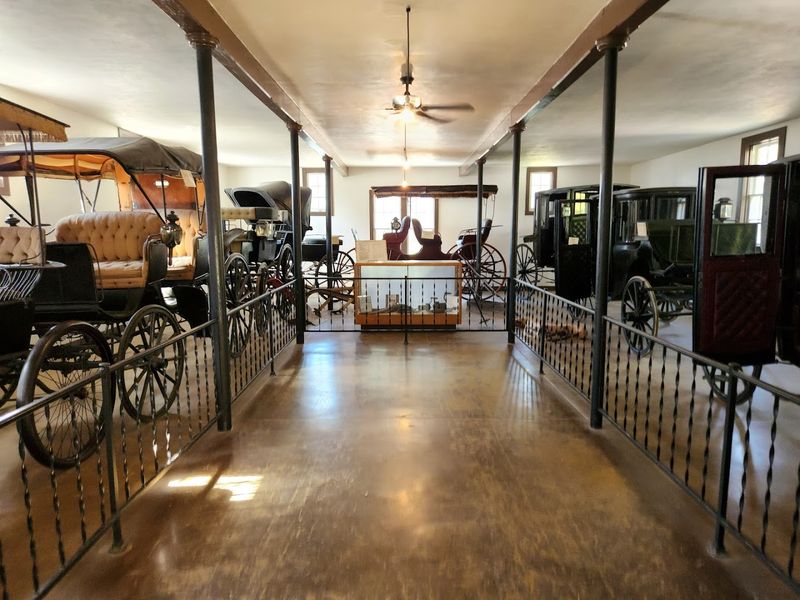
Beyond the mansion itself, the Arbor Lodge grounds hold several structures that add texture and depth to a visit without requiring an additional admission fee.
A log cabin built in 1890 as a memorial to early Nebraska settlers stands on the property, offering a grounded counterpoint to the grandeur of the main mansion.
The contrast between the two structures tells its own story about the range of life on the frontier.
The carriage house sits behind the mansion and displays a collection of antique vehicles that reflect transportation as it existed during the Morton family’s era.
Seeing horse-drawn carriages and period conveyances up close adds a practical dimension to the visit that connects well with the interior furnishings and family history inside the main house.
The carriage house tends to be easy to overlook if visitors focus entirely on the mansion tour, but it rewards the extra few minutes it takes to walk over.
Both structures are part of the broader estate experience and can be explored at a relaxed pace after the mansion tour concludes.
The combination of the log cabin, carriage house, gardens, and arboretum means the grounds alone justify spending the better part of an afternoon at the property.
Giving each structure its own moment rather than rushing through the full site makes the visit feel complete.
The Whispering Bench And The Quieter Corners Of The Park
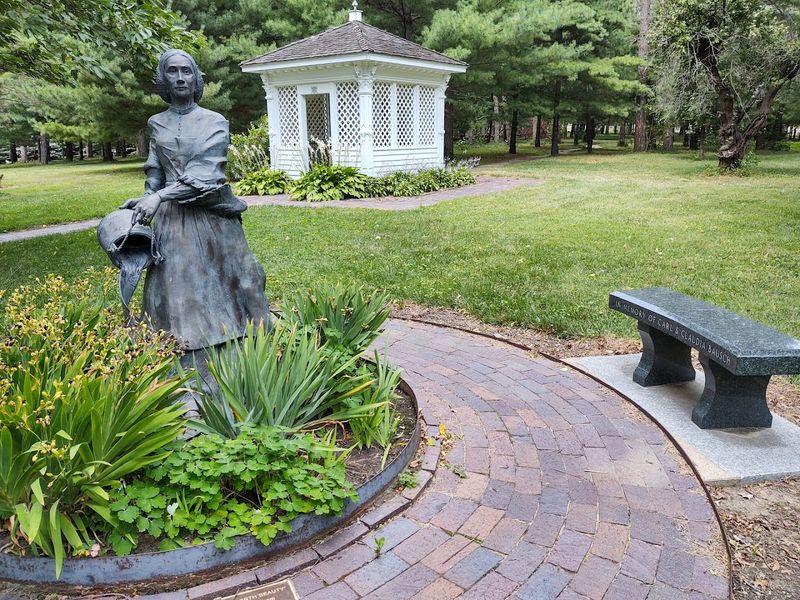
Not every worthwhile feature at Arbor Lodge announces itself loudly, and the whispering bench is a perfect example of that understated quality.
Tucked within the park grounds, the bench is designed so that sound travels along its curved surface in a way that lets two people at opposite ends hear each other clearly despite the distance between them.
It is a small, playful detail in an otherwise historically serious setting.
Acoustic benches of this kind work through the physics of curved surfaces that channel sound waves in a consistent direction, and experiencing one in person tends to produce genuine surprise even for visitors who already know the concept.
Finding it requires a bit of deliberate exploration rather than stumbling across it on the main path, which makes the discovery feel earned.
The quieter corners of the park reward visitors who slow down and move through the grounds with some curiosity.
The park grounds are open year-round with no park permit required, which means a peaceful off-season walk through the arboretum and past features like the whispering bench is entirely possible even when the mansion is closed for tours.
Early mornings and weekday visits tend to offer the most solitude. Those quieter moments on the property carry a different kind of appeal than the busier spring and summer weekends.
Seasonal Events That Give Visitors A New Reason To Return
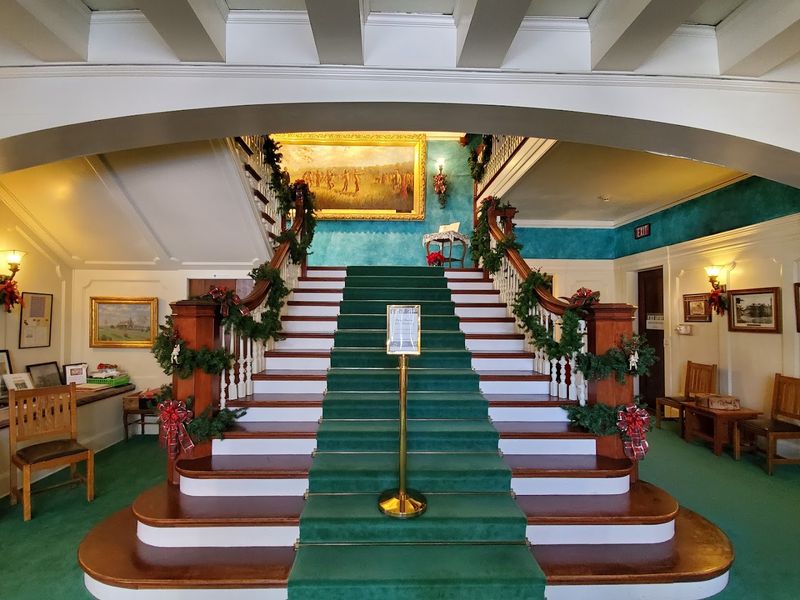
One of the more practical reasons Arbor Lodge earns repeat visits is the seasonal programming that shifts the experience throughout the year.
The mansion hosts tea parties, historical lectures, guided tours, and holiday events that give the property a living quality rather than a static museum feel.
Each season offers a different lens through which to experience the estate.
Cider pressing and other old-time craft demonstrations are sometimes staged on Sundays in September and October, connecting visitors to agricultural traditions that were central to life on the Morton estate.
Staff members occasionally wear period clothing during events, which adds a visual layer of immersion that reinforces the historical setting.
Those touches tend to land particularly well with younger visitors who respond to tangible, active experiences.
A Mystery Mansion event has been offered at the property in past years and tends to sell out quickly when it runs, so checking availability early is worth the effort for anyone interested.
The mansion is also available for private events including meetings and weddings, which speaks to the versatility of the space beyond standard museum hours.
Residents of the 68410 zip code receive free admission during regular hours with proof of residency, making it an especially accessible local resource for the Nebraska City community.
Planning A Visit And Getting The Most Out Of Your Time At Arbor Lodge
Getting the most out of a trip to Arbor Lodge takes a small amount of planning, and that effort pays off significantly once on the property.
Mansion tours run Tuesday through Sunday from 11 AM to 5 PM during the regular season, which typically spans April through December.
Calling ahead at 402-873-8733 or checking the Arbor Day Foundation website before visiting is a practical step since hours can vary and occasional closures do happen.
The grounds are open year-round with no park permit required, which means arriving early and walking the arboretum before the mansion opens is a genuinely enjoyable option.
Spring visits align with the lilac bloom and Arbor Day weekend programming, while fall brings foliage color and cider demonstrations.
Summer offers the fullest access to both the mansion and the outdoor spaces without the weather uncertainty of shoulder seasons.
Budgeting a full afternoon rather than a quick hour allows for the mansion tour, a walk through the Italian terraced garden and arboretum, a stop at the carriage house and log cabin, and time to find the whispering bench.
Nearby Arbor Day Farm across the street offers additional outdoor activities for those wanting to extend the day further.
Arriving with comfortable walking shoes and a flexible schedule sets up the visit for a relaxed, satisfying pace.