This Nebraska Lake Town Ranks Among America’s Best Small Towns
Lake towns have a sneaky way of making regular life look too complicated. Water does half the convincing. Main streets handle the rest.
One good view can turn a quick stop into a “maybe we should stay longer” conversation.
A place like this gives Nebraska the kind of small-town bragging rights people actually want to test. That feels worth a closer look, right?
Great small towns do not need to act oversized.
They win people over with easy scenery, local history, and enough outdoor fun to make a weekend feel full without feeling rushed.
The lake adds the sparkle. The town adds the reason to linger. Isn’t that the exact combination that makes a place feel list-worthy?
Travel + Leisure Named Ogallala America’s Best Small Lake Town For 2025
Not every small town gets to put a national title on its welcome sign, but Ogallala earned one in 2025 when Travel + Leisure officially named it America’s Best Small Lake Town.
The recognition was later featured on the TODAY show in August 2025, giving the town an even wider audience and putting Nebraska tourism on the national radar in a fresh way.
What made Ogallala stand out was its combination of natural beauty, outdoor recreation, and authentic western character.
Travel + Leisure highlighted the mix of lake activities, rodeo culture, and cowboy history as the reason the town felt so well-rounded compared to other lake destinations around the country.
Nebraska tourism quickly picked up the recognition and shared it widely, treating the ranking as a genuine win for the state.
Visitors who had never considered a Nebraska road trip suddenly had a reason to look twice.
For a town of fewer than 5,000 people, that kind of attention brings a meaningful boost to local businesses, events, and the overall energy of the community throughout the warmer months.
Lake McConaughy As The Big Mac That Draws Everyone In
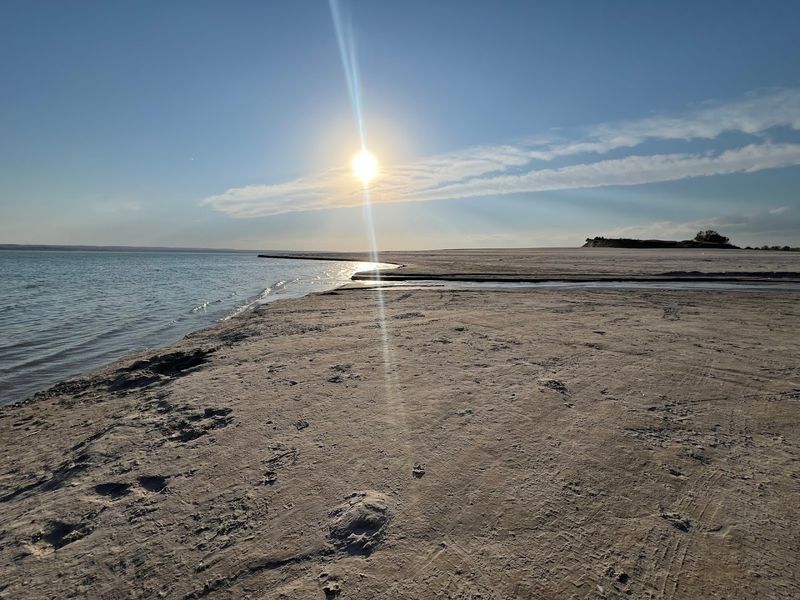
No, Big Mac is not just a nickname that sounds fun to say.
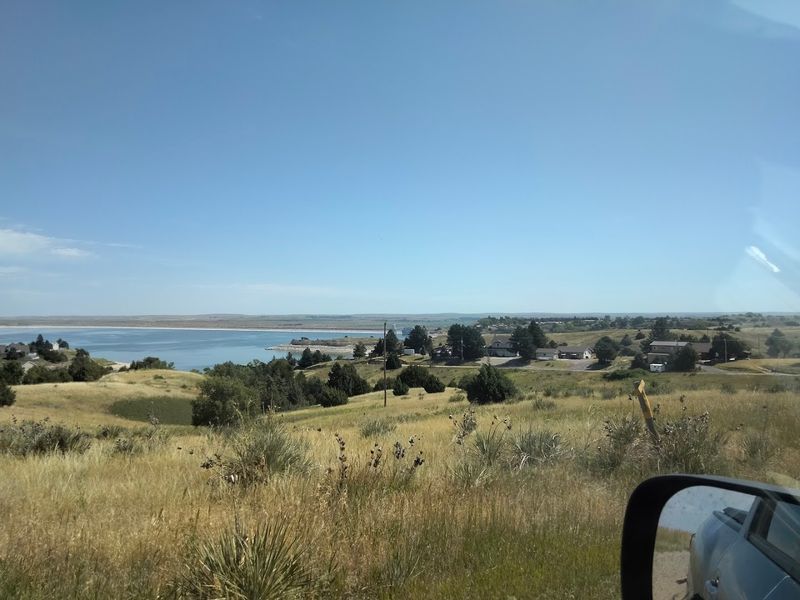
Lake McConaughy stretches across roughly 30,000 surface acres and runs about 22 miles long, making it Nebraska’s largest reservoir by a significant margin.
The white sand beaches along its shoreline span approximately 100 to 105 miles, giving visitors plenty of room to spread out without feeling crowded.
Kingsley Dam holds the lake in place, and it holds a notable record as the world’s second-largest hydraulic fill dam.
The lake supports a wide range of activities including boating, fishing, swimming, windsurfing, water skiing, scuba diving, camping, and picnicking.
Walleye and rainbow trout are among the most popular catches for anglers who come specifically for the fishing.
Weekends during summer tend to bring larger crowds, so arriving earlier in the day can make a noticeable difference in finding a comfortable beach spot or a good launch area for watercraft.
The lake sits about nine miles north of Ogallala, making it an easy and quick drive from town.
Most visitors find the short distance between the town and the water to be one of the most convenient parts of planning a trip here.
Lake Ogallala State Recreation Area Offers The Quieter Side Of The Water
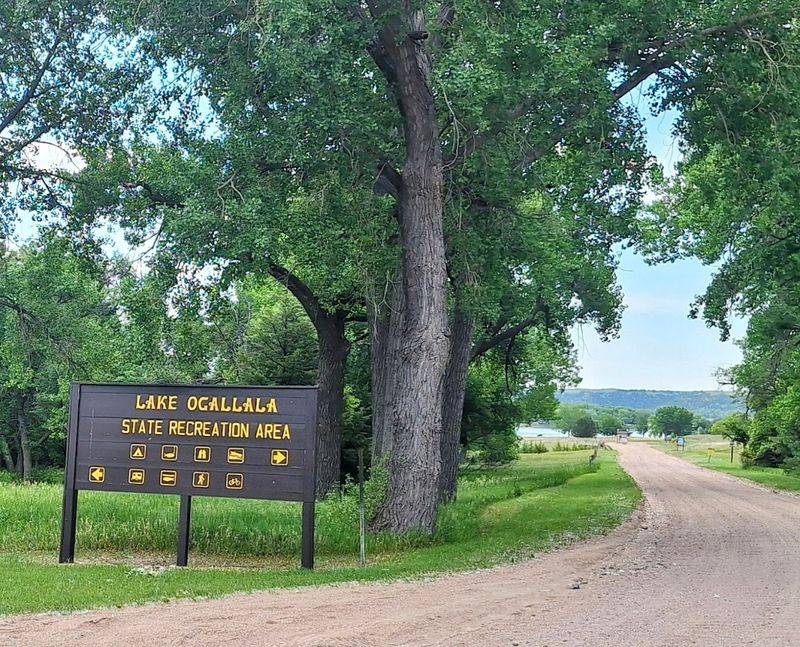
Right next to the massive Big Mac sits a smaller and noticeably calmer body of water that draws a different kind of visitor.
Lake Ogallala State Recreation Area offers a quieter pace compared to its famous neighbor, making it a popular spot for birdwatchers and anglers who prefer a more relaxed setting.
Rainbow trout and yellow perch are commonly found in these waters, and the area becomes especially active during fall when waterfowl hunters arrive in numbers.
The surrounding habitat supports a rich variety of bird species, and fall migration season turns the recreation area into what many wildlife enthusiasts describe as a genuine birdwatching destination.
Together, Lake McConaughy and Lake Ogallala cover more than 30,000 acres of water, giving visitors two very different experiences within the same general area.
Families who want the beach energy of Big Mac in the morning can shift to a slower, nature-focused afternoon at Lake Ogallala without driving far at all.
Planning a visit that includes both lakes tends to give a fuller picture of what makes this corner of Nebraska worth the trip, especially for those who appreciate variety in a single destination.
This Is Where The Old West Still Shows Up Every Summer
Back in the late 1800s, Ogallala was one of the most important cattle drive destinations in the entire country.
Cowboys moving herds along the Great Western Cattle Trail would end their long journeys here, and the town built a reputation that mixed commerce with a fair amount of frontier roughness.
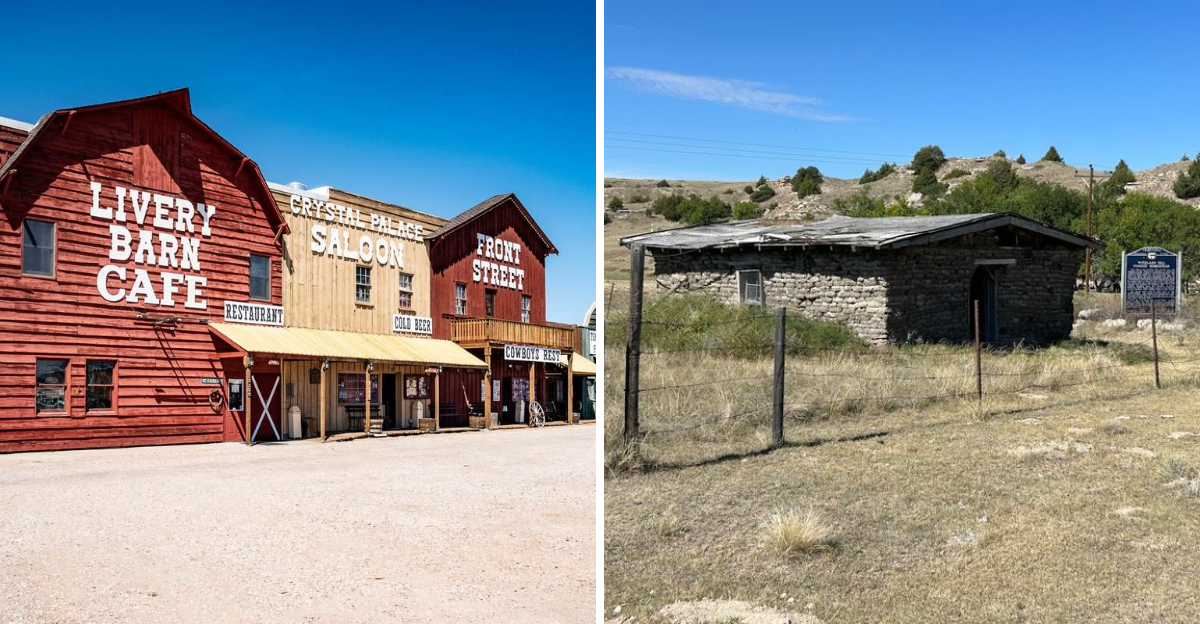
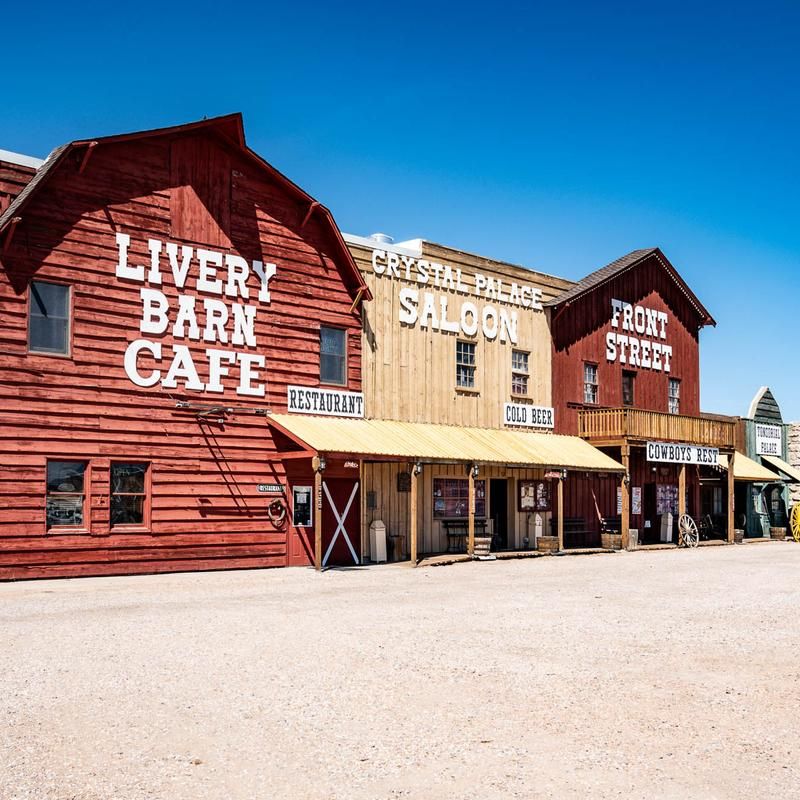
Front Street was designed to bring that era back to life in a way visitors can actually walk through and experience.
The attraction includes a western museum, a restaurant that serves buffalo burgers, and the Crystal Palace Cowboy Revue, which holds the distinction of being Nebraska’s longest-running summer theater show.
Local students perform in the revue each season, keeping the production rooted in community rather than commercial entertainment.
Front Street sits in downtown Ogallala and functions as both a history lesson and a lively cultural stop.
The combination of food, performance, and museum exhibits under one historical setting makes it a practical anchor point for families planning a full day in town.
Visiting in the evening when the revue is performing tends to add a layer of atmosphere that a daytime-only visit might not fully capture.
The energy of the show, the food, and the setting together create something that feels genuinely local rather than packaged for tourists.
A Cemetery That Tells The Real Story Of The Frontier
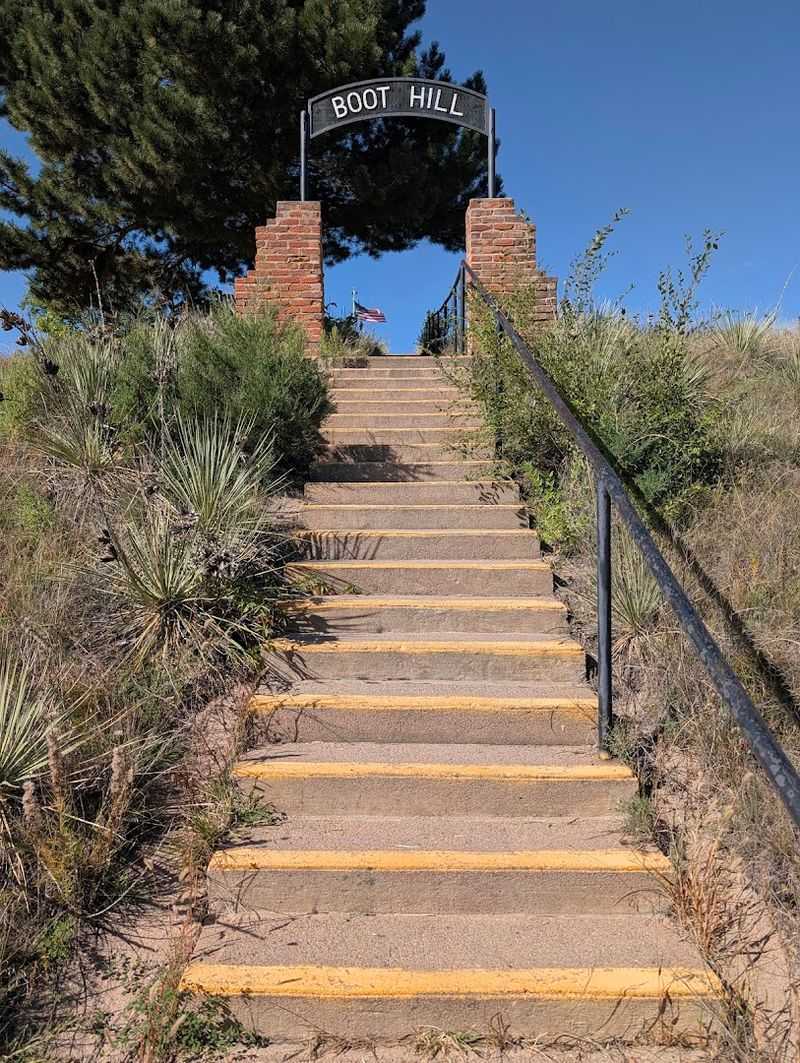
Some of the most honest history in Ogallala is found on a quiet hill rather than inside a museum.
Boot Hill was the town’s first cemetery, and it earned its name from the frontier custom of burying cowboys who passed awy with their boots on, meaning those who met a sudden or violent end far from home.
Today the site functions as a historic park that commemorates the lives of the cowboys buried there during Ogallala’s cattle drive era.
It is a genuinely sobering place that puts the romanticized image of the Old West into a more grounded and human context.
The markers and the setting together tell a story about how difficult and often short those lives actually were.
Visiting Boot Hill does not take a long time, but it tends to leave a lasting impression.
The park is a good complement to Front Street because the two sites balance each other well.
One brings the entertainment and spectacle of the cattle drive era while the other offers the quieter and more reflective side of the same history.
For anyone interested in what Ogallala actually was before it became a tourism destination, this stop adds meaningful depth to the overall visit.
The Lake McConaughy Visitor and Water Interpretive Center
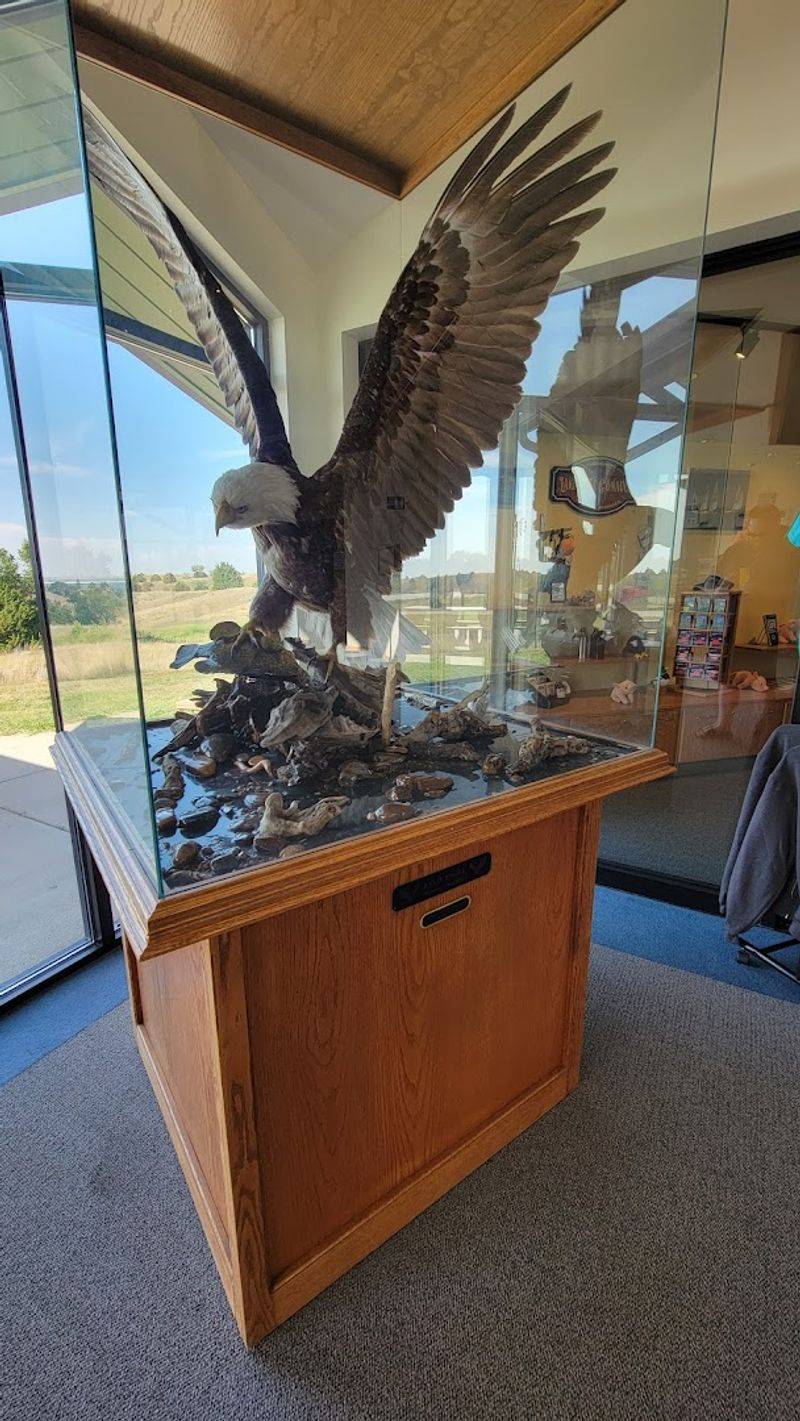
Nebraska’s first water museum sits about nine miles north of Ogallala near the shores of Lake McConaughy, and it adds an educational dimension to what might otherwise be a purely recreational trip.
The Lake McConaughy Visitor and Water Interpretive Center features exhibits focused on the Platte River system and the High Plains Aquifer, which is one of the most important underground water sources in the entire United States.
Inside the center, visitors can explore an aquarium and watch presentations in a 50-seat theater.
The exhibits are designed to be accessible and engaging for a range of ages, making the stop a practical addition for families traveling with children who might benefit from some context about the landscape they are exploring.
Understanding the Ogallala Aquifer, which the town itself is named after, gives the whole region a different kind of significance beyond recreation and history.
The water beneath this part of Nebraska supports agriculture across multiple states, and the interpretive center explains that connection in a way that is clear and approachable rather than overly technical.
Stopping here before heading to the beach can actually change the way visitors see the lake and the land around it, adding a layer of appreciation that stays with them after the trip ends.
The Petrified Wood Gallery Holds Fossil Art That Feels Like Nothing Else
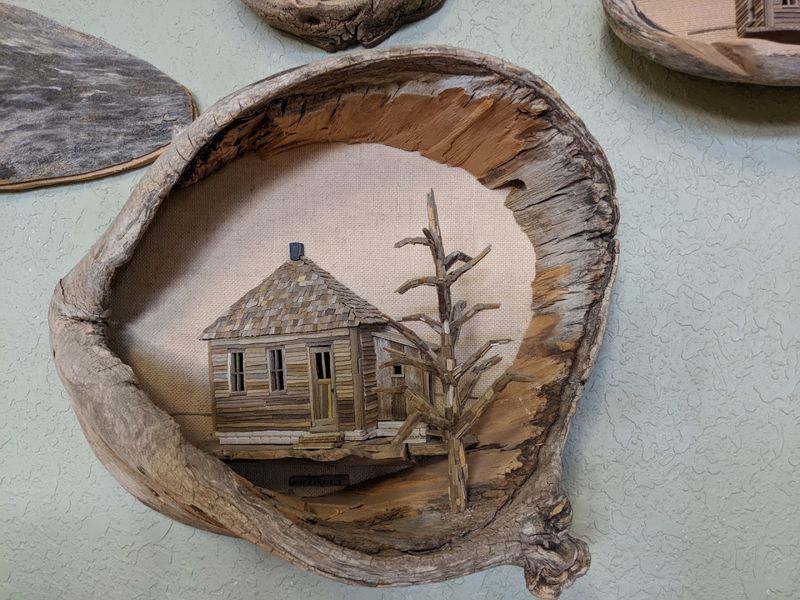
There are art galleries, and then there is a gallery built almost entirely around the strange beauty of wood that turned to stone millions of years ago.
The Petrified Wood Gallery in Ogallala displays art and artifacts crafted from petrified wood and fossils, creating a collection that feels unlike anything most visitors have encountered before.
Petrified wood forms when ancient trees are buried and their organic material is gradually replaced by minerals over an extraordinarily long period of time.
The result is material that looks like wood in shape and texture but carries the weight and permanence of stone.
When shaped by skilled hands into sculptures and decorative objects, it becomes something that straddles the line between natural wonder and human craftsmanship.
The gallery gives visitors a reason to slow down and look closely at something they might have never thought much about before.
It is the kind of stop that tends to surprise people in the best possible way, especially those who assumed Ogallala’s appeal was limited to the lake and the cowboy history.
Adding this to a visit creates a more complete picture of what the town has to offer beyond the obvious outdoor draws.
Ash Hollow State Historical Park With A Window Into The Oregon Trail Era
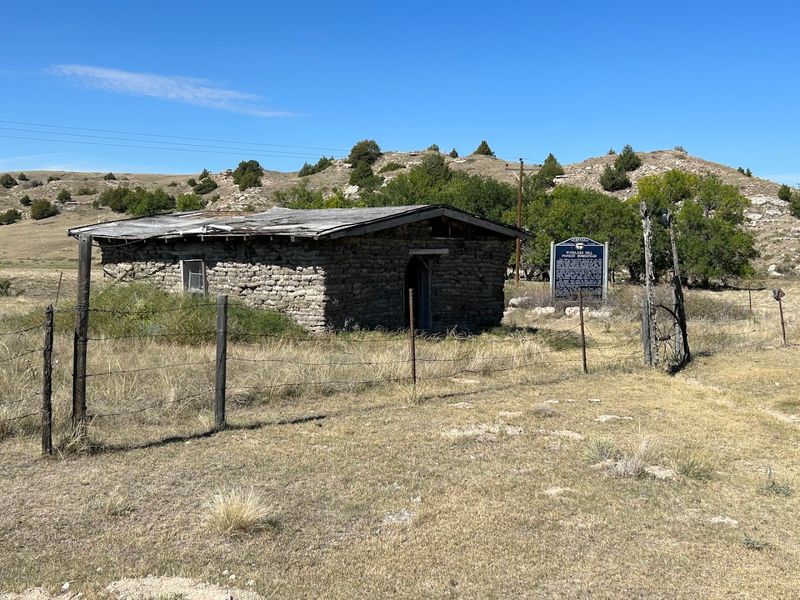
Long before Ogallala became known for cattle drives and lake recreation, the land nearby served as a critical rest stop for pioneers making one of the most grueling journeys in American history.
Ash Hollow State Historical Park marks a significant point along the Oregon and California Trails, where travelers would descend into a sheltered valley to rest, find water, and prepare for the harder terrain ahead.
The park contains Ash Hollow Cave, an ancient site that was used as a dwelling by Native American peoples long before wagon trains passed through.
The combination of geological features, pioneer history, and Indigenous history makes Ash Hollow a layered and genuinely interesting stop for anyone traveling through the region.
Located near Ogallala, the park fits naturally into a broader itinerary that includes the lake and the town’s western history attractions.
Visitors who enjoy outdoor exploration alongside historical context will find the park offers both without requiring an intense physical commitment.
The trails and overlooks give a real sense of the landscape that shaped so many journeys westward.
For families with curious kids or anyone who appreciates history that is told through the land itself rather than just through text panels, Ash Hollow adds something memorable to the overall Ogallala experience.
Ogallala’s Cowboy Culture
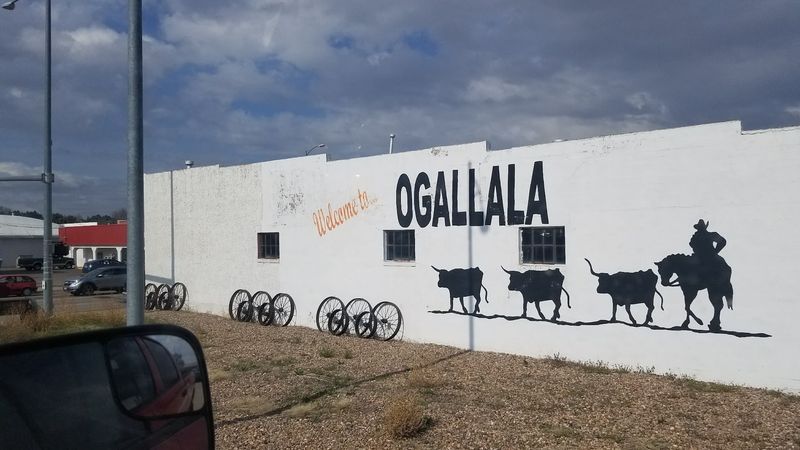
Known as Nebraska’s Cowboy Capital, Ogallala carries its western identity with a kind of straightforward pride that does not feel performed for tourists.
The town’s history as a major terminus for cattle drives along the Great Western Cattle Trail in the late 19th century shaped its character in ways that are still visible today.
The Ogallala Round-Up Rodeo is one of the most anticipated events of the year, drawing competitors and spectators from across the region.
The Ogallala Indian Summer Rendezvous is another annual gathering that celebrates the broader cultural heritage of the area.
Both events reflect a community that actively chooses to honor its past rather than set it aside in favor of more modern attractions.
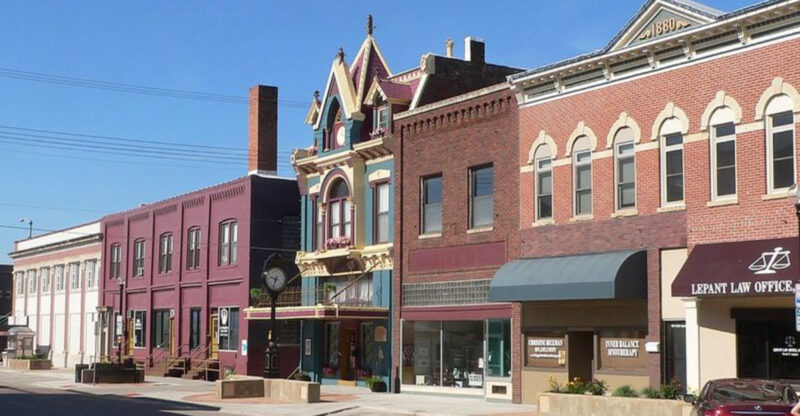
Walking through downtown Ogallala, visitors can follow the Historic Walk of Fame, a self-guided tour that uses markers to tell the story of the town’s development from frontier outpost to modern small city.
The walk is free and accessible at any time, making it one of the easiest ways to absorb local history without a set schedule.