These 10 Coolest Small Towns In Idaho That You’ve Probably Never Heard Of
Focusing only on Boise is like reading one page of a very weird, very beautiful book and calling it finished.
It gets much more interesting when the road slips past the obvious places and starts wandering into towns with actual personality.
These are the spots that make travelers slow down without needing a giant sign begging for attention.
A main street might look sleepy at first, then suddenly the view changes, the history shows up, and the whole town starts feeling like a secret somebody should have mentioned earlier.
That is the appeal of Idaho’s coolest small towns.
They feel unpolished in the best way, full of character, scenery, and little surprises that make a simple detour feel like the best part of the trip.
1. Bonners Ferry – Northern Idaho
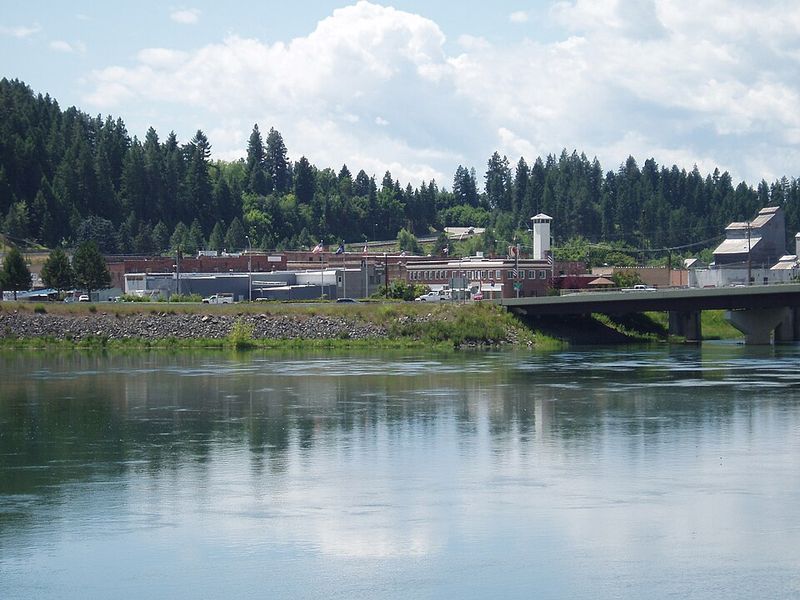
Wildlife gets a lot of room to behave dramatically around Bonners Ferry. This northern Idaho town sits along the Kootenai River near the Selkirk Mountains, giving visitors a mix of river scenery, forested hills, farm country, and easy access to one of the state’s best wildlife-viewing areas.
Kootenai National Wildlife Refuge sits about five miles west of town and covers 2,774 acres of wetlands, meadows, coniferous forest, and agricultural habitat.
That variety attracts migratory waterfowl, bald eagles, deer, moose, elk, otters, bears, and plenty of birds that make even casual visitors start acting like they meant to bring binoculars.
An auto tour route through the refuge opens up the landscape in a low-effort way that suits most visitors. Nearby downtown Bonners Ferry brings in a quieter small-town feel with shops, eateries, and historic character.
The town also works well as a base for scenic drives toward the Canadian border, Sandpoint, or the broader Selkirk Loop region.
Bonners Ferry feels cool because it does not try too hard. It has water, mountains, wildlife, history, and enough distance from major crowds to make the whole trip feel like a discovery.
2. Hope – Northern Idaho
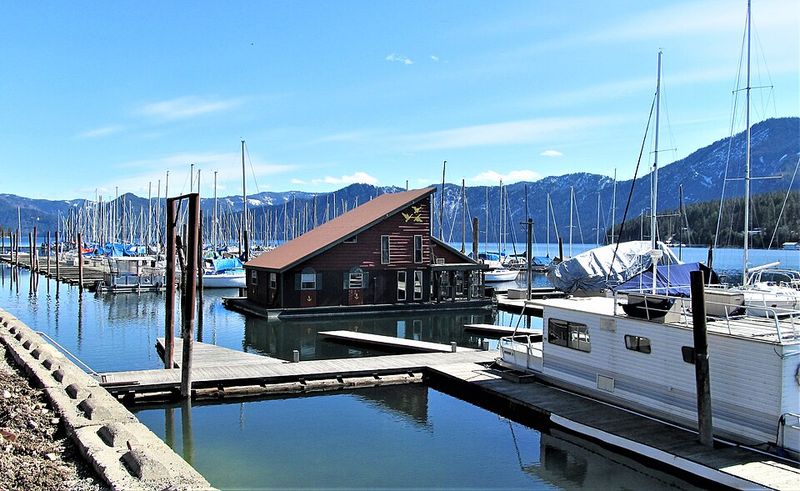
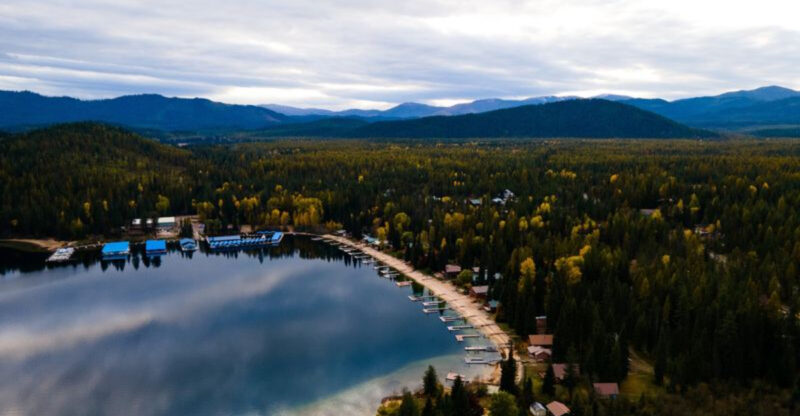
Lake towns do not get much smaller or prettier than Hope. Sitting on the northeast shore of Lake Pend Oreille, this tiny Bonner County community gives visitors huge water views without the louder pace of bigger resort towns.
Hope’s 2020 Census population was just 98, but the scenery around it feels enormous. Lake Pend Oreille is Idaho’s largest lake, stretching about 43 miles, with depths listed around 1,150 feet-plus depending on the source.
From Hope, the water looks wide, blue, and almost coastal, especially when the Green Monarch Mountains rise across the lake in clean afternoon light.
Highway 200 makes the town easy to reach from Sandpoint, which is only about 12 miles away, but Hope still feels like a quieter world once you slow down along the shore.
Visitors can look for marina views, lakeside lodging, nearby camping, boating, paddling, fishing, and relaxed meals that let the lake do most of the decorating. Sam Owen Campground and the surrounding Pend Oreille lake region add even more outdoor possibilities nearby.
Hope is not a town packed with attractions stacked on top of each other. Its best feature is simpler: one massive lake, one tiny town, and a view that makes the detour feel completely justified.
3. Kooskia – North-Central Idaho
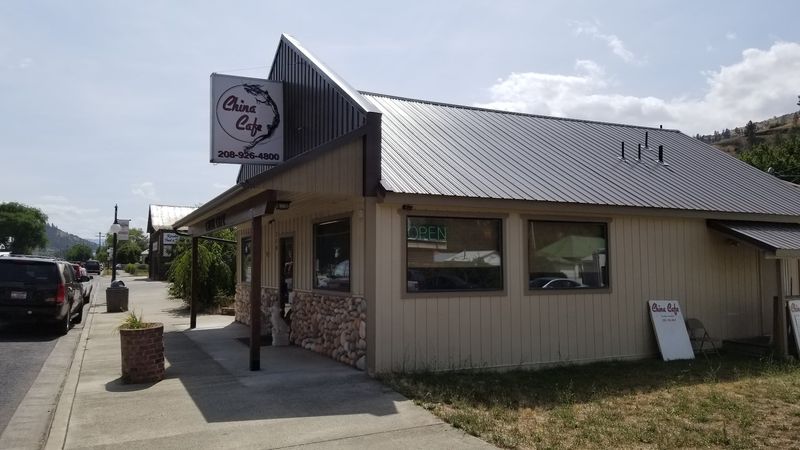
River country gives Kooskia its whole personality. The town sits where the South Fork and Middle Fork of the Clearwater River meet to form the main Clearwater, making it a natural stop for anglers, paddlers, road-trippers, and anyone drawn to wilder water corridors.
Highway 12 runs through the area and follows the Middle Fork Clearwater upstream, connecting Kooskia to one of the most scenic drives in the Northwest.
The river corridor offers sightseeing, fishing, floating, swimming, camping, and hiking access, depending on season and conditions.
Kooskia itself stays small and unpolished in a way that fits the landscape. It feels like a real working town near big country rather than a place designed to sell mountain charm in souvenir form.
The region also carries deep Nez Perce history, and nearby interpretive sites along the Clearwater corridor help visitors understand that this landscape has cultural significance far beyond its beauty. Steelhead fishing remains a major draw, but Kooskia is not only for serious anglers.
It is for travelers who like river bends, quiet roads, forested hills, and towns where the outdoors is not an activity category but the entire setting. Some places still feel genuinely off the main path.
Kooskia is one of them.
4. Salmon – Central Idaho
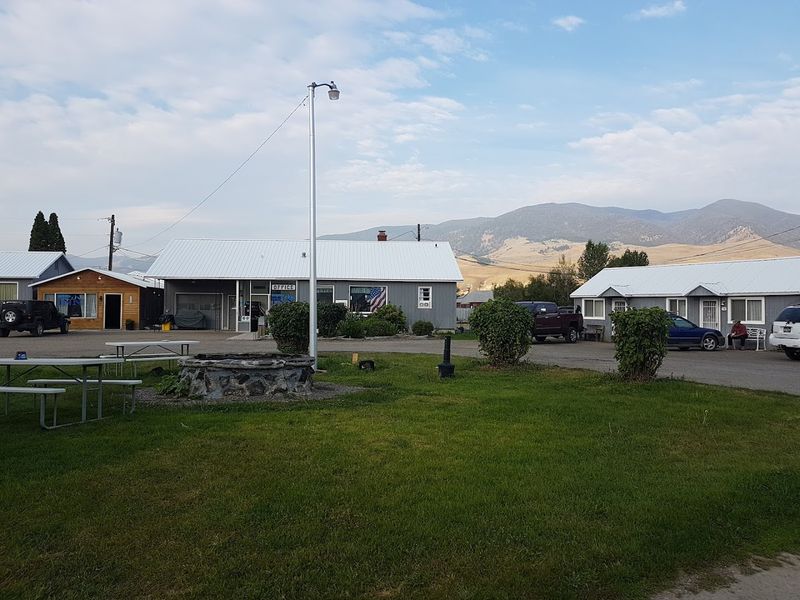
Adventure does not have to announce itself politely in Salmon. The town sits along the Salmon River, one of the West’s most legendary waterways, and works as a major gateway to rafting, fishing, backcountry travel, and the Frank Church-River of No Return Wilderness.
That wilderness covers 2,366,757 acres, making it the largest contiguous wilderness in the Lower 48, and the lead forest for managing it is headquartered in Salmon. That alone gives the town serious outdoor credibility.
The river, mountain ranges, historic routes, and wide-open terrain all create a rugged base-camp feel without turning Salmon into a glossy resort scene.
Downtown has local restaurants, gear stops, historic character, and enough small-town energy to make visitors feel like they have arrived somewhere with a real identity.
Lewis and Clark history also runs through the region, adding another layer for travelers who like their road trips with context. Salmon is cool because it feels connected to big country in every direction: wild river, wilderness, ranch land, mountain roads, and frontier history.
It is not a place for people who need everything polished and predictable. It is for travelers who like the idea of a town that still looks toward the backcountry and means it.
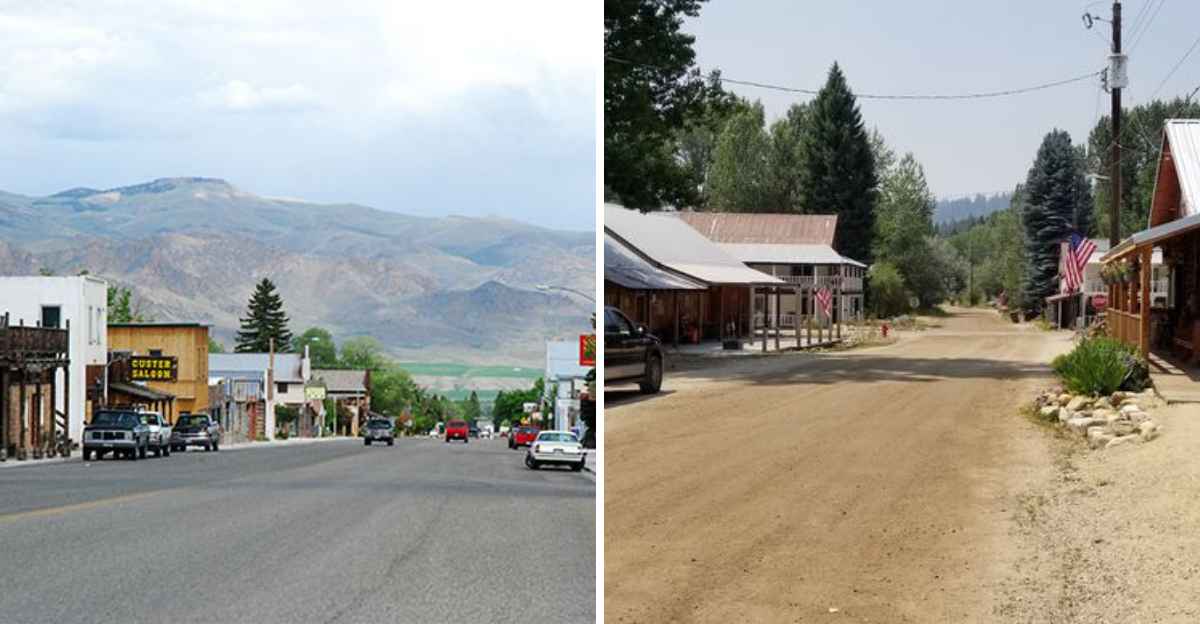
5. Challis – Central Idaho
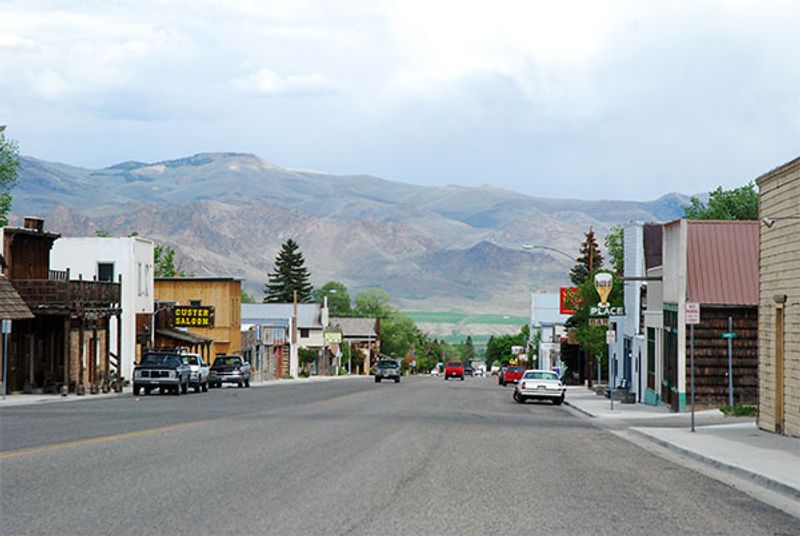
Challis feels like a town surrounded by unfinished adventures. Sitting near the Salmon River Valley, it gives travelers access to hot springs, public lands, mining history, scenic drives, fishing, camping, ghost towns, and the rugged landscapes tied to the Land of the Yankee Fork.
Now part of Land of the Yankee Fork State Park, Challis Hot Springs sits within a broader historic landscape. Nearby attractions include the Challis Bison Kill site, the ghost towns of Custer, Bayhorse, and Bonanza, and the Yankee Fork Gold Dredge.
That combination gives the area more than pretty scenery.
It has layers of Indigenous history, mining history, river recreation, and old mountain grit. The hot springs themselves offer a relaxing contrast to the surrounding ruggedness, making them a natural reward after hiking, driving, fishing, or exploring historic sites.
Challis also sits close to broad public lands managed by the BLM and Forest Service, which means the town works well for people who prefer open country to curated attractions.
This is not the small town where every corner has been softened for visitors.
Challis still feels practical, weathered, and deeply tied to its landscape. That rawness is exactly what makes it cool.
6. Idaho City – Southwest Idaho
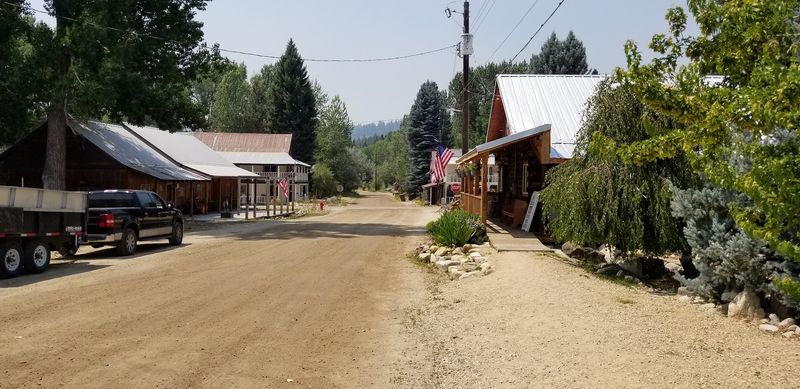
Gold built this mountain town fast, and it still carries the look of a place with stories under every boardwalk. During the Boise Basin gold rush, the town became one of the largest cities in the Pacific Northwest, with thousands of miners and merchants flooding the area in the 1860s.
Today, it feels more like a mountain history village than a boomtown, but the old buildings, museum collections, and forested setting keep the gold-rush past close.
A deep look into 19th-century life comes through at the Boise Basin Museum, where artifacts and stories preserve the town’s past. The surrounding historic district complements it with walkable views and historic character.
This place also has an advantage many historic towns would envy: the Boise National Forest is right there. Hot springs, hiking, scenic drives, camping, winter recreation, and mountain biking all sit within reach, making the town useful in more than one season.
It is close enough to Boise for a day trip but far enough into the hills to feel like the city has fallen away. The town is cool because it does not separate history from adventure.
You can start the morning learning about gold-rush chaos and end it soaking, hiking, or driving through pine-covered country.
7. Hagerman – South-Central Idaho
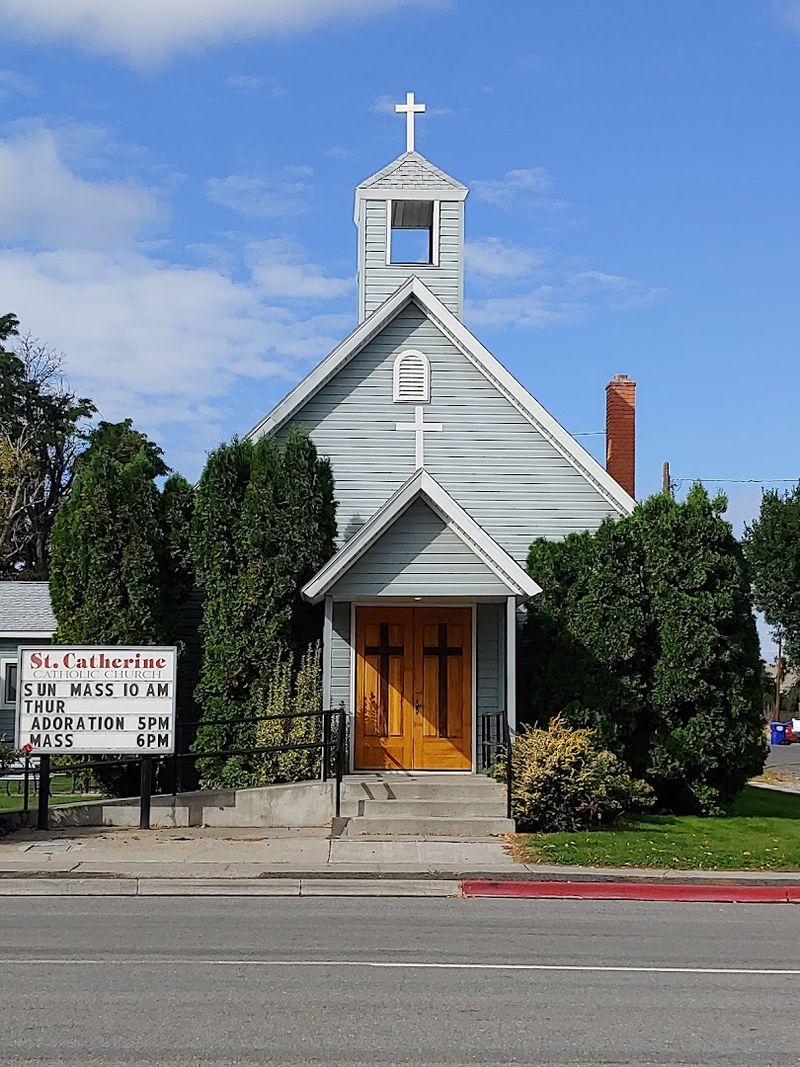
Fossils, springs, and warm weather give Hagerman a personality all its own. The town sits in the Snake River Valley, an area often called the Banana Belt because of its milder climate.
That alone makes it feel different from the snowier mountain towns farther north and east. Then the geology takes over.
Fossils preserved at Hagerman Fossil Beds National Monument reveal a rich Pliocene ecosystem. The National Park Service describes extinct species such as saber-toothed cats, mastodons, ground sloths, horses, beavers, and birds that once thrived there.
The Hagerman Horse is the area’s most famous fossil ambassador, and the nearby Thousand Springs Visitor Center helps visitors understand why this corner of the state matters scientifically.
Outside the fossil story, the Snake River, spring-fed waters, trout farms, waterfalls, and Thousand Springs State Park units create a lush, surprising landscape. Hagerman is cool because it combines several local identities at once: prehistoric, agricultural, river-focused, and scenic.
Visitors can learn about ancient animals, eat fresh trout, see canyon springs, paddle calm water, or explore nearby state park areas without feeling rushed. Small towns often need one good reason to stop.
Hagerman has enough reasons to turn the stop into a full weekend.
8. Oakley – South-Central Idaho
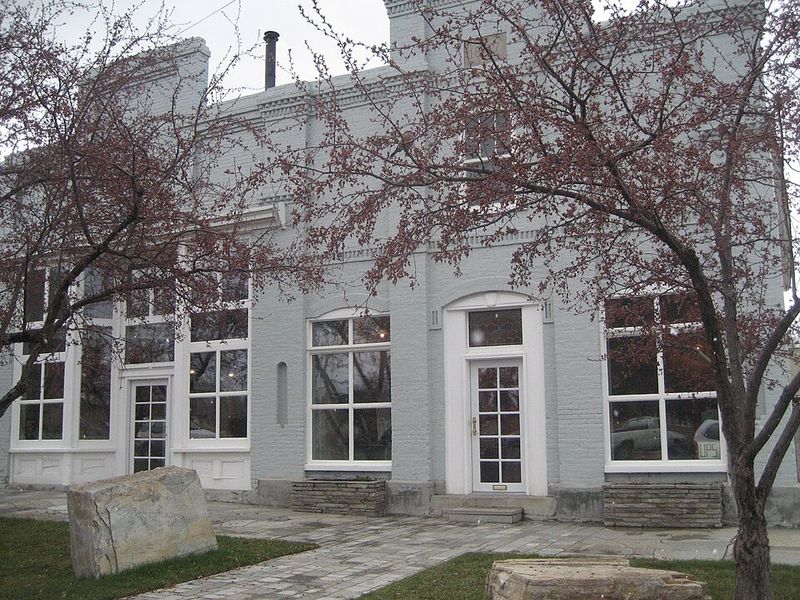
Stone buildings make Oakley feel sturdier than its size suggests.
Near City of Rocks National Reserve and south of Burley, the town is known for a distinctive historic district. Visit South Idaho highlights the Oakley Historical Area on the National Register of Historic Places, recognized for buildings dating back to 1883.
That architecture gives the streets a character many small towns lose over time. Walking through Oakley is less about flashy attractions and more about noticing craftsmanship, proportions, old storefronts, and the way frontier-era ambition still shows in the buildings.
The town’s setting adds another major advantage. City of Rocks National Reserve, near Almo and not far from Oakley, is famous for granite formations, California Trail history, hiking, camping, and world-class rock climbing.
That means Oakley can serve as a peaceful historical counterpoint to a day spent among dramatic spires and desert scenery. The region also connects to Oakley stone, local agriculture, and wide-open south-central landscapes.
Oakley is cool in a quieter, more grounded way than resort towns. It does not shout for attention.
It stands there in old brick and stone and lets the details do the work.
9. Paris – Southeast Idaho
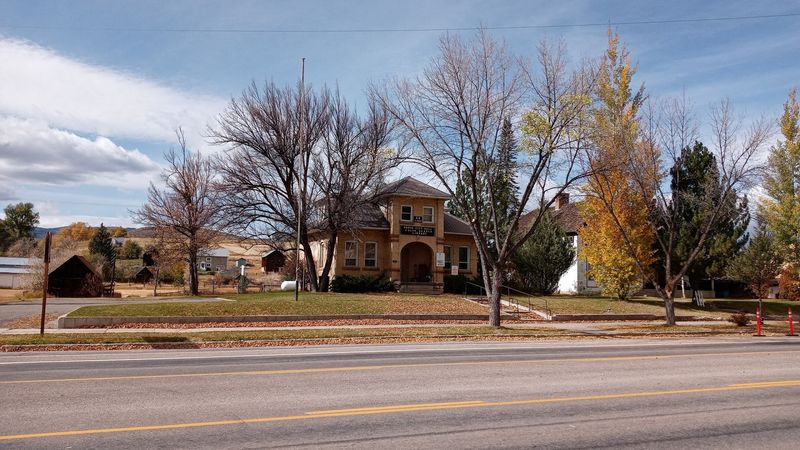
Paris has a name that sounds like a joke until the tabernacle stops you cold. The small Bear Lake Valley town is home to the Paris Tabernacle, a red sandstone building dedicated in 1889 and listed on the National Register of Historic Places.
The structure was built by early Latter-day Saint settlers using stone quarried from Indian Creek Canyon, about 18 miles away, and it remains one of the most striking historic buildings in the southeast part of the state.
That kind of architecture feels almost startling in a town this small, which is exactly why Paris belongs on a list of overlooked places worth knowing.
The town itself is quiet, agricultural, and close to Bear Lake, whose bright turquoise water has earned the nickname “Caribbean of the Rockies.”
Visitors can spend part of the day touring or viewing the historic tabernacle, then head toward the lake for boating, swimming, fishing, scenic drives, or raspberry-season treats in the broader Bear Lake region.
Paris works because it pairs calm small-town atmosphere with one genuinely impressive landmark and nearby natural beauty.
It is not trying to be the French capital. It is doing something better: being a tiny mountain-region town with red sandstone drama and a lake-country backyard.
10. Victor – Eastern Idaho
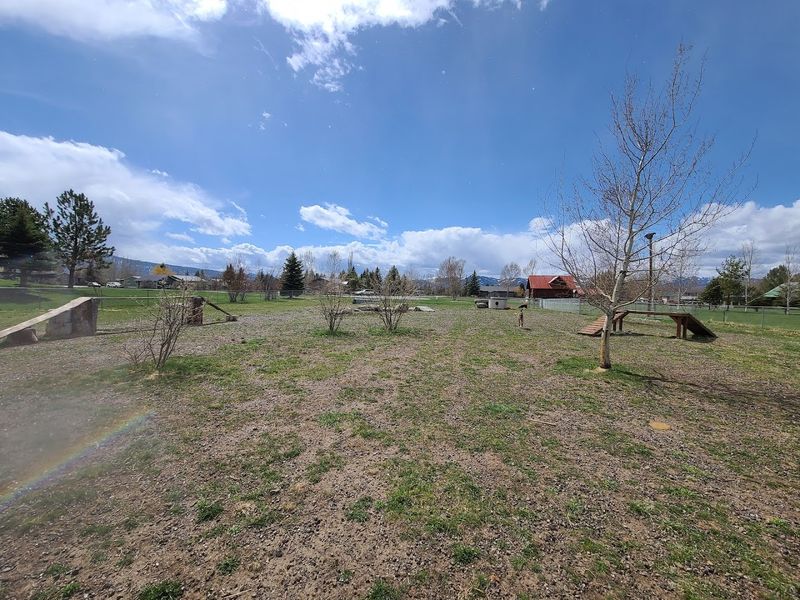
Victor has mountain-town appeal without fully surrendering to resort polish.
Along Idaho Highway 33 in Teton Valley, the town sits near Teton Pass with easy access to Jackson, Grand Targhee, Driggs, and Grand Teton country. It offers visitors a scenic, low-key alternative to busier mountain destinations.
The Tetons shape the whole region, even when they are not directly in front of you. Roads, trails, ski plans, summer concerts, restaurants, and weekend routines all orbit that bigger landscape.
Victor’s downtown has grown more interesting over the years, with food, coffee, shops, and local gathering spots giving travelers reasons to linger instead of treating it only as a pass-through.
Music on Main, hosted by the Teton Valley Foundation, brings summer concert energy to town, while nearby outdoor options stretch into hiking, biking, fishing, skiing, snowboarding, and scenic drives.
Victor is especially cool because it feels like a gateway and a real community at the same time. You can chase big Teton adventure during the day, then come back to a smaller Idaho town that still feels grounded.
It is close to famous scenery, but it has enough personality to avoid being swallowed by it.