This Beloved Nebraska Golf Course Turns Sandhills Scenery Into One Unforgettable Round
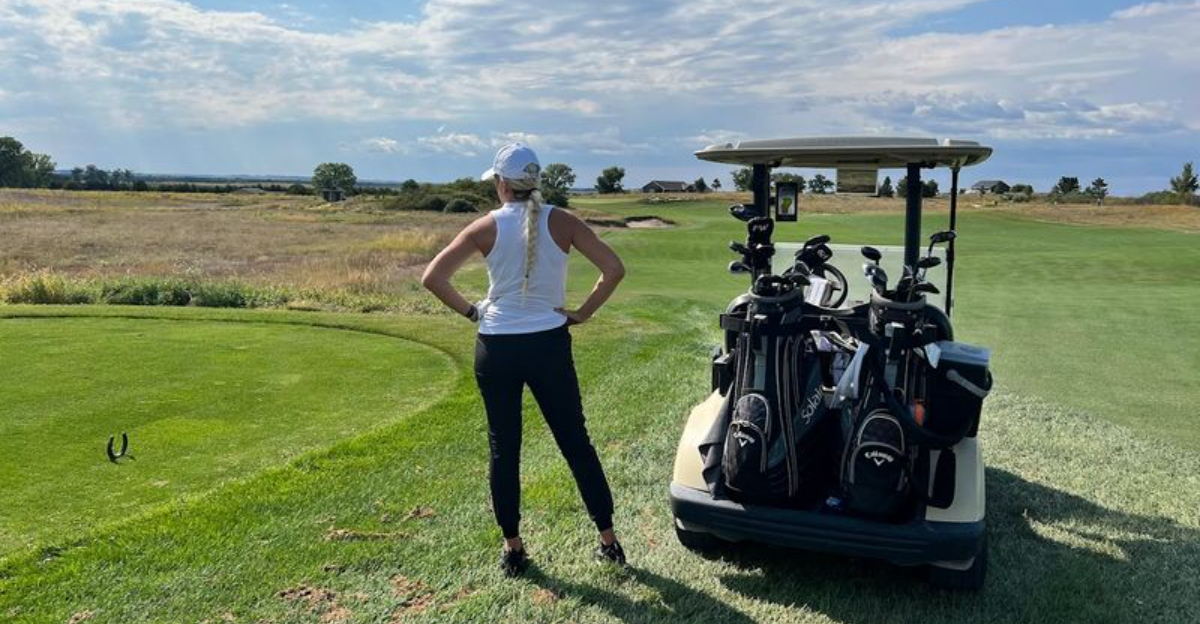
Some golf courses feel like they were drawn onto the land with a ruler. This one feels like the land got the first vote.
The fairways roll with the natural shape of the prairie. The wind gets a say. The horizon stays big.
Nothing about it feels overly polished or forced, which is exactly why golfers remember it.
Nebraska turns open space into strategy when the Sandhills start shaping the game.
The beauty here is not loud. It builds as the round goes on. A shot that looks simple can ask for more thought than expected.
A fairway can feel generous, then punish the wrong angle. The scenery keeps things calm, but the course still makes players pay attention.
Golfers who love dramatic features and flashy extras may be surprised by how much this quieter setting delivers.
The challenge comes from the ground itself and the feeling that every hole belongs exactly where it sits.
A Round Here Feels Like Nebraska Opened The Whole Horizon
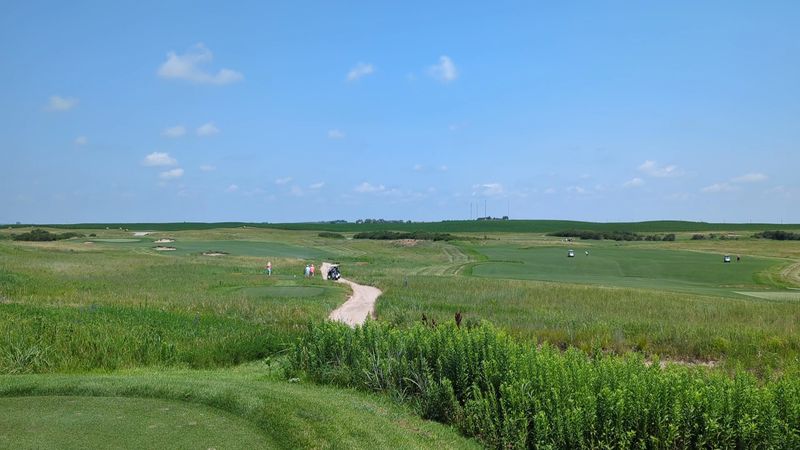
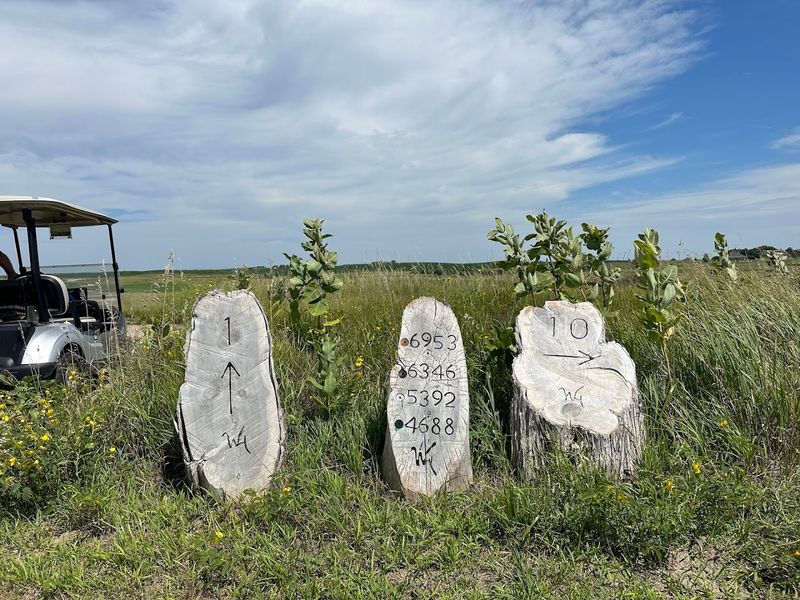
Standing on the first tee at Wild Horse Golf Club, the land stretches out in a way that feels almost cinematic.
The course is located at 40950 County Rd 768, Gothenburg, NE 69138, and the setting immediately signals that something different is happening here.
There are no tree corridors, no manicured hedges framing the view, just open Nebraska ground rolling in every direction.
Designers Dave Axland and Dan Proctor worked with the natural Sandhills terrain rather than reshaping it, which gives the course a minimalist quality that feels earned rather than styled.
Fairways follow the existing contours of the land, moving up and over natural ridges in a way that keeps every hole visually distinct.
The wide sky above adds to the sense of space in a way that closed-in parkland courses simply cannot replicate.
For golfers who have only played tree-lined layouts, the openness here may feel unfamiliar at first, but it quickly becomes one of the most appealing parts of the experience.
The land itself becomes part of the round in a way that is hard to explain until you have walked it.
Bring A Camera Because The Views Do Not Stay In The Background
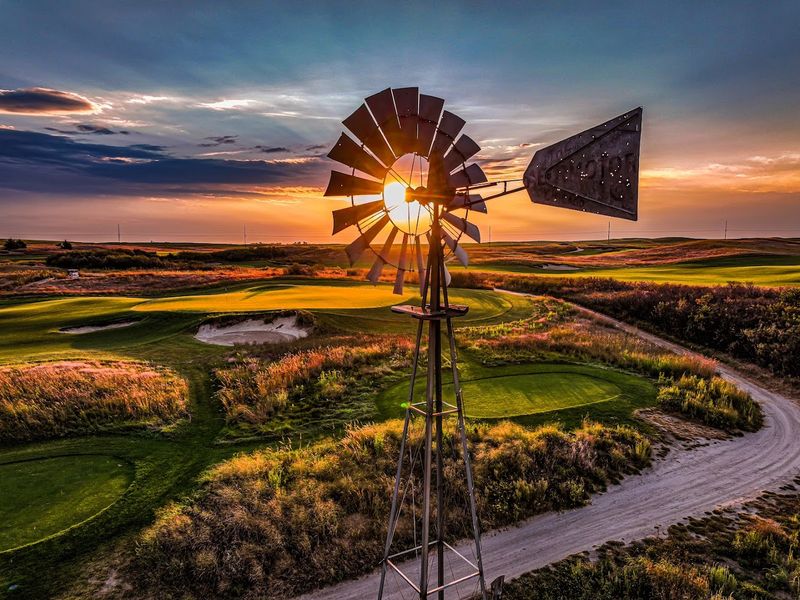
Scenery at Wild Horse is not decorative. It actively shapes how the round feels, hole by hole, from the moment the cart path ends and the grass begins.
Native fescue grasses known locally as “wooga” line the edges of fairways, shifting color with the light and wind in a way that makes the course feel alive rather than static.
Long views carry across open ground between shots, and the absence of trees means there is almost always something worth looking at beyond the flag.
Wildflowers appear naturally along rough areas during the warmer months, adding texture and color without any manufactured landscaping effort.
The course sits in a landscape that has its own quiet drama, especially in the early morning or late afternoon when the light flattens across the Sandhills and every contour becomes more visible.
Players who slow down enough to notice the surroundings tend to come away with a stronger impression of the course than those focused only on the scorecard.
The setting rewards attention, and even a routine approach shot can happen against a backdrop that most golf courses simply do not have access to.
Let The Public Access Make The Reputation Even Better
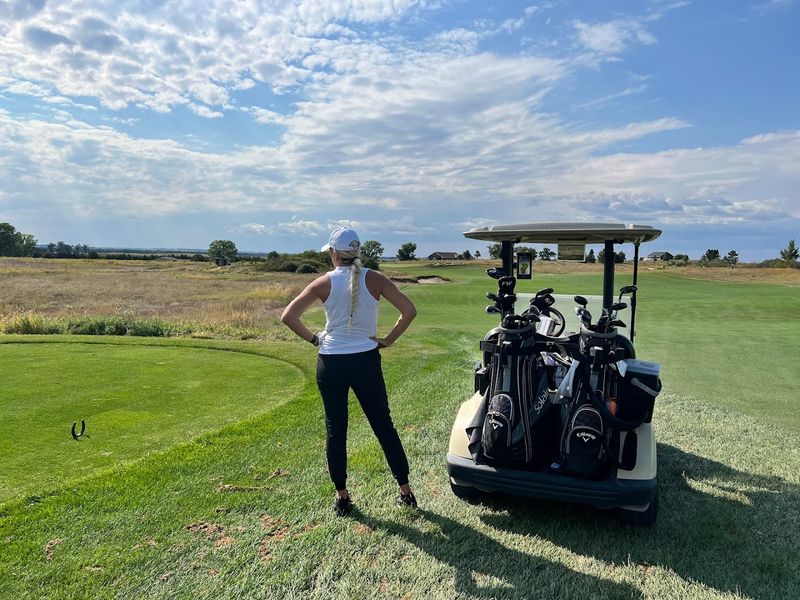
Public golf courses with national reputations tend to be a rarity, and Wild Horse occupies that space with a kind of quiet confidence.
GOLF Magazine ranked it number 44 on its Top 100 Courses You Can Play list for 2024 to 2025, while Golf Digest previously placed it at number 69 on its America’s 100 Greatest Public Courses ranking.
Those are serious credentials for a course that anyone can book a tee time at.
Green fees have been noted by visitors at around $80, which stands out given the quality of the conditions and design.
For context, courses with comparable layout quality in major metro areas tend to run well above $150 per round.
That pricing reflects the original community-driven mission behind Wild Horse, which was built by Gothenburg citizens specifically to be accessible and affordable.
The pro shop staff tends to be described as genuinely welcoming, and the overall atmosphere leans toward the relaxed and friendly rather than the stiff or exclusive.
GPS-equipped carts and complimentary range balls are part of the experience, which adds practical value without changing the character of the place.
Expect Firm Greens That Keep Everyone Honest
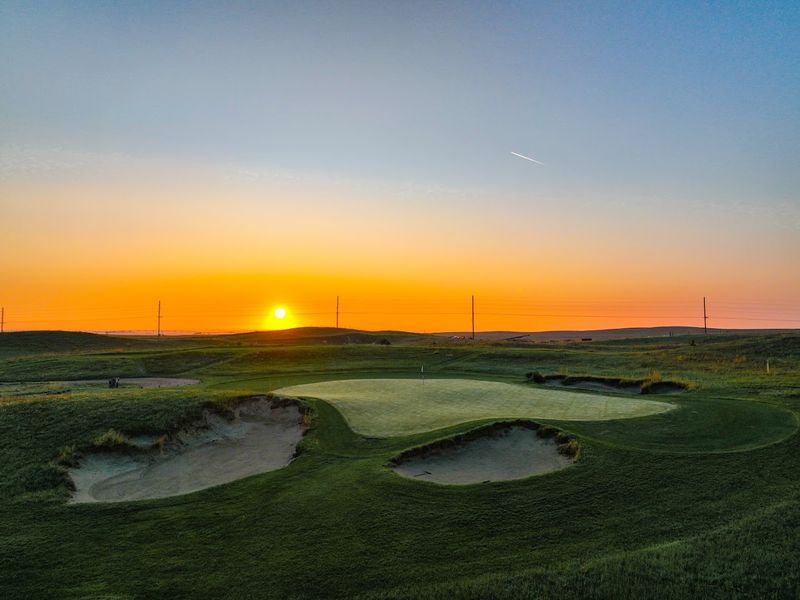
Fast greens have a way of humbling golfers who rely on feel alone, and Wild Horse delivers that experience in the most satisfying way possible.
The putting surfaces here are known for being firm, true, and full of inventive contour, which means reading a line correctly matters just as much as hitting the ball solidly.
The greens were built with swirling slopes and subtle breaks that reward careful study before committing to a putt.
A ball placed on the wrong tier of a green can leave a downhill slider that feels nearly impossible to control, especially when the surface is running at its fastest.
That challenge is not punishing in a frustrating way. It is the kind of difficulty that makes a two-putt feel genuinely earned.
Approach shots take on extra weight because of how the greens are positioned and contoured. Missing the correct section of the green does not just mean a longer putt.
It may mean an entirely different angle and speed relationship that changes the strategy of the hole.
Golfers who enjoy thinking through the short game will find plenty of material here, and the surface quality itself tends to be consistently excellent throughout the season.
Watch The Bunkers Turn Simple Decisions Into Real Strategy
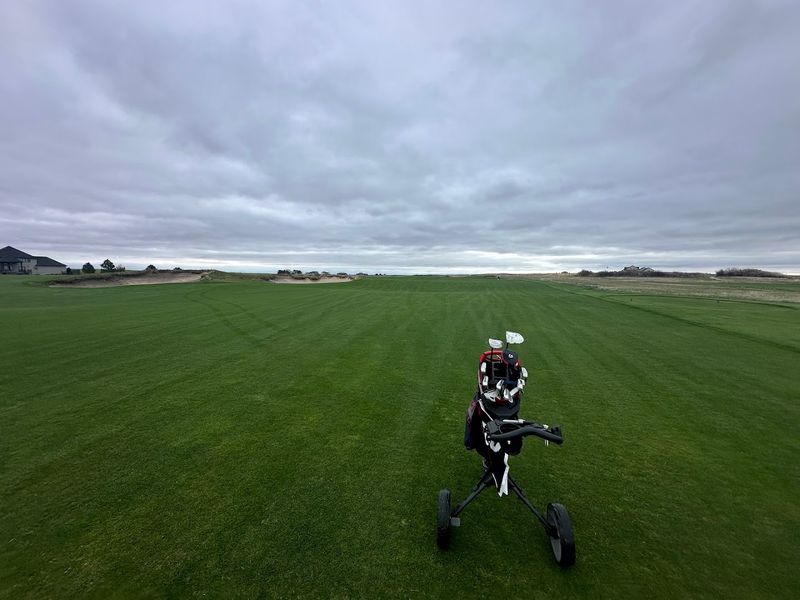
Not every bunker on a golf course demands genuine respect, but the ones at Wild Horse tend to earn it quickly.
The course features rugged blow-out bunkers and pot-style hazards that are positioned to influence decision-making rather than simply punish poor swings.
Centerline bunkering appears on several holes, which forces golfers to choose a side off the tee rather than simply aiming at the middle of the fairway.
That design approach keeps the round mentally engaging from hole to hole.
On a par five, for example, a bunker placed in the landing zone of a second shot changes whether laying up or going for the green makes more sense depending on where the drive landed.
Those layers of decision accumulate over eighteen holes and make the course feel more complex on a second visit than a first.
The aesthetic of the bunkers also fits the Sandhills setting naturally. The edges are not perfectly manicured in the way resort courses often present them.
Instead, they look like features the land produced on its own, which adds to the overall character of the design.
Golfers who appreciate strategic architecture will find the bunkering at Wild Horse to be one of the most satisfying parts of the experience.
Save Some Patience For The Shots That Look Easier Than They Are
Wild Horse has a sneaky way of making generous space feel comforting for about three seconds before the strategy starts asking harder questions.
Wide fairways give golfers room to breathe off the tee, but that freedom does not mean every angle is equally useful.
A ball that finds short grass on the wrong side of a hole can still leave an awkward approach, especially when a green sits at a diagonal or a bunker guards the more direct line.
That is where the course becomes especially interesting.
It does not rely on narrow corridors or obvious trouble to create pressure.
Instead, it lets golfers make choices, then quietly reveals the consequences a shot or two later.
The best line is not always the safest-looking one, and the easiest swing can sometimes lead to the most complicated next decision.
That kind of design keeps the round from feeling repetitive, even when the landscape remains open and spacious.
Players who enjoy thinking their way around a course will appreciate how Wild Horse rewards patience, placement, and restraint.
Enjoy A Course With Sandhills Character Without Private-Club Barriers
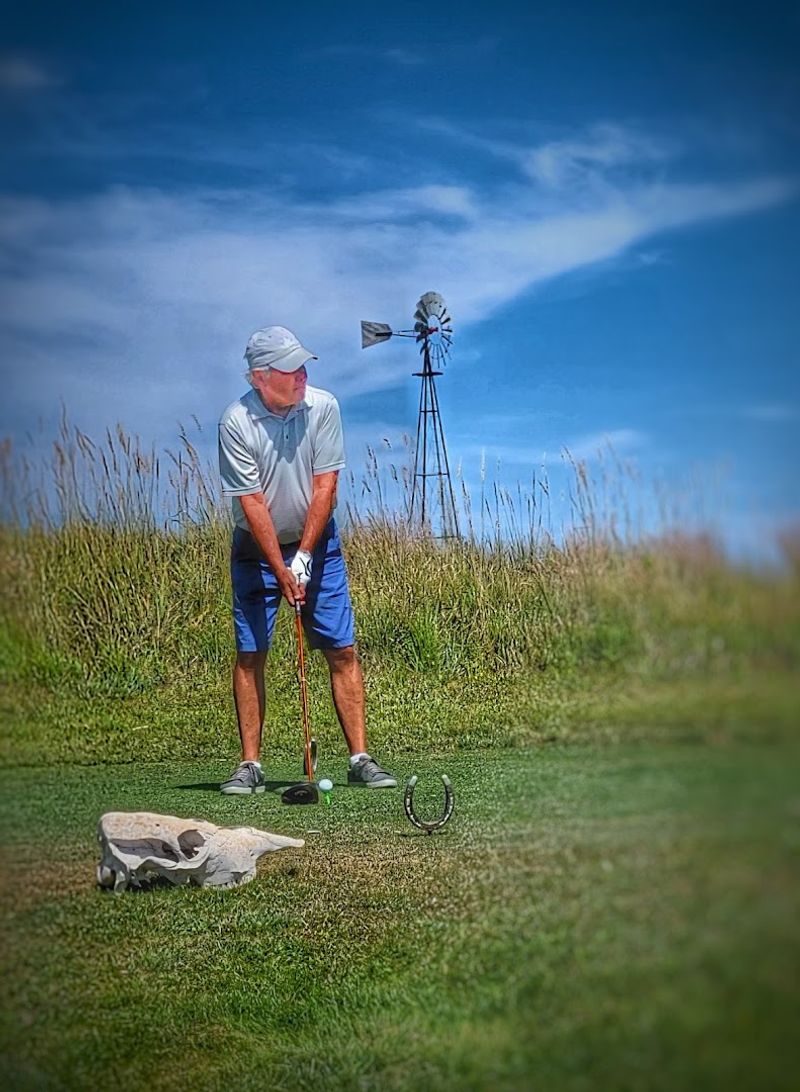
Nebraska’s Sandhills region carries a particular reputation in American golf, largely because of Sand Hills Golf Club, a private course about ninety minutes northwest of Gothenburg that is widely considered one of the best in the world.
Dave Axland and Dan Proctor, the designers of Wild Horse, also assisted Coore and Crenshaw in building Sand Hills, which gives Wild Horse a genuine design lineage connected to that tradition.
For golfers who want to experience Sandhills-style terrain and design philosophy without needing a private invitation, Wild Horse fills that role directly.
The firm turf, the native grasses, the wind exposure, and the minimalist routing all reflect the same principles that make the region’s golf so distinctive.
Playing here does not feel like a lesser version of something else. It feels like its own complete experience grounded in the same landscape.
The course is described by Golf Course Atlas as sitting on the edge of the Sandhills territory, which means the terrain has genuine character rather than a manufactured approximation of it.
That authenticity is part of what gives Wild Horse staying power as a destination.
Golfers who travel specifically for the Sandhills experience tend to find that Wild Horse delivers that feeling in a form that is fully open to the public.
Let The Wind Remind You Who Is Actually In Charge
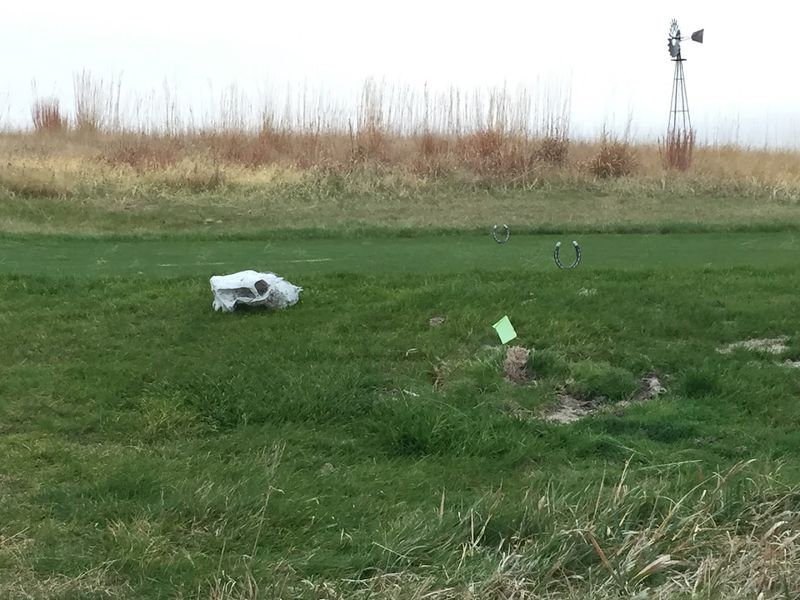
Open golf courses and wind have a long relationship, and Wild Horse leans fully into that dynamic.
The exposed setting means that prevailing Nebraska winds can shift club selection by several numbers, turn a comfortable approach into a guessing exercise, and make a hole that played straightforward feel completely foreign.
That variability is not a flaw in the design. It is one of the features that gives the course long-term interest.
A golfer who has played Wild Horse a dozen times may still encounter conditions that require a shot shape or trajectory they have not tried there before.
The wind adds a layer of freshness that no amount of course renovation can manufacture artificially.
Playing well in wind requires a different kind of patience than playing in calm conditions.
Aggressive swings that might work on a still day can become liabilities when the gusts arrive, and the golfer who learns to use the wind rather than fight it tends to score better and enjoy the round more.
Wild Horse was designed with firm, fast turf specifically because that style of play suits windy conditions, allowing the ball to run and use the ground rather than demanding carry distance on every shot.