This Peaceful North Carolina Town Keeps Median Rent Shockingly Close To $640 A Month
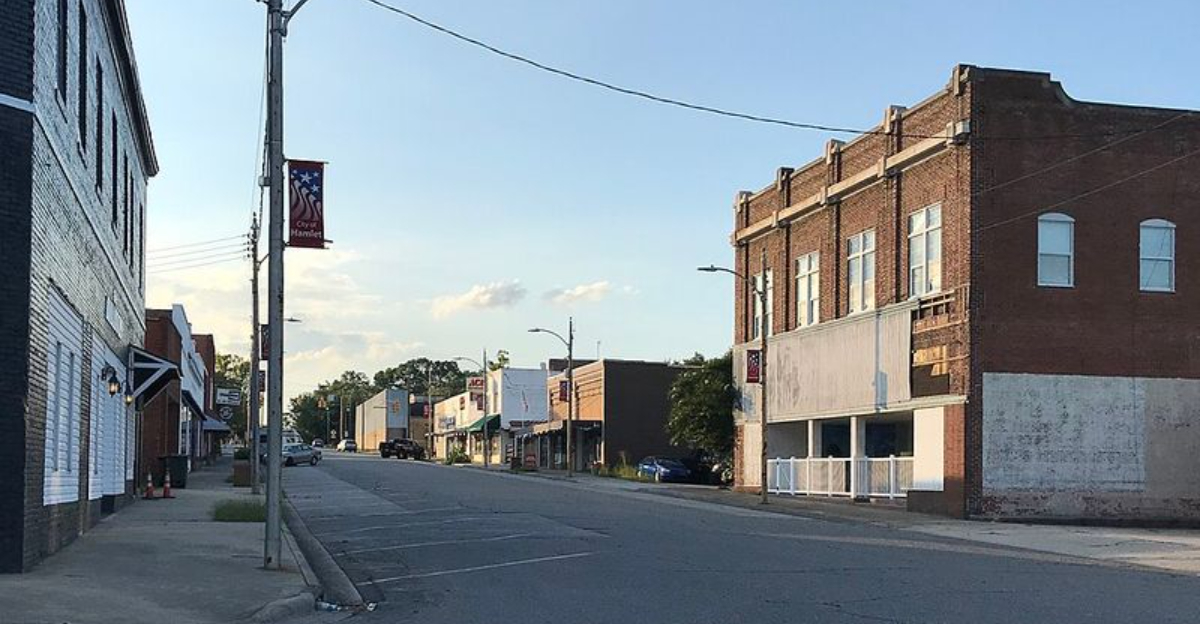
Rent prices have been acting like they need a timeout.
That is why one small North Carolina town suddenly feels worth a closer look.
Median gross rent figures near $640 make this place stand out while housing costs keep climbing elsewhere.
The number catches attention first, but the slower pace may be what keeps it there.
Downtown still moves with an old-fashioned rhythm, where errands feel simple and streets do not seem designed to drain everyone’s patience.
Life here feels easier on the budget without feeling completely cut off from the map.
That kind of breathing room is getting harder to find.
A calm town, a lower rent figure, and a little extra space to exist can start sounding pretty powerful fast.
Start With The Rent Numbers Before The Small-Town Calm Sinks In
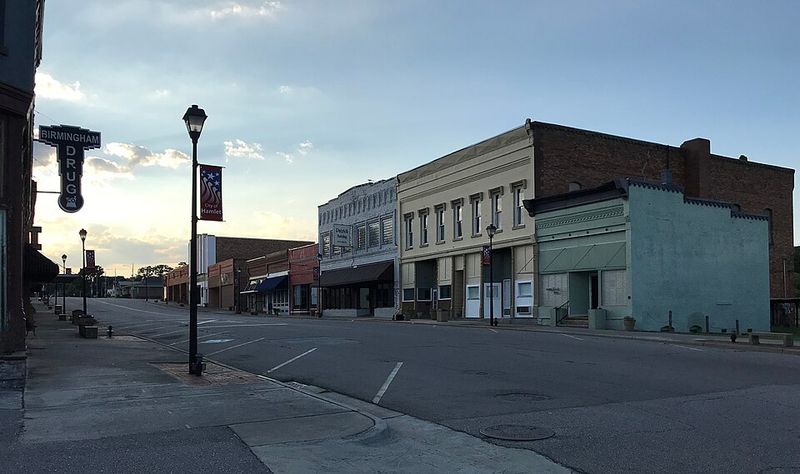
Some livability-style data sources list the town’s median monthly rent close to $454, which is the kind of figure that immediately grabs attention. The U.S.
Census Bureau’s newer QuickFacts data, however, lists Hamlet’s 2020–2024 median gross rent at $640, while also listing $463 as the median monthly owner cost for homeowners without a mortgage. That difference matters because rent, gross rent, and owner costs are not the same thing.
Even with the more conservative Census rent figure, Hamlet still looks affordable compared with many larger North Carolina cities where monthly housing costs can climb much faster.
The town’s median household income is modest too, so affordability should not be painted like a fairy tale with no challenges attached.
Still, lower housing costs can create real breathing room for people who want a smaller community, a slower daily rhythm, and less pressure from big-city prices. Hamlet’s appeal starts with the numbers, but the better story is how those numbers fit into a town where life still feels manageable.
Let The Railroad History Give This Quiet Town Its Character
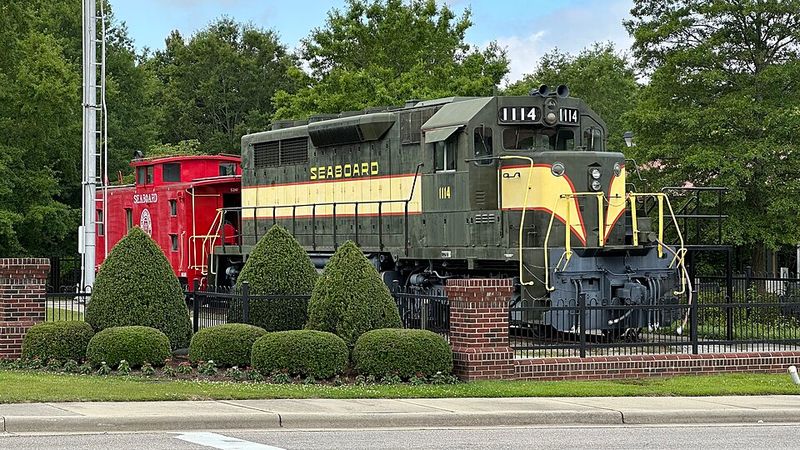
Railroad history is not a decorative detail in Hamlet. It is the reason the town feels the way it does.
This Richmond County community grew around rail lines, depots, passenger traffic, freight movement, and the daily rhythm of trains that once made Hamlet one of the most important rail hubs in the region.
The nickname “Hub of the Seaboard” still carries real meaning here, especially when you see how much pride surrounds the depot and museum complex.
The town’s railroad identity gives it a grounded character that many small towns try to manufacture but cannot fake. Streets, buildings, local memory, and community events still point back to the era when trains shaped almost every part of daily life.
That history also helps explain why Hamlet does not feel like a random quiet place with cheap housing. It feels like a town with a past, a purpose, and a story that residents continue to protect.
For newcomers or visitors, that makes the calm feel more interesting. You are not just looking at low-cost living.
You are looking at a community that once moved with the energy of passenger trains, freight lines, station crowds, and families whose livelihoods depended on the tracks.
Walk Downtown And Notice How Unrushed Everything Feels
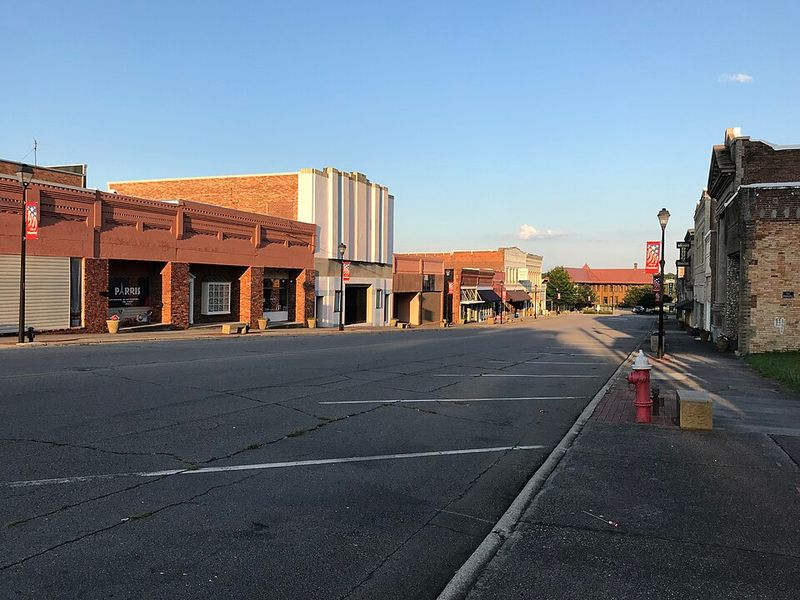
Downtown Hamlet does not try to overwhelm anyone, which is part of its charm. The pace is slower, the streets feel manageable, and the local buildings tell a story that does not depend on trendy reinvention.
This is the kind of downtown where visitors can walk without feeling pushed along by crowds or traffic, and residents can run errands without turning every stop into a production.
Small businesses, public spaces, older architecture, and railroad landmarks give the center of town a lived-in quality that feels different from polished tourist districts.
That authenticity matters when talking about livability. Affordable housing is useful, but the surrounding community needs to feel like somewhere people can actually settle into.
Hamlet offers that in a quiet, practical way. It has local pride, everyday services, neighborhood familiarity, and enough character to keep the town from feeling anonymous.
A walk downtown reveals the town’s best quality: it does not seem desperate to impress you. It simply moves at its own pace.
For people used to expensive cities, packed schedules, and constant noise, that lack of hurry can feel almost strange at first. Then it starts to feel like the whole point.
Find The Depot That Still Anchors Hamlet’s Local Pride
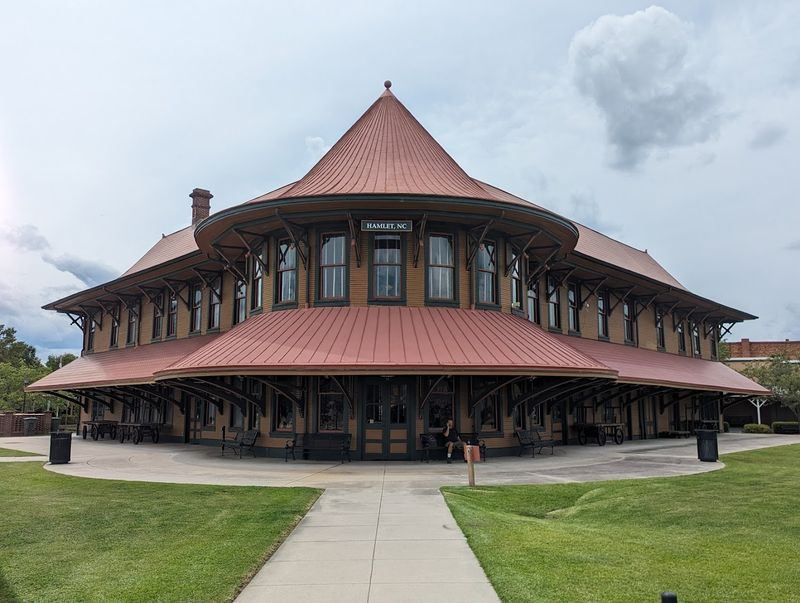
The Hamlet Historic Depot is the kind of landmark that explains a town without needing a long speech.
Built in 1900 for the Seaboard Air Line Railway, the Queen Anne-style depot served for decades during Hamlet’s busiest railroad years and now stands as the star attraction of the Hamlet Depot & Museums complex.
The building was added to the National Register of Historic Places in 1971, later moved, restored, and given new life as a museum space that preserves the Seaboard railroad legacy.
Visitors can see exhibits, railroad artifacts, model-train details, and reminders of the era when passenger trains and freight traffic shaped the town’s economy and identity.
The depot’s role goes beyond nostalgia. It gives Hamlet a visible center of pride, a place where residents can point and say, clearly, this is why the town matters.
For a community often discussed through affordability numbers, the depot adds necessary depth. It reminds visitors that Hamlet is not just inexpensive.
It is historic. It has architecture worth saving, stories worth telling, and a rail legacy that still gives the town a distinct place in North Carolina’s Sandhills region.
Compare Housing Costs Before Calling This Place Too Good To Be True
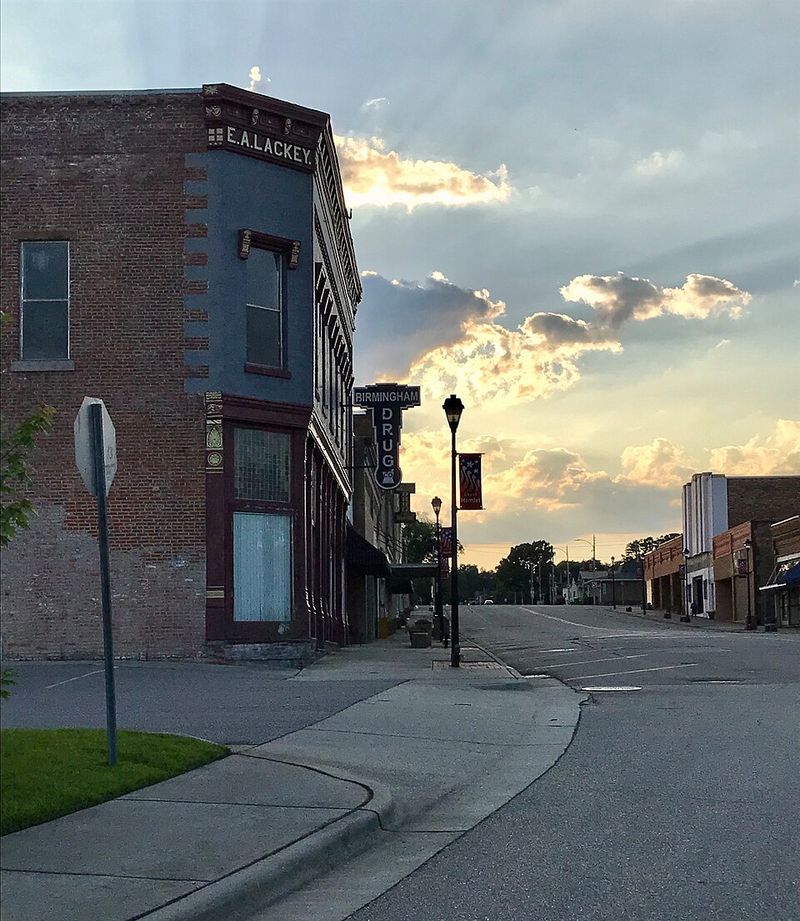
Low-cost towns deserve both excitement and caution. Hamlet’s housing numbers are appealing, but they should be compared honestly before anyone treats the town like a miracle solution.
Livability lists a median monthly rent around $454, while Census QuickFacts lists median gross rent at $640 for 2020–2024.
Those are different data points, and current rental listings can look higher depending on availability, unit size, and the tiny sample of homes actually on the market at any given time.
That means the best claim is not that everyone can easily rent a place for around $460 today. The better claim is that Hamlet’s overall housing costs remain low compared with many parts of North Carolina and the country.
Census data also lists the town’s median owner-occupied home value at $112,600 for 2020–2024, which reinforces the broader affordability picture.
Still, low prices often come with tradeoffs: fewer rentals, fewer big-city amenities, a smaller job market, and the need to think carefully about commuting, healthcare access, and personal priorities.
Hamlet is affordable, but affordability works best when it matches real life. The numbers are promising.
The next step is understanding what daily living there would actually require.
Bring A Slower Weekend Mindset To This Sandhills Community
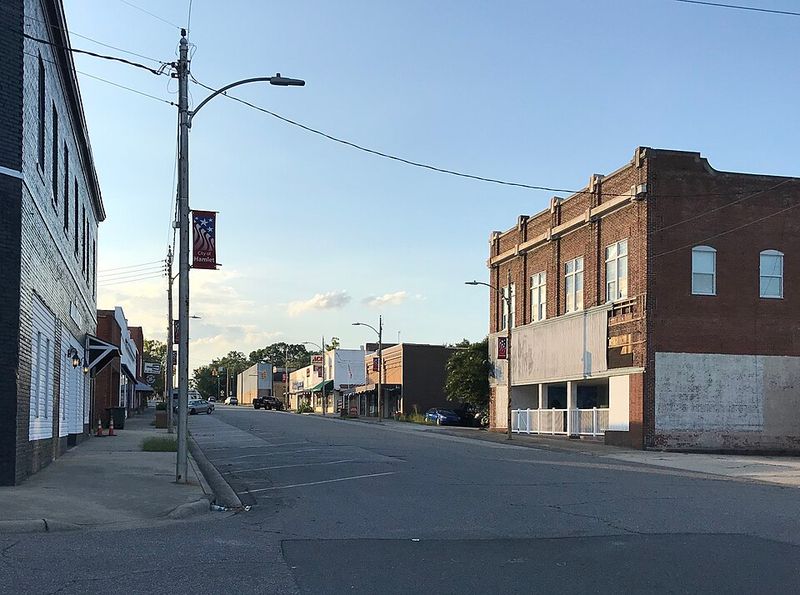
Hamlet sits in a part of North Carolina where the landscape and pace both feel different from the state’s faster-growing metros. The Sandhills region brings longleaf pines, sandy soil, wide skies, and a quieter rhythm that suits a town like this.
A slower weekend here is not about chasing a packed itinerary. It is about walking downtown, visiting the depot, taking a drive through Richmond County, grabbing a casual meal, and noticing how much room the day still has left.
That slower pace can be a major selling point for people who want affordability without feeling completely cut off from community life. Hamlet is close to Rockingham, sits within reach of larger regional destinations, and still holds onto its own small-town identity.
For families, retirees, remote workers, or anyone tired of crowded city routines, that balance can feel appealing. The key is arriving with the right expectations.
Hamlet is not trying to be a resort town, a mountain village, or a flashy weekend destination. It offers something more understated: practical small-town living, railroad heritage, lower housing costs, and a community pace that gives people space to breathe.
Look Past The Low Prices And See The Town’s Real Story

Affordable rent may be the headline, but Hamlet’s real story is more complicated and more human. This is a small city with deep railroad roots, modest incomes, historic pride, and real economic challenges alongside its low housing costs.
Census data lists Hamlet’s median household income at $41,590 for 2020–2024, which helps explain both why affordability matters here and why low prices should not be treated like a simple lifestyle hack.
A town can be inexpensive because it is overlooked, because the local economy is smaller, because demand is lower, or because residents have held onto older housing patterns longer than larger cities.
Hamlet likely reflects a mix of those realities. That does not make it less worthy of attention.
It makes the story more honest. People who live here are not props in an affordability article.
They are part of a community with traditions, jobs, families, needs, and pride. The railroad museum, the downtown streets, the local events, and the quieter pace all matter because they show a town still carrying its identity forward.
Hamlet is not perfect, but it does not need to be. Its value comes from being real, grounded, and surprisingly livable for the right person.
Leave Understanding Why Hamlet Still Feels Surprisingly Livable
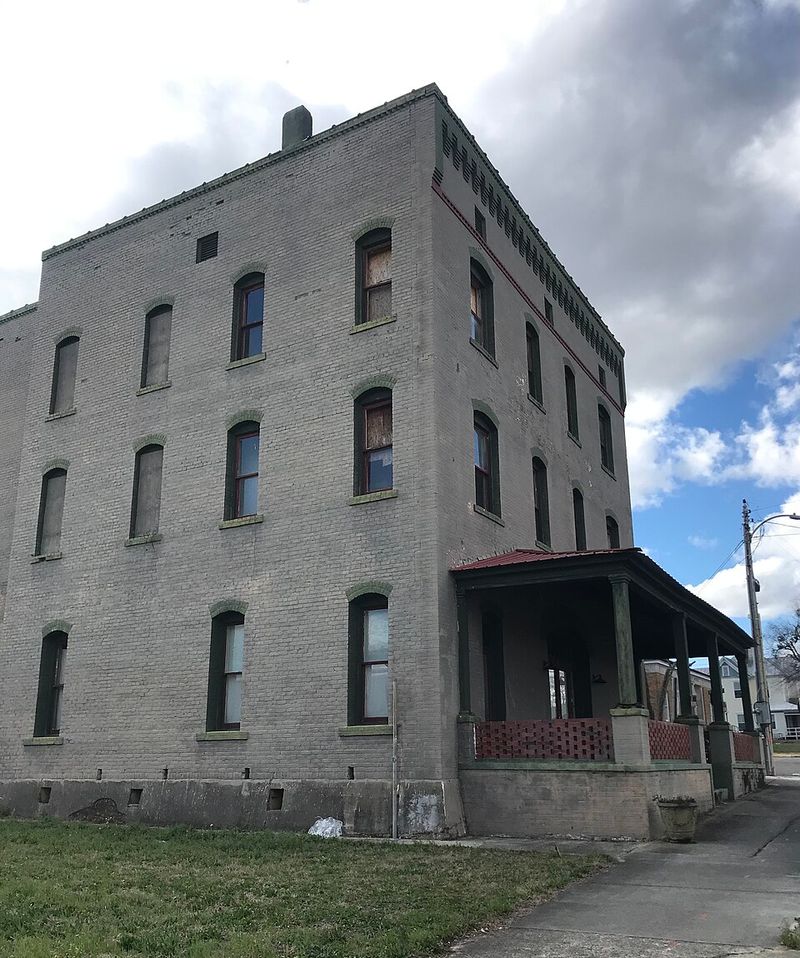
Hamlet makes its case quietly. It does not have the glossy momentum of Charlotte, the tourist buzz of Asheville, or the coastal polish of North Carolina’s beach towns.
What it does have is a lower-cost housing profile, a deep railroad identity, a compact downtown, and a slower rhythm that can feel increasingly rare.
The town works best for people who value affordability, history, community familiarity, and a simpler day-to-day pace more than nightlife, luxury amenities, or constant growth.
Rent figures should be handled carefully, especially because official and third-party sources do not tell the exact same story. Still, even the more conservative data supports the broader point: Hamlet remains far more affordable than many places competing for attention in North Carolina.
The depot gives the town a strong historic anchor, the Sandhills setting gives it regional character, and the lower housing costs give it practical appeal. Leaving Hamlet, the surprise is not that it has cheap rent on a chart.
The surprise is that the town has enough story, pride, and calm to make those numbers feel connected to a real place.