Nebraska Has 8 Museums Built Around Aviation, Tractors And Oddly Specific Machines
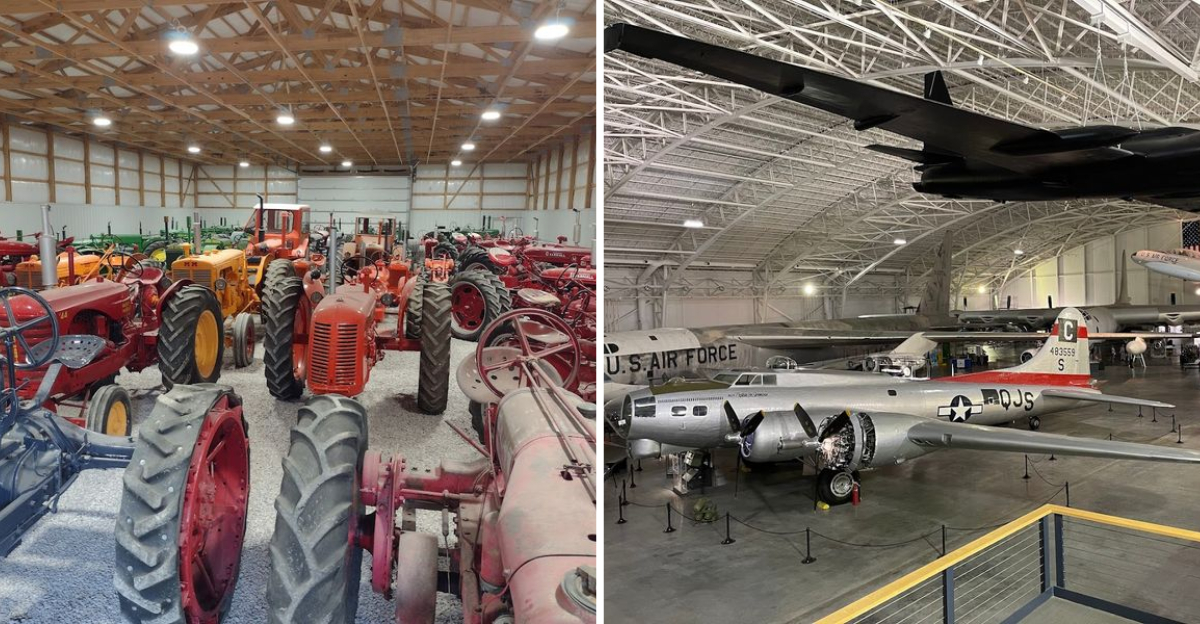
Cold War bombers and antique windmills, in one state? It sounds random until you actually go.
Every museum locks onto one oddly specific obsession. One preserves giant bombers from a tense era. Another freezes a working windmill factory in time.
Nebraska quietly collected the machines that built modern America. These are focused, strange, and weirdly gripping places. All of them justify a real detour off the highway.
I lost a whole afternoon and did not mind at all. Farmland and open sky hide serious history out here. The scale surprises nearly everyone who visits.
Turns out the quietest state gathered the tools of a century.
1. Larsen Tractor Museum, Lincoln
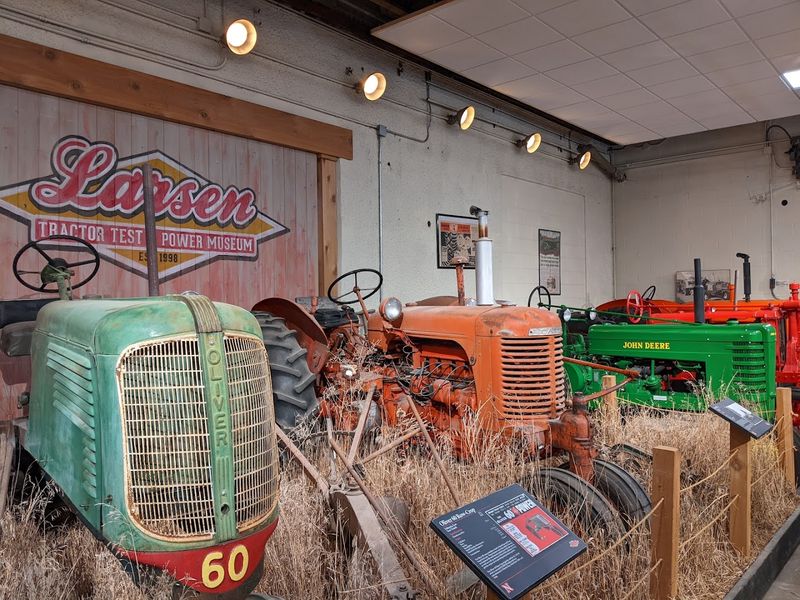
Not every museum needs a dramatic entrance to earn your attention. Sometimes a quiet room full of machines tells the whole story.
The Larsen Tractor Museum on the University of Nebraska campus in Lincoln is exactly that kind of understated, deeply rewarding stop.
The collection focuses on the evolution of farm power, from early single-cylinder engines to the complex diesel tractors of the mid-twentieth century. Each machine is labeled with clear, readable information.
You do not need a farming background to appreciate what you are looking at.
What makes this collection stand out is how it traces agricultural change over time. Seeing a 1910 tractor next to a 1960 model makes the pace of mechanical progress feel tangible.
The display layout encourages comparison rather than simple admiration.
The museum is free to enter, which makes it an easy addition to any Lincoln itinerary. It sits at the corner of N 35th St and Fair St on the East Campus.
The space is calm and unhurried, which suits the subject matter well.
Student research projects and rotating exhibits add fresh content throughout the year. The mechanical detail on some of the older tractors is worth slowing down for.
Gears, belts, and exposed engines reveal how much human ingenuity went into solving basic farming problems.
This is the kind of museum that rewards curiosity and patience in equal measure, and it tends to surprise people who came in expecting very little.
2. Museum Of American Speed, Lincoln
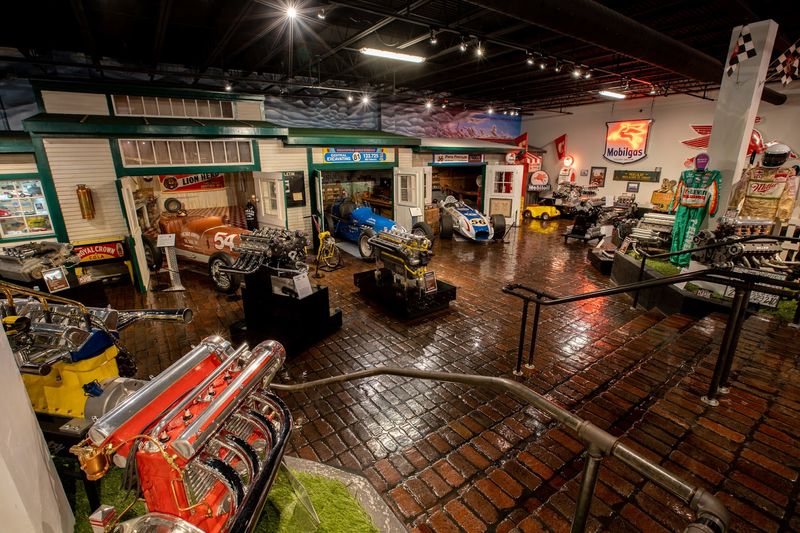
There is a particular energy that racing machines carry even when they are standing still. You feel it the moment you walk into this building.
The Museum of American Speed in Lincoln holds one of the most focused automotive collections in the country, built around engines, racing history, and the culture of speed.
The collection includes over 160 vehicles, thousands of engines, and decades of motorsport memorabilia. Midget racers, sprint cars, and drag machines fill the floor in careful arrangements.
Each one has a story tied to a specific era of American competition.
What separates this museum from a standard car show is depth. The engine displays alone could occupy an enthusiast for hours.
Rare and one-of-a-kind powerplants sit alongside more recognizable racing hardware. The curation is detailed without being overwhelming.
Signage throughout the exhibits is clear and informative, written for people who love machines and for those who are simply curious. The building at 599 Oakcreek Dr in Lincoln is easy to find and has ample parking.
Guided tours are available and add considerable value to the experience.
The gift shop carries hard-to-find racing publications and branded merchandise. The museum is run by people who are clearly passionate about the subject.
If you have ever watched a race and wondered what was happening under the hood, this is the answer. It is a serious collection that rewards serious attention, and it rarely disappoints anyone who takes the time to look closely.
3. Kregel Windmill Factory Museum, Nebraska City
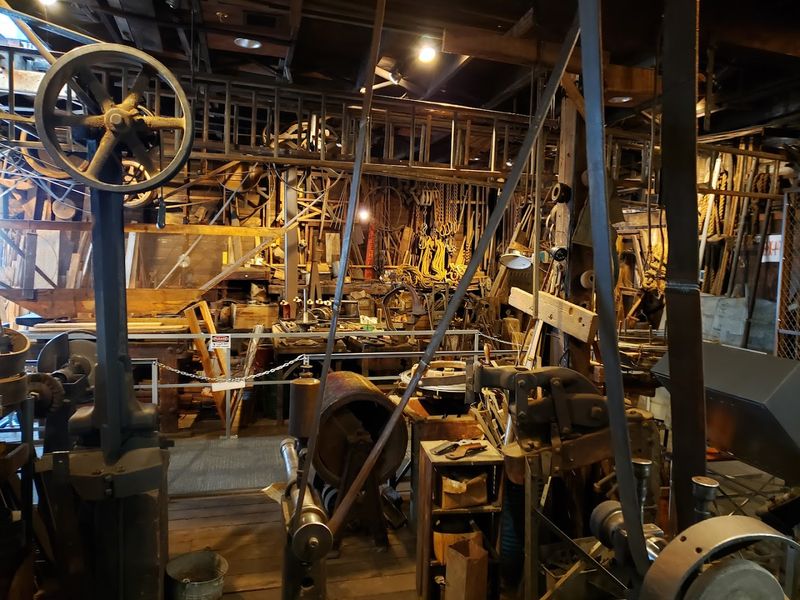
Have you ever walked into a building and felt like time simply forgot to move forward? That is the sensation waiting inside this preserved factory.
The Kregel Windmill Factory Museum in Nebraska City is one of the most unusual industrial heritage sites in the Great Plains.
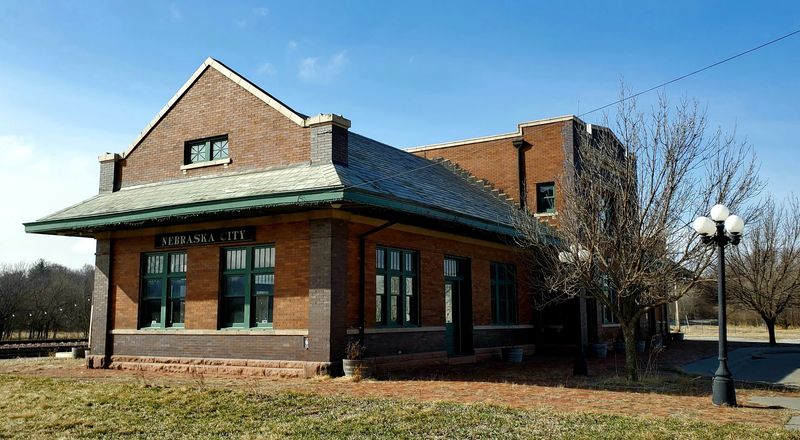
The company was founded in 1879, and the Central Avenue factory operated from 1903 until 1991, never fully modernized. When it closed, everything was left essentially intact.
Tools, patterns, raw materials, and finished windmill parts remain exactly where workers left them.
Walking through the space feels less like touring a museum and more like stepping into a working day that was paused mid-task. Wooden molds hang on walls.
Metal components sit on workbenches. The smell of old wood and oil is present throughout.
Windmills built here once pumped water across the Great Plains, making agriculture and settlement possible in ways that are easy to underestimate today.
The factory’s survival as a complete, unaltered site is genuinely rare. Most industrial buildings of this age were stripped or demolished long ago.
The museum sits at 1416 Central Ave in Nebraska City, and tours are led by knowledgeable guides who explain both the mechanics and the history clearly. The building itself is a National Historic Landmark.
Visitors who appreciate craft, labor history, or mechanical ingenuity tend to leave with a new appreciation for how the American frontier was actually sustained. Few stops in the state carry this much authenticity in one compact space.
4. The American Automobile Experience, Kearney
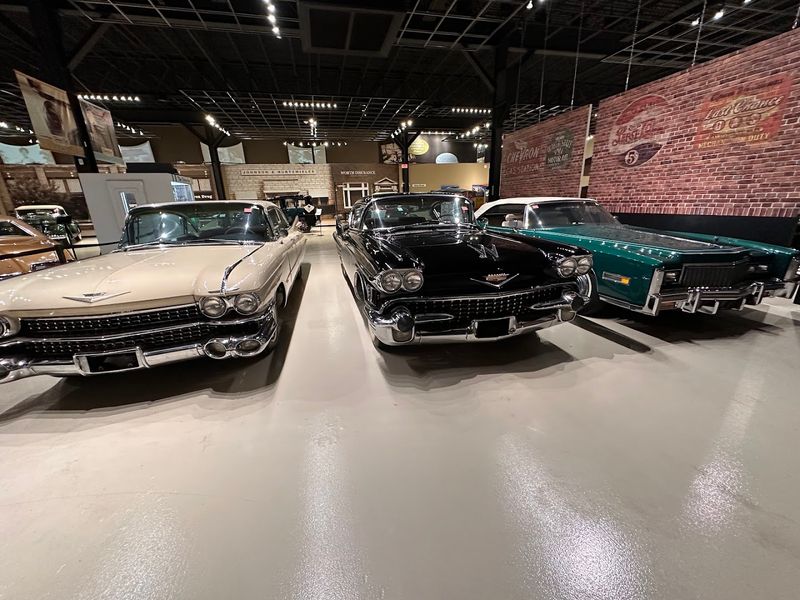
Classic cars have a way of pulling people in even when they did not plan to stop.
The American Automobile Experience in Kearney is the kind of roadside attraction that turns a quick glance into a long afternoon. The collection spans decades of American automotive design and covers everything from prewar classics to custom builds.
The vehicles here are displayed with care and context. Each car is paired with information about its era, its maker, and what made it significant.
You get a sense of how American culture and car design influenced each other across the twentieth century.
The building is large and well-organized, with clear pathways between exhibits. Lighting is handled thoughtfully, which makes the chrome and bodywork on older vehicles look their best.
The atmosphere is relaxed and welcoming without being chaotic.
What stands out most is the variety. Muscle cars, luxury sedans, and working-class vehicles all share the same floor.
That mix gives the collection a broader appeal than a single-era focus would allow. It reflects the full range of what American drivers actually bought and drove.
The museum is located at 3600 US-30 B in Kearney, which makes it a natural stop for anyone traveling along that corridor. Parking is easy and the layout accommodates families and solo travelers equally well.
If American car culture interests you even slightly, this collection delivers more than expected. It is a well-assembled tribute to a very specific and deeply American obsession.
5. Heartland Museum Of Military Vehicles, Lexington
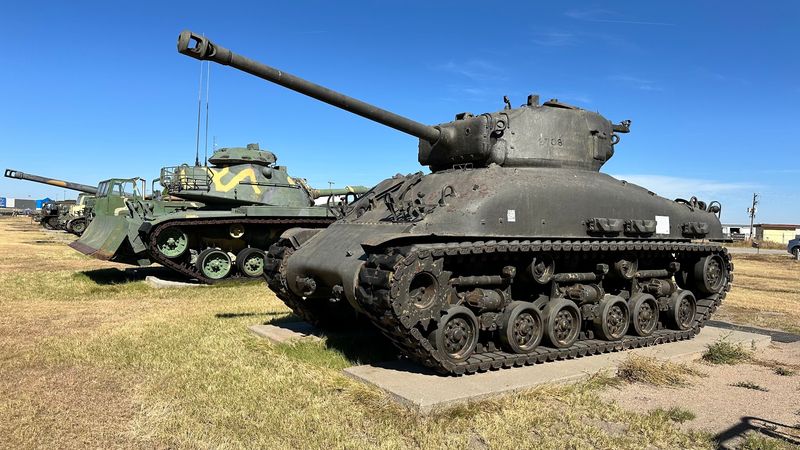
Tanks parked in rows have a way of making history feel immediate.
The Heartland Museum of Military Vehicles in Lexington brings together a collection of restored military hardware that covers most of the major American conflicts of the twentieth century.
The scope is broader than the building size might suggest from the outside.
Jeeps, half-tracks, tanks, and a helicopter fill the main exhibit space and surrounding grounds. Each vehicle is restored and labeled with its service history.
The level of mechanical detail preserved in each restoration is worth taking time to examine up close.
Volunteer guides are often present and bring personal knowledge to the collection. Their explanations add layers that the signage alone cannot always convey.
Conversations with them tend to be some of the most memorable parts of a stop here.
The collection is particularly strong in World War II-era ground vehicles. Seeing a Sherman tank in person reframes how those machines were actually used.
The scale and engineering of mid-century military hardware is hard to fully understand from photographs alone.
The museum sits at 606 Heartland Rd in Lexington, and the surrounding grounds offer additional space for outdoor displays. Admission is modest and supports ongoing restoration work.
This is a collection built and maintained by people who care deeply about preserving this history. It is not flashy, but it is thorough, and thoroughness is exactly what this kind of subject deserves.
Plan for at least ninety minutes here.
6. Pioneer Village, Minden
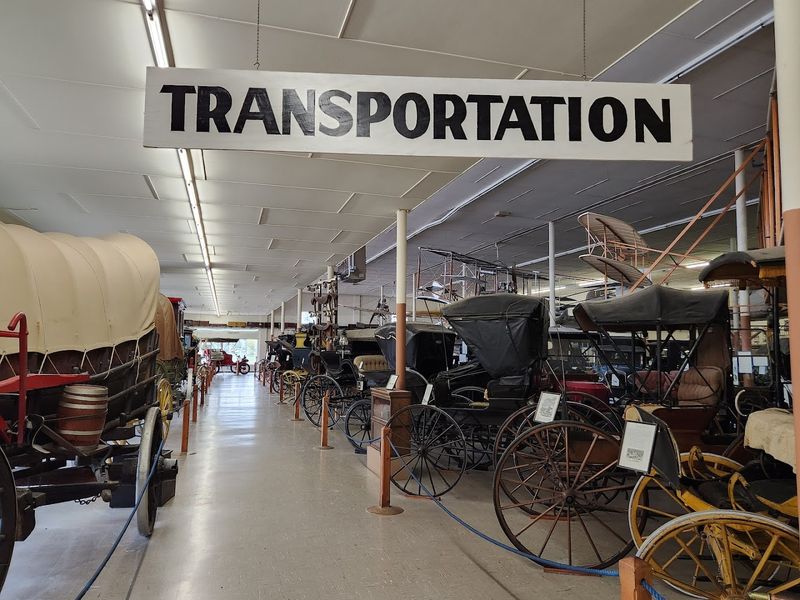
Covering over twenty acres, this is less a museum and more a small preserved world.
Pioneer Village in Minden holds one of the largest collections of Americana in the United States, and it earns that description without exaggeration.
Tractors, automobiles, aircraft, steam locomotives, and horse-drawn equipment share the campus in a way that maps the arc of American transportation and agriculture.
The sheer number of objects here is staggering. Over 50,000 artifacts are spread across more than two dozen buildings.
Moving from one structure to the next feels like moving through different chapters of the same long story.
Steam engines and early gasoline tractors anchor the agricultural section. Vintage aircraft sit in a dedicated hangar.
Classic cars and trucks fill their own exhibit buildings. The variety is the point, and it works because the curation keeps things organized enough to follow.
What makes Pioneer Village particularly worthwhile is that it was assembled over decades by a single collector with a clear vision. That origin gives the collection a coherence that institutional museums sometimes lack.
Everything here was chosen deliberately. The campus is at 138 US-6 in Minden, and a full exploration takes most of a day. There are food options on site, which helps.
Children tend to respond well to the hands-on elements and the sheer variety of things to look at.
For travelers who want a single stop that covers the widest possible range of American mechanical history, this is the most complete option in the entire state.
7. Legacy Of The Plains Museum, Gering
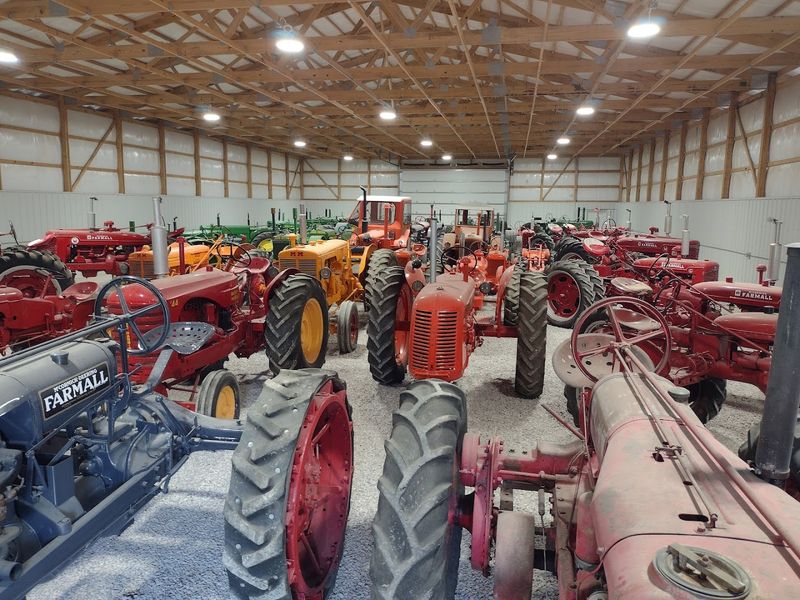
Out near the western edge of the state, the landscape itself becomes part of the story.
The Legacy of the Plains Museum in Gering sits in the shadow of Scotts Bluff National Monument, and that setting gives the agricultural collection here a geographic weight that indoor museums cannot replicate.
The land around the museum looks much like it did when early settlers first broke it with hand tools and horse-drawn plows.
The exhibits focus on the farming culture of the Nebraska Panhandle from the late 1800s through the mid-twentieth century.
Vintage tractors, horse-drawn implements, and early mechanized equipment trace how settlers worked and shaped this specific stretch of the Great Plains.
Seasonal programming brings the exhibits to life in ways that static displays cannot always achieve. Demonstrations of old equipment and hands-on activities make the collection accessible to younger visitors.
The staff here is knowledgeable and clearly invested in the regional story they are telling. The building design incorporates natural light and open sightlines that suit the wide-open character of the surrounding landscape.
You can see the bluffs from parts of the museum, which serves as a constant reminder of where you are geographically.
The museum is located at 2930 Old Oregon Trail in Gering, close to the national monument entrance. Pairing the two stops makes for a full day of western Nebraska history.
For travelers making the long drive across the Panhandle, this is one of the most rewarding and regionally specific collections the state has to offer.
8. Strategic Air Command & Aerospace Museum, Ashland
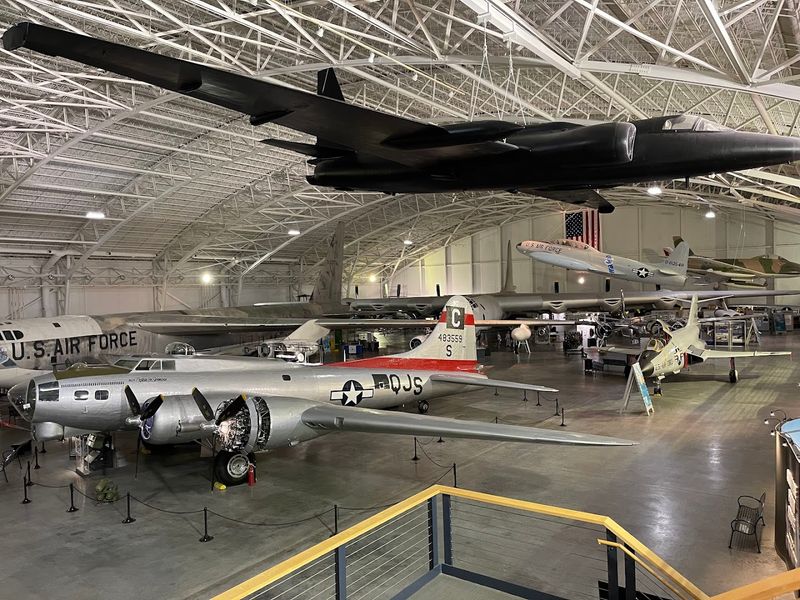
Some rooms make you feel genuinely small, and this is one of them. The sheer scale of the aircraft inside stops you at the entrance.
The Strategic Air Command and Aerospace Museum near Ashland is one of the most striking aviation collections in the entire Midwest.
Cold War aircraft fill the hangars like relics of another world, with the SR-71 Blackbird suspended in the museum’s glass atrium.
The building itself was designed to house full-size aircraft without cutting them apart. That decision alone says something about the ambition behind this museum.
Walking beneath a B-52 Stratofortress is an experience that a photograph simply cannot replicate.
There are interactive exhibits for younger visitors, and the aerospace timeline display gives solid context to every aircraft on the floor.
The collection spans decades of American military and space history. You can move at your own pace without feeling rushed.
Families tend to spend more time here than they planned. The gift shop carries aviation books and model kits worth browsing. You can find the museum at 28210 W Park Hwy in Ashland, right off Interstate 80.
It is open most days of the week and draws visitors from across the region. Few Nebraska attractions deliver this level of scale and historical weight in a single afternoon.