This North Carolina Battlefield Holds The Story Of The State’s Largest Civil War Battle
Some fields look ordinary until you realize the ground remembers more than any sign could ever explain.
On a quiet stretch of North Carolina countryside, one of the South’s most powerful stories still waits in the open air.
In March 1865, the largest Civil War battle ever fought in the state unfolded here over three intense days, drawing tens of thousands of soldiers into a clash that helped shape the final stretch of the conflict.
Today, the landscape does not shout for attention. It pulls you in slowly.
A marker here, a trail there, a farmhouse standing with more history than its walls can hold.
Every step adds another piece to the puzzle, making the visit feel less like a quick stop and more like a walk through a chapter that never fully went silent.
Start Where North Carolina’s Largest Civil War Battle Took Shape
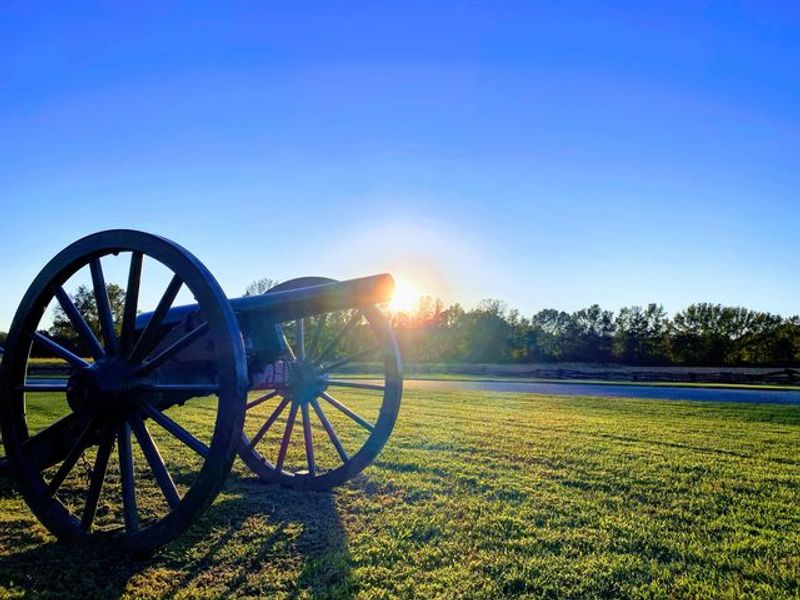
Arriving at Bentonville Battlefield State Historic Site means starting with the place that anchors the entire story: 5466 Harper House Road, Four Oaks, North Carolina 27524.
That address leads visitors into a preserved landscape connected to the Battle of Bentonville, fought March 19–21, 1865, during the final months of the Civil War.
Confederate General Joseph E. Johnston attempted to slow Union General William T. Sherman’s advance through the Carolinas, and the confrontation became the largest battle ever fought in the state.
The official site identifies Bentonville as a major historic destination with free admission, guided tour fees, and a visitor center that helps explain how the battle developed.
Beginning here matters because the scale can be hard to picture from an open field alone. Tens of thousands of soldiers moved through this rural area, while families living nearby were pulled into events far beyond their control.
The land now feels calm, but that calm is part of what makes the visit powerful. A modern visitor stands among fields, tree lines, roads, and preserved structures that once formed a vast military landscape.
Starting at the visitor center gives the rest of the site shape before the outdoor trails and driving tour expand the story.
Walk The Grounds Before The Quiet Fields Start Telling On Themselves
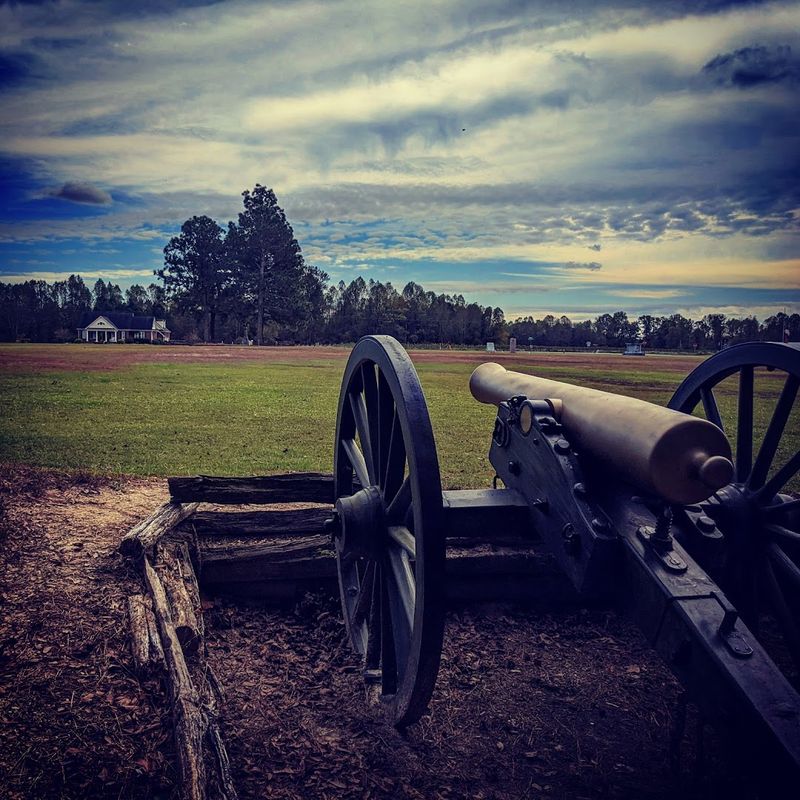
A battlefield visit changes once the ground becomes more than scenery.
Bentonville’s preserved landscape includes walking routes, waysides, and a broader driving tour that help visitors understand how farmland became part of a three-day military struggle.
The fields may look peaceful now, but interpretive signs and marked routes reveal how soldiers moved, where lines formed, and how the battle spread across the countryside.
That contrast is one of the strongest reasons to walk instead of only reading about the site.
Books can explain troop movements, but the land shows distance, exposure, tree cover, and the practical challenges of moving across open ground. Trails and outdoor stops also make the story feel less abstract.
A person can pause near a field edge, look toward a road, and begin to understand how geography shaped decisions. The site is not built around spectacle.
Its power comes from measured interpretation, preserved space, and the slow realization that ordinary-looking places can hold extraordinary history. Comfortable shoes, water, and time make the visit much better, especially during warm months.
Rushing through the grounds would miss the point. Bentonville rewards visitors who let the quiet work on them, one marker, field, and tree line at a time.
Step Inside Harper House And See How Quickly War Reached The Front Door
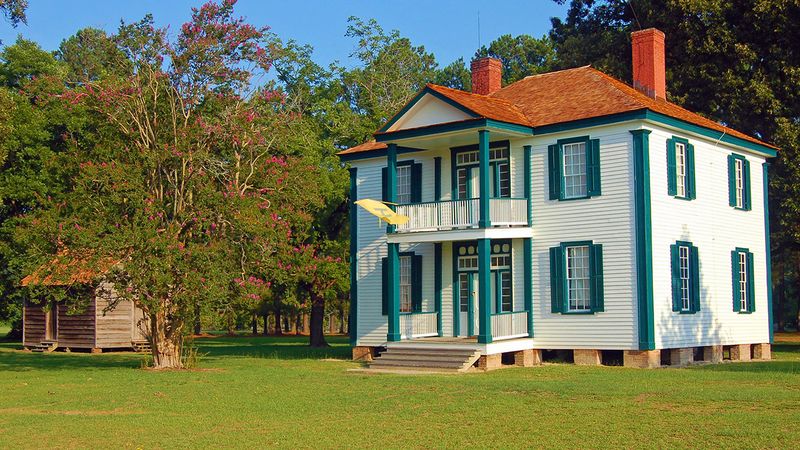
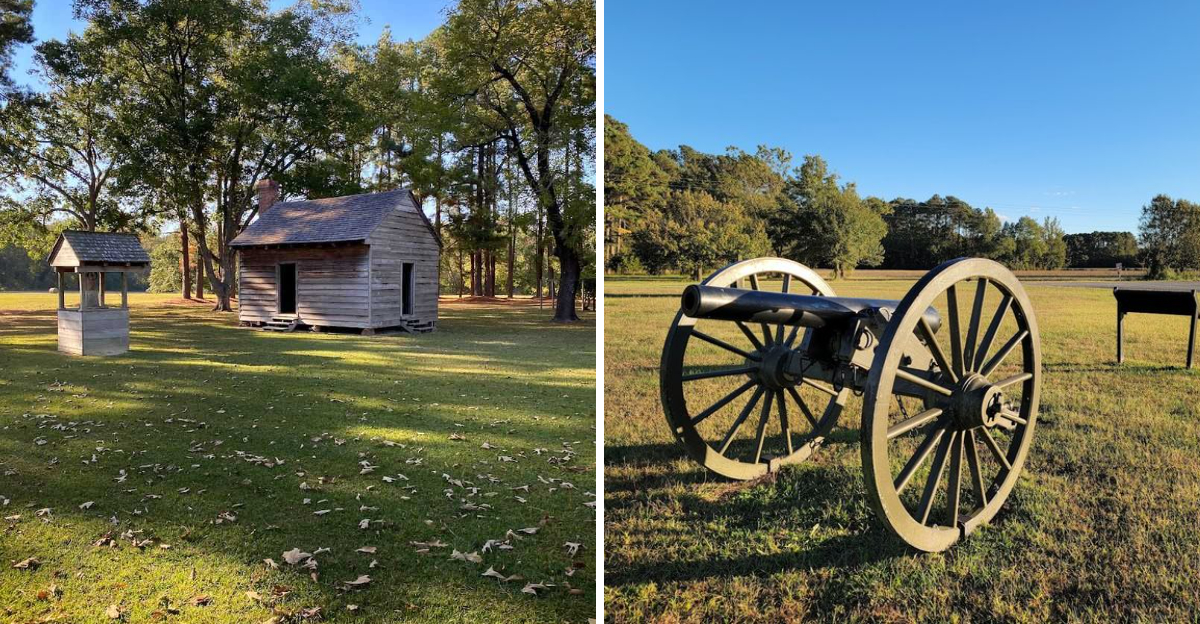
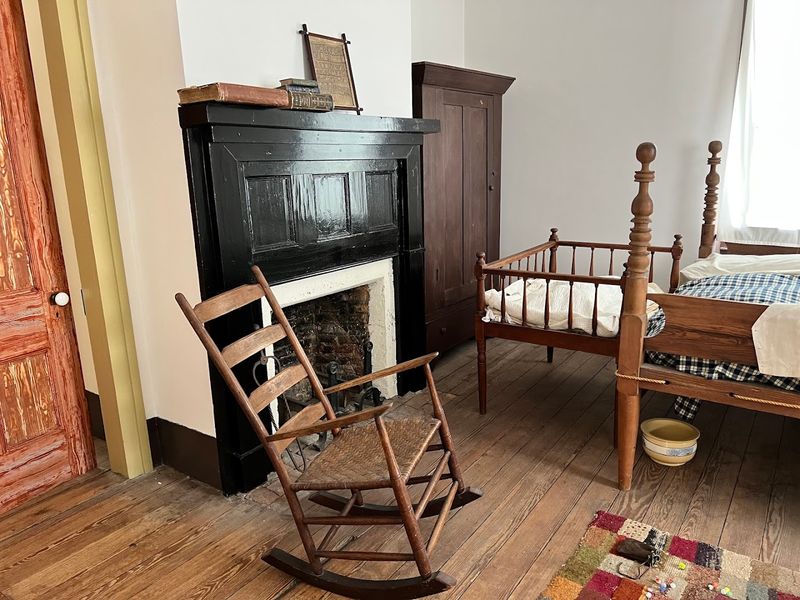
Harper House brings the human side of Bentonville into sharp focus. Built around 1855, the home was connected to the Harper family before the battle transformed it into a field hospital.
The official historic site notes that the Harper House is furnished as a Civil War field hospital, with a reconstructed kitchen and enslaved dwelling also included on the property. That combination gives visitors a fuller view of how deeply the conflict reached into domestic life.
A family home became a place of emergency care, and the rooms that once held daily routines became part of a much larger and more painful story. This is where the site becomes especially personal.
Open fields explain scale, but a house explains intrusion. Doorways, floors, furnishings, and hospital interpretation help visitors imagine how quickly ordinary life could be overtaken by events outside anyone’s control.
The reconstructed kitchen and enslaved dwelling add important context about the broader social world surrounding the Harper property. They remind visitors that the battlefield story extends beyond armies and generals.
Guided tours, when available, are worth taking because they add detail that signs alone cannot always provide.
Harper House makes the battle feel immediate, not because it is dramatic, but because it shows how history entered through a front door.
Follow The Battlefield Trails And Let The Land Explain The Chaos
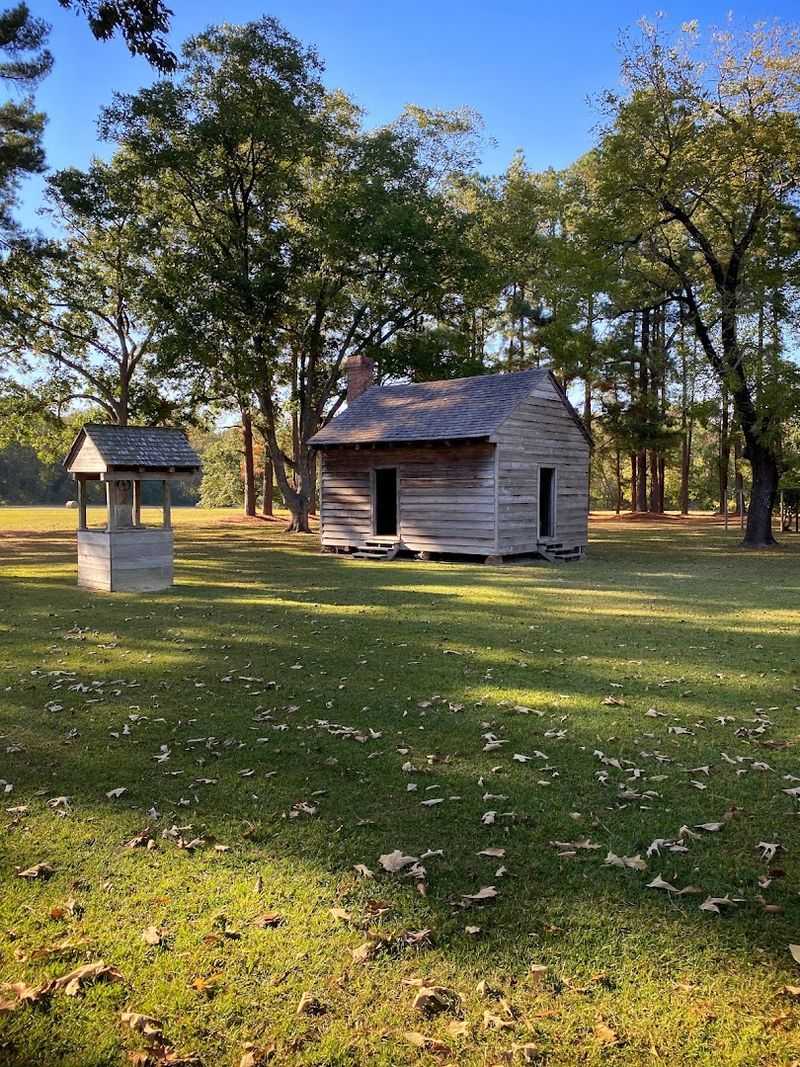
Maps become easier to understand once your feet are on the same terrain. Bentonville’s battlefield trails and driving route help visitors connect specific locations with the movement and pressure of the March 1865 battle.
The site’s preserved acreage includes fields, woods, historic roads, earthworks, and interpretive stops that turn the landscape into a readable account of the fighting. That matters because large battles can become confusing when reduced to names, arrows, and dates.
Walking the land slows the story down. Visitors can see how woods interrupt sightlines, how open ground exposes movement, and how distance changes the meaning of a decision.
The driving tour is useful for covering more of the battlefield, while shorter walks allow people to absorb smaller sections more closely. Each route offers a different way to understand the same difficult event.
Some visitors may focus on military strategy. Others may be more struck by the quiet of the preserved fields or the knowledge that local families lived in the path of the armies.
Both reactions belong here. Bentonville’s land explains complexity without needing to overwhelm visitors all at once.
The best approach is to take a map, read the waysides, move slowly, and let the geography do some of the teaching.
Read The Markers That Turn Open Space Into A Timeline
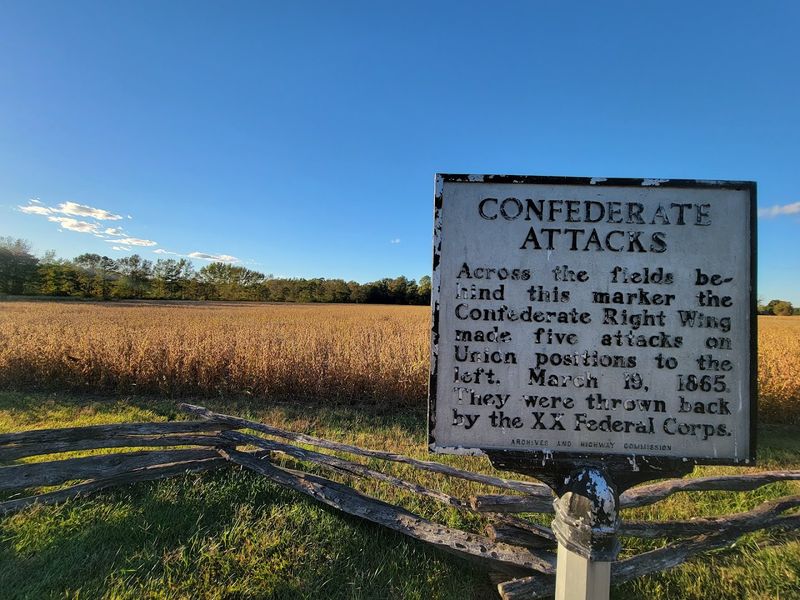
Interpretive markers are what keep Bentonville from feeling like an empty stretch of countryside. Waysides, plaques, and tour stops give shape to the landscape by tying specific places to specific moments during the battle.
A field becomes a position. A road becomes a route of movement.
A tree line becomes part of a larger tactical picture. That is why stopping to read matters here.
Skimming the signs may get visitors through the site faster, but it also flattens the experience. The markers help build a timeline across the three days of fighting, explaining what happened, where it happened, and why it mattered in the final phase of the war.
They also help visitors understand the relationship between the visitor center exhibits and the outdoor landscape. After seeing maps and artifacts inside, the signs outside make those details physically visible.
Nothing feels random when the markers are read in sequence. They turn a quiet drive or walk into a structured journey through the battlefield’s story.
Families, history enthusiasts, and first-time visitors can all use them without needing advanced background knowledge. Bentonville’s strength is that it allows the land to remain open and calm while the interpretation supplies the missing voices.
Read carefully, and the fields begin to organize themselves into memory.
Look For Earthworks Still Holding Their Place In The Soil
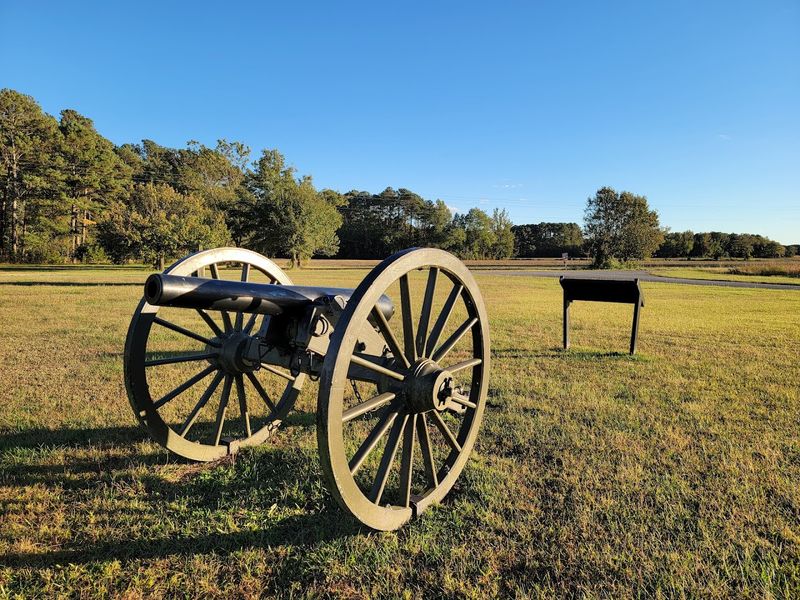
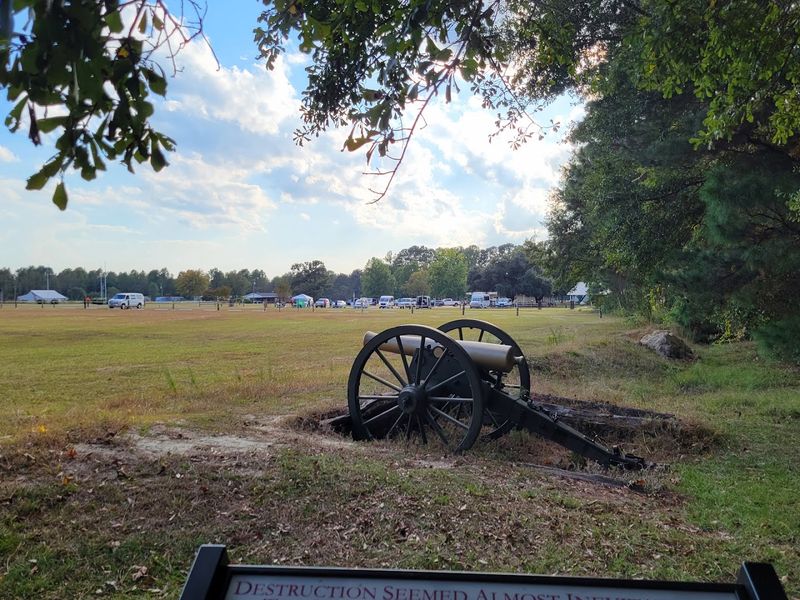
Some of the most powerful features at Bentonville are low to the ground. Earthworks, trenches, and preserved defensive lines remind visitors that soldiers shaped the landscape quickly under pressure.
These surviving features may not look dramatic at first, especially to someone expecting towering monuments or massive ruins, but their importance grows once you understand what they are.
Raised soil, shallow lines, and worn fortifications show where people tried to protect themselves during the battle.
They are fragile pieces of the site’s physical record and should be viewed with care. Visitors should not climb, walk on, or disturb them, even when they appear sturdy.
Their survival depends on restraint. Earthworks also make the battlefield feel unusually direct.
Unlike an artifact behind glass, these features remain in the soil where wartime hands created them. That gives them a quiet immediacy.
Standing nearby and looking along their line can make the past feel closer than a date on a panel ever could. The official site and preservation partners have worked to protect more than 2,000 acres of Bentonville Battlefield, and features like these help explain why that preservation matters.
Once earthworks are damaged, their connection to the original landscape becomes harder to recover. Seeing them in place is a rare privilege.
Visit The Museum Before The Outdoor Story Gets Bigger
The visitor center is the best first stop for anyone who wants the outdoor experience to make sense.
Battle of Bentonville visitor center features a 15-minute audiovisual program explaining the events leading up to the battle. It also displays artifacts from the battlefield and maps showing troop movements during the three days of fighting.
That introduction is useful because the battlefield covers a broad landscape, and the story can feel difficult to follow without a foundation. Inside, visitors can begin with the main timeline, learn who was involved, and understand why the battle unfolded where it did.
Then, when they step outside, the fields and roads have more meaning. The museum also helps balance the visit.
Outdoor spaces show scale, while exhibits bring detail closer. Artifacts, maps, and interpretation remind visitors that the battle was experienced by individuals, not only armies.
Current official hours list Tuesday through Saturday from 9 a.m. to 5 p.m., with Sunday hours from 1 to 5 p.m. during June 14 through August 2, 2026. Checking the site before going is still wise, especially around holidays or special events.
Starting indoors does not weaken the outdoor experience. It strengthens it, giving every later stop a clearer place in the larger story.
Study The Artifacts That Make 1865 Feel Uncomfortably Close
Objects have a way of making history feel less distant. Inside the Bentonville visitor center, artifacts connected to the battlefield help move the story beyond troop numbers and military maps.
A displayed item can make a visitor think about the person who carried it, used it, lost it, or left it behind. That kind of connection is uncomfortable in the right way.
It reminds people that the Battle of Bentonville was not only a strategic event during Sherman’s Carolinas Campaign. It was a human experience shaped by fear, exhaustion, injury, confusion, duty, and survival.
Maps explain where armies moved, but artifacts suggest what individuals carried through those movements. Spending time with the exhibits before heading to Harper House or the trails can sharpen the entire visit.
The field hospital interpretation feels more immediate. The preserved earthworks feel less abstract.
The open land starts to feel occupied by stories rather than emptiness. The best museum stops do not overwhelm visitors with objects for the sake of display.
They help each piece point back to a larger truth. At Bentonville, the artifacts work that way.
They make 1865 feel close enough to require silence for a moment, which may be the most respectful response the site can ask from anyone.