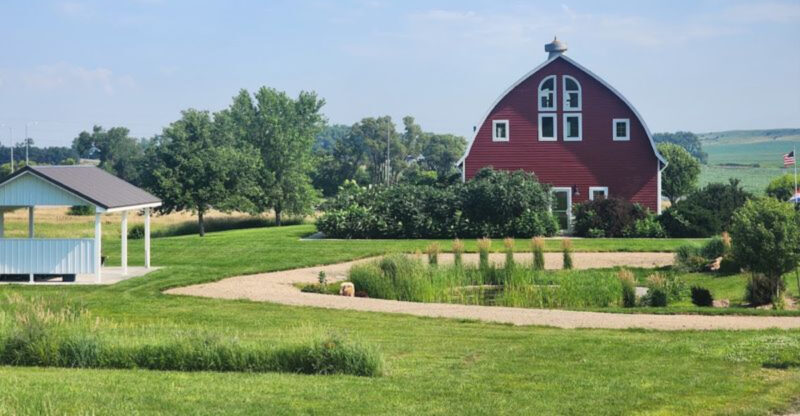
This White-Sand Nebraska Reservoir Turns The Sandhills Into A Surprise Summer Beach Escape
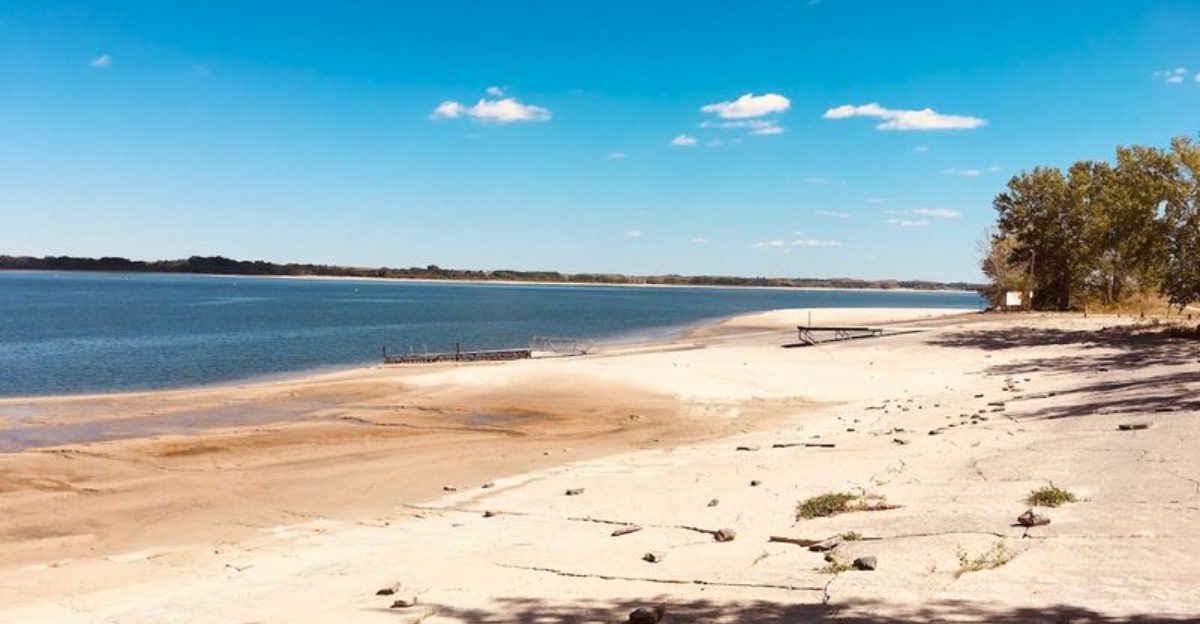
White sand in the Sandhills sounds like a geography prank. Then the shoreline shows up and starts making a very convincing case.
Wide water, warm July air, and rolling grassland all meet in a way that feels almost too summery for central Nebraska.
It is the kind of place where flip-flops suddenly make sense and nobody feels silly calling a reservoir day a beach escape.
Out here, Nebraska swaps ocean waves for prairie sky and still gets the summer mood right.
The surprise is how much vacation energy fits into the landscape.
Families can spread out near the water. Swimmers get a sandy place to cool off. Boaters, campers, and picnic planners all have room to make the day their own without needing a coastal zip code.
Nothing about it feels overly complicated. All you have to do is bring sunscreen, towels and snacks.
Sand That Makes Nebraska Look Like It Borrowed A Coastline
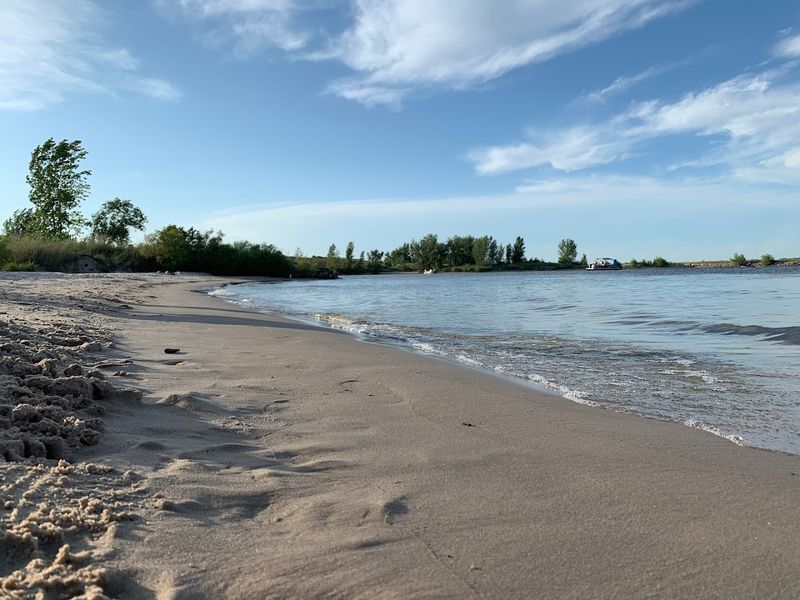
Not many freshwater lakes in the middle of the country come with beaches that look like this.
Calamus Reservoir sits inside Nebraska’s Sandhills region, where ancient wind-blown sands stabilized by native grasses create a landscape unlike almost anywhere else in North America.
The white-sand beaches here are especially striking from mid-July through November, when the shoreline really opens up and shows off its coastal-looking best.
The lake itself stretches about 10 miles long and 1.5 miles wide, with roughly 31 miles of shoreline wrapping around it.
That’s a lot of room to spread out, find a quiet corner, and forget for a moment that the nearest ocean is about 1,500 miles away.
The surrounding 4,958 acres of rolling native grassland add a soft, golden backdrop that changes texture and color with the light throughout the day.
The sand here isn’t imported or manicured – it’s a natural feature of the Sandhills geology, which makes it feel genuinely earned rather than manufactured.
Arriving with low expectations and leaving completely charmed seems to be a common experience at Calamus.
Claim A Beach Spot Before The Boats Wake Up The Water
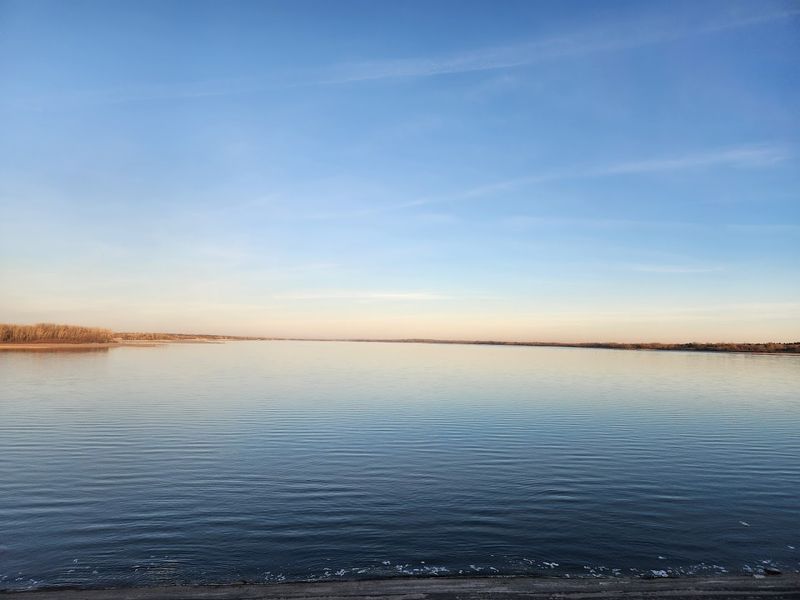
Early mornings at Calamus have a different quality altogether.
Before the boat engines start and the lake picks up its midday energy, the water sits nearly flat and the beach feels like it belongs entirely to whoever showed up first.
Swimming here is unsupervised, so the responsibility falls on visitors to read the water and make smart choices, but that also means there’s no whistle-blowing lifeguard interrupting a peaceful float.
Gradual depth increases along the sandy shoreline make the swimming areas approachable for families, though conditions can vary and awareness matters.
An upper section of the lake maintains a no-wake zone, which keeps that stretch noticeably calmer even when the rest of the reservoir gets busy with motorized traffic.
Swimming is not permitted within 50 yards of boat ramps and docks, so it’s worth scoping out the right stretch of shore before settling in.
Getting there early isn’t just about avoiding crowds – it’s about catching the lake in its quietest, most unhurried version.
The light is softer, the sand is undisturbed, and the whole place feels like a secret that hasn’t been shared yet. That kind of morning is hard to replicate later in the day.
Bring A Picnic That Can Handle A Little Sand
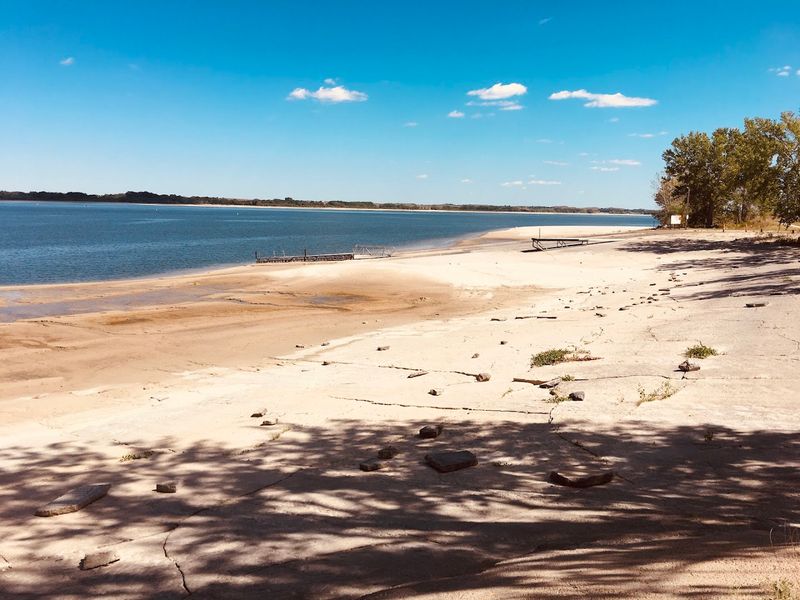
Picnicking at Calamus isn’t a side activity – for a lot of visitors, it becomes the whole point of the afternoon.
Picnic tables are spread across the grounds, and the wide-open setting gives lunch a different feeling than eating at a park closer to town.
There’s something about a big sky overhead and sand underfoot that makes a simple meal feel more deliberate and satisfying.
Designated picnic areas are available throughout the recreation area, and the natural surroundings do most of the work when it comes to atmosphere.
The sound of water, the occasional bird overhead, and the general quiet of the Sandhills create a backdrop that’s hard to manufacture elsewhere.
Packing a cooler with enough food to last the whole afternoon is a smart move, since the nearest town is a few miles out.
Wind is a regular feature in the Sandhills, so weighted containers and a blanket that can be anchored down will save a lot of chasing.
Containers with secure lids and bags that close properly make the whole experience smoother.
A picnic here tends to stretch naturally into a longer stay, which is exactly what this place seems designed to encourage.
Watch The Sandhills Do Their Slow, Golden Magic
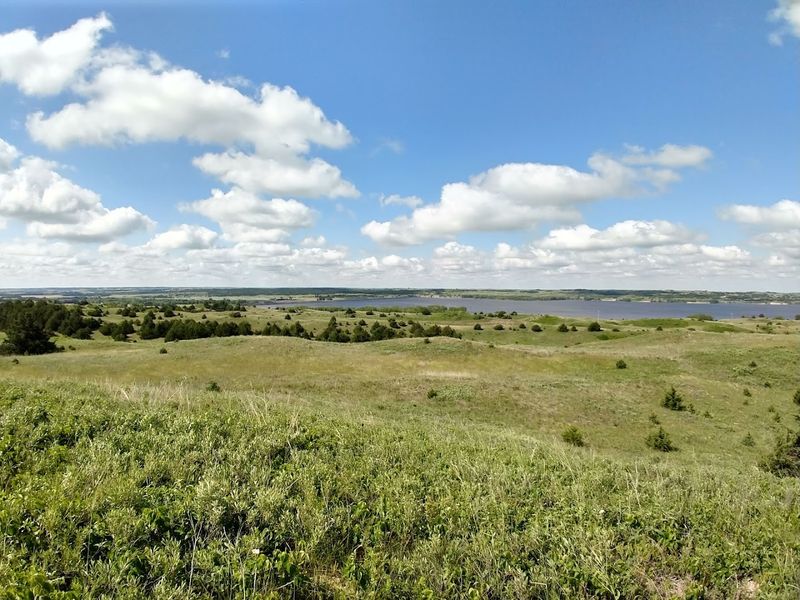
The scenery around Calamus Reservoir rewards patience more than activity.
About 1.2 miles of the Calamus River and 3.5 miles of other streams wind through the recreation area, adding movement and texture to a landscape that already has a lot going on.
Native forbs mix with the grasses, bringing small seasonal color changes that shift the mood of the place depending on when a visit happens.
Fall is especially worth noting here. Crisp air settles into the Sandhills in a way that feels clean and unhurried, and the grasses shift to deeper golds and tawny browns that catch afternoon light beautifully.
Even in summer, the rolling hills surrounding the lake create a sense of scale that’s genuinely hard to appreciate from a moving vehicle – it asks to be seen from a still spot.
Sitting quietly near the water and just watching the landscape do its thing is not a passive experience here.
The open sky feels enormous, the grassland moves in waves with the wind, and the lake reflects whatever the sky is doing at any given moment.
Calamus has the kind of scenery that gets bigger and more interesting the longer a visitor stays still and lets it settle in.
Turn The Reservoir Into A Full Camping Weekend
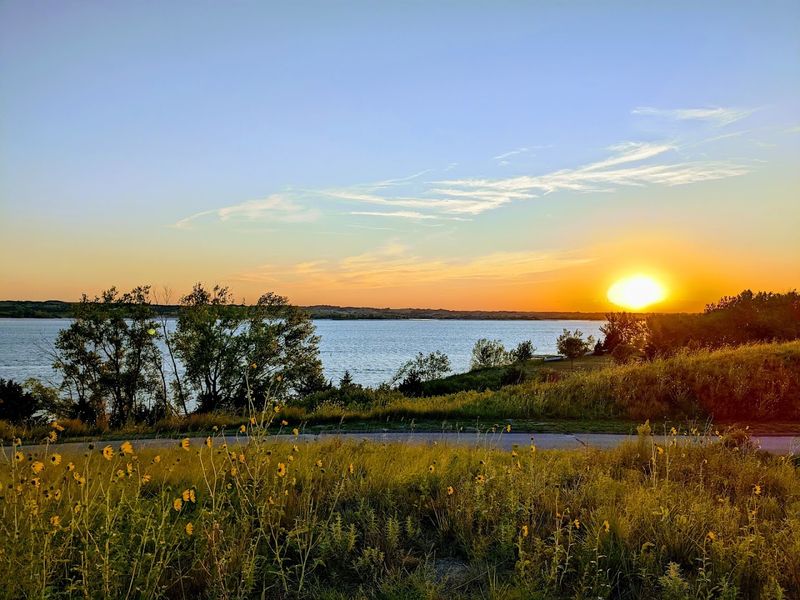
Spending more than a day at Calamus makes a lot of sense once the rhythm of the place sets in.
The recreation area offers three main campgrounds – Homestead Knolls, Nunda Shoal, and Valley View Flat – along with camping at Hannaman Bayou.
Modern sites come with 30/50 amp electrical hookups, and primitive tent camping is also available for those who prefer to keep things simple.
Showers, modern restrooms, and a dump station are available on-site, which takes some of the logistical pressure off a longer stay.
Some showers are coin-operated, so bringing quarters is a practical move. Vault toilets are also present in various areas of the park for campers spread across different sections of the grounds.
Reservations are recommended for peak season stays, while some sites remain available on a first-come, first-served basis.
Camping is also permitted in designated parking spots within Valley View Flat and Hannaman Bayou campgrounds, which adds flexibility for different setups.
A Nebraska State Park Permit is required for all vehicles entering the park, and that’s a separate cost from any camping fees.
Use The Boat Ramps For A Bigger Lake Day
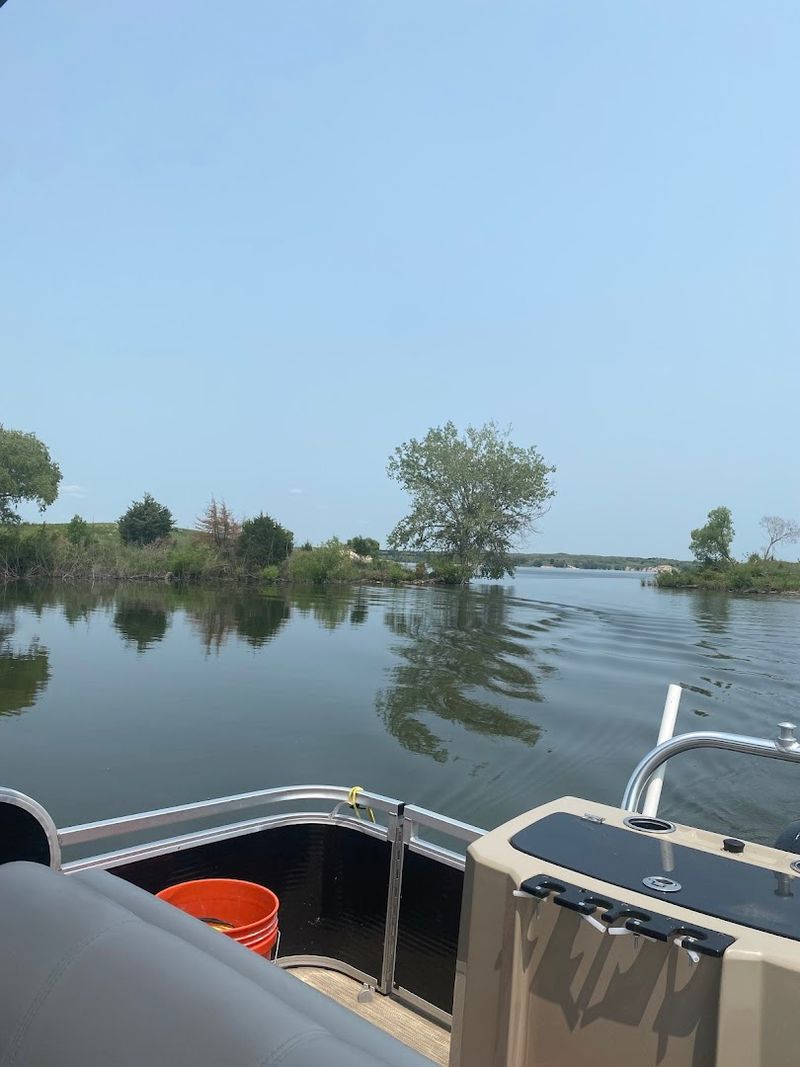
Five boat ramps give the reservoir serious infrastructure for a full water day.
Generally open from spring through fall, these ramps accommodate both motorized and non-motorized watercraft, making the lake accessible to a wide range of visitors with different equipment and different plans.
Boating, waterskiing, tubing, jet skiing, sailing, kayaking, paddleboarding, and windsurfing are all popular activities out on the water.
Speed limits of five miles per hour or less are enforced in designated fishing areas, which helps keep those zones calmer and safer for anglers working the shallows.
Outside of those restricted areas, the lake opens up considerably, and the 10-mile length gives plenty of room to run without feeling crowded.
Boat rentals may be available through local vendors, though confirming availability in advance is a smart step before planning around that option.
The combination of five launch points spread around the lake means less waiting and more flexibility for choosing where to put in based on the day’s plans.
Arriving with a clear idea of what the day looks like – fishing versus skiing versus a slow paddle – helps narrow down which ramp makes the most sense.
The lake can handle a busy summer Saturday without feeling chaotic, which is a genuine asset for a reservoir this size.
Cast A Line Where Fishing Is Part Of The Reputation
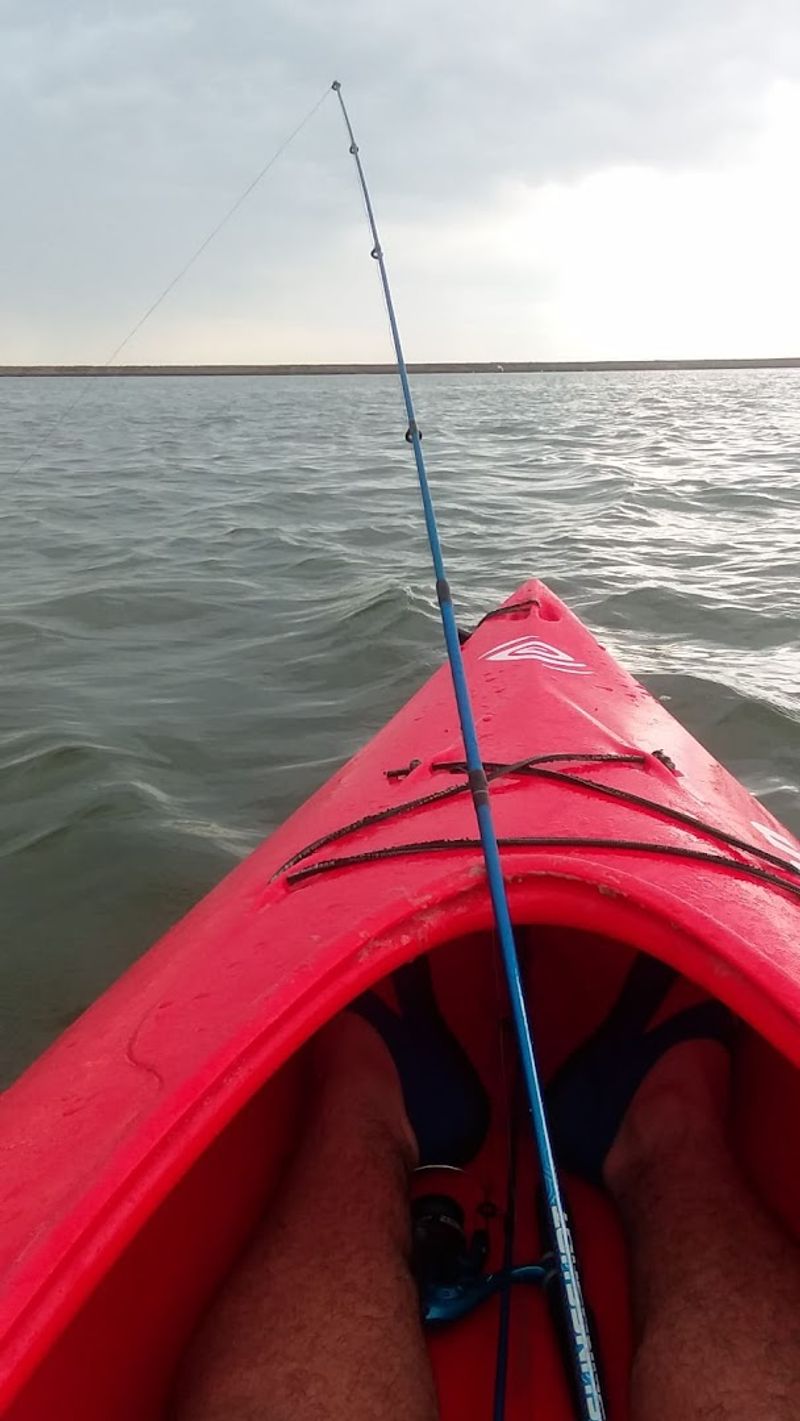
Fishing at Calamus isn’t just tolerated – it’s one of the main reasons people make the drive out here.
The reservoir holds an impressive variety of species including walleye, white bass, wipers (hybrid striped bass), channel catfish, carp, drum, crappie, muskie, northern pike, and yellow perch.
That kind of range means anglers targeting very different species can all find something worth chasing depending on the season.
Walleye tend to be a popular target in spring and early summer, while white bass, wipers, and catfish draw more attention through the warmer summer months.
Two fish cleaning stations are available on-site, which is a practical convenience that signals how seriously fishing is taken here.
Having a proper station means wrapping up a good day on the water without the mess of doing everything back at camp.
Gracie Creek Pond, which adjoins the main reservoir, is regularly stocked with rainbow trout and features a handicapped-accessible fishing dock, making it a solid option for visitors who want a more accessible or calmer fishing experience.
Nebraska fishing regulations apply throughout the area, so checking current rules before heading out is always worth the few minutes it takes. Calamus has earned its fishing reputation genuinely.
Stay Late Enough For The Reservoir To Show Off
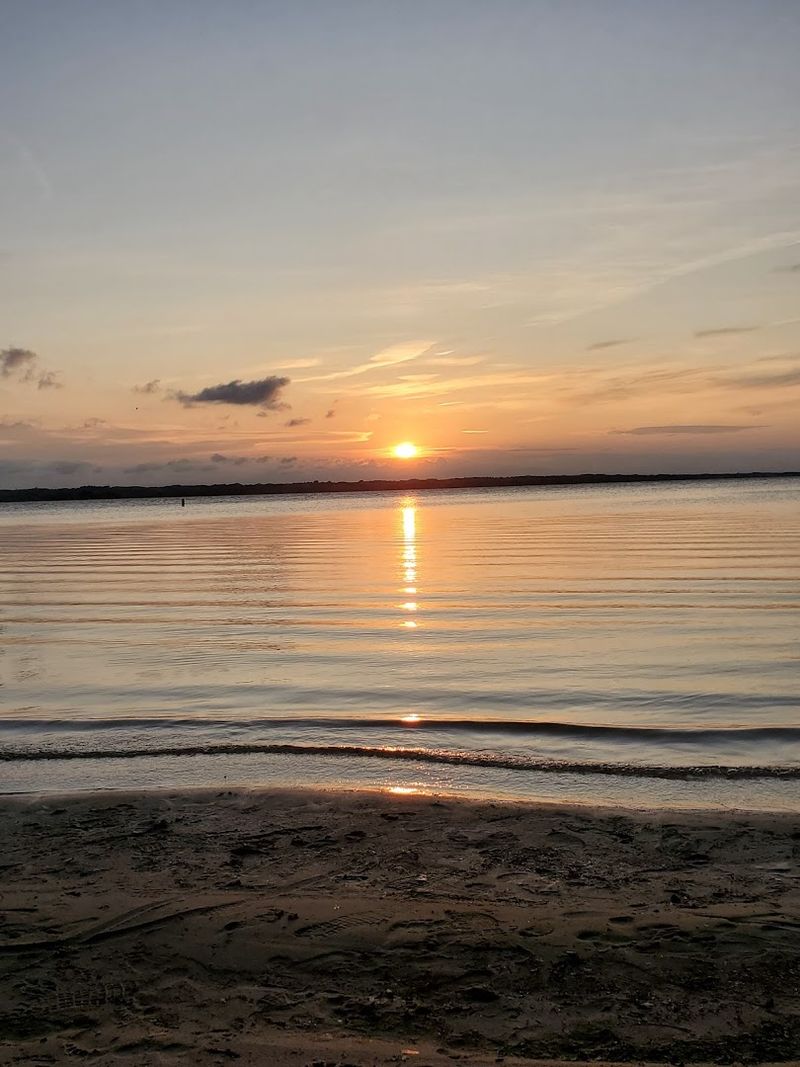
Sunset at Calamus is one of those things that happens whether visitors plan for it or not, but the ones who stay on purpose tend to feel like they made the right call.
Wide water, pale sand, and an open Sandhills sky create a combination of light and reflection that shifts quickly and rewards attention.
The colors that move across the lake surface in the last half hour of daylight are genuinely different from what most inland sunsets produce.
As the louder energy of a full lake day settles down – boats returning to the ramps, kids wrapping up their last swim – the whole atmosphere at the reservoir changes noticeably.
The sounds get quieter, the light gets warmer, and the scale of the landscape becomes easier to feel.
Sitting near the waterline as the sun drops toward the Sandhills horizon requires no planning, no gear, and no particular skill.
Evening also tends to bring cooler temperatures that make the sandy beach more comfortable than it was at peak afternoon heat.
Staying through sunset naturally transitions into a quieter camp evening, especially for those spending the night.
The reservoir at dusk has a different personality than the reservoir at noon, and both versions are worth experiencing during the same visit.