This Idaho Storybook Cathedral Is The Last Thing You Expect To Find In Downtown Boise
Nothing prepares you for this building downtown. You round a quiet corner and simply freeze in place.
A stone facade soars where you expected shops and cafes. Idaho hides a cathedral that looks lifted from medieval Europe.
Ornate detailing climbs toward a soaring, hushed inner sanctuary. It is probably among the most jaw-dropping sights in the whole Northwest.
I found it on a quiet Tuesday and lost my breath. Most people picture only mountains and potato fields here.
This one grand building quietly rewrites that lazy assumption. It feels impossibly grand for its unassuming little block.
How does a place like this hide in plain sight?
A Cathedral That Rewrites Boise’s Story
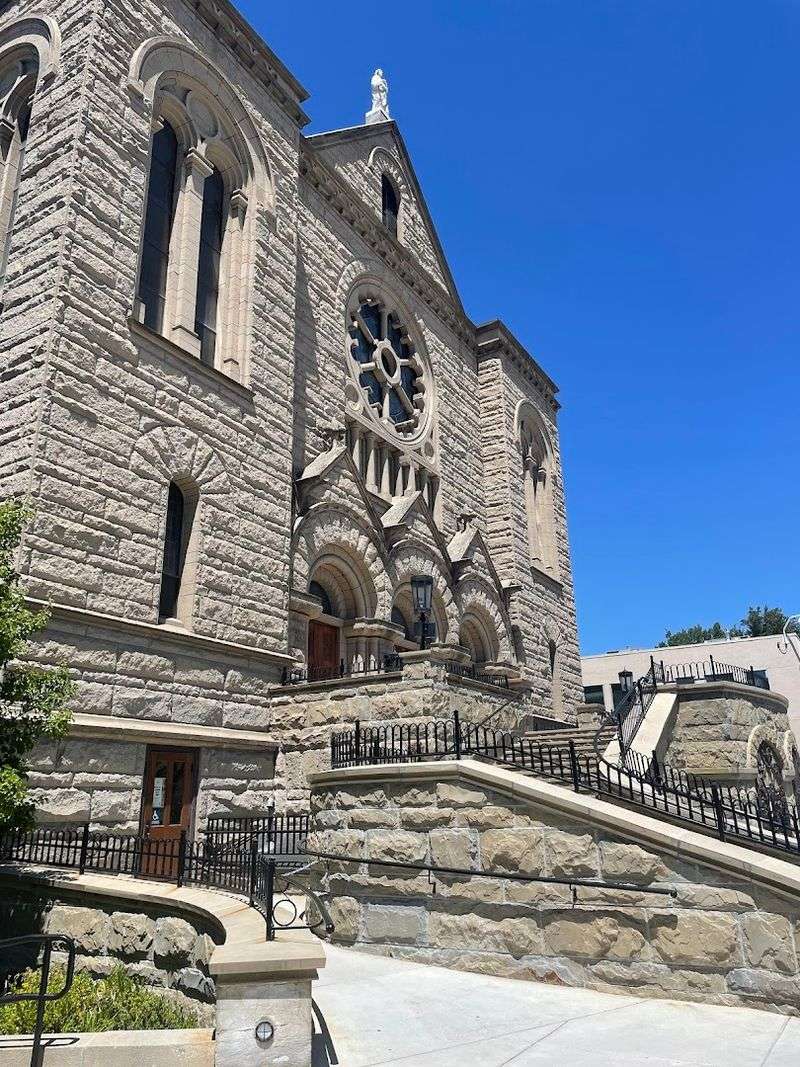
Nobody expects a Gothic-style cathedral to anchor a block in downtown Boise. Yet here it stands, bold and breathtaking in Boise.
The Cathedral of Saint John the Evangelist has been part of Idaho’s landscape for well over a century, and it carries that history in every carved stone and arched doorway.
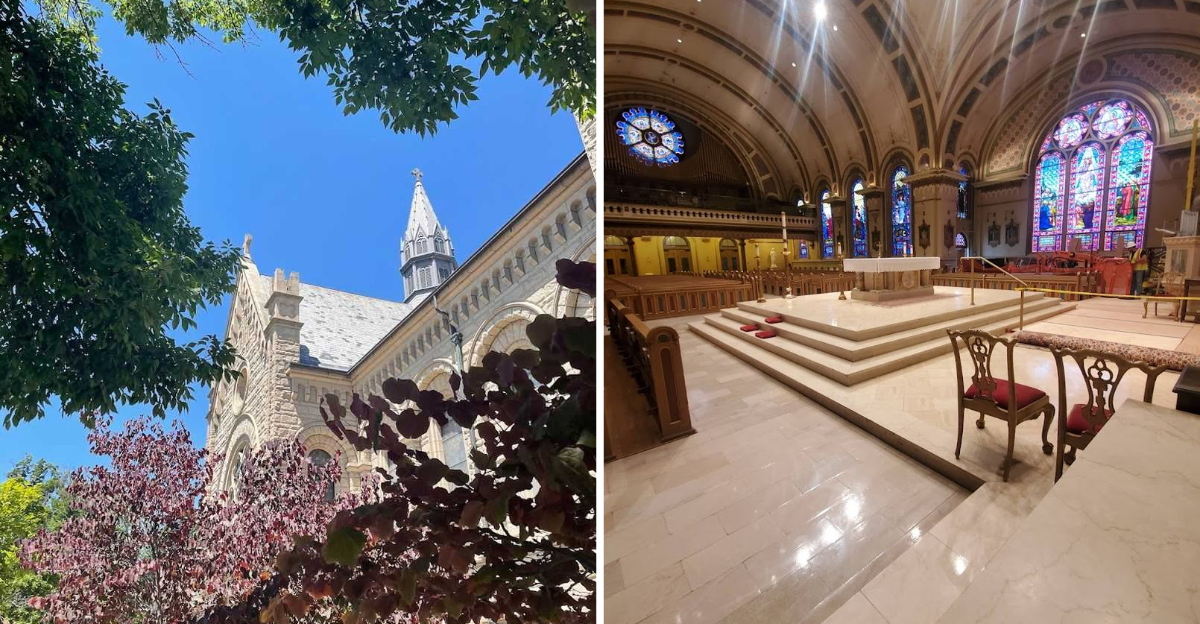
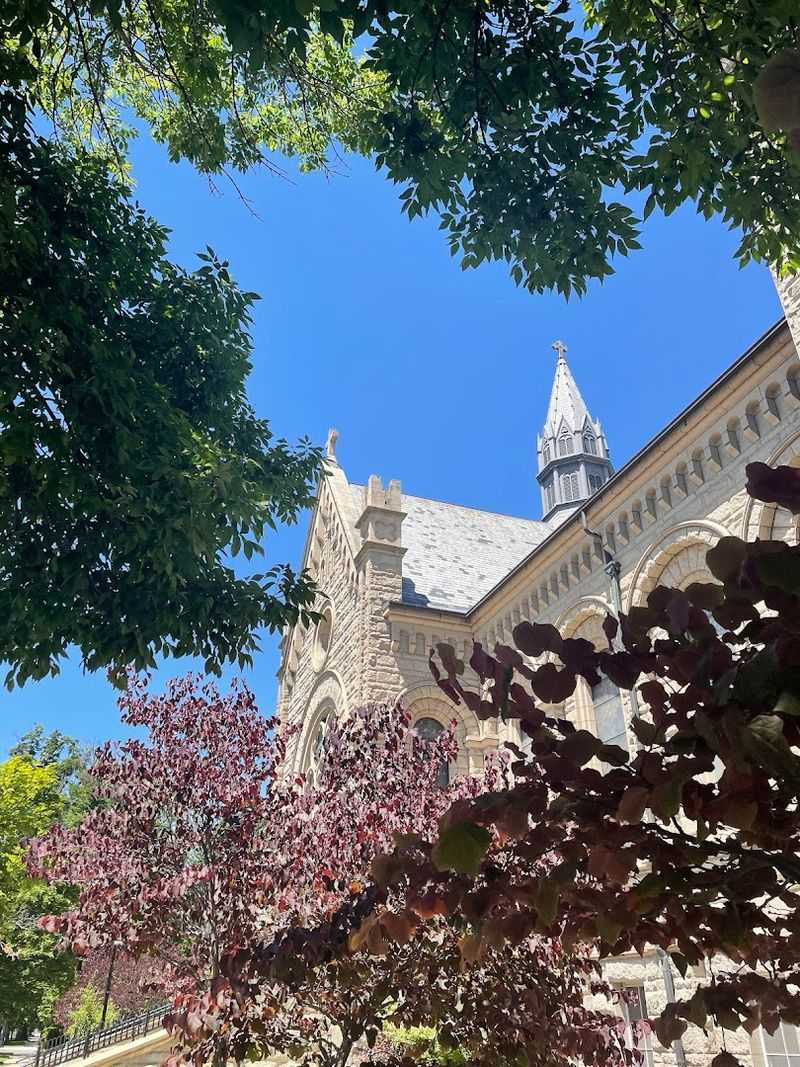
The building commands attention from half a block away. Its twin towers stretch upward with confidence, framed against the wide Idaho sky.
The stonework is detailed in a way that feels almost impossible to achieve today, with layered textures and carved accents that reward a slow, careful look.
For a city often associated with outdoor adventure and western grit, this cathedral is a genuine architectural surprise. It signals that Boise has always had depth, culture, and ambition beyond what the postcards typically show.
Walking up to its entrance for the first time feels like flipping to a chapter of local history that most visitors never find. That alone makes the trip worthwhile.
Gothic Architecture In The Mountain West
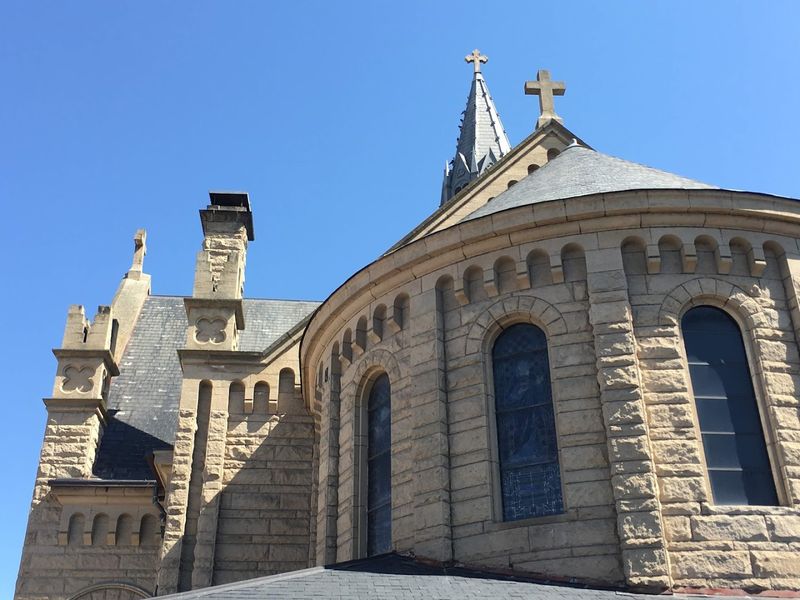
Gothic architecture has a specific language, and this cathedral at 807 N 8th St speaks it fluently.
Pointed arches, pointed arches, soaring vertical lines, decorative stonework, and Gothic Revival detailing that draw the eye upward are all present here in abundance.
The style was chosen deliberately, meant to inspire awe and signal permanence a young Idaho state still establishing its identity.
The facade features layered stonework that catches light differently depending on the time of day. Morning light gives it a warm golden tone.
By afternoon, shadows deepen the carved details and make the whole structure feel even more dimensional and alive.
Most Gothic cathedrals of this scale exist in larger American cities or across Europe. Finding one of this quality in the Mountain West is genuinely rare.
Idaho does not have a long list of buildings that match this level of architectural ambition, which makes the Cathedral of Saint John the Evangelist stand out even more sharply against the regional backdrop.
Architecture fans who travel specifically to photograph historic buildings will find this stop fully worth the detour.
Stained Glass That Stops You Cold
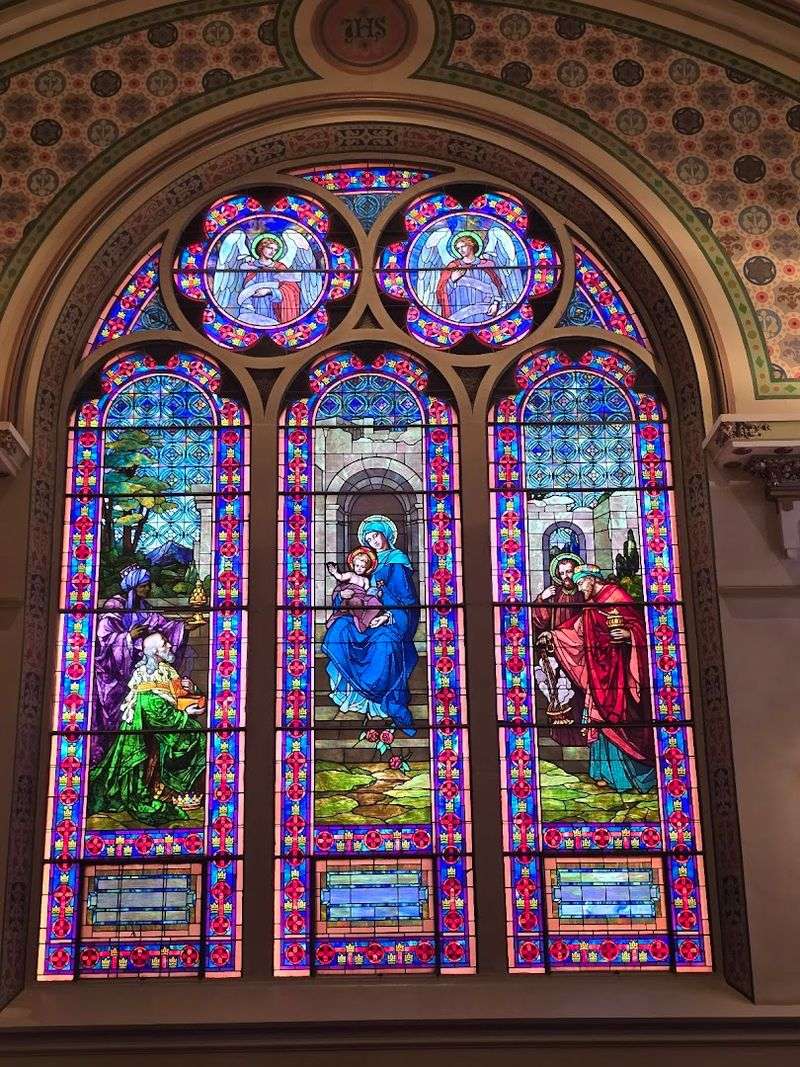
The moment you step inside, the stained glass takes over.
Floor-to-ceiling windows line the nave, each one depicting a scene from scripture with vivid colors and careful detail. Blues, reds, and golds shift as the light moves through the day, casting patterns across the stone floors and wooden pews.
Each window tells its own story. Some panels follow the life of Christ in sequential scenes, almost like a visual timeline that wraps around the entire interior.
Others focus on saints and symbolic imagery, giving the space a layered narrative that rewards multiple visits and patient observation.
Stained glass of this caliber is typically found in centuries-old European churches. The fact that Idaho has a collection this rich and this well-preserved inside a working cathedral is something locals should genuinely celebrate.
I spent nearly twenty minutes just standing in one spot, watching the light shift across a single panel. The colors are saturated and precise, not faded or dulled by time.
If you visit on a bright morning, the effect is almost cinematic.
The Sanctuary’s Quiet, Powerful Interior
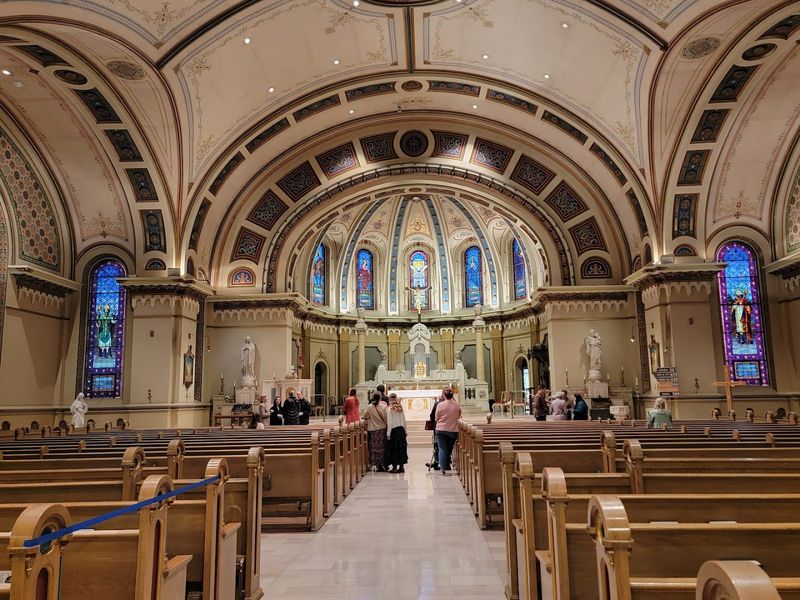
Inside, the scale of the space becomes fully clear.
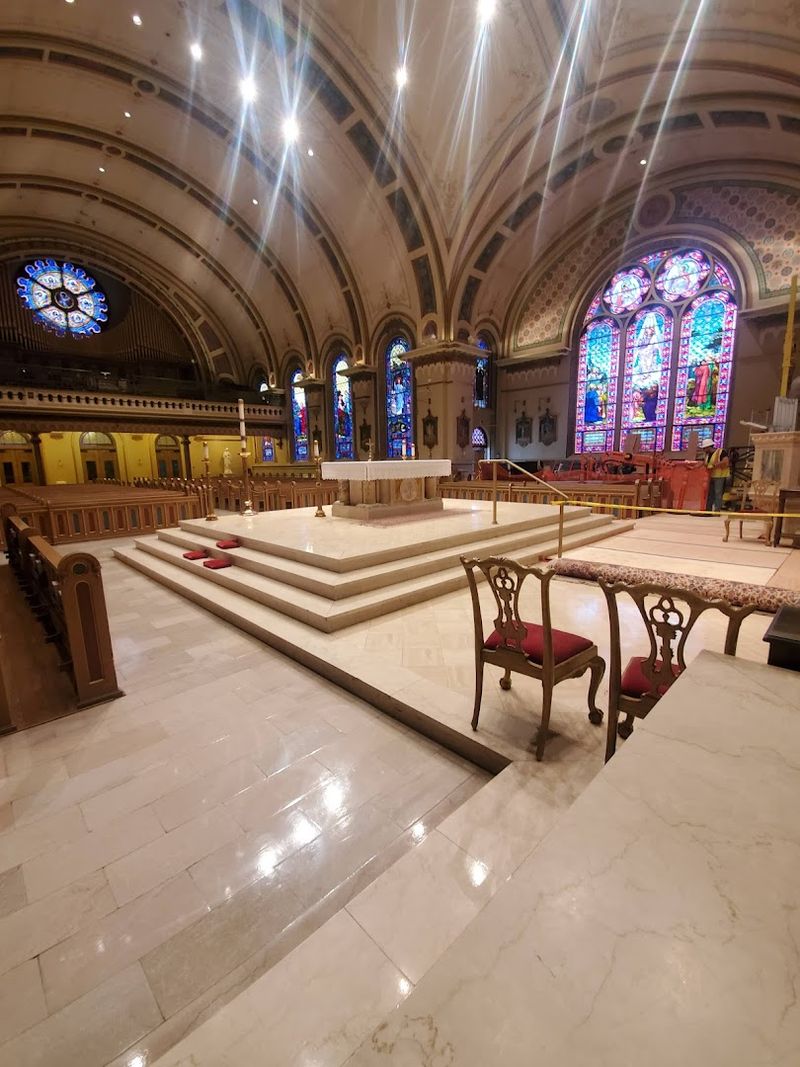
The nave stretches deep and tall, with a vaulted ceiling that amplifies every sound into something that feels deliberate and meaningful. Even a whispered word carries here, which gives the interior a sense of weight that is hard to shake once you have felt it.
Marble surfaces appear throughout the sanctuary. The altar area is particularly ornate, with carved stonework framing the focal point of the space in a way that feels both grand and focused.
Everything is arranged to direct attention forward and upward, which is exactly what Gothic sacred architecture was always designed to do.
The pews are solid and well-maintained, arranged in long rows that emphasize the depth of the room. Visitors who come simply for the architecture are welcome to sit quietly and take it all in.
The Cathedral of Saint John the Evangelist is open to the public during weekday hours, and the atmosphere inside is calm and unhurried.
Even without attending a Mass, the sanctuary offers something rare in a busy downtown setting: genuine stillness.
A First-Class Relic Worth Knowing About
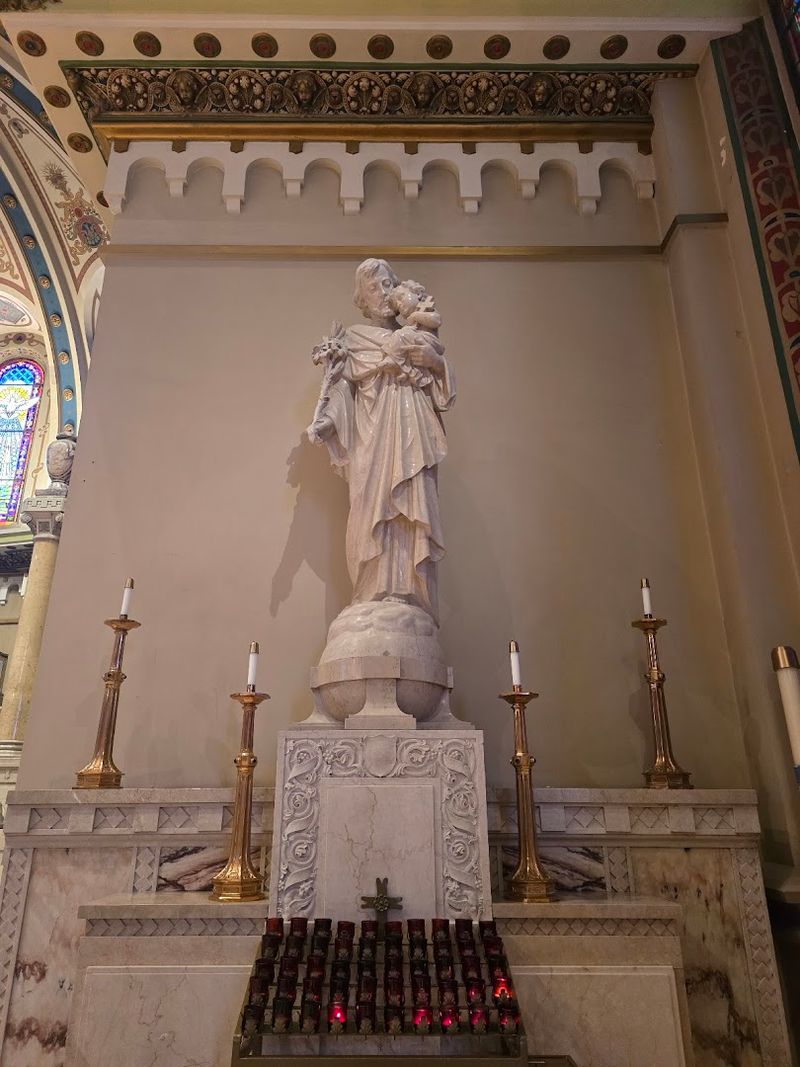
Among the cathedral’s most remarkable holdings is a first-class relic of the Holy Cross.
This is not a common find in American churches, and its presence here adds a layer of historical and spiritual significance that sets this cathedral apart from most Catholic parishes in the western United States.
First-class relics are fragments directly associated with a saint or sacred event, and they are treated with the highest level of reverence within Catholic tradition.
The relic here is displayed with appropriate care, housed in an ornate setting that complements the overall richness of the cathedral’s interior design.
For visitors with an interest in Catholic history or sacred objects, this is a genuinely meaningful stop. The relic connects this Idaho cathedral to a much longer and broader story of faith, one that stretches back through centuries of Christian tradition.
It is a reminder that the Cathedral of Saint John the Evangelist is not simply a beautiful building. It is an active, living institution with deep roots and a careful sense of its own place in history.
Music And Worship That Fill The Space
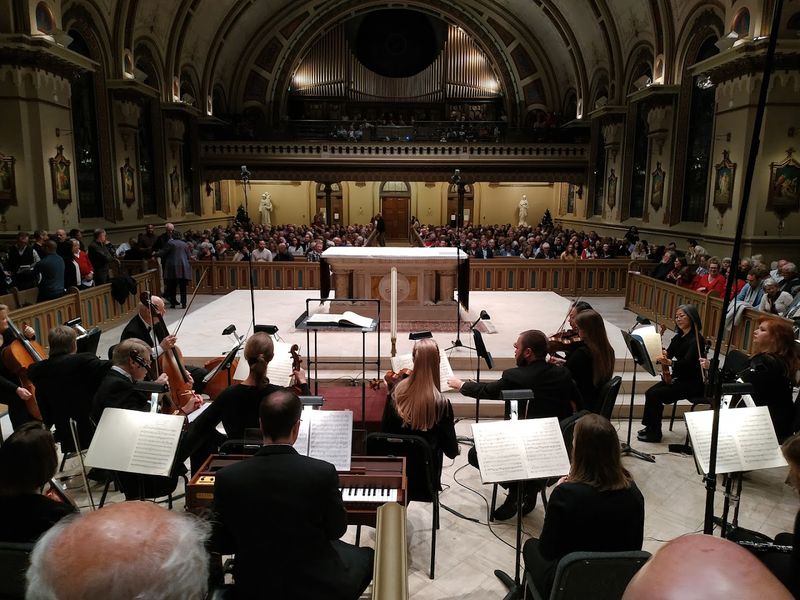
The acoustics inside this cathedral were clearly considered during the building’s design.
Sound moves through the space in a way that makes choral music feel enormous and enveloping. The choir at this cathedral has a strong reputation locally, and attending a Mass here means hearing voices rise into that vaulted ceiling in a way that is genuinely moving.
The cathedral has hosted large-scale musical performances over the years, including performances of Handel’s Messiah.
Events like that draw audiences from across Idaho and beyond, turning the building into a concert venue that matches its visual drama with an equally impressive sonic experience. The pipe organ contributes a full, resonant sound that fills every corner of the nave.
Even a regular weekday Mass here carries a sense of occasion. The music program is active and well-supported, with trained voices and skilled instrumentalists contributing regularly to the liturgical calendar.
Visitors who arrive expecting a quiet, routine church service often leave having experienced something far more layered and memorable.
Community Life Beyond The Pews
This cathedral is not a museum piece. It is a fully active parish with a community that extends well beyond Sunday worship.
The parish serves a wide range of people across Boise and the surrounding Idaho region, with programming that covers education, outreach, and community engagement throughout the year.
The parish school sits adjacent to the cathedral, which gives the entire block a sense of ongoing, daily life. Families move through the area on weekday mornings, and the grounds have a purposeful energy that feels distinct from a purely tourist destination.
Newcomers and visitors are consistently welcomed here.
The community has a reputation for warmth toward people attending for the first time, whether they are lifelong Catholics, curious travelers, or simply architecture enthusiasts who wandered in from the street.
That openness gives the Cathedral of Saint John the Evangelist a personality that goes beyond its impressive physical presence.
It is a place where the building and the people inside it are equally worth your attention, and where showing up as a stranger rarely feels awkward for long.
Practical Tips For Your Visit
Planning your visit takes a little thought, but not much.
The cathedral is open to the public Monday through Thursday from 9:30 AM to 4 PM, and on Fridays from 9:30 AM to noon. It is closed on weekends for private parish use, so arriving on a weekday is essential if you want to explore the interior freely.
Parking is available both on the street and in a dedicated church lot nearby. The building also has a handicap-accessible entrance, which makes it easy for visitors with mobility needs to experience the full interior without restriction.
There is no admission charge to enter. Visitors are welcome to walk through the nave, admire the stained glass, and sit quietly in the pews.
Photography is generally permitted in the public areas, though common sense and respect for any ongoing services should guide your behavior.
Idaho’s weather is generally mild in spring and fall, making those seasons ideal for combining a cathedral visit with a broader downtown Boise walking tour. Comfortable shoes and a camera with a wide-angle lens will serve you well here.