An Idaho Wildlife Rescue That Rehabilitates Over 3,000 Injured Wild Animals Yearly
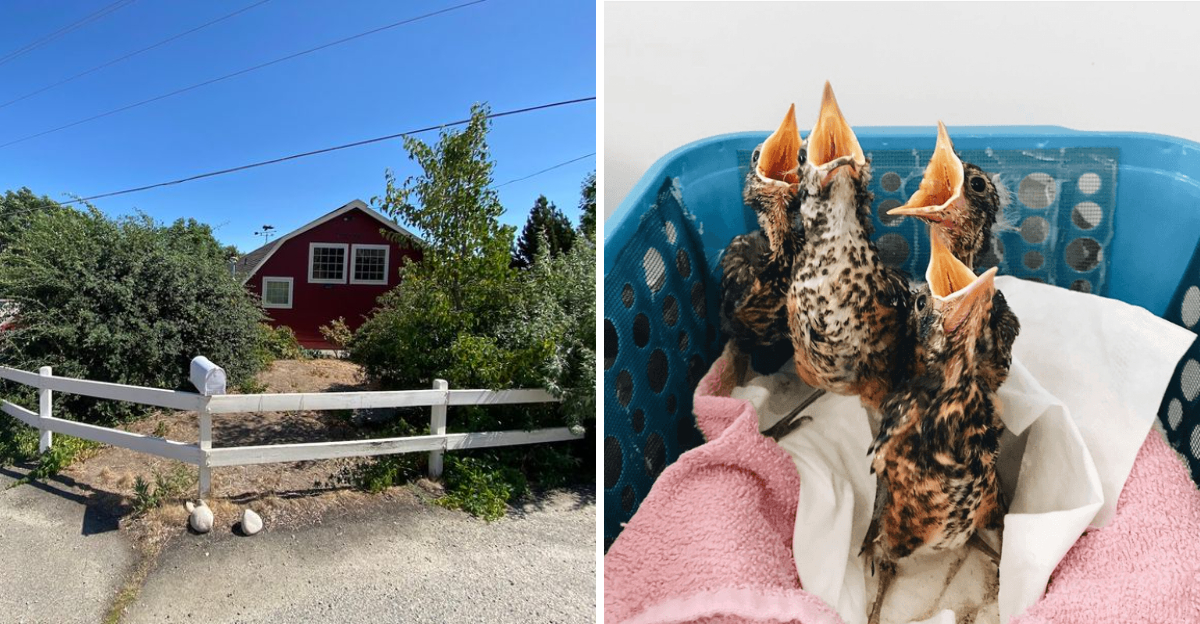
Human kindness looks especially powerful when it shows up with gentle hands, steady patience, and a safe place for injured wildlife to heal.
Every year, this dedicated rescue center gives more than 3,000 wild animals a second chance, which is the kind of quiet work that deserves far more attention than it gets.
Tiny birds arrive fragile and frightened, while injured raptors bring a different kind of urgency.
Caring people step in with skill instead of noise, helping each creature recover as nature intended.
Nothing about the mission feels flashy. That is what makes it so moving.
Sometimes humanity looks best when wings heal, strength returns, and the sky gets one more life back in Idaho.
Where Injured Idaho Wildlife Gets A Second Chance
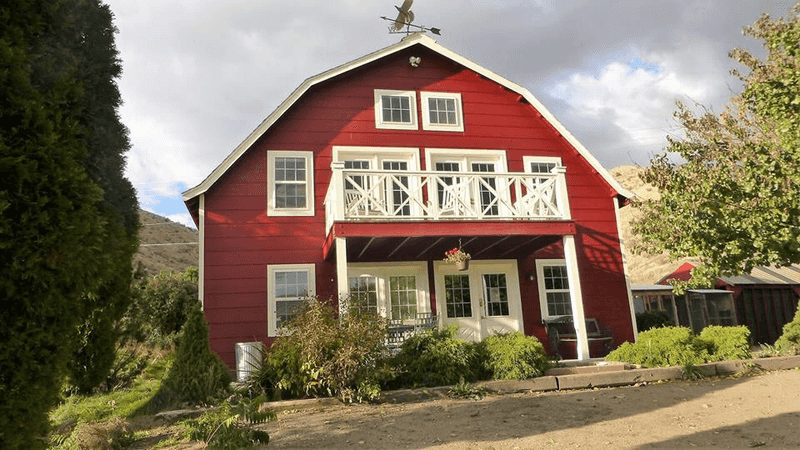
A single cardboard box can carry an entire rescue story through the door.
At 4650 N. 36th Street in Boise, the Animals In Distress Association and Ruth Melichar Bird Center cares for wild animals brought in by people who find them injured or in trouble.
Some arrive after window strikes, vehicle encounters, storms, or run-ins with outdoor pets. Others are young animals separated from their parents before they can survive alone.
Care begins with a careful assessment. Rehabilitators look at injuries, hydration, age, stress level, and species-specific needs before deciding what each animal requires.
A songbird does not need the same care as a squirrel, duckling, hawk, or owl, so every case has to be handled with patience and skill.
What makes the center so important is its practical compassion. The goal is not to turn wild animals into pets.
Every feeding, enclosure, treatment, and quiet recovery period points toward one outcome: helping that animal return to Idaho’s wild places where it belongs.
The Boise Rescue Caring For Thousands Each Year
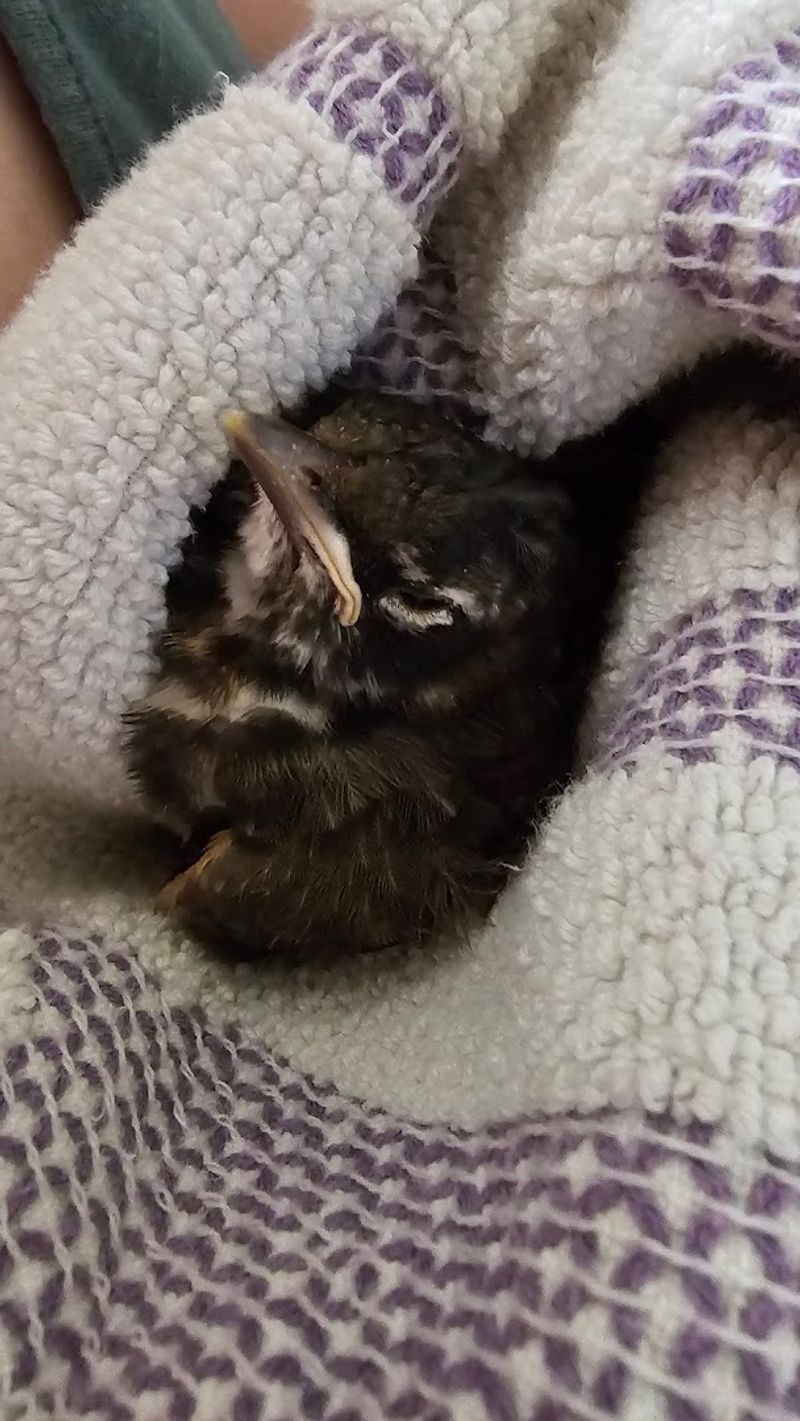
Caring for more than 3,000 wild animals in a year takes more than kindness. It requires time, training, supplies, volunteers, medical knowledge, and a steady rhythm of daily work that most people never see.
At this Boise rescue, feeding schedules, medication, enclosure cleaning, progress checks, and release planning all happen behind the scenes while the rest of the city goes about its day.
Wildlife emergencies rarely arrive politely during convenient hours. Injured birds, orphaned mammals, and distressed animals can be found early in the morning, late in the evening, or during a weekend family walk.
That is why having a trusted local resource matters so much for the Treasure Valley.
Community trust has grown because people know where to turn when they find an animal in trouble. Schools, neighborhoods, animal lovers, and everyday residents all help connect injured wildlife with the center.
Each rescue may look small in the moment, but together they add up to an extraordinary effort that quietly strengthens Idaho’s natural world.
Birds, Mammals, And Orphaned Animals In Expert Hands
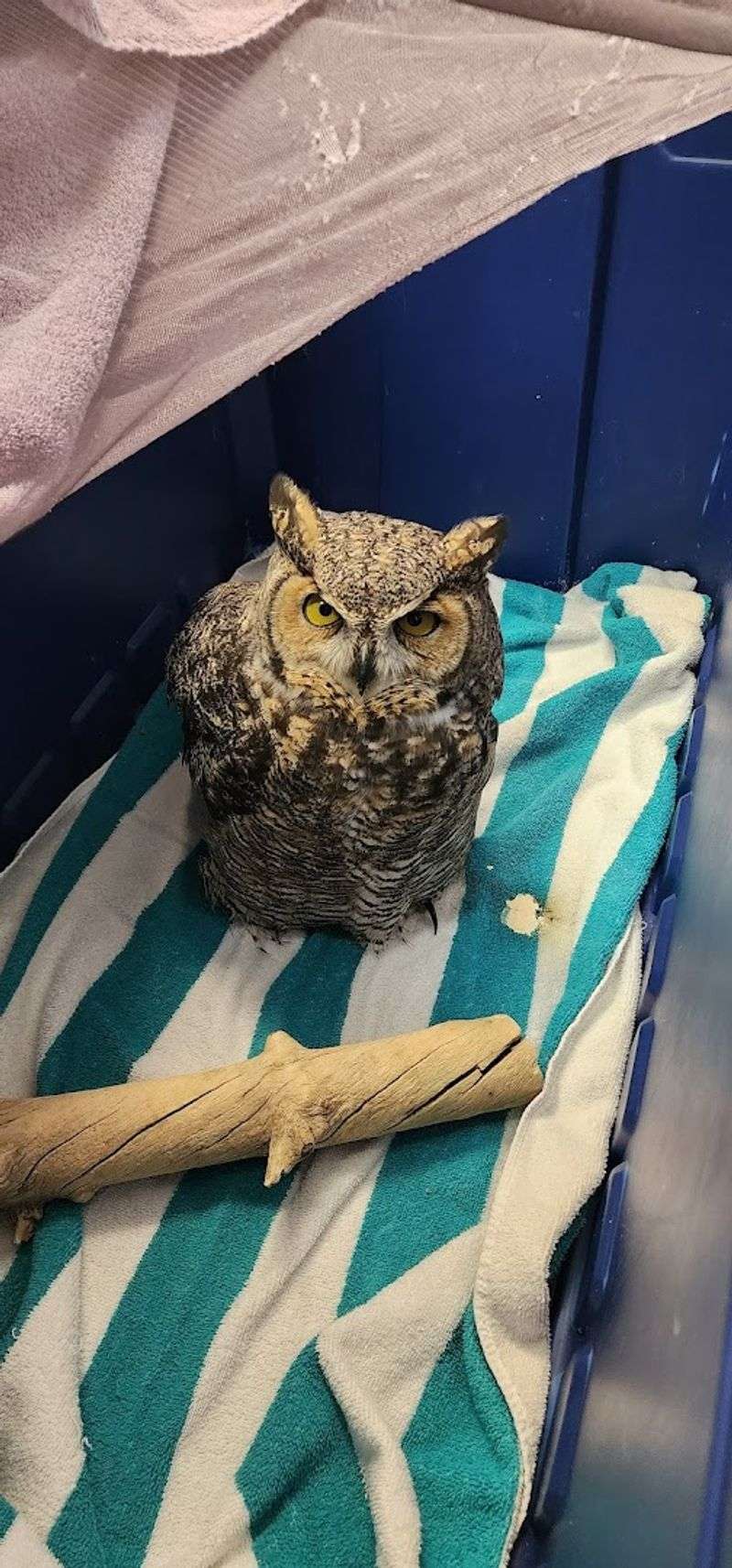
Tiny patients often need the most demanding care. Baby squirrels, ducklings, songbirds, hummingbirds, and young raptors can require frequent feeding, warmth, quiet, and careful handling before they are strong enough to grow toward release.
Rehabilitators must help them survive without making them comfortable around humans, which is one of the hardest balances in wildlife care.
Adult animals bring different challenges. A hawk may need flight conditioning after an injury.
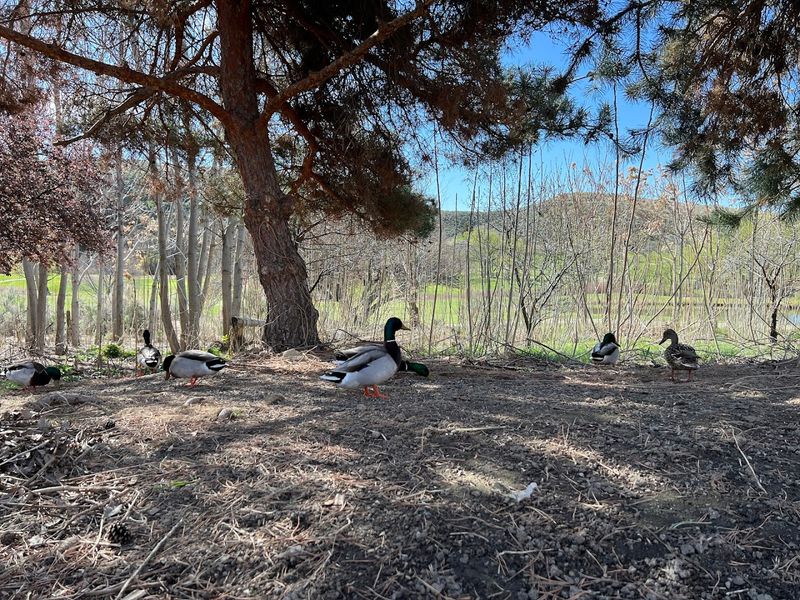
A waterfowl patient may need time to regain strength before returning to wetlands. A small mammal may need a recovery space that reduces stress while still encouraging natural behavior.
Each species has its own instincts, diet, movement, and release requirements.
The center’s value comes from that range. Many people do not know what to do when they find wildlife in distress, and guessing can make things worse.
Having trained rehabilitators available in Boise gives both animals and concerned residents a better path forward. The process is focused, respectful, and always centered on the animal’s future in the wild.
A Wildlife Hotline That Starts The Rescue Story
One phone call can change the outcome for an injured animal. For injured or orphaned wild birds, callers can reach the Ruth Melichar Bird Center at 208-338-0897.
For broader injured or orphaned wildlife guidance, AIDA lists its hotline at 208-367-1026. That guidance matters because good intentions can still cause harm when people handle wildlife the wrong way.
Advice may include how to contain an animal, when not to touch it, how to keep it warm and quiet, or when a young animal should be left alone because a parent may still be nearby.
A grounded bird, a cat-caught dove, a stunned window-strike victim, or a squirrel found after a storm all require different decisions.
The hotline gives residents confidence during stressful moments. Instead of searching online and hoping for the best, callers can get practical steps from people who deal with these situations regularly.
That first conversation often becomes the beginning of the rescue. Quick, calm direction helps protect the animal, the finder, and the chance of eventual recovery.
Ruth Melichar’s Bird-Lady Legacy Still At Work
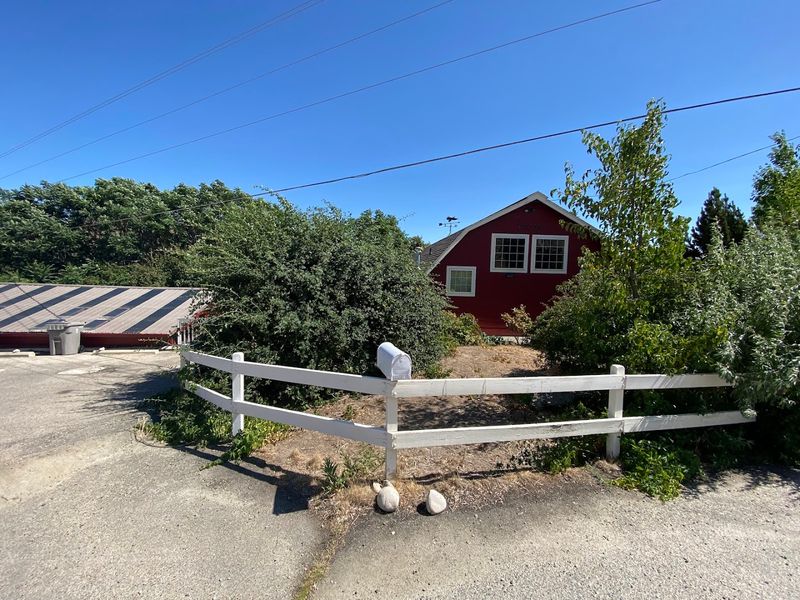
Long before many Boise residents knew where to take an injured bird, Ruth Melichar was already answering the call.
Known as the Bird Lady of Boise, she devoted years to helping injured and orphaned birds across Idaho, building a legacy rooted in patience, skill, and deep respect for wild creatures.
Her name remains central to the rescue’s identity for good reason.
The Ruth Melichar Bird Center carries that history forward every time a bird receives care. Her influence is not just sentimental.
It shapes the way the organization thinks about rehabilitation, public education, and the responsibility people have toward the wildlife living around them.
New volunteers and supporters become part of a story that began with one person’s determination to help animals most people might overlook. A sparrow, hawk, dove, owl, or hummingbird may be small against the size of Idaho’s landscape, but each one matters here.
Ruth’s legacy still feels active because the work continues in the same spirit: quiet, focused, and full of purpose.
The Quiet Rehab Center Behind So Many Wild Returns
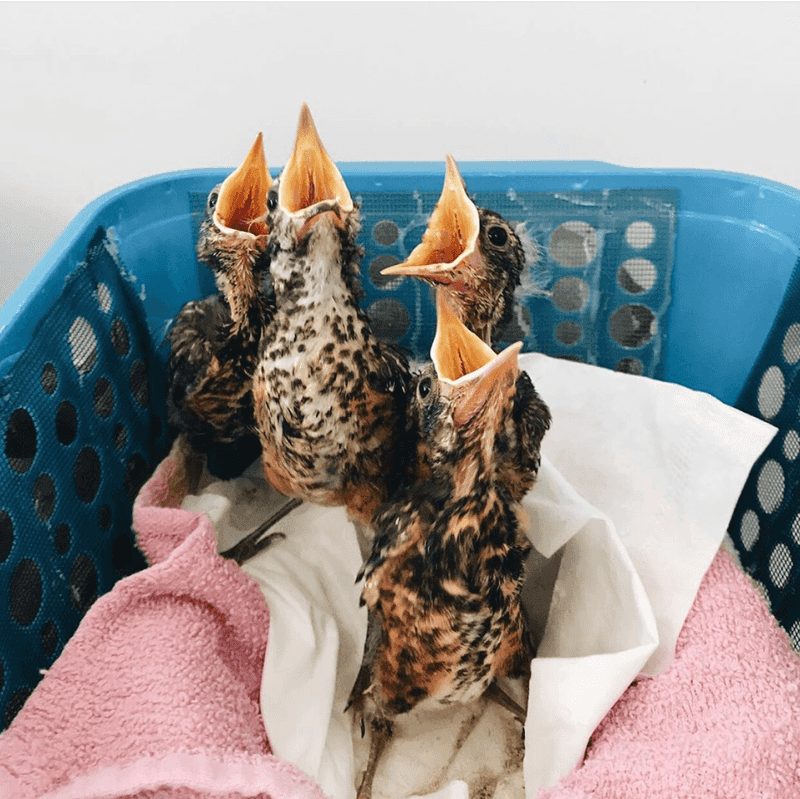
Most successful wildlife rehabilitation happens far from public attention. At the Boise center, recovery depends on steady routines that may not look dramatic from the outside but make all the difference.
Animals need clean spaces, proper diets, quiet surroundings, medical care, and time to rebuild strength without unnecessary stress.
Flight cages help birds test their wings before release. Recovery enclosures give mammals room to heal while still limiting contact with people.
Every setup has to support the animal’s wild instincts rather than soften them. A rehabilitated hawk needs to fly with confidence.
A young duck must be ready for water. A squirrel has to forage, climb, and respond like a wild animal again.
Release is the reward for all that careful work. Watching an animal return to the sky, trees, water, or open land is the moment every feeding and cleaning shift points toward.
Idaho’s wild places are healthier because this quiet center keeps giving injured animals the chance to go home.
Donation-Funded Care For Idaho’s Most Vulnerable Animals
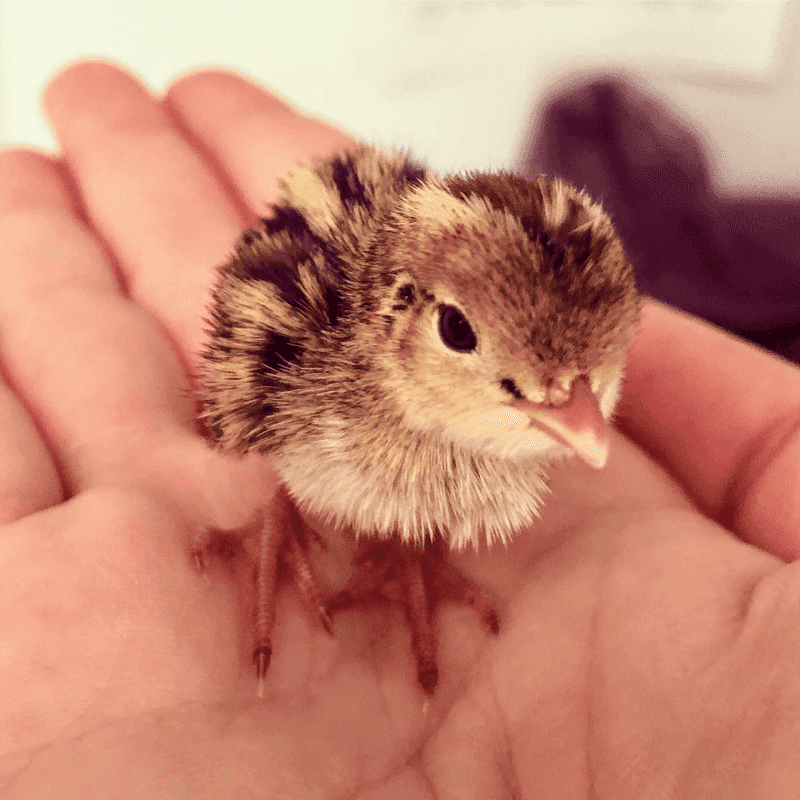
Wildlife care requires food, medicine, bedding, specialized enclosures, cleaning supplies, equipment, and trained hands. The Animals In Distress Association relies heavily on community support to keep that work moving, which makes donations more than a nice gesture.
They are part of the rescue system itself.
A small gift can help feed orphaned animals. Larger support can help cover medical supplies, facility needs, and ongoing rehabilitation costs.
In-kind donations may also stretch resources when the center has specific supply needs. Every contribution helps turn public concern into real care for animals that cannot survive on sympathy alone.
Idaho residents who care about local wildlife have a direct way to make an impact through this organization. Supporting the center means helping birds, mammals, and other native animals receive a real chance at recovery.
The benefit reaches beyond one rescued creature. When animals return to their habitats, the surrounding ecosystem gains back a life that might otherwise have been lost.
A Rescue Mission Built Around Releasing Animals Back Home
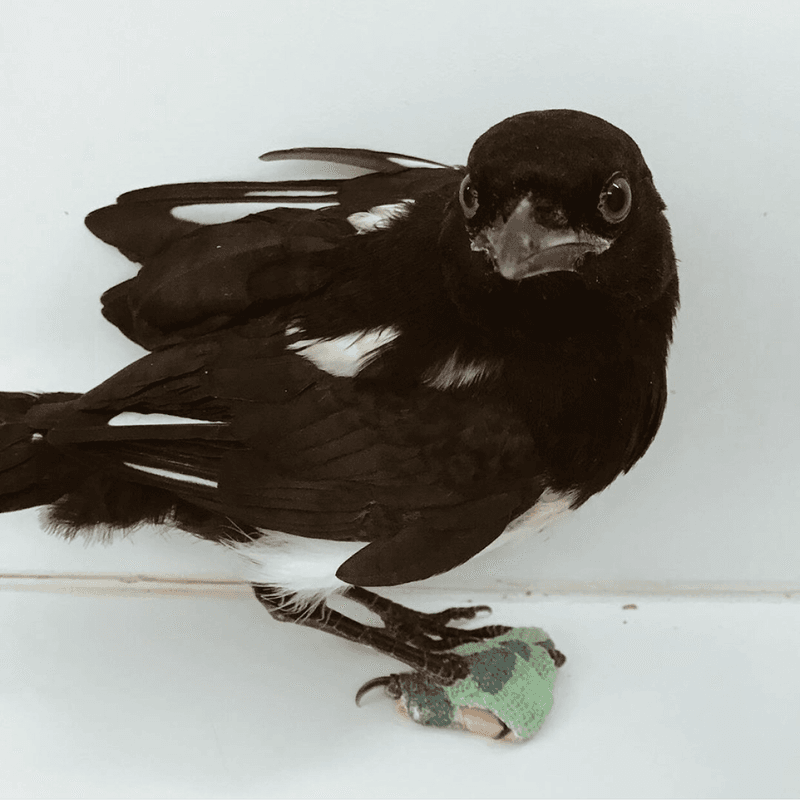
Release day is the reason the entire operation exists. Every treatment, feeding schedule, quiet enclosure, and careful decision is designed to help a wild animal return to the place it belongs.
The center is not trying to tame wildlife, display it, or make it dependent on people. Its mission is recovery followed by release whenever that outcome is possible.
Before an animal goes back to the wild, rehabilitators watch for readiness. Birds must fly strongly, mammals must move and forage appropriately, and young animals must show the instincts they need to survive away from human care.
Rushing the process would undo the work, so patience matters as much as compassion.
This mission gives the center its emotional power. An injured hawk lifting back into the air, a duck paddling away, or a young squirrel disappearing into cover represents more than a successful case.
It shows what can happen when people notice suffering, respond responsibly, and give Idaho’s wild animals the care needed to return home.