This Idaho Road Trip Feels Like A Fairytale With Waterfalls, Castle Rocks, And Hot Springs
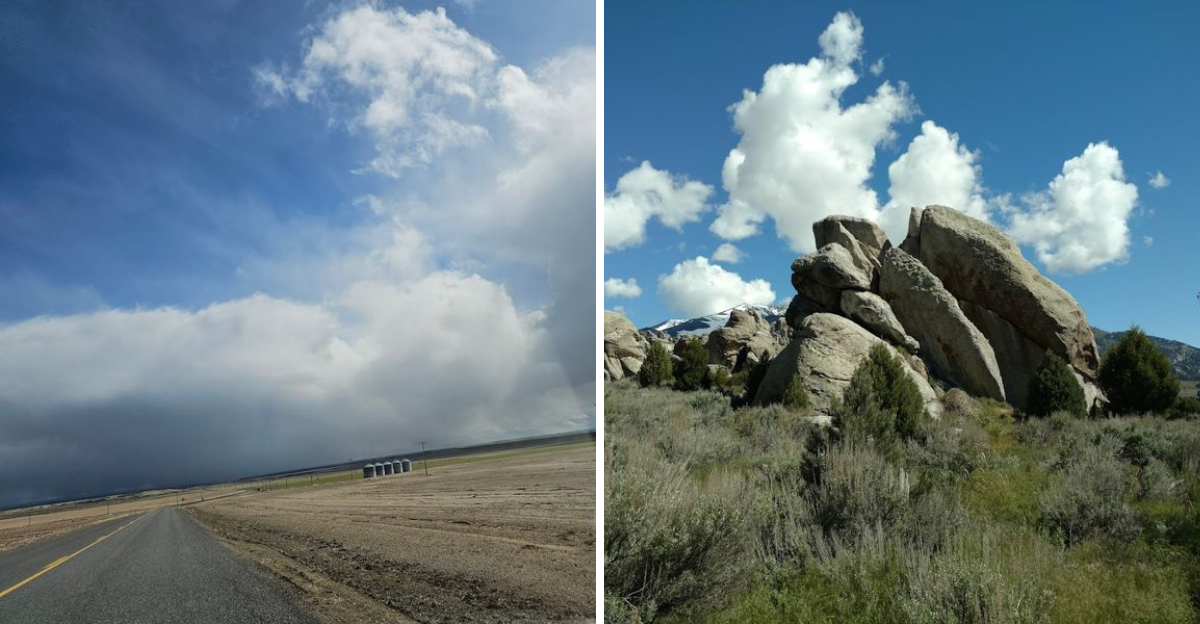
Some road trips feel like somebody handed the map a flair for drama.
This one keeps building the mood slowly, letting the scenery change before anyone is ready to stop staring.
The drive begins with water doing the loudest talking, then slips into country where the land looks older, stranger, and far more confident than a normal summer route should be.
Nothing about the day feels like a checklist.
That is what makes it work. The road keeps shifting under the tires, turning each new mile into another reason to stay curious.
A quiet town appears when the trip needs a breather, and the next bend brings the kind of view that makes the whole car go silent.
By the time the final stop starts feeling warm and calm, the drive has already done its best work.
Summer does not need fairy-tale language when the landscape can handle the magic on its own, especially in Idaho.
Twin Falls Starts The Trip With Canyon-Sized Drama
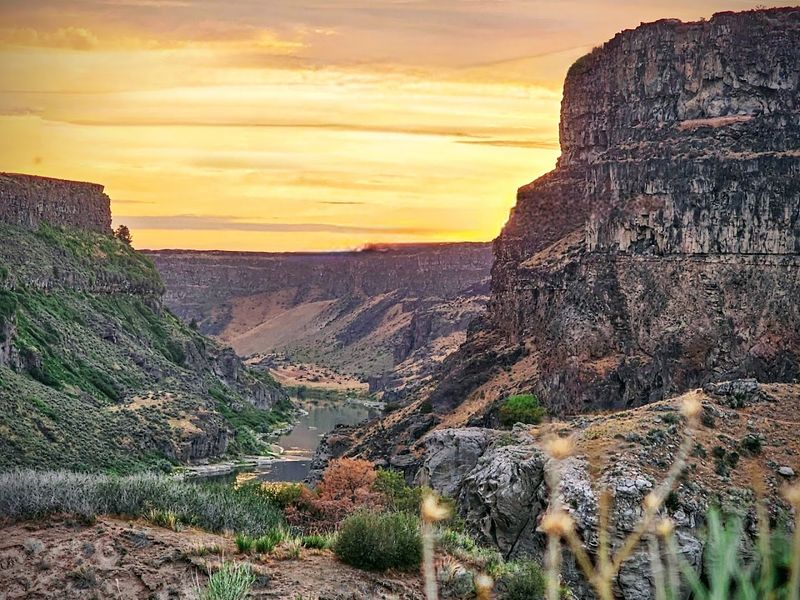
A first stop this dramatic creates a serious problem for the rest of the itinerary. Twin Falls opens the route with the Snake River Canyon, Shoshone Falls, the Perrine Bridge, and the kind of basalt scenery that makes a quick photo stop turn into a full wandering session.
Shoshone Falls Park sits at 4155 Shoshone Falls Grade Road, Twin Falls, ID 83301, and the city lists a $5 vehicle fee during the seasonal fee period from spring into fall.
The falls drop 212 feet, which is higher than Niagara Falls, though flow can vary sharply depending on season, irrigation demands, and water management.
Spring and early summer often bring the strongest show, while later months can look calmer but still scenic. Nearby, the Perrine Bridge spans the Snake River Canyon with a view that makes even non-photographers reach for a camera.
Watching BASE jumpers from the bridge area can add another jolt of drama when conditions and activity line up. Dierkes Lake offers a gentler add-on with swimming, fishing, picnic areas, and shaded places to recover from the canyon overload.
Starting here gives the trip an immediate sense of scale. The road has barely begun, and Idaho is already showing off.
Waterfalls Turn The Hagerman Stretch Into The Pretty Part
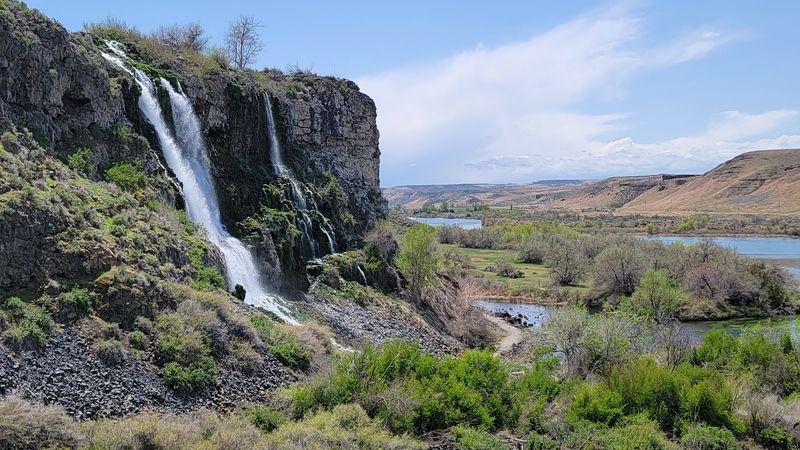
Spring water is the star once the route bends toward Hagerman.
Along this stretch, water pours from canyon walls, feeds creeks and rivers, and turns the landscape into something much greener and stranger than the surrounding high desert suggests.
Thousand Springs State Park spreads across multiple units in the area, giving visitors options instead of one single stop. Malad Gorge brings the loudest kind of drama, where the Malad River cuts through a deep canyon and drops near the Devil’s Washbowl.
Box Canyon Springs offers a sapphire-blue spring, overlook access, and a primitive trail for people willing to work harder for the lower views.
Ritter Island adds a softer historic and scenic stop, with waterfalls such as Minnie Miller Falls and Lemmon Falls visible in the area depending on the route and access.
Niagara Springs sends water straight from the canyon wall in a powerful roadside display. Hagerman Fossil Beds National Monument adds a completely different layer, preserving evidence from the Pliocene and the famous Hagerman Horse.
This part of the drive feels pretty in a way that keeps changing: rugged gorge, clear spring, farm valley, waterfall, fossil stop, repeat. The scenery never really lets the road become ordinary.
Thousand Springs Makes The Road Feel Almost Unreal
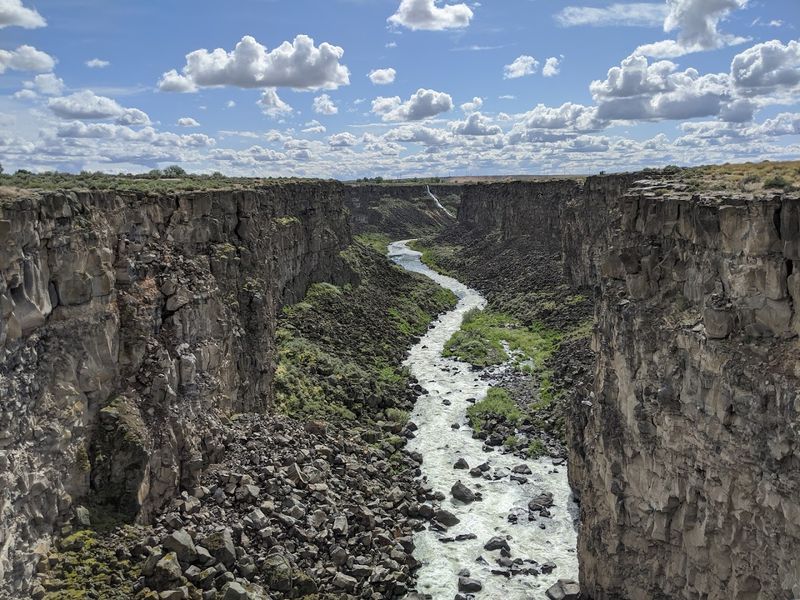
A name like Thousand Springs sounds exaggerated until the canyon walls start leaking scenery.
The Thousand Springs Scenic Byway follows roughly 65 to 67 miles through south-central Idaho, beginning near Bliss and following U.S. 30 through the Snake River corridor toward the Twin Falls area.
The byway’s magic comes from the Snake River Plain Aquifer, where water traveling through volcanic rock emerges as springs, waterfalls, and bright blue pools along the canyon.
Thousand Springs State Park is made up of separate units, including Malad Gorge, Kelton Trail, Earl M. Hardy Box Canyon Springs Nature Preserve, Billingsley Creek, Ritter Island, Crystal Springs, and Niagara Springs. Because the units are spread out, planning matters.
A single day can include several highlights, but not every stop feels the same or requires the same effort. Some views are quick and easy from overlooks.
Others involve hiking, rougher surfaces, or seasonal access. Blue Heart Springs is another famous nearby water stop, but it requires paddling or boating rather than simple roadside access, so it should be planned separately.
Hot springs resorts such as Miracle and Banbury can add soaking time along the broader corridor. This stretch is where the road trip starts feeling almost too varied to be real.
Small Towns Keep The Drive From Feeling Rushed
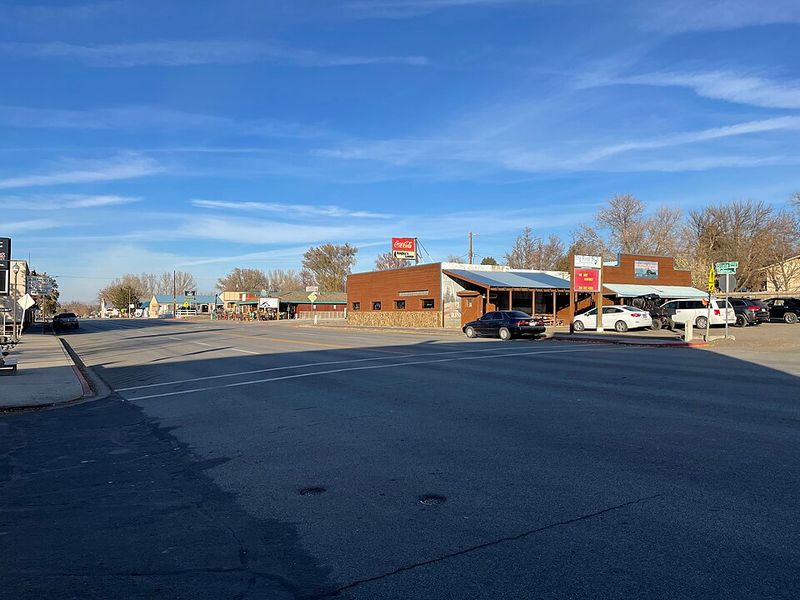
Little towns make this route feel less like a checklist and more like an actual road trip. Hagerman is the natural pause along the Thousand Springs stretch, with restaurants, lodging, fossil history, trout farms, and access to nearby state park units.
The Hagerman Valley is strongly tied to Idaho trout production, and that local identity gives the town more flavor than its size suggests.
Buhl makes another worthwhile stop, especially for travelers who like locally owned shops, old downtown blocks, or a sweet break at Cloverleaf Creamery.
Filer, Kimberly, and Hansen can work into the drive depending on the chosen route, each adding small-town Idaho texture between the big scenic hits. None of these communities need to compete with waterfalls or granite towers.
Their job is different. They give the day coffee, lunch, gas, ice cream, a stretch of shade, or a reason to talk to someone local.
That matters on a route with so much open country. Road trips get better when the map has breathing room, and these towns provide it.
Stopping also keeps the pace realistic. Southern Idaho’s scenery can look empty from a distance, but the small towns prove there is a lot happening between the postcard stops.
Castle Rocks Adds The Storybook Stone Towers
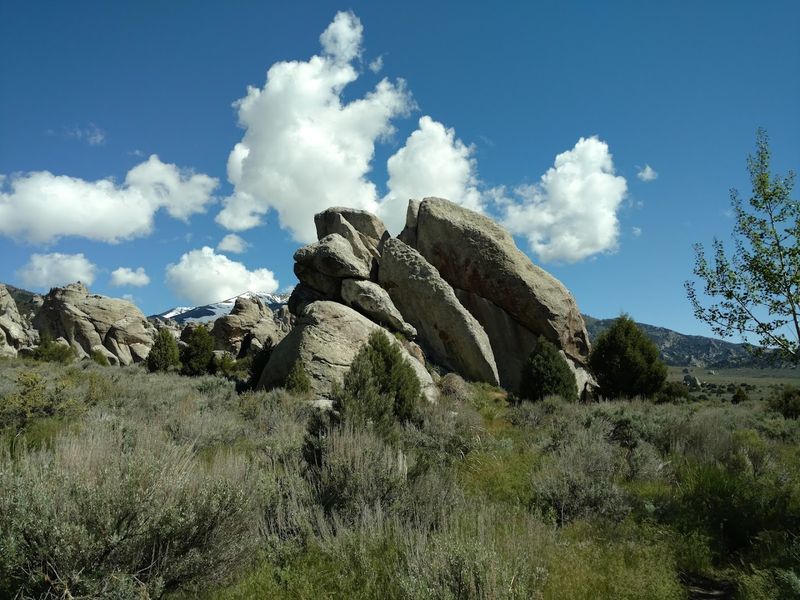
Granite changes the mood completely near Almo. Castle Rocks State Park sits at 3035 S.
Elba-Almo Road, Almo, ID 83312, close to City of Rocks National Reserve, and the landscape feels like a fantasy illustration decided to become geology.
Rounded domes, spires, fins, and boulder formations rise out of high-desert ranch country, giving the route a strong visual shift after the water-heavy Hagerman section.
The park is popular with climbers, but visitors do not need ropes to appreciate it. Hiking, biking, horseback riding, wildlife watching, camping, fishing in the small park pond, and scenic exploring all give non-climbers plenty of reasons to stop.
The geology is tied to ancient granitic rock shaped by weathering and time, and the formations feel especially striking when late-day light warms the stone.
History adds another layer through nearby emigrant routes and Indigenous cultural presence in the wider Almo and City of Rocks area.
The shared visitor center for Castle Rocks and City of Rocks is a smart first stop for maps, current conditions, and route advice. This is not a quick roadside rock pile.
It is a whole landscape of towers, trails, and odd shapes that make the road trip feel more like a story.
Almo Feels Like A Detour Into Another Idaho
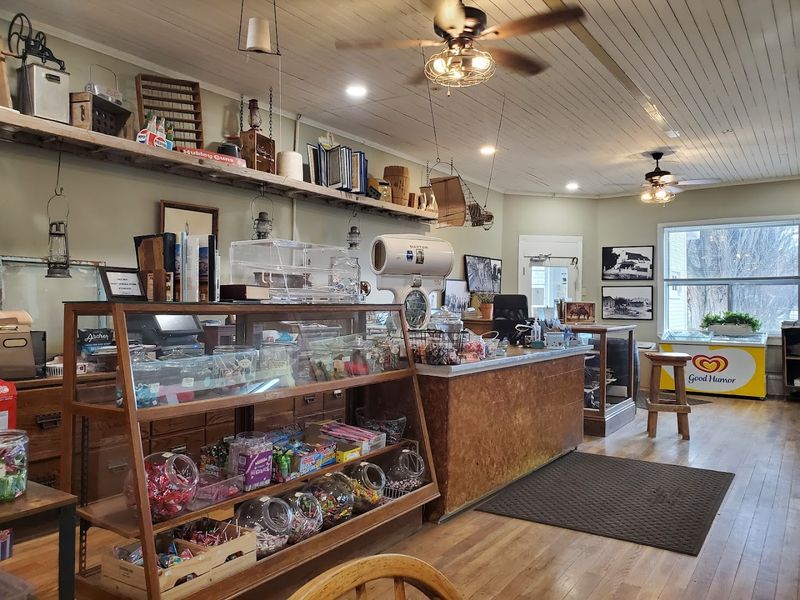
A tiny village can change the whole tone of a drive when it feels this far from the usual highway rhythm. Almo sits near Castle Rocks State Park and City of Rocks National Reserve, surrounded by ranch country, granite formations, open sky, and the looming presence of Cache Peak.
The area carries deep trail history because emigrants on the California Trail moved through this landscape, and inscriptions from 19th-century travelers can still be seen in nearby City of Rocks.
Tracy General Store, long associated with Almo’s history, gives the village a classic stop that feels practical and historic at the same time.
Food, lodging, fuel, and supplies can be limited compared with larger towns, so checking hours and planning ahead is wise. That is part of the appeal, though.
Almo does not feel overbuilt or overly polished. It feels like a gateway to a more rugged Idaho, where rocks, ranches, trails, and quiet roads do most of the talking.
Durfee Hot Springs can add a soak in the area when open, with pools fed by natural hot water and a relaxed local atmosphere. Spending time here keeps Castle Rocks from feeling like a single attraction and turns the detour into its own chapter.
Lava Hot Springs Brings The Soaking Finale
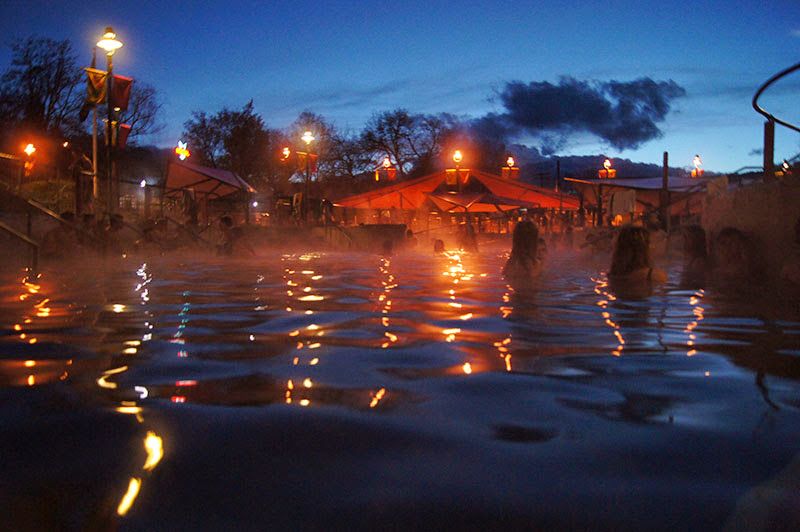
Warm mineral water makes a very convincing ending after miles of canyon, waterfalls, and stone. Lava Hot Springs sits in southeastern Idaho, and the official hot pools at 430 W Main St Ste.A, Lava Hot Springs, ID 83246 are known for odor-free, sulfur-free natural mineral water.
The hot pools are generally listed in the 102°F to 112°F range, with multiple outdoor pools that let visitors choose the level of heat that feels right. That matters after a long road-trip day, because the best finale is not another overlook where everyone pretends their feet are fine.
It is a soak. The town also has a family-friendly side, especially with the Olympic Swimming Complex, indoor aquatic center, slides, diving platforms, and seasonal river tubing on the Portneuf River.
The hot springs have long cultural significance, including use by Indigenous peoples before the resort town developed, so the water’s history runs much deeper than its modern vacation appeal.
Current hours, prices, and pool availability should be checked before arriving, especially during holidays and peak summer weekends.
Still, as a final stop, Lava Hot Springs is hard to beat. The drive builds through spectacle, and then the last chapter says to sit down, breathe out, and let the water do the rest.
By The Last Stop, The Whole Route Feels Like Summer Escapism
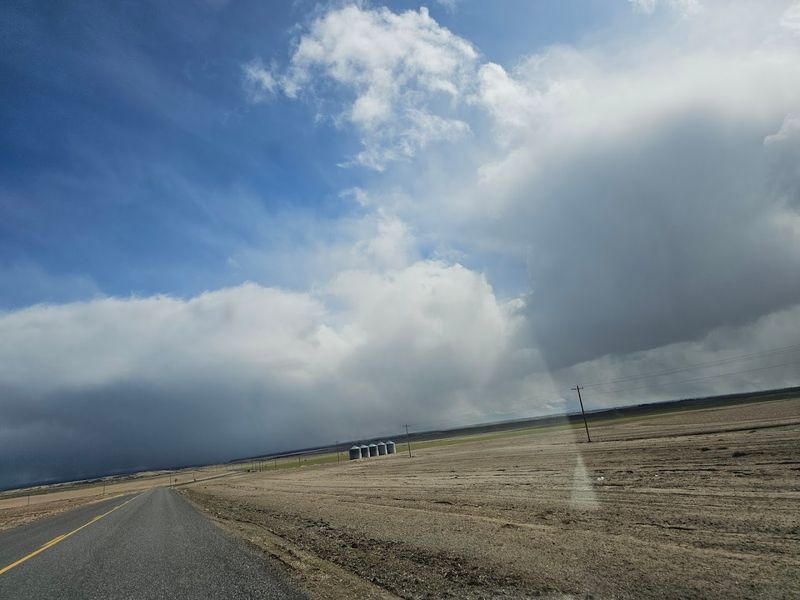
By the time the road reaches Lava Hot Springs, the route has already changed personalities several times. Twin Falls starts with canyon drama.
Hagerman and Thousand Springs bring waterfalls, springs, fossil beds, and aquifer-fed oddities. Castle Rocks adds granite towers and high-desert mystery.
Almo slows the pace with trail history and rural charm. Lava Hot Springs finishes everything with warm mineral pools and a town built around soaking, tubing, and relaxing.
That range is what makes the trip feel so satisfying. It is not one scenic idea repeated for hours.
It is a sequence of completely different Idaho moods connected by open road.
The route can be done as a long drive with selective stops, but it works better as a two- or three-day trip, especially for travelers who want to hike, soak, paddle, photograph, eat locally, or explore state park units without rushing.
Summer gives the route long daylight and full road-trip energy, though spring can bring stronger waterfall flows and fall can soften crowds. The best version leaves space for detours.
Idaho rewards that. On this drive, the fairytale feeling is not one castle-like rock or one waterfall.
It is the way the whole landscape keeps changing just when you think you understand it.