These 10 Nebraska Nature Escapes Come Alive With Wildflowers And Birds Every Summer
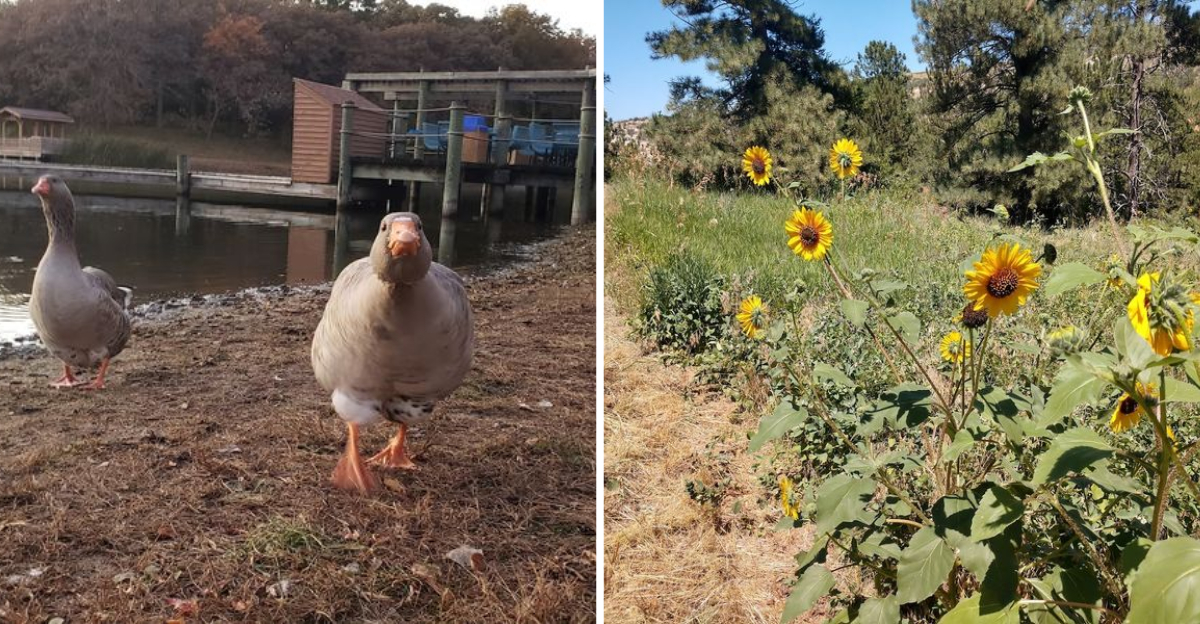
Summer flips the whole prairie into something wild. The grasslands blaze with wild color almost overnight.
Skies fill with wings and rivers hum with life. Every summer, Nebraska swaps its gray reputation for gold.
Ancient river forests shelter shy, hidden creatures. Sandhills roll out under bright carpets of wildflowers. Most people simply speed right past all of it.
I chased these spots and kept gasping out loud. The birdsong alone makes the whole trip worth it.
These escapes feel like a secret the plains keep. Wild, bright color sits in plain sight out here. The plains keep their best colors for those who slow down.
1. Fontenelle Forest, Bellevue
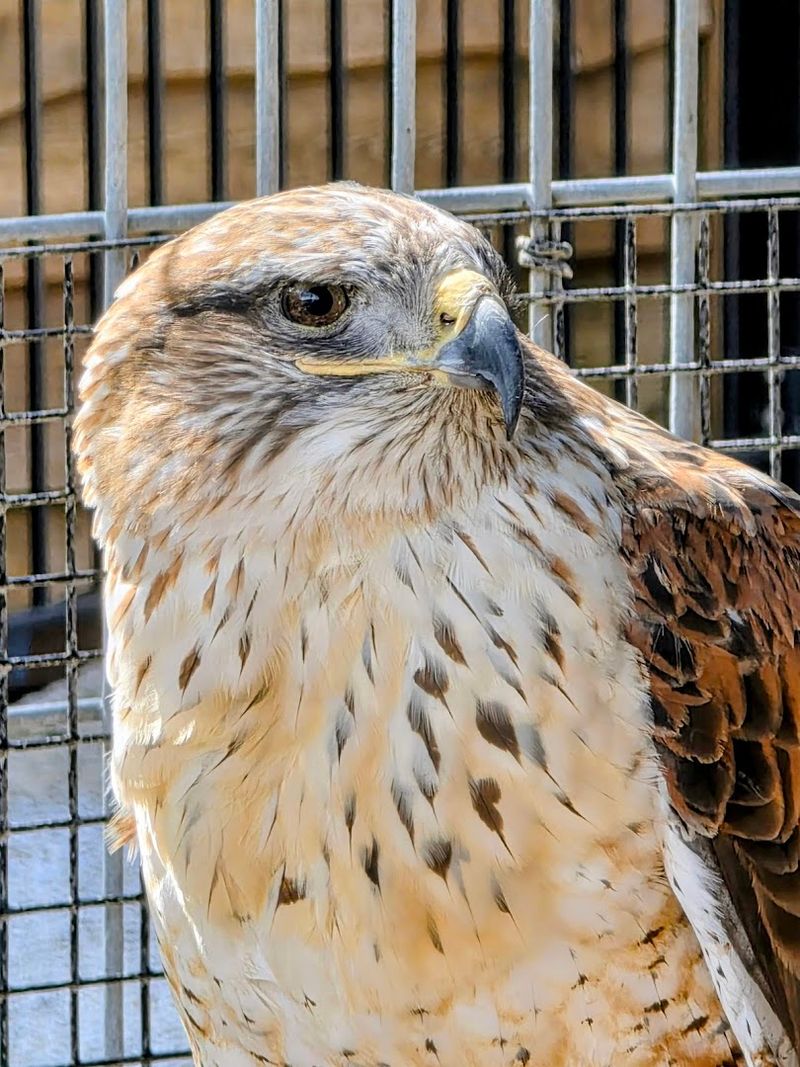
You might not believe me, but one of the most jaw-dropping forest experiences in the Midwest sits quietly on the edge of a small city.
Fontenelle Forest in Bellevue hugs the western bank of the Missouri River. It protects over 1,700 acres of ancient floodplain forest.
Summer here is something else entirely. Wildflowers push up between the roots of towering cottonwoods and oaks.
Birders flock here because the forest hosts more than 300 bird species throughout the year.
The Neale Woods section is especially rich with songbirds during June and July. You can hear wood thrushes, red-eyed vireos, and great crested flycatchers all in a single morning walk.
The trail system winds through ravines, upland forest, and wetland edges.
Kids love the boardwalk trails that stretch out over marshy ground. The nature center inside the property offers interactive exhibits about local wildlife.
Rangers lead guided birding walks on weekend mornings throughout the summer season.
The address is 1111 Bellevue Blvd N, Bellevue. Arrive early on clear mornings for the best bird activity. The forest rewards patience and quiet steps in equal measure.
2. Spring Creek Prairie Audubon Center, Denton
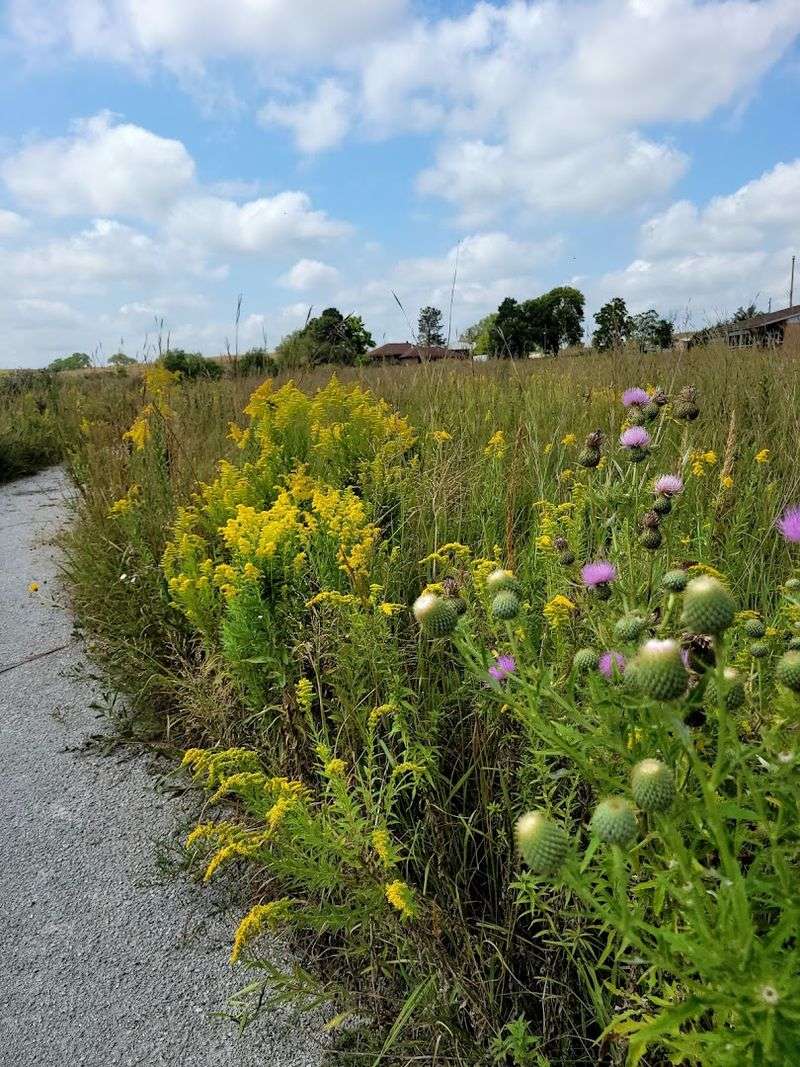
Trust me, not every great birding spot needs a forest canopy or a lakeshore.
Spring Creek Prairie Audubon Center near Denton proves that wide-open grassland can be just as thrilling. This working tallgrass prairie stretches across roughly 850 acres of rolling hills.
Summer mornings here feel electric. Bobolinks bubble with song above the grass, and dickcissels call from every direction.
Greater prairie-chickens have been spotted here during their boom season earlier in the year, but summer brings its own cast of grassland specialists.
Wildflowers are the real scene-stealers from June through August. Purple coneflowers, black-eyed Susans, and prairie blazing star paint the hillsides in layers of color.
The contrast against the blue Nebraska sky makes every photo look unreal.
Trails loop through both restored and remnant prairie sections. Guided wildflower and bird walks happen regularly through the Audubon programming schedule.
The center also runs bison management on part of the property, so you might catch a glimpse of the herd. Find the center at 11700 SW 100th St, Denton. Bring sunscreen, water, and binoculars.
Summer heat builds fast on open prairie, so early morning is your best window for comfortable exploring.
3. Indian Cave State Park, Shubert
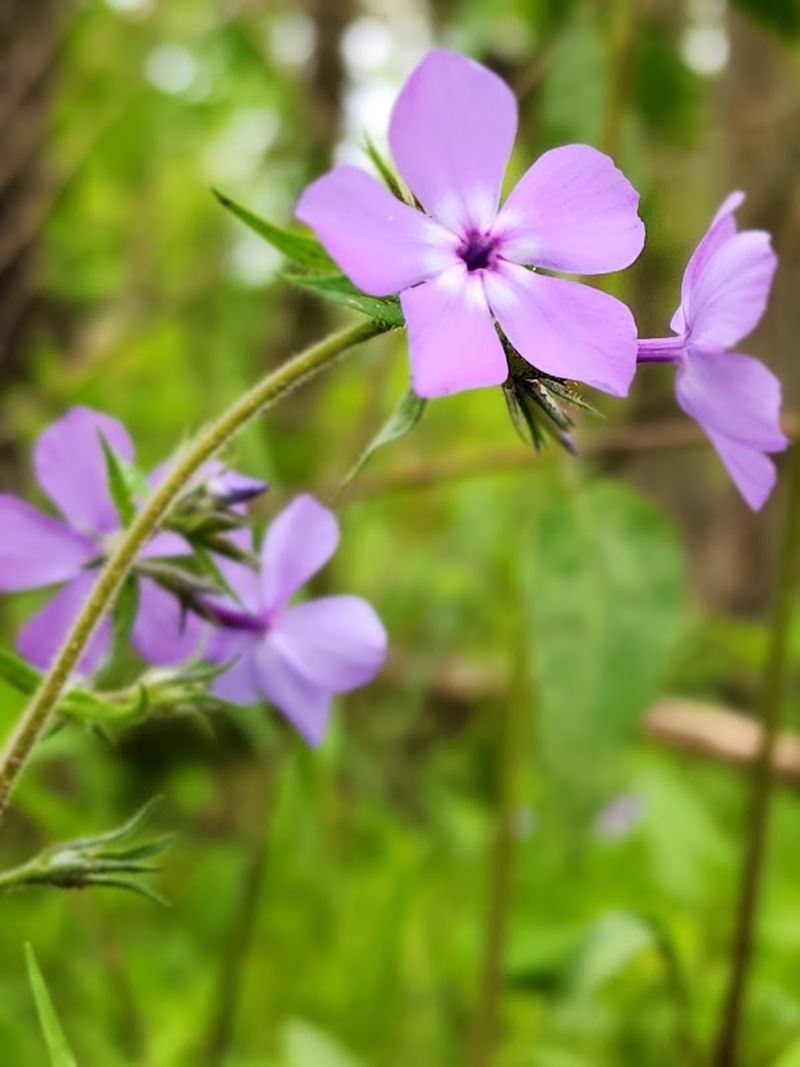
Can you believe that one of Nebraska’s most dramatic landscapes is tucked into the far southeastern corner of the state?
Indian Cave State Park near Shubert sits along the Missouri River bluffs. The terrain here feels nothing like the flat plains most people picture when they think of Nebraska.
The park takes its name from a large sandstone cave decorated with Native American petroglyphs. Those carvings alone make the hike worth it.
But summer adds an entirely different layer of beauty to the experience.
Wildflowers cover the forest floor from May through August. Wild bergamot, prairie phlox, and spiderwort bloom in patches along the hiking trails.
The Missouri River bottomland habitat draws warblers, tanagers, and orioles during summer migration and nesting season.
Over 20 miles of trails wind through the park’s 3,000-plus acres. Some routes climb the bluffs for sweeping river views, while others dip into shaded ravines.
The variety keeps every walk feeling fresh and different from the last.
Camping is available for those who want to stretch the experience across multiple days. Early morning hikes reward you with the most bird activity and cooler temperatures.
The address is 65296 720 Rd, Shubert, and the park is open year-round.
4. Ponca State Park, Ponca
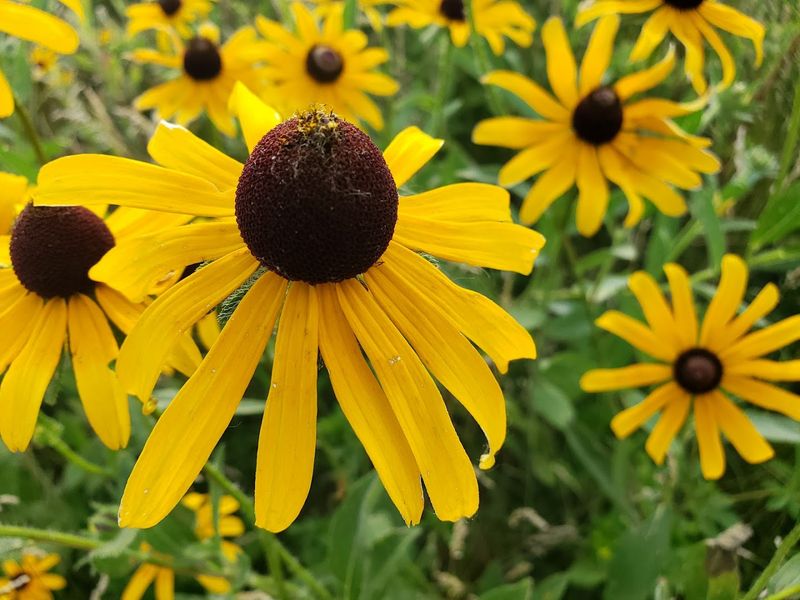
I never would have guessed that a state park in northeastern Nebraska could make me feel like I had wandered into a completely different region of the country.
Ponca State Park near Ponca sits high above the Missouri River. The bluffs here roll and fold in ways that feel more Ozark than Great Plains.
Summer brings a surge of life to every corner of the park. The forest understory fills with blooming plants like wild columbine and woodland sunflower. Warblers and vireos sing from the canopy throughout June and July.
The park is one of the best spots in Nebraska to watch for Mississippi kites. These graceful raptors nest in the area and can be seen soaring above the bluffs on warm summer afternoons.
Bald eagles sometimes pass through along the river corridor as well.
Horseback riding, mountain biking, and hiking trails all share the landscape here. The three-state overlook trail rewards hikers with views across Nebraska, South Dakota, and Iowa on clear days.
That kind of panorama never gets old.
The park address is 88090 Spur 26E, Ponca. Summer weekends fill up quickly, so booking campsites early is smart.
Morning light along the river bluffs is genuinely hard to beat.
5. Crane Trust Nature & Visitor Center, Wood River
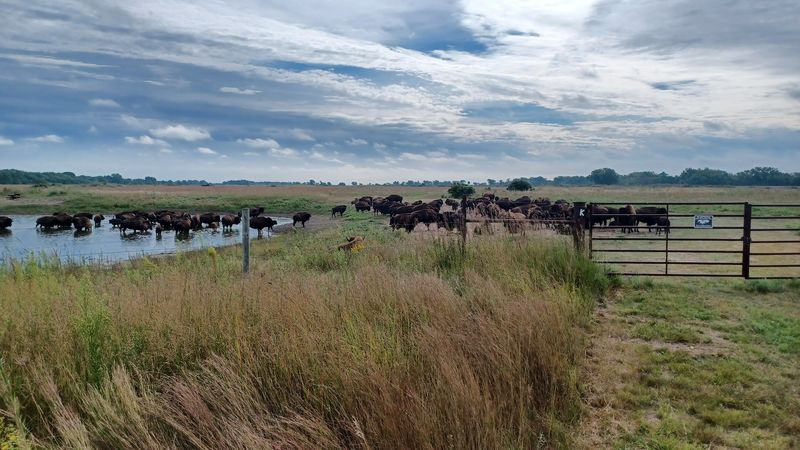
I must admit, the Platte River in summer has a quiet magic that sneaks up on you.
The Crane Trust Nature and Visitor Center near Wood River is famous for its sandhill crane migration in spring. But summer reveals a completely different and equally rewarding side of this place.
The river channel stays active with shorebirds, herons, and kingfishers throughout the warm months. Great blue herons wade the shallows with remarkable patience.
Least terns and piping plovers, both federally protected species, nest on the sandbars here each summer.
The Trust manages thousands of acres of river channel and wet meadow habitat. Wildflowers bloom across the restored prairie sections, with prairie roses and compass plants among the standouts.
Guided nature walks through the summer months let you explore with knowledgeable naturalists.
The visitor center itself is thoughtfully designed and free to enter. Exhibits explain the ecology of the central Platte River valley in clear and engaging ways.
A short trail behind the building leads straight to the river’s edge.
The center is located at 9325 S Alda Rd, Wood River. Summer sunsets over the Platte River are slow, golden, and worth every quiet minute you give them.
6. Valentine National Wildlife Refuge, Valentine
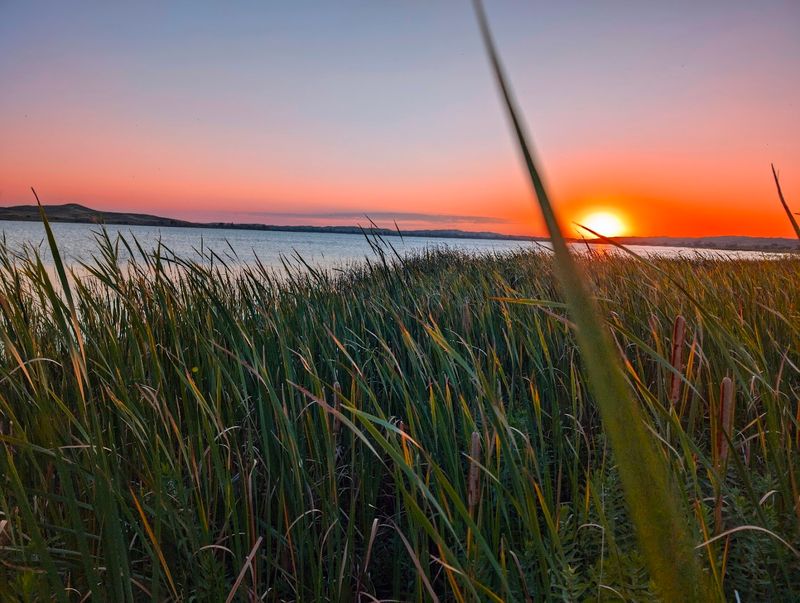
Who would have thought that a place named after the most romantic holiday would also be one of the wildest and most remote nature refuges in the Great Plains?
Valentine National Wildlife Refuge near Valentine sprawls across more than 71,000 acres of Nebraska Sandhills. This is big, open, breathtaking country.
The Sandhills are a unique ecosystem found almost nowhere else on Earth. Hundreds of shallow lakes and wetlands dot the landscape between the grass-covered dunes.
Summer transforms this terrain into a nesting paradise for waterfowl, shorebirds, and marsh birds.
Ruddy ducks, canvasbacks, and grebes nest on the lakes throughout June and July. Northern harriers cruise low over the grasslands hunting for prey.
The bird diversity here is staggering for a place that sees so few human footprints.
Wildflowers bloom across the upland prairie sections in shades of yellow, purple, and white. Sand cherry and prickly pear cactus add unexpected variety to the plant palette.
Driving the refuge roads slowly with windows down is one of the best ways to experience the scale of this place.
The address is 39679 Pony Lake Rd, Valentine. Cell service is limited, so download maps before arriving. Silence here is deep and restorative in a way that is hard to describe.
7. Niobrara Valley Preserve, Johnstown
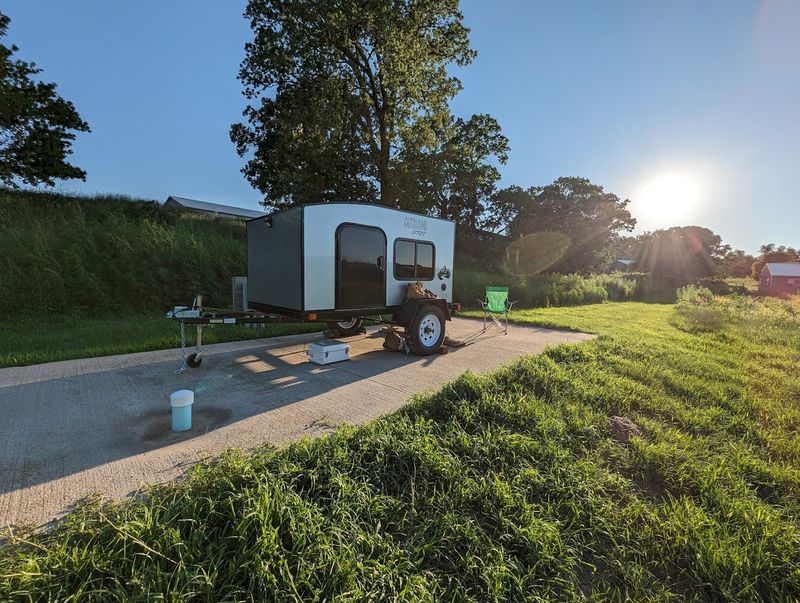
Believe me, nothing prepares you for the first time you stand at the edge of the Niobrara River canyon and look down at the water cutting through ancient rock.
The Niobrara Valley Preserve near Johnstown is one of the most ecologically rich places in the entire central United States. This Nature Conservancy property covers roughly 60,000 acres.
The Niobrara River valley is where multiple North American ecosystems collide. Eastern deciduous forest, western ponderosa pine, and northern boreal species all meet here.
That ecological crossroads makes the plant and bird diversity genuinely extraordinary.
Summer wildflowers grow in staggering variety along the river bluffs and canyon walls. Ferns, wild roses, and orchids share space with prickly pear and yucca.
It is one of the few places in Nebraska where you can photograph eastern and western wildflower species on the same walk.
Bison roam the upland prairie sections of the preserve in a managed herd. Watching them move through a sea of blooming prairie plants is something that stays with you.
Birders come specifically for species like the red-bellied woodpecker and the western wood-pewee nesting side by side.
The preserve is at 42269 Morel Rd, Johnstown. Access requires advance planning since facilities are limited. The remoteness is part of what makes it so special.
8. Wildcat Hills State Recreation Area & Nature Center, Gering
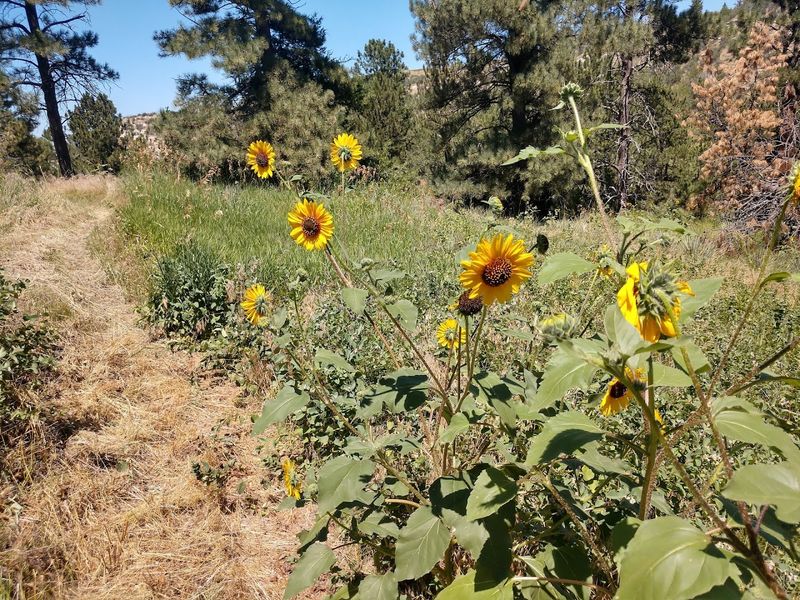
Doesn’t it seem a little wild that you can find pine-covered buttes and rocky canyons right here in Nebraska?
Wildcat Hills State Recreation Area and Nature Center near Gering sits in the Panhandle region of the state. The landscape here looks dramatically different from anything in eastern Nebraska.
Ponderosa pines cling to the rocky ridges and canyon walls. The shade they cast creates a cooler microclimate that supports a completely different set of wildflowers than the open prairie.
Wild geranium, golden banner, and cliffrose bloom in sheltered spots throughout summer.
The bison herd that grazes the property is one of the most accessible in the state. A viewing area near the nature center lets you watch them from a safe and comfortable distance.
Mule deer and wild turkeys are also frequently seen along the trails.
Birding in the pines draws people from across the region. Pygmy nuthatches, western tanagers, and Townsend’s solitaires all nest or pass through during summer months.
The combination of rocky habitat and pine forest creates a bird community you simply cannot find in the eastern part of Nebraska.
The area is located at 210615 NE-71, Gering. The nature center has free exhibits and knowledgeable staff. Sunset from the overlook trail paints the buttes in shades of orange and red.
9. Chadron State Park
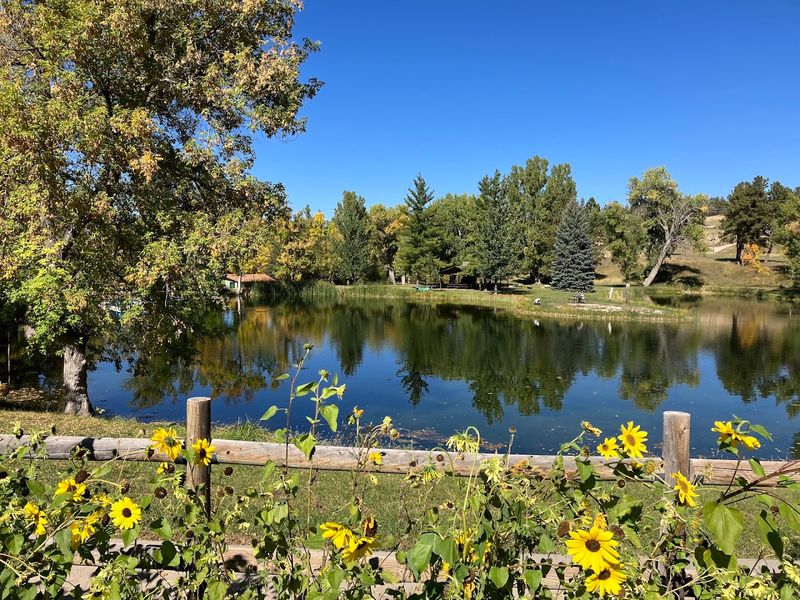
I know, right, a state park that has been welcoming nature lovers since 1921 and still feels like a hidden treasure?
Chadron State Park near Chadron holds the title of Nebraska’s oldest state park. It sits in the Pine Ridge, a region of rugged canyons and dense ponderosa pine forest in the far northwest corner of the state.
Summer in the Pine Ridge is cooler and shadier than most of Nebraska. Creeks flow through the canyon bottoms and wildflowers line their banks.
Columbine, wild bergamot, and shooting star bloom in the shaded ravines through much of June.
The bird life here skews decidedly western. Lazuli buntings, black-headed grosbeaks, and red crossbills all show up in summer.
Hearing a lazuli bunting sing from a pine branch against a blue sky is one of those small moments that makes a long drive feel completely worthwhile.
Hiking trails range from easy creek walks to challenging ridge climbs. The elevation changes give you sweeping views across the Pine Ridge landscape.
Horseback riding trails add another way to explore the terrain at a different pace.
The park address is 15951 Gold Rush Byway, Chadron. Campsites book up on summer weekends, so reservations are wise. The park also connects to the Fort Robinson area nearby for extended exploration.
10. Platte River State Park, Louisville
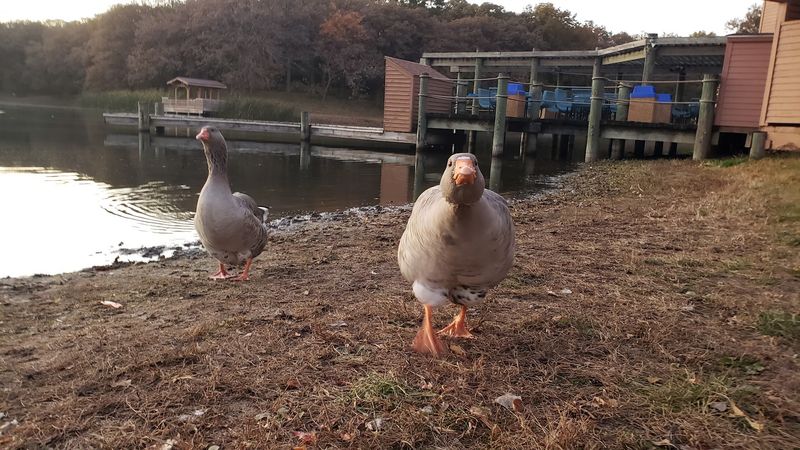
Would you ever think that a park just 20 minutes from Omaha could feel this deeply removed from city life?
Platte River State Park near Louisville sits where the Platte River meets a landscape of wooded bluffs and open meadows. The transition between habitats here is what makes it so rich for nature lovers.
Summer wildflowers bloom in the meadow clearings and along the forest edges. Black-eyed Susans, wild bergamot, and cup plants grow in generous patches.
The mix of sun and shade across the terrain supports an impressive range of plant species for such a compact park.
Birding is strong here from May through August. Indigo buntings flash their electric blue color from shrubby edges.
Yellow warblers, Baltimore orioles, and red-eyed vireos all nest within the park’s woodland sections.
The trail system is well-maintained and loops through several distinct habitat types. A short climb to the bluff overlook gives you a sweeping view of the Platte River valley below.
The park also has a nature center with seasonal programming for families and school groups.
Cabins and campsites make overnight stays easy and comfortable. The address is 14421 346th St, Louisville.
Mornings here in July, with dew still on the wildflowers and birds in full song, are about as good as a summer day gets in Nebraska.