10 California Towns Where Fixed-Income Retirees Still Live Well Each Month
Retirement math can get rude fast in California.
Housing, groceries, utilities, insurance, and healthcare do not care that someone is trying to enjoy a quieter month.
A fixed income has limits, and plenty of famous retirement spots stopped feeling realistic a long time ago. Still, the state is not completely out of reach if people know where to look.
A smaller California town can make the monthly budget breathe a little easier.
The trick is finding places where everyday life still feels manageable without giving up comfort, scenery, or useful services.
Lower home prices help. So do walkable downtowns, local clinics, senior programs, and enough nearby shopping to keep errands from turning into a project.
The best towns for fixed-income retirees are not always flashy.
That is probably the point. They offer a calmer pace and a cost of living that does not punish every ordinary decision.
1. Blythe, Riverside County
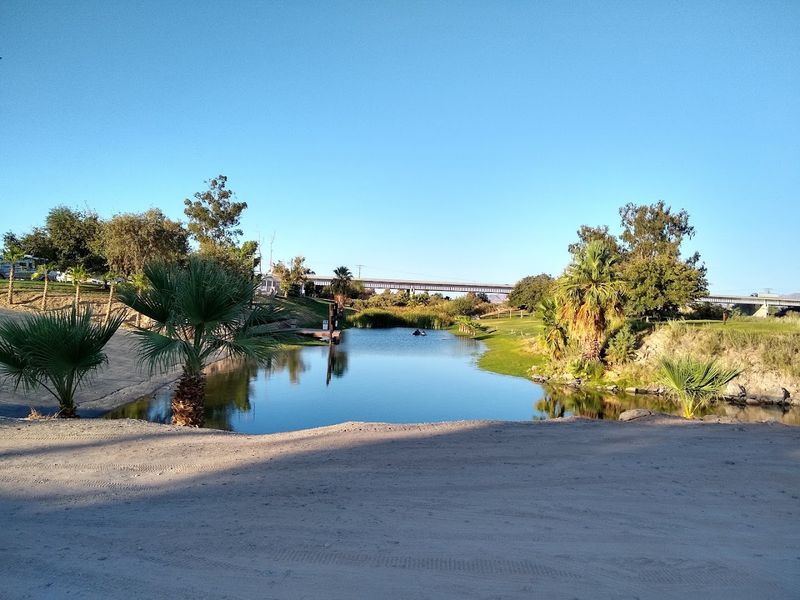
Sitting right along the Colorado River, Blythe offers something rare in California: warmth, open space, and a cost of living that actually works on a fixed income.
The town gets plenty of sunshine year-round, and the river provides a natural backdrop that makes daily life feel unhurried and pleasant.
Grocery costs, housing, and local services tend to run well below the state average here.
Todd Park gives residents a well-maintained spot for outdoor recreation without any admission fee.
Baseball fields, basketball courts, picnic areas, and shaded benches make it easy to spend an afternoon outside comfortably. The park is open daily from 6:00 AM to 10:00 PM.
The Palo Verde Historical Museum adds a layer of cultural richness to everyday life. Open Thursdays and Saturdays from 1:00 PM to 4:00 PM, the museum highlights the agricultural roots and early settlement stories of the region.
For retirees who enjoy learning at a relaxed pace, Blythe has a quiet charm that genuinely delivers.
2. Susanville, Lassen County
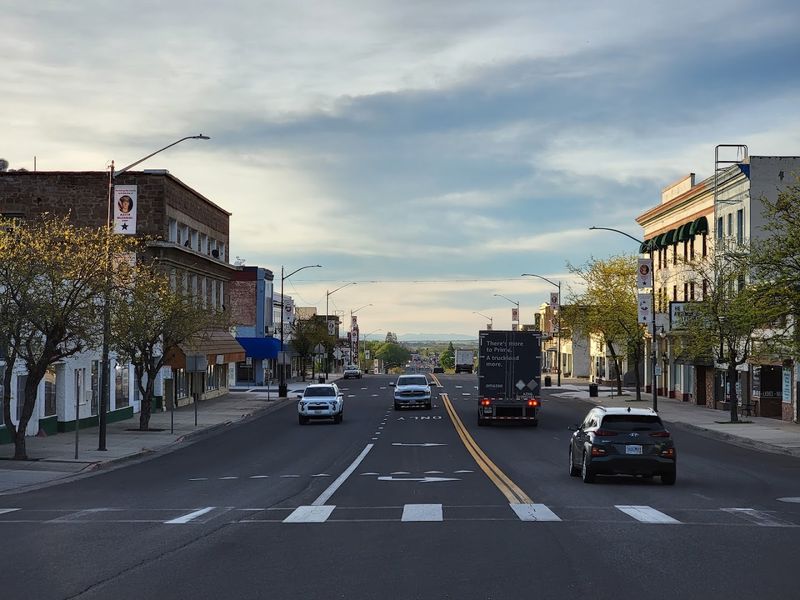
Cool mountain air, four distinct seasons, and a tight-knit community define daily life in Susanville.
In the Northeastern California near the Sierra Nevada, this town draws retirees who want natural surroundings without sacrificing access to basic services.
Housing costs here are notably lower than in most California cities, and the outdoor recreation options are genuinely impressive.
The Bizz Johnson National Recreation Trail follows an old railroad corridor through scenic canyon terrain, and a convenient trailhead sits near the historic Susanville Depot.
The trail stays accessible year-round and suits walkers of varying fitness levels. A morning stroll along the trail with birdsong and river views sets a peaceful tone for the day.
Susanville Ranch Park stretches across roughly 1,100 acres of open hillside and forested terrain, offering trails for everything from gentle walks to more active outings.
The Lassen Historical Society Museum rounds out the cultural side of town, with exhibits covering pioneer life and the region’s logging heritage.
Open Tuesday through Saturday from 10:00 AM to 3:00 PM, it makes for a rewarding afternoon visit.
3. Yreka, Siskiyou County
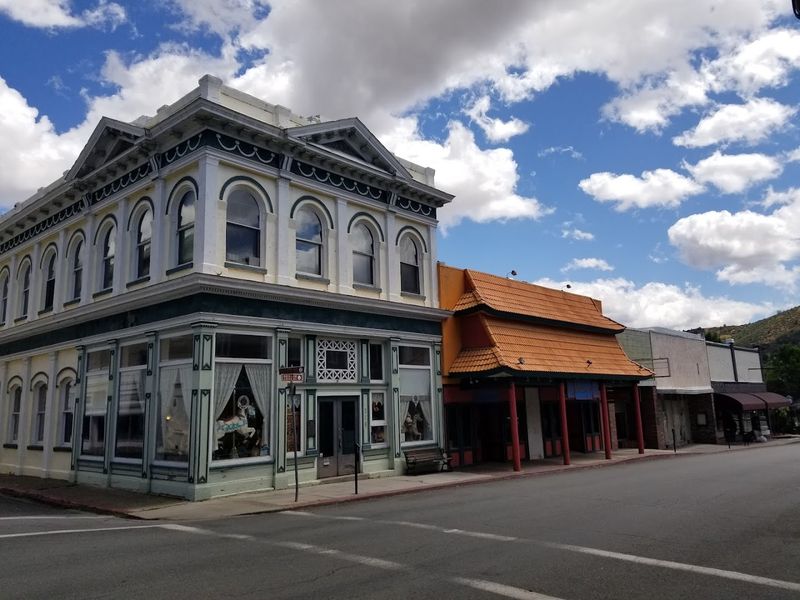
Gold Rush history runs deep in Yreka, and the town’s well-preserved downtown reflects that legacy in a way that feels lived-in rather than touristy.
Surrounded by the Klamath Mountains and sitting at a comfortable elevation, Yreka has a distinct four-season character that retirees often find refreshing.
The cost of living sits noticeably below California’s urban centers, making monthly budgets easier to manage.
The Siskiyou County Museum brings the region’s layered past to life through engaging exhibits covering pioneer settlement, Native American heritage, and the Gold Rush era.
The museum is open Tuesday through Saturday from 9:00 AM to 3:00 PM and includes an outdoor museum section that adds an extra dimension to the visit. Admission is typically modest, which fits well with a fixed-income lifestyle.
A leisurely walk through the historic district near the Yreka Carnegie Library reveals beautifully maintained 19th-century storefronts and a genuine small-town atmosphere.
Ringe Park offers open green space for relaxing afternoons. Yreka rewards those who prefer quiet streets and a strong sense of local identity.
4. Ridgecrest, Kern County
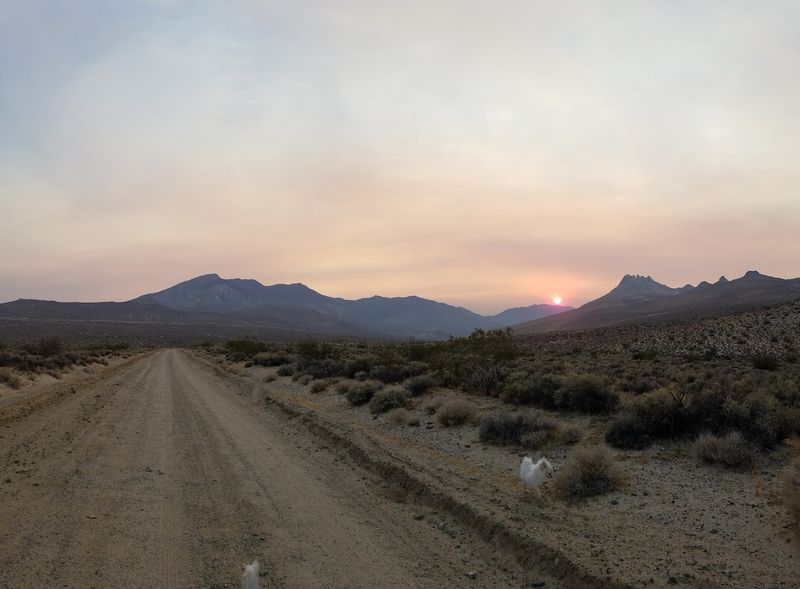
Clear skies, wide open desert terrain, and surprisingly affordable housing make Ridgecrest stand out as a practical retirement option in the High Desert.
The town sits near some of California’s most dramatic natural scenery, including the edges of Death Valley, yet maintains a calm, community-oriented daily rhythm.
Utility costs and property prices tend to be significantly lower here compared to coastal California towns.
The Maturango Museum serves as the cultural heart of the community, with exhibits exploring the geology, Native American history, and desert ecology of the Upper Mojave region.
Open Monday through Saturday from 10:00 AM to 5:00 PM and Sunday from 12:00 PM to 4:00 PM, the museum offers a senior discount and provides a genuinely enriching experience.
The petroglyphs tours organized through the museum are especially memorable.
Stargazing in Ridgecrest is something that simply cannot be replicated in busier parts of the state, as the minimal light pollution allows for exceptional nighttime sky views.
The Desert Empire Fairgrounds hosts community events throughout the year that bring residents together. For retirees who value space, sunshine, and low monthly expenses, Ridgecrest delivers consistently.
5. Red Bluff, Tehama County
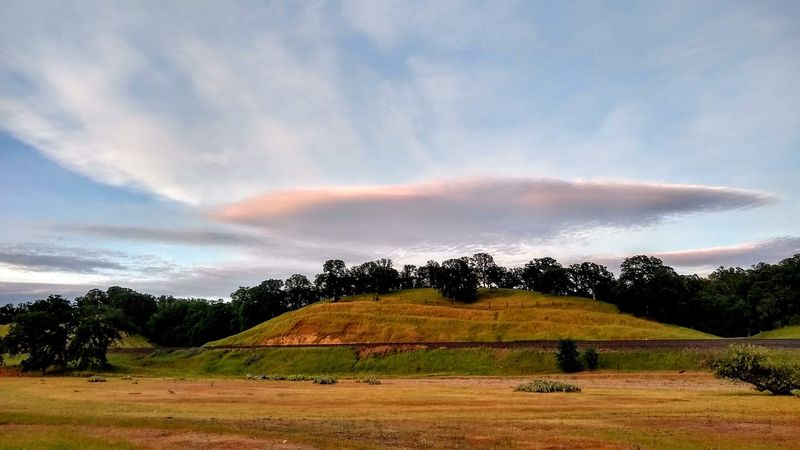
Few California towns blend riverside beauty with genuine affordability quite like Red Bluff.
Positioned along the Sacramento River in Tehama County, the town offers a warm climate, a historic downtown, and a cost of living that makes monthly budgeting far less stressful.
The pace here is unhurried, and neighbors tend to know each other by name.
William B. Ide Adobe State Historic Park preserves the original adobe home of one of California’s earliest American settlers, set amid peaceful grounds that feel miles away from modern noise.
The park is accessible daily from sunrise to sunset, with the visitor center open Friday through Sunday from 10:00 AM to 4:00 PM. Walking the grounds offers a calming connection to the region’s deep historical roots.
The Sacramento River Discovery Center focuses on the ecology and conservation of the river watershed, with native plant gardens and interpretive walking trails that are easy to navigate at any pace.
Operating hours vary by season, so calling ahead is a good idea. Red Bluff’s combination of natural access, history, and affordable housing makes it a genuinely appealing retirement destination.
6. Lindsay, Tulare County
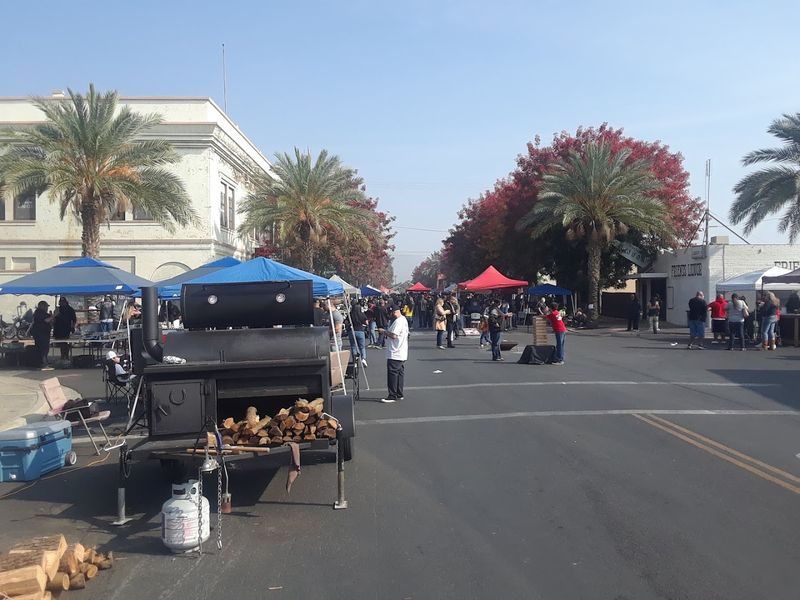
Tucked into the agricultural heartland of the Central Valley, Lindsay carries a warmth that goes beyond its climate.
The community is tight-knit, the streets are quiet, and the cost of living is among the most manageable in the state for retirees on a fixed income.
Access to fresh produce from surrounding farmlands adds an everyday perk that urban retirees often miss.
The Lindsay Museum and Cultural Arts Center brings local art and history into a welcoming shared space.
Open Tuesday through Saturday from 10:00 AM to 4:00 PM, the center hosts rotating exhibits and community programming that keeps cultural life active without requiring a long drive.
It serves as a genuine gathering point for residents of all ages.
McKinley Park provides shaded walking paths, open lawns, and a relaxed outdoor setting that suits a slow morning or a late afternoon stroll.
The Lindsay Public Library rounds out daily life with a broad selection of reading materials and community programs, open weekdays and Saturdays. Lindsay may be small, but it offers a quietly satisfying quality of life.
7. Oroville, Butte County
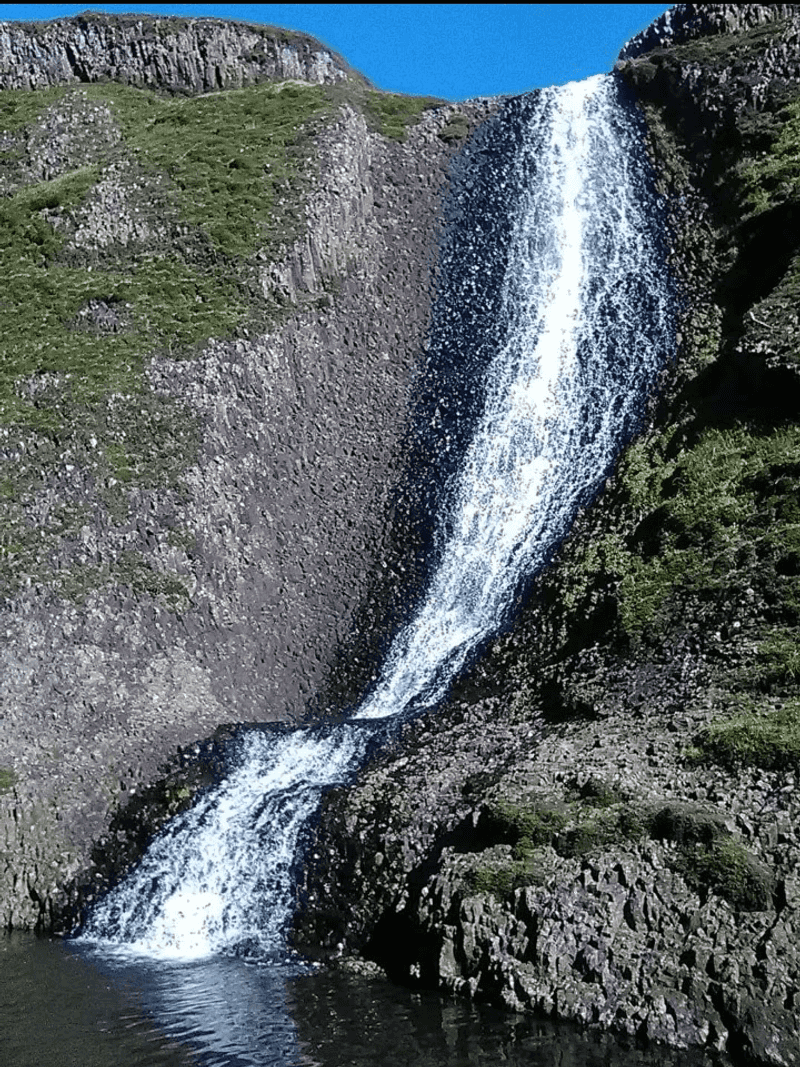
Sitting at the edge of the Sierra Nevada foothills, Oroville has a natural richness that feels like a bonus on top of its already affordable cost of living.
The Feather River winds through town, and Lake Oroville provides a stunning backdrop for everyday life.
Housing costs in Oroville remain well below the California average, making it a realistic option for retirees watching their monthly expenses closely.
The Oroville Chinese Temple and Museum Complex stands as one of the most culturally significant landmarks in the region, preserving the heritage of Chinese immigrants who shaped the area’s early development.
Generally open daily from 12:00 PM to 4:00 PM, the complex features beautifully maintained temple spaces and a thoughtful museum collection. Visiting feels genuinely moving rather than simply educational.
The Lake Oroville State Recreation Area Visitor Center serves as a helpful starting point for exploring the lake’s trails and recreational offerings.
The Feather River Nature Center adds ecological depth with river trails and interpretive exhibits. Oroville rewards those who appreciate natural beauty paired with practical, everyday affordability.
8. Lemoore, Kings County
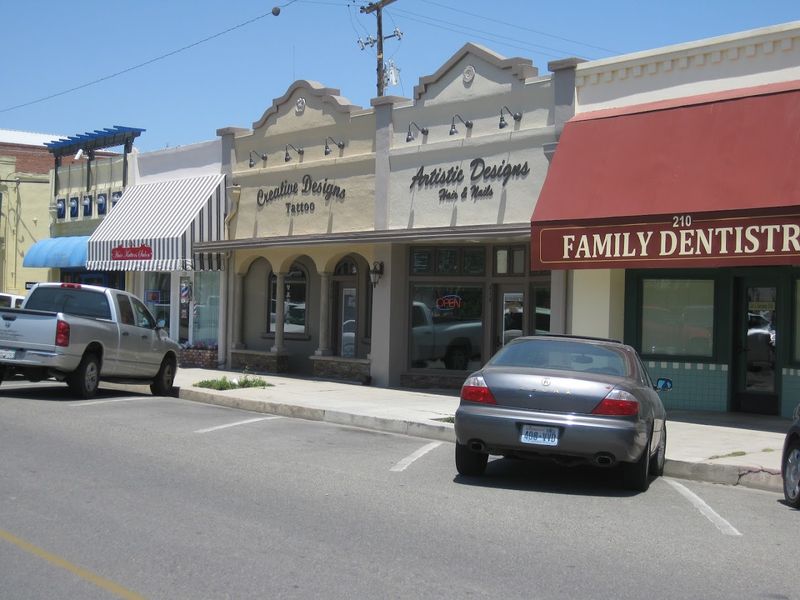
Lemoore may not appear on many retirement lists, but that relative obscurity is part of its appeal.
The town sits in the heart of Kings County with a calm, community-driven atmosphere that suits retirees who prefer a low-key daily routine.
Housing costs are among the most affordable in the Central Valley, and the town’s local infrastructure supports a comfortable lifestyle without unnecessary complexity.
Heritage Park offers a well-rounded recreational space with a paved walking track, disc golf course, tennis and basketball courts, horseshoe pits, and a covered pavilion with barbecue areas.
Open daily during daylight hours, the park functions as a natural social hub where residents gather regularly. The layout is thoughtfully designed for varied activity levels.
The Sarah A. Mooney Memorial Museum occupies a charming Victorian-era home and opens its doors on Sundays from 12:00 PM to 3:00 PM for those curious about the town’s early history.
Lemoore City Park adds another green space option for relaxed afternoons. Lemoore’s quiet confidence as a livable, affordable town tends to grow on people the longer they stay.
9. Lakeport, Lake County
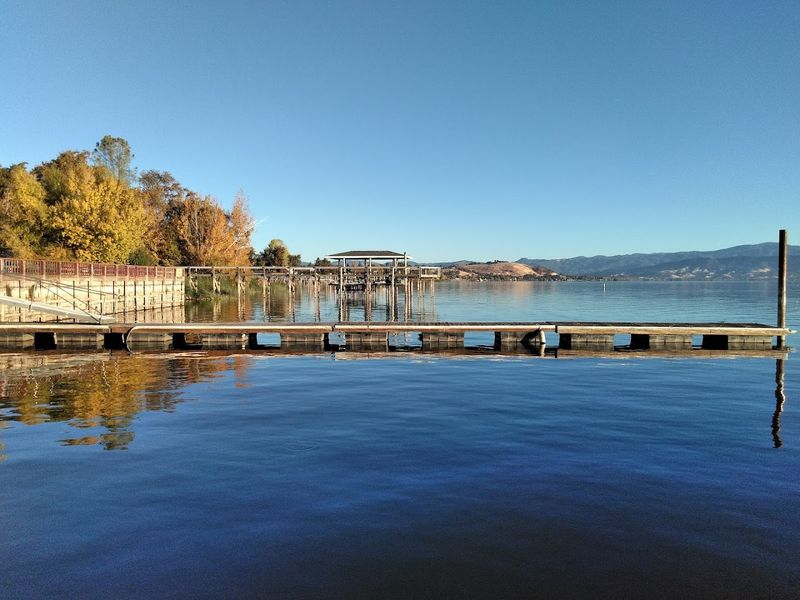
Waking up each morning to views of Clear Lake, California’s largest natural freshwater lake, is part of everyday life in Lakeport.
The town sits along the western shore and offers a relaxed lakeside lifestyle that many retirees find deeply satisfying.
Housing costs remain well below the state average, and the surrounding Lake County landscape provides a sense of natural abundance that feels genuinely restorative.
Library Park stretches along the lakeshore and offers open lawns, comfortable seating, and unobstructed views across the water.
The park is publicly accessible at all times and serves as a favorite spot for morning walks and quiet afternoons.
The combination of natural beauty and easy access makes it an anchor of daily life for many residents.
The Lake County Courthouse Museum occupies a historic building and preserves the cultural and indigenous heritage of the region through well-curated exhibits.
Open Wednesday through Saturday from 10:00 AM to 4:00 PM, it provides a meaningful way to spend a few hours.
Clear Lake State Park, accessible via 5290 Soda Bay Rd in nearby Kelseyville, adds hiking and shoreline access that rounds out Lakeport’s strong outdoor appeal.
10. Lompoc, Santa Barbara County
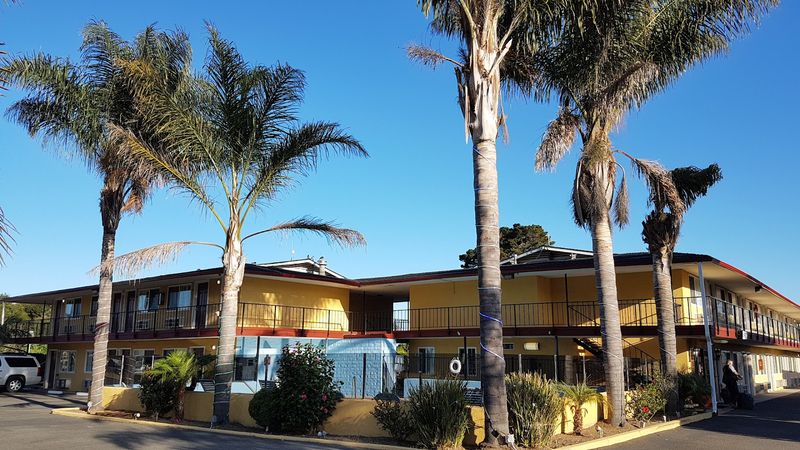
Lompoc carries a quiet confidence that sets it apart from the more crowded corners of Santa Barbara County.
Nestled in a sheltered valley with coastal proximity but without coastal price tags, the town offers retirees a genuinely balanced lifestyle.
The climate stays mild year-round, and the surrounding landscape shifts beautifully with the seasons, particularly when the valley’s flower fields are in bloom.
La Purisima Mission State Historic Park stands as one of the most completely restored Spanish missions in California, with expansive grounds that invite long, unhurried walks through history.
The park is open daily from 9:00 AM to 5:00 PM, with the visitor center and museum accessible from 10:00 AM to 4:00 PM. The sense of stepping into an earlier California era is immediate and genuinely compelling.
The Lompoc Museum occupies a historic Carnegie Library building and covers the valley’s anthropological and community history with rotating exhibits.
Open Wednesday through Sunday with varying afternoon hours, it welcomes visitors with a suggested donation.
River Park provides a spacious outdoor retreat along the Santa Ynez River, open daily from dawn to dusk, perfect for retirees who value fresh air and open space.