This Idaho Lake Looks Peaceful Until You Hear The Legend Behind Its Name
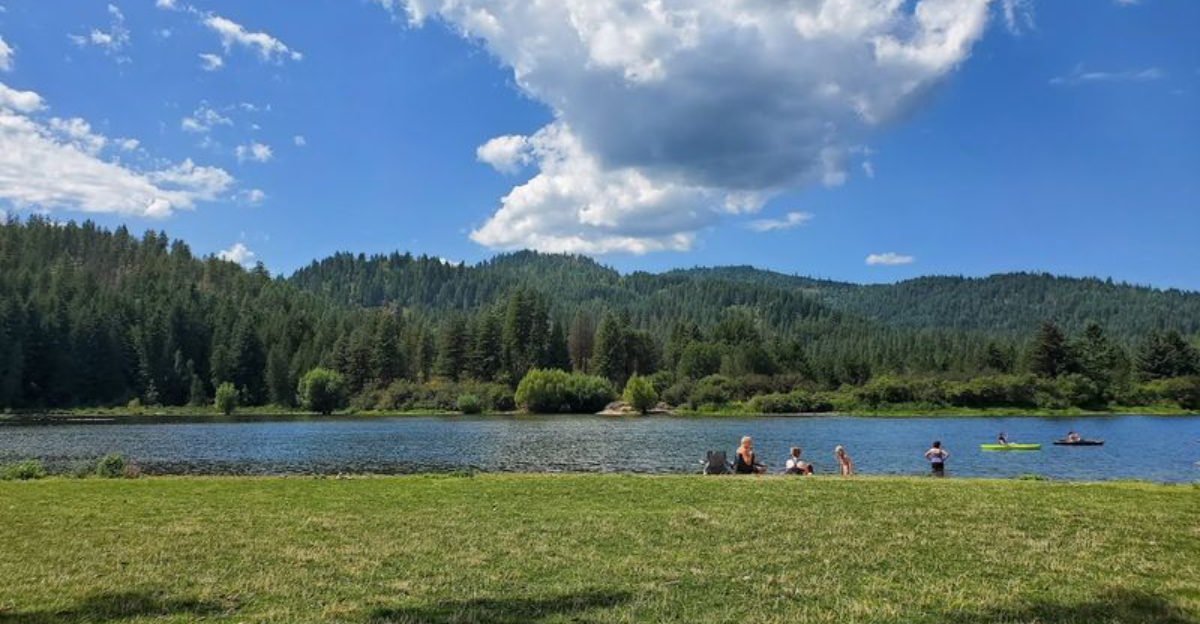
Calm water can be suspicious when the name already sounds like it knows a secret.
At first, this northern lake looks peaceful enough to lower everyone’s voice without trying.
Trees crowd the shoreline, the surface sits smooth, and the whole scene feels almost too quiet for a place with a story attached.
Then the legend enters the picture. Suddenly, the stillness does not feel quite so simple.
A pretty lake view becomes something older, stranger, and a little harder to shake once the name starts making sense.
That is what gives this place its pull. Nothing has to jump out of the woods or rattle chains for the mood to change.
The mystery works more softly than that.
One quiet ripple, one shadow near the trees, and the water starts feeling like it remembers more than it says.
By the time the story settles in, this Idaho lake feels less like a postcard and more like a legend pretending to be scenery.
Start With The Calm Water Before The Story Changes
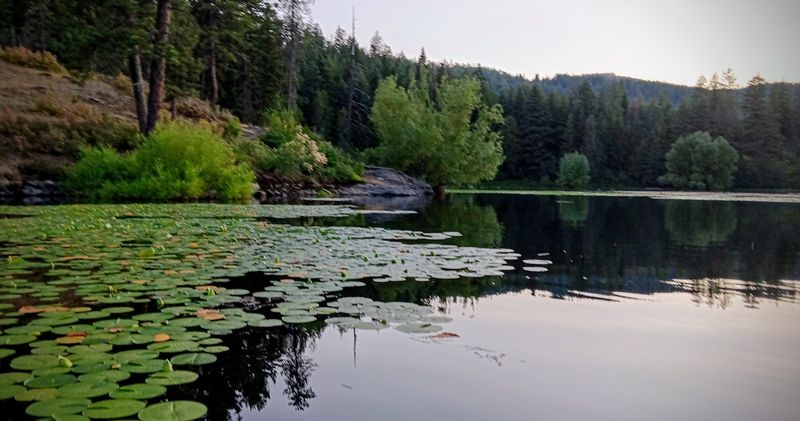
First impressions here are almost suspiciously peaceful. Spirit Lake often gives visitors the kind of quiet water scene that makes people stop talking without being asked.
Pines line the shore, reflections stretch across the surface, and early mornings can feel especially still before boats, swimmers, anglers, and summer heat start changing the rhythm. That calm matters because it sets up the legend instead of competing with it.
Before anyone hears about Tesemini or the “Lake of the Spirits,” the lake simply looks like a pretty North Idaho escape. Families arrive for easy water time.
Anglers settle in. Paddlers watch the shoreline from a slower angle.
People who only came to take a quick look may end up lingering because the setting makes doing nothing feel strangely productive. The name adds its weight later, but the water earns attention on its own first.
Spirit Lake works best when visitors give that opening quiet a little space. Stand near the edge, watch the reflections shift, and let the place be simple for a moment.
Once the story enters the day, the same view starts carrying a different kind of charge.
Follow The Name Back To “Lake Of The Spirits”
Names this memorable usually come with a story attached. Spirit Lake’s official city history says the lake was once called Clear Water and that Kootenay people later called it Tesemini, translated as “Lake of the Spirits.”
The best-known legend tells of Fearless Running Water, the daughter of a Kootenai chief, and Shining Eagle, the man she loved.
According to the story, their love was blocked by an arranged marriage, and the two entered the lake together rather than live apart. Their bodies were not recovered, and their spirits were said to linger over the water.
Another version adds details of voices or mysterious sounds connected to the lake, which helps explain why the name stayed so powerful in local memory. This is the kind of lore that should be approached with care.
It is not a tourist gimmick to flatten into a spooky punchline. It is a story tied to Indigenous tradition, place, and memory.
Whether visitors believe every detail is not the important part. Listening respectfully is.
Once the meaning of Tesemini is in your head, Spirit Lake stops sounding like a generic pretty name and starts feeling tied to something older and sadder.
Let The Quiet Shoreline Set The Mood
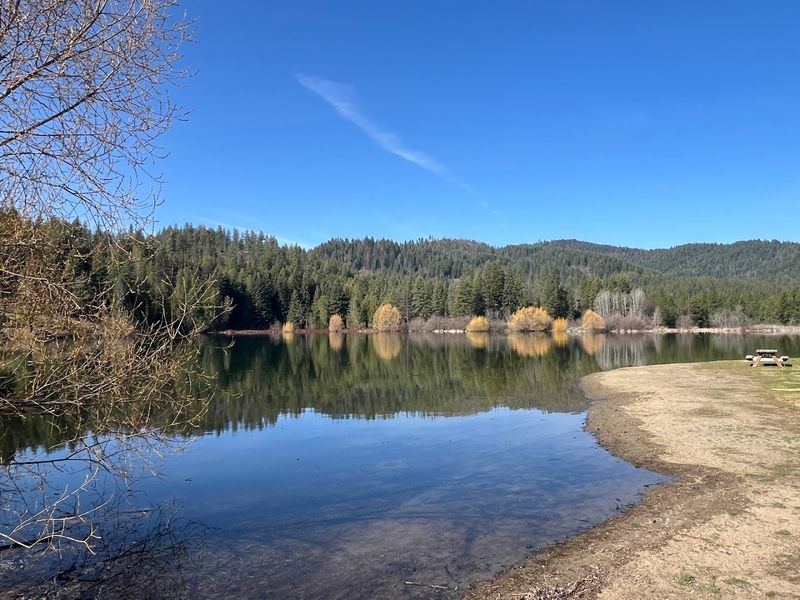
A slow walk near the water can do more for the visit than any packed itinerary. Spirit Lake’s shoreline has the easy appeal of a North Idaho lake town: pine shade, small waves, docks, neighborhood views, and open places where the day can soften around the edges.
The mood is not dramatic in a loud way. It is the kind of quiet that makes people lower their voices naturally.
Sitting near the lake, watching light move across the surface, or listening to the wind push through the trees gives the legend room to feel present without needing to force it.
That is also why the shoreline works for visitors who are not chasing a big adventure.
A person can simply walk, pause, take pictures, or let kids watch the water for a while. The lake’s beauty is not separate from the story.
It is the setting that makes the story easier to understand. A tragic legend tied to an ordinary-looking place would not land the same way.
Here, the stillness gives it texture. The shoreline feels peaceful, but not empty.
It feels like a place where people have been looking, wondering, and telling stories for a long time.
Bring The Family For An Easy Lake Day
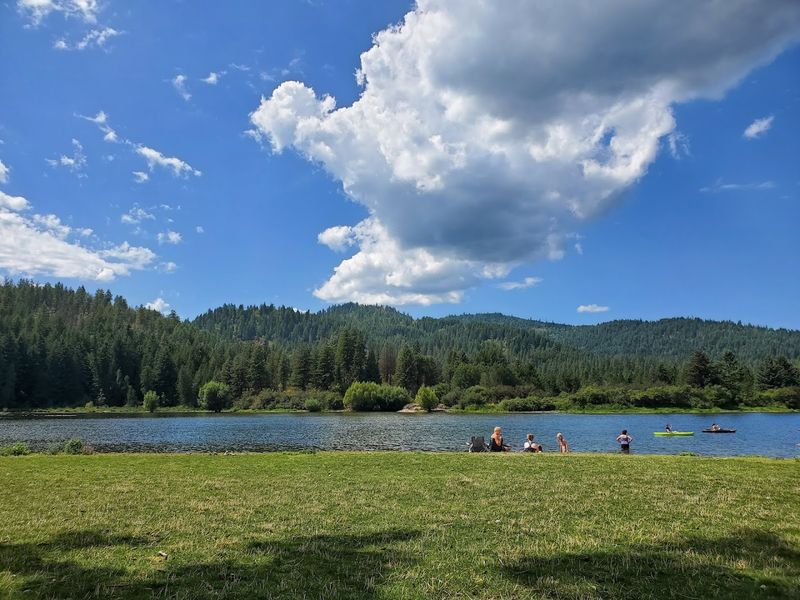
Practical fun keeps Spirit Lake from being only a place of legend. Families can build a simple lake day around swimming, paddling, boating, fishing, picnicking, or wandering through town depending on the season and current access.
Fireside Park is one of the better-known local park spots near the lake, and public lake access around the community gives visitors ways to enjoy the water without turning the trip into a complicated production.
As always, checking current local rules, water conditions, parking, and facilities before heading out is smart, especially during busy summer weekends.
The appeal is how easy the day can feel. Kids can splash or explore the shore.
Adults can sit in the shade, watch the boats, or plan a paddle. Anglers can look for a quiet stretch.
Nobody needs to pretend the outing is a grand expedition. Spirit Lake’s family charm comes from being approachable.
The legend adds mystery, but the lake still works as a sunny, practical North Idaho stop. That balance is useful.
A place can have a haunting name story and still be where someone eats a sandwich, loses a flip-flop, and decides the afternoon was excellent.
Walk The Town Before Heading To The Water
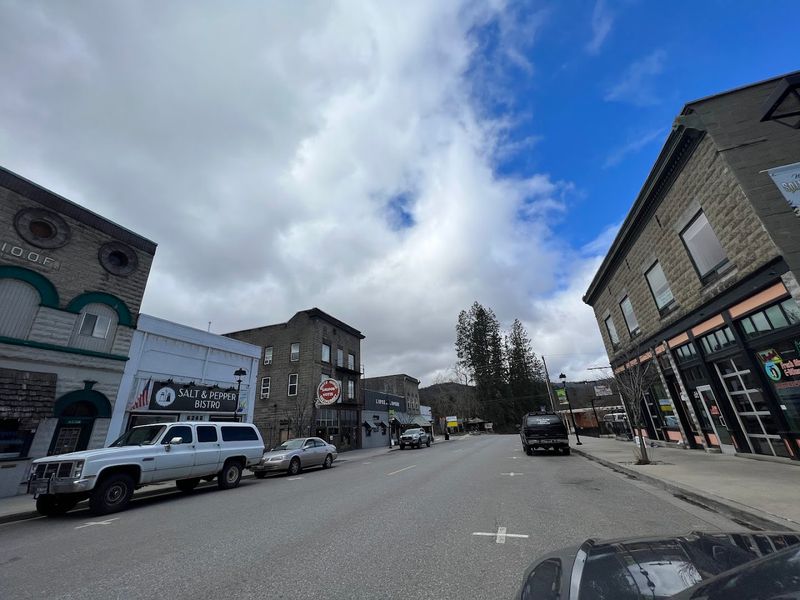
Small-town texture gives the lake visit more personality. The City of Spirit Lake lists its civic address on Maine Street, and that spelling matters because visitors may notice it around town.
The downtown area reflects a long local history shaped by logging, rail connections, lake recreation, and North Idaho community life.
A walk through town before heading to the water helps the lake feel less like an isolated scenic stop and more like part of a living place.
Local shops, cafés, small businesses, and older buildings give visitors a reason to slow down before the shoreline takes over. The atmosphere is not polished into a resort fantasy, which is part of the appeal.
Spirit Lake still feels like a real Idaho town with everyday rhythms, not a backdrop built only for weekend visitors. Grabbing food, browsing a shop, or talking with someone local can add context that the water alone cannot provide.
The lake’s legend gives the destination emotional weight, but the town gives it present-day life. Walking first also makes the eventual arrival at the water feel more earned.
You understand a little more of what surrounds it, not just what reflects on its surface.
Save Time For The Forested North Idaho Views
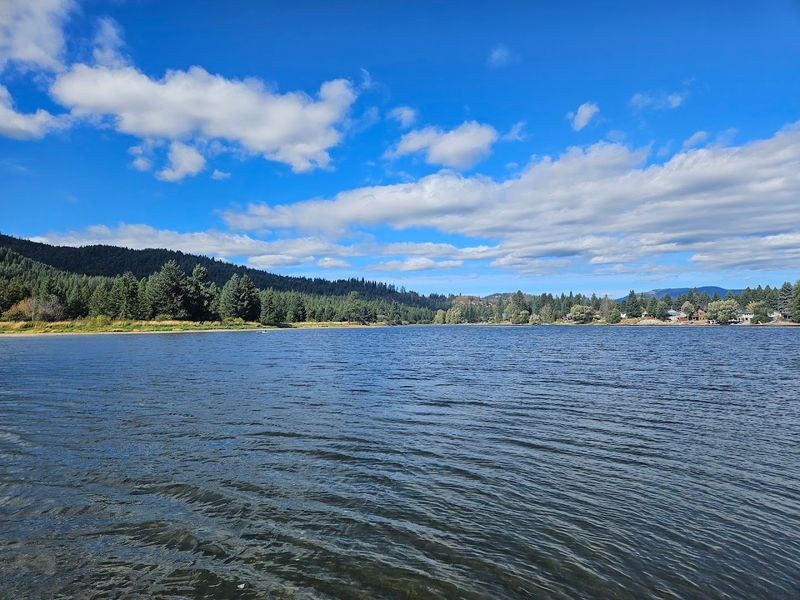
The trees around Spirit Lake help explain why the area feels so unmistakably North Idaho. Forested hills, evergreens, backroads, and nearby trail systems give visitors more to do than sit beside the water, though sitting beside the water remains a very respectable choice.
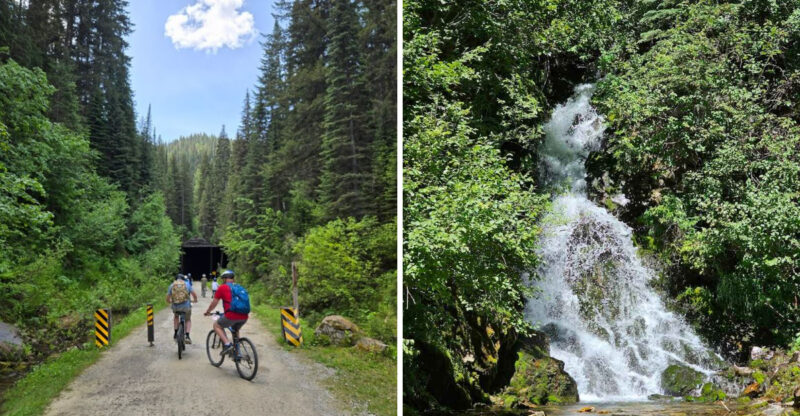
Regional sources describe Empire Trails as about 6.5 miles of hiking and biking terrain, while Brickel Creek Trail is often described as a roughly 5-mile woodland route with boulders, creeks, and seasonal waterfall scenery.
Those options give active visitors a way to add land-based adventure to a lake-focused trip.
Trail conditions, access, and difficulty can change with weather, maintenance, and season, so checking current local information before heading out is important.
Good shoes, water, and realistic timing matter, especially on forest routes that may sound easy until mud, heat, or fallen branches add their opinions.
The reward is a fuller sense of the landscape. Spirit Lake is beautiful at the shoreline, but the surrounding woods widen the experience.
They give the lake a frame of dark green ridges, quiet trails, and that particular Panhandle feeling where town, water, and forest stay closely connected.
Treat The Legend As Local Lore, Not A Fact Claim
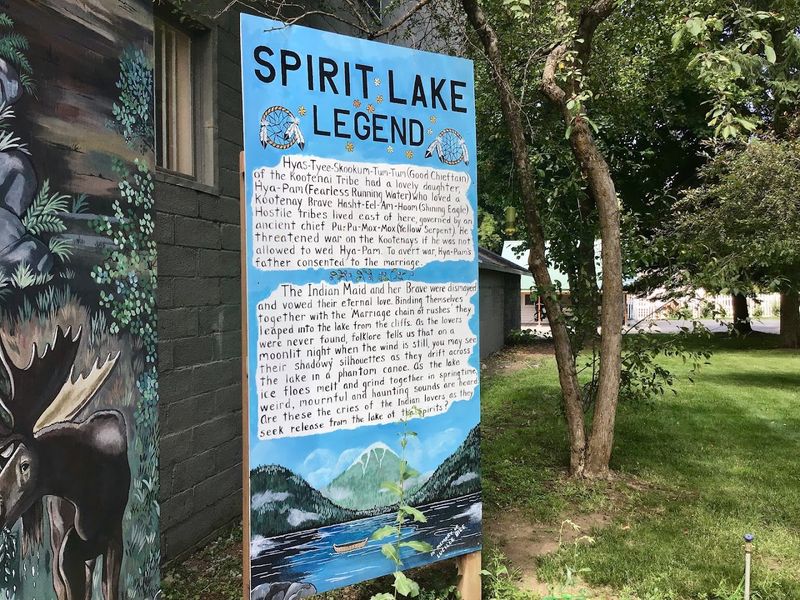
Respect makes the story stronger, not weaker. The legend of Fearless Running Water and Shining Eagle is best understood as local lore tied to Indigenous storytelling and place memory, not as a verifiable historical event to fact-check like a courthouse record.
The City of Spirit Lake shares the story as part of the lake’s legend and history, and PBS educational material also presents a version of the tale connected to the name “Lake of the Spirits.”
That does not mean every detail should be treated as literal fact. It means the story has shaped how people understand the lake.
That distinction matters, especially when Indigenous stories are involved. Visitors should avoid turning the legend into a cheap ghost story or repeating it with exaggerated certainty.
A better approach is to say, “Local legend says,” then let the meaning sit where it belongs. Stories can be culturally meaningful, emotionally powerful, and historically influential without being documented in the same way as a road opening or building date.
Spirit Lake’s name carries that kind of meaning. The lake is not mysterious because someone proved every part of the tale.
It is mysterious because people kept telling it.
Watch Sunset Turn The Lake A Little Mysterious
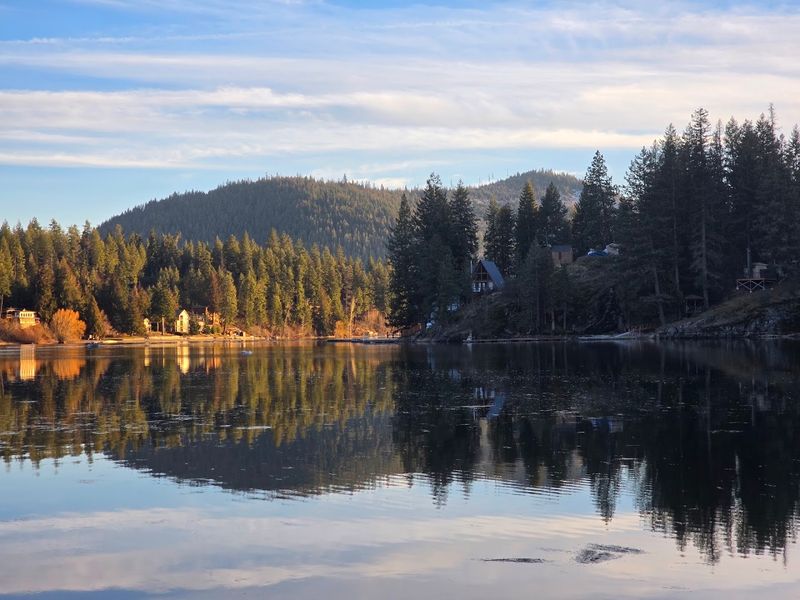
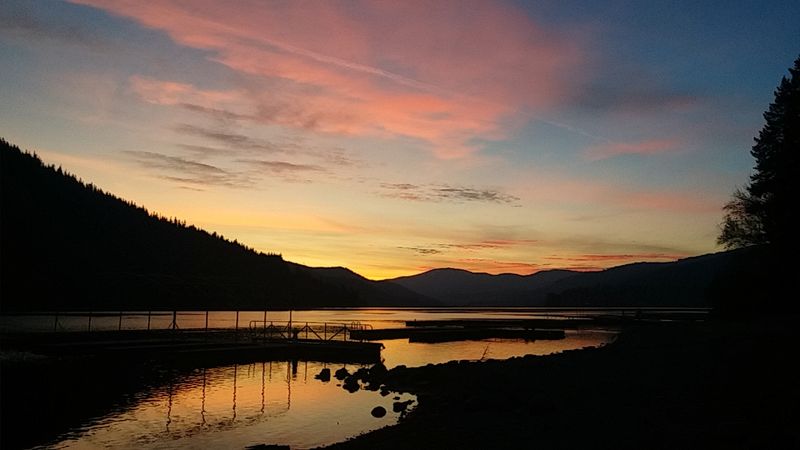
Evening gives Spirit Lake its best dramatic timing. As the sun drops behind the trees, the water changes from bright and calm to reflective and moody, catching whatever color the sky decides to offer.
The same lake that felt cheerful in the afternoon can feel more thoughtful at dusk, especially after hearing the story behind its name. Shadows lengthen along the shore.
Wind moves differently across the surface. Boats quiet down.
The forest reflection deepens until the water looks less like a lake and more like a dark mirror.
That is when the legend feels easiest to understand, not because anything supernatural needs to happen, but because the setting becomes atmospheric enough to carry the idea.
A sunset here can be simple: a parked car, a bench, a shoreline walk, or a few quiet minutes before heading home. No elaborate plan required.
Idaho lakes are often beautiful in broad daylight, but Spirit Lake gains something extra when the light fades. The name, the story, the trees, and the water all start working together.
By the time dusk settles in, the lake feels peaceful again, but not quite innocent.