One Delaware Waterfall Is Striking Enough To Be Worth The Trip
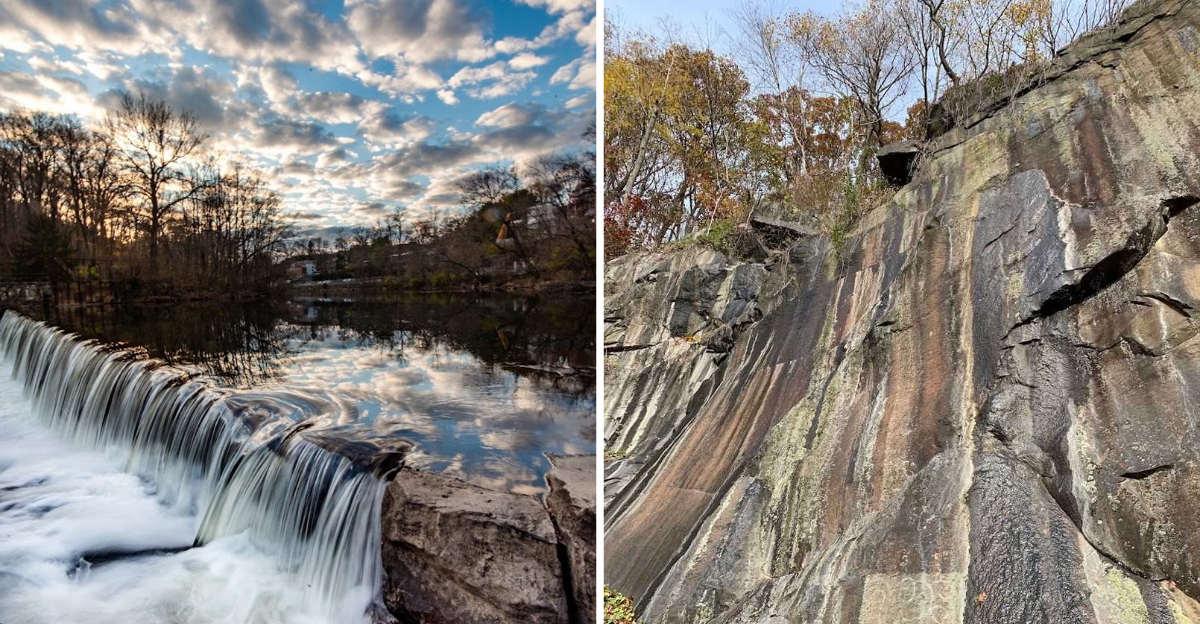
A waterfall in a downtown park? Barely believable. Yet it tumbles over ancient rock with quiet confidence.
Few expect a real waterfall inside a Delaware city. Most people drive right past, clueless it exists. A wild pocket of urban greenery hides it well.
I found it on a crisp autumn morning by chance. The rushing water made me stop and simply stare. It ranks among the Mid-Atlantic’s most underrated sights.
Trails, geology, and wildlife surround the falls. The whole scene feels secret and untouched. Cool mist drifts off the pool. Birds call from the shaded canopy.
How does a waterfall like this stay a secret?
The Waterfall That Starts It All
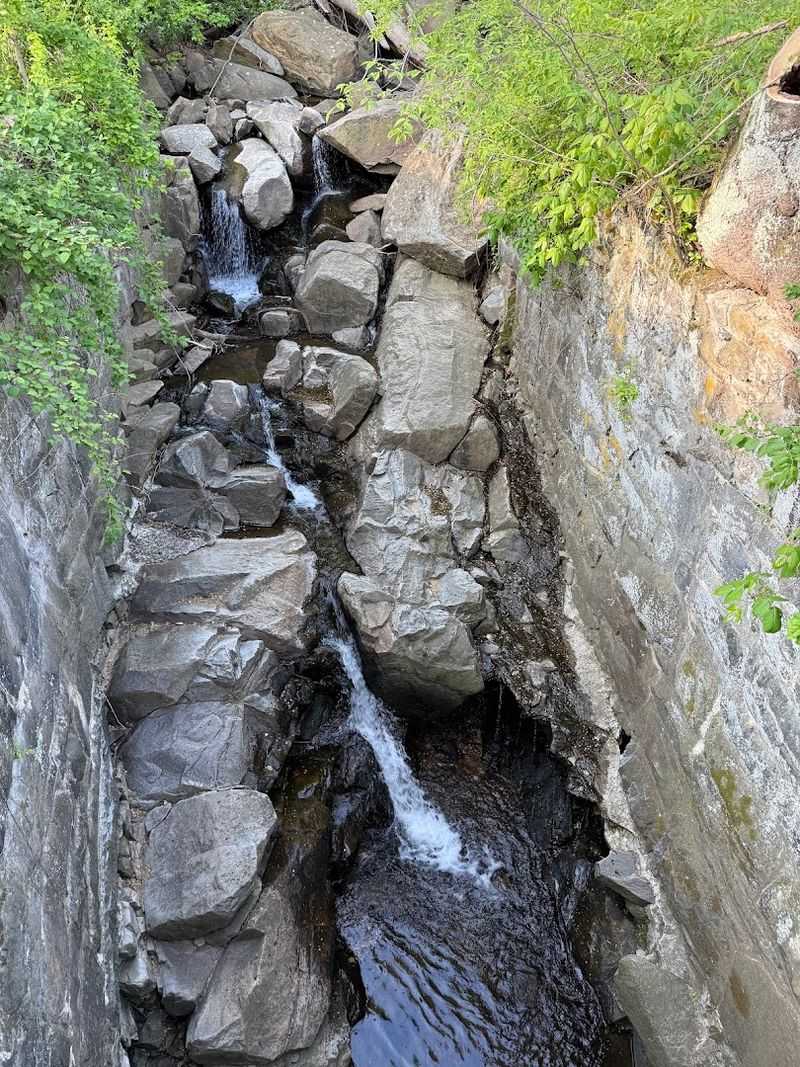
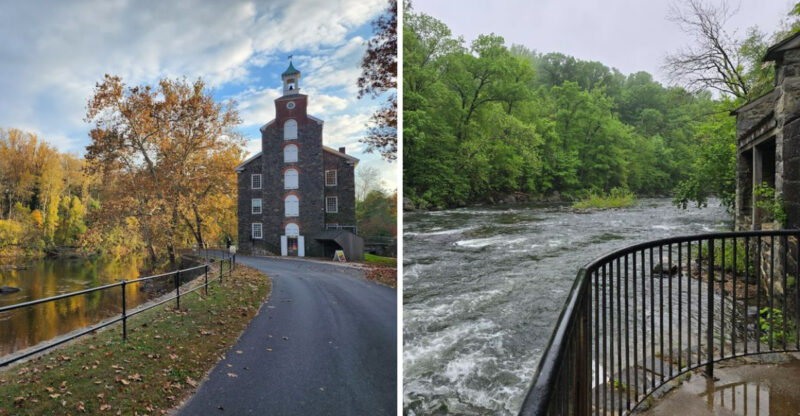
Water has a way of announcing itself before you even see it. Walking the main trail at Alapocas Run State Park, you hear the rush of falling water long before the view opens up through the trees.
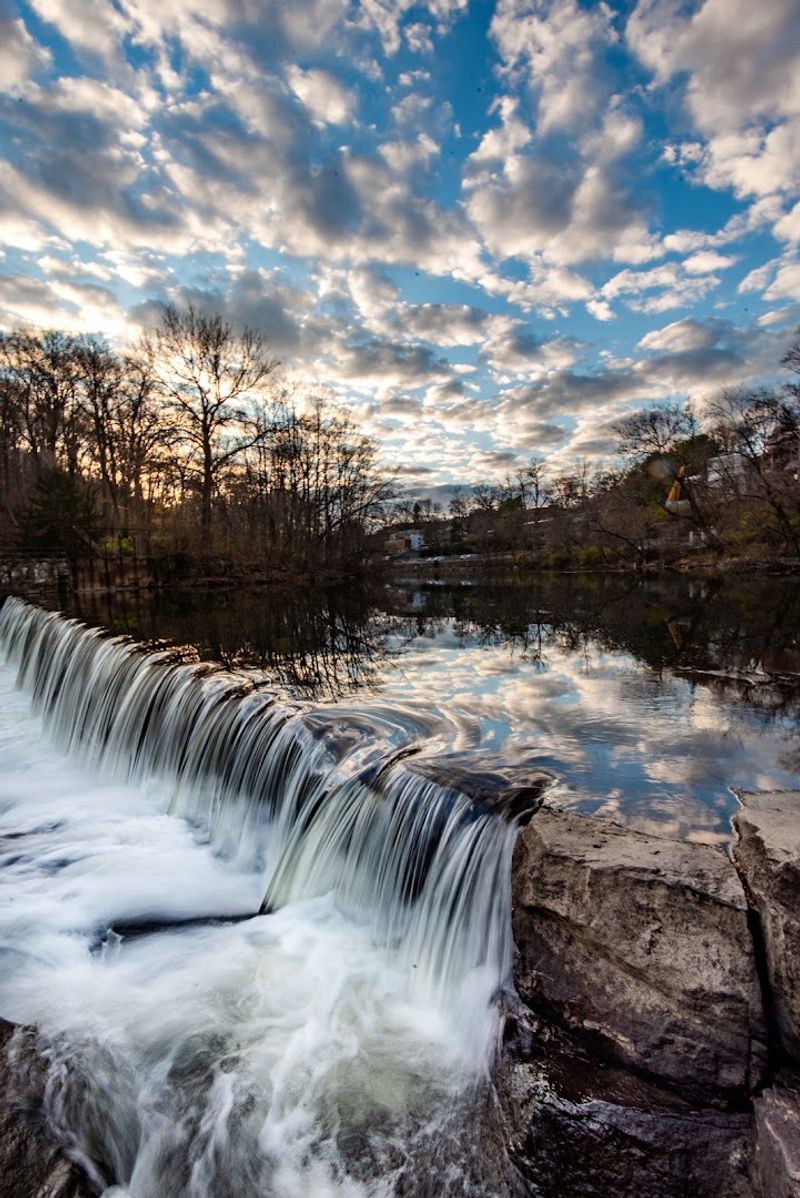
The waterfall is not enormous, but it has real presence, the kind that makes you reach for your camera instinctively.
The falls drop over exposed Brandywine Blue Gneiss, a rock that geologists estimate is roughly 500 million years old. That dark, streaked stone gives the waterfall a dramatic backdrop that photographs beautifully in any season.
The contrast between the white rushing water and the dark rock face is genuinely striking. Delaware is not usually the state people think of for waterfalls, which makes this one feel like a well-kept secret.
The park sits at 1914 W Park Dr in Wilmington easily accessible from the city. Most visitors arrive expecting a pleasant walk and leave genuinely surprised by what they found.
Ancient Rock Beneath Your Feet
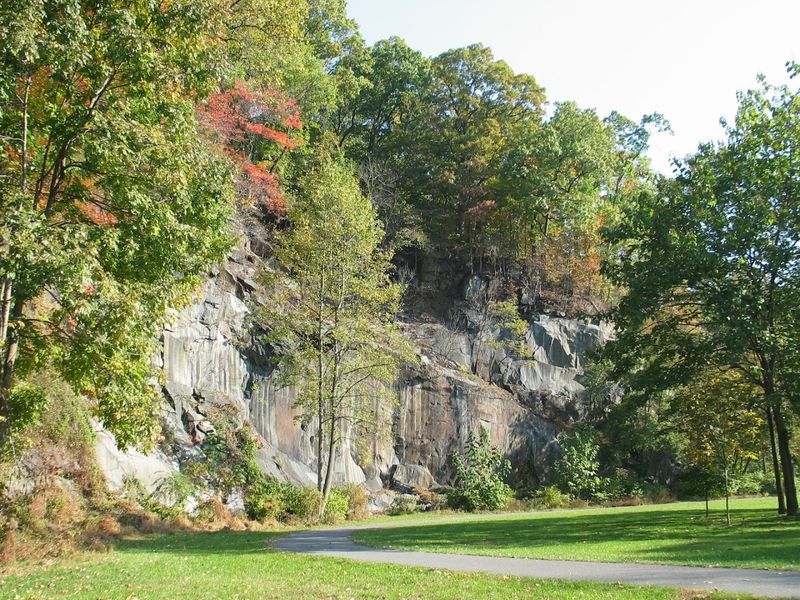
Not every park lets you walk across half a billion years of Earth history.
The exposed rock outcroppings at Alapocas Run State Park are made of Brandywine Blue Gneiss, one of the oldest rock formations in the eastern United States. Geologists and curious hikers alike find these formations worth a long, slow look.
The rock has a distinctive bluish-gray color with visible mineral banding. It formed deep underground under intense heat and pressure, then slowly shifted to the surface over millions of years.
Delaware sits on a geological boundary zone, which is part of why these formations appear here and not elsewhere in the region.
Running your hand across the surface of these boulders feels oddly humbling. The texture is rough and layered, almost like reading a very slow book.
Several large outcroppings line the creek trail, and some are tall enough to climb safely for a better view.
Kids especially love scrambling across them, and parents tend to linger nearby, equally fascinated. The geology here is genuinely one of the park’s most distinctive features, and it deserves more attention than it typically gets.
Trails Worth Every Step
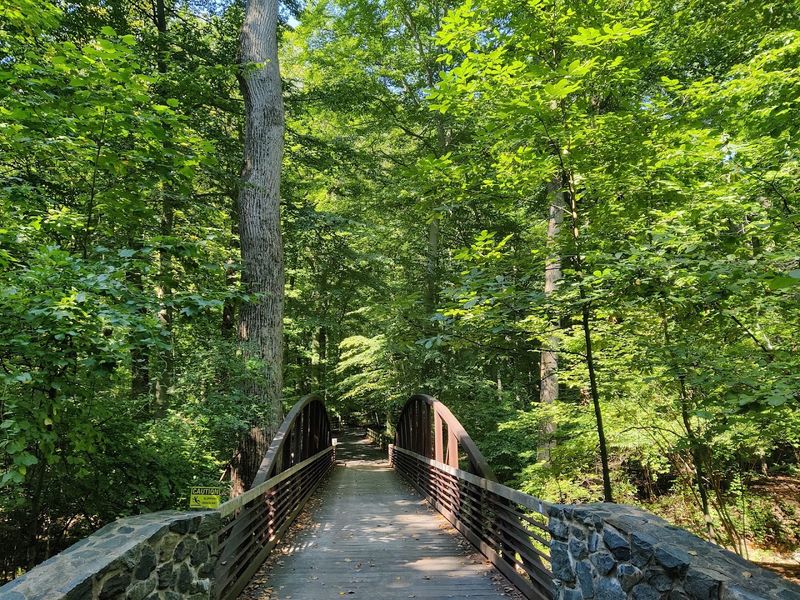
Some parks have trails that feel like an afterthought. The paths at Alapocas Run State Park feel like the main event.
The trail network follows Alapocas Run creek through a narrow wooded valley, and the terrain shifts constantly enough to stay interesting from start to finish.
The main loop covers just over two miles, which makes it manageable for most fitness levels. The path dips close to the water at several points, crosses a few small footbridges, and climbs briefly to offer elevated views of the creek below.
Roots and rocks keep you paying attention, in the best possible way. Delaware offers very few trail experiences that feel this immersive within city limits.
Wilmington surrounds the park on all sides, yet once you are on the trail, the urban noise fades surprisingly fast. The canopy closes in overhead, the creek fills your ears, and the whole experience shifts into something that feels genuinely remote.
Hikers, trail runners, and families with young children all share the paths comfortably. Weekday mornings tend to be quieter, and that is when the forest feels most like it belongs entirely to you.
Wildlife Hidden In Plain Sight
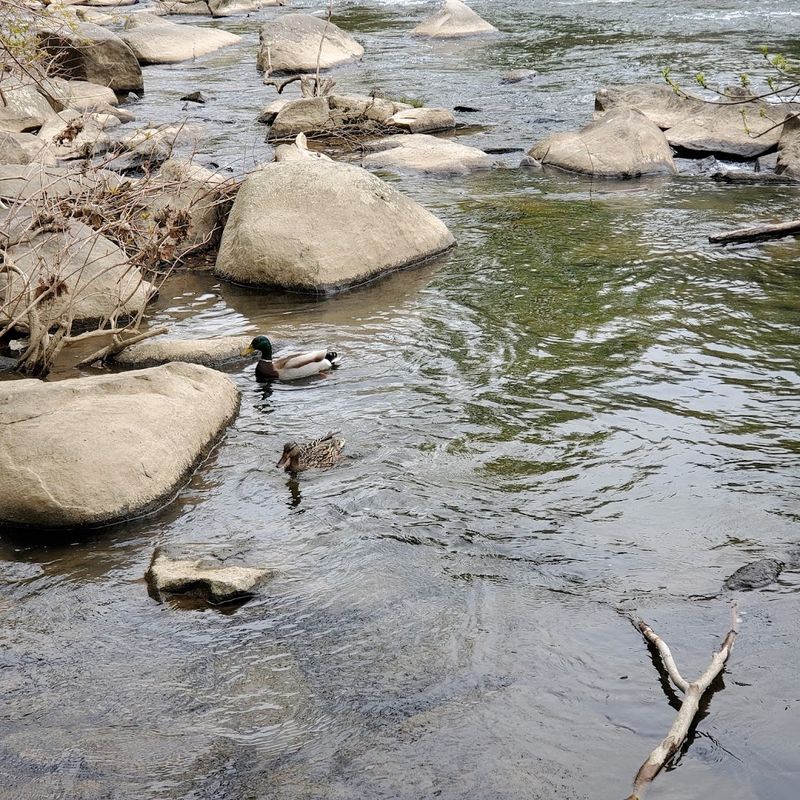
The creek corridor at Alapocas Run State Park acts as a wildlife highway through the middle of Wilmington. Great blue herons are a regular sight here, standing motionless in the shallows with the patience of seasoned fishermen.
Spotting one from the trail feels like a small reward for moving quietly.
Songbirds fill the canopy during spring migration, and the dense understory provides nesting cover for wood thrushes, red-eyed vireos, and various warbler species.
Bringing a pair of binoculars on a May morning turns this park into a genuinely productive birding spot.
Delaware sits along the Atlantic Flyway, so migratory traffic through the park can be impressive in both spring and fall.
White-tailed deer move through the wooded sections regularly, especially near dawn and dusk. Turtles sun themselves on creek-side rocks when temperatures climb.
The creek itself holds fish, and the water quality has improved significantly over recent decades thanks to conservation efforts.
None of this wildlife is guaranteed on any single visit, but the habitat is rich enough that something interesting almost always appears.
The Creek And Its Quiet Power
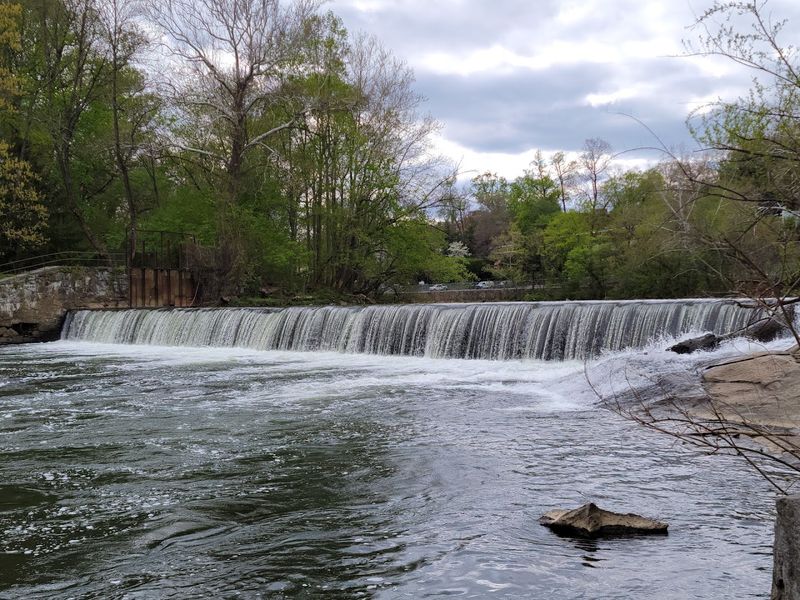
Alapocas Run is not a wide or dramatic waterway.
It is a narrow, energetic creek that cuts through a rocky valley with a lot of personality packed into a small channel. The sound it makes rolling over stones and around boulders becomes the park’s constant soundtrack.
After a rainstorm, the creek runs fast and opaque, carrying a brownish tint from upstream soil. On dry sunny days, it slows to a clear trickle that reveals every pebble on the bottom.
Both versions are worth experiencing, because each changes the character of the trail completely. The waterfall itself becomes noticeably more powerful after rain, which is worth keeping in mind when planning a visit.
Delaware gets steady rainfall throughout the year, so finding the creek in good flow is rarely difficult. The creek also plays an important ecological role, supporting aquatic insects, amphibians, and the fish that attract those patient herons.
Sitting beside it for ten minutes, just listening, is one of the simplest and most satisfying things this park offers.
Rock Climbing At The Quarry
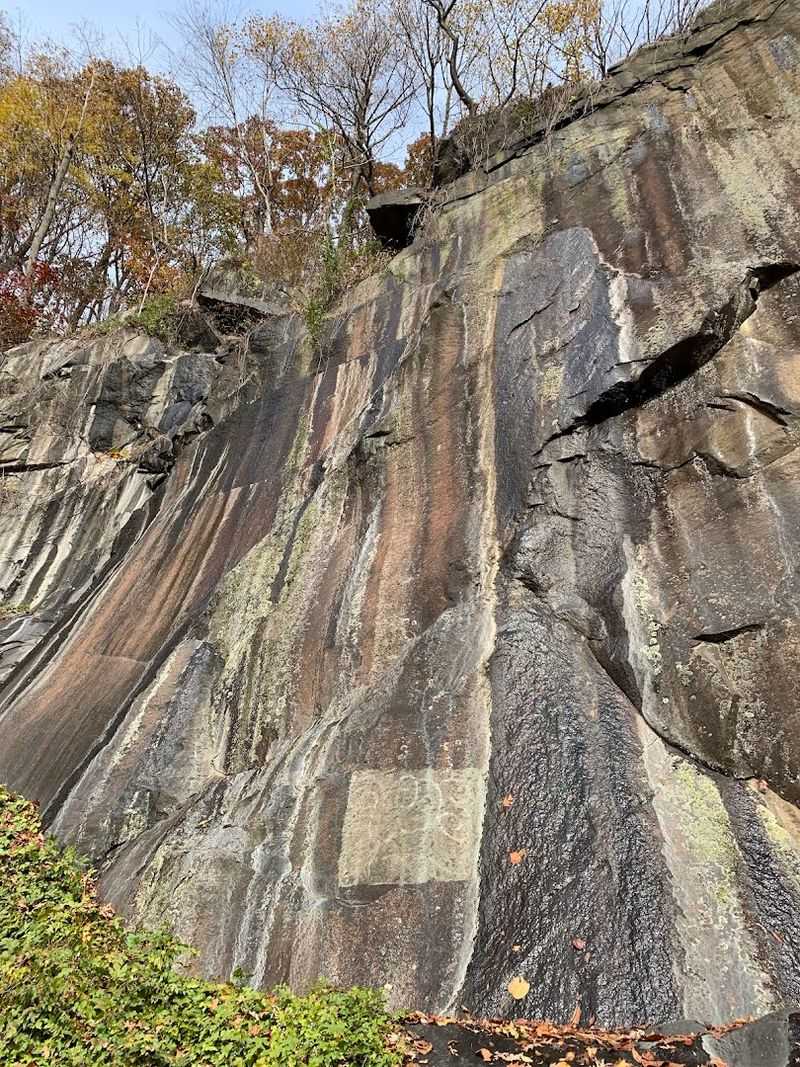
Right next to the main park area sits one of the most unexpected features in all of Delaware.
The Alapocas Woods rock climbing area offers vertical stone walls that attract climbers from across the region. The exposed Brandywine Blue Gneiss here forms tall, clean faces that challenge beginners and experienced climbers alike.
The climbing walls were created naturally by old quarry activity, which left behind sheer rock faces up to forty feet high.
Routes range from accessible beginner lines to technical challenges that require real skill and proper gear. The Delaware Greenways organization helps maintain access to this area, and the climbing community keeps it well-used year-round.
I watched several climbers work through routes on a Saturday afternoon, and the atmosphere was welcoming and focused. Spotters called out encouragement from below while others chalked up their hands and studied the rock above.
If you do not climb yourself, it is still worth walking over to watch. The setting is dramatic enough to be entertaining from the ground.
History Carved Into The Landscape
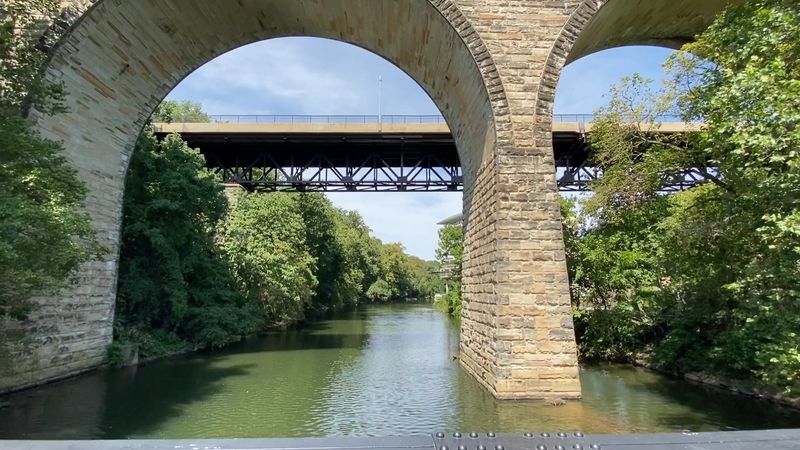
The land around Alapocas Run State Park carries layers of human history beneath its current green surface.
The Brandywine Valley, which borders this area, was one of the most industrially active regions in early America. Mills, quarries, and powder works once operated along these creek corridors throughout the 18th and 19th centuries.
The quarrying of Brandywine Blue Gneiss in this specific area shaped not just the local economy but also the physical landscape you walk through today.
Stone from these quarries was used in construction across the region, including buildings that still stand in Wilmington and beyond. The carved rock faces left behind by that industry are now the climbing walls that attract weekend adventurers.
Delaware has worked to preserve and interpret this industrial heritage through its state park system.
Walking the trail here, you occasionally notice old stone walls half-hidden by tree roots and leaf litter. These remnants connect the present landscape to a working past that shaped the region profoundly.
Practical Tips Before You Go
Getting to Alapocas Run State Park is straightforward. The lot fills up on busy weekend mornings, so arriving before 9 a.m. gives you the best chance of a smooth start.
Wear sturdy shoes with good grip. The trail surface includes roots, rocks, and creek-side mud that can be slippery after rain.
A light layer is useful in the morning even in summer, since the valley stays cool when the canopy is full. Bring water, because there are no facilities or water sources along the trail itself.
Cell service is generally reliable throughout the park, which makes navigation easy using a maps app.
The trails are not heavily signed, so taking a moment to study the trail map near the entrance before heading out is genuinely helpful.
Delaware state parks as a whole are well-maintained, and this one is no exception. The staff and volunteers who care for Alapocas Run State Park have kept it in excellent shape for everyone to enjoy.