13 California Mountain Towns Where Summer Heat Barely Stands A Chance
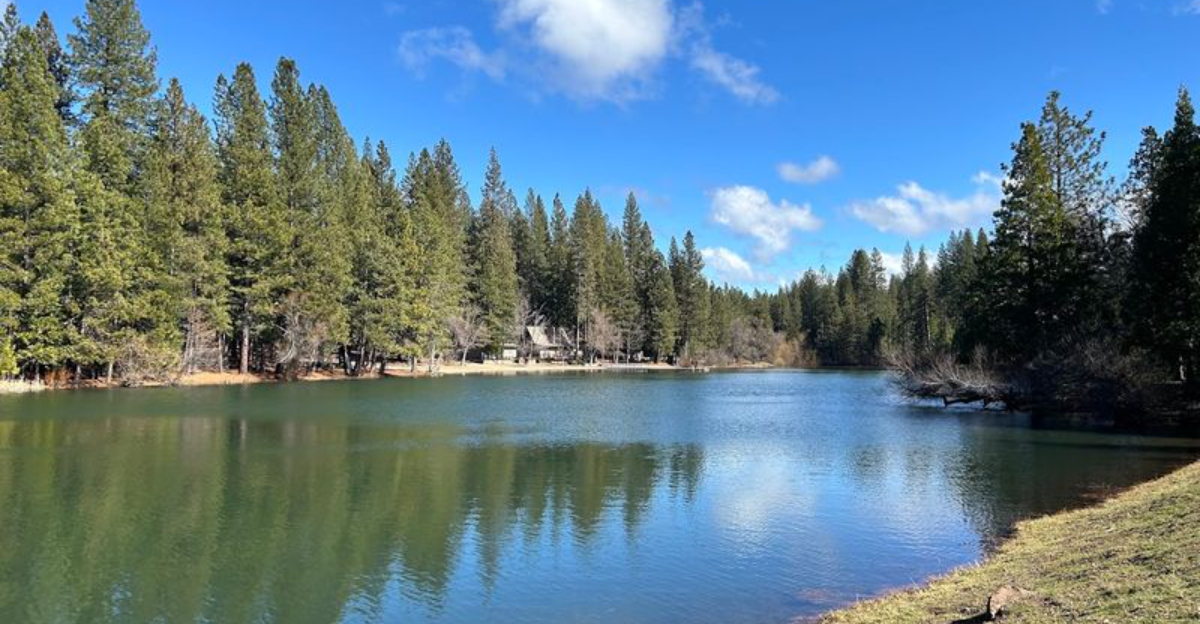
Summer heat gets a lot less convincing once elevation starts bossing it around.
Down in the valleys, sidewalks shimmer and car seats turn hostile. Higher up, the mood changes fast.
Pine shade gets deeper. Mornings feel crisp. Even the air seems to relax, like it knows nobody came all this way to sweat through lunch.
These California mountain towns can make even July feel like someone quietly lowered the thermostat.
These places give summer travelers a cooler way to wander without hiding indoors all day.
Main streets stay pleasant longer. Trailheads feel more inviting. Patio meals do not require bravery.
Lakes, forests, cabins, bakeries, and scenic drives all work better when the weather stops acting like the villain.
The best part is the contrast. A few hours from hotter cities, the whole day can feel lighter.
Not cold. Not sleepy. Just cool enough to make walking around and pretending you “might move here someday” sound completely reasonable.
1. Mammoth Lakes
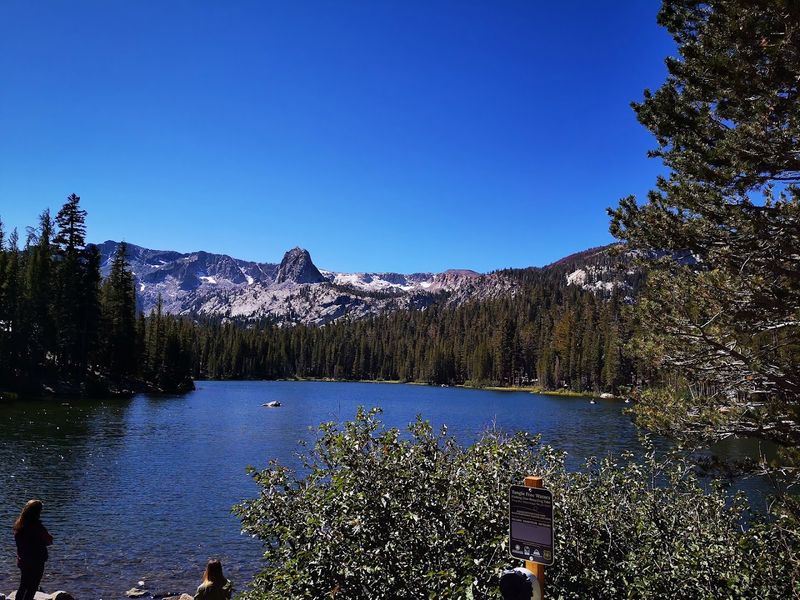
Few places in California make summer feel as effortless as Mammoth Lakes does, sitting at an elevation above 7,800 feet where the air stays crisp even on the warmest afternoons.
Average highs tend to hover between 70 and 80 degrees Fahrenheit, while overnight temperatures regularly drop into the 40s, making evenings genuinely cool and comfortable.
The surrounding landscape is loaded with options for outdoor exploration.
Trails like Crystal Lake Trail, Duck Pass Trail, and Rainbow Falls Trail offer varying levels of challenge, with rewarding views at every turn.
Horseshoe Lake is a popular swimming spot with a sandy shoreline and no motorized boats allowed, keeping the atmosphere peaceful and relaxed.
Beyond hiking, the area supports kayaking, paddleboarding, and fishing across its many alpine lakes, including Lake Mary and Twin Lakes.
Mountain biking enthusiasts tend to gravitate toward the lift-served trails at Mammoth Mountain Bike Park, where routes range from beginner-friendly to technically demanding.
The town itself has a lively mix of dining spots and local shops that give visitors plenty to do when they step off the trail for the day.
2. Truckee
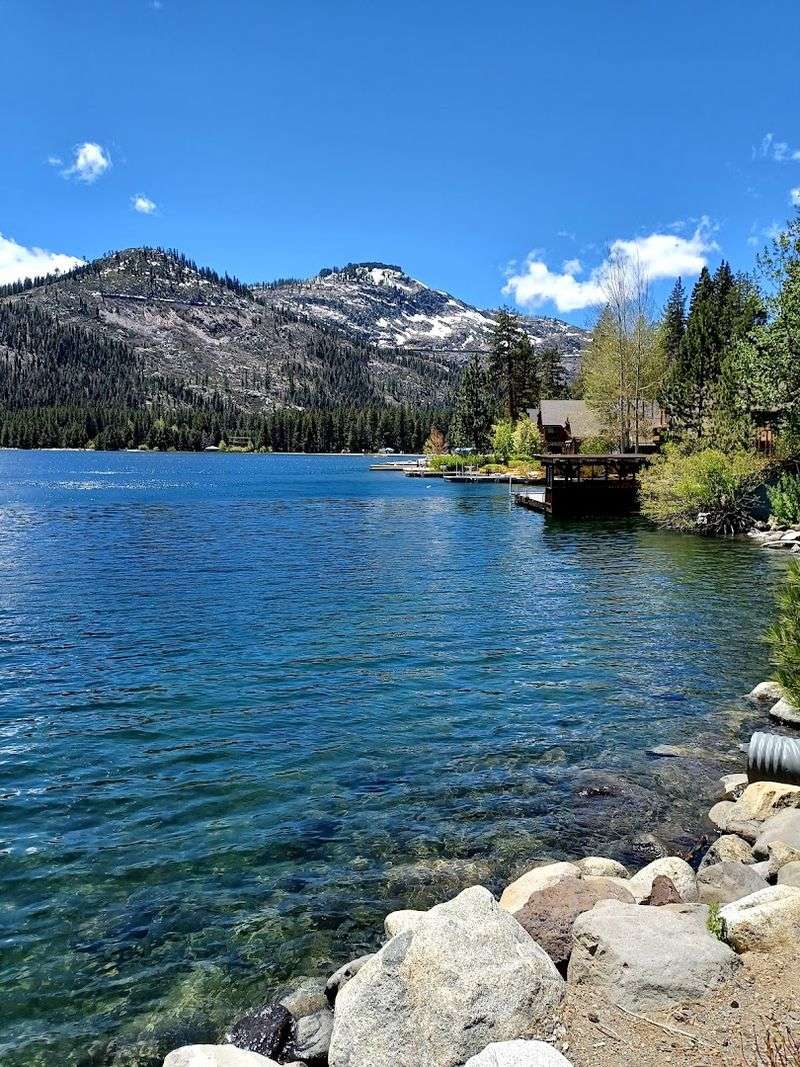
Perched at roughly 6,000 feet in the Sierra Nevada, Truckee has a summer personality that feels unhurried and genuinely mountain-made.
Daytime highs typically climb into the low 80s Fahrenheit, but evenings reliably cool into the 40s and 50s, which means open windows at night and layers in the morning are part of the routine.
Donner Lake is the heart of many summer days here, offering kayaking, paddleboarding, and swimming once water temperatures warm toward the low 60s by mid-summer.
Floating the Truckee River on a tube is a beloved local tradition, with outfitters offering rentals along a gentle Class I to II stretch that moves through shaded canyon sections.
Donner Memorial State Park adds a layer of history to the outdoor experience, with family-friendly hiking trails and exhibits that trace the area’s past.
The walkable historic downtown features independent shops and a summer street festival that draws visitors looking for something beyond the typical resort experience.
Nearby beaches on Lake Tahoe’s North Shore, including Kings Beach, are only a short drive away and expand the options considerably for a full summer day.
3. South Lake Tahoe
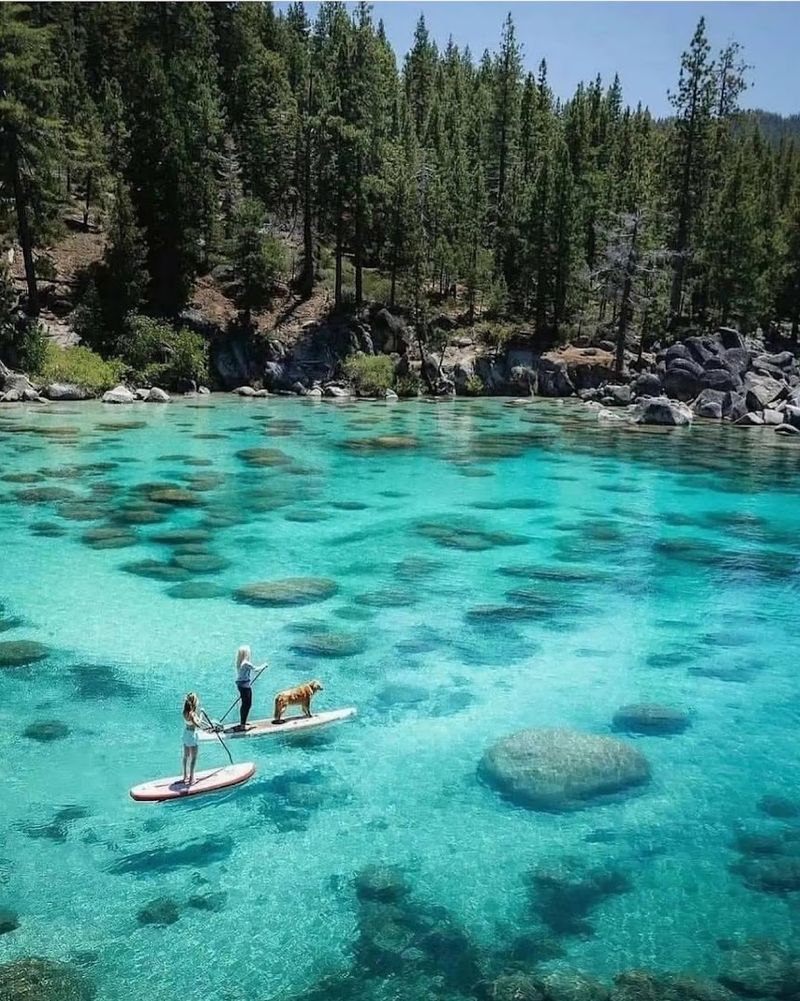
The combination of mountain elevation and low humidity gives South Lake Tahoe a summer climate that feels genuinely refreshing compared to most of California.
Average highs settle into the 70s Fahrenheit while lows drop into the 40s at night, creating a comfortable rhythm of warm days and cool evenings that works well for outdoor activity.
The beaches here are a major draw, with Thomas F. Regan Memorial City Beach, Baldwin Beach, and El Dorado Beach offering space for swimming, paddleboarding, and kayaking.
Watercraft rentals are available near Baldwin and Pope Beach, making it easy to get on the water without hauling your own gear.
Hiking options spread across several state parks in the area. Emerald Bay State Park is particularly striking, with the Vikingsholm Trail leading down to a sandy beach where paddleboard and kayak rentals are also available.
Van Sickle Bi-State Park and Sugar Pine Point State Park each add their own trail networks for those who prefer exploring on foot.
For a bit more variety, the area also offers mini golf and a mountain coaster at Heavenly, giving families a lively mix of activities beyond the shoreline.
4. Mount Shasta
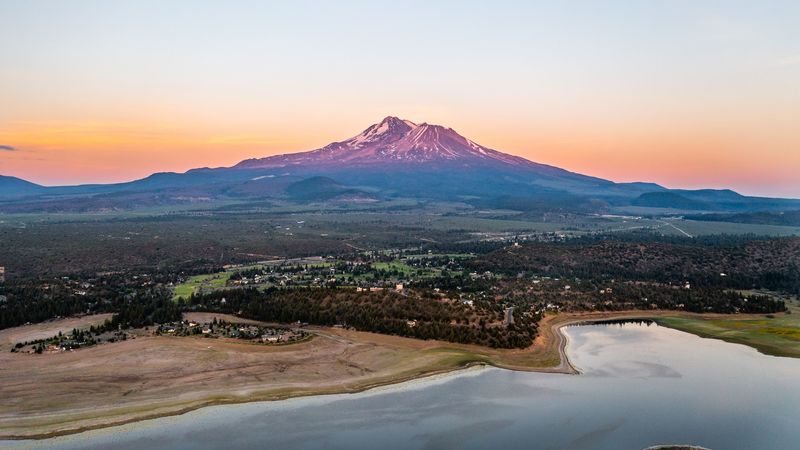
There is something quietly dramatic about spending a summer day near a 14,179-foot volcano that still holds snow on its upper slopes in July.
The town of Mount Shasta sits at the mountain’s base, where July average highs range from 83 to 85 degrees Fahrenheit, but low humidity and nighttime lows in the low 50s keep the overall experience from feeling oppressive.
The mountain itself draws climbers throughout the summer, with August and September offering particularly stable conditions for those attempting glacier routes on the north side.
For hikers who prefer staying closer to the valley floor, Hedge Creek Falls and Mossbrae Falls are both accessible and rewarding, each offering that cool-mist feeling that only a waterfall can provide on a warm afternoon.
Lake Siskiyou and Castle Lake offer calm water for swimming, kayaking, and simply sitting at the shoreline with a view of the peak above.
The Pacific Crest Trail passes through the region, and shorter day hikes connect visitors to forested terrain without requiring technical experience.
The overall mood of the town tends to be laid-back and outdoor-focused, attracting a mix of climbers, nature lovers, and those simply passing through on a longer road trip.
5. Idyllwild
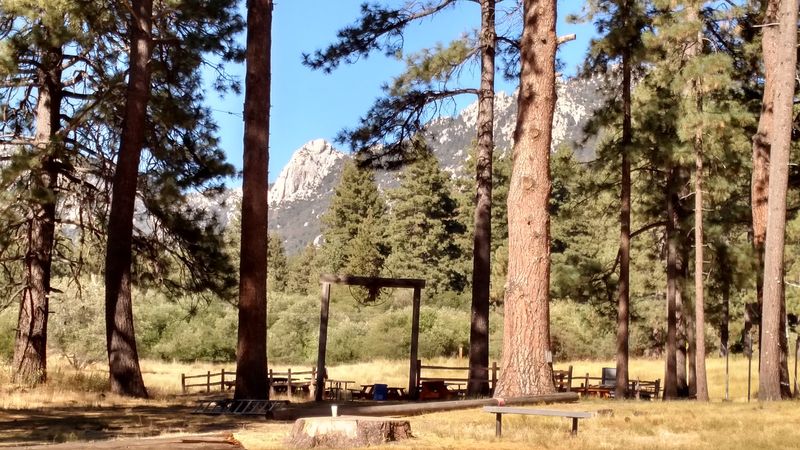
In the San Jacinto Mountains at elevations ranging from 5,000 to over 5,400 feet, Idyllwild has built a reputation as one of Southern California’s most reliable escapes from desert-level summer heat.
Cool breezes move through the pines throughout the day, and mornings tend to carry a crispness that is hard to find anywhere near the desert floor just a few thousand feet below.
Mount San Jacinto State Park anchors much of the hiking activity here, with trails like Devil’s Slide Trail offering shaded forest cover and sweeping views.
The Ernie Maxwell Scenic Trail is another popular option, known for a relatively gentle grade that makes it accessible to a wide range of fitness levels.
Rock climbers have long been drawn to Tahquitz Rock and Suicide Rock, two iconic granite formations that challenge even experienced climbers.
The town itself has a distinct arts community, with galleries, studios, and workshops scattered throughout the village.
The Second Saturday Art Fair and the Idyllwild Summer Concert Series at the Butterfield Amphitheater give visitors cultural reasons to linger beyond the trailhead.
Lake Fulmor offers a quieter, more reflective experience for those who prefer a leisurely lakeside walk over a strenuous climb.
6. Big Bear Lake
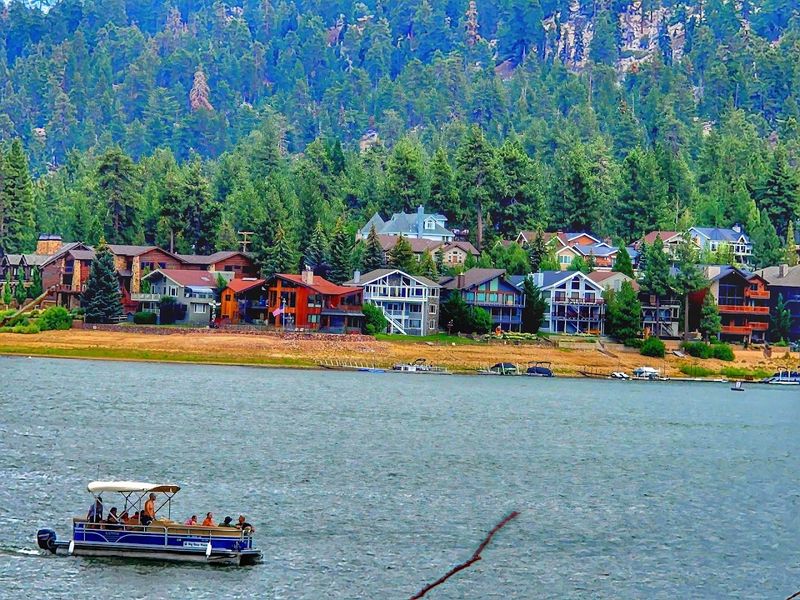
Big Bear Lake sits at 6,752 feet in the San Bernardino Mountains, and that elevation makes a noticeable difference when the rest of Southern California is baking.
Summer daytime temperatures tend to hover comfortably near 80 degrees Fahrenheit, and evening air carries a coolness that makes sitting outside after sunset genuinely enjoyable.
The lake is the centerpiece of most summer visits, offering boating, sailing, kayaking, paddleboarding, water skiing, wakeboarding, jet-skiing, and swimming.
Fishing is also popular, with trout, largemouth bass, and catfish among the common catches. The Big Bear Alpine Zoo and the Big Bear Historical Museum provide options for days when the water takes a back seat.
Forest trails wind through the surrounding mountains, giving hikers and mountain bikers a shaded alternative to the shoreline.
The Alpine Slide at Magic Mountain adds a dose of fun for families, sending riders down a winding track on the hillside above the village.
The Village area itself is walkable and lined with shops and dining spots, making it easy to transition from an active morning on the water to a relaxed afternoon on foot.
With more than 300 sunny days per year, the weather here tends to cooperate with most summer plans.
7. June Lake
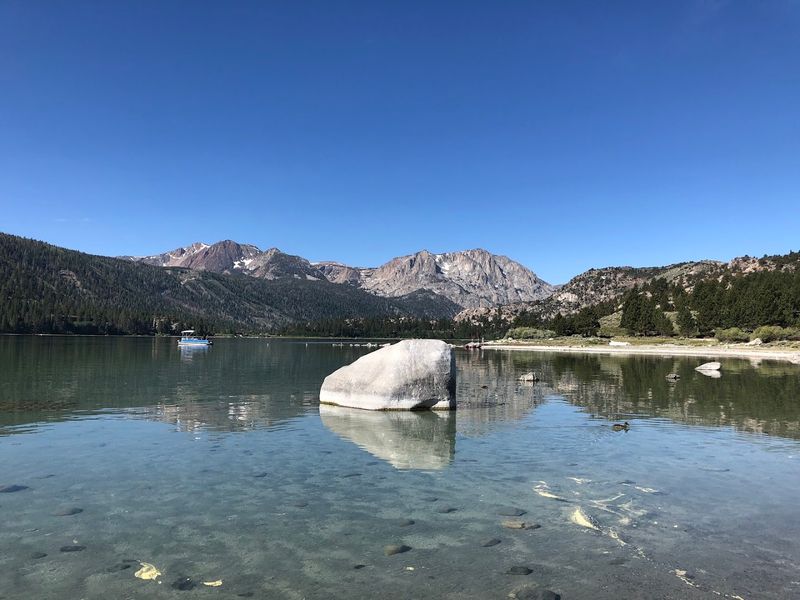
Nestled below the snow-dusted peaks of the Eastern Sierra, June Lake sits within a loop of four connected alpine lakes that stay beautifully clear and swimmable by midsummer.
Average temperatures during July and August typically range between 60 and 80 degrees Fahrenheit, offering warm days balanced by genuinely cool mountain nights.
June Lake, Gull Lake, Silver Lake, and Grant Lake each have their own character and recreational appeal.
Swimming becomes comfortable by July, while boating, paddleboarding, waterskiing, and jet-skiing fill the summer calendar across all four.
Fishing here has a strong following, with each lake and the surrounding creeks offering different species and conditions throughout the season.
Hiking trails like Parker Lake Trail and Fern Lake Trail deliver dramatic views of the surrounding peaks without requiring extreme technical skill.
Wild Willy’s Hot Springs, located a short drive south near Mammoth, adds a relaxing option for those who want to soak after a day on the trail.
The overall pace of June Lake Loop feels distinctly unhurried, which is part of its appeal for visitors who want mountain scenery without the larger crowds that tend to gather at more well-known Sierra destinations.
8. Tahoe City
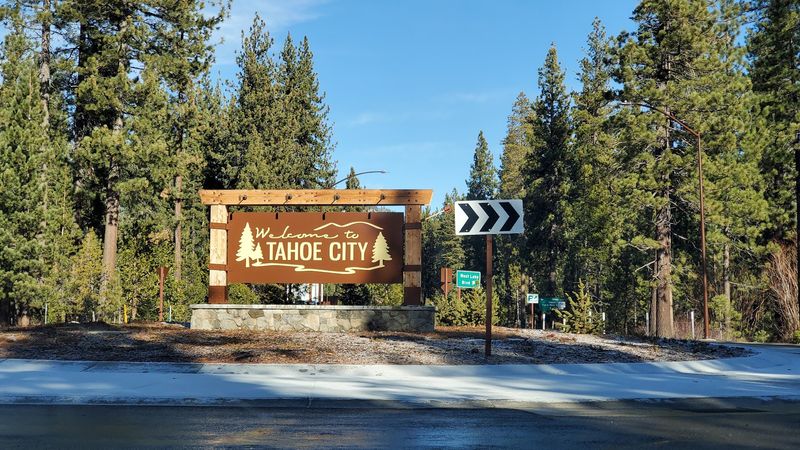
Positioned on the western shore of Lake Tahoe, Tahoe City offers a summer experience that balances lakeside access with a walkable small-town core.
The mountain air stays moderate throughout the season, and the lake itself, despite its famously cold deep water, creates a cooling effect that keeps the surrounding area from ever feeling too warm.
Commons Beach Park is a natural gathering point, hosting summer concerts and offering a sandy shoreline for relaxing or launching a paddleboard.
The Tahoe City Lakeside Bike Path connects riders to miles of scenic lakeside terrain, while Burton Creek State Park offers forested trails for those who prefer hiking through trees rather than riding along the water.
River rafting on the Truckee River is a classic warm-weather activity that starts right in town, with outfitters available for those who need gear.
Ed Z’berg Sugar Pine Point State Park, located just south of Tahoe City, adds two miles of shoreline and additional hiking options for a longer day trip.
Cultural stops like the Gatekeeper’s Museum and Lake Tahoe Dam and the Watson Cabin give history-minded visitors something to explore beyond the outdoor activities.
A local farmers market rounds out the community feel that makes Tahoe City more than just a lakeside stop.
9. Graeagle
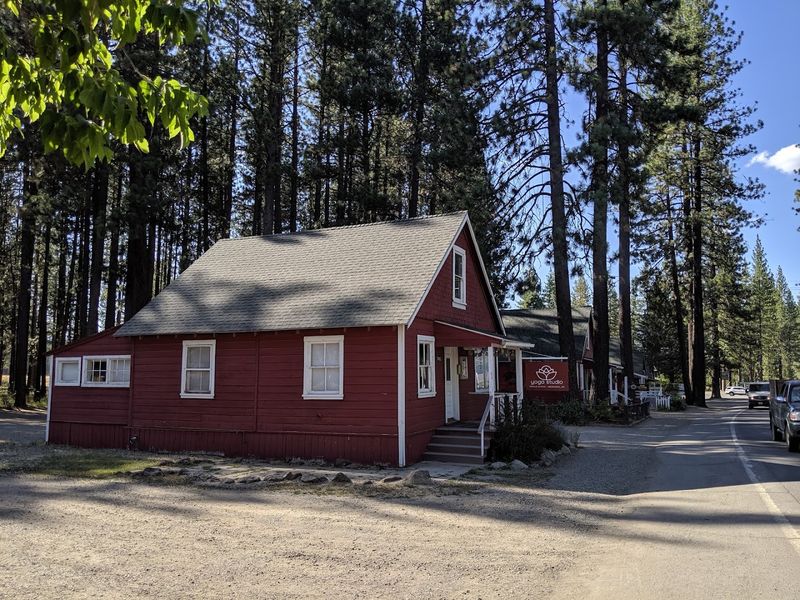
Graeagle is one of those places that looks almost too picturesque to be real, with its signature cluster of little red buildings reflected in the still surface of the mill pond on a clear summer morning.
Located in Plumas County, the area sees July temperatures typically ranging from 61 to 77 degrees Fahrenheit, with comfortable humidity that makes outdoor time genuinely pleasant rather than draining.
The Graeagle Mill Pond itself serves as a central gathering spot for swimming, fishing, picnicking, and easy paddling.
The broader Lakes Basin Recreation Area expands those water options considerably, with sailing, water skiing, kayaking, and paddleboarding spread across multiple lakes and streams.
Frazier Falls Trail, a paved loop, leads to a nearly 200-foot waterfall and is accessible to a wide range of visitors.
Golf is a beloved pastime here, with Graeagle Meadows Golf Course offering scenic mountain play that draws regulars throughout the season.
Horseback riding is available at Graeagle Stables and Gold Lake Stables for those who want to explore the terrain from a different vantage point.
Plumas-Eureka State Park, nearby, adds hiking trails, a museum, and interpretive summer programs that connect visitors to the area’s Gold Rush-era history in a genuinely engaging way.
10. Quincy
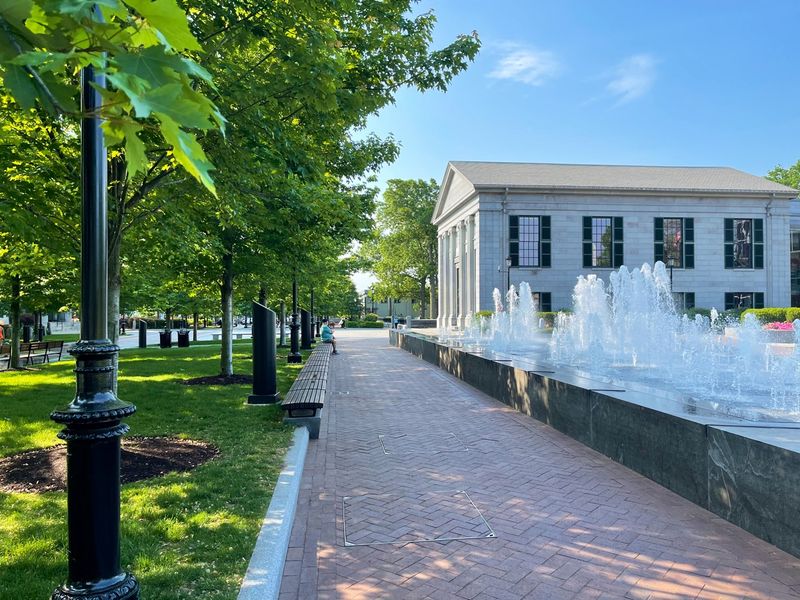
At 3,423 feet in the Sierra Nevada, Quincy operates at a pace that suits its surroundings: unhurried, forested, and genuinely small-town.
Summers here run warm and dry, but the clear mountain air and shaded canyon terrain keep outdoor activity from feeling like a chore even during the hotter stretches of July and August.
The Feather River and surrounding streams are well-regarded for river rafting, kayaking, and swimming, drawing water enthusiasts who prefer moving water over still lakes.
Hundreds of miles of hiking and biking trails fan out through the surrounding county, offering options for day trips of varying intensity without ever needing to drive far from the town center.
Quincy is genuinely walkable by small-town standards, making it a comfortable base for exploring the broader Plumas County region.
The Plumas County Museum traces the area’s rich railroad history through exhibits that are worth a stop for anyone curious about how the Sierra Nevada was shaped by industry as much as geology.
The High Sierra Music Festival, held annually around the Fourth of July weekend, brings a lively mix of music genres and outdoor activities to town and draws visitors from across the state.
11. Arnold
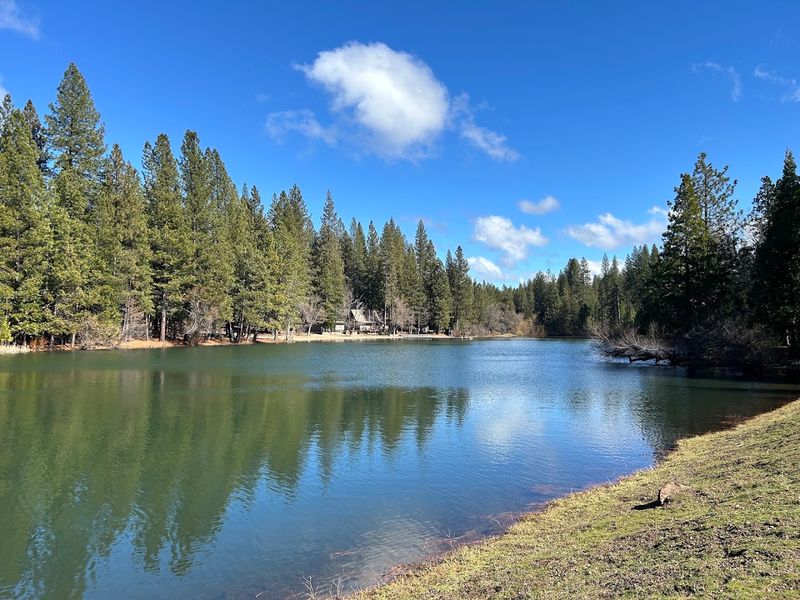
Standing beneath a giant sequoia is one of those experiences that immediately reframes everything around it, and Arnold gives visitors easy access to exactly that at Calaveras Big Trees State Park.
Summer temperatures here run considerably cooler than the Central Valley just a short distance away, with mild mountain air and forest shade combining to create a genuinely comfortable warm-season climate.
The park features two magnificent sequoia groves connected by trails of varying length, along with an interpretive center offering exhibits on the natural and human history of the area.
Staff-led summer programs add an educational layer that works particularly well for families with kids who respond to hands-on learning in the field.
It offers a scenic setting with a small beach suitable for picnics and relaxed shoreline walks.
Lake Alpine, roughly 30 minutes away, is one of the most visually striking mountain lakes in the region and supports fishing, hiking, and paddleboarding.
Bear Valley Resort shifts into summer mode with mountain biking and hiking when the snow melts, adding another active option nearby.
Underground adventures are available at Moaning Cavern and Mercer Caverns, which maintain a naturally cool interior temperature year-round and provide a refreshing contrast to the warm air above ground.
12. Wrightwood
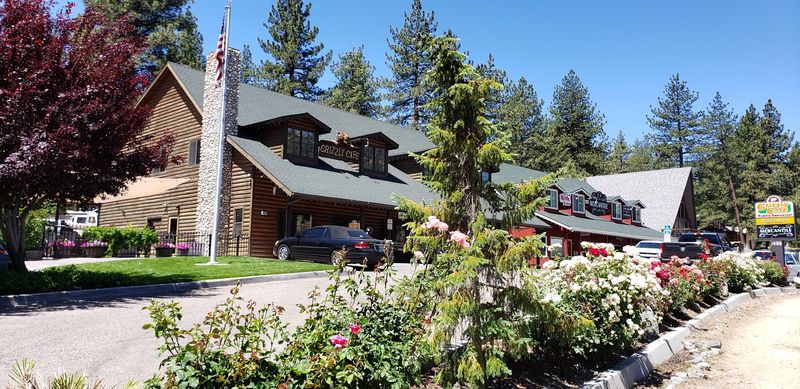
Wrightwood sits in the San Gabriel Mountains at around 6,000 feet, and its four-season climate means summer days rarely climb above the low 80s Fahrenheit.
Clean mountain air moves through the pines with regularity, and the village has a quiet, approachable character that tends to attract visitors looking for a slower pace rather than a packed itinerary.
The Pacific Crest Trail passes through the area, and trails near Grassy Hollow Visitor Center offer accessible entry points for hikers of varying experience levels.
Table Mountain Trail winds through shaded groves before opening onto flowering meadow views that feel particularly rewarding in the height of summer.
Several campgrounds in the surrounding national forest provide overnight options for those who want to extend their stay under the stars.
Jackson Lake, a short drive from the village, is a favored spot for fishing and picnicking in a relaxed lakeside setting.
Silverwood Lake, also reachable from Wrightwood, supports water sports and fishing for visitors who want more activity on the water.
Mountain biking trails add another layer of outdoor options, and gliding at Crystalaire offers a genuinely uncommon aerial perspective of the surrounding peaks and desert below.
The village shops and art galleries give the town a creative edge that makes wandering around feel worthwhile even on a slow afternoon.
13. Shaver Lake
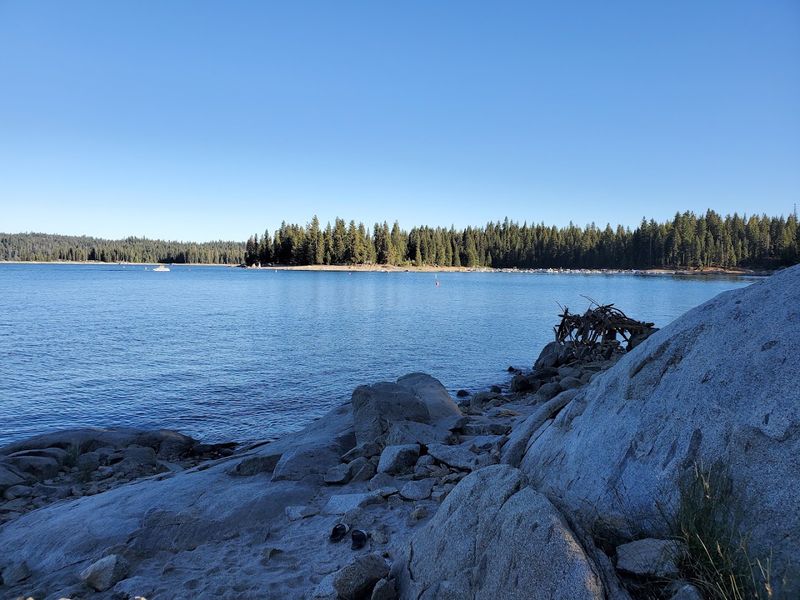
At 5,370 feet in the Sierra Nevada, Shaver Lake combines genuine mountain elevation with a lake warm enough for swimming by midsummer, which is not always a given at altitude.
July average highs reach around 89 degrees Fahrenheit, but the surrounding forest and lake surface keep the heat manageable, and evenings cool noticeably once the sun sets behind the ridge.
Boating is central to the summer experience here, with Shaver Lake Marina and Sierra Marina offering rentals for a range of watercraft.
Jet-skiing, water skiing, kayaking, canoeing, and paddleboarding are all active on the water throughout the season.
Fishing draws a dedicated crowd as well, with the lake regularly stocked with trophy-sized trout and smallmouth bass also present for those targeting a different species.
Hiking trails of varying difficulty circle the lake and extend into the surrounding forest, including the Shaver Lake Trail and Twin Lakes trail.
China Peak Mountain Bike Park, a short distance away, operates during the warmer months with trails suited to different riding abilities.
Horseback riding is available at Shaver Stable for those who prefer exploring the terrain on horseback.
The Central Sierra Historical Society and Museum offers a grounded look at the region’s past for visitors who appreciate context alongside their outdoor adventures.