This California Town Helps Social Security Stretch Further Than Expected

Retirement math gets a lot more interesting when the numbers stop acting hostile.
Rent matters. A town’s pace matters too.
A practical California town can make Social Security feel more workable than many people expect.
Big coastal price tags usually steal the conversation, but not every place follows the same expensive script.
Daily life can feel more manageable when essentials are nearby and the budget has a little more room to move.
No one is calling it luxury. That would miss the point.
The real appeal is steadier living in a state where affordability can feel hard to find.
For retirees watching every dollar, a town like this can make staying in California feel a little more possible.
Downtown Hayward Has Everyday Errands Close Together
Running errands on foot sounds simple enough, but in many cities it turns into an exhausting drive across town.
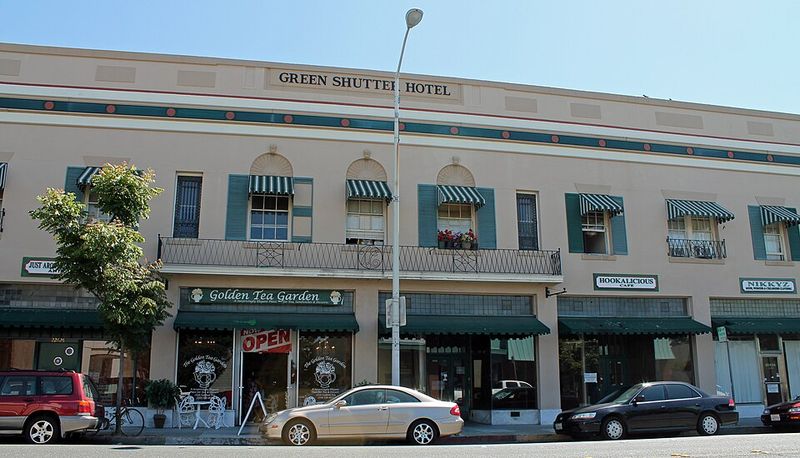
Downtown Hayward keeps things compact, with pharmacies, banks, grocery options, and service businesses close enough to reach without a car.
For seniors on a fixed income, cutting out unnecessary car trips adds up in real savings over time.
The layout of downtown tends to work in favor of people who want to handle multiple tasks in one outing.
A trip to the post office, a stop at a nearby market, and a visit to a local service provider can happen within a few blocks of each other.
That kind of convenience is not always guaranteed in larger Bay Area cities where distances between everyday stops can be significant.
Walkability also reduces wear on vehicles and lowers fuel costs, which matters when transportation expenses in the Bay Area already run higher than the national average.
Having core daily needs within reach of a walkable downtown is a quiet but meaningful advantage for retirees who want to manage spending without sacrificing convenience.
BART Access Helps Cut Down On Car Dependence
Owning a car in the Bay Area comes with real costs that extend well beyond a monthly payment.
Insurance, registration, fuel, and maintenance stack up quickly, and for retirees on Social Security those costs can eat into a budget fast. Having reliable train access changes that calculation entirely.
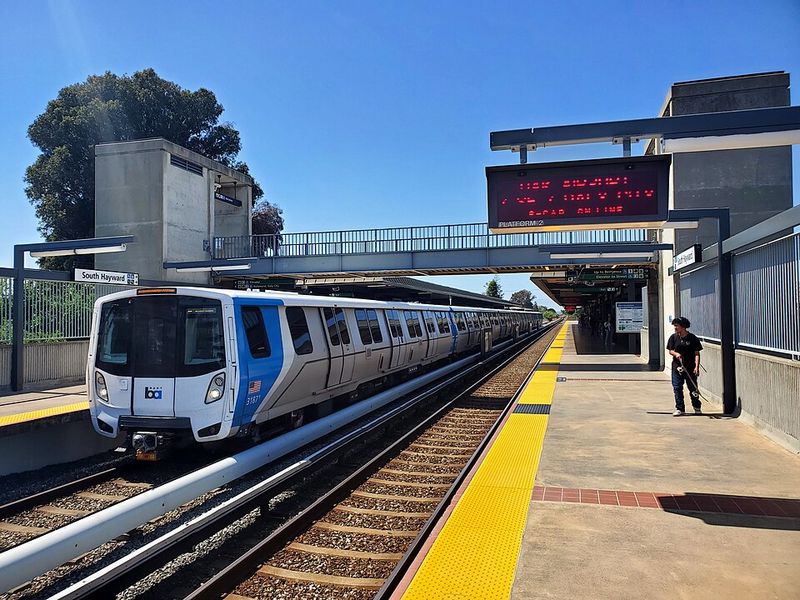
Hayward is served by two BART stations, Hayward Station and South Hayward Station, giving residents direct rail connections to Oakland, San Francisco, and other major Bay Area destinations.
Hayward Station is located at 699 B Street in Hayward and sits within reach of the downtown core. South Hayward Station serves the southern end of the city and connects riders to the broader regional network.
For seniors who qualify, BART offers a discount program that reduces fares significantly, making regional travel more affordable on a fixed income.
The ability to reach medical appointments, shopping centers, or family members in other cities without driving is a practical advantage that reduces both stress and spending.
Car-free or car-light living becomes a genuine option in Hayward in a way that is not possible in many other East Bay communities.
Grocery Options Cover Several Budget Levels

Food spending is one of the most controllable parts of a retirement budget, and having access to stores across different price points makes that control easier to maintain.
Hayward has a range of grocery options that allow shoppers to match their spending to their income without sacrificing variety or nutrition.
Larger chain supermarkets sit alongside discount grocers and ethnic food markets throughout the city, giving residents flexibility depending on what they need on a given week.
Produce markets with competitive pricing are common in Hayward, partly because the city has a diverse population that supports a wide variety of food retail businesses.
Grocery prices in Hayward run about 12 to 17 percent above the national average, which is notable but still lower than what shoppers face in San Francisco or many other Bay Area cities.
Knowing where to shop and how to mix store types can bring weekly food costs down to a manageable level without requiring a long drive to find affordable options.
Nearby Parks Add Free Weekend Plans

Free weekend activities are not a luxury for retirees on fixed incomes, they are a necessity.
Hayward has a solid collection of public parks and open spaces that provide genuine recreation without any admission cost, which keeps entertainment spending low while still offering places to move, relax, and socialize.
Hayward Regional Shoreline is one of the most accessible outdoor spaces in the city, offering flat walking and biking trails along the San Francisco Bay with open views and consistent breezes.
The area is managed by the East Bay Regional Park District and stays open to the public throughout the year.
Cull Canyon Regional Recreation Area and Don Castro Regional Recreation Area also sit within close range and offer swimming lagoons and picnic facilities during warmer months.
Spending a Saturday morning at a park costs nothing but time, and for seniors who want low-impact exercise, fresh air, and a change of scenery, these spaces deliver real value.
Many of the trails in the Hayward area are paved or well-maintained, making them accessible for walkers of varying fitness levels.
Having free outdoor options close to home is one of those quiet budget benefits that adds up meaningfully over a full year.
Senior Programs Help Keep Social Life Affordable
Staying socially connected during retirement has real benefits for both mental and physical health, but maintaining an active social life can get expensive without access to affordable programming.
Hayward offers structured senior services that make it possible to stay engaged without spending much at all.
The City of Hayward runs senior programs through its recreation and community services department, which offers fitness classes, social activities, and wellness programs designed specifically for older adults.
The Hayward Area Recreation and Park District, commonly known as HARD, also provides programming that includes senior-focused events and drop-in activities at multiple facilities across the city.
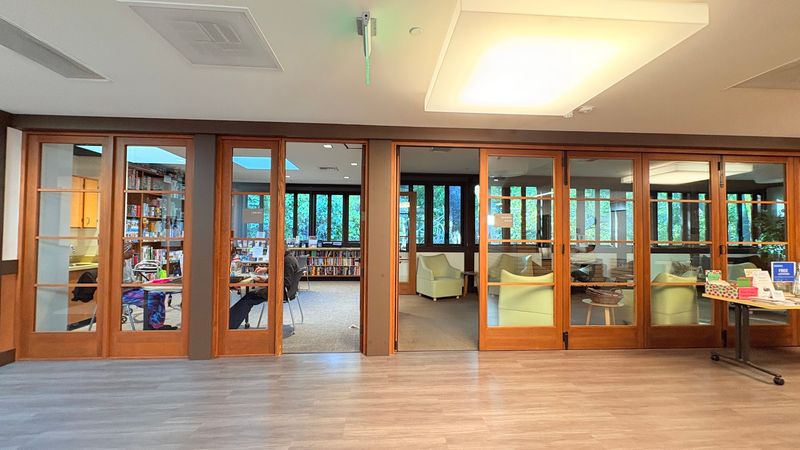
Beyond organized programming, senior centers provide a gathering space where people can meet neighbors, play games, take classes, or simply spend time in a comfortable environment.
That kind of low-cost social infrastructure is easy to overlook when comparing cities, but it plays a real role in quality of life for retirees.
Having accessible community spaces and affordable programs nearby means a Social Security budget does not have to stretch to cover basic social connection.
Medical Access Is Strong For A Mid-Sized City
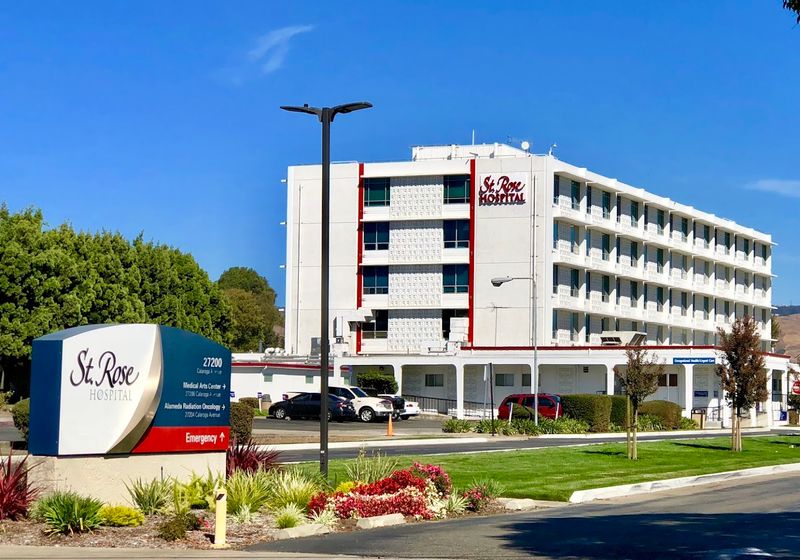
Healthcare access is one of the most critical factors for retirees when choosing where to live, and it often gets overlooked in favor of housing costs or transit options.
Hayward holds up well in this area for a city of its size, with multiple medical facilities and healthcare providers available without requiring a trip to San Francisco or Oakland.
St. Rose Hospital is located at 27200 Calaroga Avenue in Hayward and has served the community for decades as a full-service acute care facility.
The hospital offers emergency services, surgical care, and a range of specialty departments that cover the most common health needs of older adults.
In addition to the hospital, Hayward has numerous primary care clinics, specialty offices, and urgent care centers spread across different neighborhoods.
Healthcare costs in Hayward run about 5 to 21 percent above the national average, which is meaningful but not dramatically higher than many comparable Bay Area cities.
For seniors on Medicare, having local access to in-network providers reduces out-of-pocket expenses and eliminates the need for long-distance travel to get routine care.
Apartment Costs Can Be Lower Than Nearby Bay Area Cities
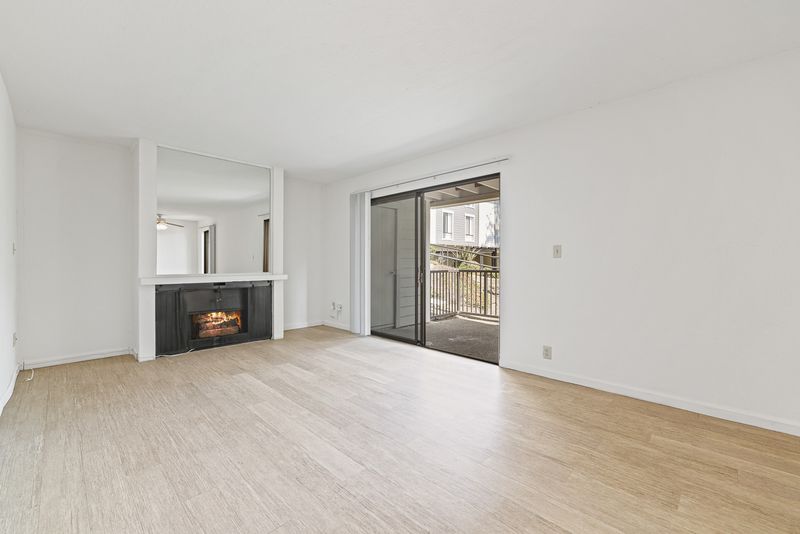
Housing is almost always the largest single expense in a retirement budget, and in the Bay Area it is the factor most likely to make or break a fixed-income living situation.
Hayward does not offer cheap housing by national standards, but compared to San Francisco, San Jose, or even Oakland, apartment costs in the city tend to run noticeably lower.
The average rent for a one-bedroom apartment in Hayward sits around $2,136 per month, which is about 30 percent above the national average but meaningfully below what similar units cost in many other Bay Area cities.
For a retiree receiving an average Social Security benefit of around $2,081 per month, that gap matters.
Supplementing Social Security with savings, a small pension, or part-time income can make renting in Hayward workable in a way that renting in San Francisco simply is not.
Seniors who qualify for income-based housing programs may find even more affordable options through subsidized or income-restricted apartment communities in the area.
Hayward has participated in affordable housing development programs that have added lower-cost units to the rental market over recent years.
Walkable Neighborhood Pockets Help Daily Budgets
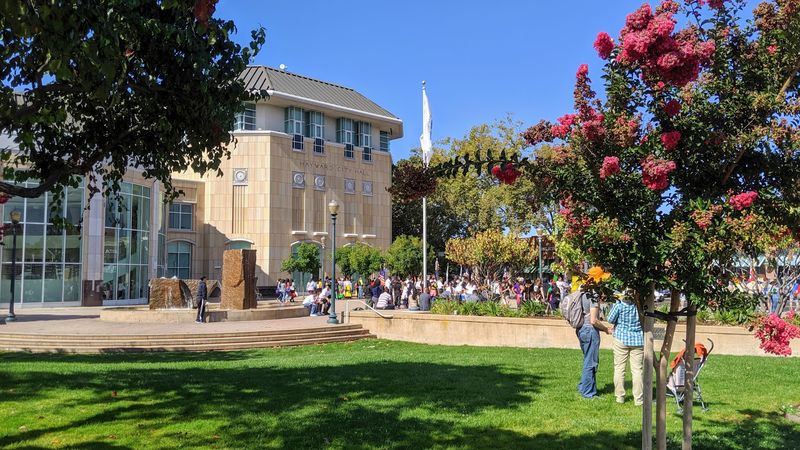
Not every part of Hayward feels equally walkable, but the city has several neighborhood pockets where daily needs are close enough to reach on foot without planning a major outing.
That kind of micro-level walkability is genuinely useful for seniors who want to stay mobile and independent without relying on transportation for every small task.
Areas near downtown and along major commercial corridors tend to have the highest concentration of walkable amenities, including pharmacies, small markets, coffee shops, and service businesses.
Living within a short walk of those kinds of everyday conveniences reduces the number of trips that require transit or a vehicle, which in turn reduces transportation spending over time.
For someone budgeting carefully, even small reductions in daily expenses add up across a month.
Walking as a primary mode of short-distance travel also carries health benefits that matter for older adults, including improved cardiovascular health and reduced sedentary time.
Neighborhoods that support walking naturally encourage more movement throughout the day without requiring a gym membership or structured exercise routine.
Choosing a specific block or neighborhood within Hayward based on walkability is a practical strategy for retirees who want both convenience and lower daily costs.
Bay Area Access Comes Without San Francisco Prices
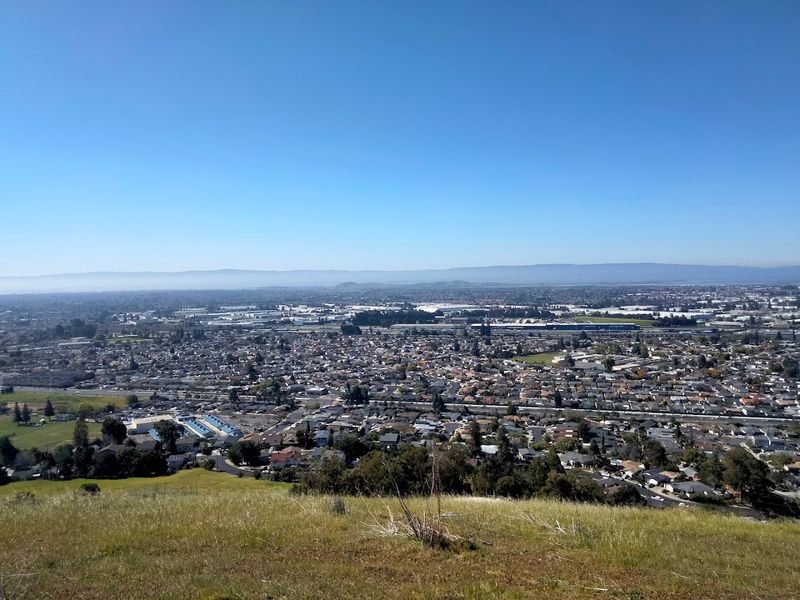
Living in California’s Bay Area comes with genuine lifestyle advantages that are hard to replicate elsewhere, including cultural institutions, diverse dining, major airports, and world-class medical centers.
The challenge for retirees is that most cities offering those advantages also carry price tags that make Social Security nearly irrelevant as a primary income source.
Hayward occupies an interesting middle position in that landscape.
It sits close enough to Oakland and San Francisco to access major Bay Area resources when needed, but its own cost of living runs noticeably lower than those cities, particularly for housing and everyday expenses.
A retiree living in Hayward can take BART to a museum, a medical specialist, or a family gathering in another Bay Area city and then return home to a place where monthly costs are more manageable.
That balance is genuinely rare in the region and explains why Hayward is sometimes described as a more affordable entry point into Bay Area life.
Grocery costs, apartment rents, and entertainment options within Hayward itself tend to reflect a more modest price level than what the same person would face living in San Francisco or Palo Alto.
For fixed-income retirees, getting Bay Area access without paying Bay Area prices in every category is a meaningful and practical advantage.