This Scenic California Bike Trail Offers 18 Miles Of Oceanfront Riding
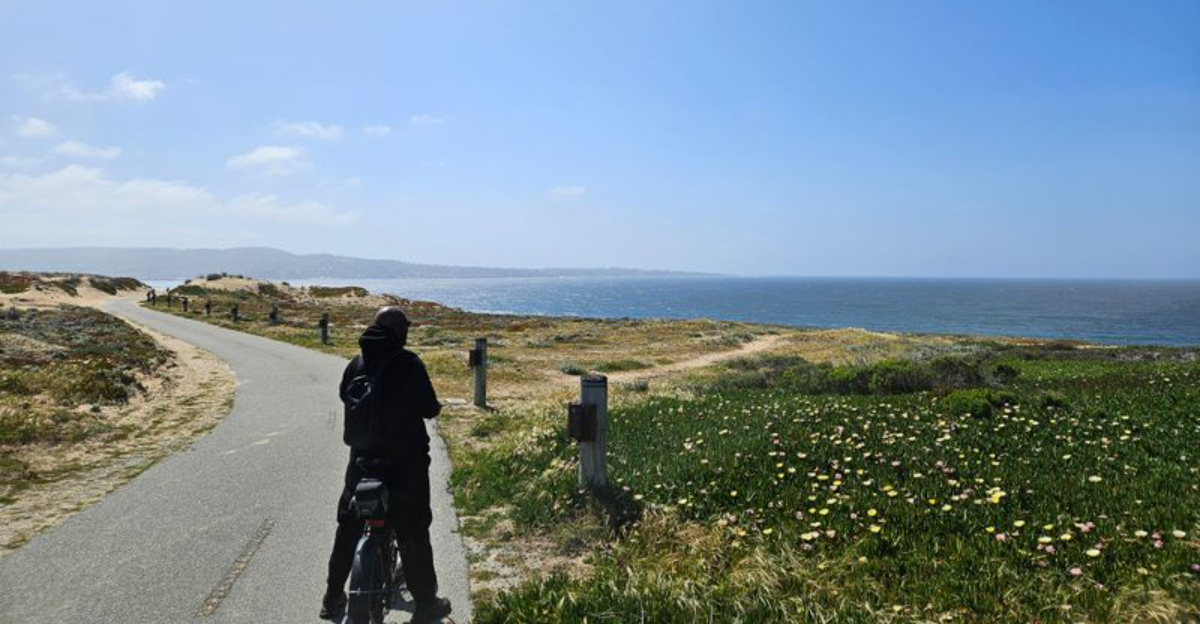
Pedaling beside the Pacific while sea otters float offshore and harbor seals pop up from the waves might sound like a scene from a wildlife documentary – but along one unforgettable stretch of California coast, it’s an everyday reality.
This trail delivers a ride that feels equal parts adventure and oceanfront daydream.
One moment you’re cruising past sandy dunes, the next you’re gliding alongside rocky shoreline where kelp forests sway just beyond the surf.
What makes this coastal path so special is how effortlessly it blends comfort with wild beauty.
The paved route makes the journey approachable for casual riders and families, yet the scenery feels anything but ordinary.
Former rail lines now guide cyclists through some of the most jaw-dropping ocean views in the state, where marine life sightings are common enough to make you slow down – or stop completely – just to take it all in.
You don’t have to ride far to feel the magic.
Even a short stretch delivers salty air, crashing waves, and that rare sense of being fully immersed in California’s coastal wilderness without leaving the path.
Whether you come for the wildlife, the views, or the simple joy of riding beside the ocean, this trail turns an ordinary bike ride into something that feels genuinely unforgettable.
1. Historic Railroad Roots Shape The Modern Path
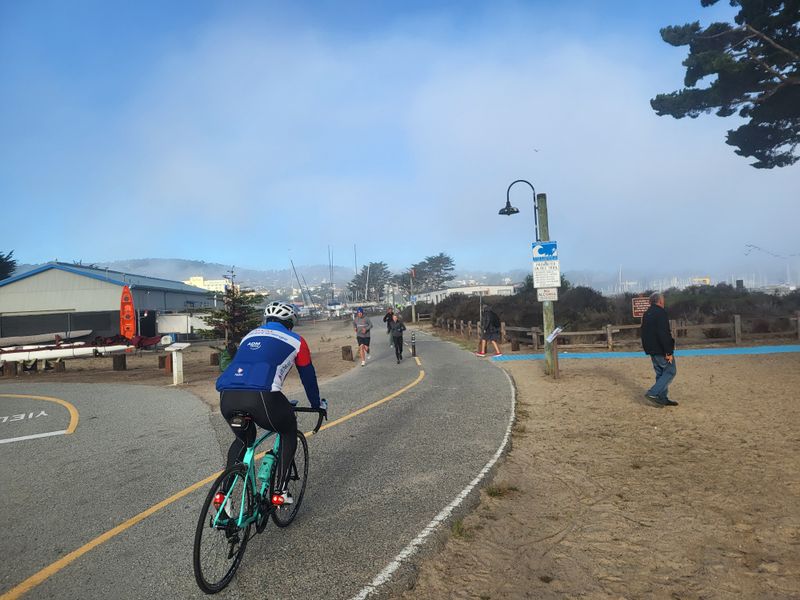
Long before cyclists discovered this coastal gem, steam locomotives chugged along these same routes carrying goods and passengers between Castroville and the bustling waterfronts of Monterey.
The Southern Pacific Railroad built this line to serve the fishing and canning industries that once defined the region’s economy.
After decades of service, the trains stopped running and the tracks sat abandoned until local planners saw potential for something entirely different.
Transforming old rail corridors into recreation trails became popular across the country during the 1980s, and Monterey Peninsula jumped on board with enthusiasm.
The Monterey Peninsula Regional Park District worked alongside community groups and government agencies to reimagine the abandoned railroad as a public pathway.
By 1986, the first sections opened to walkers and cyclists, offering a completely new way to experience the coastline.
Riding over this converted railroad bed today feels nothing like pedaling through industrial history, yet the gentle grades and thoughtful routing owe everything to those original engineering decisions.
Railroad builders chose paths that minimized steep climbs and maximized efficiency, which translates perfectly to comfortable cycling terrain.
The transformation from industrial transportation corridor to beloved recreation space shows how communities can honor their past while creating new opportunities for outdoor connection and coastal access.
2. Marine Wildlife Encounters Happen Without Planning
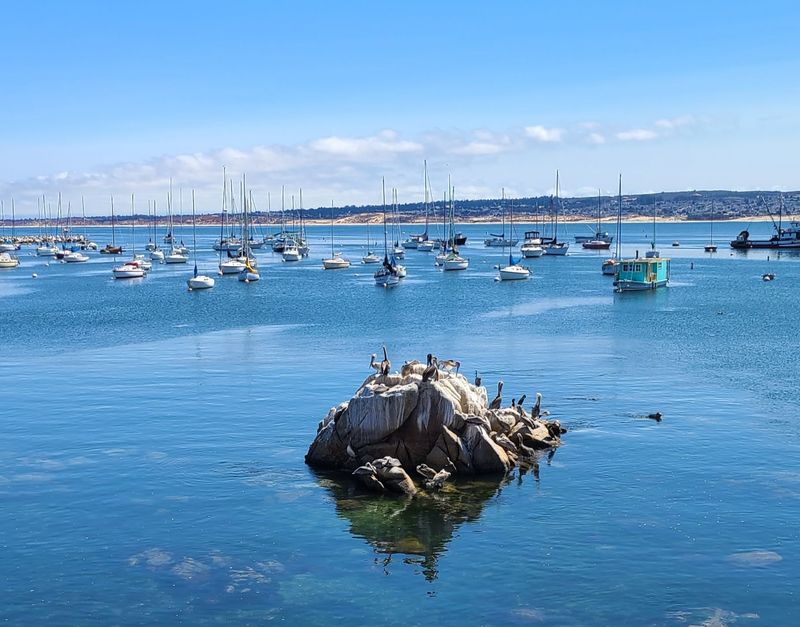
One of the most magical aspects of riding this trail comes from the wildlife sightings that unfold naturally without needing special timing or inside knowledge.
Sea otters bob in the kelp forests just offshore, often floating on their backs while cracking open shellfish with rocks balanced on their bellies.
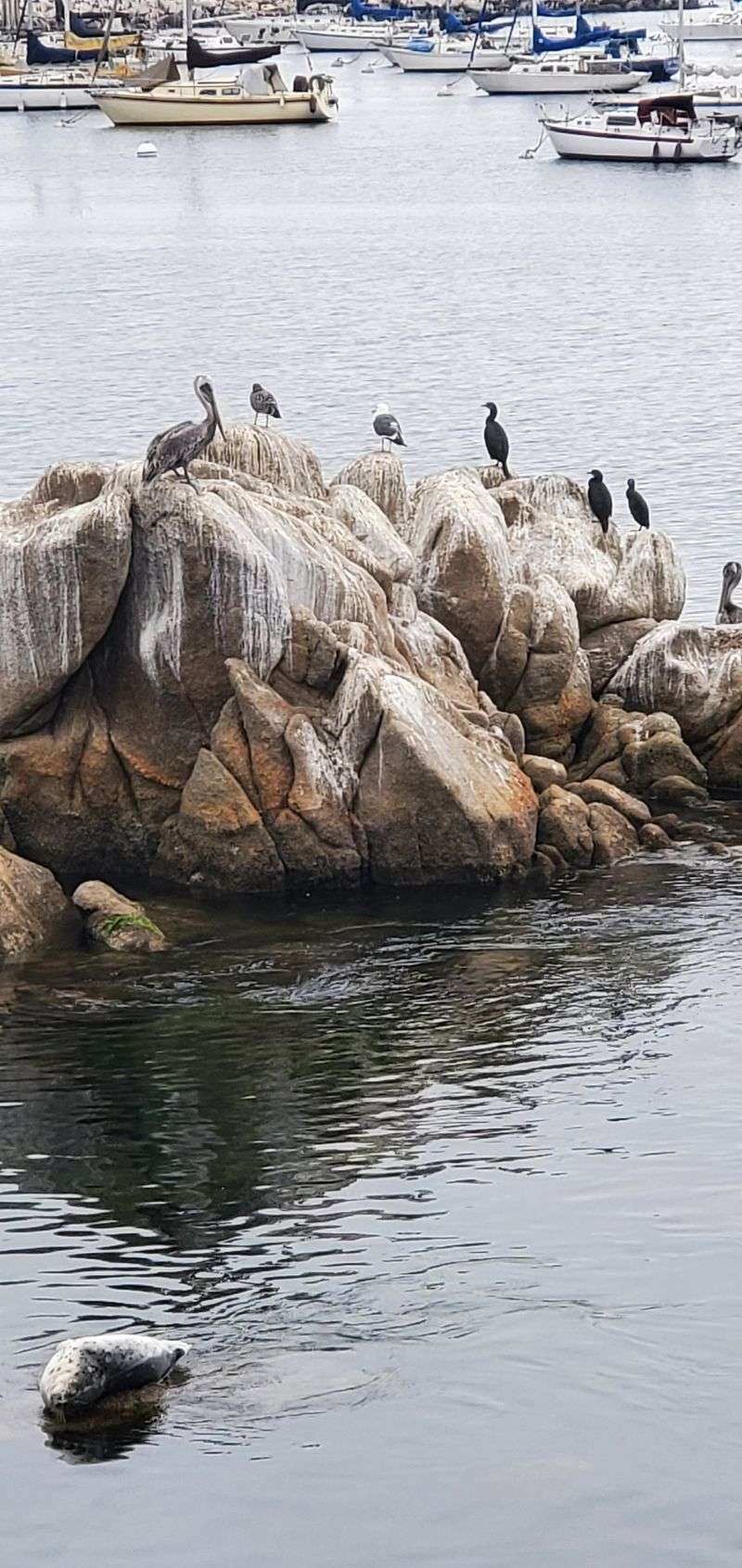
Harbor seals haul out onto rocks and beaches to rest, their sleek bodies glistening in the sun while they keep watchful eyes on passing cyclists.
California sea lions bark and splash near piers and rocky outcrops, their playful behavior and loud vocalizations making them impossible to miss.
Brown pelicans glide low over the waves in perfect formation, while cormorants dive beneath the surface hunting for fish.
Shorebirds scurry along the sand at the water’s edge, and lucky riders might spot migrating gray whales during winter and spring months.
The trail’s proximity to the Monterey Bay National Marine Sanctuary means the waters here support extraordinary biodiversity, and much of that life remains visible from the shore.
Bringing binoculars adds another dimension to the experience, allowing closer views of distant otters or offshore bird activity.
The wildlife encounters happen so regularly that many riders begin to anticipate favorite spots where otters typically gather or seals prefer to rest, turning casual rides into informal wildlife surveys.
3. Smooth Pavement Welcomes All Skill Levels
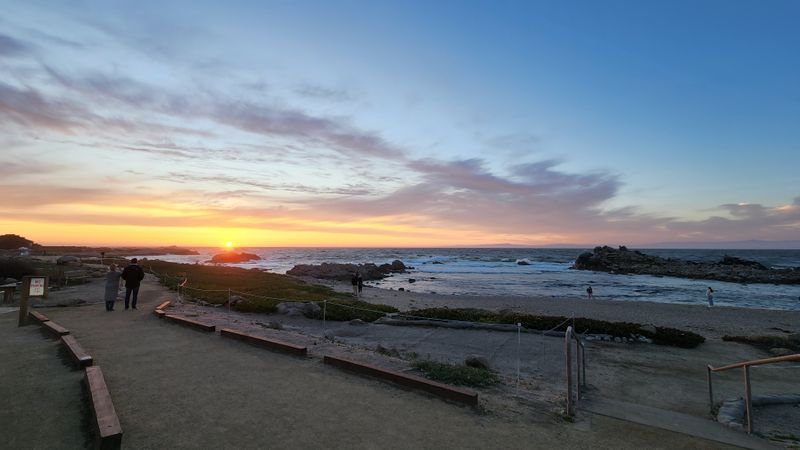
Unlike rugged mountain bike trails or technical single-track paths that demand advanced skills and specialized equipment, this coastal route features smooth pavement from end to end.
The surface remains well-maintained by local agencies who understand that accessibility matters for creating inclusive outdoor spaces.
Families with young children on training wheels share the path with serious road cyclists logging training miles, and everyone finds the conditions manageable.
The gentle grades inherited from the railroad design mean steep climbs rarely interrupt the ride, making the trail approachable for riders of varying fitness levels.
Occasional short inclines exist, particularly around rocky headlands where the path must climb slightly to navigate the terrain, but nothing approaches the difficulty of mountain passes or sustained hill climbing.
The flat or gently rolling character allows riders to focus on scenery and wildlife rather than struggling with physical demands.
Beach wheelchairs are available for rent at certain access points, and many sections meet accessibility standards for people with mobility limitations.
The width of the path accommodates walkers, runners, skaters, and cyclists without creating dangerous congestion in most areas.
This combination of smooth surfaces, manageable terrain, and thoughtful design means almost anyone with a bicycle or wheels can experience the coastal beauty that might otherwise require hiking over rough terrain or navigating inaccessible beaches.
4. Multiple Access Points Allow Custom Distance Adventures
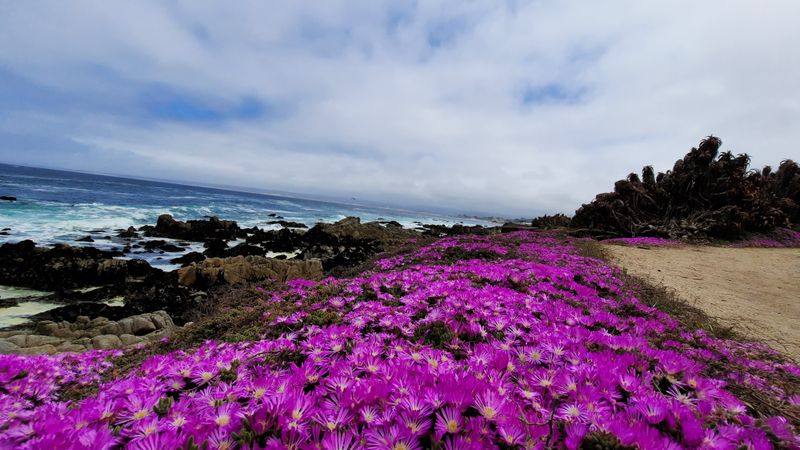
Rather than requiring riders to commit to the full 18-mile distance, numerous access points along the route allow people to design rides matching their available time and energy.
Parking areas, beach access roads, and neighborhood connections provide entry opportunities every few miles throughout the trail’s length.
Someone with only an hour might ride a quick out-and-back section near Cannery Row, while a dedicated cyclist could plan a full one-way journey with shuttle logistics.
Popular starting points include the parking areas at Fort Ord Dunes State Park, where facilities and interpretive information help orient first-time visitors.
The Monterey waterfront near Fisherman’s Wharf offers another convenient entry point with ample parking and nearby amenities including restaurants and shops.
Pacific Grove provides access at Lovers Point Park, where the trail passes through one of its most scenic sections with tide pools and rocky shoreline.
The flexible access system means riders can explore different sections on different days rather than feeling obligated to cover everything in one exhausting push.
Locals often have favorite segments they return to repeatedly, while visitors might sample a short stretch to decide whether they want to commit to a longer ride.
The ability to enter and exit at multiple points transforms the trail from a single linear experience into a collection of distinct adventures waiting to be discovered.
5. Fisherman’s Wharf And Cannery Row Bring Urban Energy
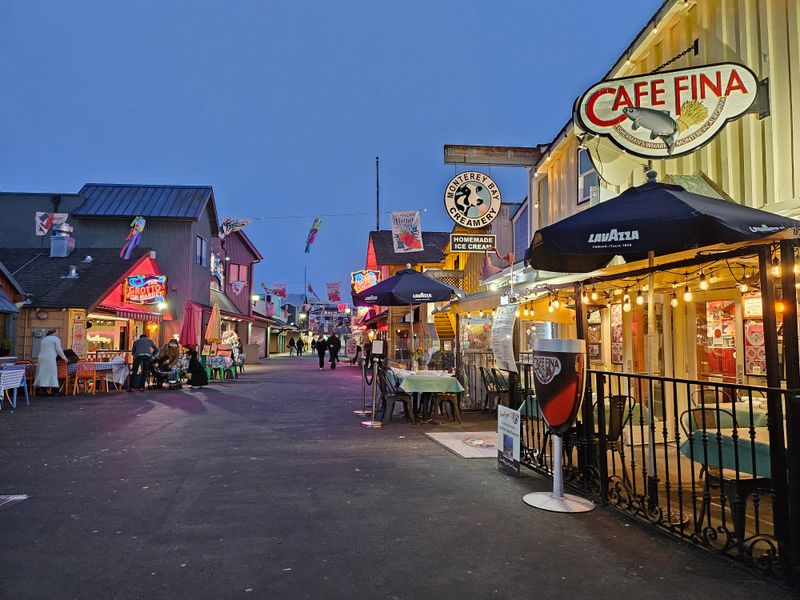
The trail’s middle sections pass directly through two of Monterey’s most famous tourist destinations, creating an interesting contrast with the wilder stretches to the north and south.
Fisherman’s Wharf bustles with seafood restaurants, gift shops, and tourists taking sunset photos, while the bike path threads through the activity without requiring riders to dismount or navigate vehicle traffic.
The energy shifts noticeably here, with crowds replacing the solitude found along more remote sections.
Cannery Row carries its own historical significance as the former center of the sardine canning industry that John Steinbeck immortalized in his novels.
The old cannery buildings now house shops, galleries, and the world-renowned Monterey Bay Aquarium, which sits right beside the trail.
Riders can lock their bikes and explore these attractions before continuing their journey, making the trail serve double duty as both transportation corridor and recreation path.
Some cyclists prefer to skip these busier sections entirely, using connecting streets to bypass the crowds and rejoin the trail where it returns to quieter coastal stretches.
Others embrace the urban energy as part of the trail’s diverse character, enjoying the chance to grab food or use restrooms before heading back into less developed areas.
The juxtaposition of wilderness and waterfront tourism within a single ride gives the trail a complexity that purely natural paths cannot match.
6. Eighteen Miles Of Constantly Changing Coastal Scenery
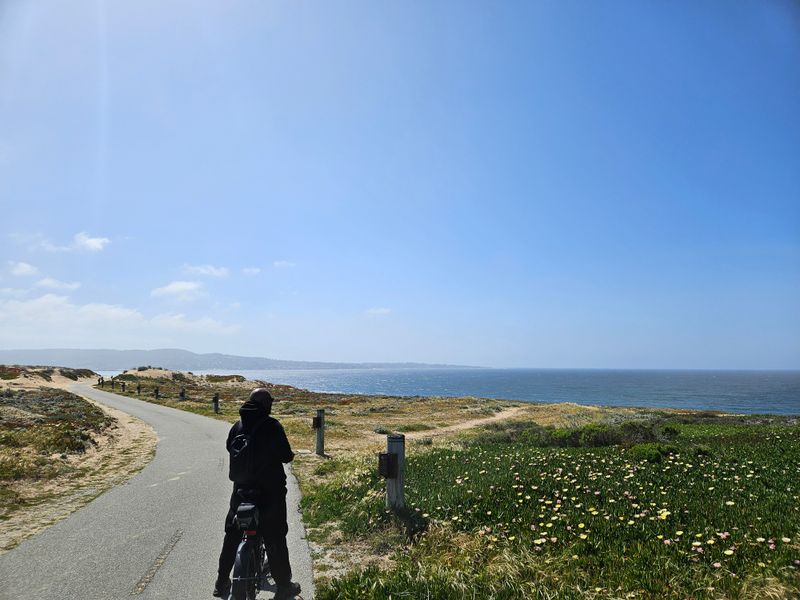
Stretching from Castroville’s agricultural lands all the way south to the residential charm of Pacific Grove, the trail covers enough distance to feel like a genuine journey rather than just a quick ride.
Each mile brings different views and distinct coastal environments that prevent the scenery from ever feeling repetitive.
Farmland transitions into sand dunes, which give way to rocky shorelines, then urban waterfronts, before returning to natural beaches and tide pools.
The northern sections near Castroville pass through areas where artichoke fields meet the coast, offering surprisingly wild stretches where birds outnumber people.
Moving south toward Marina, massive sand dunes tower beside the path, creating an almost desert-like atmosphere despite the ocean crashing just beyond.
Fort Ord Dunes State Park brings protected habitat and interpretive signs explaining the ecological restoration happening in the dunes.
Continuing toward Monterey proper, the trail enters more developed areas but never loses its connection to the water.
Fisherman’s Wharf and Cannery Row bring crowds and tourist energy, yet the path remains separated enough to maintain its recreational character.
The final stretch through Pacific Grove returns to quieter natural beauty, with tide pools, rocky points, and residential neighborhoods that respect the coastal environment rather than overwhelming it with development.
7. Wind And Weather Create Variable Riding Conditions
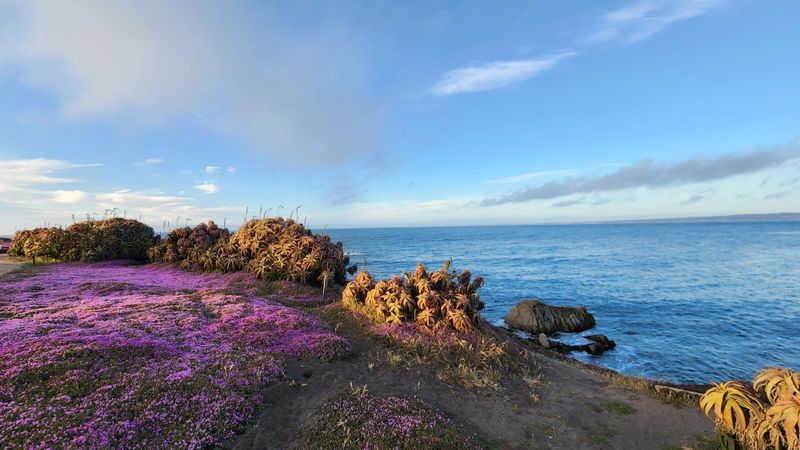
Coastal weather patterns along Monterey Bay can shift dramatically throughout a single day, and riders should prepare for conditions that might change between the start and finish of their ride.
Morning fog often blankets the trail during summer months, creating cool, misty conditions that burn off by midday to reveal brilliant sunshine.
The temperature difference between foggy and sunny sections can span 20 degrees or more, making layered clothing essential for comfort.
Wind presents the most consistent challenge, particularly during afternoon hours when thermal patterns pull air from inland areas toward the ocean.
Northwesterly winds tend to dominate during summer, which means riders heading south often enjoy tailwinds while the return journey north requires pushing against resistance.
Spring brings stronger winds overall, sometimes gusting hard enough to make riding genuinely difficult rather than just slightly annoying.
Winter storms occasionally close sections of the trail when high surf sends waves across the path or debris washes onto the pavement.
Checking conditions before heading out during winter months prevents wasted trips and potential safety issues.
Sand accumulation happens year-round in certain exposed sections, particularly near Fort Ord Dunes, where wind carries beach sand across the trail surface creating slightly softer, slower riding conditions until maintenance crews clear it away.
8. Asilomar State Beach And Pacific Grove Showcase Natural Beauty
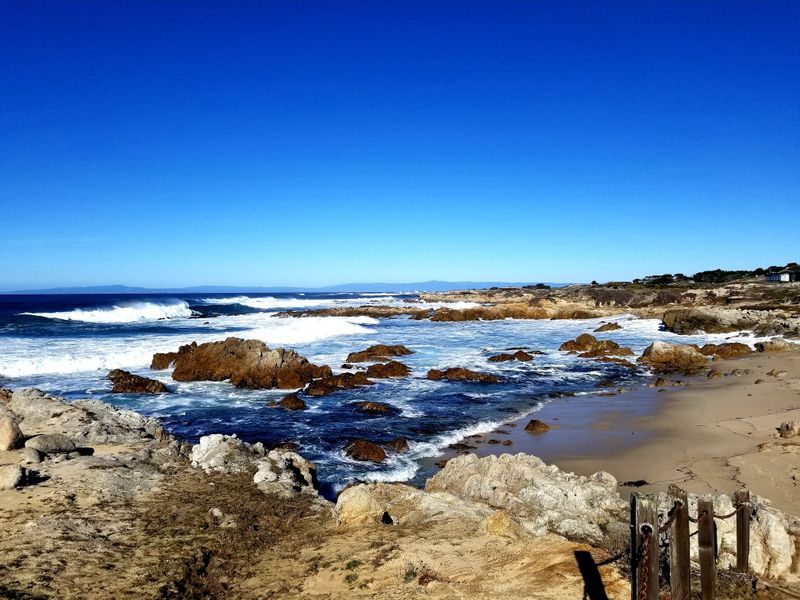
The southern terminus of the trail reaches some of its most naturally beautiful sections around Pacific Grove and Asilomar State Beach, where rocky shores and tide pools create the feeling of riding through a nature preserve.
Ancient Monterey cypress trees, gnarled and sculpted by constant wind, lean dramatically over the trail in places.
The ocean crashes against granite outcrops worn smooth by millennia of wave action, sending spray into the air during high tide or storm swells.
Asilomar State Beach features a boardwalk that connects to the main trail, allowing riders to explore the dune ecosystem and beach access without damaging fragile vegetation.
Interpretive signs explain the ecological importance of coastal dunes and the restoration work happening to protect native plants.
The beach itself stretches wide and sandy, popular with walkers, tide pool explorers, and photographers capturing the dramatic intersection of land and sea.
Pacific Grove maintains a slower, more residential character than the tourist-heavy areas around Cannery Row, and the trail reflects that calmer atmosphere.
Victorian homes sit back from the coastal bluffs, their gardens bright with flowers that thrive in the cool marine climate.
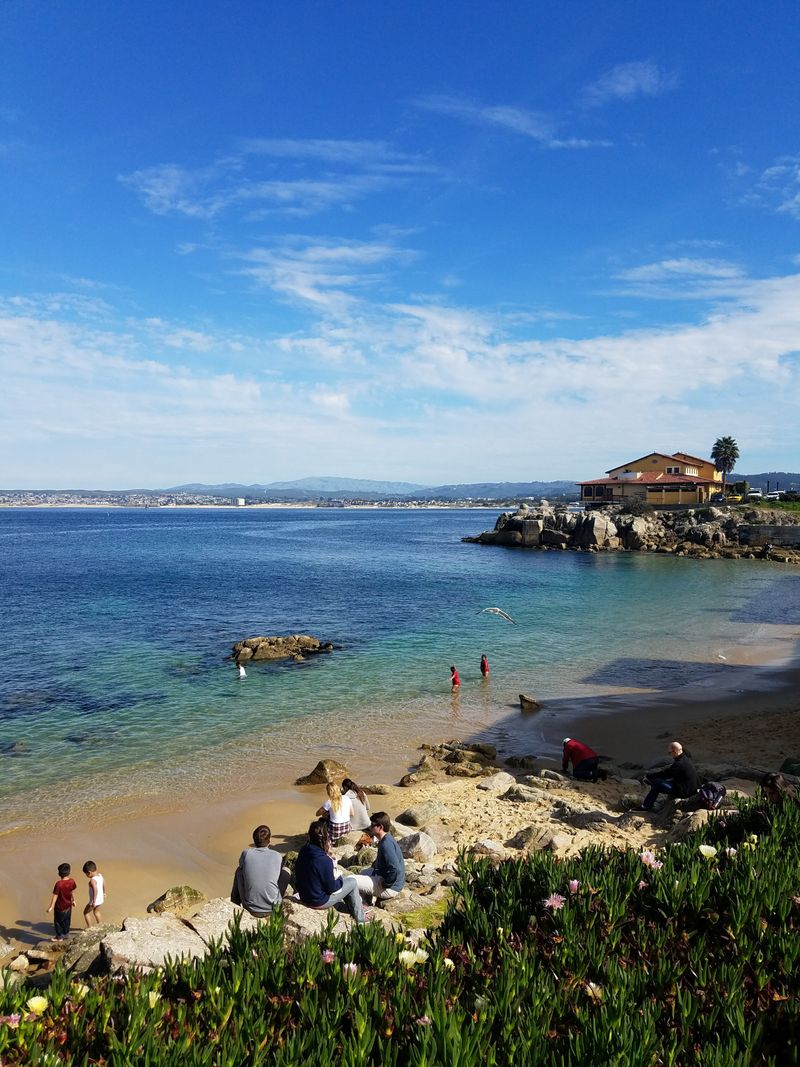
Lovers Point Park provides another scenic highlight with its protected cove, rocky points, and lawn areas where families picnic while watching kayakers and swimmers enjoy the relatively calm waters.
9. Fort Ord Dunes State Park Protects Coastal Habitat
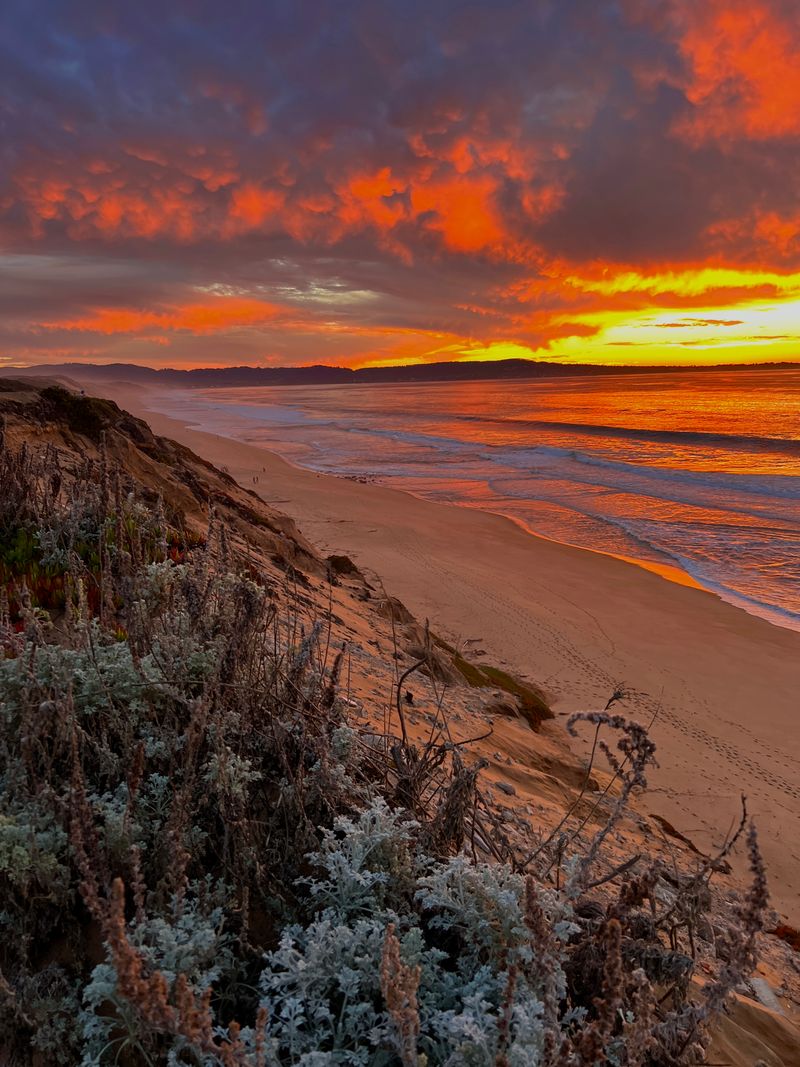
One of the most distinctive sections of the trail passes through Fort Ord Dunes State Park, where massive sand dunes rise beside the path creating an otherworldly landscape that feels more like a desert than a typical California beach.
These dunes represent one of the largest remaining coastal dune ecosystems in the state, protected from development and actively managed to restore native plant communities.
The park opened in 2009 after the former Fort Ord military base closed and portions of the land transitioned to conservation use.
Restoration work focuses on removing invasive ice plant and European beachgrass that crowded out native species, then replanting with dune buckwheat, beach sagewort, and other plants that evolved to thrive in the harsh coastal environment.
Visitors can see the difference between restored and unrestored sections, with native areas supporting more diverse insect and bird populations.
The work happens gradually, but each year brings visible progress toward recovering the ecological richness these dunes once supported.
Side trails branch off from the main coastal path, inviting exploration deeper into the dune landscape where views expand across miles of sand, scrub, and ocean.
The scale feels immense compared to more confined trail sections, and the sense of space and light creates a meditative quality.
Birds nest in the protected areas, and interpretive signs help visitors understand the complex relationships between plants, animals, and the dynamic coastal processes that build and reshape dunes continuously.
10. Year-Round Riding With Seasonal Wildlife Highlights
Unlike mountain trails that close under snow or desert routes that become unbearable during summer heat, the coastal climate keeps this trail accessible and rideable throughout all twelve months.
Winter brings the possibility of rain and occasional storm closures, but also clearer air and the excitement of gray whale migration season when the massive mammals pass close to shore on their journey between Alaska and Mexico.
Spring explodes with wildflowers in the dunes and hillsides, painting the landscape in yellows, purples, and oranges.
Summer attracts the largest crowds as tourists flock to Monterey and families take advantage of school vacations, but the morning fog keeps temperatures comfortable for riding.
Afternoon winds pick up during summer months, which experienced riders account for when planning their routes and timing.
Fall brings some of the most pleasant conditions overall, with warm temperatures, less fog, fewer crowds, and calmer winds making it ideal for longer rides.
Each season offers distinct advantages depending on what riders value most, whether solitude, comfortable temperatures, or specific wildlife viewing opportunities.
Monarch butterflies cluster in Pacific Grove’s eucalyptus groves during winter months, creating another seasonal attraction near the southern trail sections.
The year-round accessibility means locals can develop deep familiarity with the trail’s rhythms and changes, noticing subtle shifts in bird populations, plant growth, and ocean conditions that casual visitors might miss.
11. Future Expansions Promise Even More Coastal Access
The current 18-mile trail represents just one section of a much more ambitious vision for coastal access throughout the Monterey Bay region.
Planning agencies continue working toward extending the trail both north and south, eventually connecting it to other regional trail systems and creating a continuous coastal pathway spanning dozens of additional miles.
The Monterey Bay Sanctuary Scenic Trail project aims to link Davenport in the north to Watsonville, adding significant distance to the existing network.
These expansion efforts face various challenges including funding limitations, property negotiations, and environmental permitting requirements that can slow progress considerably.
Coastal development restrictions and the need to protect sensitive habitats mean planners must carefully route new sections to minimize ecological impacts.
Community input sessions gather feedback from residents, cyclists, environmentalists, and other stakeholders who all bring different priorities and concerns to the planning process.
Despite the complexities, progress continues incrementally with new sections opening as funding and approvals allow.
Improved facilities at existing access points also enhance the user experience, with better parking, restrooms, and wayfinding signage making the trail easier to navigate for first-time visitors.
The long-term vision imagines a coastal trail network that serves both recreation and transportation needs, providing car-free routes for commuters while maintaining the wilderness character that makes the existing trail so special and beloved by thousands of annual users.