If You Only Hike One Trail In Connecticut This Year, Make It This Scenic Route With Four Waterfalls
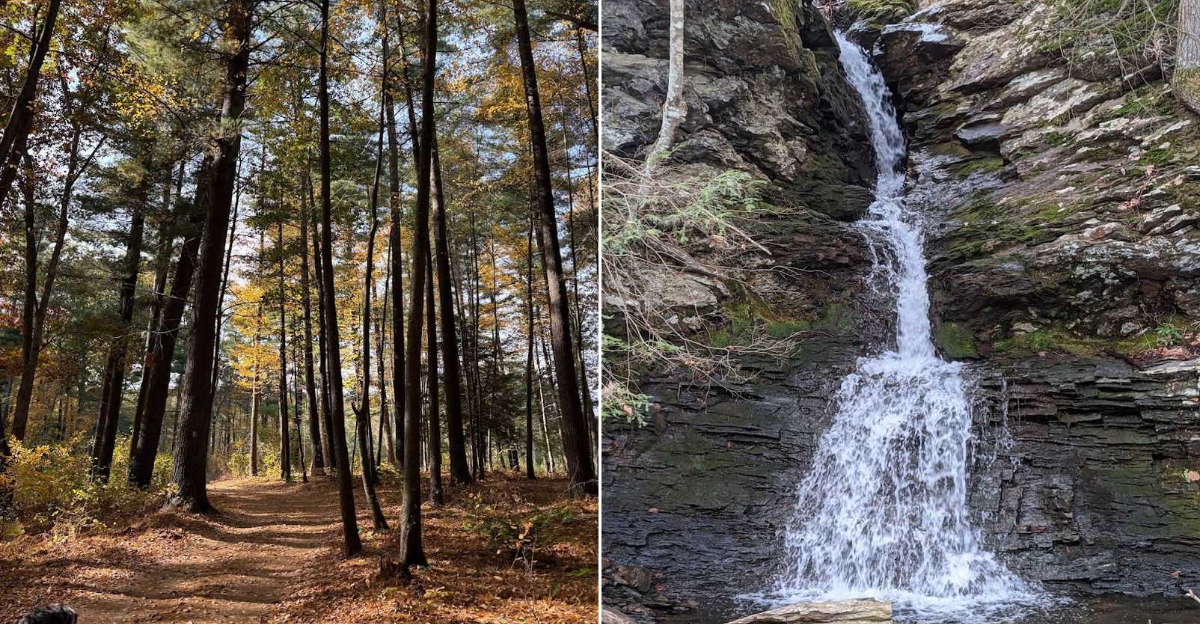
Four waterfalls on a single trail sounds like an exaggeration until you are actually out there experiencing it and realizing it is every bit as spectacular as it sounds.
The route here builds in a way that makes each waterfall feel like a proper reward rather than just a feature on a map and that payoff gets better with every one you reach.
The scenery between them is genuinely beautiful too which makes the whole hike feel completely worthwhile from the very first step rather than just at the moments the water comes into view.
If there is one Connecticut trail worth hiking this year this scenic route delivering four waterfalls is absolutely it and the people who have done it come back with a level of enthusiasm that makes everyone else immediately want to go.
Nothing about this requires serious hiking experience. Just a free morning and a willingness to see what is waiting out there.
1. Four Waterfalls To Explore
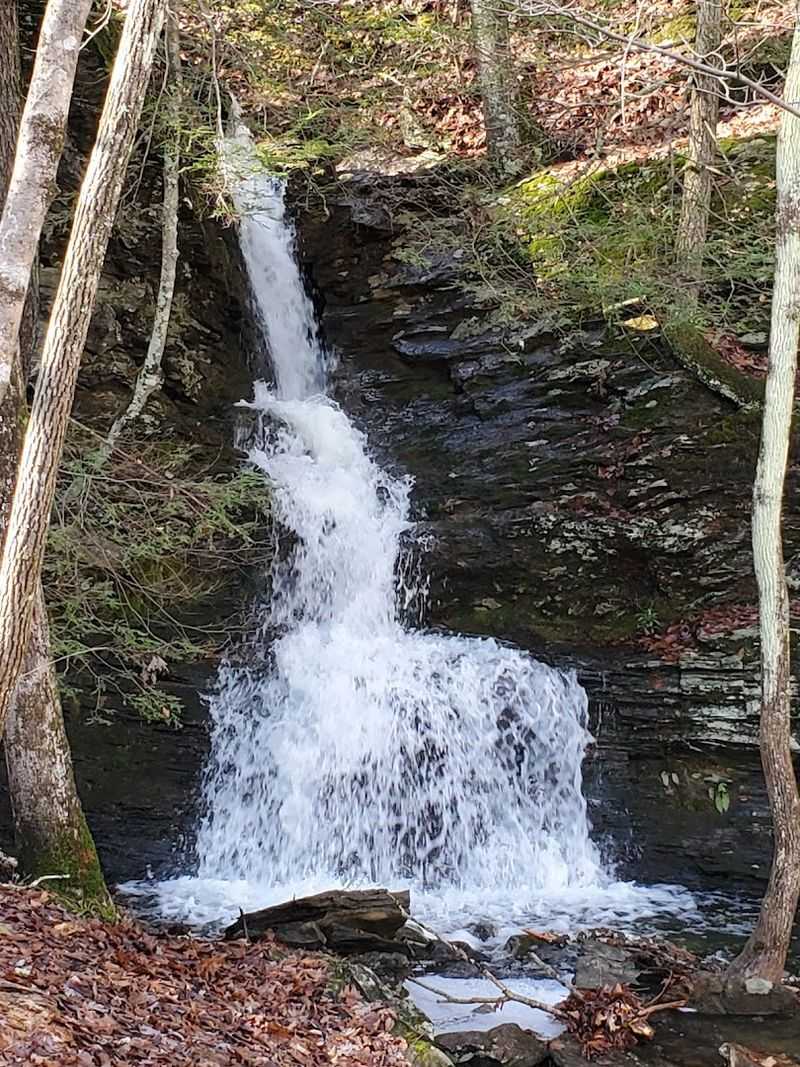
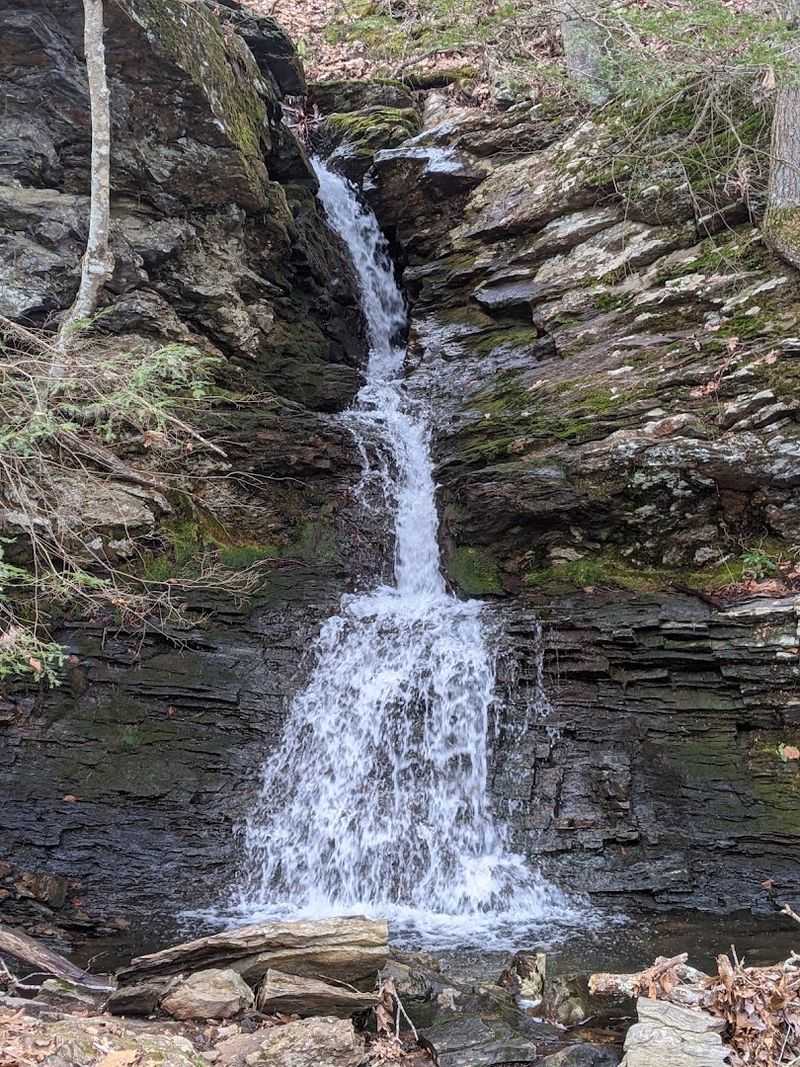
Rushing water becomes the thread connecting several of the most memorable sections of Sprague Land Preserve. The blue-blazed Waterfall Trail passes four distinct cascades, each with its own shape and character, giving hikers repeated reasons to pause along the route.
Flow changes with the weather. Spring rain and snowmelt usually bring the strongest displays, while extended dry periods can reduce smaller cascades considerably.
Planning a visit after recent rainfall often provides a fuller experience, although wet ground may also make portions of the trail muddy or slippery.
One prominent waterfall marks an important junction where blue blazes branch in several directions, so carrying the preserve map is helpful. Farther along, the trail follows the stream toward additional falls and eventually connects with other routes across the property.
A longer loop of roughly five and a half miles can include two waterfalls along with wooded ridges, utility corridors, and stretches near the Shetucket River. The preserve’s varied terrain adds more interest than a simple waterfall walk, but hikers should expect hills and uneven footing.
With careful navigation and suitable shoes, the route offers a rewarding mix of forest scenery, moving water, and quiet outdoor exploration through every season of the year.
2. One Scenic Hiking Route
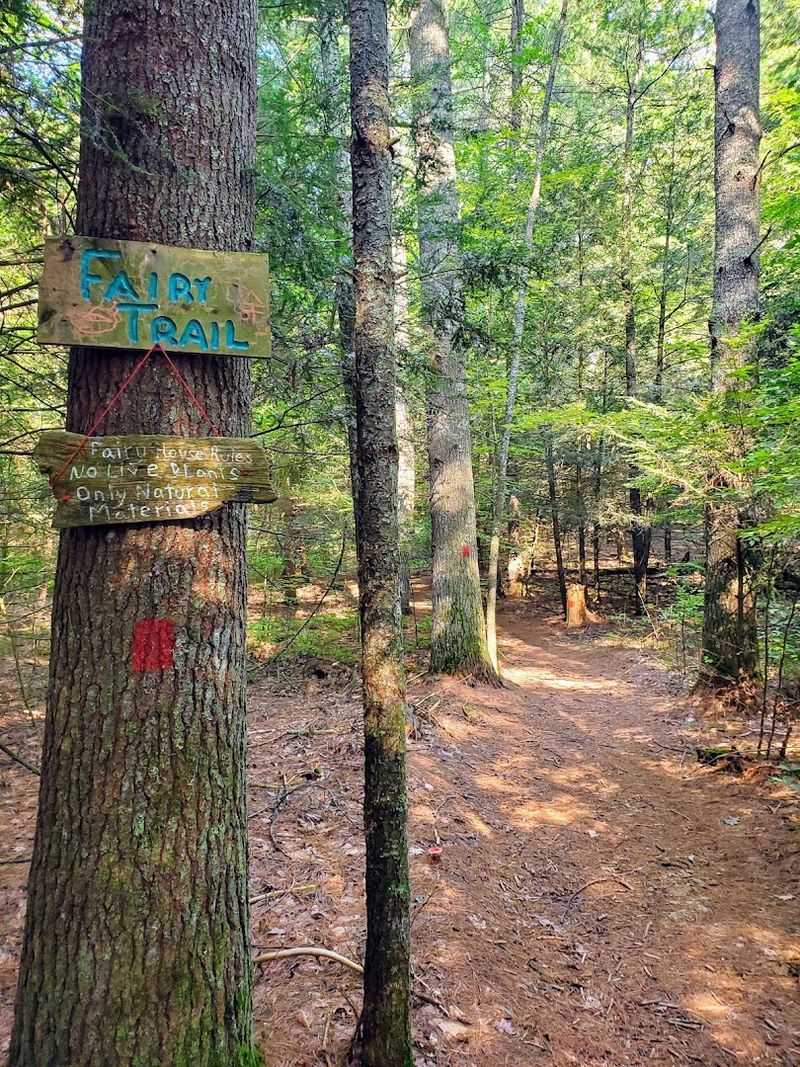
The 5.5-mile loop through Sprague Land Preserve stands out as one of the most complete trail experiences available in southeastern Connecticut.
Hikers on this route move through a shifting landscape that includes elevated ridge sections, dense pine forest, river frontage, and open stretches near old farm fields.
The variety keeps the walk engaging from start to finish, with new textures and views appearing at regular intervals.
Sections of the trail follow old roads, which tend to be wider and easier underfoot, while other stretches narrow and become more rugged as they climb rocky ridgelines.
The River Ridge Trail runs directly alongside the Shetucket River, offering a quieter and more meditative stretch of the hike where the sound of moving water stays constant.
The Yellow Trail spans 2.1 miles and is rated moderate, making it a solid middle-ground option for those who want a bit of challenge without committing to the full loop.
Trail blazes vary in quality across different sections of the preserve, and some stretches have faded or widely spaced markers. Carrying a downloaded map or a printed version from the preserve website at explorect.org is a practical step that can prevent confusion at unmarked junctions.
3. Peaceful Forest Setting
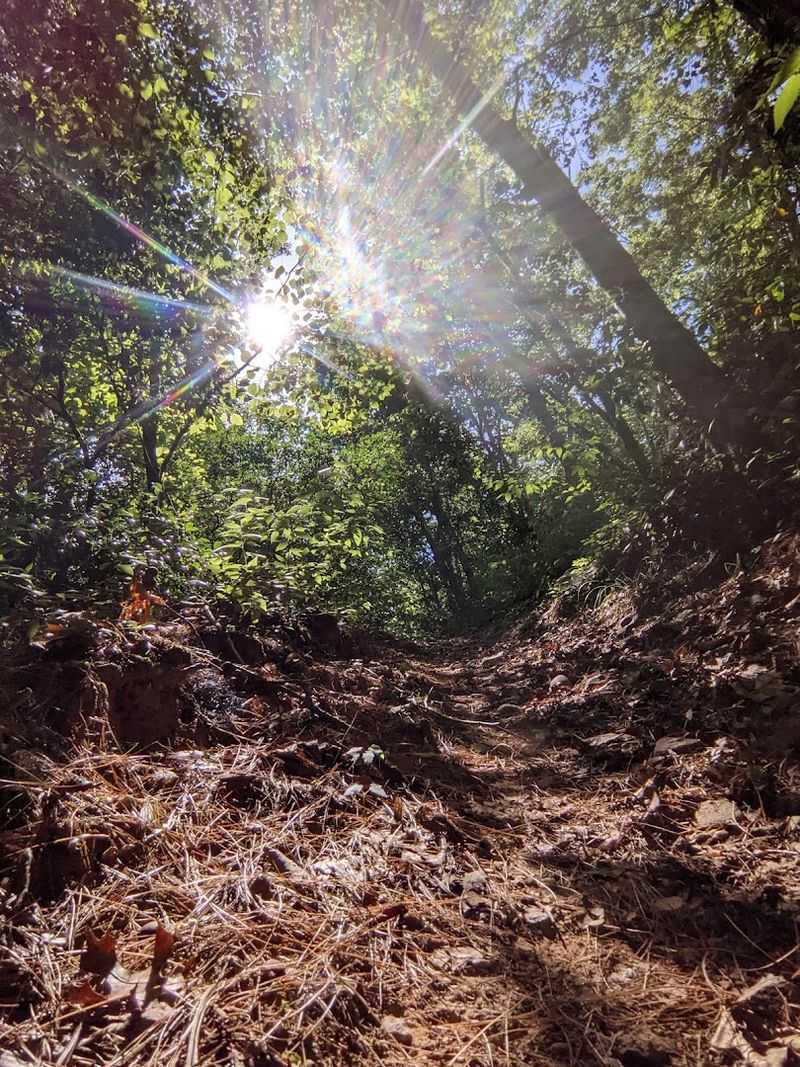
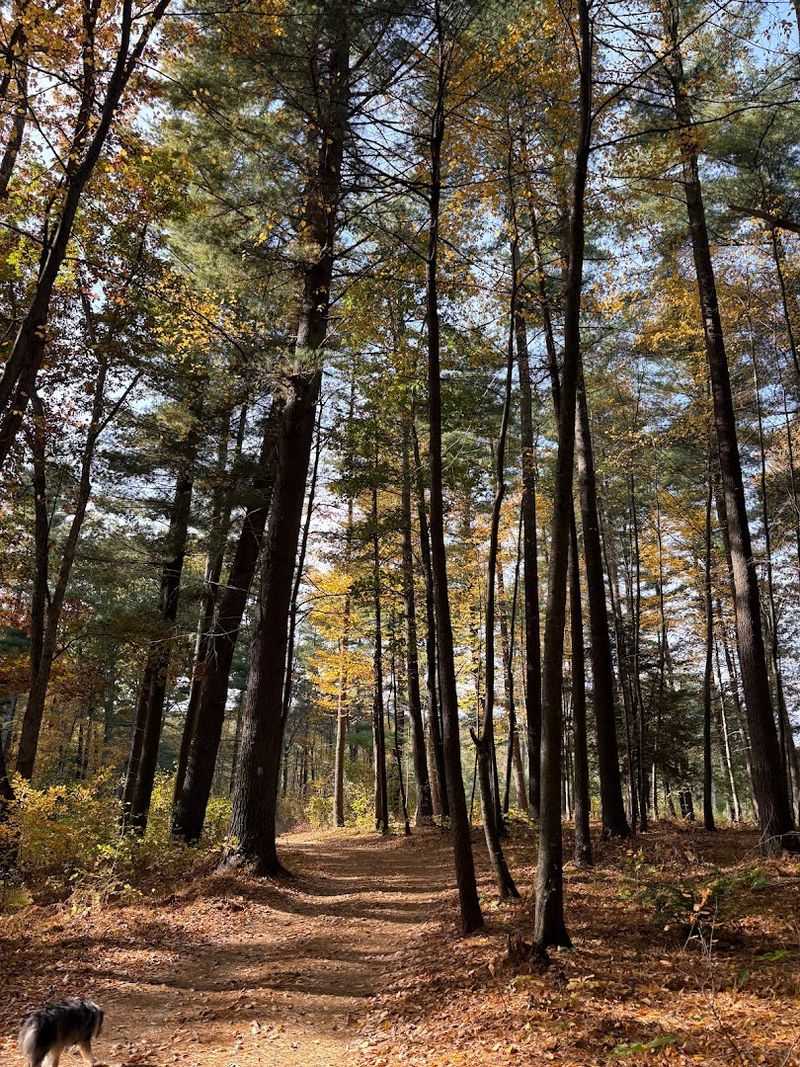
Evergreen woods give Sprague Land Preserve a steady sense of color, even when winter strips the surrounding hardwoods bare. Hemlock and pine stands create cool, shaded stretches where fallen needles soften each step and the scent of resin hangs in the air.
The preserve covers about 486 acres within a much larger roadless landscape. Its terrain includes mixed forests, river floodplain, perennial streams, swamps, ponds, rocky ridges, and open areas shaped by earlier land use.
Moving between these habitats keeps the scenery varied and gives hikers a closer look at how water, elevation, and vegetation shape the property.
Wildlife signs often appear along muddy trail edges and near quieter waterways. Beaver activity is one of the most visible examples, with dams marked on the trail map and nearby wetlands revealing how these animals reshape their surroundings.
Songbirds, coyotes, bobcats, and eagles also use the broader corridor.
Trails invite a measured pace, especially where roots, rocks, or damp ground require attention. Pausing beneath the conifers or beside a pond often reveals details missed at a quicker speed.
The result is a spacious woodland experience filled with texture, changing habitats, and subtle reminders that the preserve remains active in every season.
4. Great Spring Water Flow
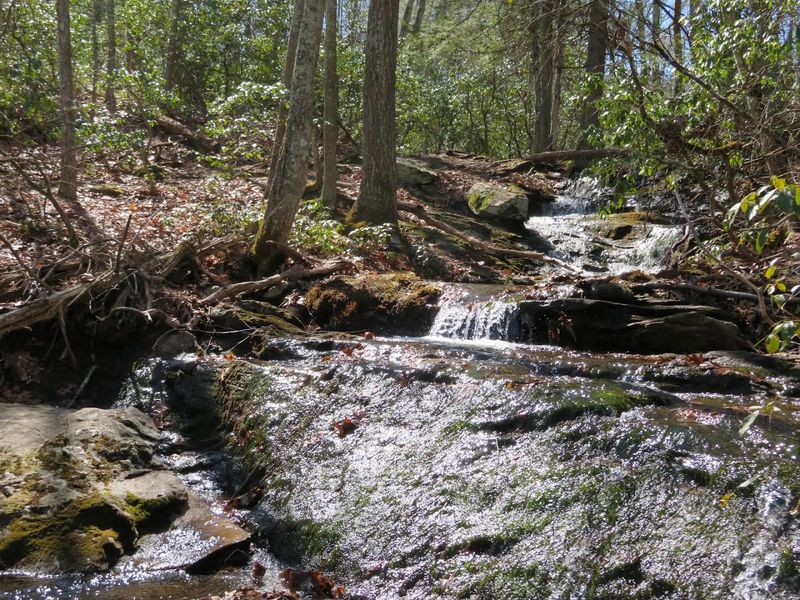
Spring transforms the trail experience at Sprague Land Preserve in ways that no other season can match.
The combination of snowmelt and increased rainfall pushes water through the preserve’s stream channels with a volume and urgency that feels almost theatrical compared to the quieter summer months.
Waterfalls that may appear modest or even dry in late summer come alive with real force during this window.
The intermittent streams that feed several of the cascades are especially responsive to seasonal moisture levels. After a good rain or during the height of spring runoff, these streams can swell noticeably, filling the gorge sections with sound and movement.
Visitors who time their trip to coincide with a wet spring week are likely to see the preserve at its most dynamic and visually striking.
Fresh greenery emerging alongside active waterfalls creates a layered visual contrast that makes spring photography particularly rewarding at this location.
The forest floor comes back to life quickly in this part of the state, and wildflowers tend to appear along the wetter trail sections near the stream corridors.
5. Rocky Woodland Trails
Rocky ridges bring a tougher edge to hiking at Sprague Land Preserve, where some routes climb over uneven ground instead of following the gentler river corridors.
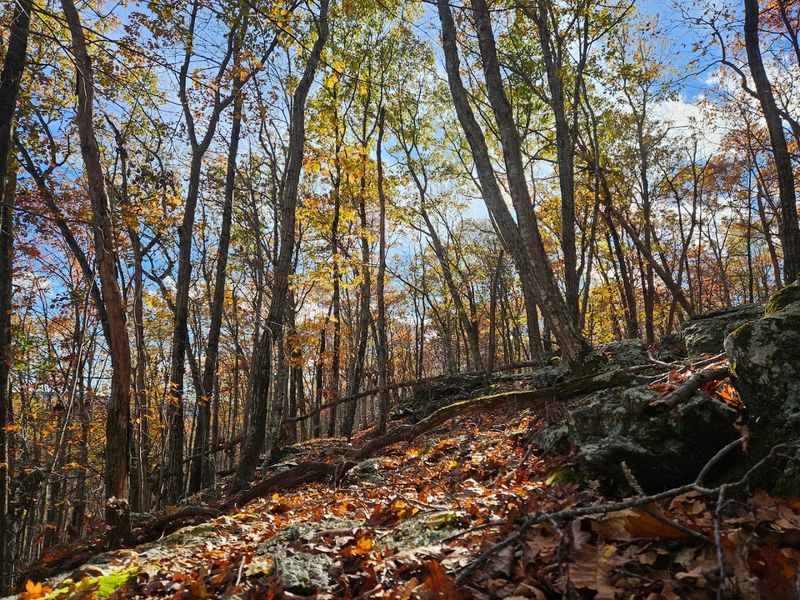
Exposed stone, tangled roots, and short ascents give the landscape a distinctly northeastern character and demand more attention than the preserve’s flatter paths.
The blue-blazed trail includes rugged sections as it passes waterfalls and rises through the woods. Firm footwear with reliable traction is especially useful after rain, when rocks, roots, and leaf-covered slopes may become slick.
Hikers who continue onto higher ground can enjoy broader views through the trees, particularly when foliage is sparse.
Navigation deserves equal attention. The preserve contains about 11 miles of trails, dirt roads, and utility corridors, and some intersections can be confusing because routes use both solid and dotted blaze patterns.
Signage has improved at several junctions, but carrying the official map remains a wise choice. Saving a copy to a phone before arriving also helps where reception is limited.
With sturdy shoes, careful footing, and a map close at hand, hikers can enjoy the rocky terrain as one of the property’s most memorable features.
6. Perfect Weekend Adventure
A weekend morning at Sprague Land Preserve tends to feel genuinely relaxed, partly because the trails rarely get crowded even during popular seasons.
The preserve is free to enter, which removes one of the common planning obstacles and makes it easy to decide on a visit without much advance preparation.
Parking is available in a field area on Holton Road and also near a cabin at the end of a dirt road, giving visitors two reasonable options depending on which section of the trail system they plan to explore first.
The gates to the preserve close at sunset, so building in enough time to complete the chosen route before dusk is an important logistical consideration.
For a 5.5-mile loop, most hikers at a comfortable pace should budget around two and a half to three hours, plus additional time for stopping at waterfalls or river overlooks.
Dogs are welcome on the trails but must remain on a leash at all times, which keeps the experience respectful for both wildlife and other visitors.
Driving to the entrance requires following Holton Road past what navigation apps might flag as the destination, continuing to the actual trailhead near the road’s end.
7. Nature At Every Turn
Following the trails here feels less like staying on a single route and more like passing through several distinct ecosystems.
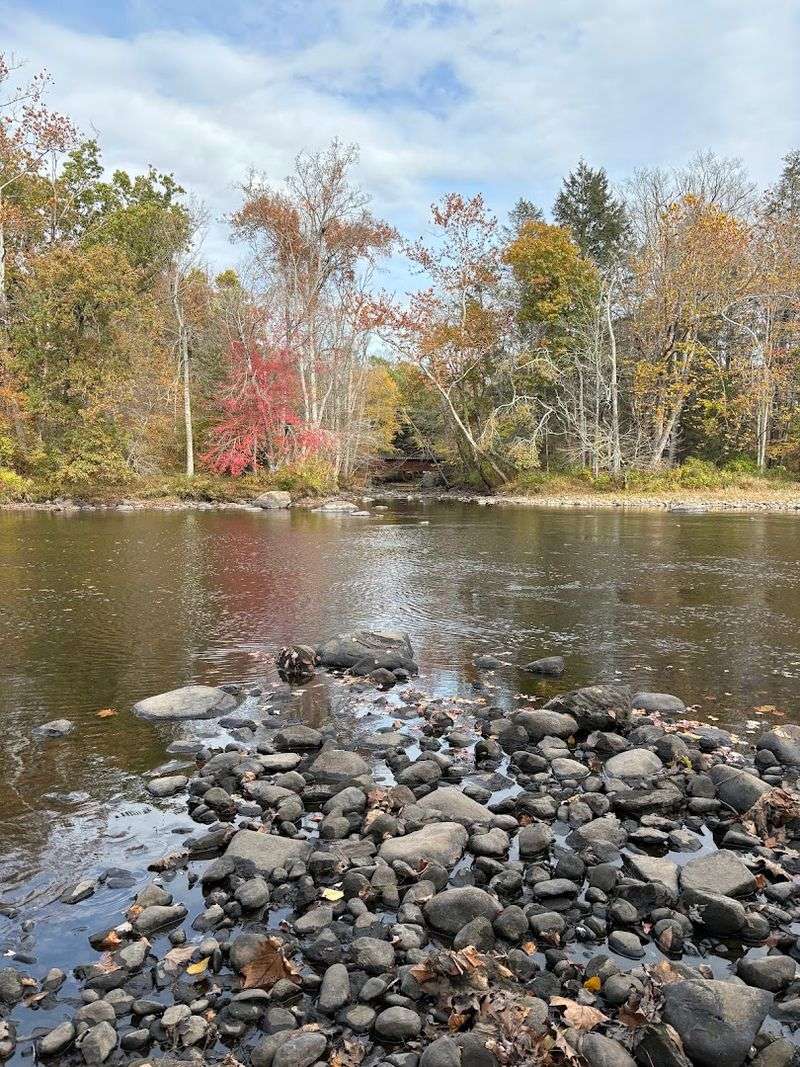
The Shetucket River runs along roughly a mile of the preserve’s boundary, and nearby paths stay close enough for the sound of moving water to remain a steady companion.
That peaceful atmosphere feels especially refreshing in a region as developed as southern New England.
Beaver activity adds another memorable feature. Dams appear throughout wetland sections branching from the main trails, sometimes reshaping the landscape in dramatic ways.
These areas also attract a wider variety of birds, making them rewarding stops for wildlife watchers and photographers.
Metal benches and wooden footbridges provide convenient places to pause without overwhelming the natural setting. The mix of riverbank, woodland, and wetlands creates plenty of variety along the way.
Because each habitat changes with the seasons, repeat visits often reveal details that were easy to miss before, from shifting water levels and fresh animal tracks to changing foliage and new bird activity.
It is a quiet, layered destination that rewards visitors who slow down and pay attention during every visit, no matter the time of year.
8. A Hidden Outdoor Gem
Most people driving through North Franklin would have no idea that more than 600 acres of protected land sits just off the road, quietly offering one of the more complete hiking experiences in the southeastern part of the state.
Sprague Land Preserve was assembled through a series of land acquisitions between 2004 and 2016, a multi-year community effort that pieced together diverse parcels into the contiguous natural space that exists today.
The preserve was formerly known as the Mukluk Preserve, and parts of the land required environmental remediation before trails could be opened to the public.
That history of restoration adds a layer of meaning to a visit that purely scenic destinations sometimes lack. The land has been actively brought back to a healthier state, and the thriving wildlife and plant communities visible today reflect that ongoing commitment.
Sections of the preserve still carry ecological sensitivities, and some areas remain restricted as cleanup and restoration work continues.
For hikers who prefer a less trafficked alternative to better-known Connecticut state parks, Sprague Land Preserve offers a genuinely quieter and more intimate outdoor experience.
The combination of waterfalls, river frontage, rocky ridges, pine forest, and open meadows within a single property makes it an unusually varied destination for a preserve of any size, let alone one that remains relatively under the radar.