This Little-Known Historic Idaho Town Feels Like One Of The Country’s Most Peaceful Escapes
Not every town tries to entertain you. A forgotten corner of Idaho simply lowers the volume and lets the landscape take over.
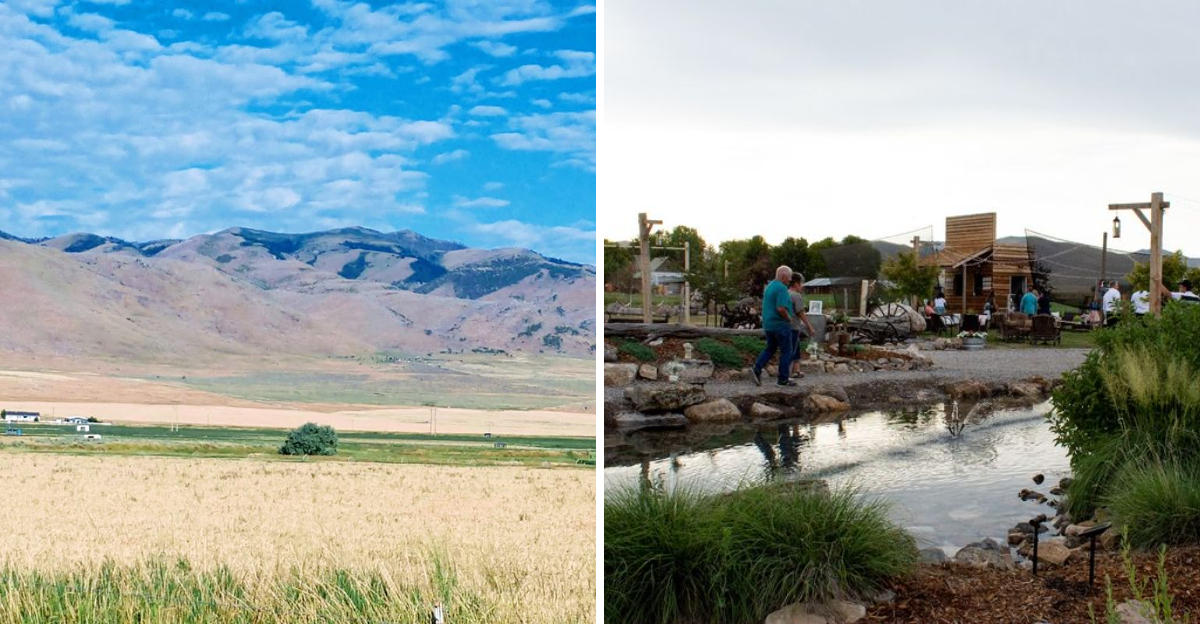
Old cabins still hint at the families who settled here in the 1800s, while wide farmland stretches toward mountain ridges that seem completely uninterested in modern urgency.
Traffic is scarce. Silence is not.
The community sits only a few miles from a larger town, yet the pace feels decades removed. Even checking the time starts to seem unnecessarily ambitious.
Nothing flashy waits around the bend, and that may be the whole appeal.
History remains visible without becoming a performance, while the open country offers the kind of calm most road trips promise but rarely deliver.
Anyone craving crowds, attractions, and a packed itinerary may keep driving.
Those hoping to find a place where Idaho still feels wonderfully unhurried should slow down before this tiny settlement disappears in the rearview mirror.
Historic Buildings Give The Rural Roads A Different Kind Of Beauty
Old walls do something special along Samaria’s quiet roads. You do not get a polished Main Street built for postcards, and that makes the historic district feel even better.
The beauty here is quieter, with pioneer-era homes, farm lots, open ground, and weathered buildings that still hold the shape of the community that built them.
The historic district covers a broad rural area, and its older structures show how life changed as settlers moved from simple log dwellings into more finished frame and brick buildings.
You can see modest craftsmanship, practical design, and little touches of personality that make the houses feel lived-in rather than staged. That is the charm.
Nothing about the district feels overproduced for visitors. It feels like a place that kept going while the world hurried past.
Drive or walk slowly, because the details need a little patience. A roofline, a porch, an old outbuilding, a line of trees, or a field behind a house can suddenly make the whole scene click.
Samaria’s architecture does not shout for attention. It rewards the person willing to notice.
Malad Valley Heritage Square Preserves Pieces Of Pioneer Life
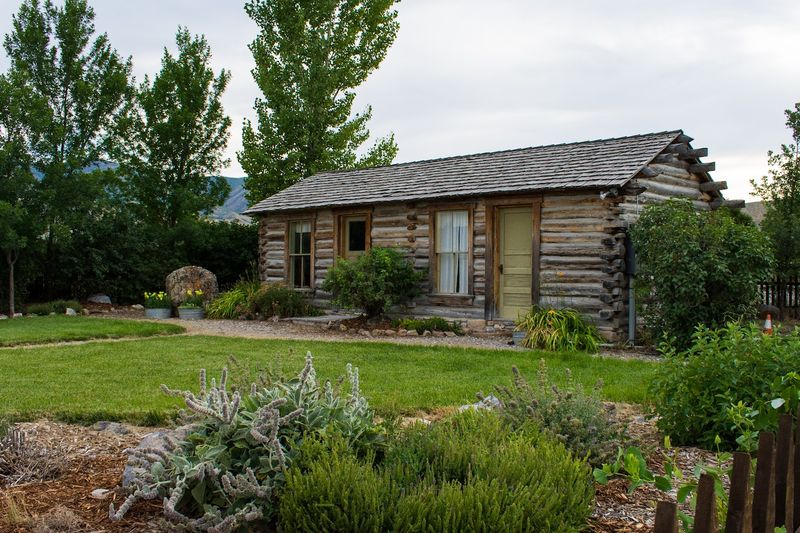
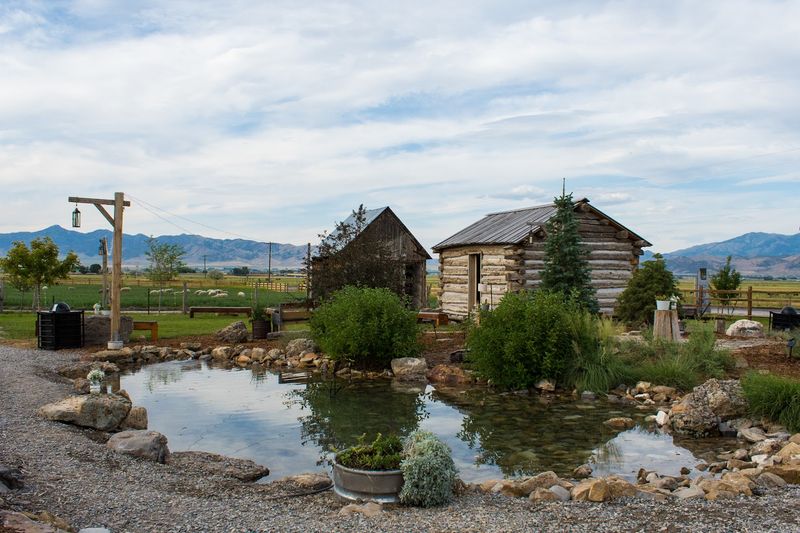
A heritage stop feels most powerful when it still has a local heartbeat, and Malad Valley Heritage Square has exactly that. You can step among pioneer-era cabins, covered wagons, farm machinery, and small historic structures that were saved because people in the valley decided they mattered.
The place does not feel like a distant institutional museum. It feels personal, almost neighborly, as if the community opened a family memory box and invited visitors to look carefully.
Cabins moved from different parts of the valley help tell the story of early homes, hard work, limited materials, and the kind of daily life that built rural Idaho one practical decision at a time.
The old-fashioned ice cream store adds a warm, playful touch, which keeps the visit from feeling too stiff.
Kids get something to enjoy. Adults get the deeper meaning.
You can picture families cooking, farming, gathering, hauling, repairing, and making do. That is what makes the square such a strong anchor for Samaria.
It does not just preserve objects. It preserves the feeling that this small community has been worth saving.
Welsh Roots Still Shape The Community’s Cultural Identity
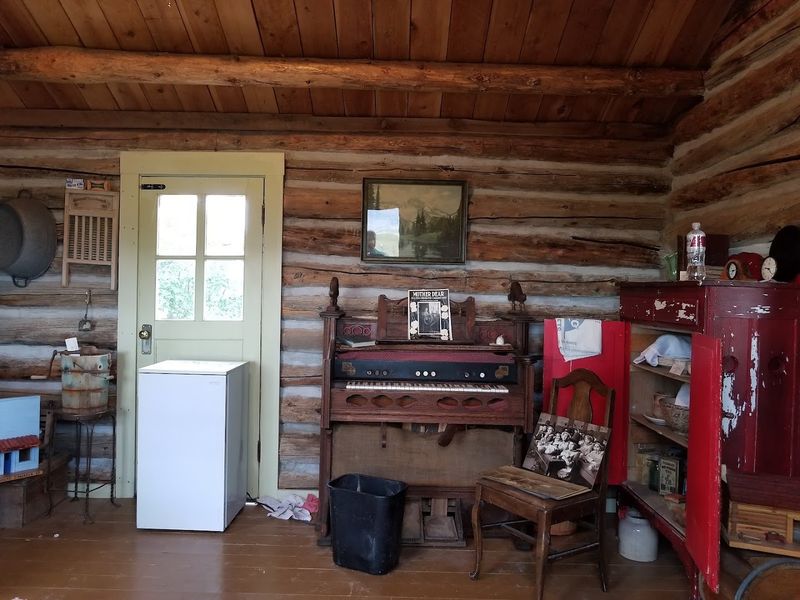
Few small American towns carry such a distinctive cultural thread as Samaria. Welsh Latter-day Saint pioneers migrated from the Salt Lake Valley to the Malad Valley during the 1860s, seeking farmland and community, and their influence never faded.
Today, the Malad Valley holds the highest concentration of people of Welsh descent per capita outside of Wales itself, a remarkable statistic for such a quiet rural area.
The Malad Valley Welsh Society, founded in 2005, has worked steadily to keep that heritage alive and meaningful for younger generations.
Their annual Malad Valley Welsh Festival brings Celtic music, poetry readings, and traditional cuisine together in one lively celebration.
Dishes like Welsh cakes, bara brith, and cawl give attendees a genuine taste of the culture that helped build this part of Idaho.
Held at Malad Valley Heritage Square, the festival also features historical displays honoring thirty pioneer families from the valley. For anyone curious about how deeply Welsh identity has shaped a small American community, this event offers answers that are both surprising and deeply moving.
You Can See Cabins Connected To Some Of The Valley’s Earliest Families
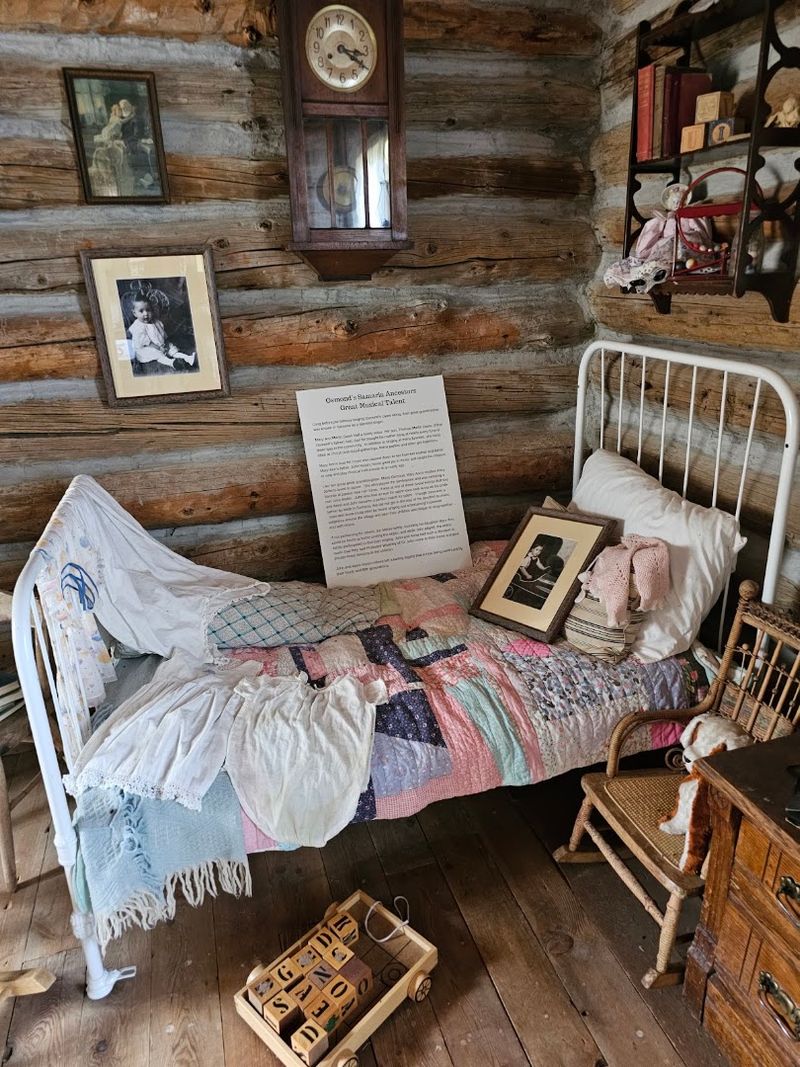
Standing near a pioneer cabin changes the way you think about old stories. At Malad Valley Heritage Square, several cabins connect directly to families who helped shape the valley, which makes the wood, doors, and low ceilings feel far more meaningful than simple display pieces.
One of the most important is the John Jones Williams cabin, recognized locally as one of the first cabins built in the valley. That detail makes the structure feel like a starting point, not just an artifact.
Another preserved cabin is tied to Olive Davis Osmond, mother of Donny and Marie Osmond, adding a well-known family connection to the local pioneer story.
You also find history linked to Samuel Deer Davis, whose life connects Samaria to a larger legal and civic narrative.
The best part is how close everything feels. These are not giant mansions separated from ordinary life.
They are small, practical buildings that make you think about winters, work, meals, children, tools, and families trying to hold a community together. You leave with a better sense of how much life once fit inside very humble walls.
Open Farmland Keeps The Surroundings Calm And Uncrowded
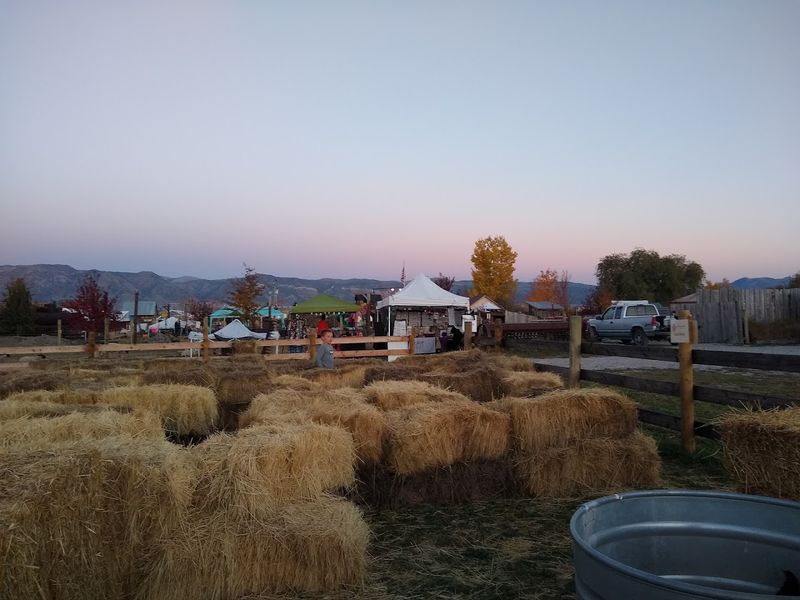
Wide fields give Samaria the kind of peace that busy destinations keep trying to imitate. You can feel the difference as soon as the roads open up and traffic fades into almost nothing.
Farmland stretches around the community, with pasture, crops, fences, irrigation, and long views toward the surrounding ridges. That space changes the whole mood of a visit.
You are not weaving through crowds or competing for a viewpoint. You are simply moving through a working rural landscape where quiet still feels natural.
The appeal is subtle, but it builds. A tractor in the distance, a field turning gold, a breeze moving through grass, an old cabin against open sky, and suddenly the whole place feels restorative.
Families who want a slower outing will appreciate that Samaria gives children room to notice animals, fields, wagons, and old buildings without the sensory overload of a packed attraction. Adults get a break from noise and hurry.
Bring water, sun protection, and realistic expectations, because this is rural travel, not a resort strip. The reward is the calm itself.
Samaria lets you remember how good empty space can feel.
The Samaria Historic District Reveals The Town’s Former Importance
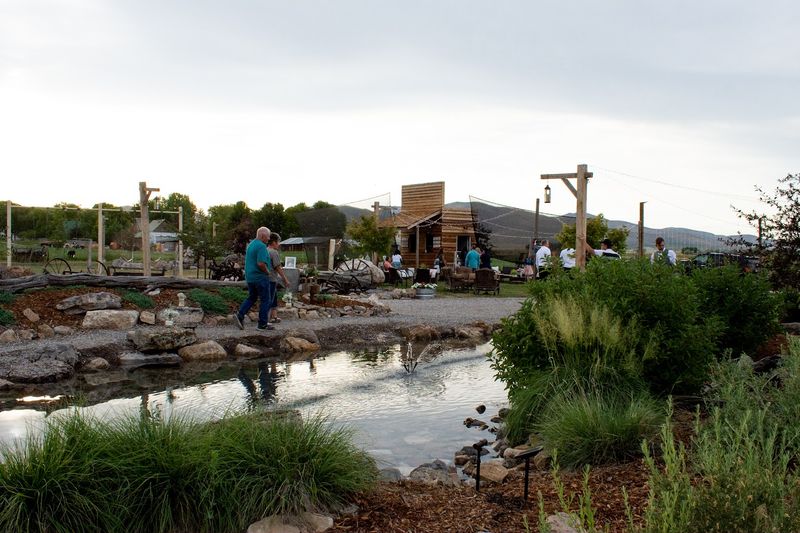
Quiet can hide a bigger past, and Samaria is a perfect example. The community was settled by homesteaders in 1868 and once held an important place in the Malad Valley before the railroad shifted growth toward Malad City.
That change altered Samaria’s future, but it also helped preserve much of the old rural character visitors can still sense today. The historic district was listed on the National Register in 1979, covering about 153 acres with dozens of contributing buildings.
That recognition matters because it confirms what the roads already suggest. This was not just a random cluster of farmhouses.
It was a planned and active pioneer community with homes, streets, farms, churches, and gathering places that helped shape valley life. You can still follow the bones of that story through the district’s older roads and buildings.
The former importance gives the quiet more meaning. Samaria is peaceful now, but it was never empty of ambition.
People built here with purpose. They organized, farmed, worshiped, raised families, and expected the town to matter.
In a different railroad story, it might have grown very differently. Instead, it became a preserved rural pocket with a powerful sense of pause.
Covered Wagons And Farm Equipment Add Detail To The Local Story
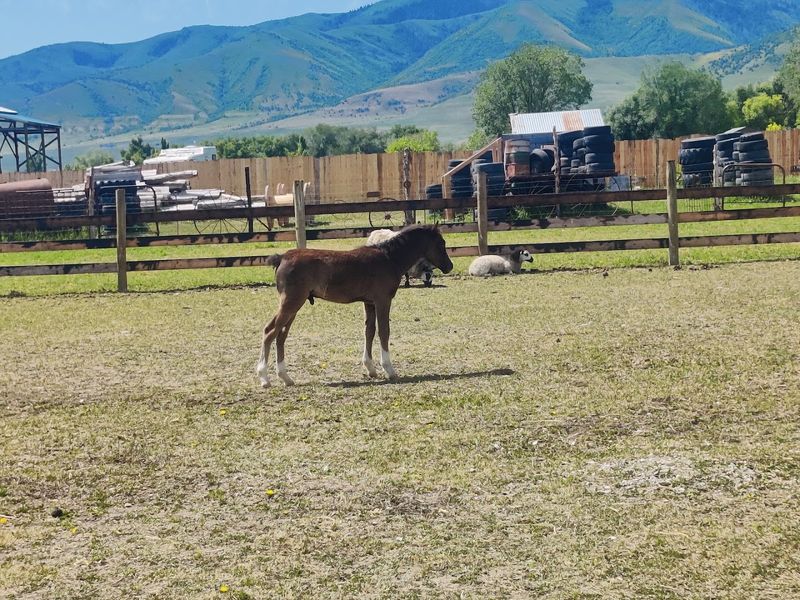
Objects make pioneer history easier to understand, especially when those objects look heavy, practical, and very far from convenient. Covered wagons and farm equipment at Malad Valley Heritage Square help visitors picture the work behind Samaria’s calm scenery.
A wagon is not just a charming shape for photos. It points to movement, migration, supplies, family travel, and the difficult logistics of building a life in a new valley.
Old farm machinery tells another part of the story. Fields did not become productive because the landscape was pretty.
They required labor, tools, animals, repairs, irrigation, timing, and persistence. You can look at those machines and immediately understand that rural peace was never effortless.
It was built by people who worked hard enough for later generations to inherit the quiet. That is why these displays matter.
They connect the scenic farmland outside to the physical reality of pioneer and agricultural life. Children may like the wagons first because they look adventurous.
Adults may end up thinking about how demanding that adventure really was. Together, the artifacts make Samaria feel less like a faded place and more like a community shaped by movement, work, and survival.
Nearby Mountains Create A Peaceful Backdrop For A Slow Afternoon
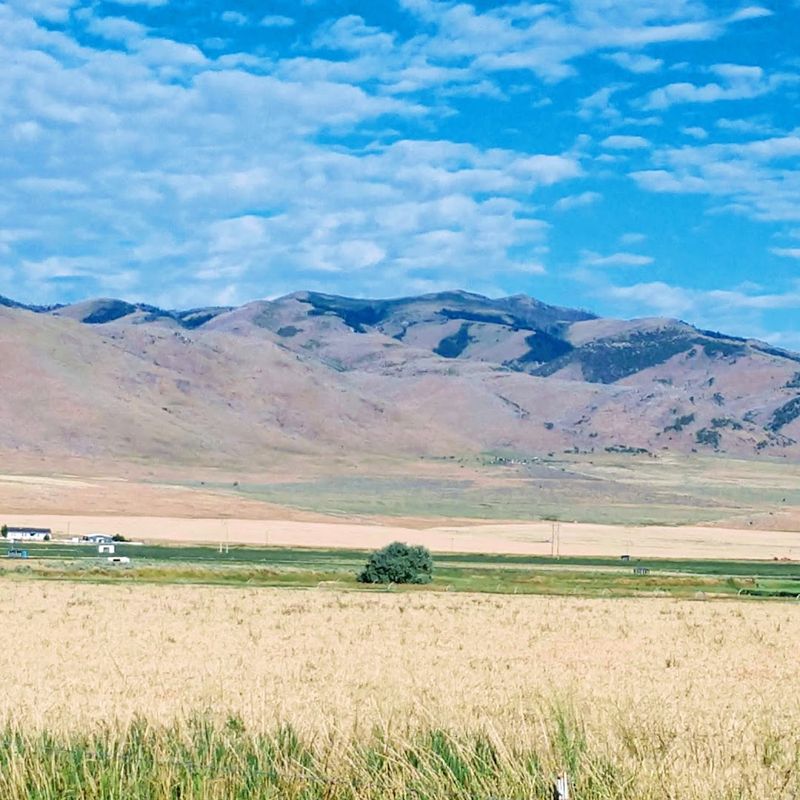
A mountain backdrop gives Samaria its final quiet advantage. The nearby ridges do not need to be dramatic in a postcard way to make the town feel special.
They frame the farmland, soften the horizon, and add a sense of distance that makes a slow afternoon feel even slower. You can look across fields toward the mountains and understand why this place works as a peaceful escape.
The scenery invites lingering, not rushing. It pairs beautifully with a stop at the historic district or Heritage Square, especially if you give yourself time to drive the rural roads and let the landscape unfold without a strict itinerary.
This is the kind of Idaho outing where the small details become the point: old buildings, pastureland, fence lines, cabins, wagons, and mountains sitting quietly in the background.
Samaria is about nine miles southwest of Malad City in Oneida County, and Malad Valley Heritage Square is at 4566 South 4400 West, Malad City, Idaho.
Check current seasonal access before planning around tours or festival events. Then take the afternoon slowly.
The stillness is not extra here. It is the main attraction.