Locals Say Tourism Has Changed This Idaho Town More Than They Ever Expected
For decades this eastern Idaho valley stayed quiet, and locals preferred it that way. It sits behind a famous mountain range, an hour beyond a well-known resort town across the state line.
That kept it close enough to borrow the scenery but far from the heavy crowds. Then the tourists found it.
What came next was a wave of change few fully predicted. It reshaped the local economy and the feel of the main drag.
Some residents welcomed the money and attention, while others watched a slower life slip away. I went to see where things stand today, and why the answer is complicated.
Growth like that leaves a place proud and uneasy at once.
A Small Town With Big Mountain Views
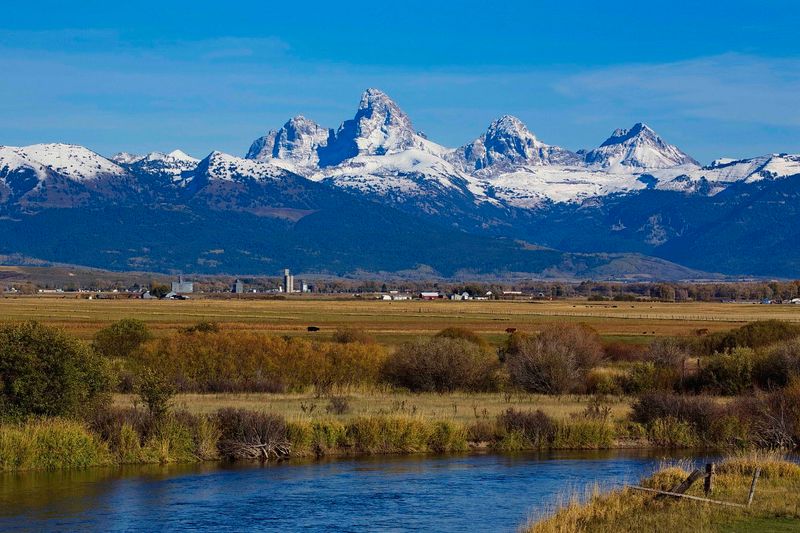
Before I even reached the town limits, the Teton Range stopped me cold. I pulled over just to stare.
The mountains rise sharply to the east, with almost no foothills to soften the view.
Driggs, Idaho sits at around 6,100 feet above sea level. That elevation alone gives the air a crispness that city lungs are not used to. The valley floor spreads wide and flat, framed by peaks on both sides.
What surprised me most was how unobstructed everything felt. There are no towering hotels or billboards blocking the natural scenery here. The town itself is small, with a population just under 2,000 people as of the 2020 census.
It serves as the county seat of Teton County in eastern Idaho. The address most visitors start from is simply Driggs, Idaho 83422.
Standing on Main Street and looking east, you get a view that most resort towns would charge a premium for.
Locals told me they used to take that view for granted. Now, with more visitors arriving every season, they have started to see it through fresh eyes.
History Hidden In Plain Sight
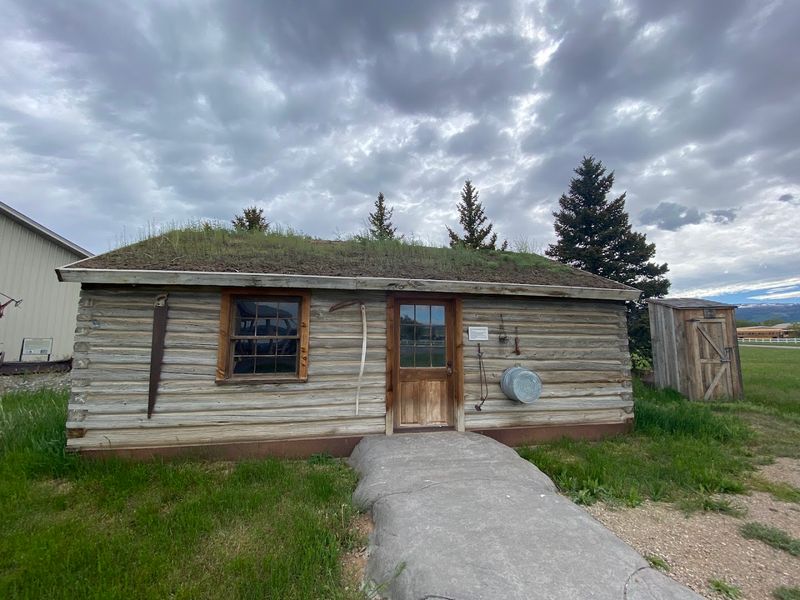
Most people passing through Driggs focus on the mountains and miss the town’s layered past entirely. That would be a mistake.
The area was originally settled by Mormon pioneers in the late 1800s, drawn by fertile valley land and the promise of a fresh start.
Teton Valley became an agricultural hub, with farmers growing grain and raising cattle across the broad flatlands. Driggs grew steadily as the commercial and civic center of the valley.
It became the official county seat, a role it still holds today.
The town’s name honors the Driggs family, brothers Benjamin Woodbury Driggs Jr. and Don Carlos Driggs: early settlers who founded the town in 1888 and helped shape its early years.
You can still spot buildings in the older part of the town that carry echoes of that pioneer era. They sit quietly next to newer shops and cafes.
What I found fascinating was how this history has been largely undisturbed by the tourism wave. There are no flashy heritage museums or over-produced walking tours.
The past here is subtle, embedded in the street grid and the old grain elevator still visible from the highway.
Outdoor Activities That Draw Crowds
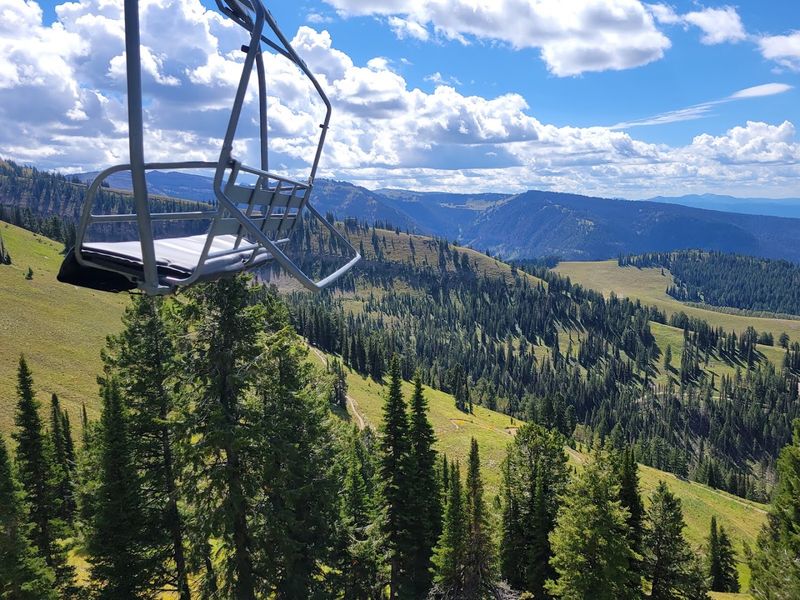
Grand Targhee Resort sits just 12 miles from downtown Driggs, and it is the single biggest reason visitors started showing up in serious numbers.
The resort sits on the western slope of the Tetons in Idaho, offering some of the best powder skiing in the region.
Unlike its famous neighbor across the mountains, Targhee has long had a reputation for shorter lift lines and a more relaxed atmosphere.
That combination proved irresistible to skiers looking for a quieter alternative. Word spread, and Driggs became the base camp of choice.
But winter is only part of the story. Summer brings hikers, mountain bikers, and fly fishers who use the town as a launching point for adventures in Caribou-Targhee National Forest.
The Teton River, which begins its journey right here in the valley, draws anglers from across the country.
Paragliding has also become a popular draw, with the open valley providing ideal conditions for flights that offer aerial views of the Teton peaks. I watched three gliders drift silently overhead one afternoon and felt a pang of jealousy.
How Main Street Has Transformed
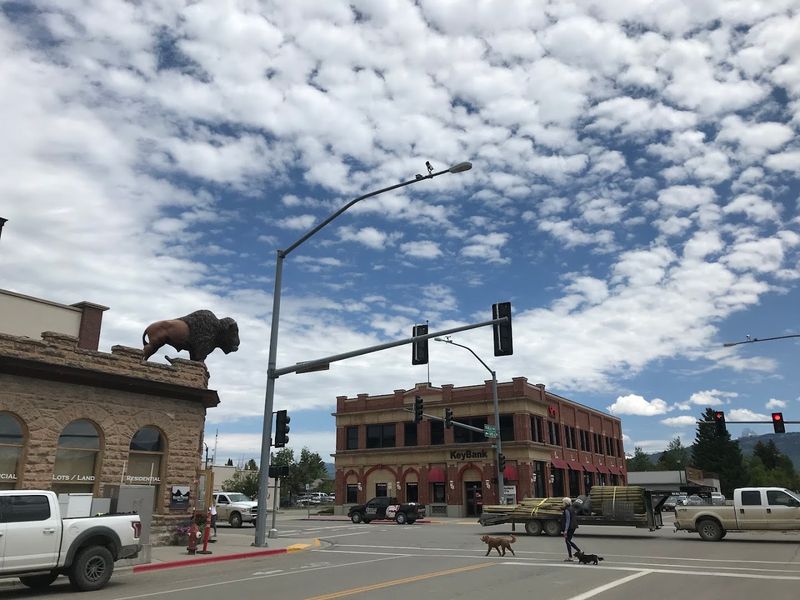
Ten years ago, Main Street in Driggs was a quiet stretch of practical businesses serving local ranchers and families.
Hardware stores, a feed supply shop, and a small grocery were the main draws. Then the visitors arrived in larger numbers, and the street began to shift.
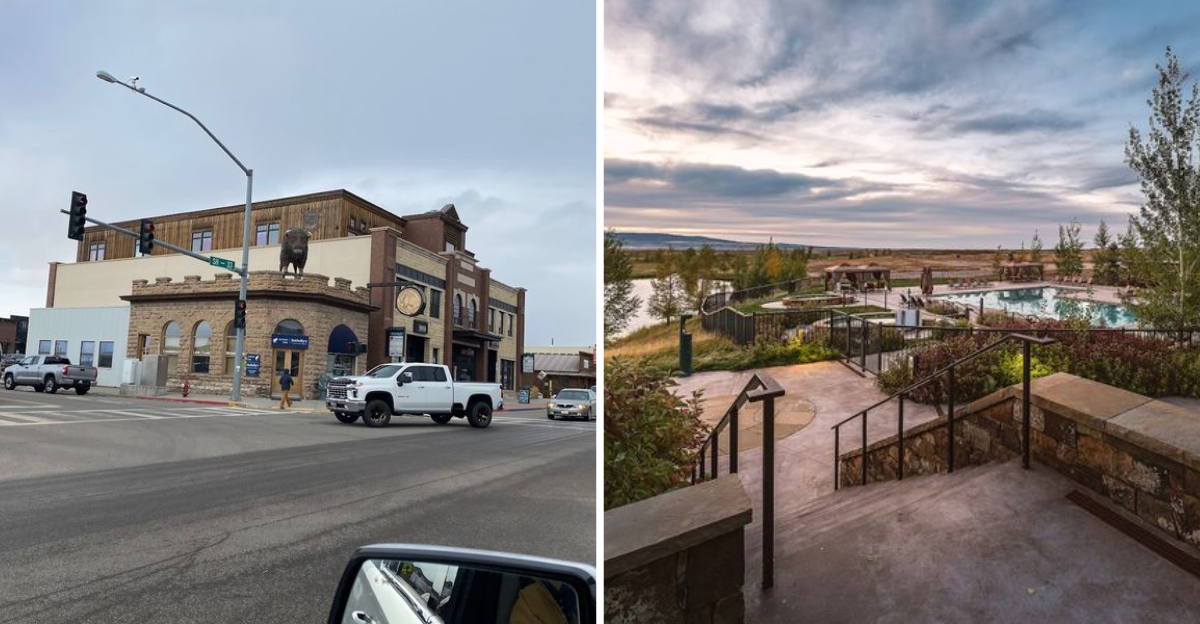
Today you will find specialty coffee shops, artisan bakeries, and boutique outdoor gear stores sharing sidewalk space with the holdover businesses. The mix is interesting, even a little jarring at times.
A shop selling handmade leather goods sits next to a place that still repairs farm equipment.
New restaurants have opened, offering menus that cater to food-conscious travelers. Farm-to-table concepts have taken hold here in Idaho, which makes sense given the agricultural roots of the valley.
Local produce and regional ingredients show up on menus across town.
I spent a morning just wandering and people-watching. The contrast between longtime residents running errands and tourists studying trail maps at cafe tables was striking.
Both groups seemed comfortable enough, but the tension underneath was palpable if you paid attention.
The Housing Crunch Nobody Predicted
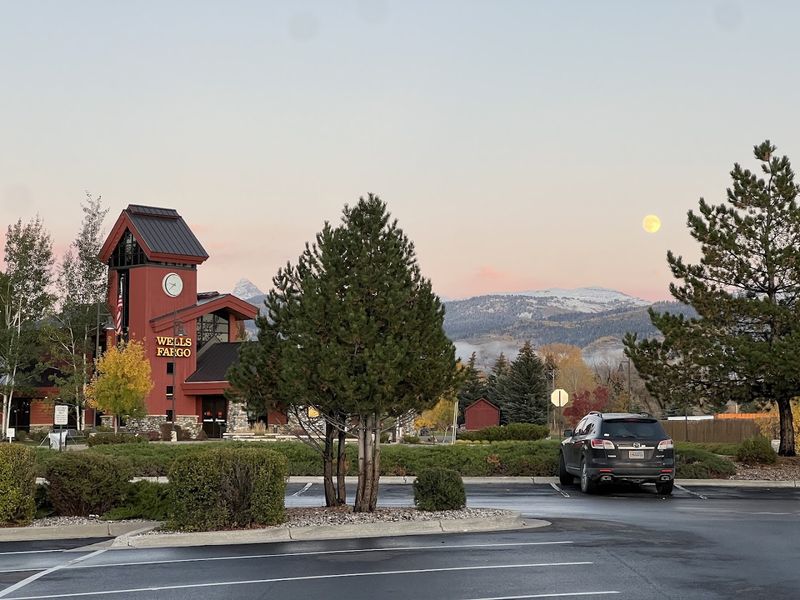
Nobody anticipated how quickly housing would become a flashpoint.
As tourism grew and remote workers discovered the valley, demand for homes and rentals in Driggs spiked sharply. The effects rippled through the community fast.
Short-term rental platforms transformed available housing stock almost overnight. Properties that once housed local families became vacation rentals catering to weekend visitors.
The supply of long-term rentals shrank noticeably.
Workers in the service industry, which expanded rapidly to meet tourist demand, found themselves unable to afford to live in the town where they worked. This is a pattern familiar to resort communities across the American West.
Local government began wrestling with zoning regulations and short-term rental restrictions. Community meetings became heated as residents debated how to protect the character of their neighborhoods.
New construction picked up pace, with developments targeting second-home buyers and seasonal visitors.
Local Culture Worth Knowing About
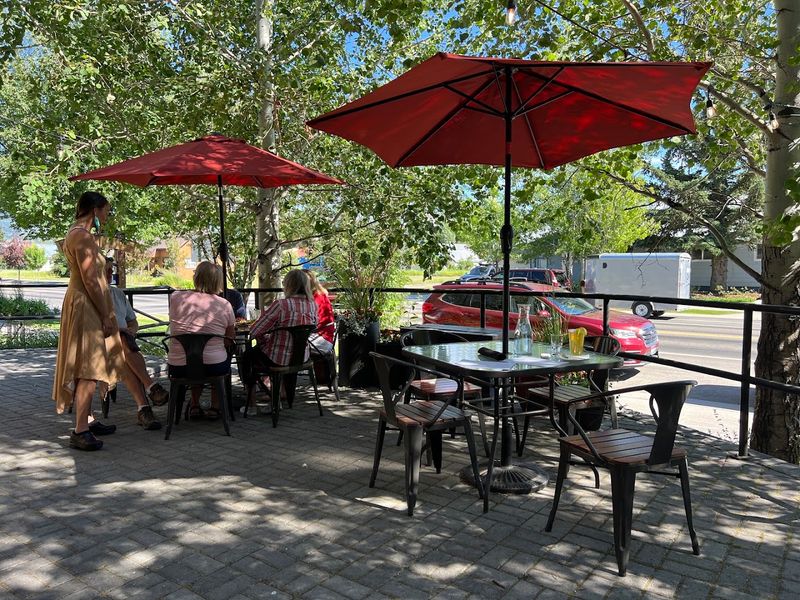
Beneath the tourist layer, Driggs has a distinct local culture that is worth slowing down to find.
The town sits at the intersection of ranching heritage and outdoor recreation, two worlds that do not always overlap but manage to coexist here with surprising ease.
The Teton Valley Farmers Market runs through the summer months and draws a crowd that is genuinely local. Vendors sell fresh vegetables grown in the valley, handmade goods, and locally raised meat.
It feels nothing like the curated markets you find in bigger resort towns.
Community events tied to the agricultural calendar still happen here. Rodeos, harvest celebrations, and community potlucks carry on traditions that predate the tourism era by generations.
These events are not staged for visitors but happen to welcome them anyway.
The arts scene has grown quietly alongside tourism. Local galleries and studios have opened, giving Idaho artists a venue to show work inspired by the landscape.
The quality I saw was genuinely impressive, not souvenir-grade but thoughtful and original. What defines the culture here most, though, is a strong sense of place. Residents know their valley intimately.
Best Times To Visit Driggs
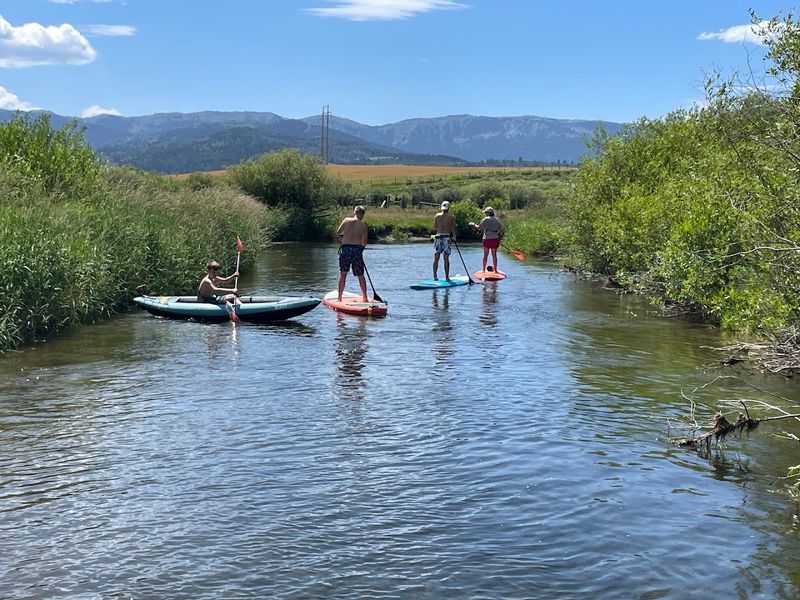
Timing a visit to Driggs matters more than most people realize. Each season offers something genuinely different, and the town’s character shifts noticeably depending on when you arrive.
Winter is peak season for skiers heading to Grand Targhee. The slopes on the Idaho side of the Tetons tend to receive more snowfall than the Wyoming side, which makes the resort a favorite for powder enthusiasts.
January and February typically bring the deepest snow.
Summer is busy but beautiful, with long days and cool mountain temperatures making outdoor activities comfortable. July and August see the most visitors, so expect a livelier Main Street and more competition for trailhead parking.
Fall is my personal favorite time in the valley. The aspen trees turn gold across the hillsides in late September and early October, and the crowds thin out noticeably.
The light in autumn here is extraordinary, casting long shadows across the valley floor.
Spring is the quietest season and arguably the most local-feeling. Mud season is real, and some trails remain inaccessible into May.
But the valley comes alive with wildflowers, and you are more likely to have conversations with actual residents rather than fellow tourists.
Getting There And Getting Around
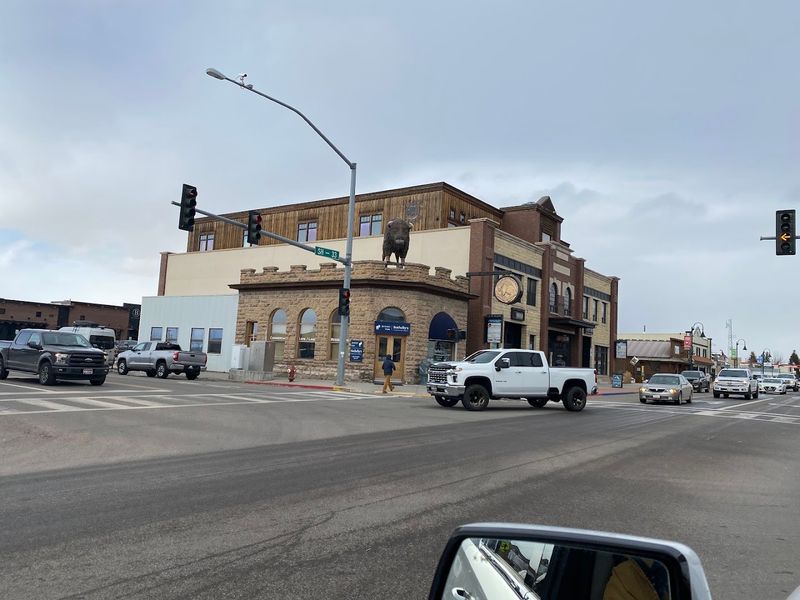
Getting to Driggs requires a bit of intention, which is part of what has kept it from being overrun too quickly.
There is no major airport right in town. Most visitors fly into either Idaho Falls Regional Airport, about an hour to the southwest, or Jackson Hole Airport in Wyoming, roughly 45 minutes to the east over Teton Pass.
The drive over Teton Pass from Jackson is spectacular but demands respect. The road climbs steeply and carries real mountain weather risks in winter.
Once in Driggs, a car is essentially necessary. The town is walkable in its core, but most outdoor destinations require driving.
Renting a vehicle with some clearance is a good idea if you plan to explore beyond the main roads. I drove a standard sedan to several trailheads and managed fine, but a higher clearance vehicle would have opened more options.
The relative difficulty of reaching Driggs has been both a blessing and a burden for locals. It slowed the tourism surge slightly but also limited the economic potential.
What Comes Next for This Valley
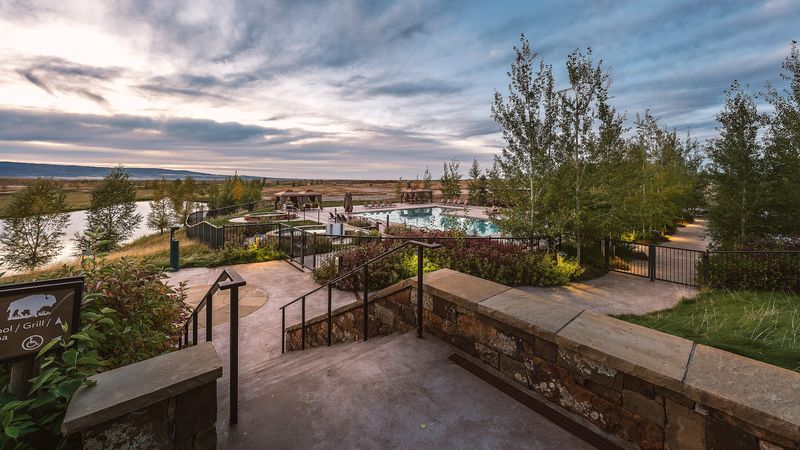
Sitting in a cafe on my last morning in Driggs, I overheard a table of locals debating the future of Teton Valley with the kind of urgency that only comes from genuinely caring about a place.
Tourism has brought real economic benefits to this corner of Idaho. Businesses that struggled now thrive. Tax revenues fund improvements that the small population could not previously afford.
But the costs are equally real. The sense of quiet anonymity that made Driggs special is harder to find now.
Long-term residents feel the pressure of a town being reshaped by forces larger than any local vote or zoning ordinance can fully control.
The community has responded with a level of civic engagement that impressed me. Planning commissions are active, community organizations are vocal, and residents show up to meetings.