This North Carolina Sanctuary Gives Rescued Tigers A Permanent Home And Only Lets Visitors Inside On Guided Tours
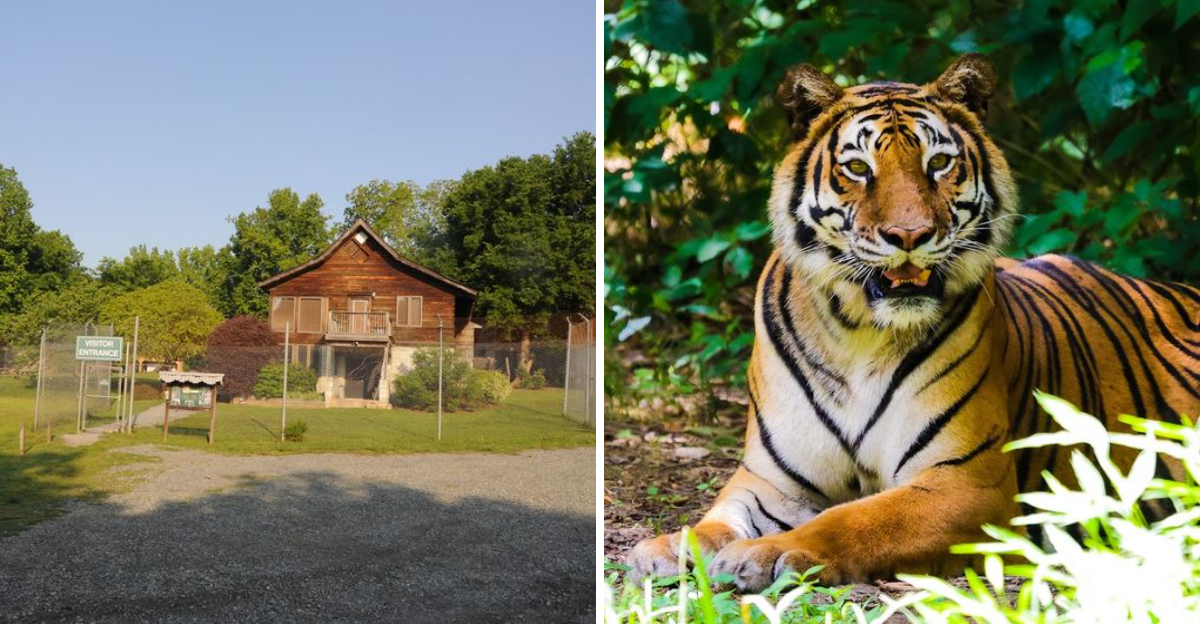
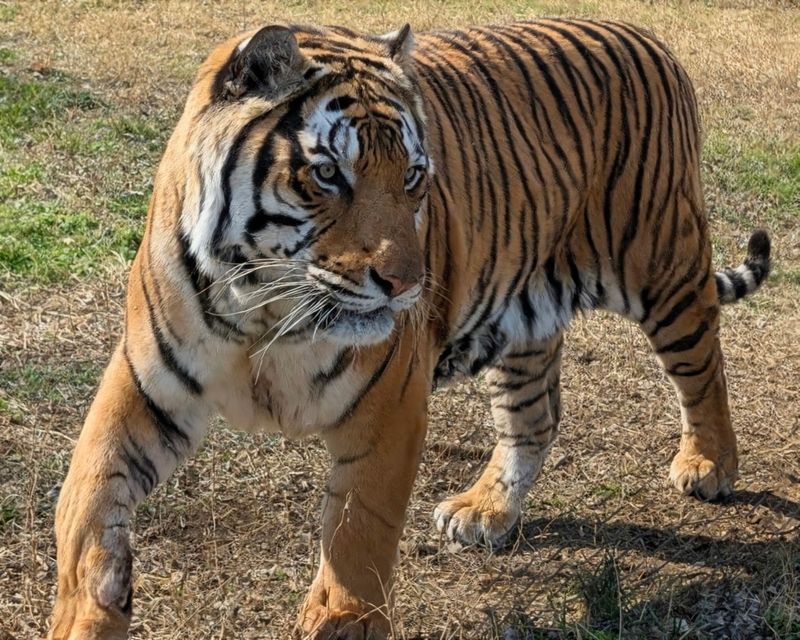
Getting this close to a tiger usually signals a serious mistake. In one corner of North Carolina, it happens under careful supervision.
Rescued wild cats arrive here after lives shaped by neglect, exploitation, or unsuitable private ownership. Once accepted, they are given permanent care rather than passed along again.
That promise changes everything. Staff members learn each animal’s needs, protect its space, and build a routine around safety and dignity.
Public visits are possible, but wandering in alone is not. Guided tours keep the experience respectful while helping guests understand why these animals needed rescue in the first place.
Nothing about the visit feels like a roadside attraction. The cats are not expected to perform, pose, or entertain on command.
What stays with you is the scale of the animals and the commitment behind their second chance. This Pittsboro sanctuary offers a rare look at wild cats living safely, permanently, and finally on their own terms.
Meet Rescued Tigers Living In A True Sanctuary Setting
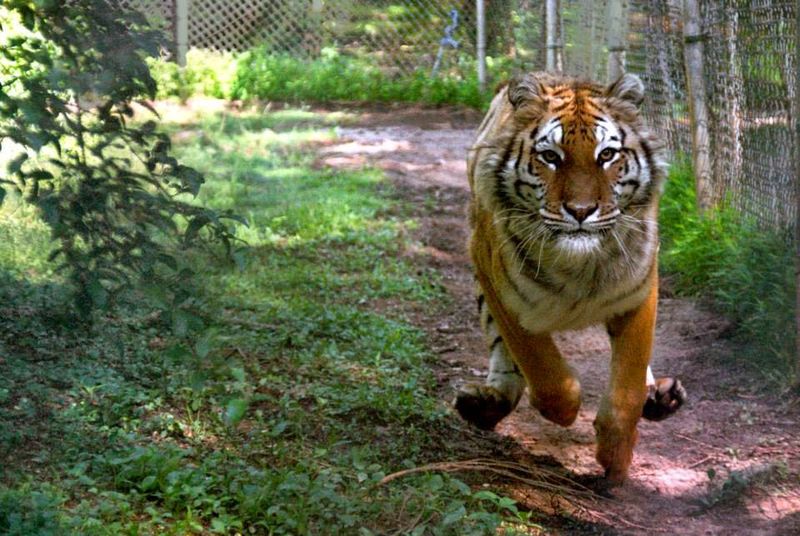
A tiger behind a fence can still make the whole group go quiet. At Carolina Tiger Rescue, that silence feels less like fear and more like respect.
You are not looking at animals kept for tricks, cub photos, or crowd reactions. You are seeing rescued residents living in large, naturalistic habitats after difficult starts that often involved private ownership, roadside zoos, failed facilities, or exploitation.
The sanctuary’s mission centers on saving and protecting wild cats in captivity and in the wild, which gives every visit a deeper purpose than simple sightseeing.
You may see a tiger resting in the shade, walking the edge of a habitat, or ignoring the tour completely because that is exactly what it feels like doing.
That choice matters. The whole setting is built around the animal’s comfort, not your need for a perfect photo.
Guides help you understand each resident as an individual instead of a generic “big cat.” You learn names, histories, habits, and why permanent care is so important. The experience feels moving because the sanctuary is not trying to make wildness cute.
It is asking you to respect it.
Guided Tours Are The Only Way Visitors Can See The Animals
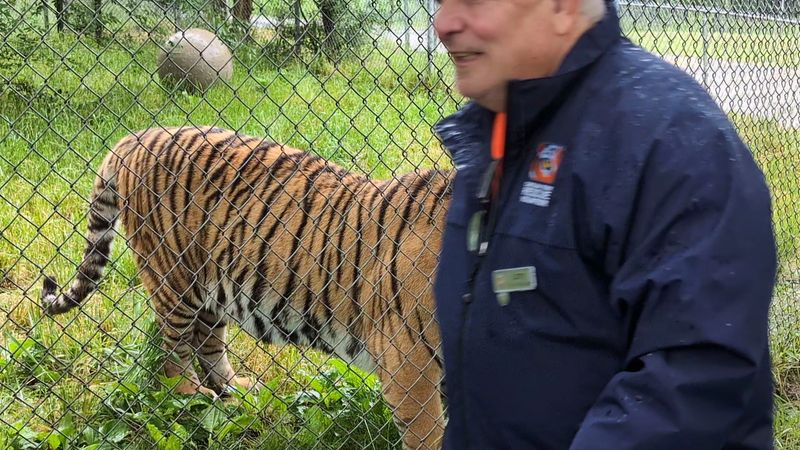
No casual wandering happens here, and that rule makes the visit stronger. Every guest needs an advance ticket or reservation, and visitors may not enter the animal sanctuary without an escort.
A trained volunteer stays with the tour at all times, which keeps the experience safe, focused, and educational instead of chaotic.
Public tours run year-round on Fridays, Saturdays, and Sundays, while twilight tours are reserved for adults and run later in the evening from March through October.
For younger children, Tiger Tales offers a gentler option with story time, a craft, and a chance to meet the cats in an age-friendly format. You should expect a walking tour on gravel and grass paths, so closed-toe shoes and weather-appropriate clothing make the day easier.
Tours go out rain or shine unless extreme weather forces a cancellation. That guided format helps guests slow down and actually listen.
You are not rushing from habitat to habitat. You are following someone who knows the animals, understands the mission, and can explain why each boundary exists.
The structure turns a visit into a lesson you remember.
Hear The Individual Rescue Story Behind Every Wild Cat
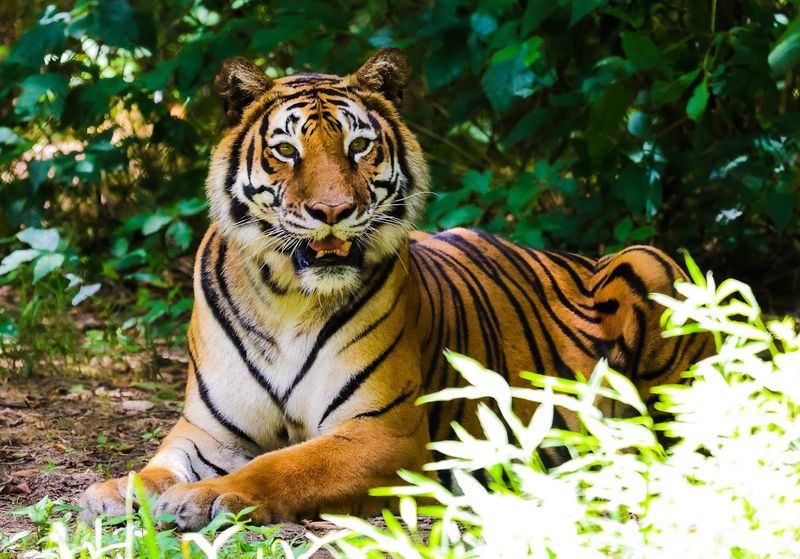
Rescue stories hit harder when you are standing near the animal who lived through them. Guides introduce the residents you see along the route and explain how they ended up at the sanctuary.
Some animals came from private owners who could not handle the reality of caring for a wild cat. Others were connected to roadside zoos, traveling circuses, failing facilities, abandonment, relinquishment, or confiscation by authorities.
Those details can be uncomfortable, but they are also the reason the tour matters.
You stop thinking of the animals as beautiful shapes moving behind fencing and start seeing them as individuals with histories.
A tiger may have been bred for attention it never should have received. A serval may have been kept as an exotic pet until the situation became unsafe.
A cougar may have needed a place that could provide lifelong professional care. Those stories give weight to every quiet moment.
When a resident chooses to approach or simply nap in view, the encounter feels earned, not staged. You leave with more than photos.
You leave understanding why rescue, education, and advocacy belong together.
You May Also Meet Lions, Cougars, Caracals, And Servals
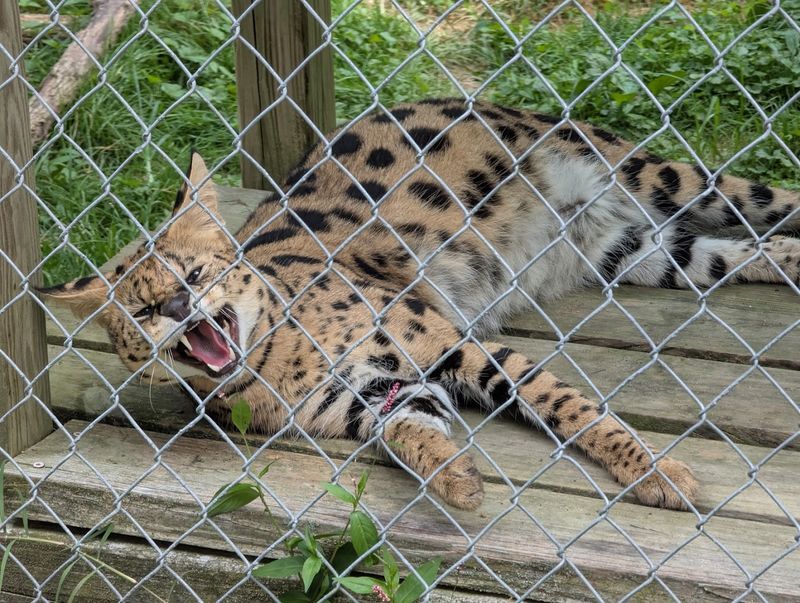
Tigers may grab the headline, but the animal residents give the sanctuary much more variety than first-time visitors expect.
Current animal information lists about a dozen species, including tigers, lions, cougars, servals, caracals, bobcats, Asian leopard cats, kinkajous, coatimundis, raccoons, porcupines, red foxes, and red wolves connected to conservation work.
That range keeps the tour lively because each species has a completely different presence. A serval’s long legs and oversized ears make it look almost unreal.
A caracal’s black ear tufts can steal attention fast. A cougar moves with a different kind of quiet power than a tiger.
Kinkajous and coatimundis bring their own curious energy, reminding visitors that the sanctuary cares for more than the biggest cats. You may not see every resident on every tour, and that is part of the honest experience.
Animals have room to move, rest, hide, and decide how much of themselves they want to show. That unpredictability keeps the visit real.
You are not watching a scheduled cast. You are entering a sanctuary where every resident gets to behave like an individual.
See How Animal Choice Shapes Each Stop Along The Tour
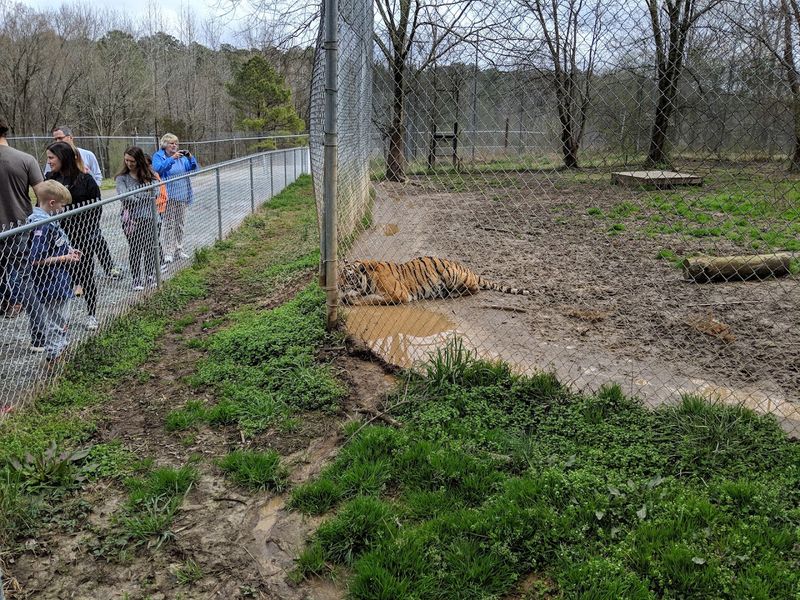
Some days, a tiger may be right where everyone can see it. Another day, the same animal may decide the back of the habitat is clearly the better plan.
That is not a disappointment. That is the point.
Carolina Tiger Rescue presents the animals as residents with choices, not performers with a schedule. Their large, naturalistic habitat enclosures give them space to rest, explore, watch, retreat, and engage on their own terms.
That makes each tour feel different. You may get a curious cat near the fence, a sleepy lion barely lifting its head, or a serval who seems to be monitoring the entire group with those enormous ears.
Guides help visitors understand that visibility is not the only measure of a good sanctuary visit. Comfort matters more.
Respect matters more. The animal’s ability to say “not today” matters most of all.
That approach may surprise guests used to attractions built around guaranteed viewing, but it makes the experience more meaningful. You are seeing care in action.
A true sanctuary does not force a moment. It lets the animal choose the moment, then teaches you why that matters.
Learn Why The Sanctuary Never Allows Touching Or Direct Contact
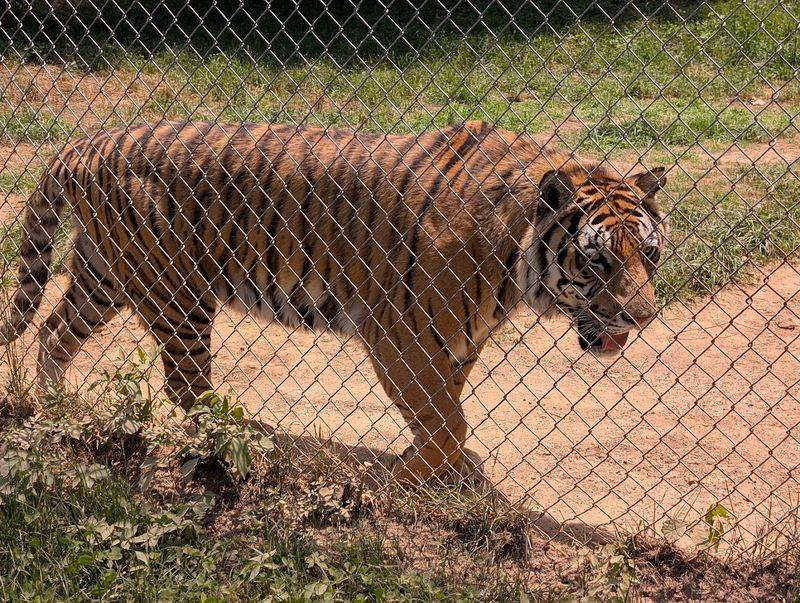
Hands stay out, distance stays respected, and the message could not be clearer. Wild animals are not photo props, pets, or cuddle opportunities.
Carolina Tiger Rescue’s public beliefs state that wild animals should not be kept as pets, should not be exploited for entertainment or commercial purposes, and should be treated with respect. That philosophy shapes the whole visitor experience.
The guided tour lets you observe, learn, and admire without creating unsafe or stressful contact.
That boundary protects people, but it also protects the animals from the kind of human interaction that helped create the captive-wildlife problem in the first place.
A tiger can look calm and still remain a tiger. A serval can look small compared with a lion and still be wild.
A caracal can be gorgeous and still not belong in human arms. The no-contact model teaches that admiration does not require access.
You can be moved by an animal without touching it. You can support rescue without wanting a close-up encounter that puts anyone at risk.
In a world full of animal-photo gimmicks, that lesson feels especially important.
Understand The Problems Behind Private Wild-Cat Ownership
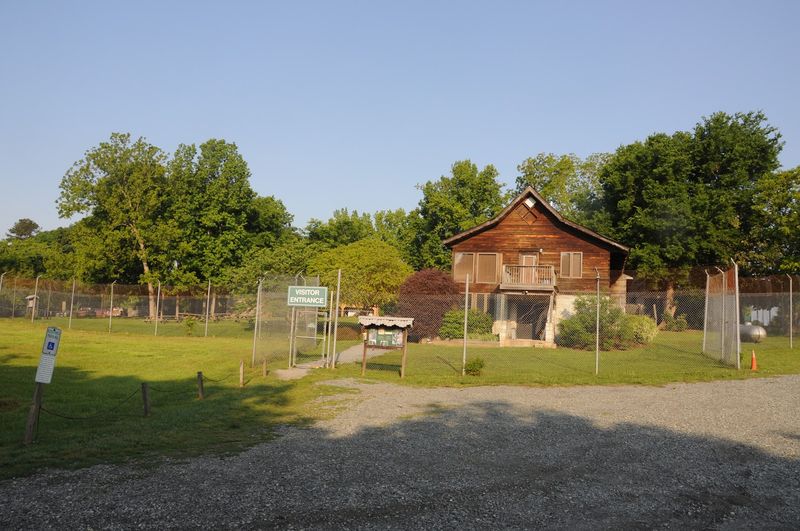
A tour here quietly dismantles the idea that wild cats can become household companions. The sanctuary openly states that it believes wild animals should not be kept as pets and that captive breeding should happen only within official Species Survival plans.
That position becomes much easier to understand once you hear the residents’ backgrounds.
Many rescued animals came from situations where people underestimated the cost, space, safety needs, diet, behavior, and long-term care required for wild species.
A cute young exotic animal can quickly become powerful, stressed, dangerous, expensive, and impossible for an ordinary home to manage.
Then sanctuaries are left to provide care for the rest of that animal’s life.
That is why education is not an extra feature here. It is central to the work.
Visitors learn how private ownership, entertainment use, and irresponsible breeding create more animals than safe, reputable homes can support.
North Carolina families may arrive excited to see tigers and lions, but the bigger takeaway is sharper.
Loving wild animals does not mean possessing them. It means protecting their dignity, their habitat, and their right not to be turned into novelties.
Book Early Because Popular Public Tours Can Sell Out
Planning ahead is the difference between a real visit and a sad drive past the gate. Carolina Tiger Rescue says all visits require advance tickets or reservations, and its tour page notes that tours have limited capacity and often sell out.
Private tours are especially popular and may be booked about three months in advance, so waiting until the last minute is risky.
Public tours are the main option for many families, while twilight tours are adults-only and can add a different evening mood when cats may be more active.
Before booking, read the visitor rules carefully. Tours use gravel and grass paths, the Education Center is wheelchair accessible, and guests with mobility issues can contact the sanctuary about reserving a complimentary golf cart.
Pets are not allowed anywhere on the property, and photos are allowed after the required visitor release is signed. Carolina Tiger Rescue is at 1940 Hanks Chapel Road in Pittsboro, North Carolina, and the phone number is 919-542-4684.
Book early, dress for the weather, and arrive ready to listen. The animals are the reason to go, but the guided education is what makes the visit stay with you.