These California Towns Keep Their Portuguese Heritage Alive Through Food, Festivals, And Tradition
Portuguese heritage does not sit quietly behind a museum display in these towns.
It shows up at crowded community halls and family tables where recipes have survived more moves than anyone can easily count.
California’s Portuguese communities keep their roots visible through food, faith traditions, music, and festivals that still bring several generations together.
Expect sweet bread with soft golden crusts and pastries that make buying only one feel like a poor decision.
Annual celebrations often include traditional clothing, live performances, and enough food to turn a quick visit into an all-day commitment.
What makes these towns especially interesting is how naturally the old and new share space.
Longtime customs continue, younger families put their own stamp on them, and local businesses help keep familiar flavors in everyday life.
1. San Jose, Little Portugal And The Portuguese Historical Museum
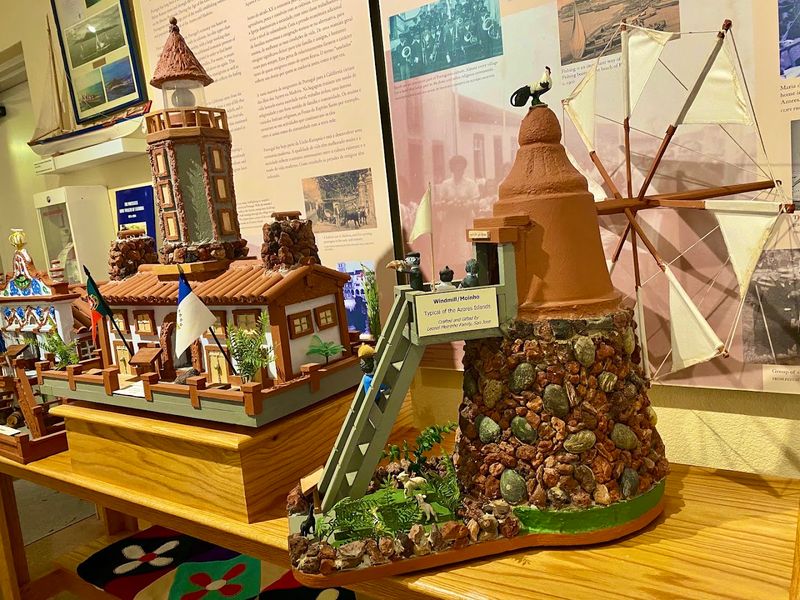
Right in the heart of the South Bay, San Jose holds one of the most organized and well-preserved Portuguese-American communities in the entire state.
The Portuguese Historical Museum, located at 1650 Senter Road, San Jose, CA 95112, is a great starting point for understanding how deeply Azorean and mainland Portuguese families shaped the region.
The museum houses artifacts, photographs, and documents that trace immigration stories from the 1800s onward, and admission is generally free or low-cost.
The neighborhood known as Little Portugal along East Santa Clara Street still draws visitors with its bakeries, markets, and cultural organizations.
Shops carry traditional goods like linguica, sweet bread, and imported Portuguese ceramics that give the area a distinctly old-world feel. Several cultural clubs remain active and host events throughout the year.
Annual festas in San Jose often include the Holy Ghost celebration, which centers on community meals, processions, and the distribution of sopas to neighbors regardless of background.
These gatherings reflect a long tradition of generosity rooted in Azorean Catholic customs.
Families who have lived in the area for three or four generations still show up in force, keeping the spirit of the festa alive in a genuinely meaningful way.
2. Gustine, Deep Azorean Roots And Holy Ghost Celebrations
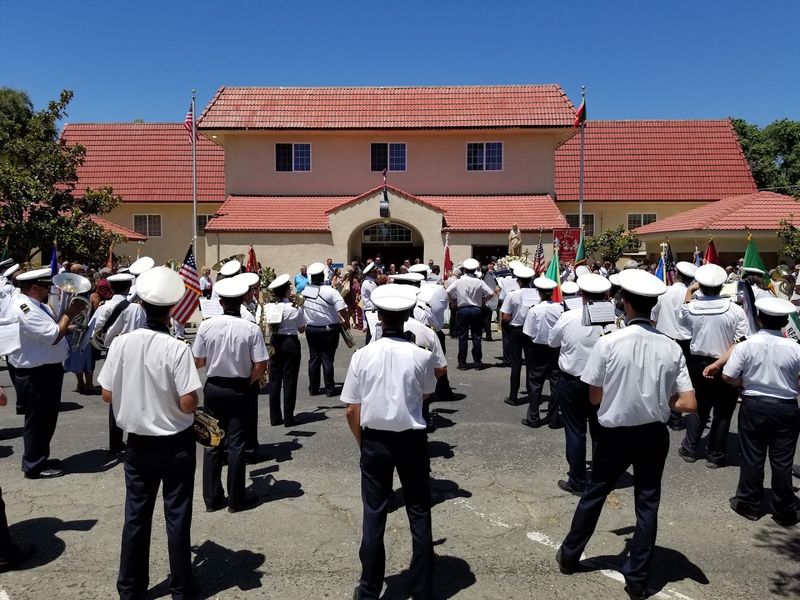
In the western edge of the San Joaquin Valley, Gustine has long carried one of the most concentrated Portuguese-American identities of any small town in California.
At certain points in its history, nearly half the town’s population was of Portuguese descent, most with roots tracing directly back to the Azores.
That density of heritage shows up in nearly every corner of local life.
The Holy Ghost festa remains the centerpiece of the community calendar, typically drawing large crowds of both longtime residents and returning family members who moved away but still feel the pull of the tradition.
Sopas, a hearty beef and bread soup with roots in Azorean religious charity, is prepared and served communally during these celebrations in a gesture that mirrors centuries-old practices from the islands.
Local churches and fraternal halls like the I.D.E.S. (Irmandade do Divino Espirito Santo) organizations serve as anchors for the community throughout the year, not just during festa season.
Dairy farming brought many Azorean families to Gustine in the early twentieth century, and agriculture remains woven into the town’s identity.
Visiting during a festa weekend offers a rare and grounded look at how a small American town can hold onto something genuinely old and still make it feel alive.
3. Tulare, Azorean Dairy Families And Annual Heritage Events

The dairy industry and the Azorean immigrant story are practically the same story in Tulare, where Portuguese families helped build one of California’s most productive agricultural regions from the ground up.
Families from islands like Terceira, Faial, and São Miguel settled here in large numbers during the early twentieth century, drawn by the promise of land and steady work in the Central Valley’s expanding dairy economy.
Annual heritage events in Tulare give the community a regular opportunity to celebrate and pass on traditions that might otherwise fade with time.
Festas centered on the Holy Ghost celebration typically include a procession, a crowning ceremony, and communal meals where sopas is served to anyone who shows up.
Younger generations in Tulare have shown an encouraging interest in keeping these customs going, attending festas and learning traditional dances and foods alongside older relatives.
Local churches have historically been the institutional heart of the Portuguese community here, offering services, social events, and a sense of continuity that spans multiple generations.
Visiting Tulare during a festa weekend gives an honest and grounded look at how Azorean identity continues to shape life in a California farming town.
4. Artesia, Southern California’s Portuguese Cultural Hub
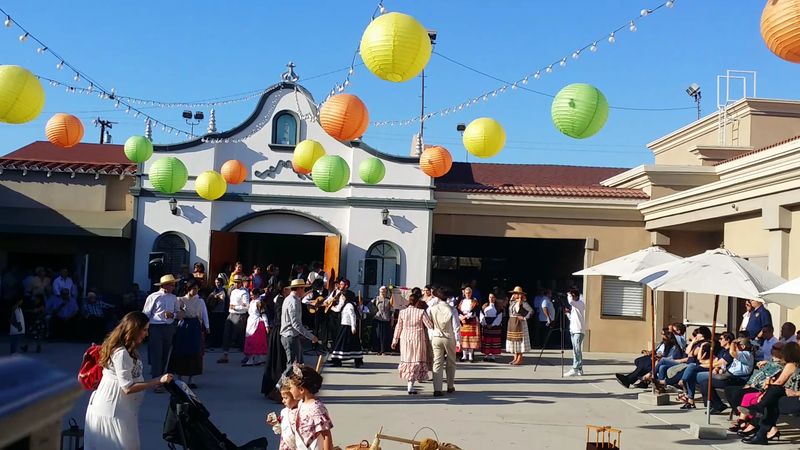
Southern California’s most recognizable center of Portuguese-American culture sits in Artesia, a small city in Los Angeles County where churches, restaurants, and community organizations create a visible cultural presence.
Unlike many of the Central Valley towns where the Portuguese heritage is rooted in agriculture, Artesia developed as an urban community hub that drew families from across the region.
Bakeries in Artesia carry traditional Portuguese breads and pastries that are difficult to find elsewhere in Southern California.
Pão doce, pastéis de nata, and linguica rolls appear in shop windows alongside imported goods from Portugal and the Azores, giving the area a flavor that feels genuinely connected to its roots.
Community celebrations in Artesia draw participants from as far away as San Diego and the Inland Empire, reflecting the town’s role as a gathering place for Portuguese families spread across a wide geographic area.
Churches here have historically hosted festas, cultural performances, and religious events that anchor the social calendar for the community.
For anyone in Southern California curious about Portuguese food and tradition, Artesia offers a very accessible and authentic starting point that rewards a full afternoon of unhurried exploration and honest culinary discovery.
5. Santa Clara, Valley Roots And A Heritage Tied To San Jose
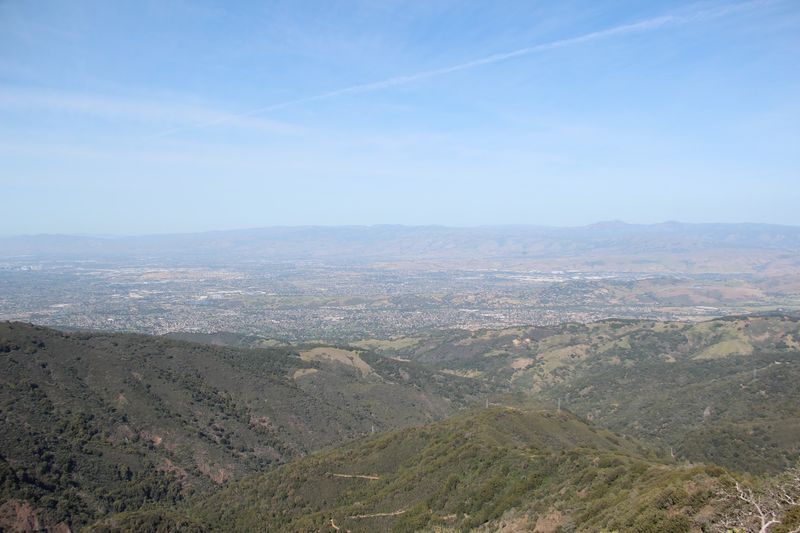
The Portuguese community in Santa Clara developed alongside and in close connection with the larger Portuguese-American presence in neighboring San Jose.
Families who settled in Santa Clara often worked in agriculture, particularly in the orchards and farms that covered the valley floor before Silicon Valley transformed the landscape.
Cultural organizations and parish churches in Santa Clara served as community anchors for generations of Portuguese families, hosting festas, language classes, and social events that helped maintain a sense of shared identity.
The I.D.E.S. and U.P.E.C. fraternal organizations both had active chapters in the area, providing mutual aid and social connection to members and their families.
Today the Portuguese community in Santa Clara tends to celebrate its heritage through events that overlap with those in San Jose, creating a shared cultural calendar that draws participants from both cities. Traditional foods, religious observances, and community dinners remain part of the annual rhythm for families who have been in the area for multiple generations.
The heritage here is quieter and less visible than in some other towns but no less genuine, carried forward by families who remember where they came from with real affection and care.
6. Sacramento, Azorean Churches, Bakeries, And Community Festas

Sacramento’s Portuguese community reflects both the Azorean immigration waves of the early twentieth century and a steady trickle of arrivals from mainland Portugal over the decades.
Churches established by Portuguese-speaking congregations became the first institutional anchors in the city, offering services, sacraments, and a sense of belonging to families navigating life in a new country.
Social organizations and fraternal halls followed, providing spaces for dances, community meetings, and festa preparations throughout the year.
Bakeries and small markets carrying Portuguese specialty foods have historically served the community and attracted curious visitors drawn by the smell of fresh pão doce or the display of imported goods from the Azores and mainland Portugal.
Festas in Sacramento often follow the Holy Ghost tradition, with processions, communal meals, and religious ceremonies that reflect the Azorean roots of much of the community.
The events tend to feel family-centered and low-key rather than tourist-oriented, which gives them an authenticity that is genuinely refreshing.
Sacramento’s size means the Portuguese community here exists alongside dozens of other immigrant communities, but it maintains a distinct and recognizable identity through its organizations.
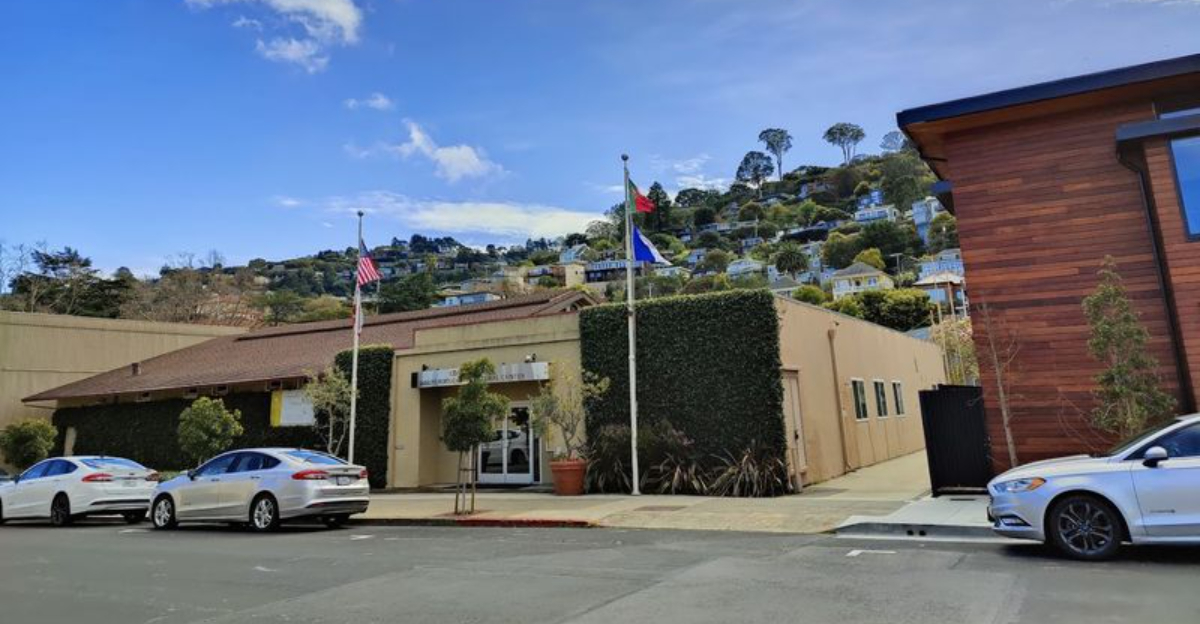
7. Sausalito, Portuguese Sailors And Marin County’s Maritime Heritage
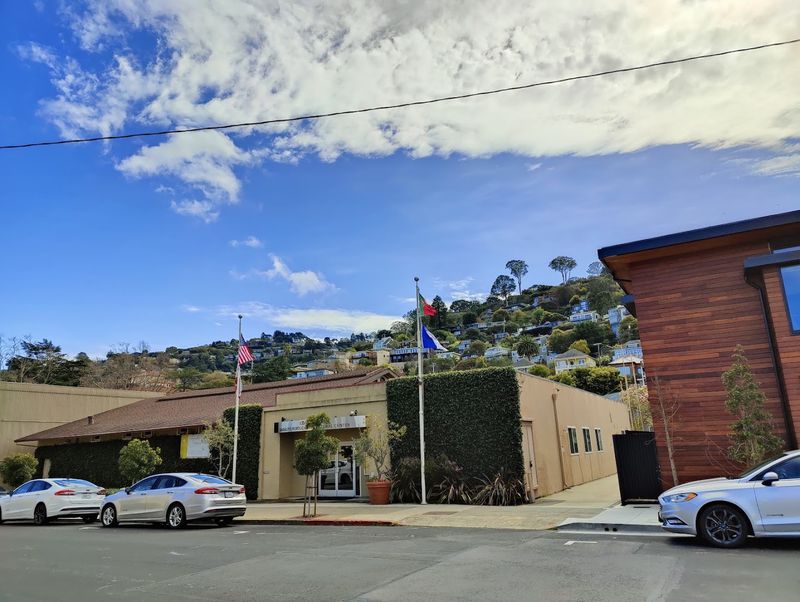
Long before Sausalito became famous for its houseboat community and art galleries, Portuguese sailors and fishermen were among the earliest settlers to put down roots in Marin County’s communities.
Beginning in the mid-1800s, men from the Azores and mainland Portugal arrived as whalers, fishermen, and maritime workers, drawn by the rich waters of San Francisco Bay and the Pacific Coast just beyond the Golden Gate.
Dairy farming also attracted Portuguese families to the rolling hills of Marin County, where the cool coastal climate proved ideal for raising cattle.
Some of the oldest dairy ranches in the county were established by Portuguese families whose descendants remained in the area for several generations, leaving a quieter but lasting mark on the landscape and local economy.
The maritime and dairy heritage of Sausalito’s Portuguese community is not as formally celebrated as in Central Valley towns with festas and cultural halls, but it is woven into the historical fabric of the place.
Sausalito’s waterfront feels connected to that seafaring past in a physical sense, with the bay always visible and the memory of those early immigrant sailors still present.
8. Yreka, Northern California Mining And Portuguese Community Networks
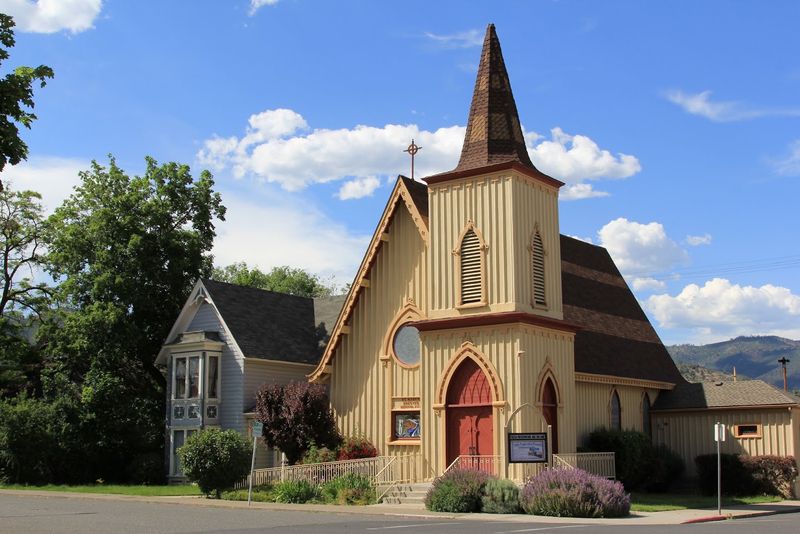
Northern California’s Gold Rush drew people from all over the world, and Portuguese immigrants were among those who made their way to Siskiyou County in search of opportunity in the mines around Yreka.
The Portuguese community that developed here was smaller than those in the Central Valley but was held together by the same forces that united immigrant communities everywhere: shared language, shared faith, and shared institutions.
Portuguese-speaking religious networks and mutual aid organizations helped newcomers find work and community connection in a remote mountain region far from the larger Portuguese settlements.
Churches that offered services in Portuguese or welcomed Portuguese-speaking parishioners became social centers as much as spiritual ones, hosting gatherings and events.
Yreka today is a small historic city with a well-preserved downtown that reflects its Gold Rush origins, and the Portuguese chapter of that history adds a layer of texture to the town’s story.
Travelers passing through on Highway 96 or Interstate 5 who have an interest in California’s immigration history may find it worthwhile to pause and explore the town’s historical resources.
9. Fort Jones, A Small Town With Early Portuguese Mining Roots
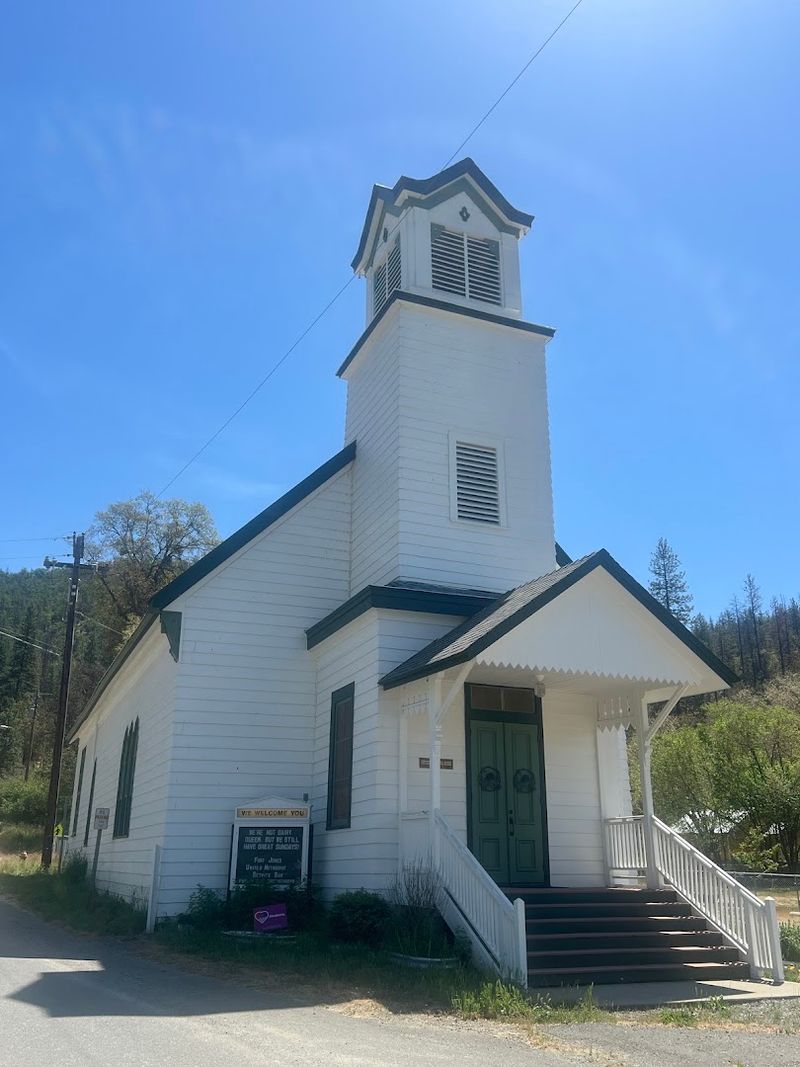
This is the kind of place that most California travelers have never heard of, but this small Siskiyou County town has its own thread in the larger story of Portuguese immigration to Northern California.
Connected historically to the mining activity centered around nearby Yreka, Fort Jones developed an early Portuguese community whose members worked the mines and built social networks.
The ties between Fort Jones and Yreka meant that Portuguese families in both communities could support each other through shared religious institutions and cultural connections, even across the modest distance separating the two towns.
This kind of informal regional network was common among immigrant communities in the West, where populations were spread thin across large geographic areas and mutual support was a practical necessity.
Fort Jones today is a very small and quiet community surrounded by the Scott Valley’s farmland and the Klamath Mountains, and its Portuguese heritage is more historical than visibly active in the present day.
Still, for anyone researching the full geographic spread of Portuguese immigration across California, Fort Jones represents an interesting and often overlooked data point in a story that extends well beyond the Central Valley and Bay Area.