This California City Is Growing Fast While Hundreds Of Others Across The State Are Losing Residents
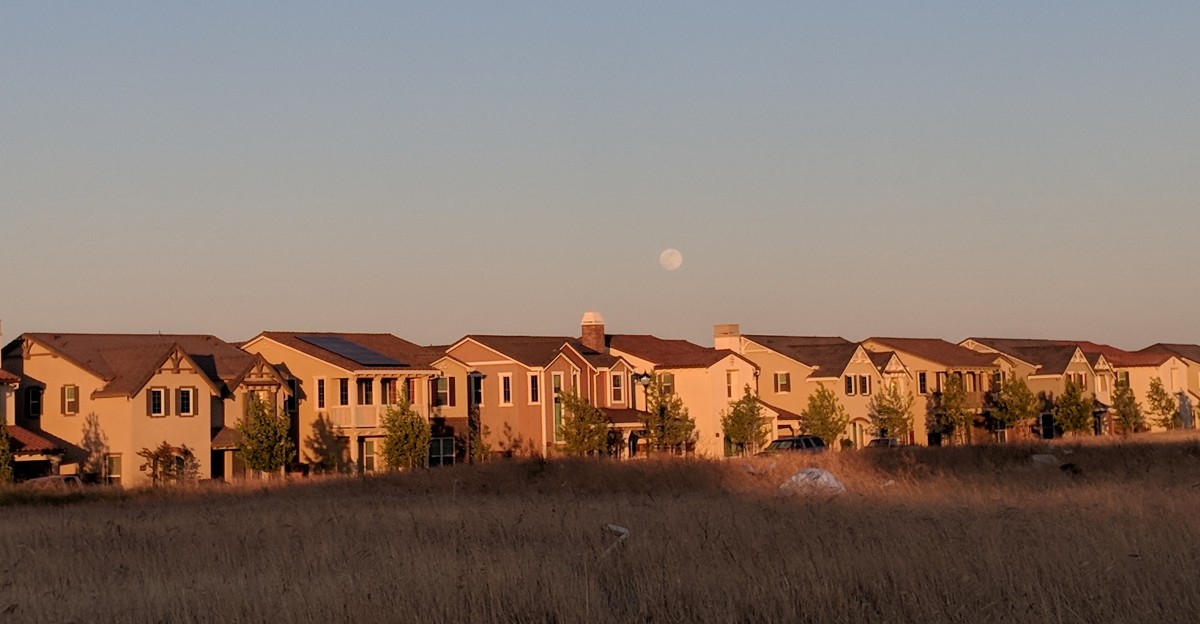
In 1849, a man pitched a blue denim tent so gold miners had somewhere to rest. That humble stopover eventually gave its name to one of the fastest-growing cities in California.
The population jumped 153 percent between 2010 and 2020. Then, in 2024, the community finally became an official city.
I like how a place that started as a pit stop now has people racing to move in, not just pass through.
Many California towns are watching residents pack up and leave. This one keeps adding neighbors, parks, and schools at a pace that feels almost unreal.
I believe the reasons are smarter than you might expect. They involve careful planning, short commutes, and a surprising kite festival.
So what exactly is pulling all these families toward one corner of the Central Valley?
A Denim Tent Started Everything Here
Long before rooftops filled the horizon, Mountain House, California, was just a smart business idea. In 1849, Thomas Goodall set up a blue denim tent for gold miners heading east.
Travelers from San Francisco needed a break on their way to the Sierra Nevada foothills. Goodall’s tent became the midway stop where they could rest before the long climb ahead.
He later built an adobe house on the spot. People started calling it The Mountain House, and the name stuck around for more than a century.
That old way station explains the city’s identity better than any brochure. Mountain House has always been about people on the move between the Bay Area and inland California.
The modern community took shape much later. San Joaquin County supervisors approved the plan in November 1994, and construction started in 2001.
The biggest milestone came on July 1, 2024. That’s when Mountain House officially incorporated and became its own city.
So the town is brand new and historic at the same time. Not many places can say their founding story involves both gold miners and denim, which is honestly a pretty great combination.
The Numbers Look Almost Too Good To Be True
Here’s a growth chart that would make most mayors jealous. Mountain House had 9,675 residents in 2010, and that number climbed to 24,499 by 2020.
That’s a 153 percent jump in just ten years. Many cities take generations to grow that much, if they ever do.
The momentum hasn’t slowed down either. As of May 1, 2026, Mountain House ranked as the fourth fastest-growing city in California.
Its annual growth rate sits at about 5.6 percent. The estimated population has now passed 30,000 people, which is wild for a place that recently felt like farmland.
Meanwhile, hundreds of California cities are moving the opposite direction. High costs push many residents to look for cheaper places, sometimes in other states entirely.
Mountain House catches a lot of those families before they leave California altogether. It offers newer homes and more space without forcing anyone to give up Bay Area jobs.
Think of it as a release valve for an expensive region. When housing gets tight elsewhere, this city keeps building, and new neighbors keep showing up with moving trucks.
Every Street Followed A Master Plan
Unlike cities that developed gradually over many decades, Mountain House was designed as a master-planned community from the beginning.
Planners mapped out thousands of acres before most homes existed. The master plan calls for 12 neighborhoods, including family-oriented villages and areas designed to accommodate older adults.
Each village follows a clever pattern. A neighborhood park, a K-8 school, and a small commercial area usually sit together at the center.
That setup means kids can often walk to school. Parents can grab errands close by, and nobody needs a long drive just to reach a playground.
The result shows up in the details. Streets look well kept, parks stay tidy, and the whole layout feels like someone actually thought it through.
I can’t imagine planning a city down to the corner store, but it clearly works here. Families seem drawn to the sense of order and purpose.
Of course, a planned city isn’t for everyone. Some folks love quirky old downtowns with crooked streets, and that’s fair.
But if tidy and walkable sounds appealing, Mountain House checks the boxes.
Bay Area Paychecks Stretch Further Over The Hill
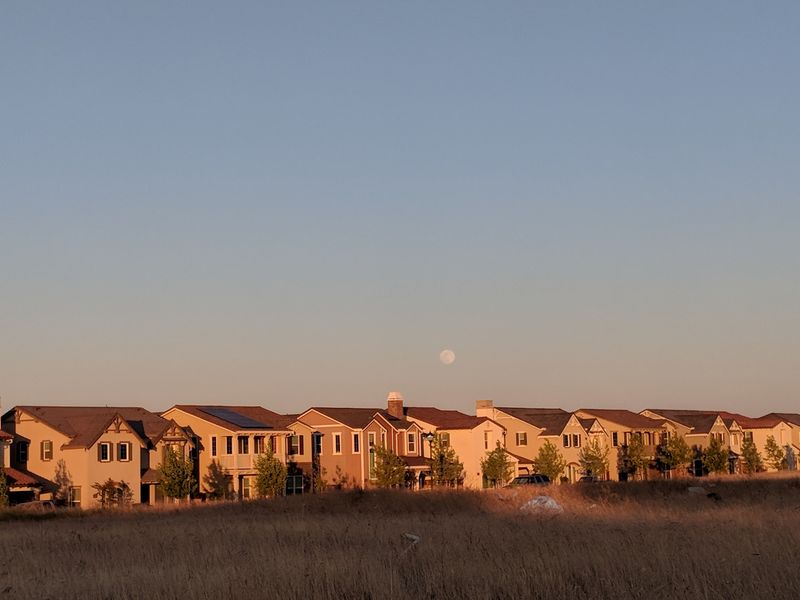
Location might be the city’s biggest secret weapon. Mountain House sits on the western edge of San Joaquin County, close to both I-205 and I-580.
That puts San Francisco, San Jose, and Sacramento roughly within an hour’s drive. Traffic can stretch that, of course, but the access is real.
Drivers aren’t the only ones with options. BART is reachable through the Dublin and Pleasanton station, which connects riders deeper into the Bay Area.
The Altamont Corridor Express train also serves commuters heading to San Jose. Some residents happily trade steering wheels for a seat and a good podcast.
The real magic is the math. People can keep Bay Area salaries while paying far less for housing than they would closer to the coast.
That combination explains a lot of the population boom. Workers get bigger homes and backyards, and they don’t have to start over with a new career.
Is the commute perfect? Nope. Still, many families decide that a little extra drive time is worth an extra bedroom and a quieter street after work.
Schools Sit Right In The Middle Of Each Village
Ask families why they moved, and schools often come up quickly. Mountain House is served by the Lammersville Unified School District, which ranks among California’s top districts.
That reputation is a huge draw for parents. Strong schools can make a long commute feel worth it.
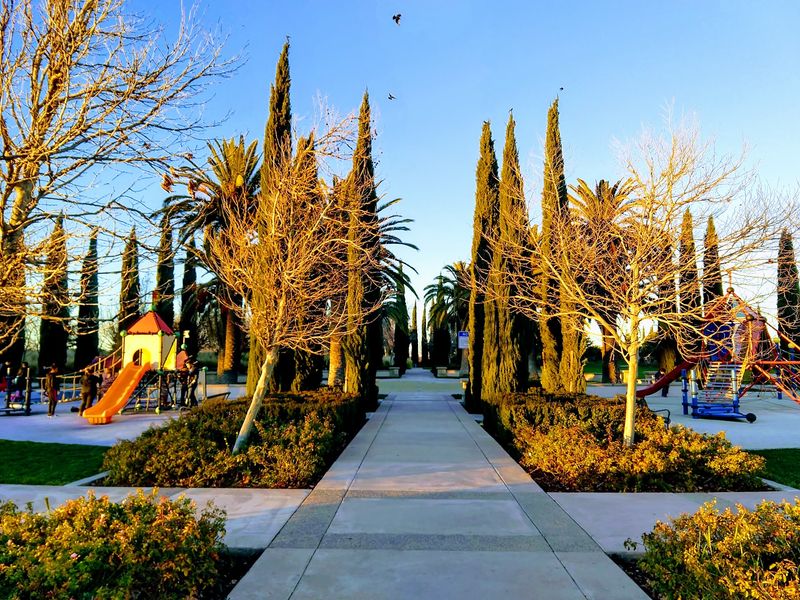
The design helps too. Village centers were planned around neighborhood parks and schools, with some neighborhoods sharing school facilities.
Younger students often stay close to home for years. That builds friendships on the same blocks where kids ride bikes and play ball.
A central high school ties all the villages together. It anchors many community activities, so teens and parents end up crossing paths all over town.
Here’s a practical tip for anyone thinking about moving. Check which village and school zone a home belongs to before falling in love with a kitchen.
Growth also means schools have to keep up with new students. Families researching the area should look at current enrollment updates from the district.
Still, putting schools at the heart of every neighborhood was a pretty brilliant idea from day one.
Five Acres Of Play Wait In Every Neighborhood
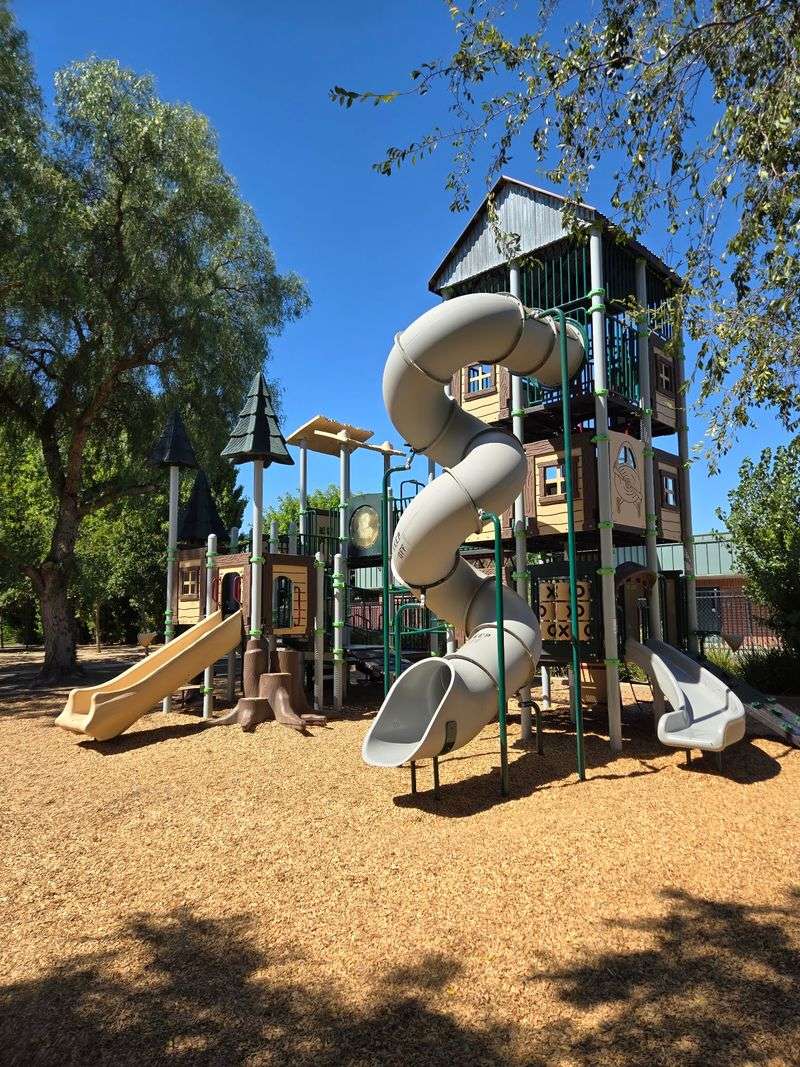
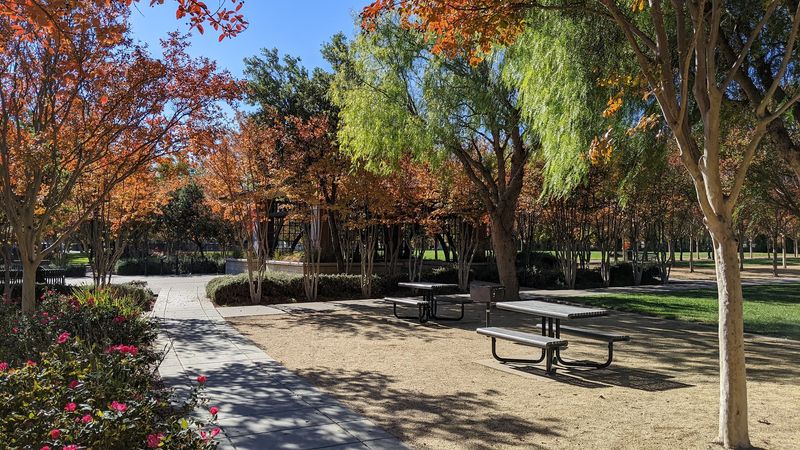
Parks aren’t an afterthought in Mountain House, California. Every neighborhood gets its own five-acre village park with ball fields, picnic areas, and playgrounds.
That’s a lot of grass for kids to burn off energy. It’s also great news for parents tired of driving across town for soccer practice.
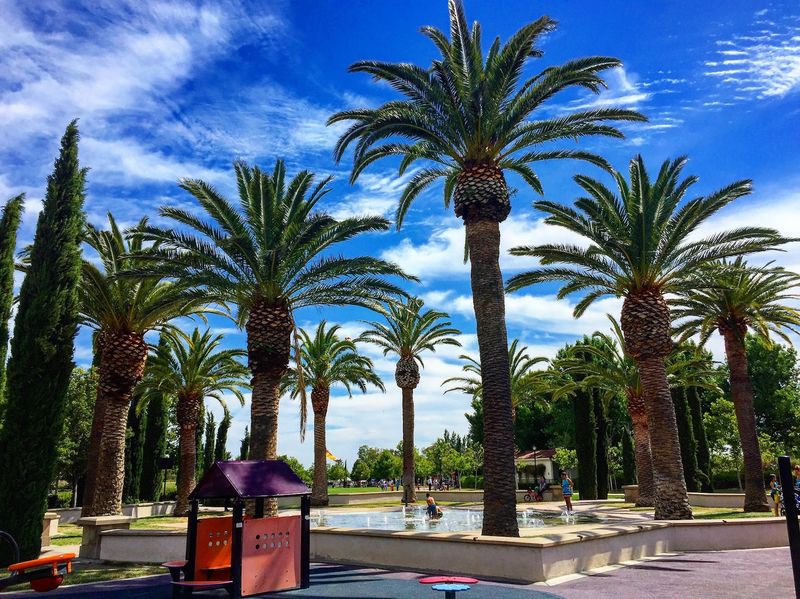
Central Park at the Town Center is the showstopper. It has wide fields, playgrounds, basketball courts, tennis courts, bocce courts, and a water play fountain.
On hot Central Valley days, that fountain probably earns a lot of fans. It’s hard to argue with free splashing.
Other spots include Wicklund Park, Bethany Park, and Altamont Park. Mountain House Creek Park adds hiking trails for anyone who wants a stroll with a little scenery.
The Parks and Recreation Department is located at 251 E. Main Street, Mountain House, CA 95391. It’s the place to check for programs and park details.
Bigger plans are on the way too. The city hopes to add a community aquatic center with swimming pools and an amphitheater at the Town Center.
Kites, Parades, And Movie Nights Fill The Calendar

Colorful kites over a breezy park might be the city’s most cheerful tradition. The Mountain House Kite Festival makes good use of the area’s famous wind.
Honestly, a town near the Altamont hills hosting a kite festival just makes sense. Nature basically supplies the main ingredient.
The fun keeps going all year. Seasonal farmers markets bring neighbors together, often around Central Park.
Winter brings MoHoHo Holidays, complete with a holiday parade. The name alone deserves an award for creativity.
Warmer evenings feature outdoor movie nights and Music in the Park. These events give new residents an easy way to meet people without awkward small talk at the mailbox.
That matters in a fast-growing city. When thousands of folks arrive within a few years, shared events help strangers turn into actual neighbors.
New residents should follow the city’s event announcements. Bring a blanket, some snacks, and maybe a kite of your own.
You might leave with a new friend, a farmers market haul, or at least a sunburn and some great memories.
Neighbors Come From All Over The World
Diversity is woven into daily life here. In 2020, the population was 54.6 percent Asian, 18.7 percent non-Hispanic white, 13 percent Hispanic, and 7.3 percent Black.
That mix shows up in the local food scene and community events. It gives Mountain House a global feel inside a young California city.
Education levels are high too. Census Bureau data show that more than half of Mountain House residents aged 25 and older have a bachelor’s degree or higher.
The median household income reached $177,163 in 2024. Many of those earnings connect back to tech and professional jobs across the Bay Area.
Dining reflects the variety. Options range from cozy cafes to family-owned restaurants and ethnic cuisine, and many are locally operated.
The Town Center also has everyday basics like a Safeway grocery store. Errands don’t require a trek to another city anymore.
The Mountain House Community Library adds another gathering spot. It’s a solid place for story time, homework help, or simply escaping the afternoon heat with a book.
A community this varied makes curiosity feel normal, which is a lovely thing for kids to grow up around.
More House For The Money Keeps Buyers Coming
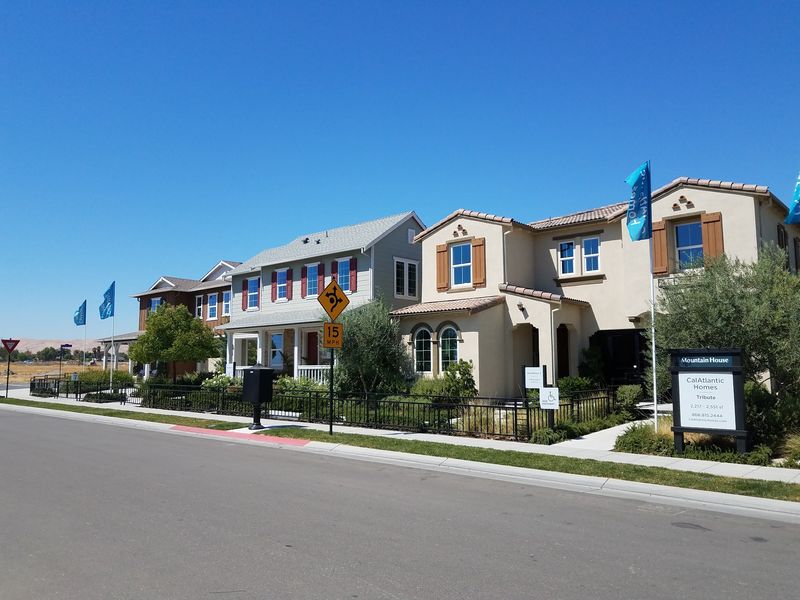
Square footage is the quiet star of this growth story. Most homes in Mountain House are new or recently built single-family residences.
Compared with Bay Area cities, buyers often get noticeably more space for their money. That can mean a real backyard instead of a balcony.
Median home values have been reported between about $737,000 and $947,000. That’s not cheap, but it looks friendlier next to many coastal markets.
Layouts fit modern lives well. Some homes include multigenerational setups, which work nicely for families living with grandparents.
Home offices are another common feature. Remote and hybrid workers can finally stop taking calls from the laundry room.
A smart tip for house hunters is to compare villages carefully. Each one has its own park, school, and nearby shops, so location inside the city matters.
Mountain House shows what can happen when a city plans for growth instead of fighting it. While many California towns shrink, this one keeps opening doors to new families.
Gold miners once stopped here for a single night, and now people are staying for good.