This Connecticut Sugarhouse Still Boils Maple Sap The Old-Fashioned Way
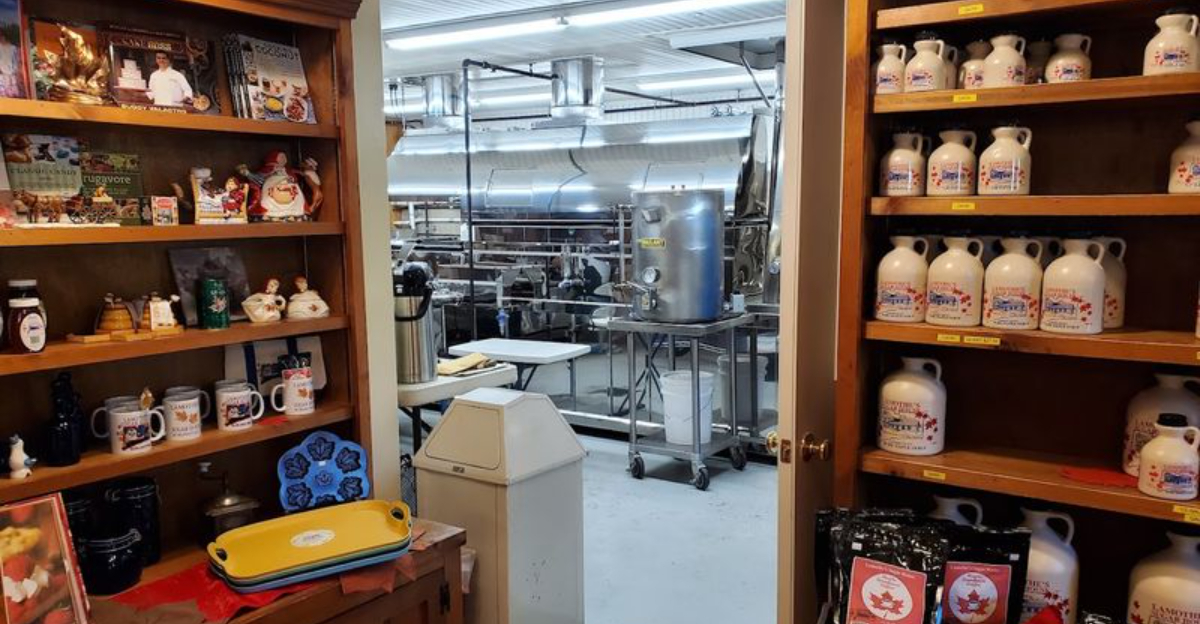
Maple season has its own soundtrack, and it starts with sap bubbling away while the whole room smells faintly sweet. At this family-run sugarhouse, Connecticut tradition still comes alive today through old-fashioned boiling and plenty of hands-on care.
That slow process is part science and part patience. Nothing about it feels rushed.
The sap is collected before careful heating turns it into the rich syrup people wait all year to taste. Seeing a familiar breakfast favorite made from scratch is wonderfully comforting.
Warm steam fills the air while steady work keeps everything moving. The experience feels almost timeless.
You do not need to know anything about maple syrup to enjoy the story behind it. The fun comes from watching a simple ingredient change right in front of you.
By the end, that bottle on the shelf feels less like a condiment and more like a little piece of sugaring season.
1. Seven Maple Taps Started A Family Tradition
Back in 1971, the dream was simple: raise a few pigs, grow some vegetables, and make enough maple syrup for the family table. Nobody could have predicted that seven modest taps on maple trees would eventually grow into Connecticut’s largest sugaring operation.
The beginning was quiet, humble, and rooted in honest curiosity about the land.
Word spread quickly among neighbors and friends about the quality of the syrup being produced on the farm. Requests to buy bottles started coming in, then more requests, then even more.
Each passing season brought a little more interest and a little more demand, nudging the operation forward one step at a time.
Today, Lamothe’s Sugar House operates more than 5,500 taps across its woodland property. That growth happened not through shortcuts but through decades of patient, committed work.
The family-run nature of the operation has remained constant throughout, keeping the spirit of those original seven taps alive in every jar of syrup that leaves the farm.
2. A Library Visit Helped Guide The First Boil
Before the first batch of syrup was ever finished, there was a problem: nobody knew exactly how to make it. The family had sap, they had trees, and they had enthusiasm, but the technical details of transforming raw sap into proper syrup were a mystery.
The answer came from an unlikely place, a trip to the local library in Burlington.
Books and reference materials from the library guided the early attempts at boiling sap. Those first sessions happened outdoors on an old cast-iron stove, fully exposed to February and March weather in New England.
Rain, sleet, and heavy snowfall were frequent companions during those long outdoor boiling sessions.
After two full years of working in the cold and wet, the decision was made to move the operation indoors. An old building on the property was renovated and converted into a proper sugarhouse, complete with running water, electricity, and lighting.
That transition from a library book to a fully functioning indoor sugarhouse is one of the most charming chapters in the farm’s history, a reminder that curiosity and persistence can build something remarkable from almost nothing.
3. Woodland Sap Becomes Syrup Inside The Sugarhouse
The maple forest surrounding the sugarhouse is threaded with miles of plastic tubing that quietly does the heavy lifting during sugaring season. Sap flows from the trees through this network and into large collection tanks, moving steadily without the need for individual bucket collection.
The system covers acres of woodland and keeps the operation running efficiently across the property.
Fresh maple sap looks nothing like the syrup sold in bottles. Straight from the tree, it is almost completely clear and tastes only faintly sweet, made up of roughly 98% water and just 2% natural sugar.
Because it is so delicate and perishable, the sap must be processed into syrup within 24 hours of collection to preserve its quality.
The sugaring season itself is governed entirely by weather patterns rather than a calendar. Freezing nights followed by warm, sunny days are what cause sap to flow freely from the maple trees.
That window typically falls somewhere between late winter and early spring, making the season feel precious and fleeting. Visitors who time their trip during this period get to witness the full rhythm of the process from forest to sugarhouse floor.
4. Steam And Maple Sweetness Fill The Boiling Room
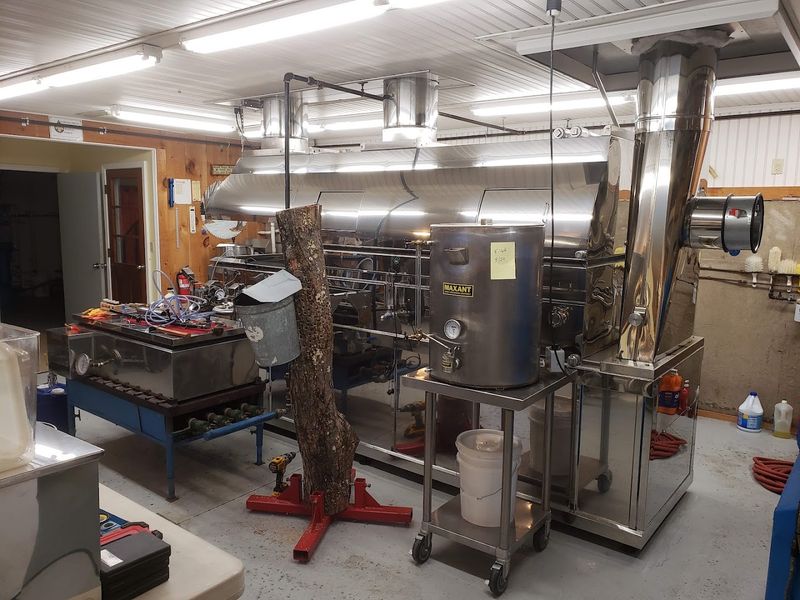
Maple season turns the boiling room into a fragrant showcase of craft. Steam scented with maple rises from the evaporator as concentrated sap bubbles steadily, giving visitors a close view of the process behind every bottle.
Even newcomers understand why the sugarhouse feels so inviting.
Much of the work begins before boiling. Raw sap typically contains about 2% sugar, so a reverse osmosis system removes a large share of its water first.
Some machines can eliminate 80% or more, reducing boiling time and fuel use while preserving the qualities needed for finished syrup.
Once concentrated, the sap moves into the evaporator, where careful monitoring becomes essential. Syrup generally reaches the proper density at about 7 degrees Fahrenheit above water’s local boiling point, often close to 219 degrees at sea level.
Producers also check that it measures at least 66 degrees Brix.
The scale of the transformation is striking. Depending on the sap’s original sugar content, roughly 40 to 43 gallons may be needed to make one gallon of pure maple syrup, revealing how much patience and precision the process demands.
5. Traditional Methods Keep The Craft Close To Its Roots
Patience remains central to the work at Lamothe’s Sugar House, where maple syrup production has grown from seven taps in 1971 to an operation with thousands of taps.
New equipment has improved efficiency, but the process still reflects the family’s original hands-on approach and decades of experience.
Food-grade tubing carries sap from the trees, helping protect it while reducing unnecessary loss. Reverse osmosis removes much of the water before boiling begins, allowing the evaporator to work faster and use less fuel.
Technology supports the process, yet careful attention remains essential as the sap concentrates, reaches the correct density, and is prepared for grading.
That balance between progress and tradition shapes the character of the farm. Expansion has never erased the practical lessons learned during the earliest seasons, when sap was boiled outdoors on an old cast-iron stove.
Instead, each improvement has helped the family produce maple goods more consistently while preserving the craft behind them.
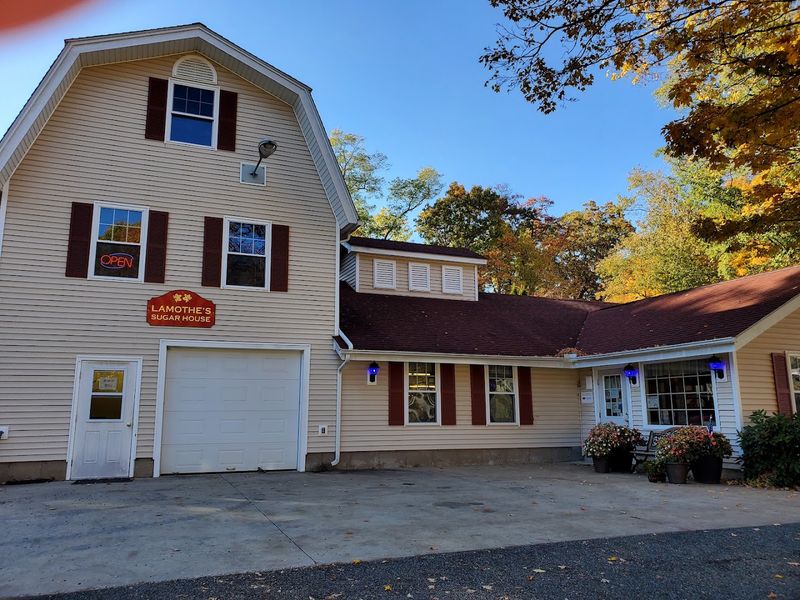
Visitors can find the sugarhouse at 89 Stone Road in Burlington. The farm’s long history and commitment to quality continue to draw returning customers.
More than five decades after the first boil, Lamothe’s remains focused on maple products made with patience, experience, and personal care.
6. Maple Candy Kettle Corn And Roasted Nuts Fill The Shop
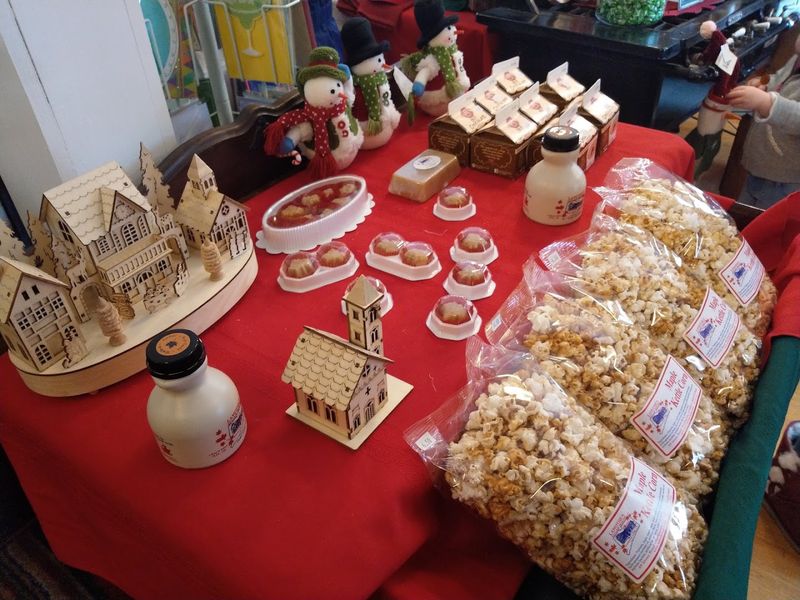
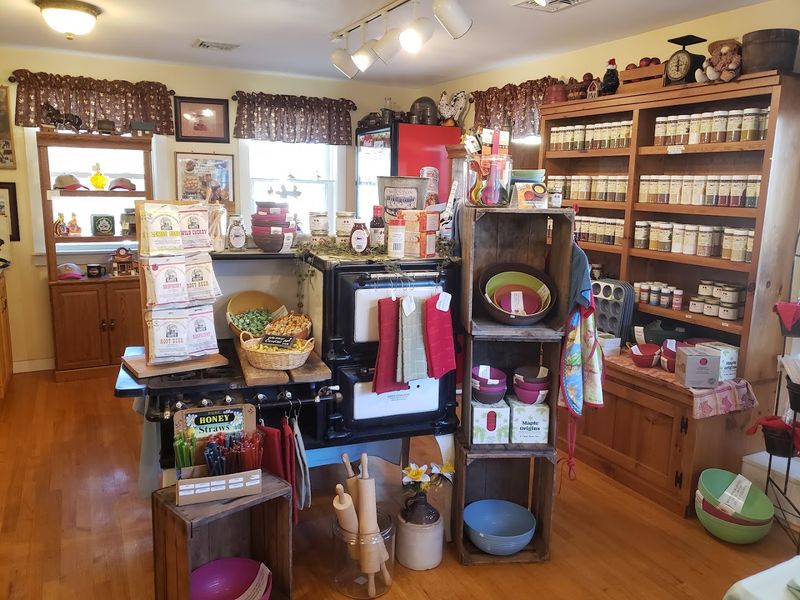
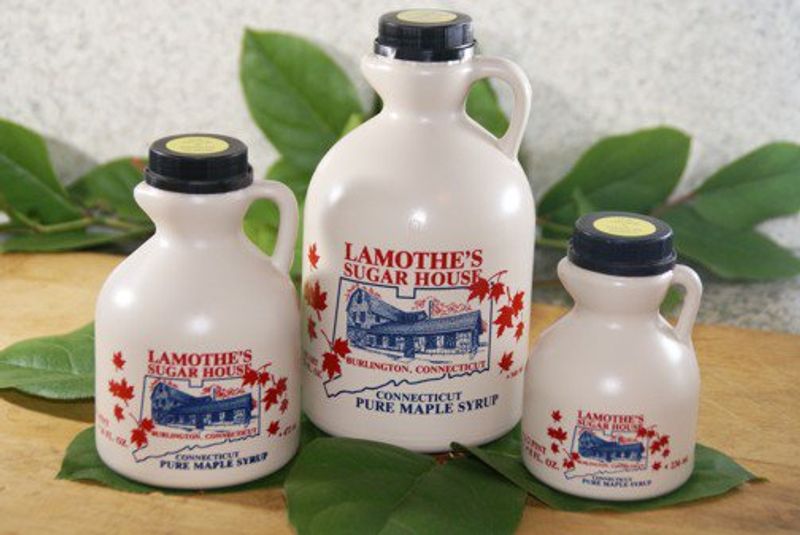
The country store at Lamothe’s Sugar House feels like a reward waiting at the end of a tour. Shelves are lined with pure maple syrup in several grades, ranging from the lighter golden varieties to the deeper, more robust dark amber options.
Each bottle reflects the specific conditions of the season in which it was made.
Beyond syrup, the shop carries an impressive range of maple-based products that go well beyond what most visitors expect. Pure maple candy, creamy maple cream, and granulated maple sugar are popular picks.
Maple Kettle Corn adds a playful crunch, while maple sugar-coated nuts come in varieties including almonds, cashews, mixed nuts, peanuts, and pecans, offering something for nearly every snacking preference.
The selection extends even further into native honey, pancake mixes, maple-flavored coffee, and herbal teas. Kitchen linens, utensils, fine giftware, and a full range of spices round out the offerings, making the shop a useful stop for gifts and pantry staples alike.
Complimentary samples of maple syrup, hot coffee, and warm cider are often available, giving visitors a chance to taste before they decide. It is a genuinely warm and unhurried shopping experience.
7. Sugaring Season Brings The Farm To Life
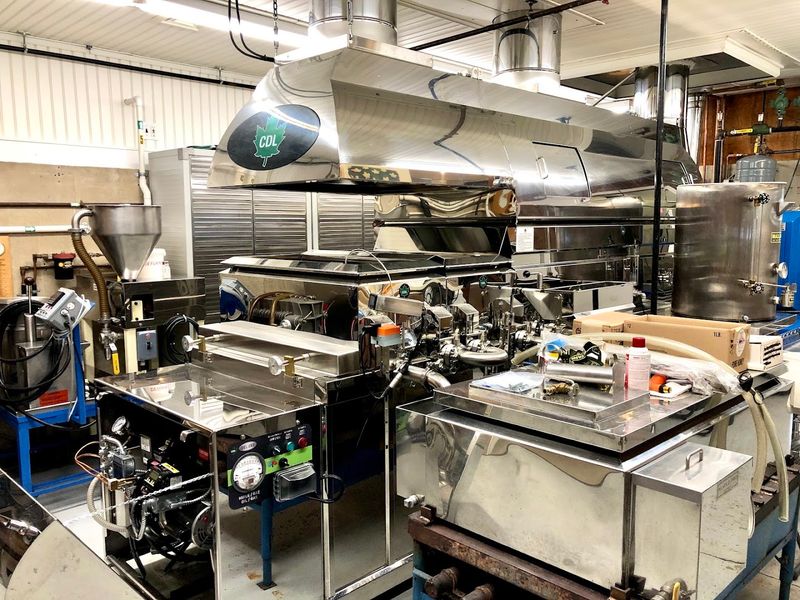
Mid-February through late March is the most energetic stretch of the year at the farm. The sugarhouse shifts from a quiet off-season operation into a fully active destination, with weekend tours and demonstrations welcoming curious visitors of all ages.
The air smells different during this period, sweeter and more alive with the low hum of the evaporator running in the background.
Tours walk guests through the entire maple syrup production process, from how the trees are tapped to how the sap is collected and boiled down.
Watching sap transform into syrup in real time, with steam rising and the liquid slowly thickening, makes the whole process much easier to understand than any explanation on paper could.
Tours are typically offered free of charge, and samples of pure maple syrup are usually shared with guests.
Hot coffee and warm cider are often served alongside the samples, making even a cold February afternoon feel comfortable. Special seasonal events such as pancake brunches and maple-themed activities may also appear on the calendar during this stretch.
Checking the farm’s schedule ahead of a visit is always a good idea during sugaring season, as specific offerings and timing can vary from weekend to weekend.
8. Generations Of Visitors Return For The First Taste Of Spring
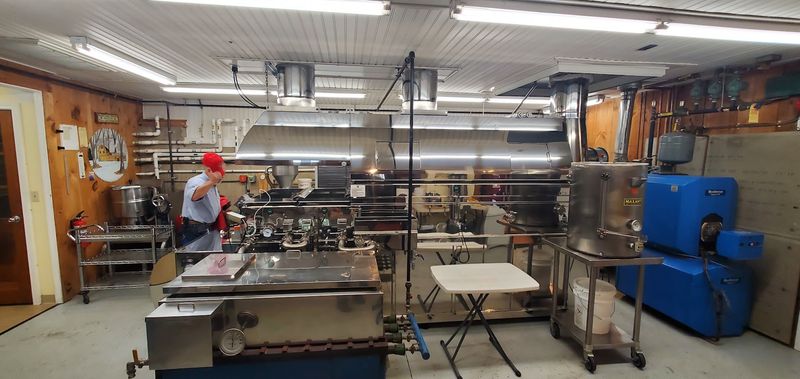
For many families, a visit to the sugarhouse has quietly become an annual ritual tied to the arrival of spring. The sweet smell of boiling sap, the familiar warmth of the store, and the reliable quality of the products create a kind of sensory memory that pulls people back.
Children who visited as toddlers return as teenagers, and some bring their own kids in time.
The educational aspect of the tours makes the experience rewarding for different age groups in different ways. Younger visitors tend to be captivated by the steam and the hands-on energy of the boiling room, while older guests often appreciate the deeper context of the craft and its history.
Tours typically run between 30 and 45 minutes, which is enough time to cover the full process without feeling rushed or overwhelming.
Comfortable, sturdy footwear is recommended since parts of the property involve walking on uneven outdoor terrain. Photography is welcome throughout the sugarhouse and its surrounding areas, and the natural setting offers plenty of interesting moments worth capturing.
Accessibility across the full property may vary due to the rural layout, so it is worth reaching out to the farm in advance if specific accommodations are needed.
9. A Stone Road Sugarhouse Became A Burlington Landmark
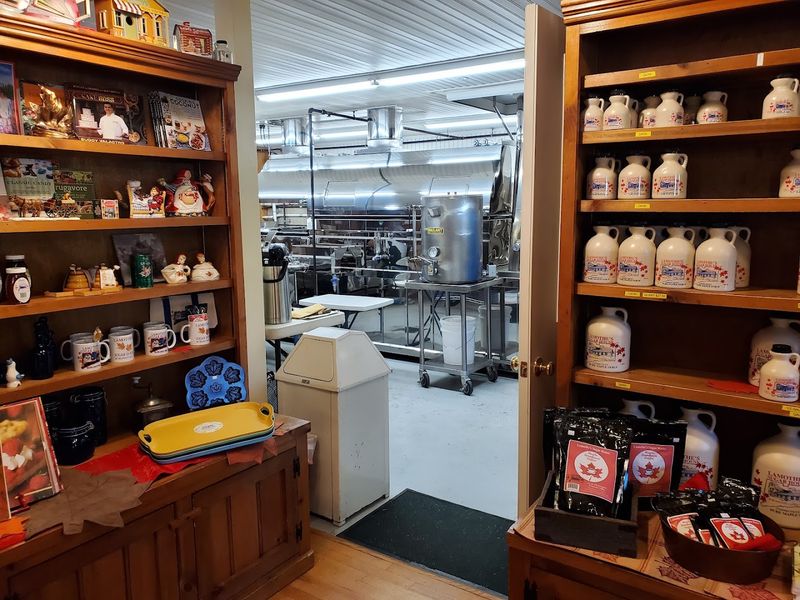
Finding the sugarhouse for the first time feels like discovering something that was never meant to be hidden but simply never needed to advertise.
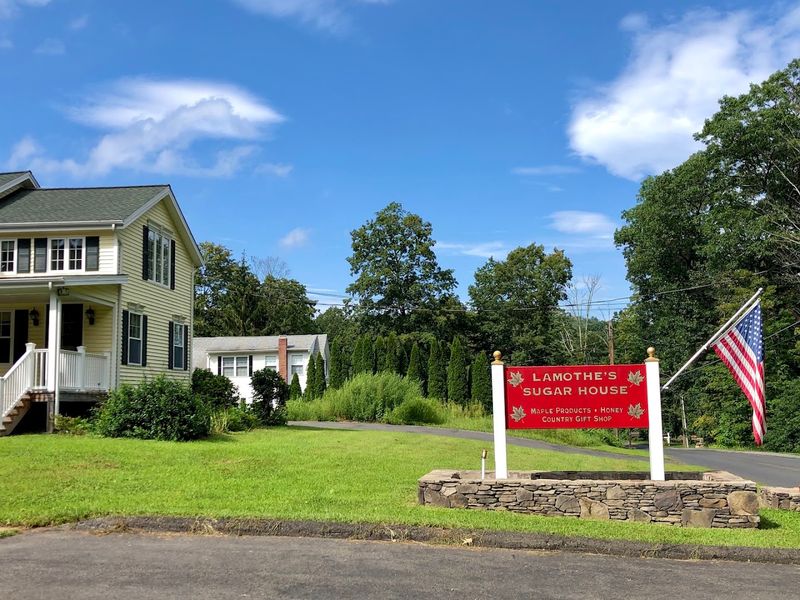
Lamothe’s Sugar House is located at 89 Stone Rd, Burlington, CT 06013, and the drive along Stone Road through the surrounding woodland sets the tone well before arrival.
The unpaved sections of the road add to the sense that something genuinely rustic is waiting at the end of it.
As the state’s largest sugar house, the farm holds a meaningful place in the state’s agricultural identity.
The store maintains regular hours for visitors throughout the year, open Wednesday through Saturday from 10 a.m. to 5 p.m. and on Sundays from 12 p.m. to 5 p.m., with Monday and Tuesday being closed days.
Ample parking is available on the property, making arrival straightforward even on busier weekend days during sugaring season.
Visiting during the week tends to offer a quieter pace, while weekends during February and March bring more activity and the full energy of the sugaring season in motion.