This Connecticut Fabric Shop Has Remained A Family Business For More Than Fifty Years
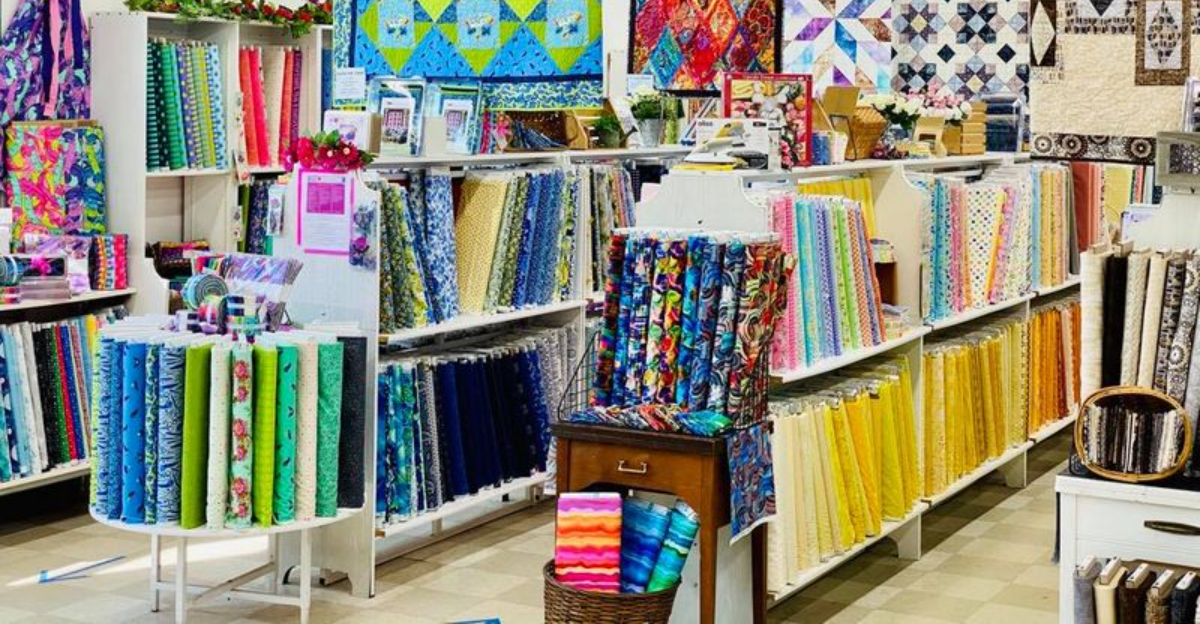
Few shops make creative people feel understood as quickly as this one. The moment you step inside, rows of fabric seem to stretch in every direction.
The family business began in 1975 and has grown into a destination for quilters who care about quality and personal service. Its spacious setting inside a former coat factory gives shoppers room to explore without feeling rushed.
This Connecticut fabric shop has spent more than fifty years helping quilters turn ideas into meaningful finished pieces.
Thousands of bolts fill the shelves, from colorful cottons to wide backing fabrics. Sample quilts offer inspiration, while staff members help shoppers make confident choices for projects already underway.
Computerized long-arm quilting services add another reason people keep returning. The technology is modern, but the experience still feels warm and personal.
After decades in business, the shop remains rooted in family knowledge and the simple joy of finding exactly the right fabric.
1. Family Ownership Has Guided The Shop Since 1975
Family dedication has kept Colchester Mill Fabrics and Quilting thriving for more than half a century. The story began in March 1975, when Carolyn purchased the existing fabric shop and turned a bold career change into a lasting Connecticut business.
Before becoming an owner, she was a stay-at-home mother who created custom drapes, slipcovers, and pillows. Her practical experience, determination, and eye for quality helped the store grow into a trusted destination for quilters, sewers, and crafters across the region.
The next generation was already learning the business from the inside. Carolyn’s daughter, Cheryl, began working at the shop when she was just 13, gaining years of firsthand knowledge long before she eventually took the lead.
When Carolyn passed away in 2011, that experience helped preserve the continuity customers had come to value.
Today, Colchester Mill remains a second-generation family-owned shop, still guided by the warmth and personal service that shaped its earliest years. Its longevity reflects more than smart business decisions.
It shows what can happen when skill, family history, and genuine care for a creative community are stitched together over decades.
2. One Small Loan Helped Launch A Lasting Local Business
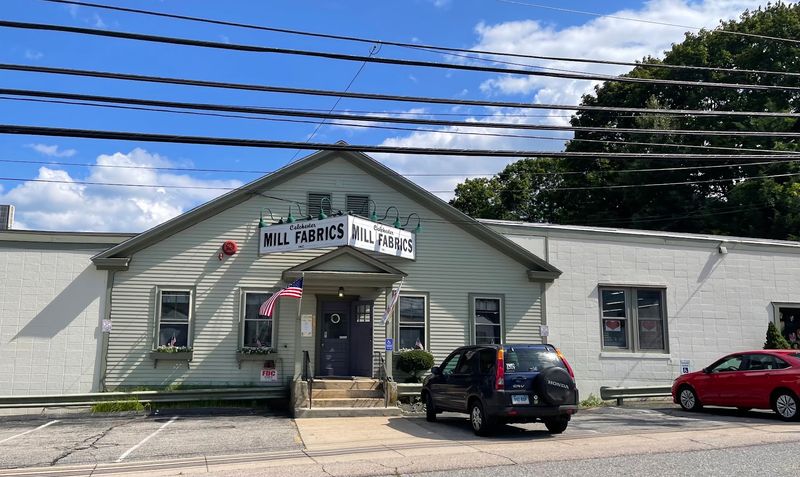
One family loan helped turn a bold career change into a Colchester institution. In the fall of 1974, Carolyn approached her mother-in-law for $25,000 after learning that a fabric business she regularly visited was available for purchase.
By March 1975, the deal was complete, and a new family story had officially begun.
The shop soon moved into a small strip mall on the main road. As business grew, it gradually expanded into neighboring units until the store filled the entire 8,000-square-foot property.
Customers arrived for fabric, yarn, trims, craft supplies, patterns, and nearly every sewing notion imaginable.
A major turning point came in 1997, when an arson fire destroyed the store. Support from loyal shoppers encouraged the family to rebuild rather than walk away.
Exactly one year later, Colchester Mill reopened inside a former coat factory with nearly twice as much room.
That larger home allowed the business to expand its collections and create a more dedicated quilting department. What began with one generous loan grew through persistence, family support, and customer loyalty.
Decades later, that original investment continues to inspire creativity throughout the community, one project and one bolt of fabric at a time.
3. Fire Could Not End The Store’s Growing Legacy
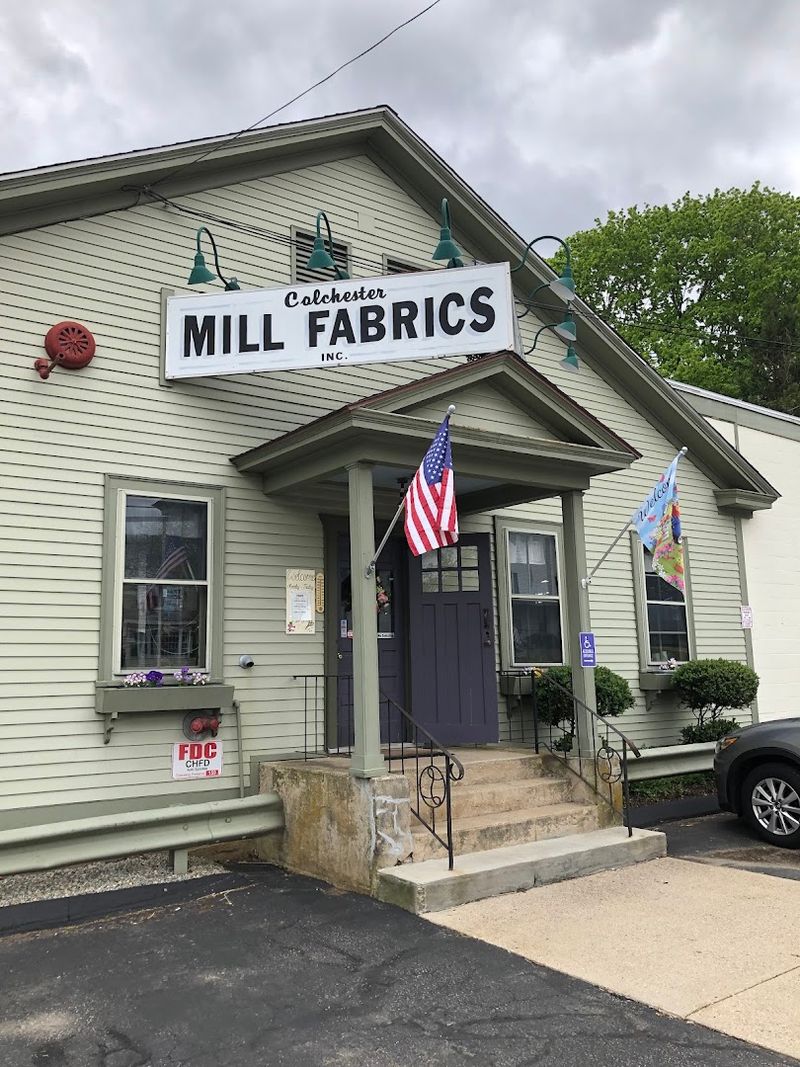
Resilience became part of the Colchester Mill story on June 3, 1997, when an arson fire destroyed the shop and everything inside. After more than 20 years in business, the family suddenly faced a difficult question: rebuild from the ground up or close the chapter entirely.
Loyal customers and neighbors quickly made their feelings clear. Their encouragement reminded the owners how deeply the store had become woven into the local creative community.
Quilters, sewers, and crafters had relied on it not only for supplies, but also for guidance, conversation, and a shared enthusiasm for making things by hand.
That support helped transform an overwhelming setback into a determined fresh start. The family chose a former coat factory for the new shop, gaining nearly twice the space of the previous building and room to create a larger quilting department.
On June 3, 1998, exactly one year after the fire, Colchester Mill welcomed customers through its doors again. The reopening marked more than the return of a fabric store.
It celebrated persistence, family commitment, and a community unwilling to lose a business it valued. The new location gave the shop room to grow while carrying its familiar spirit into an ambitious new era.
4. A Former Coat Factory Now Holds Thousands Of Fabric Bolts
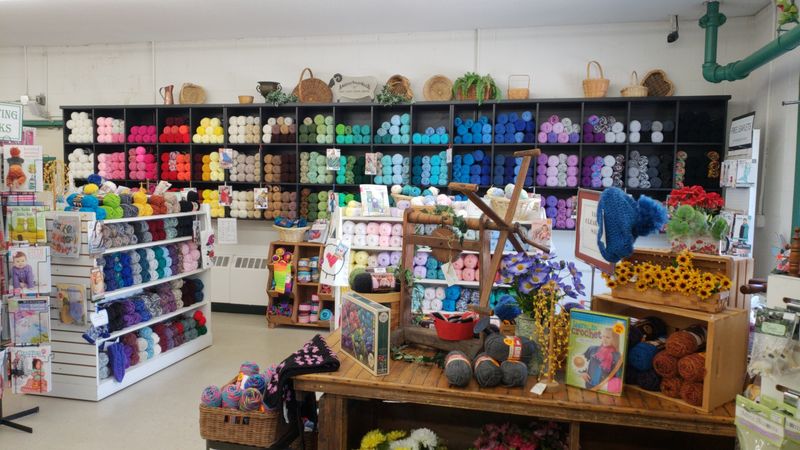
Color and creativity now fill a building that once turned out tweed coats. Colchester Mill Fabrics and Quilting occupies the former Levine and Levine Coat Factory, a business opened around 1920 by Harry Levine and his sons.
The coat operation ended decades later, and the property found a lively second life after the fabric shop moved in.
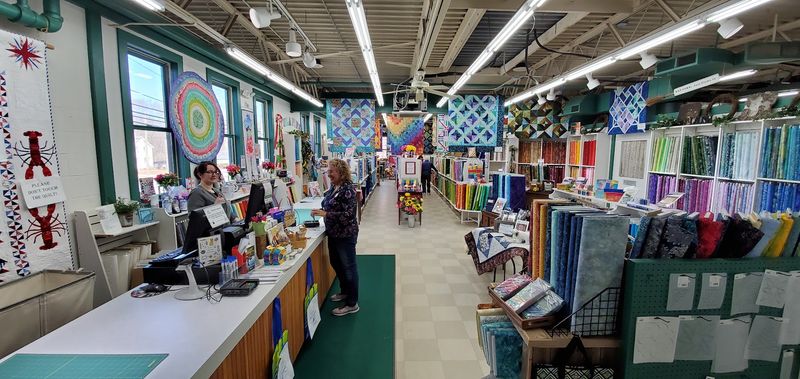
Nearly 16,000 square feet gives visitors plenty of room to browse without feeling boxed in. Original steam pipes and parts of the old sprinkler system remain visible overhead, adding industrial character rather than being covered up.
High ceilings make the colorful displays feel even more impressive, while the wide layout allows each department to breathe.
That contrast is part of the fun. The exterior still has the sturdy appearance of a working factory, but inside, rows of fabric, yarn, patterns, and creative supplies brighten nearly every direction.
The building’s past never disappears, yet it works naturally with its current purpose.
The shop welcomes visitors at 120 Lebanon Avenue in Colchester. Its roomy setting makes browsing feel like an experience rather than a quick errand.
What once supported coat makers now gives quilters, sewers, and crafters an inspiring place to plan their next project.
5. Cotton, Batiks, Wool, And Quilt Backs Fill Towering Rows
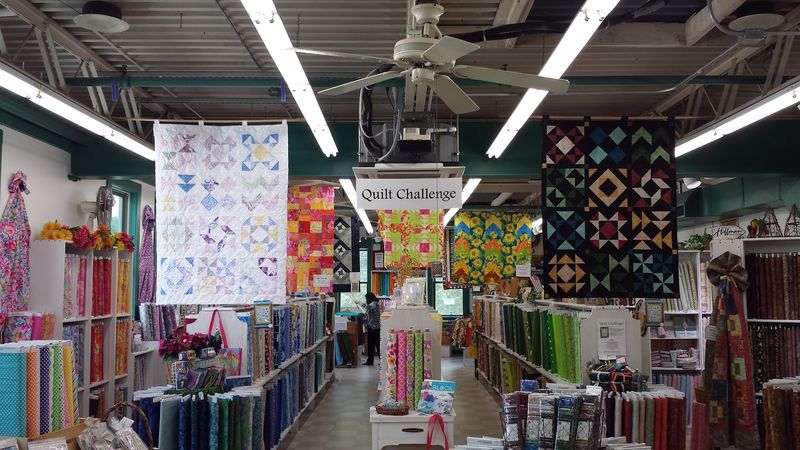
The sheer scale of the fabric selection at Colchester Mill Fabrics and Quilting tends to stop first-time visitors in their tracks. With over 7,000 bolts of fabric spread across the store, the inventory covers an impressive range of styles, textures, and purposes.
The shop is known for carrying the largest collection of Kaffe Fassett fabrics in all of New England, with nearly 900 bolts dedicated to that single designer alone.
Beyond Kaffe Fassett, the shelves hold fabrics from modern designers like Tula Pink alongside traditional patterns such as Kansas Troubles.
Cotton, batiks, and wool each have dedicated areas, and a growing wool applique department carries the latest wools along with a wide selection of Valdani thread.
For larger quilting projects, the store stocks over 240 bolts of 108-inch wide backing fabrics, which can be genuinely hard to find elsewhere.
The selection does not stop at fabric. Batting, sewing notions, fashion fabrics, knit yarns, crochet yarns, instructional books, and patterns are all available throughout the store.
Each aisle tends to offer something unexpected, which makes browsing feel less like a chore and more like a slow and satisfying discovery. Customers planning a single purchase often find themselves leaving with far more than they originally intended.
6. Sample Quilts Spark New Ideas Around Nearly Every Corner
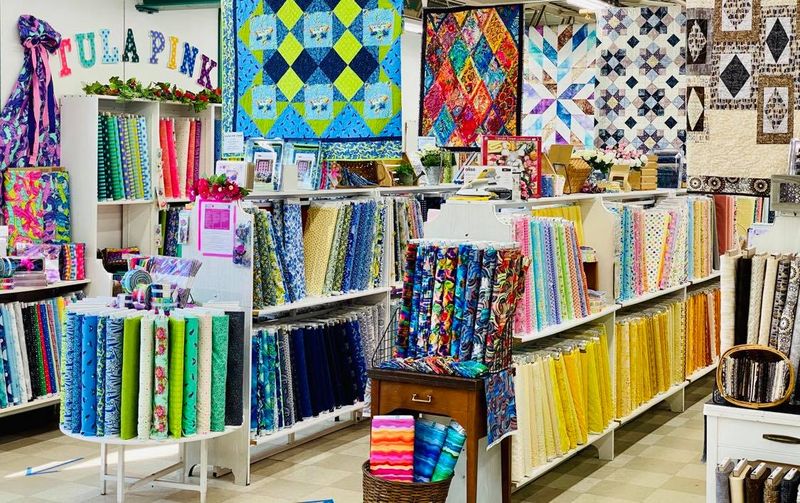
Fabric on a bolt can only tell part of the story. Seeing how different materials come together in a finished quilt is often what turns a vague idea into a concrete plan.
Colchester Mill Fabrics and Quilting understands this well, which is why sample quilts are displayed throughout the shop in a way that feels thoughtful rather than incidental.
These finished pieces serve as real-world examples of what the store’s fabrics can become. The displays are arranged with a boutique sensibility, making the exploration feel curated rather than overwhelming.
For shoppers who arrive without a clear direction, the samples provide a natural starting point, offering color combinations, scale contrasts, and pattern ideas that can be directly translated into a new project using fabrics already on the shelves nearby.
The sample quilts are also regularly updated, which gives repeat visitors a reason to keep coming back. Returning customers often find fresh displays that reflect new fabric arrivals or seasonal themes.
The overall effect of walking through the shop is one of sustained visual engagement, where each turn reveals something worth pausing over.
Many shoppers describe the experience as one that sparks creativity almost involuntarily, which speaks to how carefully the store has thought about the relationship between display and inspiration.
7. Computerized Long-Arm Stitching Brings Detailed Projects To Life
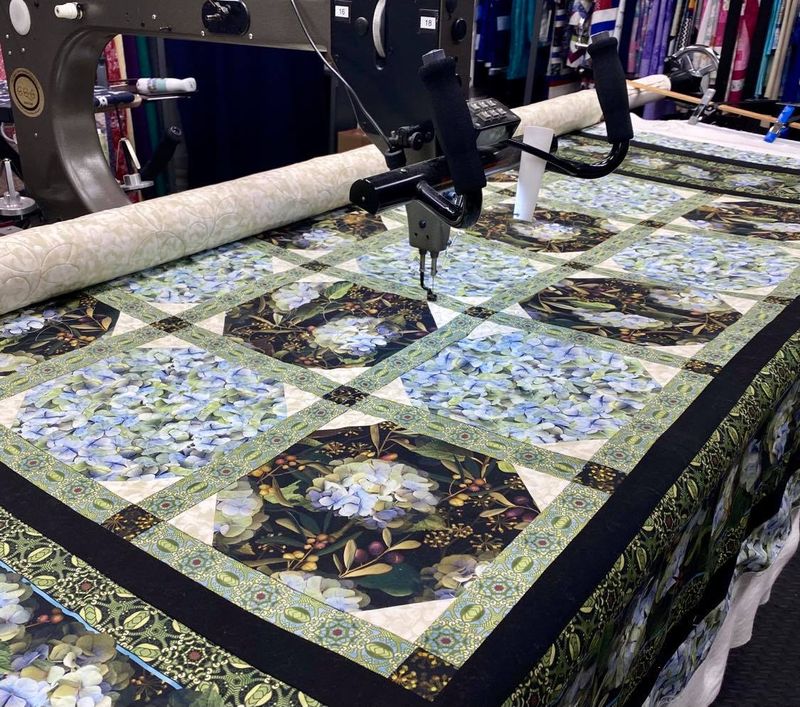
Finishing a quilt top is a satisfying milestone, but the final quilting step requires equipment and precision that many home crafters simply do not have access to.
Colchester Mill Fabrics and Quilting addresses this gap by offering professional long-arm quilting services using a computerized Gammill Statler Optimum long-arm quilting machine.
The technology behind this equipment allows for consistent, accurate stitching across a wide range of project sizes and design complexities.
The service focuses on edge-to-edge quilting, which means the chosen pattern repeats across the entire surface of the quilt in a smooth and uniform way.
This approach works well for both traditional and modern quilt tops, and the computerized system ensures that even intricate designs are executed with the kind of precision that would be difficult to achieve by hand.
Customers who have completed their piecing work can bring their quilt tops to the shop and hand off the finishing process to experienced hands.
For quilters who have spent weeks or months assembling a top, trusting the final step to a professional service can feel like a relief.
The shop has built a reputation for handling these projects with care and attention, and the long-arm service adds genuine practical value to what the store offers beyond retail fabric sales.
8. Decades Of Knowledge Are Still Shared At The Cutting Table
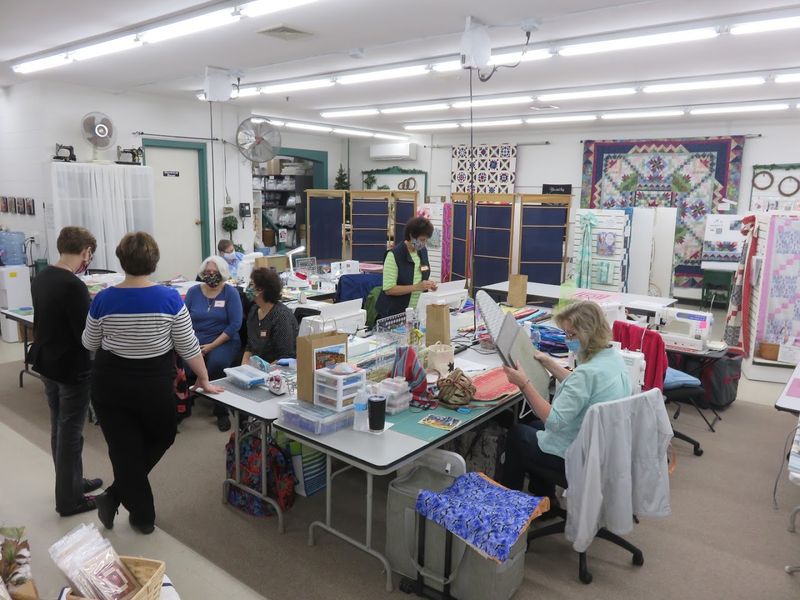
Creative projects become much easier when experienced help is only a cutting table away. At Colchester Mill Fabrics and Quilting, knowledgeable staff members bring years of sewing, quilting, knitting, and crafting experience to conversations with beginners and longtime makers alike.
Visitors can arrive with a detailed pattern, a half-formed idea, or a project that has gone completely off track. The team can help match fabrics, estimate yardage, suggest supplies, and work through practical challenges without making the process feel intimidating.
Their enthusiasm extends beyond traditional quilts to clothing, knitted pieces, school banners, costumes, photography props, and plenty of imaginative projects.
Classes offer another way to learn, with subjects that may include quilting, wool appliqué, knitting, and apparel sewing.
Open-sew gatherings and other creative events give participants room to work, exchange ideas, and enjoy the company of people who understand the excitement of starting something new.
The shop is open every day from 10:00 AM to 5:00 PM, leaving plenty of opportunities to browse or ask questions.
More than a place to purchase fabric and supplies, Colchester Mill feels like a friendly creative headquarters where inspiration, practical advice, and community come together under one roof.