One Connecticut Thrift Store Offers Designer Finds While Supporting A Greater Cause
Thrift shopping gets a lot more exciting when the racks hold labels you never expected to find. One minute you are browsing casually, and the next you are holding a designer jacket at a price that feels almost unreal.
That little rush is part of the fun. In Connecticut, this community-minded thrift store turns secondhand shopping into a stylish treasure hunt with real purpose behind it.
The selection changes constantly, so every visit has its own personality. You might spot polished workwear or a standout handbag that looks ready for a special occasion.
Nothing feels predictable. What makes the experience even better is knowing the money supports local organizations and worthwhile causes.
A great find feels good on its own. Here, it also helps someone else.
That combination gives the whole shop extra heart. You leave with something memorable, and the purchase carries a story that goes beyond the price tag.
1. A Community Mission Has Guided The Shop Since Nineteen Forty Six
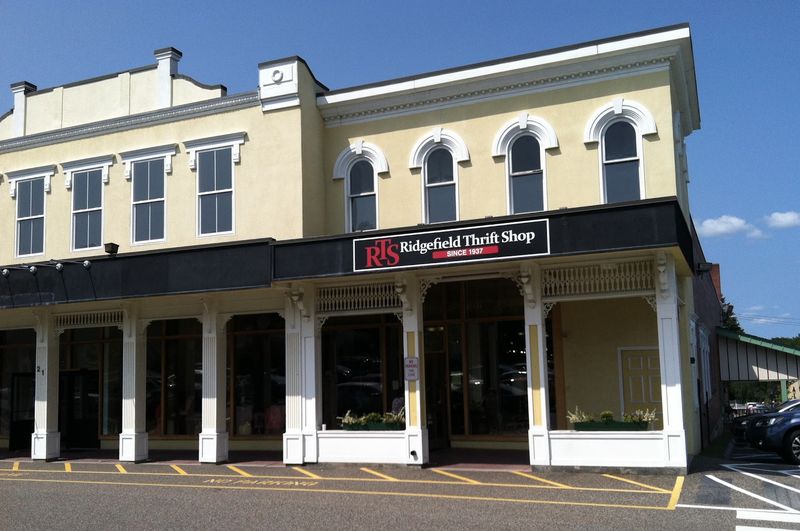
Purpose gives every purchase extra value at the Ridgefield Thrift Shop. Donated clothing, housewares, books, jewelry, art, and other finds are organized, creating a shopping experience that feels orderly rather than cluttered.
Affordable prices help families, while proceeds return to the community through grants and scholarships.
The idea began in April 1937, when the District Nursing Association proposed a thrift shop that could turn donated goods into support for local causes. It became an independent nonprofit in 1946, and that original mission continues to guide its work.
Recycling, repurposing, and reselling remain central to an operation powered by volunteers and community generosity.
A major move in 2017 brought the shop into a larger space with twice the selling area, easier donation access, better parking, and greater visibility.
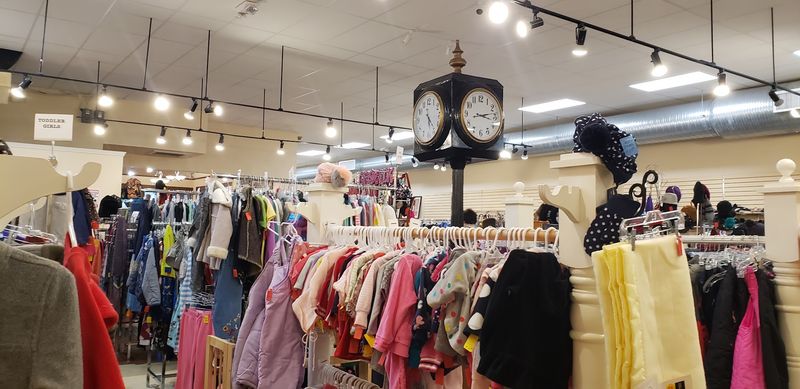
The expanded floor made room for thoughtfully arranged displays that resemble a small department store more than a conventional secondhand shop.
Visitors will find the shop at 21B Governor Street in Ridgefield. Each purchase contributes to a tradition of practical giving that has lasted for generations.
Nearly nine decades after its beginnings, the organization still proves that useful goods can create meaningful impact.
2. Donated Treasures Give Every Shopping Day A New Look
No two visits to the Ridgefield Thrift Shop look exactly the same, and that unpredictability is a big part of its appeal.
Donations arrive continuously from the surrounding community, meaning the inventory on any given day could include anything from a barely used kitchen appliance to a vintage decorative piece that belonged to a local family for generations.
That constant rotation keeps the shelves fresh and gives regular shoppers a genuine reason to return.
Before anything reaches the sales floor, items go through a careful inspection and sorting process. Volunteers assess condition, research pricing, and arrange merchandise in a way that makes browsing feel manageable rather than overwhelming.
The result is a shopping environment where quality tends to be consistent, even if the specific selection changes week to week.
Sustainability is woven into the shop’s core approach, not just mentioned as an afterthought. Clothing that cannot be sold is sent to a longstanding recycling company rather than discarded, and unsold housewares are donated to Goodwill.
Nothing is treated as waste if it can be redirected somewhere useful. That commitment to reducing landfill contributions gives the shop an environmental dimension that goes beyond the simple act of buying secondhand goods.
3. Designer Clothing Hangs Beside Everyday Wardrobe Finds
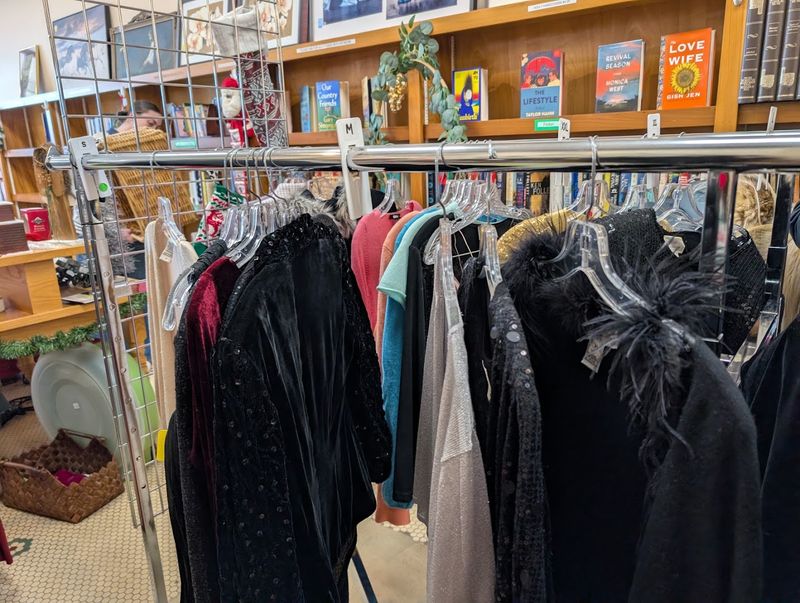
Finding a Tory Burch blouse or a Kate Spade handbag at a thrift store price is the kind of discovery that keeps shoppers coming back with hopeful eyes. The Ridgefield Thrift Shop has built a reputation for its apparel section, where designer names appear regularly alongside practical everyday pieces.
Past finds have included labels such as Lilly Pulitzer, Ralph Lauren, Badgley Mischka, Coach, Dooney and Burke, and Trina Turk, along with occasional standouts like Manolo Blahnik flats and an assortment of Vera Bradley totes.
Clothing racks are organized by size and category, which makes searching far less daunting than the jumbled experience common at many secondhand stores.
Shoppers looking for a specific size or style can navigate the floor efficiently, while those who prefer to browse at a leisurely pace have plenty to explore.
Dressing rooms are available, which is a practical feature that helps ensure purchases actually fit before leaving the register.
Men’s and children’s clothing also have dedicated sections, so the shop genuinely caters to the whole household rather than just adult women. Seasonal pieces rotate through as donations shift with the calendar, so the wardrobe possibilities tend to change naturally throughout the year.
Checking in across different seasons could yield very different but equally rewarding results.
4. Art Antiques Books And Housewares Fill Unexpected Corners
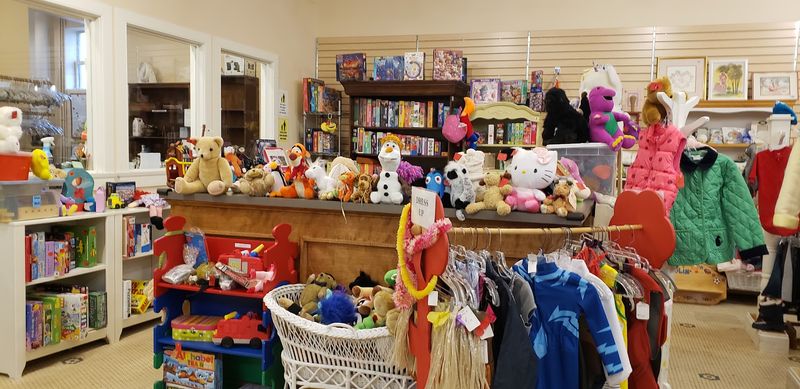
Treasure hunting becomes far more interesting once shoppers move beyond the clothing racks at the Ridgefield Thrift Shop. The building offers about 10,000 square feet across its main level and basement, giving volunteers room to organize merchandise into clear, easy-to-browse departments.
Books fill a dedicated section with an ever-changing mix of familiar authors, recent releases, and unexpected discoveries. Elsewhere, shoppers may find jewelry, artwork, kitchenware, toys, sporting goods, accessories, holiday decorations, and designer pieces.
The basement functions almost like a second shop, with separate areas for children’s clothing, seasonal items, and specially grouped merchandise.
Housewares are especially useful when furnishing a kitchen or replacing everyday essentials without paying retail prices. Dishes, glassware, utensils, pots, pans, crystal, and small appliances can all appear, depending on recent donations.
Fine china, collectible art, and unusual decorative pieces occasionally add the thrill of finding something distinctive and worth taking home.
Because inventory changes constantly, no two visits feel exactly alike. One shopper may head straight for books, while another spends time examining jewelry or home goods.
The orderly layout makes browsing relaxed rather than overwhelming, and the broad selection turns an ordinary stop into a genuine search for useful bargains and memorable finds.
5. Online Auctions Reveal Collectibles Beyond The Sales Floor
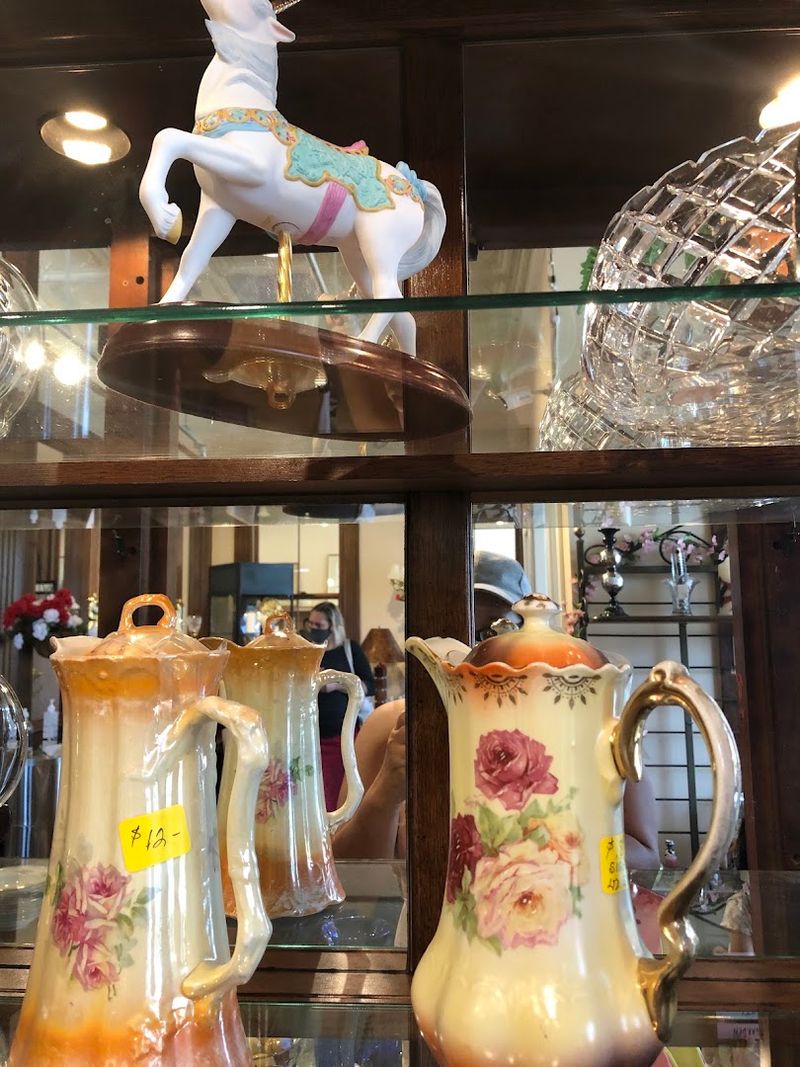
Special donations often reach a wider audience through the Ridgefield Thrift Shop’s online auctions.
Collectibles, jewelry, artwork, designer pieces, and other higher-value finds may appear in carefully photographed listings, giving bidders time to examine details instead of relying on chance during an in-store visit.
Auctions are generally held every other week and begin closing on Wednesday at 8:00 p.m. Because each lot follows its own countdown, interested shoppers should review closing times closely and place bids before the final moments.
Winning purchases are typically collected Friday between 9:00 and 11:30 a.m., though individual auction instructions should always be checked for changes.
A 6% buyer’s premium is added to winning bids. Items are offered in their current condition, and purchases are final, making photographs, descriptions, measurements, and pickup requirements important parts of the decision.
Revenue from these charity auctions supports the same community mission as purchases made inside the shop. Funds are returned to local organizations through grants and scholarships, allowing distinctive donated pieces to benefit Ridgefield long after bidding ends.
For collectors and bargain hunters, the auction format offers a focused way to explore unusual merchandise while supporting practical community programs. New listings keep the experience varied, so each sale brings a different assortment worth browsing.
6. More Than One Hundred Volunteers Keep The Shop Moving
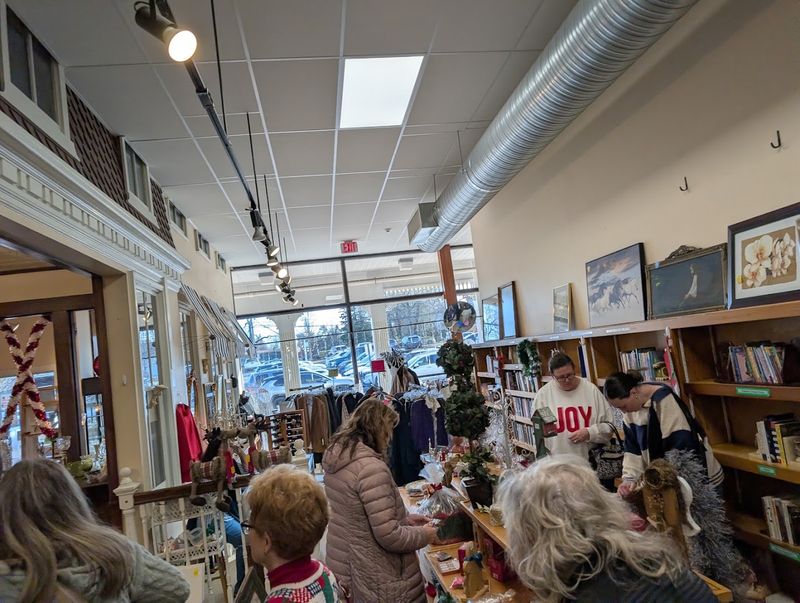
Behind every neatly arranged rack and carefully priced item at the Ridgefield Thrift Shop is the effort of a volunteer workforce that numbers over one hundred active contributors.
These community members handle everything from donation intake and sorting to pricing, merchandising, and cashiering.
Without their consistent dedication, the shop’s daily operations simply could not function at the scale they do.
New volunteers go through a structured four-part training program that covers the various duties of the shop, including pricing guidelines for different merchandise categories.
The shop actively partners with organizations such as the National Charity League, Lions Heart, and the National Honor Society to bring in teen volunteers, creating a pathway for younger community members to contribute meaningfully.
Recurring volunteer roles require participants to be at least 16 years old, though teens under 15 are welcome when accompanied by an adult.
The backroom work that volunteers perform: sorting donations, assessing condition, and preparing items for the floor, is just as essential as the visible work on the sales floor. That behind-the-scenes effort is what makes the recycling and repurposing mission tangible rather than theoretical.
The collective energy of so many dedicated volunteers creates a shop environment that feels genuinely community-driven rather than commercially transactional.
7. Every Purchase Helps Fund Local Charities And Scholarships
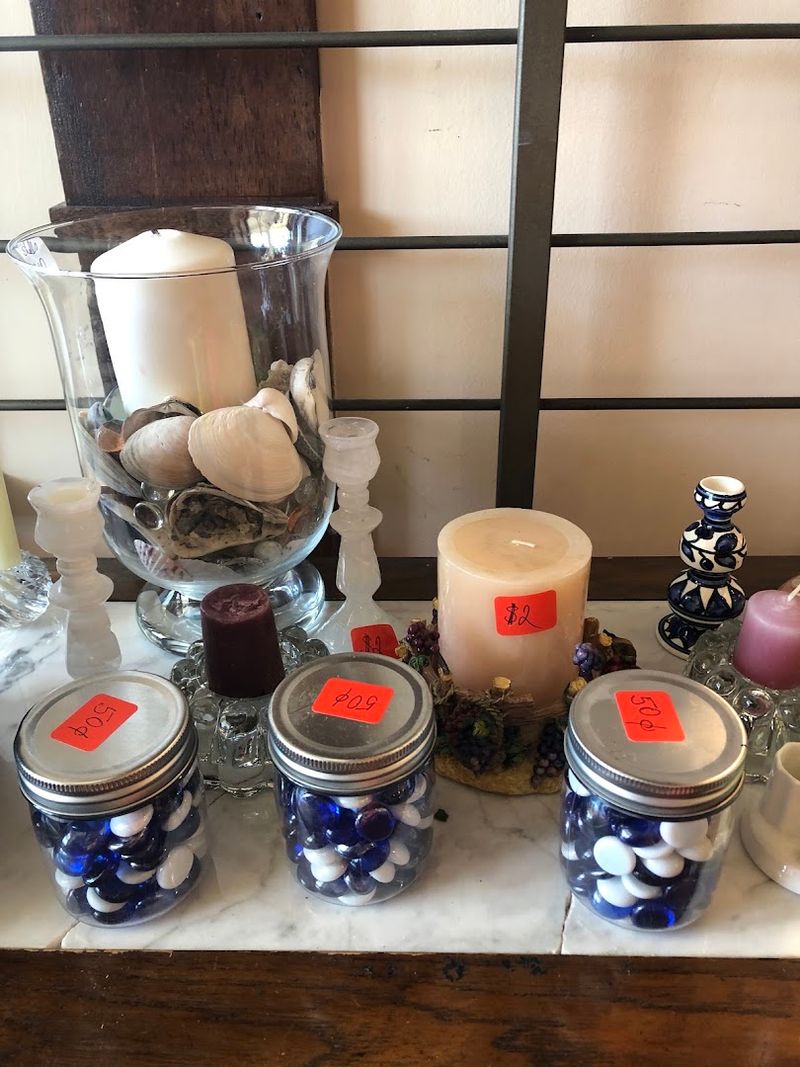
Shopping at a thrift store usually feels like a personal win, a good deal on something useful or beautiful. At the Ridgefield Thrift Shop, that personal win comes attached to a community benefit that is both specific and substantial.
All net proceeds after covering business expenses are distributed as grants to local nonprofit organizations, with 78 distinct nonprofits receiving grants in 2026 alone.
Past recipients have included organizations such as ACT of Connecticut, Woodcock Nature Center, Angel of Ridgefield, and Family and Children’s Aid.
Beyond grants, the shop also runs a scholarship program for Ridgefield residents graduating from high school. Thirteen scholarships valued at $7,500 each were awarded in both 2025 and 2026, supporting students heading to trade schools, two-year colleges, or four-year universities.
Eligibility extends to students enrolled at Ridgefield High School or Ridgefield residents graduating from another accredited high school.
Local nonprofits seeking grant support can apply during a designated period, with details typically available on the shop’s website. The breadth of organizations supported reflects how far a single thrift purchase can actually reach.
Knowing that a $15 sweater or a $30 kitchen appliance feeds into that network of support adds a dimension to shopping that few retail experiences can match.
8. Bargain Hunting Becomes A Direct Investment In Ridgefield
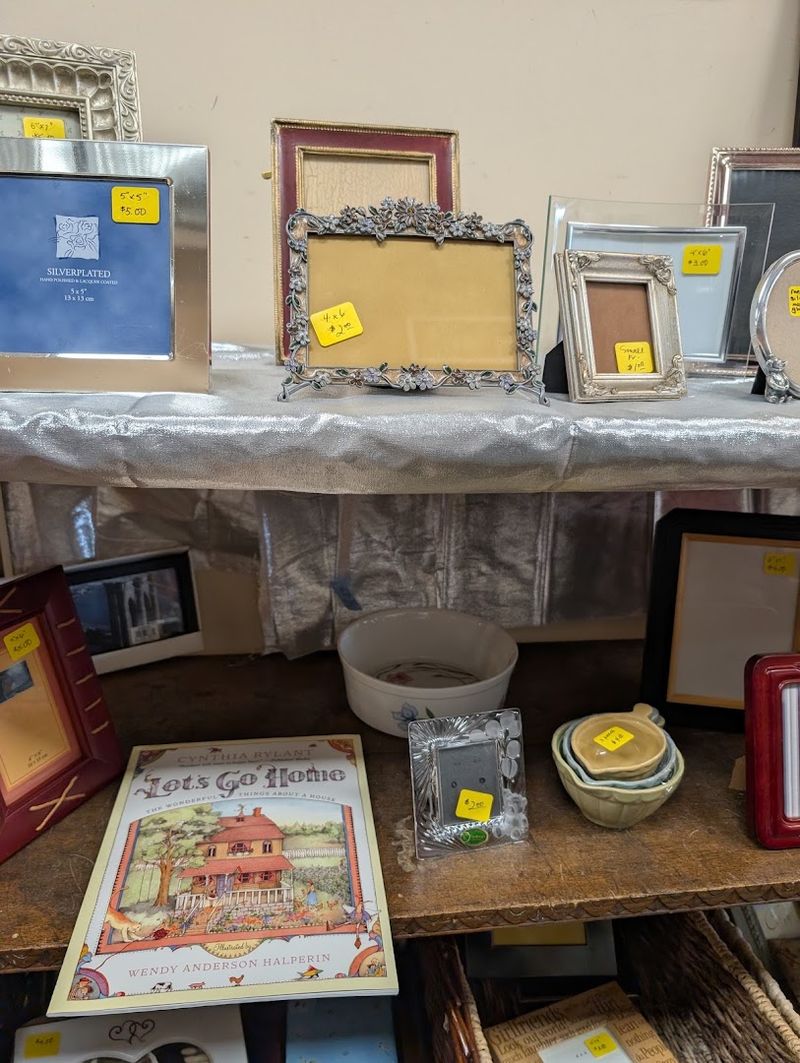
Finding a well-made coat or useful set of tableware at an affordable price already feels rewarding. At the Ridgefield Thrift Shop, each purchase carries added meaning because revenue supports local nonprofit organizations and scholarships for graduating students.
Shoppers save money while helping community programs continue their work.
That purpose shapes the entire experience. Merchandise is arranged in clearly defined sections, making it easier to browse clothing, accessories, books, artwork, jewelry, housewares, sporting goods, and seasonal decorations without feeling overwhelmed.
Prices remain approachable, and the constantly changing inventory gives regular visitors a reason to return.
The shop’s impact reaches far beyond its sales floor. Donations are recycled, repurposed, and resold, extending the usefulness of everyday items while generating funds for dozens of local organizations.
Recent support has also included substantial scholarships for Ridgefield students pursuing education after high school.
People may arrive hoping to find a practical bargain, an unusual gift, or a decorative piece with character. They leave knowing their purchase contributes to something lasting.
The combination of affordable merchandise, volunteer effort, and community giving turns secondhand shopping into a meaningful local tradition.
Saving money is only part of the appeal. Each item purchased helps transform a donated object into direct support for neighbors, students, and nonprofit groups throughout Ridgefield.
That connection gives even a small purchase genuine local value.