10 Georgia Mountain Towns That Have Become Too Crowded To Enjoy Like They Used To
I used to have a favorite mountain town I never told anyone about. It was my quiet escape, the place I drove to when I needed to slow down and breathe.
Empty benches, easy parking, and locals who actually knew your name after one visit. Then someone posted about it online, and everything changed almost overnight.
Now that same drive means bumper to bumper traffic and a wait just to park. Georgia has no shortage of charming towns scattered between ridgelines, but charm tends to attract crowds it cannot handle.
What used to feel like a secret now feels like a festival every single weekend. These mountain towns in Georgia built their reputation on peace and quiet, and that reputation may be exactly what is changing them.
Some of these spots have shifted more than others, and the difference might surprise you.
1. Helen
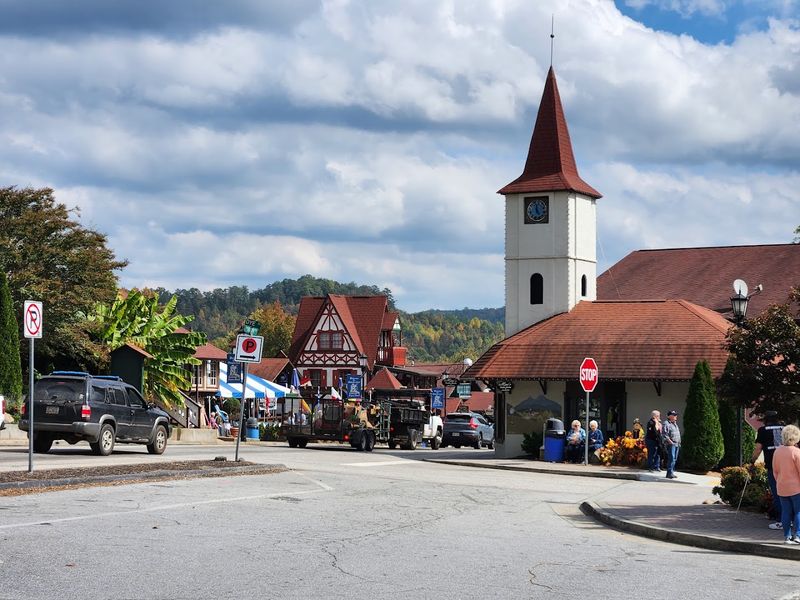
Picture a Bavarian village dropped right into the Blue Ridge Mountains. That is basically Helen, and it sounds magical until you hit the traffic backup three miles out of town.
Helen reinvented itself as an Alpine style destination back in the late 1960s, trading its ordinary mountain town look for cobblestone charm and timber framed buildings. The gimmick worked a little too well.
Oktoberfest here is the longest running in the entire United States, pulling in tens of thousands of visitors every fall, all funneling through the same few streets.
Christmas markets bring another massive wave of foot traffic shortly after, with lights strung across every storefront and vendors lining the sidewalks. GA-75 through town becomes a parking lot by midday on peak Saturdays.
The two lane road simply was not built for this volume, no matter how many visitors keep discovering it season after season.
Summer is no quieter, thanks to tubing crowds floating down the Chattahoochee River just steps from downtown. Finding a parking spot feels like winning a small lottery.
Helen is still charming, with its alpine rooftops and mountain backdrop, but that charm now comes with a wait, and right now that wait can eat up your entire Saturday afternoon.
2. Blue Ridge
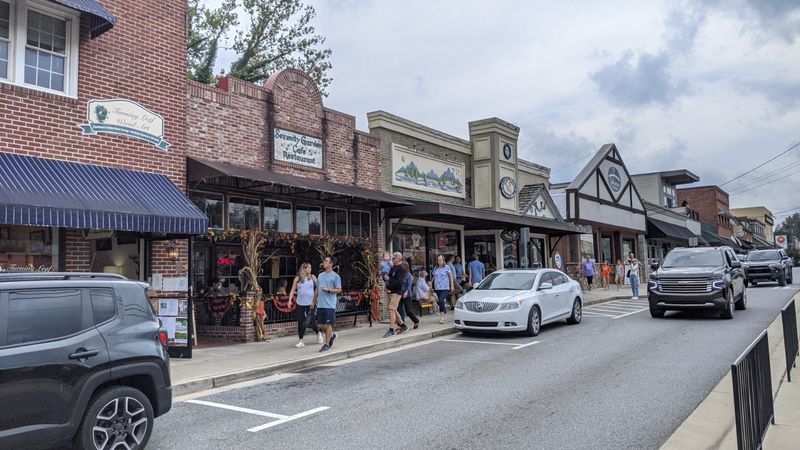
Not long ago, Blue Ridge was a sleepy little railroad town where you could stroll Main Street without bumping into anyone. Those days feel like a distant memory now.
Cabin rental demand has exploded across Fannin County. Airbnb traffic alone has transformed the surrounding hills into a full-time resort zone.
The Blue Ridge Scenic Railway sells out weeks ahead, especially during fall foliage season.
Main Street on an October Saturday rivals Atlanta gridlock, which is saying something for a town this size. New restaurants and boutiques keep opening, which draws even more visitors into streets that were not designed for crowds.
Blue Ridge is consistently one of the top counties in Georgia for visitor spending per capita. That stat sounds great for the economy.
But if you remember parking easily and finding a quiet table for lunch, those days require a Tuesday trip now.
3. Dahlonega
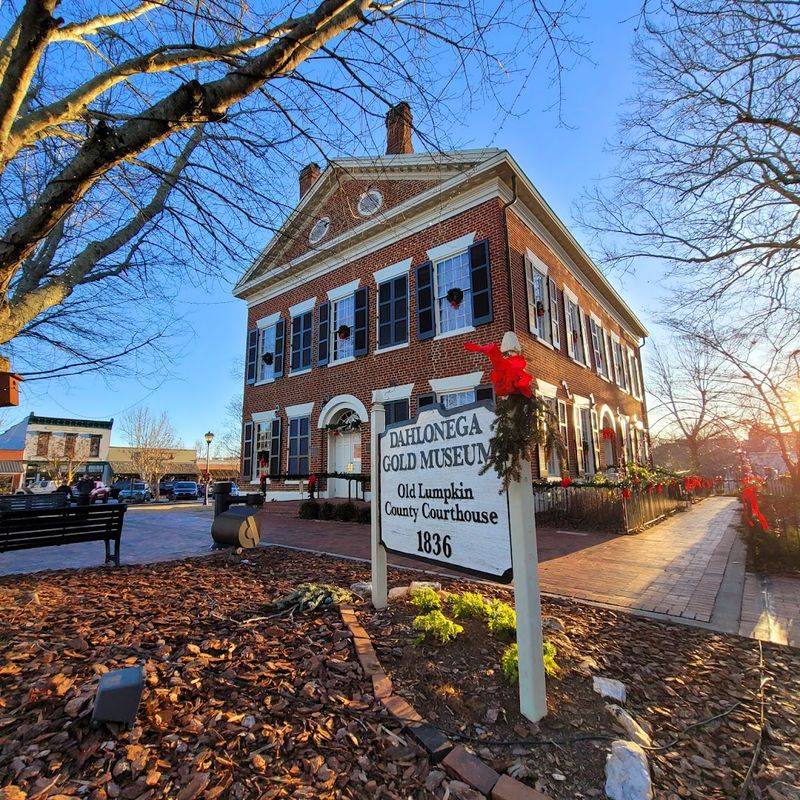
Dahlonega has a fascinating history behind it. It was the site of America’s first major gold rush, and the courthouse square still carries that old-world energy.
But you will need to fight through a crowd to feel it now.
Guided bus tours have become a regular fixture rolling through downtown, dropping off groups on nearly every corner. Wedding parties claim the square on fall weekends like it is reserved territory, turning simple photo stops into full production shoots.
Parking near the historic center becomes nearly impossible by mid-morning on a busy Saturday, and side streets fill up just as fast.
Gold Rush Days, one of the largest arts and crafts festivals in northeast Georgia, draws enormous turnout every October. In 2022, tourists tracked nearly $69 million in credit card spending in Lumpkin County alone.
That number tells you everything about the foot traffic this small town now handles on a regular basis.
The surrounding countryside attracts younger visitors who might not have made the drive otherwise. That energy keeps local shops busy, but it also means the square rarely feels peaceful anymore.
Visit on a weekday in early spring and you might just rediscover what made Dahlonega special in the first place, before the crowds found it too.
4. Ellijay
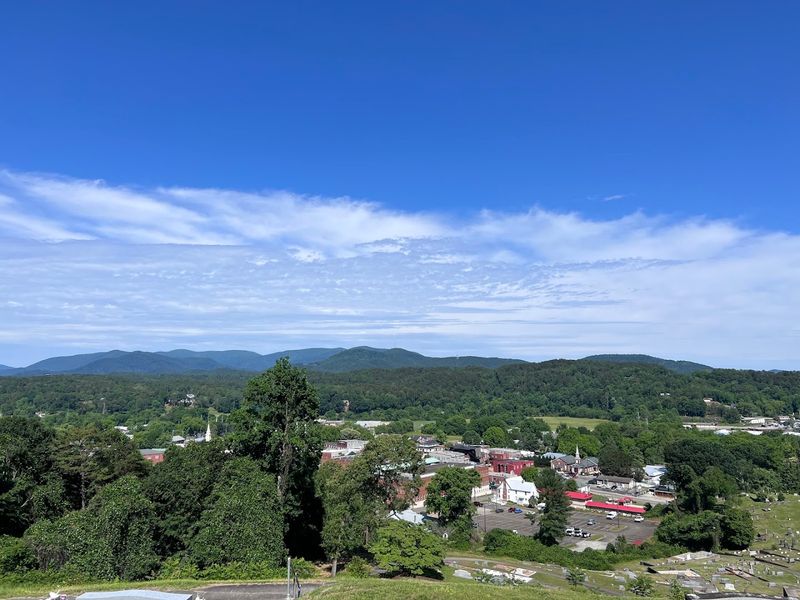
Ellijay proudly calls itself Georgia’s Apple Capital, and every October, the whole state seems to show up to prove it right. The orchards are beautiful.
The traffic getting to them is not.
Highway 52 East, locally known as Apple Alley, becomes a two-lane bottleneck on fall weekends. Cars back up for what feels like miles, inching toward orchard entrances.
Parking lots hit capacity before 10am on the busiest Saturdays.
Visitors arriving late on busy October weekends may encounter delays before reaching some of the area’s popular orchards. The orchards themselves are worth the trip.
The hour-long queue to get in is a harder sell.
The town of Ellijay is genuinely charming and worth exploring beyond the orchards. But the seasonal surge has made spontaneous weekend visits feel like poor planning.
Arrive before sunrise or book a weekday. Otherwise, Apple Alley will test every ounce of your patience before you ever smell a Honeycrisp.
5. Cleveland
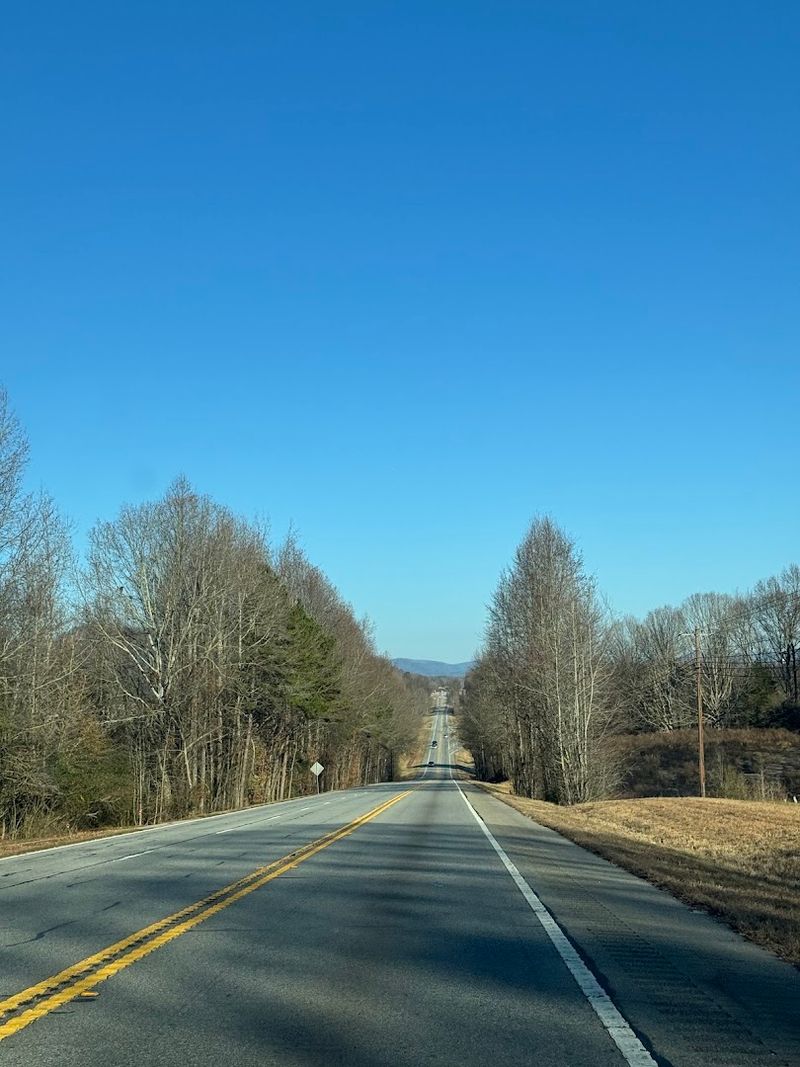
Cleveland might be the most unexpected entry on this list. It is a small White County town that happens to be home to Babyland General Hospital, the birthplace of Cabbage Patch Kids.
Yes, that is a real place, and yes, people travel from all over to visit it.
The hospital-style attraction draws families year-round with a surprisingly theatrical experience. Add in its proximity to Helen and the Chattahoochee River tubing scene, and Cleveland absorbs a lot of overflow traffic during summer months.
The small downtown was not designed to handle that kind of volume.
Tubing on the Chattahoochee is enormously popular from June through August. Visitors flood the area, and the roads connecting Cleveland to the river corridor get congested fast.
The town itself is charming and worth a stop.
But combining two major draws in such a compact area creates a pressure the local infrastructure struggles with. If you plan to visit BabyLand General Hospital, located at 300 N.O.K.
Drive in Cleveland, consider going early on a weekday. The experience is genuinely fun and quirky, but weekend crowds can make it feel rushed.
6. Clayton
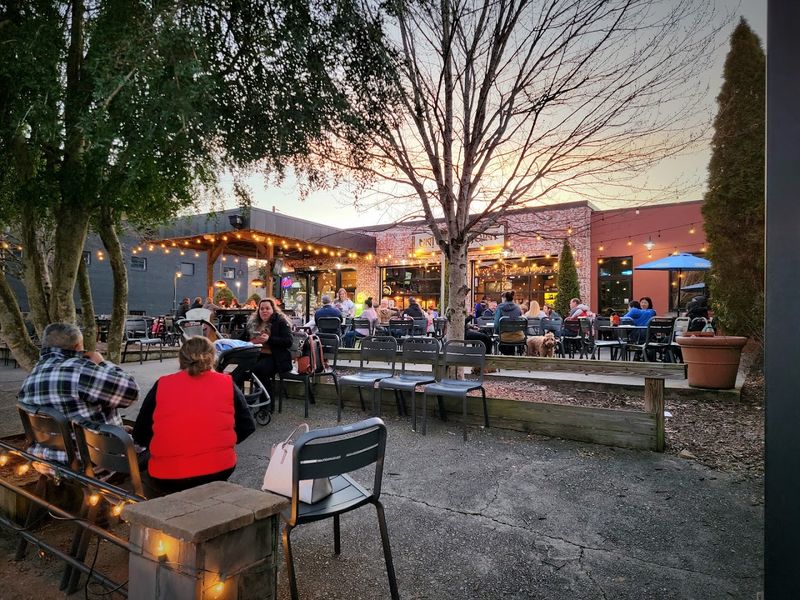
Rabun County has always had a certain wild beauty that feels different from anywhere else in the mountains. Clayton, its quiet county seat, used to reflect that unhurried spirit.
Lately, not so much.
New boutiques and restaurants have been popping up along Main Street at a steady pace. Each new opening draws more weekend visitors, which sounds like progress until you try to drive through town on a Saturday.
The two-lane Main Street simply was not built for this kind of volume.
Clayton was officially designated an Appalachian Trail Town, which added another layer of outdoor enthusiasts to the mix. Tourism plays an important role in Rabun County, especially during festival weekends and peak outdoor seasons.
Traffic alerts are now a regular thing for North Main Street and US 76 during peak events. The surrounding mountains and waterfalls are still spectacular.
But getting in, finding a spot, and grabbing lunch without a wait has become a weekend sport all its own in this once-easy little town.
7. Blairsville
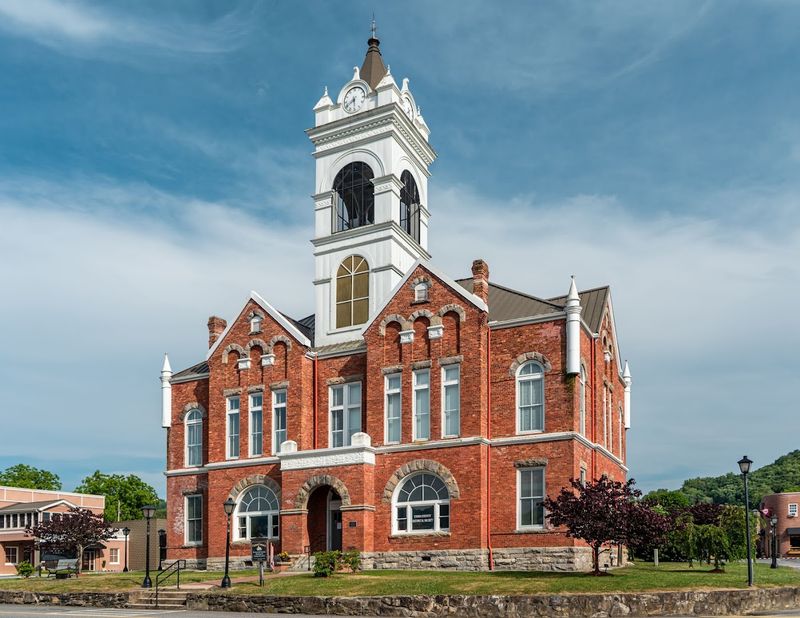
Blairsville sits in one of the most naturally beautiful corners of the north Georgia mountains, with Lake Nottely and the Appalachian Trail practically in its backyard. That combination has not gone unnoticed.
Growth around Lake Nottely has been steady and significant. Vacation properties and short-term rentals have multiplied, bringing more weekend traffic into a town center that was never built for high volume.
The historic square gets overwhelmed during festival season.
Festivals and seasonal events continue to bring additional visitors to Blairsville, particularly during fall and other peak travel periods.
Appalachian heritage festivals celebrating music, food, and traditional crafts continue to draw visitors throughout the year. Each event pushes more cars onto roads that have not changed much in decades.
Blairsville still has genuine character and a welcoming community feel. But if you want to experience the square without squeezing through a crowd, a quiet Tuesday in March is probably your best bet now.
8. Hiawassee
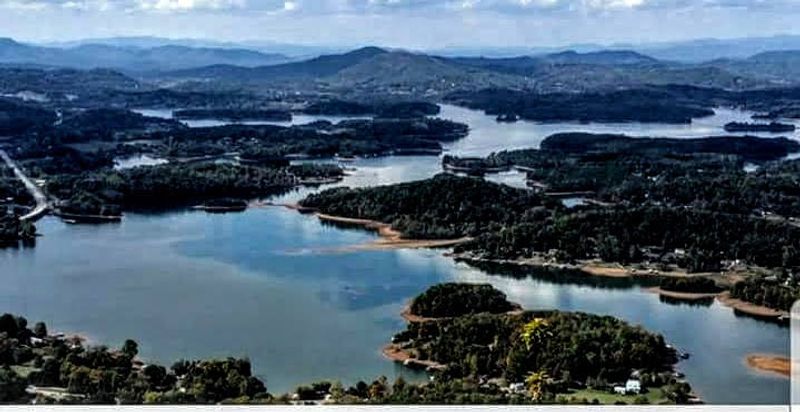
Hiawassee is the kind of lakeside town that looks like it belongs on a postcard. Lake Chatuge surrounds the area with scenic water and mountain views.
Then the Georgia Mountain Fairgrounds got busy.
The fairgrounds host concerts, festivals, and other events throughout the year. That number is staggering for a town this size.
The Georgia Mountain Fair itself relocated here from Blairsville in 1978 after crowds there hit 100,000, which tells you how long this town has been absorbing regional overflow.
Concerts and multi-day festivals can overwhelm Hiawassee for days at a stretch. Local roads back up, accommodations fill quickly, and the lakeside calm that defines the town disappears behind a wall of event traffic.
It is a strange contrast to the natural beauty surrounding it.
The town is located along US-76 in Towns County, and the scenic views of the surrounding mountains remain genuinely impressive. Off-season visits reveal the Hiawassee that long-time fans remember.
Peak festival weekends, though, are a completely different and much louder story.
9. Jasper
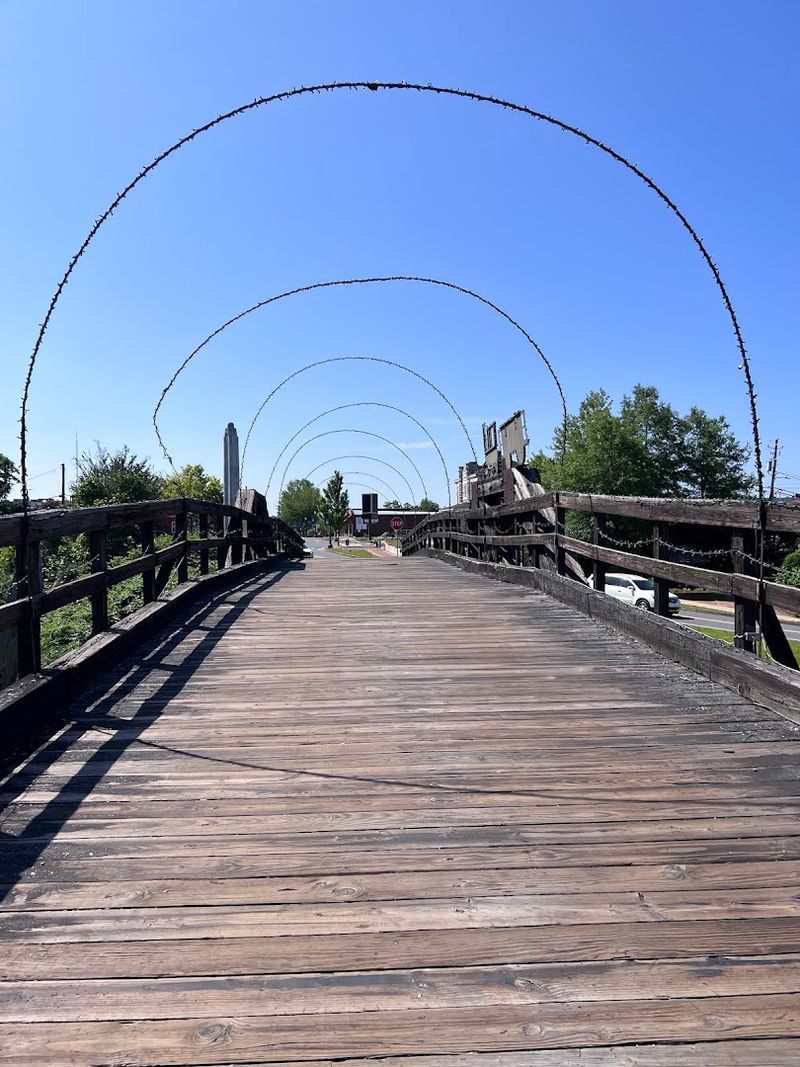
Jasper holds the unofficial title of First Mountain City, sitting about 50 miles north of Atlanta on the way up into the hills. That geography makes it sound like a gateway.
In practice, it functions more like a cork in a bottle on fall weekends.
Every October, leaf-peepers and mountain-bound travelers pour out of Atlanta in numbers that would impress a city planner. Jasper sits right in their path.
The Georgia Marble Festival, held on the first weekend of October, adds another wave of visitors at exactly the wrong time of year for road flow.
Local traffic conditions during fall weekends are reliably frustrating. Drivers heading further north toward Blue Ridge or Ellijay often find themselves crawling through Jasper with no real alternative route.
The town has not expanded its road infrastructure to match the demand.
Jasper itself has a quiet charm and a real small-town personality worth experiencing. The marble heritage of the area is genuinely interesting and underappreciated.
But its location on the main artery north means it bears the traffic burden of every destination beyond it, which is a tough spot for any small city to be in.
10. Sautee Nacoochee
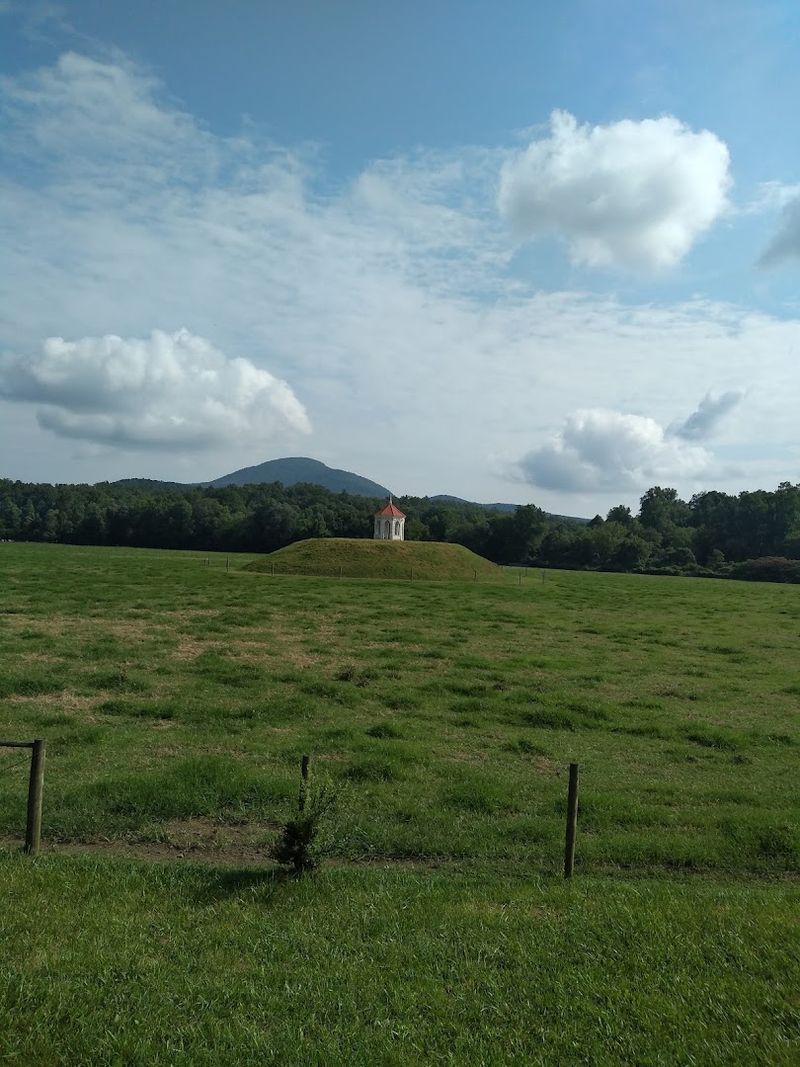
Sautee Nacoochee does not announce itself loudly. The valley rolls out quietly between the mountains, with covered bridges and vine draped hillsides that feel almost too picturesque to be real.
That peacefulness is exactly what draws people in, and exactly what shifts when they all arrive at once.
A scenic trail connects several stops across the valley, winding past vineyards and orchards that change character with every season. One of the area’s most popular stops sees demand for guided tours spike sharply during harvest and fall foliage season.
Reservations fill up fast, and the roads leading between stops see a steady stream of visitors following the same loop through the hills.
The Historic Stovall Mill Covered Bridge is a free attraction that pulls day trippers in steady streams during peak season. It is a beautiful old structure, framed by trees that turn deep gold and red by mid October.
Photographing it usually takes just a few minutes. On a busy fall Saturday, timing your visit around the crowd takes a little more patience, especially once tour groups start arriving in waves.
The winding mountain roads through the valley were designed for quiet rural traffic. These days they carry a steady flow of scenic drive enthusiasts making their way between stops each weekend, especially once the leaves start turning and word spreads about the views.
The valley still holds its charm in every direction you look, from the water running under the bridge to the ridgelines rolling off into the distance.
Arriving on a weekday before 9am, before the crowds settle in, is the closest thing to the old experience left, when the covered bridge sits quiet and the hillsides feel like they belong to you alone.