9 Alabama Coast Towns Where The Crowds Never Really Leave
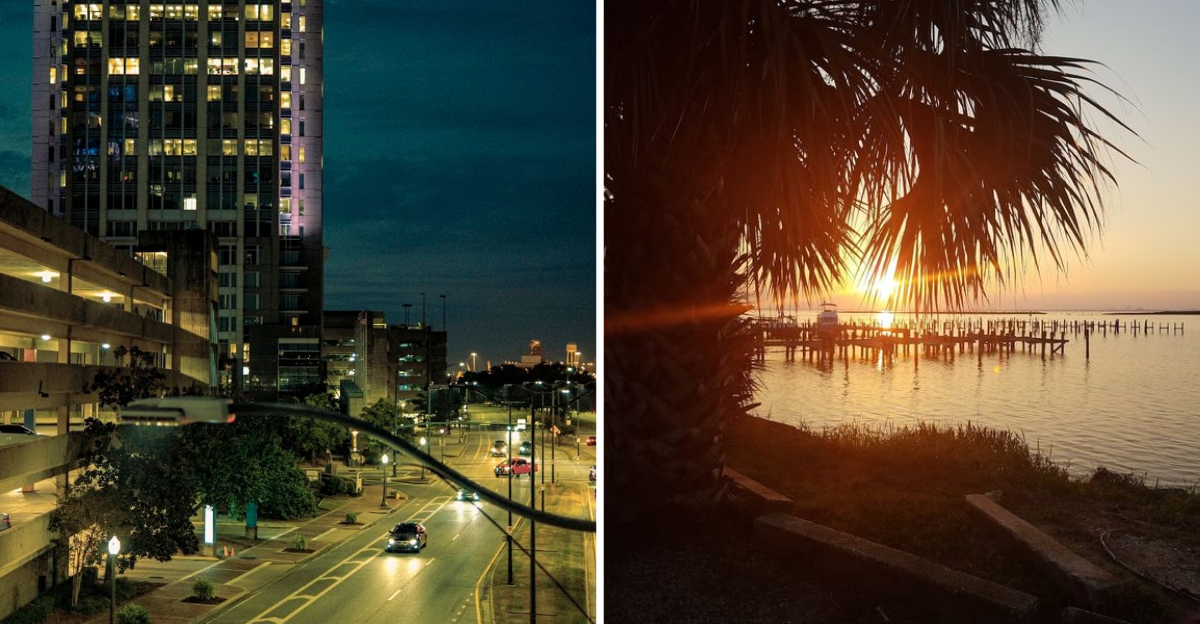
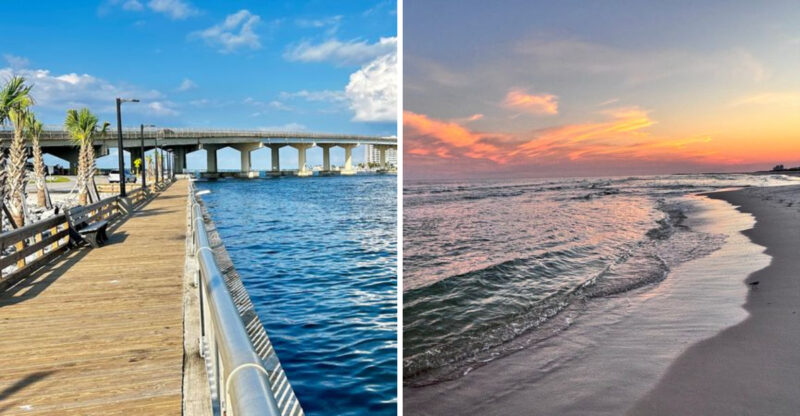
Salt works into your clothes and your memories along the Alabama coast. Fried shrimp and diesel drift off the docks by midmorning, promising a good day.
People keep circling back for that smell, season after season. A weathered fishing village still reeks of a proper Gulf haul.
Down the shore, a port town layers centuries of tales along its wharf. Fresh catch each dawn keeps the tables warm and crowded.
Wandering this stretch across the seasons, I felt its pulse each time. The days drift between calm and busy, then settle like tides.
Locals and returning faces melt together on the piers. Could one little coast town really pull you back for good? Probably yes. Check out this list!
1. Gulf Shores
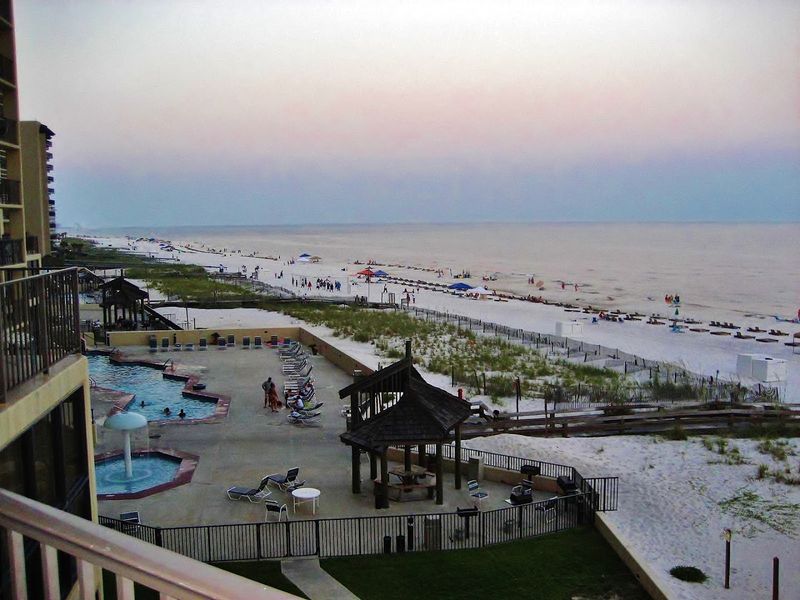
This beach town refuses to slow down even in the off-season.
Gulf Shores sits along the Gulf of Mexico in Baldwin County, and it is one of the most visited stretches of coastline in the entire Southeast. The white sand here is genuinely powdery, almost too perfect to be real.
The beaches draw families, solo travelers, and everyone in between. Gulf State Park is a major draw, covering over 6,000 acres with hiking trails, a fishing pier, and camping right along the shore.
Shelling is surprisingly good here in the early morning hours.
Seafood restaurants line the main roads, and most of them source locally. Fresh shrimp and Gulf red snapper are staples on nearly every menu in town.
The food scene punches well above its weight for a beach town this size.
Summer weekends pack the streets, but spring and fall are equally busy with festivals and events. The National Shrimp Festival in October draws hundreds of thousands of people to the shoreline.
Planning ahead is always smart if you want to snag a good rental or hotel room.
Even January sees steady foot traffic from snowbirds escaping colder states. The water temperature stays swimmable well into November most years.
Gulf Shores is the kind of coastal town that simply never powers down.
2. Orange Beach
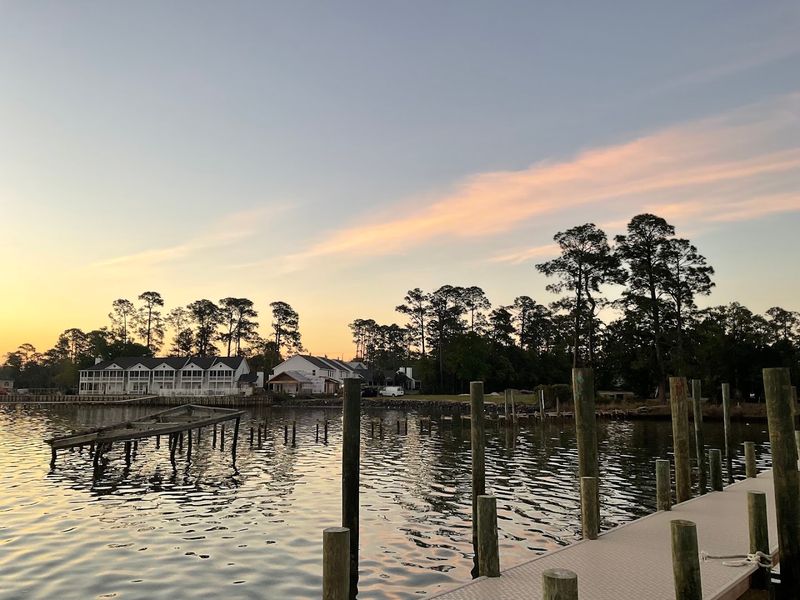
Just imagine for a second a town where the fishing boats never stop running and the restaurants stay packed on a Tuesday night in February.
Orange Beach sits just east of Gulf Shores along the Alabama Gulf Coast, and it carries a slightly more upscale energy than its neighbor. The marina here is one of the busiest on the entire Gulf Coast.
Deep-sea fishing charters leave the docks early every morning, rain or shine. Anglers target red snapper, amberjack, and mahi-mahi depending on the season.
The fishing culture here is deeply rooted and genuinely hard to replicate anywhere else along this stretch.
The Wharf entertainment district brings in concerts, shopping, and waterfront dining that keeps things lively well past sunset.
It sits along the Intracoastal Waterway and gives the town a resort-town feel without losing its coastal character. Boat rentals and dolphin tours are available almost every day of the year.
Orange Beach has seen significant development over the past two decades, with condos and vacation rentals multiplying along the shoreline. Still, the natural beauty holds strong.
Terry Cove and Perdido Pass offer some of the most scenic water views on the Alabama coast.
Fall brings cooler temperatures and fewer road delays, but the restaurants and attractions stay fully open. The town simply does not have an off switch, and honestly, that is a big part of its appeal.
Every season here feels like high season.
3. Dauphin Island
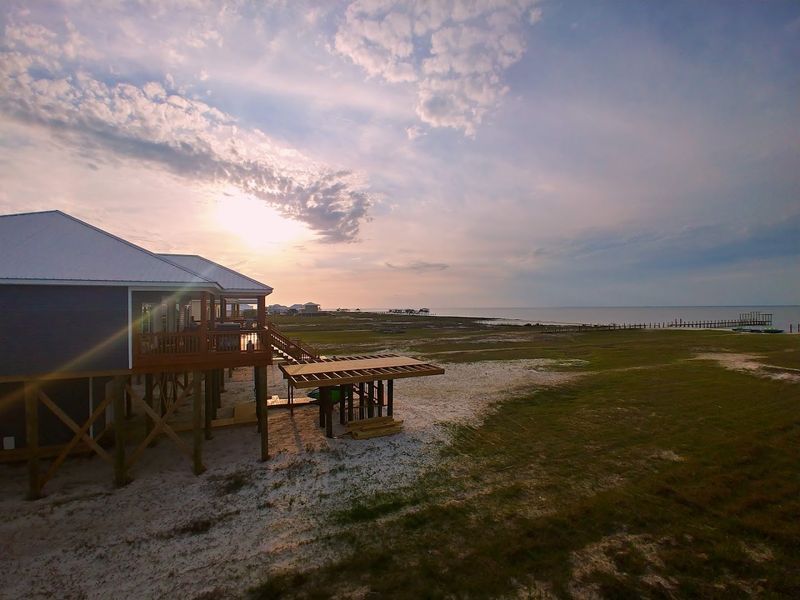
What if a barrier island could be both a serious birding destination and a genuinely beloved beach town at the same time?
Dauphin Island pulls that off with ease. Located at the mouth of Mobile Bay in Mobile County, this small island is connected to the mainland by a long causeway and feels like a world apart.
The Dauphin Island Bird Sanctuary is one of the most important migratory bird stopovers in all of North America. During spring migration, the island can be absolutely covered in warblers, tanagers, and dozens of other species.
Birders plan entire trips around this window of time.
Fort Gaines sits on the eastern tip of the island and dates back to the Civil War era. The fort played a key role in the Battle of Mobile Bay in 1864.
History enthusiasts spend hours exploring the original masonry walls and cannons still in place.
The beach on the western end is quieter than most Gulf Coast shores, with a more natural and undeveloped character. Sea oats line the dunes, and the pace of life slows noticeably once you cross the bridge.
Families return here summer after summer because it never feels overcrowded in the same way bigger beach towns do.
The ferry connecting Dauphin Island to Fort Morgan runs seasonally and offers a scenic shortcut across the bay. It is one of those rides that reminds you just how wide and wild Mobile Bay really is.
4. Fairhope, Mobile Bay
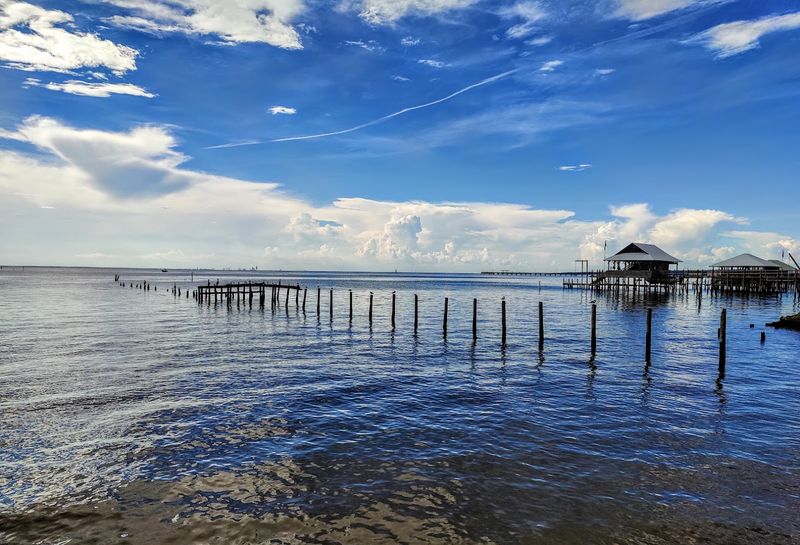
Not every coastal crowd is chasing sand and surf.
Fairhope sits on the eastern shore of Mobile Bay in Baldwin County, and it draws a very particular kind of traveler who wants charm, art, and good food more than beach umbrellas.
The downtown area is genuinely one of the most walkable and beautiful main streets in the entire state.
Boutique shops, art galleries, and independent bookstores line the streets near the bluff. The view from Fairhope Municipal Pier stretches across the bay and is especially stunning at dusk.
Locals and out-of-towners both claim this pier as their favorite evening ritual.
Fairhope was founded in 1894 as a single-tax colony, a utopian experiment in land ownership that still influences how the town manages its property today.
That unusual history gives the town a distinctly progressive and artistic personality. The arts community here is active and deeply embedded in daily life.
The annual Fairhope Arts and Crafts Festival brings thousands of people to town each spring. Hotel rooms and vacation rentals book up months in advance for that weekend.
Even outside of festival season, the restaurants stay busy and the sidewalks stay full.
Rose gardens near the bluff bloom in early spring and draw photographers and casual walkers alike. The combination of bay views, flowering trees, and a lively downtown is a recipe that clearly works.
Fairhope has mastered the art of being perpetually worth the trip.
5. Daphne, Mobile Bay
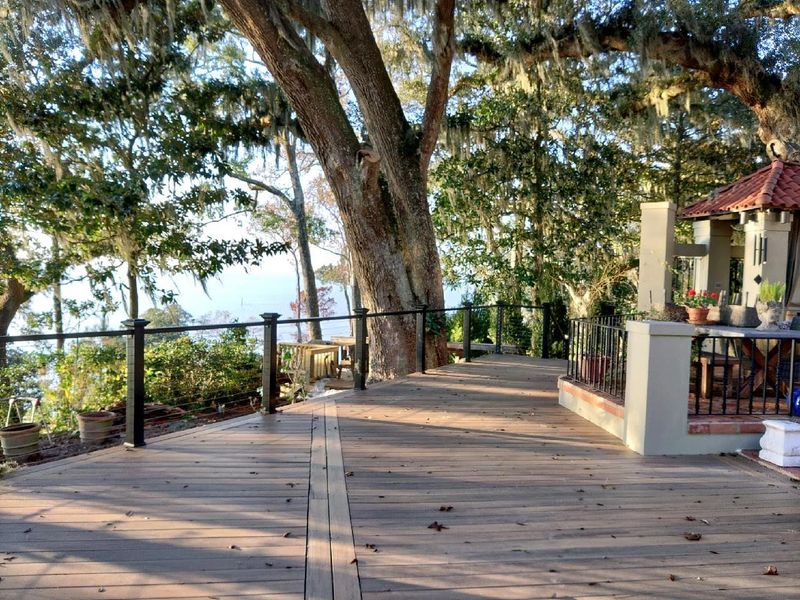
A bayside town that keeps growing faster than almost anywhere else in Alabama and yet somehow still manages to feel genuinely relaxed.
Daphne is located on the eastern shore of Mobile Bay in Baldwin County, and it has become one of the most sought-after communities on the entire bay. The population has roughly doubled over the past two decades.
Bayfront Park offers direct access to Mobile Bay with a fishing pier, pavilion, and sweeping water views that stretch toward Mobile. Pelicans are a constant presence along the shoreline, and great blue herons wade in the shallows with impressive patience.
The sunsets over the bay from this park are consistently remarkable. The town has a strong local dining scene that has grown alongside its population.
Seafood, Southern cooking, and newer farm-to-table concepts all coexist comfortably here. Weekend brunch spots in Daphne now draw people from Mobile and beyond.
Veterans Memorial Park and the nearby nature trail system give outdoor enthusiasts plenty to do between meals.
Kayaking on the bay is popular year-round, especially in the calmer months of fall and spring. The water here tends to be gentler than the open Gulf, which makes it ideal for paddlers of all skill levels.
Schools, new neighborhoods, and retail development keep rolling in, but the bayside character holds firm. Daphne is proof that a town can grow rapidly without completely losing its identity.
The bay keeps it grounded in a way that development alone never could.
6. Spanish Fort, Mobile Bay
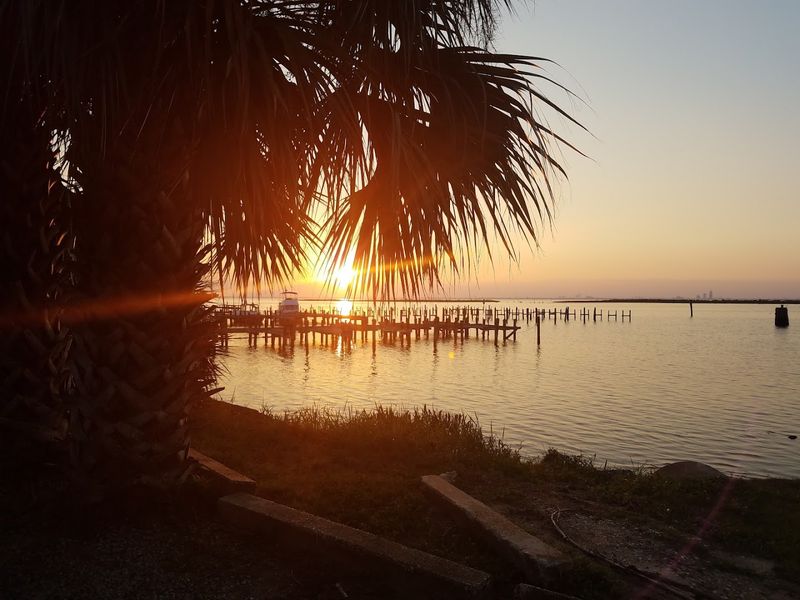
Correct me if I am wrong, but a town named after a fort probably has a story worth knowing.
Spanish Fort sits on the eastern shore of Mobile Bay in Baldwin County, and its name traces back to a fortification built by the Spanish in the late 1700s. The Civil War also left its mark here, with earthworks from the Battle of Spanish Fort still visible in the landscape.
Historic Blakeley State Park preserves one of the last major battlefields of the Civil War and sits just north of town.
The park covers thousands of acres of forested land with hiking trails, cypress swamps, and a remarkably quiet atmosphere. It is one of the most underappreciated history sites in the entire state.
Despite its historical roots, Spanish Fort today functions largely as a thriving residential and commercial community. Eastern Shore Centre is a major outdoor shopping destination that pulls shoppers from across the region.
Traffic on the Causeway connecting Spanish Fort to Mobile can get congested during peak hours, which tells you something about how many people pass through.
The town sits at the northern end of the Tensaw River Delta, one of the largest river deltas in North America.
Fishing, kayaking, and wildlife watching in the delta attract serious outdoor enthusiasts throughout the year. Alligators, bald eagles, and wood ducks are all regular sightings in the surrounding wetlands.
Spanish Fort balances suburban convenience with genuine natural and historical depth. That combination keeps drawing people in, season after season, without any signs of slowing down.
7. Foley
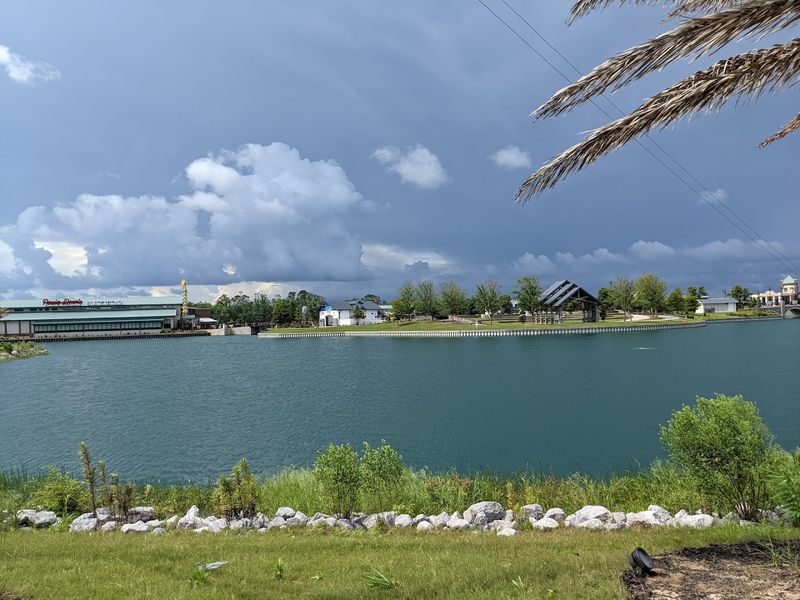
Foley is in Baldwin County, just inland from Gulf Shores, and it has quietly become one of the busiest retail and entertainment hubs on the entire Alabama Gulf Coast. The town pulls in traffic from the coast constantly, all year long.
OWA Parks and Resort is one of the most ambitious entertainment developments in recent Alabama history.
It includes a theme park, waterpark, hotel, and a walkable district of shops and restaurants. Families staying at the beach often make a day trip here, especially when the weather turns cloudy.
The Tanger Outlets in Foley are among the most visited outlet centers in the Southeast. Shoppers come from several states away to hit the stores, and the parking lots are rarely empty.
Retail tourism is a real and significant part of what keeps Foley humming.
The Alabama Gulf Coast Zoo relocated to a larger property in Foley and now gives visitors a much more expansive animal experience. Big cats, primates, and reptiles are among the residents.
It is a surprisingly strong zoo for a town of this size.
Foley also hosts a busy calendar of events, from car shows to food festivals, that fill weekends throughout the year.
The Graham Creek Nature Preserve offers hiking and kayaking just minutes from the retail corridors. Foley proves that a town does not need to be on the water to stay perpetually busy.
8. Bayou La Batre, Alabama
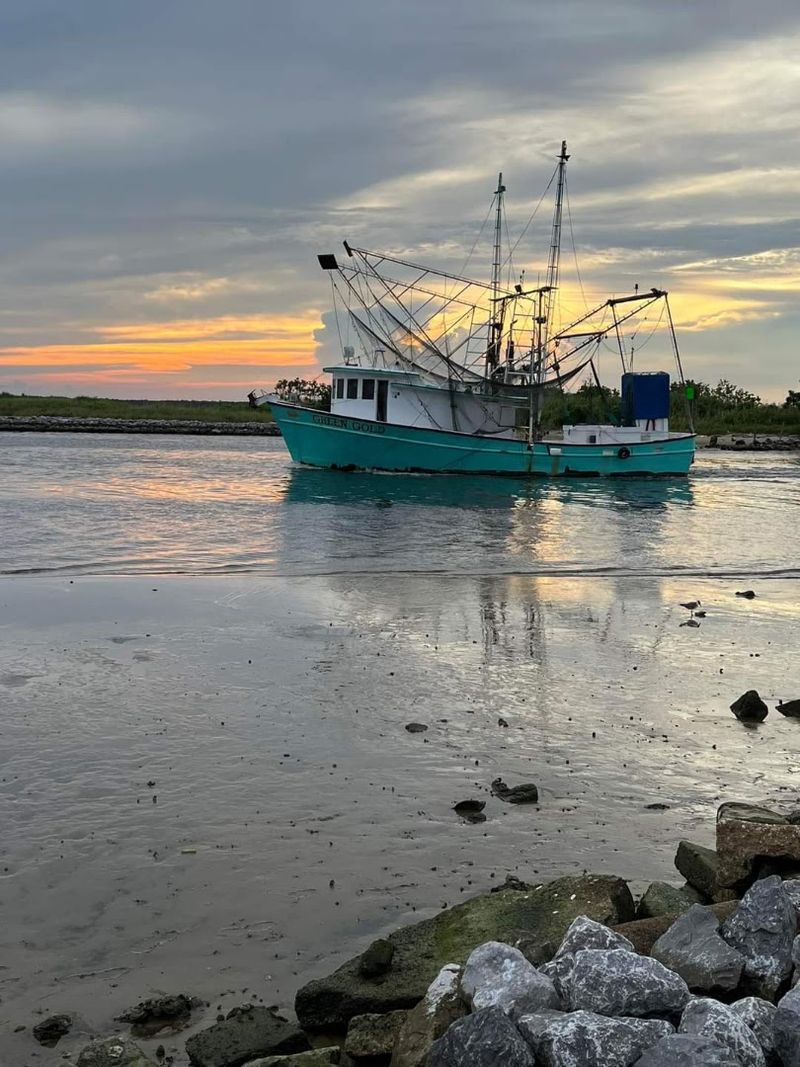
This is not a beach resort town, and it has no interest in being one.
Bayou La Batre sits along the bayou of the same name in Mobile County, and it is widely known as the Seafood Capital of Alabama.
The town is a working fishing village in every sense of the phrase, with shrimp boats, oyster processing plants, and boatyards defining the landscape.
The commercial fishing industry here dates back well over a century. Generations of families have worked the waters of the Gulf from this port.
The boats that leave this bayou supply seafood to restaurants and markets across the country.
Bayou La Batre also has a significant Vietnamese and Cambodian community that settled here decades ago and became deeply woven into the fishing industry.
The cultural diversity of this small town is genuinely surprising and enriching. Local restaurants reflect that blend of Southern Gulf Coast and Southeast Asian culinary traditions.
The town was heavily impacted by Hurricane Katrina in 2005 and has shown remarkable resilience in the years since. Community rebuilding efforts transformed not just the infrastructure but also the spirit of the place.
The waterfront area has been improved with public access points and a small park near the water.
Pelicans circle the docks, the air carries the unmistakable scent of the working waterfront, and the pace of life here is dictated by tides and seasons rather than tourist calendars.
9. Mobile
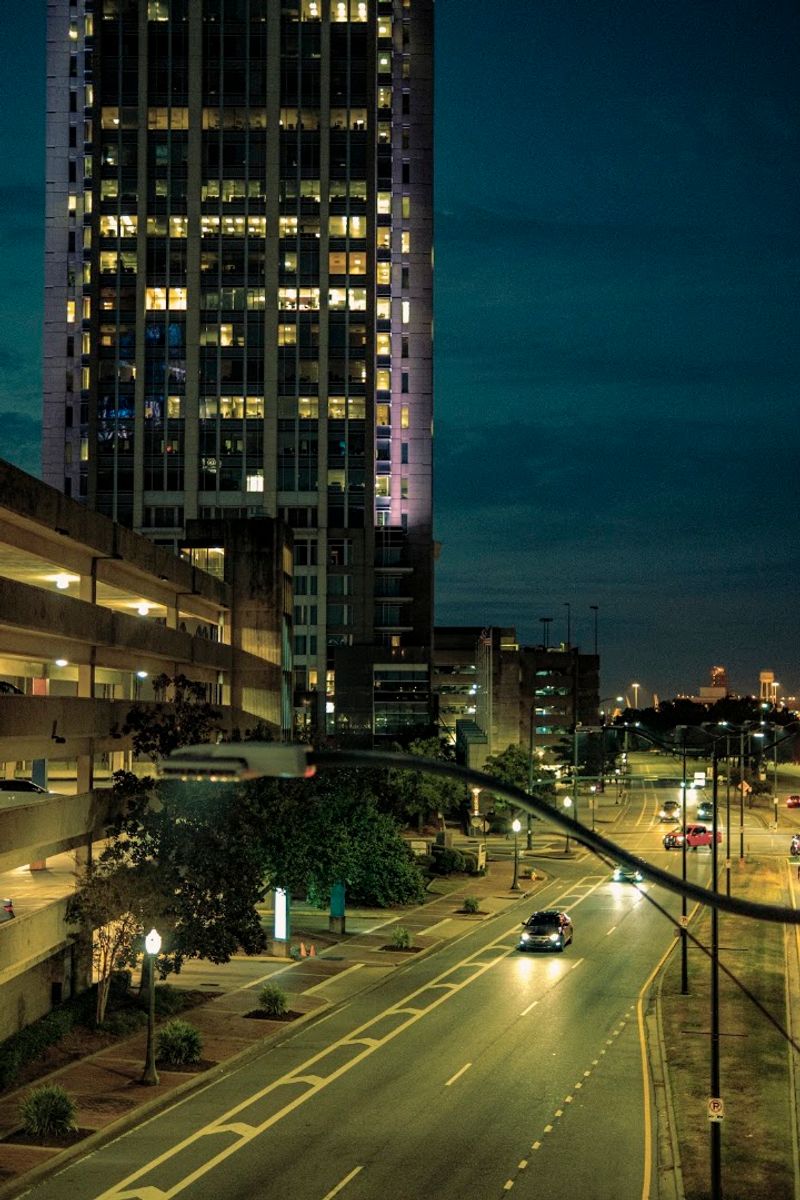
I am still trying to wrap my head around the fact that one of the oldest cities in the entire country also happens to be one of the most consistently busy port cities on the Gulf Coast.
Mobile sits at the northern tip of Mobile Bay in Mobile County, and it carries more than 300 years of history in its streets, buildings, and waterways.
Founded by French colonists in 1702, it predates both New Orleans and many other famous Southern cities.
The Port of Mobile is one of the largest and most active ports in the United States. Container ships, bulk carriers, and barges move through the bay constantly.
The port drives enormous economic activity and gives Mobile a working, industrial energy that most tourist towns simply do not have.
Downtown Mobile has a walkable historic district with antebellum architecture, iron-lace balconies, and oak-lined streets draped in Spanish moss.
Cathedral Square and the surrounding blocks have a distinctly old-world character. The Mobile Carnival Museum tells the story of Mardi Gras celebrations that actually predate those in New Orleans.
Mobile hosts one of the oldest Mardi Gras celebrations in North America, and the parades and festivities draw enormous crowds every winter.
The azalea trails bloom in early spring and transform the city into something almost impossibly beautiful. USS Alabama Battleship Memorial Park sits right on the Mobile waterfront and draws history enthusiasts year-round.
Mobile is a city that rewards curiosity. The deeper you look, the more layers you find beneath its busy, port-town surface.