This Historic Hawaii Coffee Farm Has Been Growing Kona Beans Since 1850
Your morning cup has a backstory, and this one runs deep. On the slopes of Hawaii, a coffee farm has been doing the same thing for generations.
Growing Kona beans the slow, stubborn, old-fashioned way. The volcanic soil does half the work.
The steady mountain mist handles the rest.
Families here have picked these cherries by hand for well over a century. That is not marketing, that is muscle memory.
You can taste the patience in every cup.
Nothing about this process is rushed, and it shows. The beans ripen at their own unhurried pace.
Each harvest carries the same care as the last. This is coffee treated like a craft, not a commodity.
You sip it and suddenly understand the fuss. History, land, and flavor all in one warm mug.
So bring your curiosity and maybe an empty thermos. Hawaii has been perfecting this cup for lifetimes.
Where It All Began
Greenwell Farms has been growing Kona coffee since 1850, and somehow it still feels like a family operation rather than a tourist attraction.
Henry Nicholas Greenwell arrived in Hawaii in the mid-1800s and started something that would outlast nearly everything around it.
The farm sits on the slopes of Hualalai volcano, which gives the soil a rich, volcanic composition that coffee plants absolutely thrive in.
That specific combination of elevation, moisture, and mineral-rich earth is what makes Kona coffee so distinct from anything grown elsewhere.
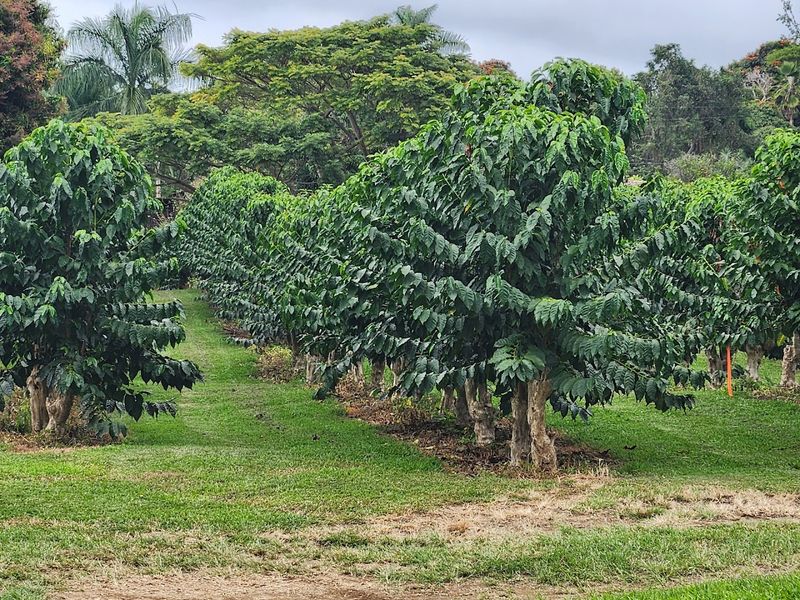
Walking through the property, you notice how old some of the trees actually are. These are not decorative plants.
They are working trees, producing fruit that gets processed, roasted, and sold to people who take their morning cup seriously.
The history here at 81-6581 Mamalahoa Hwy, Kealakekua, Hawaii, is not displayed behind glass. It grows right outside your feet.
The Kona Coffee Belt And Why Location Is Everything
Not all Hawaiian coffee is Kona coffee. That distinction matters enormously to farmers, roasters, and anyone who has tasted the difference side by side.
The Kona Coffee Belt is a narrow strip of land running along the western slopes of Mauna Loa and Hualalai on the Big Island.
The belt sits between roughly 800 and 2,500 feet in elevation. Mornings are sunny and warm, afternoons bring clouds and light rain, and evenings cool down just enough to slow the ripening process.
That rhythm, day after day, is what develops the complex flavor Kona coffee is known for.
Greenwell Farms sits right in the heart of this belt. The farm benefits from the same conditions that have made this region famous for over 170 years.
You cannot replicate this geography anywhere else on Earth, which is why genuine Kona coffee commands a premium price and why imitation blends are a genuine frustration for real producers.
Free Farm Tours That Teach You Something
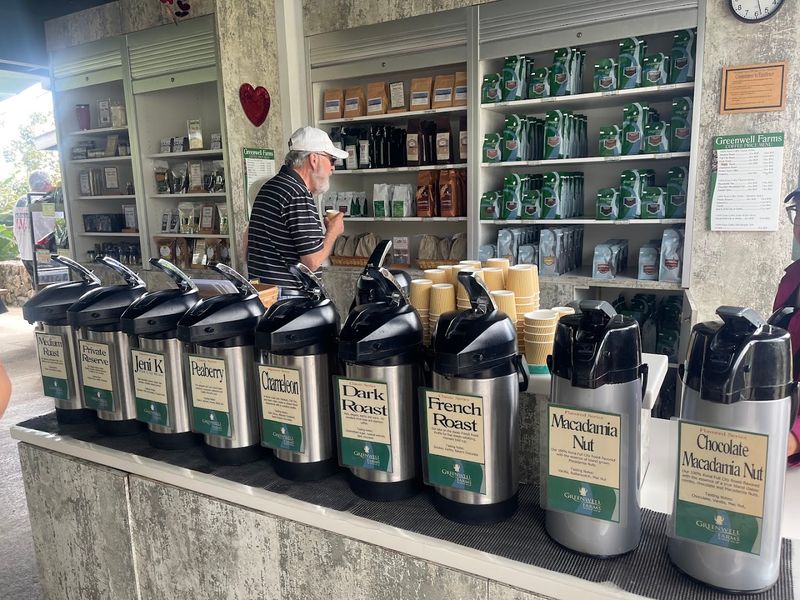
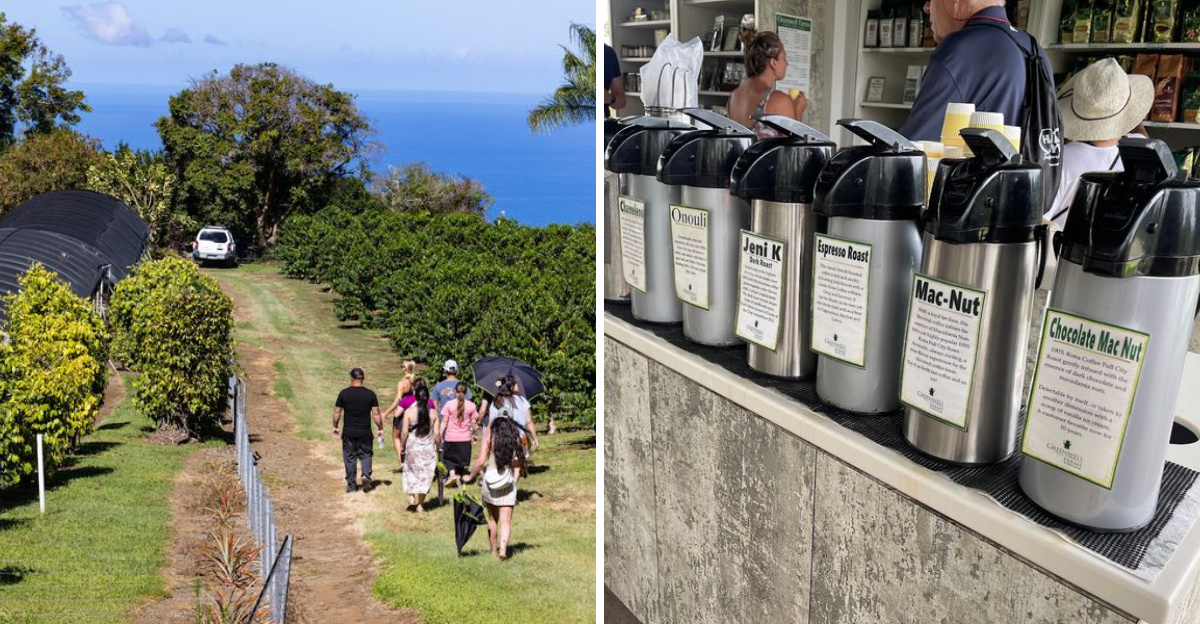
Most farm tours feel like slow walks with someone reading from a brochure. The tours at Greenwell Farms are genuinely informative, and they are free, which makes the whole experience feel even more generous.
Guides walk you through the entire process from tree to cup.
You get to see coffee cherries at different stages of ripeness, learn how they are picked by hand, and understand what happens during processing.
The farm uses both wet and dry processing methods, and the guides explain the difference in plain language that actually sticks with you.
One detail that surprised me was learning how long it takes a coffee plant to produce its first real harvest. Three to four years of growth before a single cherry is picked for commercial use.
That kind of patience is baked into everything Greenwell Farms does, and it shows in the final product. By the end of the tour, you see your morning coffee completely differently.
The Labor That Makes Kona Special
Every single Kona coffee cherry at Greenwell Farms is picked by hand. That is not a marketing tagline.
It is a practical necessity driven by the terrain, the plant biology, and the commitment to quality that has defined this farm for generations.
Coffee cherries do not ripen all at once. On a single branch, you might find green, yellow, and bright red cherries at the same time.
Machines cannot sort that.
Only human hands can selectively pick the cherries at peak ripeness, which is why harvest season requires significant labor and careful attention.
The picking season on the Big Island generally runs from August through January. During that stretch, the farm operates at full intensity.
Experienced pickers can harvest several hundred pounds of coffee cherries in a day, though it takes roughly ten pounds of cherries to produce just one pound of roasted coffee.
That math alone explains why quality Kona coffee is priced the way it is.
Where The Real Education Happens
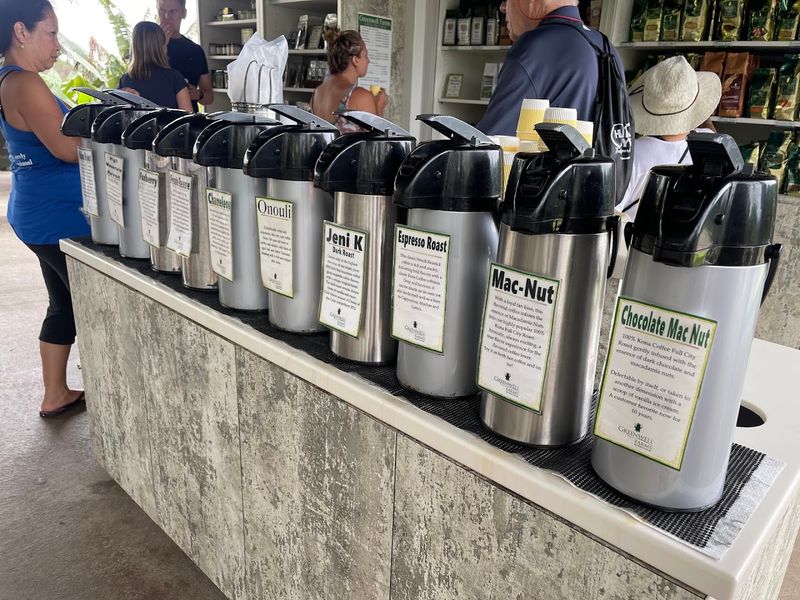
If the farm tour is the classroom, the tasting room is the exam, and it is the kind of exam everyone passes happily.
Greenwell Farms offers complimentary tastings of their different roast levels, and the variation between them is more dramatic than most people expect.
A light roast brings out the natural brightness of the bean, with floral and fruit notes that are specific to Kona. A medium roast balances those flavors with more body and warmth.
A dark roast leans into rich, chocolatey depth. Tasting them back to back is a genuinely eye-opening experience for anyone who thought coffee was just coffee.
The staff in the tasting room are knowledgeable without being pretentious about it. They answer questions with real enthusiasm and help you figure out which roast matches your personal taste.
I left with two bags and a much clearer understanding of what I actually prefer. That kind of practical, low-pressure education is rare and worth seeking out.
Understanding The Label Before You Buy
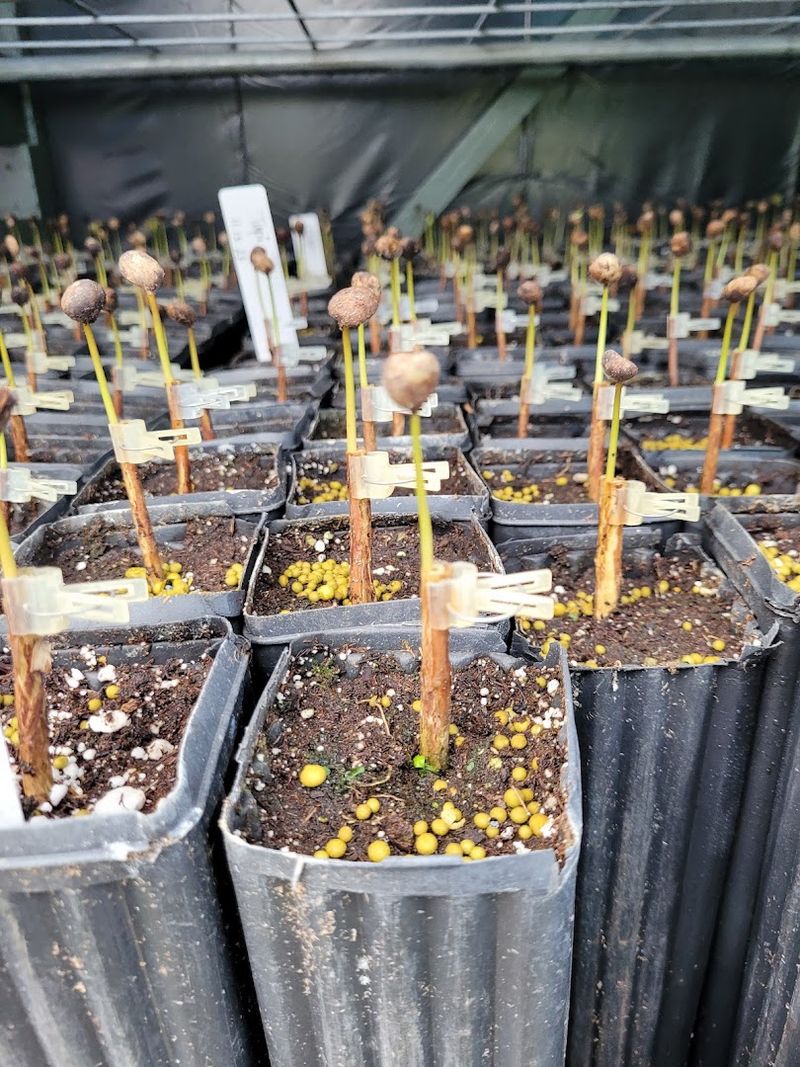
Here is something worth knowing before you shop for Kona coffee anywhere on the island. Hawaii law allows products labeled as Kona blends to contain as little as ten percent actual Kona coffee.
The remaining ninety percent can be beans from anywhere in the world.
Greenwell Farms produces only 100% Kona coffee. Every bag sold under their label contains beans grown entirely on their land and processed on site.
That distinction is significant, both for flavor and for supporting the farmers who actually grow the real thing.
When you buy directly from the farm, you also get transparency about the process. You have just seen the trees, met the team, and watched how the product is made.
That kind of supply chain clarity is hard to find in most industries, let alone in the competitive specialty coffee market.
Buying 100% Kona directly from a farm like Greenwell is genuinely one of the most straightforward ways to ensure quality.
The Processing Mill And What Happens After The Pick
Picking the cherry is only the beginning. What happens next in the processing mill determines just as much of the final flavor as the soil and climate ever could.
Greenwell Farms handles everything on site, which keeps quality control entirely in their hands.
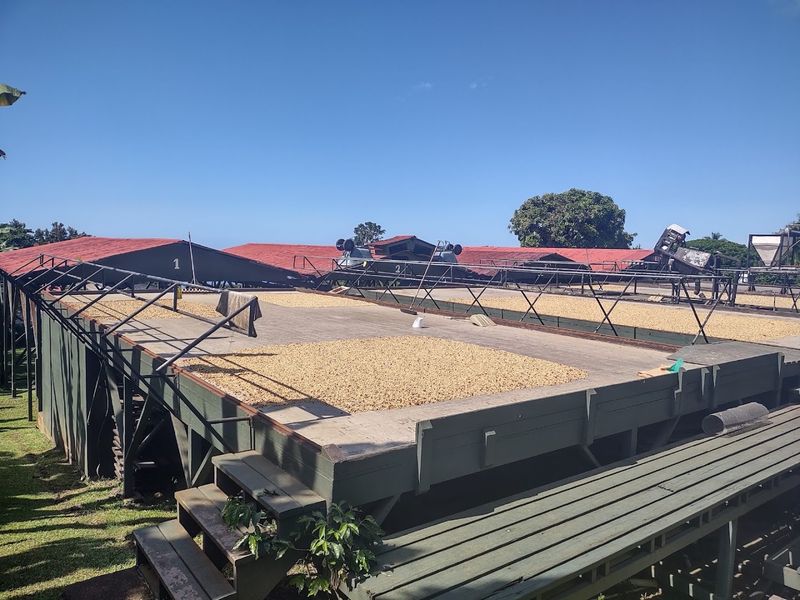
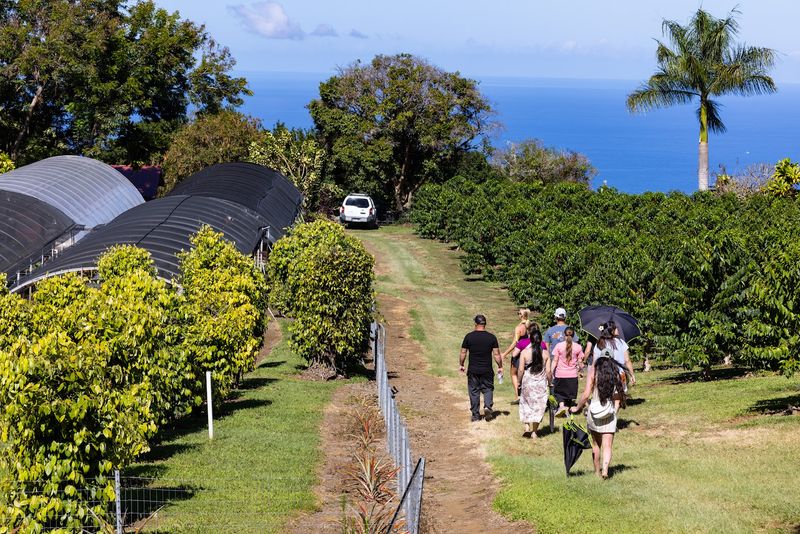
After picking, the outer fruit of the cherry is removed through a process called pulping. The beans are then either washed and fermented to remove the remaining mucilage, or dried whole in the sun on raised beds.
Each method produces a noticeably different flavor profile in the finished cup.
The drying stage requires careful monitoring. Beans dried too quickly or unevenly can develop off-flavors that ruin an otherwise excellent batch.
The team at Greenwell Farms has refined this process over many decades, and the consistency of their product reflects that accumulated knowledge.
Watching the mill operate during a tour gives you a real appreciation for how much skill goes into a bag of coffee that most people open without a second thought.
Why This Farm Is Worth The Drive
The Big Island is large, and getting anywhere takes longer than a map suggests.
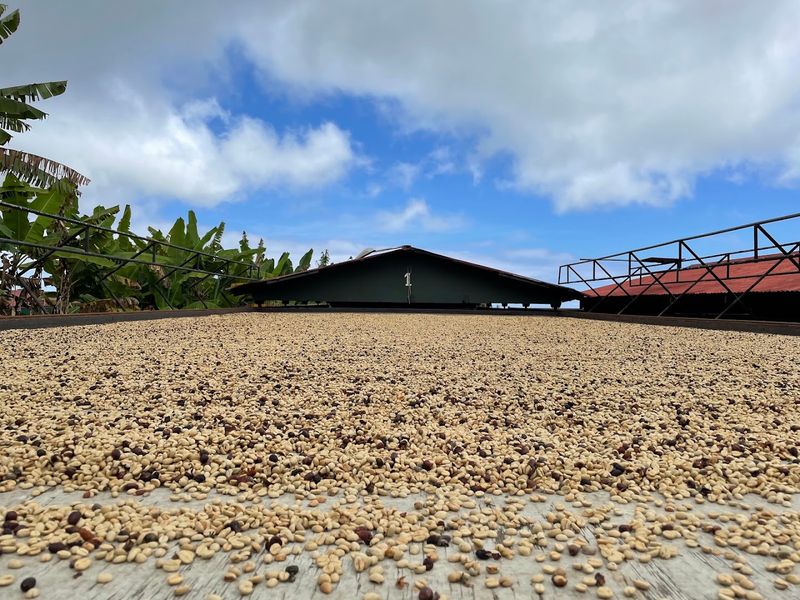
Mamalahoa Highway is a winding, scenic route that rewards the drive with views that remind you exactly why people move to Hawaii and never quite leave. Greenwell Farms is a genuinely satisfying destination on that road.
The combination of a free tour, free tasting, and direct access to exceptional coffee makes this one of the most rewarding stops on the island for anyone who appreciates craft and history in equal measure.
There is no pressure to buy, though most people do.
What stays with you after visiting is not just the coffee. It is the understanding that some things take time to get right, and that 170-plus years of doing one thing well produces something that shortcuts simply cannot replicate.
If you have even a passing interest in where your food and drink come from, this farm answers that curiosity in the most satisfying way possible. Plan for at least an hour, and bring a cooler for the ride home.