10 Towns In Pennsylvania That Feel Like A Film Set
Pennsylvania has a habit of surprising you when you least expect it. You turn a corner and suddenly the whole street looks like a movie waiting for its close-up.
Cobblestone lanes, storefronts frozen in another era, and light that seems almost staged. You half expect a director to yell action.
These towns carry that rare cinematic charm without even trying.
Main streets look like sets built for a period drama, and the scenery does a lot of heavy lifting on its own. You could snap a photo anywhere and it would look intentional.
Some places give off romantic comedy energy, others feel like a moody thriller. Either way, the atmosphere pulls you right in.
You will want to slow down and let the scenes unfold around you.
So grab your camera and maybe a good playlist. These Pennsylvania towns are ready for their spotlight, and you get the best seat.
1. Jim Thorpe
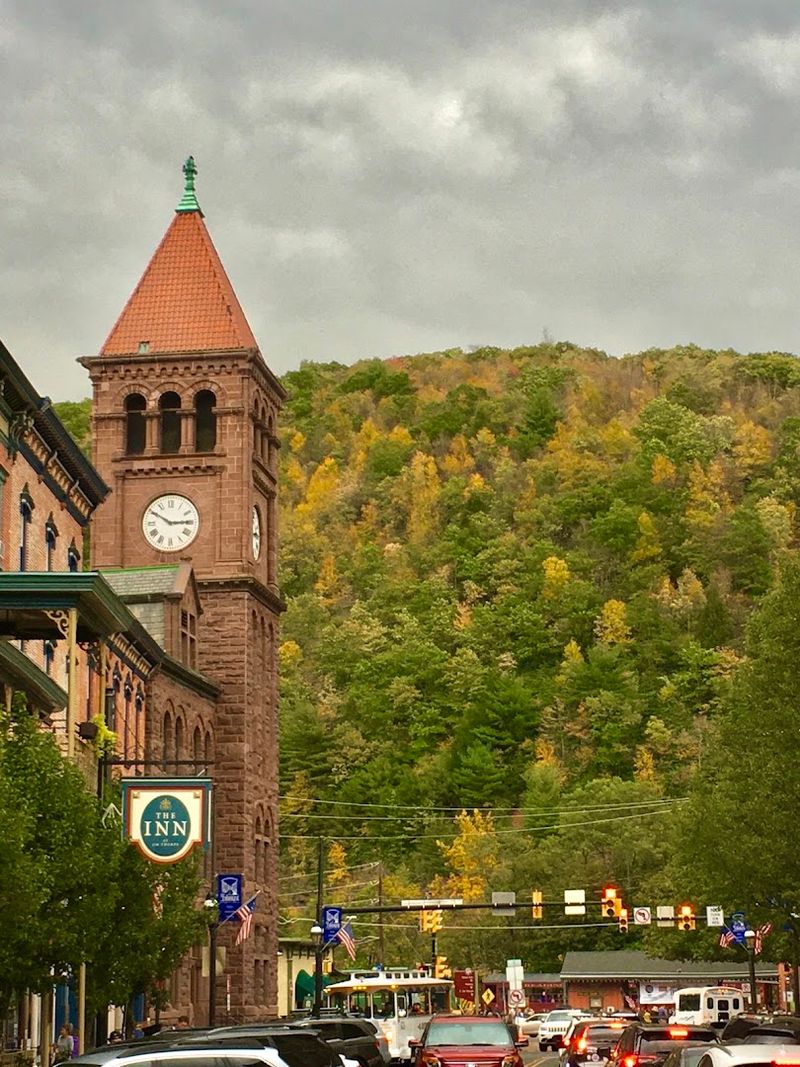
Perched dramatically in the Lehigh Gorge, Jim Thorpe looks like someone lifted a European village and dropped it into the Pennsylvania mountains.
The narrow streets wind uphill past Victorian row houses painted in bold, jewel-toned colors that practically glow on a cloudy afternoon. It is the kind of town that makes you stop mid-stride just to look around.
The Asa Packer Mansion at 1 Packer Hill Road sits frozen in time, full of original furniture and stories that feel stranger than fiction.
The whole town earned the nickname “the Switzerland of America,” and honestly, the comparison holds up. The surrounding ridgelines frame every street like a painted backdrop.
Fall is the most dramatic season here, when the foliage turns the gorge into a riot of orange and gold. Boutique shops and cozy cafes line Broadway, making it easy to spend a full day without a plan.
Jim Thorpe rewards slow walkers and curious minds equally. Come with comfortable shoes and zero schedule, because this place has a way of stretching time in the best possible sense.
2. Lititz
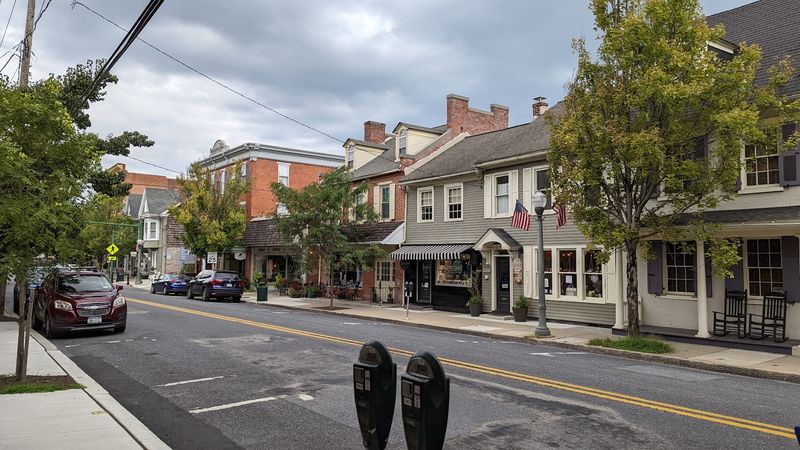
This town is the kind of town that makes you wonder why you have never heard of it sooner. Repeatedly voted one of the coolest small towns in America, it sits in Lancaster County with the quiet confidence of a place that knows exactly what it is.
The main drag, East Main Street, is lined with 18th-century buildings that have been kept in remarkable shape.
Founded by Moravian settlers in 1756, the town has a deep, specific history that shows in its architecture and layout.
Lititz Springs Park, right in the center of town, feels like a scene from a storybook with its clear creek and shaded paths. Kids splash around there in summer while adults browse the independent shops nearby.
The Julius Sturgis Pretzel Bakery at 219 East Main Street is the oldest pretzel bakery in the country, and yes, you can twist your own.
The chocolate scene here is equally serious, with Wilbur Chocolate drawing visitors who take their cocoa very personally. Lititz moves at a gentle pace that feels almost rebellious by modern standards.
Spend a Saturday here and you will leave wondering why every town cannot be this good.
3. New Hope
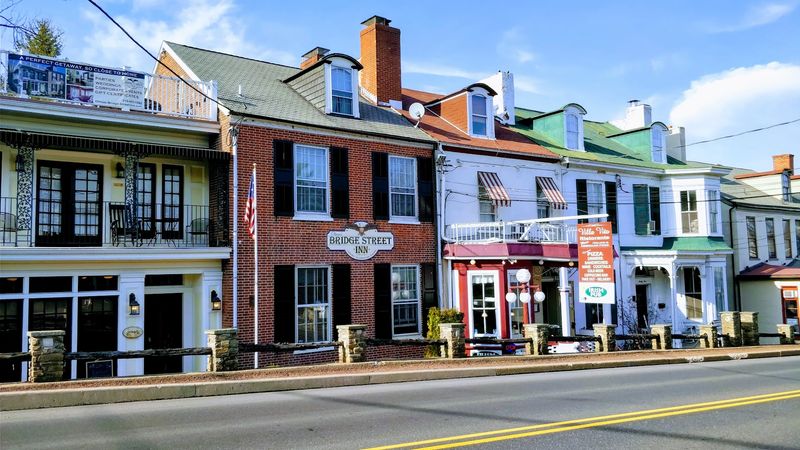
New Hope sits on the Delaware River like it was designed by a set decorator with a serious eye for detail.
The streets are narrow and busy in the best way, packed with art galleries, independent boutiques, and restaurants that spill onto sidewalks in warmer months.
It has been a magnet for artists since the early 20th century, and that creative energy is still very much alive.
The New Hope and Ivyland Railroad still runs scenic excursions from its station on West Bridge Street, which is the kind of old-fashioned detail that makes the whole town feel cinematic.
The canal towpath runs alongside the Delaware, offering a peaceful walk that contrasts nicely with the lively main streets. History and personality are layered into every block here.
Peddler’s Village, just a short drive away in Lahaska, adds another dimension with its garden-style shopping and seasonal festivals.
Back in town, Bucks County Playhouse at 70 South Main Street has been staging productions since 1939. New Hope rewards the curious visitor who wanders without a rigid plan.
Every alley seems to lead somewhere worth discovering, and the river view never gets old no matter how many times you see it.
4. Wellsboro
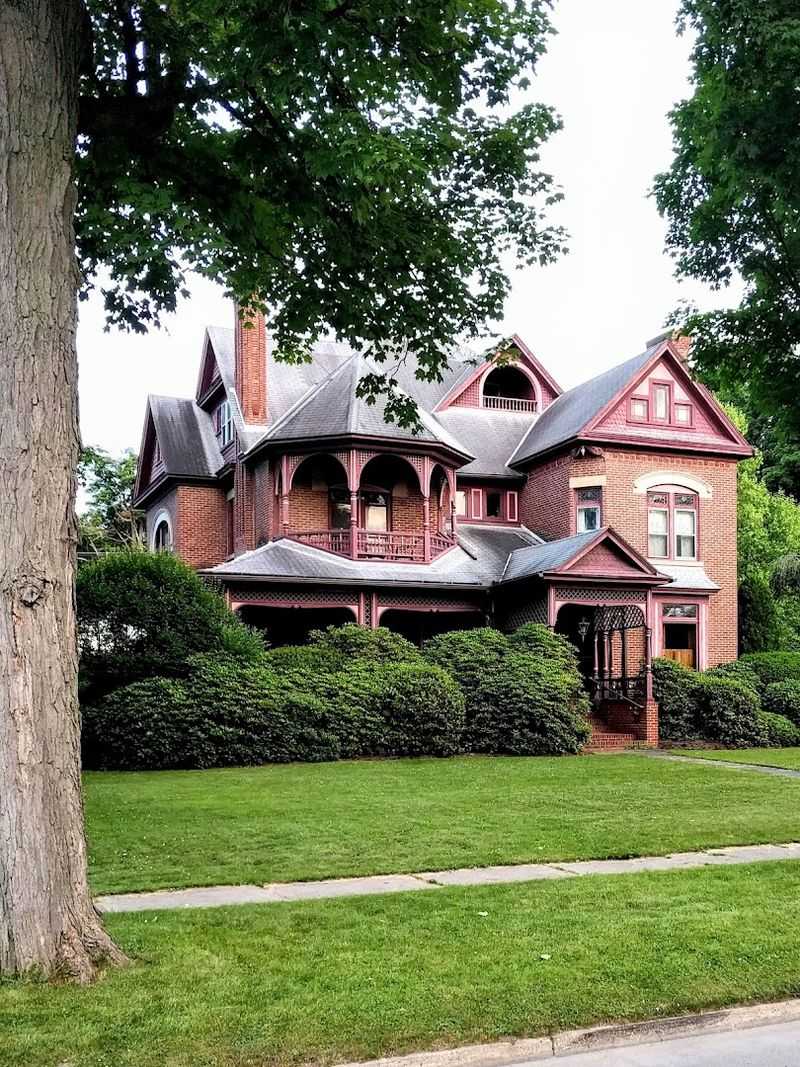
It is one of those places that genuinely earns the word timeless without being dusty about it.
The main street is still lit by authentic gas lamps, which gives the whole town a warm, amber glow at dusk that feels pulled straight from a period film.
It sits in Tioga County, right on the edge of Pennsylvania’s Grand Canyon, which already sounds like the premise of a great adventure story.
Pennsylvania’s Grand Canyon, Pine Creek Gorge, drops nearly 1,500 feet and stretches for 47 miles just outside of town. That natural backdrop makes Wellsboro feel both cozy and epic at the same time, which is a rare combination.
The town itself has a classic, well-preserved downtown with a fountain, a diner, and an old-fashioned movie theater.
The Tioga County Courthouse and the surrounding architecture give the whole area a Norman Rockwell quality that feels genuine rather than manufactured.
The Wellsboro Diner at 19 Main Street serves up generous breakfasts that fuel hikers heading to the canyon trails.
Spring and fall are peak seasons here, though the snowy winters have their own quiet drama. Wellsboro proves that small-town charm and genuine natural wonder can absolutely share the same zip code.
5. Bellefonte
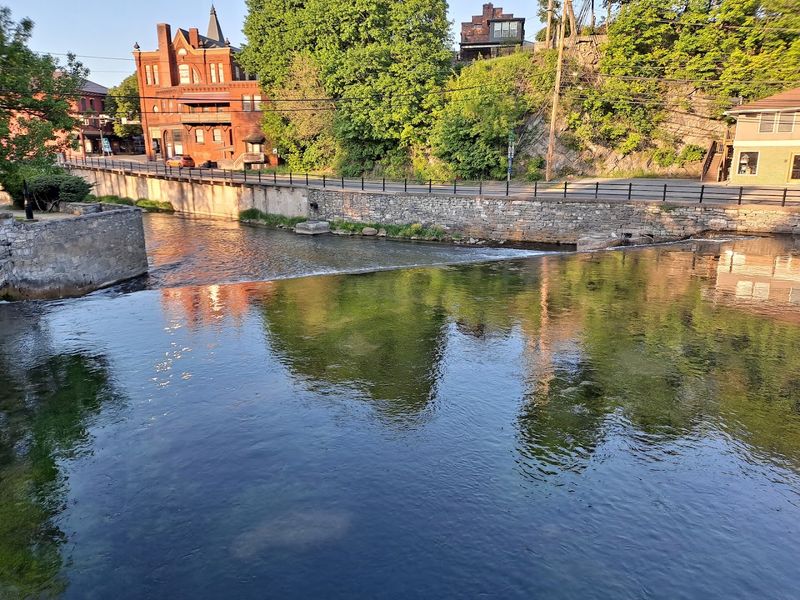
Walking through Bellefonte feels like a very well-illustrated history book.
The limestone buildings are striking, the streets are wide, and Spring Creek runs right through town with a clarity that seems almost impossible for a body of water this close to a busy area.
It is the seat of Centre County and carries that role with obvious pride.
The town produced eight Pennsylvania governors, which gives it a political pedigree that most small towns can only dream about.
That history is baked into the architecture, the public spaces, and the general attitude of the place. The Brockerhoff House at 100 West High Street is one of the most photographed buildings in town, and for good reason.
Spring Creek is legendary among fly fishing enthusiasts, drawing anglers from across the country who come specifically for its wild brown trout.
The farmers market and seasonal festivals keep the downtown energized throughout the year. Bellefonte rewards visitors who slow down and actually read the historical markers, because almost every block has a story worth knowing.
The combination of natural beauty and architectural richness makes this one of Pennsylvania’s most underappreciated towns.
6. Gettysburg
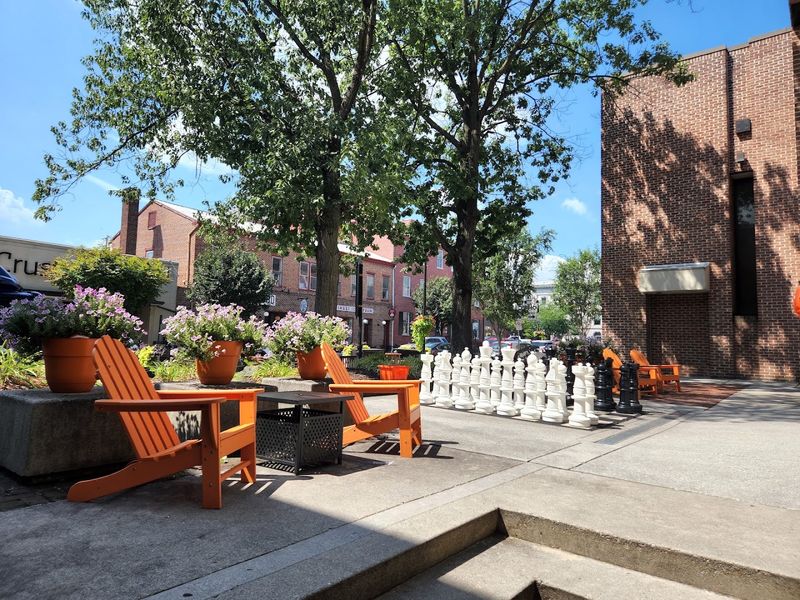
Gettysburg carries a weight that you feel the moment you arrive, and that weight is not gloomy. It is profound, specific, and oddly beautiful in the way that only deeply significant places can be.
The battlefield stretches across 6,000 acres of preserved land that looks remarkably similar to how it appeared in July of 1863, which is both remarkable and moving.
The town itself has a well-preserved 19th-century downtown where the shops and restaurants sit alongside monuments and museums in an unusual but effective mix.
The Gettysburg National Military Park Museum and Visitor Center on Baltimore Pike is a genuinely excellent starting point before exploring the fields. The landscape here tells a story without a single word.
Seminary Ridge, Little Round Top, and Devil’s Den are just a few of the named landmarks that give the battlefield its dramatic geography.
Film crews have used this area repeatedly, and it is easy to see why because every hilltop and tree line looks like it was composed deliberately.
The Dobbin House Tavern at 89 Steinwehr Avenue is the oldest standing structure in town, built in 1776. Gettysburg is not just a history lesson.
It is one of the most visually powerful places in the entire country.
7. Milford
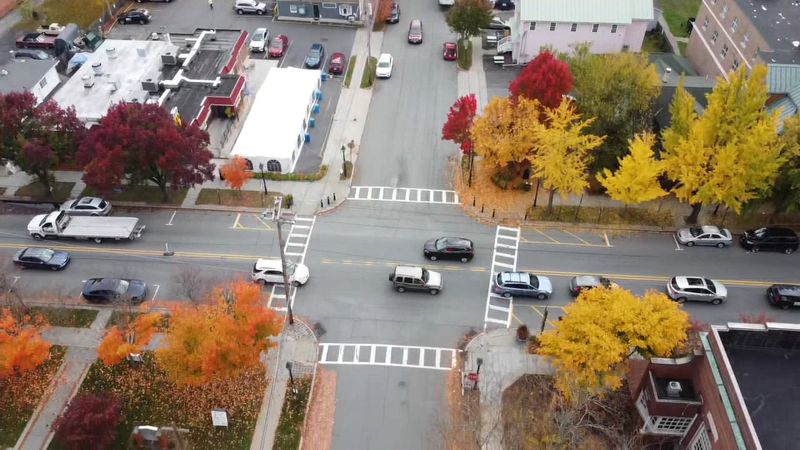
Milford sits in Pike County like a well-kept secret that the rest of Pennsylvania has not fully caught onto yet. The town has a distinct Victorian character, with ornate storefronts and wide streets that give it a spacious, unhurried feel.
The Delaware River runs nearby, and the surrounding forests make the whole area feel like the opening scene of a film you immediately want to keep watching.
The Grey Towers National Historic Landmark at 151 Grey Towers Drive was the home of Gifford Pinchot, the first chief of the U.S. Forest Service and a two-time Pennsylvania governor.
The mansion and its grounds are open to visitors and offer a glimpse into a fascinating chapter of American conservation history. It is one of those places that surprises you with how much story it holds.
Milford’s downtown has a strong independent spirit, with bookshops, cafes, and art spaces that feel curated without being pretentious.
The annual Black Bear Film Festival brings filmmakers and cinephiles to town every fall, which feels perfectly appropriate given how cinematic the whole place already looks.
The Columns Museum at 608 Broad Street adds another layer of local history worth exploring. Milford is the kind of town that grows on you quietly and stays with you long after you leave.
8. Phoenixville
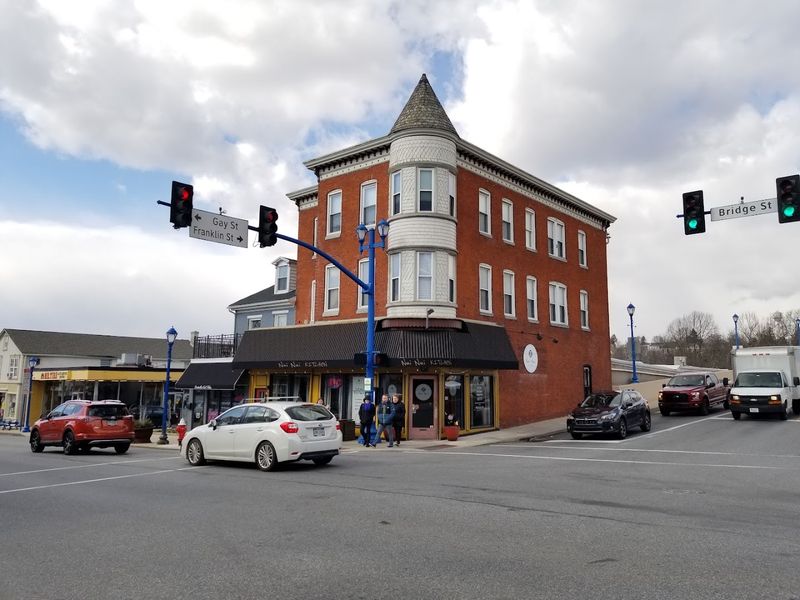
It used to be a steel town, and you can still feel that industrial backbone in the brick buildings and the wide, no-nonsense layout of Bridge Street. What happened next is the interesting part.
The town reinvented itself into one of the most vibrant small cities in southeastern Pennsylvania, with a food scene, arts community, and creative energy that genuinely surprises first-time visitors.
The Colonial Theatre at 227 Bridge Street is a beautifully restored 1903 movie palace that famously appeared in the 1958 science fiction film “The Blob.”
Every year the town celebrates Blobfest, a festival honoring that campy classic with screenings, street performances, and a running-out-of-the-theater reenactment that draws thousands of enthusiastic participants.
It is exactly as fun as it sounds.
The murals along Bridge Street add color and storytelling to a streetscape that already has great bones. The farmers market, the independent restaurants, and the craft scene give Phoenixville a community feel that is hard to fake.
French Creek State Park is just minutes away for anyone who needs trees and trails after exploring downtown.
Phoenixville is proof that a town can honor its past and build something genuinely exciting at the same time, and it does both with real style.
9. Doylestown
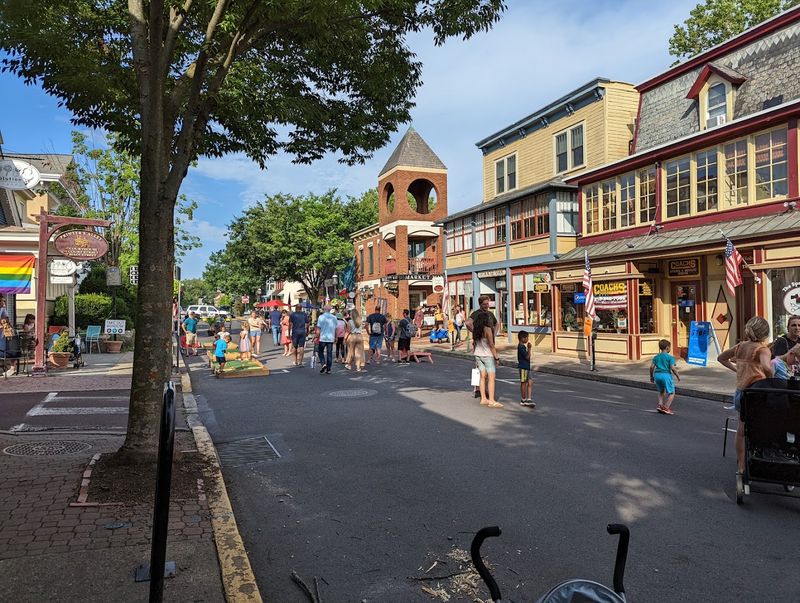
Doylestown is the kind of county seat that makes you question every other county seat you have ever visited.
The downtown is walkable, architecturally interesting, and full of independent shops and restaurants that have clearly been chosen with care.
Bucks County’s cultural heart beats strongest here, and it is a confident, unhurried beat that suits the place perfectly.
Henry Mercer, an eccentric archaeologist and tile maker, left Doylestown three concrete castles that are among the most unusual structures in Pennsylvania.
Fonthill Castle at East Court Street and Swamp Road, the Mercer Museum, and the Moravian Pottery and Tile Works all sit within easy walking or driving distance of each other.
They look genuinely surreal against the Pennsylvania sky, like props from a fantasy film that never got made.
The James A. Michener Art Museum at 138 South Pine Street is another cultural anchor, housed in a beautifully converted 19th-century building.
Doylestown Borough has a literary tradition too, with Pearl S. Buck’s home just outside of town adding to the area’s creative legacy.
The restaurant scene on State Street and Main Street is strong enough to justify a dedicated food trip. Doylestown rewards repeat visits because there is always something new to notice tucked between the familiar favorites.
10. Ligonier
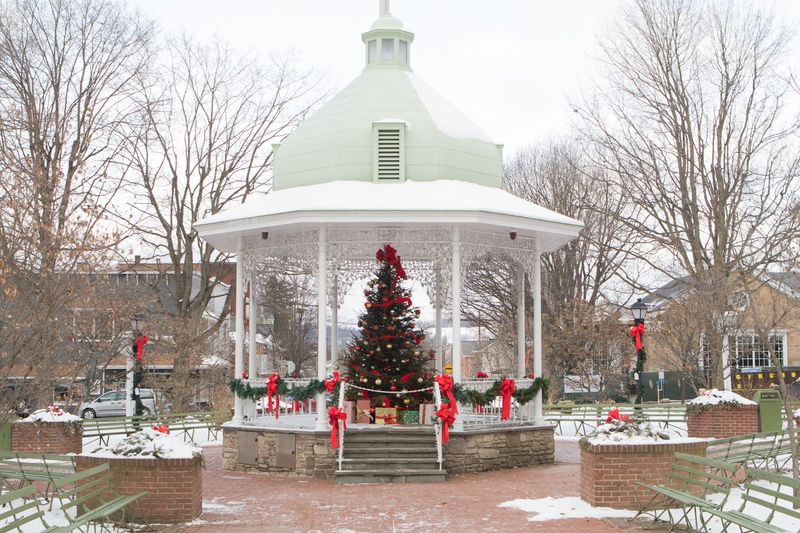
Ligonier is built around a diamond, which is the Pennsylvania term for a town square, and this one is genuinely one of the prettiest in the state.
A white gazebo anchors the green space at the center, and the surrounding storefronts have been kept in excellent condition without feeling artificially polished.
The whole scene looks like a movie production designer’s ideal version of a small American town.
Fort Ligonier at 200 South Market Street is a fully reconstructed French and Indian War fort that sits right on the edge of downtown.
The museum there is surprisingly thorough and engaging, with artifacts and exhibits that bring an often-overlooked chapter of American history into sharp focus.
The fort’s location makes it feel like two worlds occupying the same space, which is part of what makes Ligonier so visually compelling.
The surrounding Laurel Highlands region adds dramatic natural scenery to an already photogenic town, with Fallingwater and Ohiopyle State Park both within reasonable driving distance.
The Ligonier Country Inn and the town’s seasonal festivals draw visitors throughout the year. Saturday mornings at the diamond have a particular energy, with locals and visitors mixing comfortably around the gazebo.
Ligonier feels like a town that has never needed to try too hard, and that effortless quality is exactly what makes it unforgettable.