This Historic Georgia Home Offers A Remarkable Look Into Presidential History
I drove out to this corner of Georgia thinking I’d spend an hour looking at old photos and maybe a faded plaque or two. Instead, I found a place where time seems to have stopped completely.
Every room holds a story. Every object whispers something about the man who once led a nation from right here.
I couldn’t believe how untouched everything felt. The furniture, the letters, even the air itself carries traces of another era.
I felt an odd closeness to history, like I could reach out and touch it. Georgia hides plenty of secrets, but this one caught me off guard the most.
A small home. A massive story.
I still think about that feeling.
FDR’s First Visit And The Healing Springs
Few stories begin with a president arriving by train, hoping warm water might change his life. Franklin D.
Roosevelt first came to Warm Springs, Georgia, in October 1924. He had been living with polio since 1921, and the natural springs here offered something rare.
The water stays at a consistent 88 degrees Fahrenheit year-round. That steady warmth helped Roosevelt move muscles he could barely use elsewhere.
He noticed real improvement, and that alone was enough to keep him coming back.
He fell deeply in love with the quiet landscape and the Georgia pine forests surrounding the area. The springs felt like a place apart from the noise of political life.
It is easy to understand why a man carrying so much responsibility would want a retreat like this.
What started as a personal health journey soon grew into something much bigger. Roosevelt saw potential here beyond his own recovery.
His connection to this land would shape both his personal life and his entire presidency for years to come.
The springs and the home he eventually built sit at 401 Little White House Rd, Warm Springs, GA 31830, a quiet corner of the state that would go on to hold a piece of presidential history.
The Warm Springs Foundation And Its Legacy
Roosevelt did not just visit Warm Springs for himself. He looked around and saw other people who needed the same relief he had found.
So he did something bold and completely unexpected for a man already eyeing the presidency.
In 1927, he purchased the resort and approximately 1,700 surrounding acres. That same year, he established the non-profit Warm Springs Foundation.
It became the world’s first hospital dedicated entirely to treating polio patients.
That pioneering facility later evolved into the Roosevelt Warm Springs Institute for Rehabilitation. The mission expanded far beyond polio over the decades.
It grew into a respected center for helping people with a wide range of physical challenges.
This is the kind of detail that reframes how you see the man entirely. He was not just resting here between political battles.
He was actively building something that would outlast him by generations, quietly changing lives while the world watched his speeches.
Building A Presidential Retreat From Georgia Pine
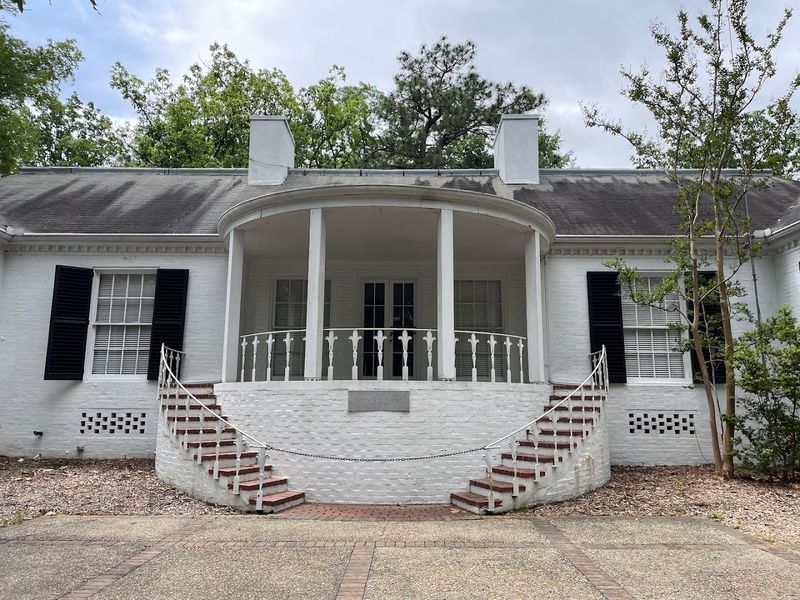
Most presidents dream of grand estates with sweeping lawns and marble columns. Roosevelt asked for something far more modest, and that choice says everything about him.
While serving as Governor of New York, he commissioned a personal retreat in 1932.
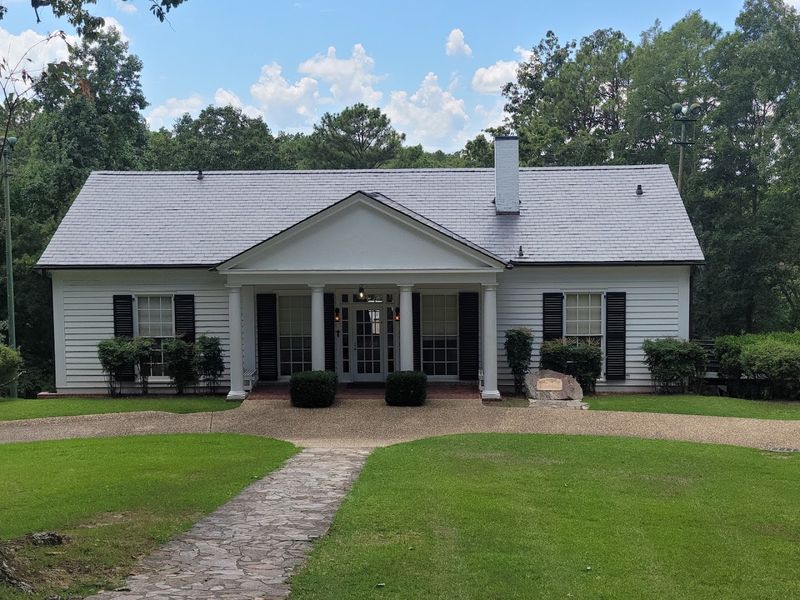
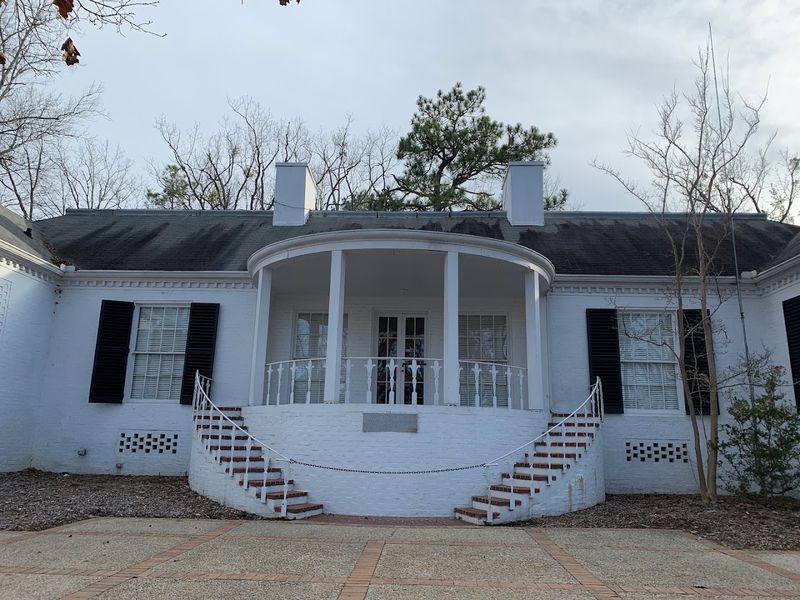
The six-room Colonial Revival structure was built using Georgia pine. The total cost, including landscaping, came to just $8,738.
Architect Henry Toombs, who also designed other foundation buildings in the area, drew up the plans.
Visiting the place feels like stepping into a different era entirely. The site preserves this home with extraordinary care and attention to detail.
Standing outside it, you realize just how small and unpretentious the structure really is. There are no grand hallways or lavish furnishings.
It is the kind of home that makes you reconsider what comfort and purpose actually look like for someone in power.
A Sanctuary Between Presidential Duties
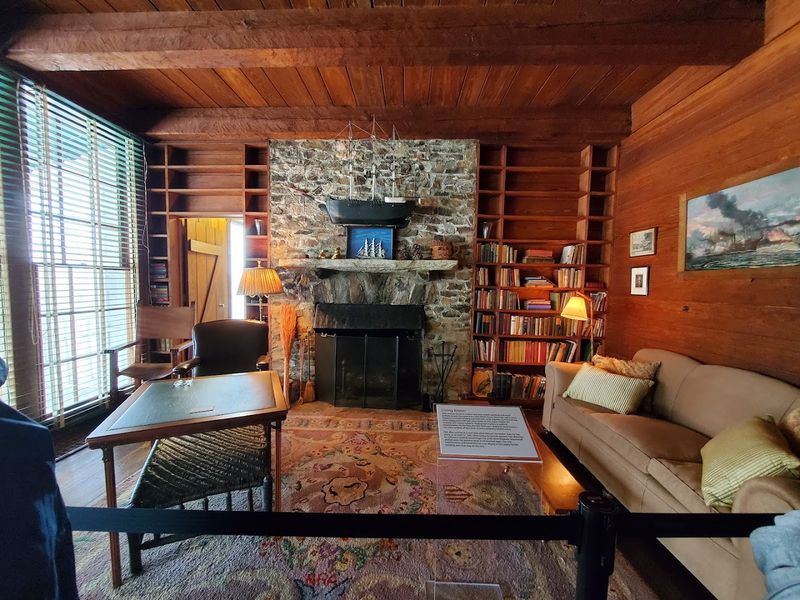
Sixteen trips. That is how many times Roosevelt returned to this small Georgia home during his presidency.
He typically stayed two to three weeks at a time, and those visits were never purely about rest. Work followed him everywhere, even here.
The home served as both a quiet refuge and a functioning workspace. Important decisions were made in these modest rooms.
The peaceful setting helped him think clearly, away from the constant pressure of Washington.
Visitors today can explore his bedroom, Eleanor Roosevelt’s room, and his personal secretary’s quarters. Each room holds original furniture, books still on shelves, and personal items left exactly as they were.
The preservation is remarkable in its honesty.
Only subtle changes were made to accommodate his mobility needs. Flat door sills and raised bathroom fixtures were added without altering the overall character of the home.
That quiet thoughtfulness runs through every corner of this place, making the visit feel genuinely personal rather than performative.
Rural Electrification And The New Deal Connection
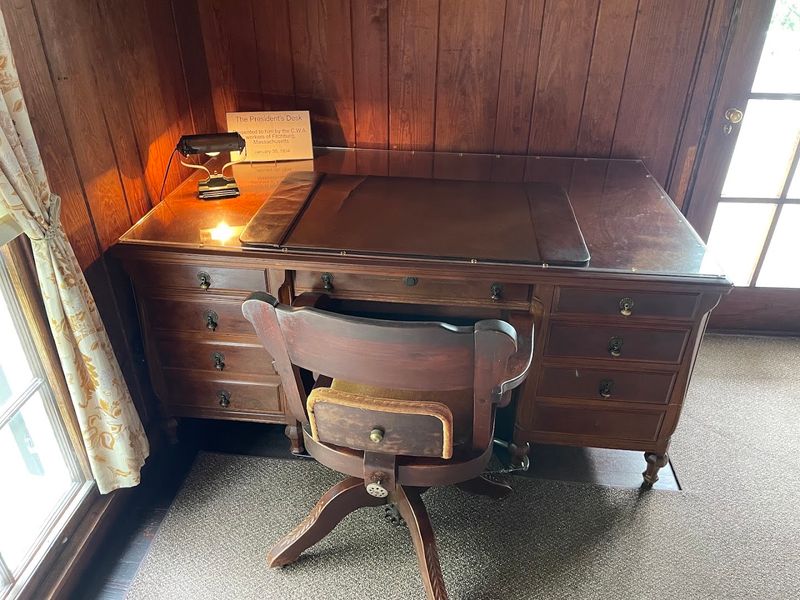
Here is a fact that stopped me cold when I first learned it. Roosevelt noticed that electricity rates in Warm Springs were extremely high compared to cities.
That observation, made right here in rural Georgia, sparked one of his most impactful policy ideas.
His experiences in Warm Springs helped inspire the ideas that later became the Rural Electrification Administration (REA). The REA brought affordable electricity to millions of American farm families who had been living without it.
That is a massive shift in daily life, born from a quiet personal observation.
He signed the Rural Electrification Act while staying at the Little White House, further connecting the site to his New Deal legacy. Policy and place became permanently linked right here in Georgia.
It is a reminder that big ideas often come from simply paying attention to your surroundings.
Knowing this changes how you walk through the grounds. Every pine tree and rolling hill feels like part of a larger story.
This place did not just shelter a president. It helped shape the country.
The Unfinished Portrait That Stopped Time
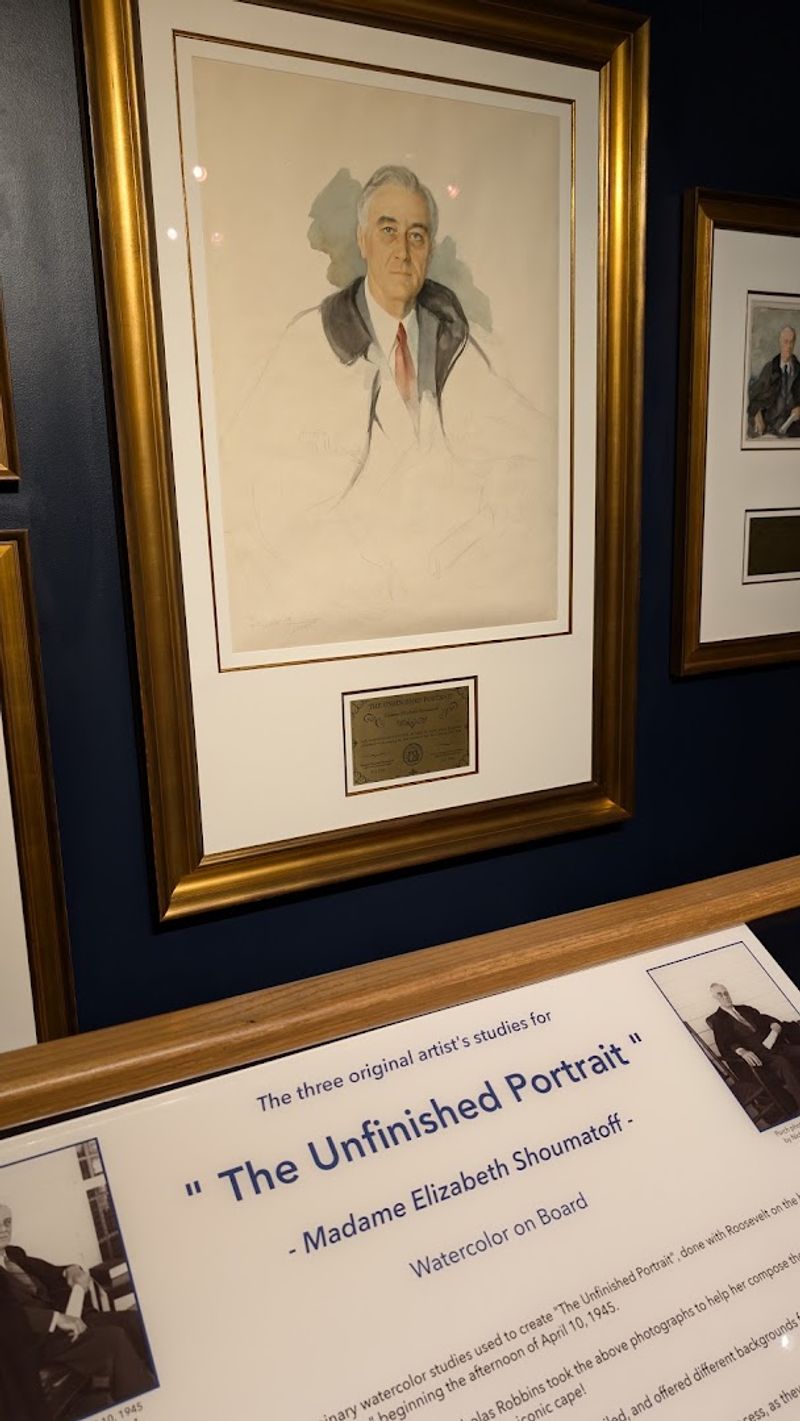
Some museum pieces carry a weight that photographs cannot prepare you for. The Unfinished Portrait is one of those objects.
It stands as the most quietly powerful exhibit in the entire site, and seeing it in person is genuinely affecting.
On March 30, 1945, Roosevelt arrived for what would be his final visit. On April 12, while sitting for artist Elizabeth Shoumatoff, he suffered a cerebral hemorrhage.
The portrait she was painting was never completed.
That unfinished canvas now anchors the museum’s collection. The brushstrokes stop exactly where they were left on that afternoon.
Nothing about it has been altered or dramatized, and that restraint makes it even more powerful.
Standing in front of it, I found myself genuinely quiet for the first time all day. It does not need explanation or dramatic lighting.
The incompleteness is the story, and the museum presents it with exactly the kind of dignity it deserves. Few exhibits anywhere communicate history this directly.
Exploring The Grounds And Historic Buildings
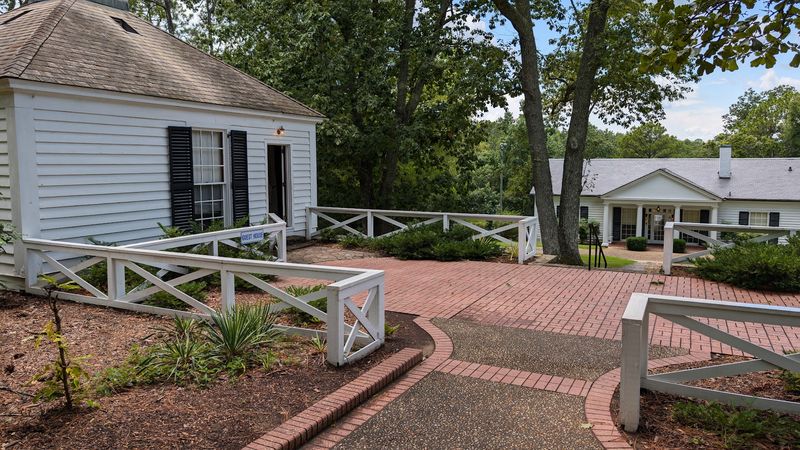
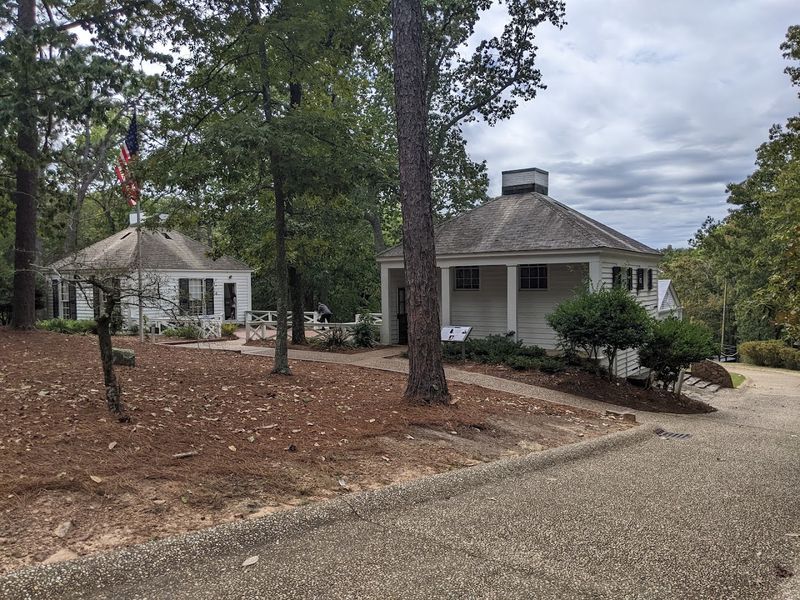
The main house is just the beginning. The grounds surrounding it hold several other historic structures worth your full attention.
Each building adds another layer to the story of how Roosevelt lived and worked here.
A guest cottage built in 1933 sits nearby, along with servants’ quarters from 1932. Both structures are preserved and open to visitors.
Walking between them gives you a real sense of the full compound as it functioned during the 1930s and 1940s.
The historic warm springs pools are currently undergoing repairs, but they can still be viewed from the grounds. Seeing them in context adds meaning to everything else you have already learned about Roosevelt’s connection to this place.
The pools are not just an attraction. They are the reason all of this exists.
The site also features stone memorials from each U.S. state, placed in Roosevelt’s honor. Walking past them feels like a quiet national tribute.
The grounds are well-maintained and largely flat, making the experience accessible for most visitors without much physical strain.
FDR’s 1938 Ford And The Museum Exhibits
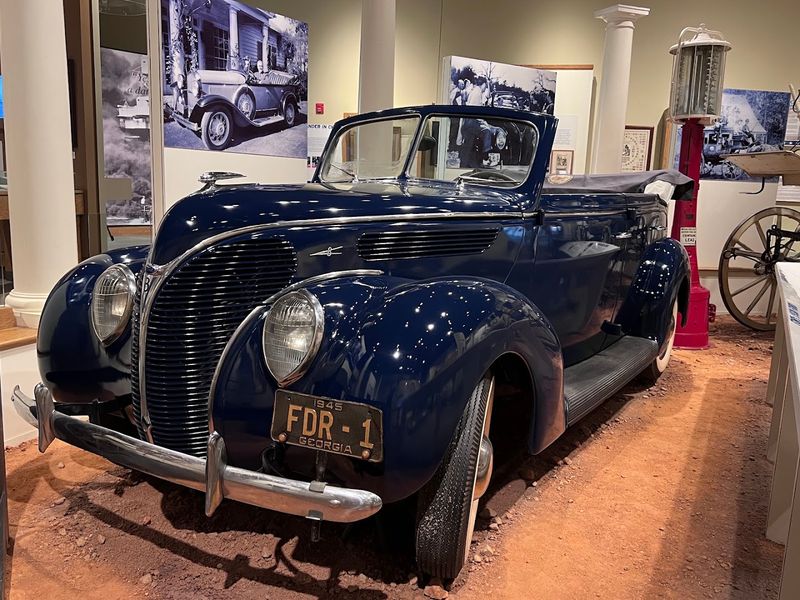
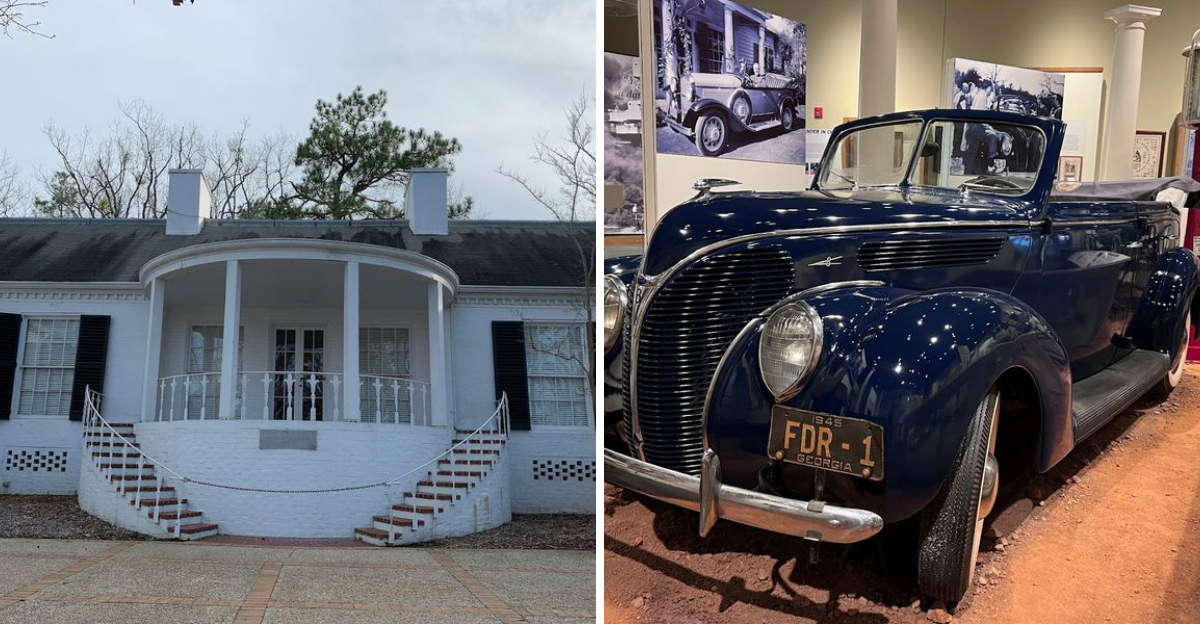
Car people and history lovers both find something to celebrate in this museum. One of the standout exhibits is Roosevelt’s 1938 Ford convertible, fitted with special hand controls that allowed him to drive independently.
Seeing it in person is genuinely surprising.
The controls were custom-built so he could operate the vehicle entirely with his hands. He reportedly loved driving himself around the Georgia countryside.
That detail humanizes him in a way that speeches and portraits simply cannot.
The museum also features FDR’s actual wheelchair and leg braces, displayed with careful context. Hearing his famous Fireside Chats playing from a period-accurate 1930s radio adds another sensory layer to the visit.
You are not just reading about history. You are surrounded by it.
The exhibits are well-organized and easy to follow, which makes the experience accessible for all ages. A short introductory film runs about 12 minutes and provides excellent background before you tour the grounds.
Admission is reasonably priced, and the on-site gift shop is a genuinely enjoyable final stop. Visitors should check the official website for current admission prices before visiting.
Planning Your Visit To This National Historic Landmark
Planning a trip here is straightforward, and the experience rewards anyone who makes the effort. The site is open Monday through Sunday, from 9 AM to 4:45 PM.
Arriving early gives you more time to explore without feeling rushed.
The staff are knowledgeable and genuinely enthusiastic about sharing FDR’s story. They answer questions with real depth and never make you feel like you are being hurried along.
That kind of personal engagement is rare at historic sites of this scale.
A scooter is available at no extra cost for visitors who need mobility assistance. The grounds are largely graded and flat, with no stairs required to see the main attractions.
Accessibility has clearly been considered thoughtfully throughout the site.