9 Ohio German Restaurants Every Authentic Food Lover Should Visit
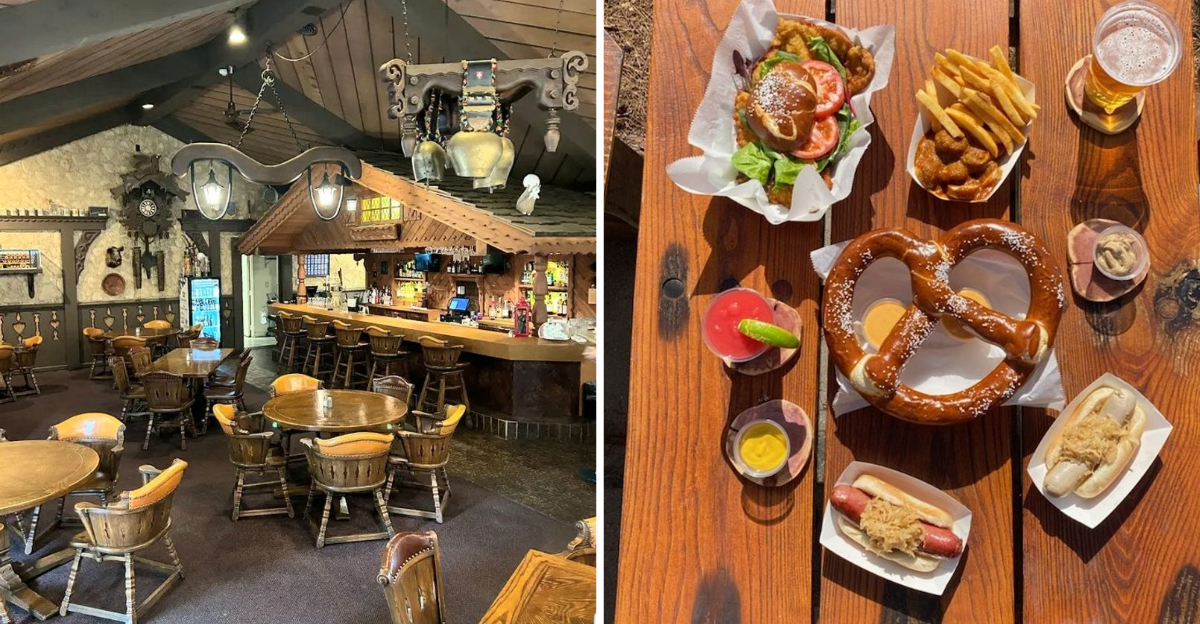
Proper schnitzel, snappy sausages, and warm pretzels, made the patient old-world way? Sign me up!
Deep German roots give this hearty comfort food real backbone, history, and stubborn pride. Ohio’s German heritage runs deep, and the schnitzel here quietly proves the point.
These kitchens play like living museums, each with fiercely devoted regulars and one prized recipe. Crisp golden crusts, rich gravies, and hearty helpings arrive plate after happy plate.
Old-country cooking like this leans hard on tradition instead of chasing any loud passing fads.
This is the tasty tradition that plenty of hurried travelers sadly zip right past completely.
1. Schmidt’s Sausage Haus Restaurant, Columbus
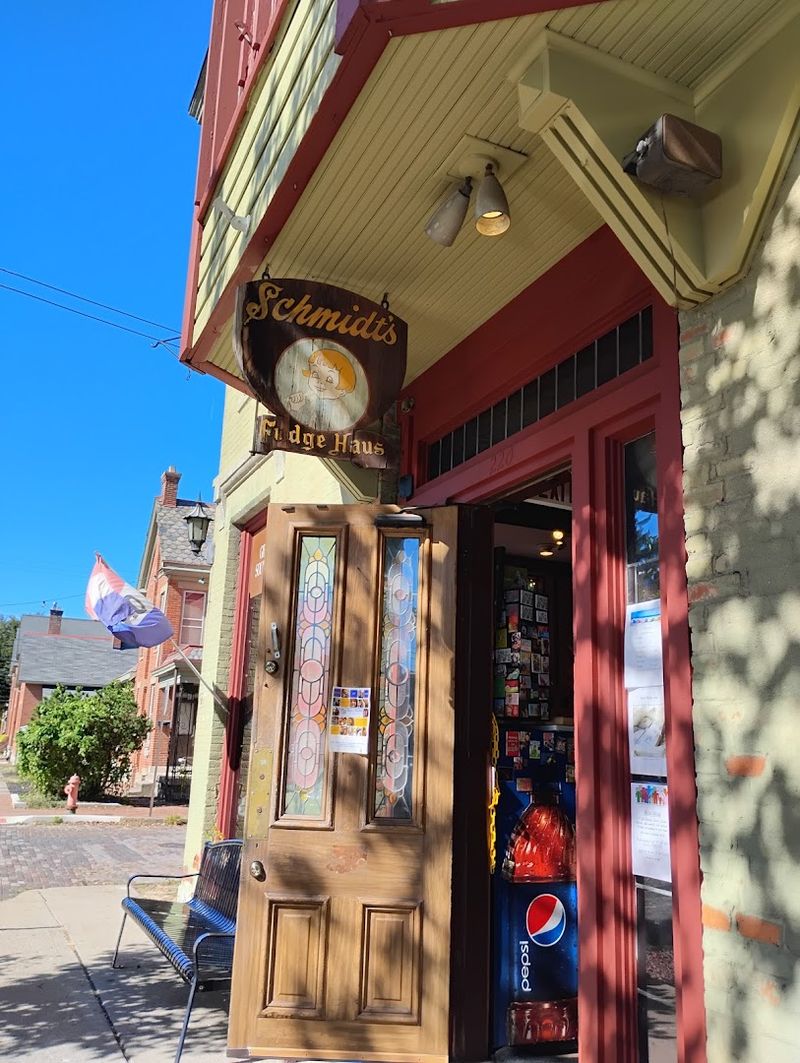
Forget what you think you know about German food in America, because this Columbus institution rewrites the rules entirely.
Schmidt’s Sausage Haus has been feeding hungry crowds since 1886, and that legacy is felt the moment you walk through the door.
The menu leans hard into Bavarian tradition. Handcrafted Bahama Mama sausages are the undisputed star, thick and smoky with a snap that holds up to every bite. The Bockwurst is equally satisfying, mild and juicy with a clean finish.
Portions here are famously generous. The sauerkraut is tangy and slow-cooked, pairing naturally with the dense, house-baked bread. Everything tastes like it was made with patience rather than shortcuts.
The atmosphere leans into the heritage without feeling like a theme park. Long wooden tables fill the dining room, and accordion music drifts in on weekend evenings. It is loud in the best possible way.
You can find the restaurant at 240 E Kossuth St in Columbus, tucked into the German Village neighborhood. That historic district adds real context to the meal, with brick streets and restored architecture surrounding the building.
Cream puffs are the dessert of choice here, and they arrive oversized and dusted with powdered sugar. One is usually enough for two people, though no one judges if you finish it alone.
Schmidt’s earns its reputation not through hype but through decades of consistent, soul-satisfying cooking that keeps generations of families coming back.
2. Der Braumeister Restaurant, Cleveland
Cleveland’s west side has long been home to working-class neighborhoods with deep European roots, and Der Braumeister is one of the clearest expressions of that history.
This restaurant has anchored its corner of Lorain Avenue for decades, feeding locals who grew up with German food at their family tables.
Walking in feels like stepping into a different era, not in a gimmicky way, but in the way that honest, unchanged places tend to feel. The Bavarian decor is straightforward: dark wood, mounted steins, and menus that have not chased trends.
The sauerbraten is the dish most regulars point to first. It is slow-marinated for days, then braised until the beef pulls apart with almost no resistance.
The accompanying gingersnap gravy is rich and slightly tangy, a hallmark of authentic German preparation.
Potato dumplings arrive dense and satisfying, absorbing the gravy in a way that makes every forkful count. The red cabbage here is deeply flavored and clearly made in-house rather than opened from a jar.
You can reach the restaurant at 13046 Lorain Ave in Cleveland, in a stretch of the city that still holds onto its ethnic neighborhood character. The surrounding blocks tell the same story the menu does.
Weekend evenings bring a mix of older regulars and younger diners discovering the food for the first time. That combination gives Der Braumeister a warmth that no amount of interior design could manufacture.
It is simply a well-run restaurant doing what it has always done.
3. Das Schnitzel Haus, Parma
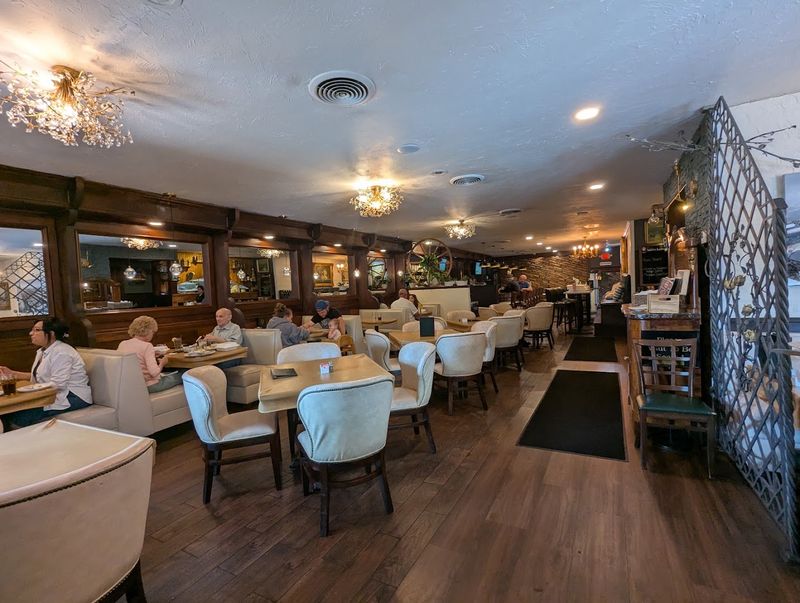
Some restaurants build their entire identity around one dish, and Das Schnitzel Haus in Parma is unapologetic about doing exactly that. The name tells you everything you need to know before you even open the menu.
Schnitzel here comes in multiple preparations. The classic Wiener Schnitzel uses veal, pounded thin and fried in clarified butter until it achieves a delicate, almost lacy crust.
The pork version is equally well-executed, with a slightly heartier texture that holds up to heavier toppings.
The Jäger Schnitzel, topped with a mushroom cream sauce, is the most ordered variation on the menu. The sauce is earthy and thick without being heavy, and it complements the fried cutlet rather than overwhelming it.
Sides are traditional and prepared with care. Roasted potatoes come out crispy on the outside and soft within, seasoned simply with herbs and coarse salt.
The cucumber salad is cool and refreshing, a smart contrast to the richness of the main plates.
The interior at 5728 Pearl Rd in Parma is unpretentious and comfortable. Checkered tablecloths and framed German prints fill the walls, creating a setting that feels familiar rather than formal.
Parma has a strong Central European heritage, and Das Schnitzel Haus fits naturally into that community fabric.
The portions are substantial, the cooking is consistent, and the overall experience is exactly what honest German-American dining should look like. It is the kind of restaurant that earns repeat visits through reliability rather than novelty.
4. Amber Rose Restaurant & Catering, Dayton
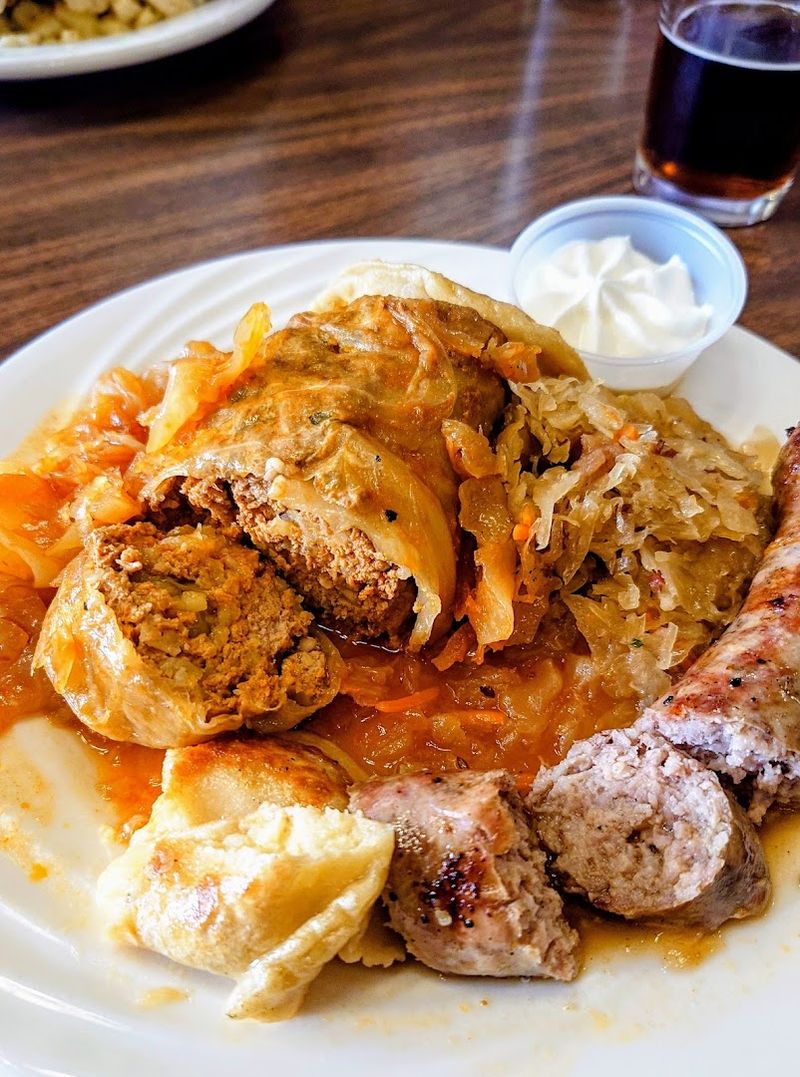
What if the best German food in Dayton also happened to celebrate Hungarian and Eastern European traditions alongside it? Amber Rose does exactly that, and the combination produces one of the most interesting menus in the state.
This family-owned restaurant has been a Dayton anchor for years, drawing a loyal following that spans multiple generations. The food reflects Central European cooking in a broad sense, pulling from German, Hungarian, and Polish traditions without losing focus.
Spaetzle is made fresh and tossed in browned butter, simple and deeply satisfying. The schnitzel holds its own against any competition in Ohio, arriving at the table with a clean, golden crust and no excess grease.
Pierogies appear on the menu alongside traditional German sides, and that cross-cultural generosity is part of what makes Amber Rose worth the trip. The stuffed cabbage rolls are slow-cooked and tender, served in a tomato-based sauce with a slight sweetness.
The dining room at 1400 Valley St in Dayton is warm and unpretentious, with wooden furniture and traditional artwork that feels lived-in rather than staged. The overall atmosphere encourages unhurried meals.
I noticed on my visit that nearly every table had ordered the spaetzle, which tells you something important about what the regulars trust here.
The cooking at Amber Rose is grounded in technique and tradition, and it shows in every dish that leaves the pass. This is Central European comfort food done with real skill and obvious pride.
5. Clay Haus, Somerset
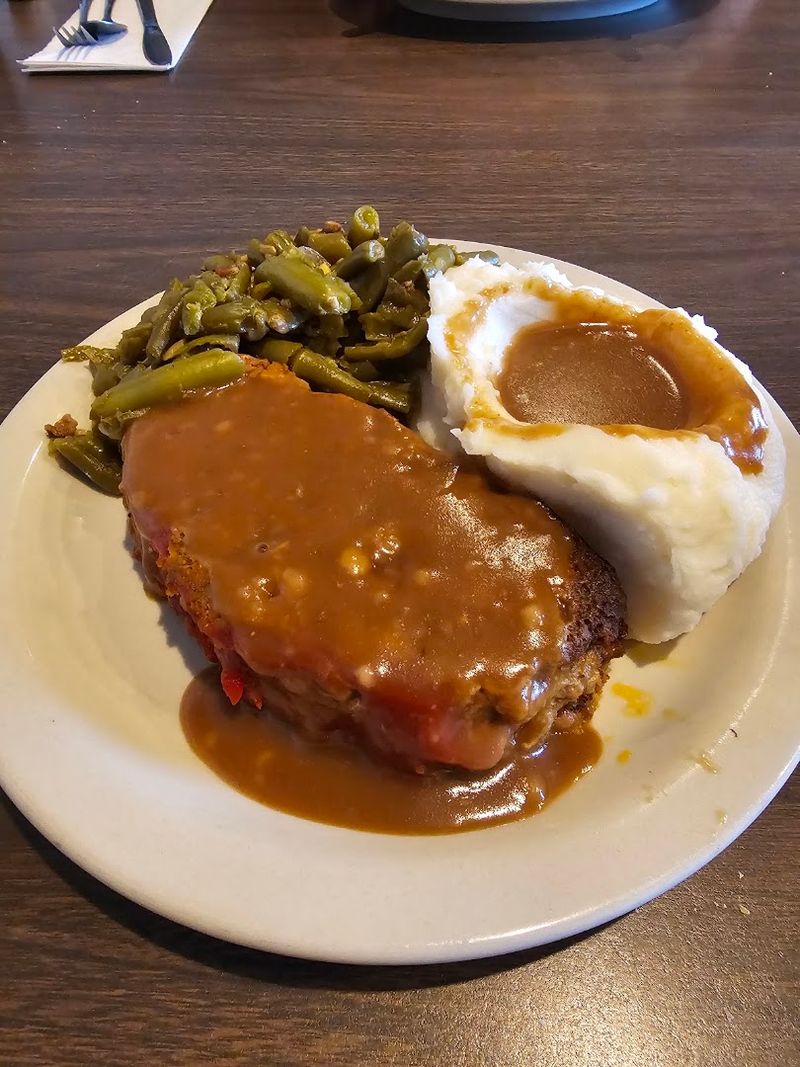
Some meals carry the weight of history in a way that goes beyond the food itself. Clay Haus in Somerset is one of those rare experiences.
This small-town restaurant operates out of a building with genuine historical significance, and the menu honors that context with equal seriousness.
Somerset has deep German-American roots, and Clay Haus reflects that heritage in every corner of its dining room.
Antique wooden furniture, exposed stone walls, and framed historical photographs create a setting that feels more like a preserved family home than a commercial restaurant.
The sauerbraten here follows a traditional preparation with a multi-day marinade and a sauce built from the braising liquid. It arrives fork-tender with a depth of flavor that shortcuts simply cannot produce.
The accompanying potato dumpling is dense and satisfying, made from scratch using a recipe that has not changed in years.
Sauerkraut is fermented in-house and served warm, with a mellow acidity that balances the richness of the meat beautifully. The rye bread on the side is dense and slightly sour, perfect for soaking up whatever sauce remains on the plate.
The restaurant sits at 123 W Main St in Somerset, and the surrounding small-town main street adds to the sense that time moves differently here.
I found myself eating more slowly than usual, partly because the food demanded attention and partly because the atmosphere encouraged it.
Clay Haus is not trying to compete with larger city restaurants. It is simply doing what it has always done, feeding people well in a room full of memory and meaning.
6. Black Forest Café, Oregon
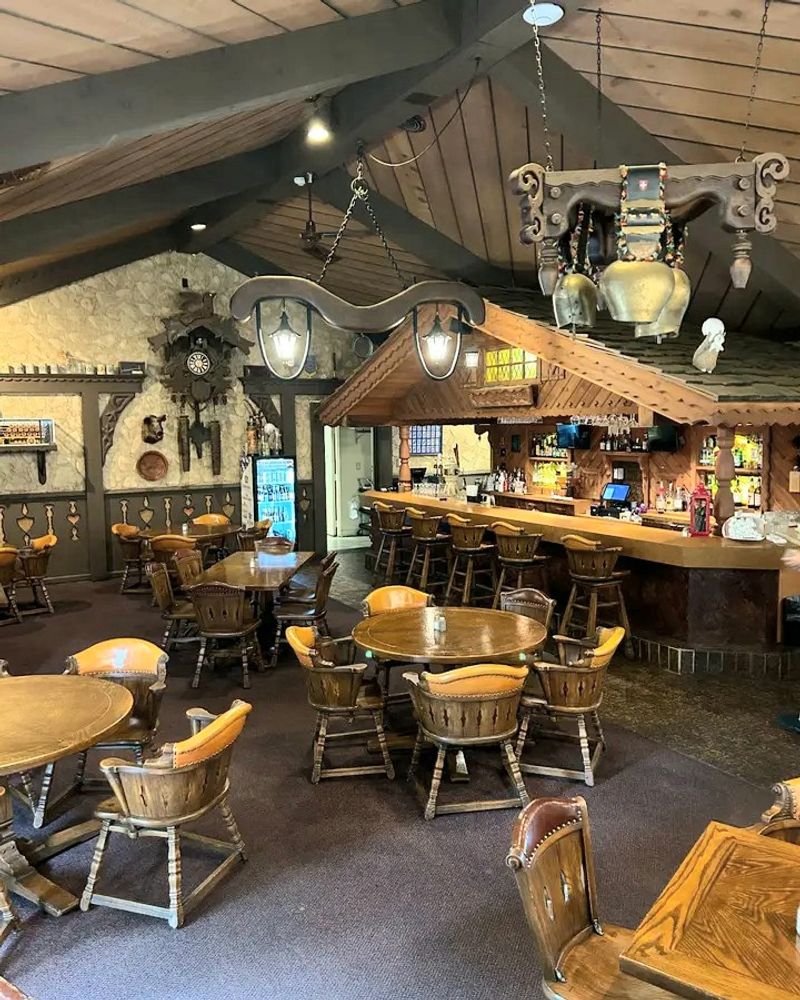
Black Forest Café carries the name of one of Germany’s most iconic regions and does it genuine justice. This is not a large operation, and that is entirely part of its appeal.
The menu is focused and seasonal, which keeps the quality high across every dish. Bratwurst is grilled with a proper char and served alongside a sharp, house-made mustard that has real heat and complexity.
The German potato salad is warm, dressed with vinegar and bacon fat, and nothing like the cold, mayo-based version most Americans know.
Black Forest cake is the obvious dessert, and the version here is made in-house with dark chocolate layers, fresh cream, and cherries that taste like they belong in the recipe rather than sitting on top as decoration. It is rich without being excessive.
The café setting at 3624 Seaman Rd in Oregon creates an intimate dining experience that larger restaurants cannot replicate. Tables are close together, the lighting is soft, and the overall mood is relaxed and neighborly.
The staff here clearly knows their regulars by name, and that familiarity extends to how newcomers are treated as well. You do not feel like a stranger for long.
Cards on the table, Black Forest Café is the kind of understated find that food travelers rarely stumble across without a recommendation.
The cooking is careful, the portions are honest, and the atmosphere is genuinely welcoming without trying too hard to impress anyone.
7. New Berlin Brewing Company, North Canton
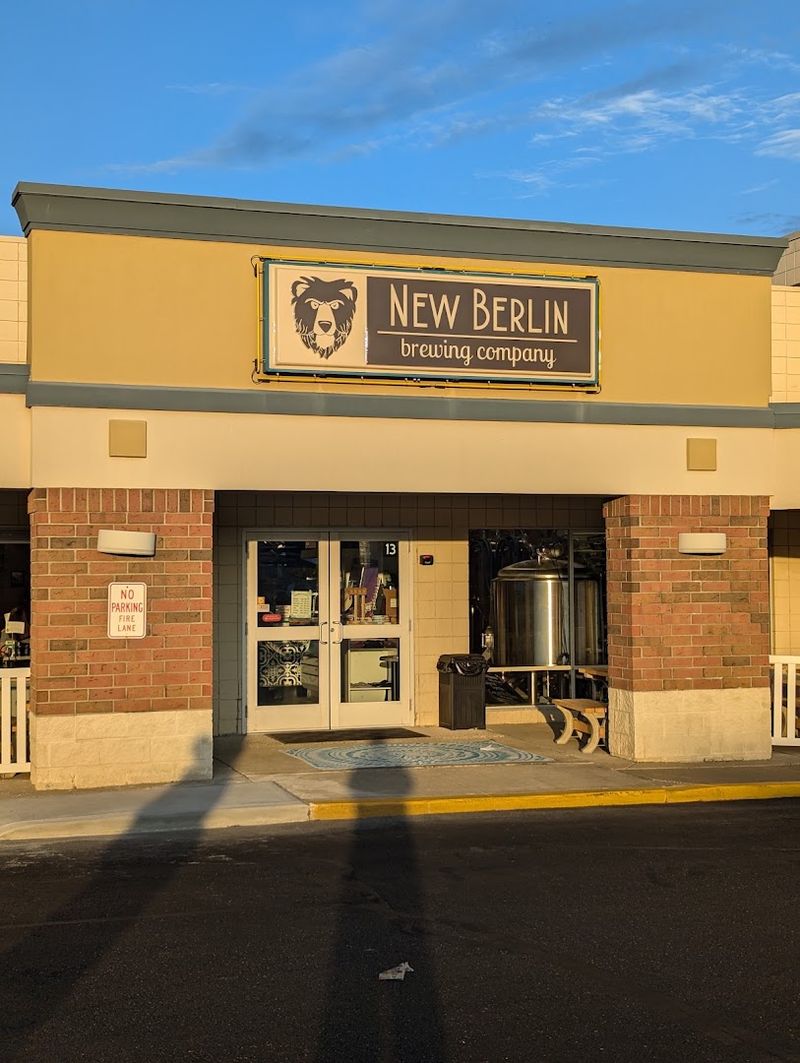
Who would have thought that a brewing company in North Canton would serve some of the most compelling German food in the northeastern corner of Ohio?
New Berlin Brewing Company proves that the kitchen can hold its own alongside the craft operation it shares a roof with.
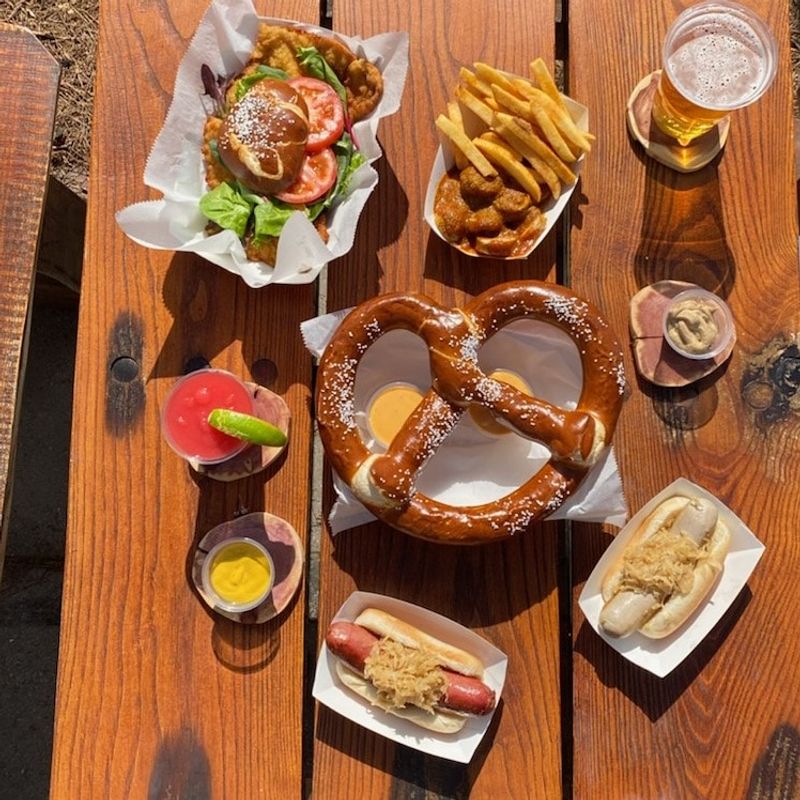
The food menu leans into German pub traditions with real commitment. Soft pretzels arrive at the table warm and glossy, served with a house cheese sauce and whole-grain mustard that makes a strong opening argument for the meal ahead.
Sausage platters are a reliable centerpiece, featuring a rotating selection of house-made and sourced German-style links served with braised sauerkraut and rye bread.
The spaetzle is a standout side, pan-fried until the edges crisp up and tossed with caramelized onions.
The atmosphere at New Berlin Brewing Company is communal and energetic without feeling chaotic. Long tables encourage shared meals, and the exposed brick walls and warm lighting give the space a character that feels earned rather than designed.
The address is 1664 N Main St in North Canton, an easy stop for anyone passing through the region on a food-focused road trip. The surrounding area has a low-key small-town quality that makes the meal feel unhurried.
The pretzel and sausage combination alone is worth the detour. New Berlin Brewing Company has built something that works on multiple levels: good food, solid atmosphere, and a clear identity rooted in German tradition.
That combination is harder to pull off than it looks.
8. Rhine Haus Bier Hall, Youngstown

Youngstown does not always make the shortlist when people talk about Ohio food destinations, but Rhine Haus Bier Hall is a compelling reason to reconsider that oversight.
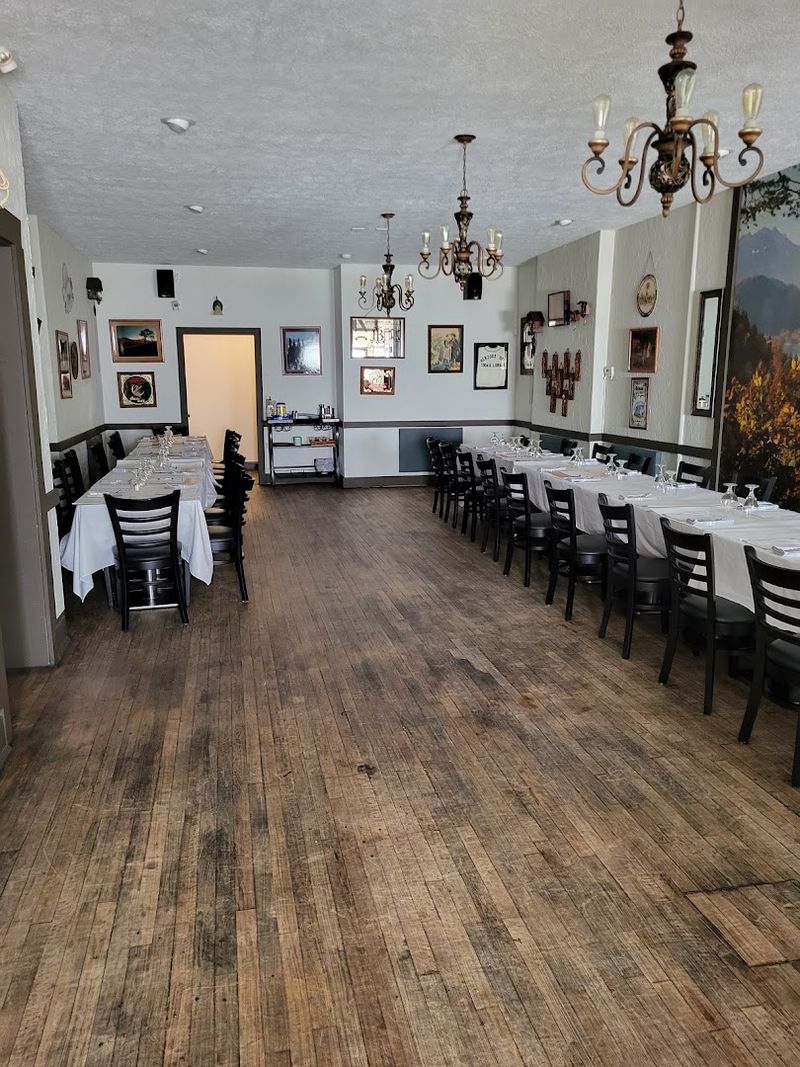
This is a full-scale German hall experience, built for groups and long evenings around shared food.
The space is expansive, with long communal tables running the length of the main room and exposed wooden beams overhead. It is the kind of setting that makes solo dining feel slightly awkward and group dining feel exactly right.
Food comes out in generous portions designed for sharing. The sausage board features multiple varieties, each with a distinct seasoning profile, served alongside house-made mustards and pickled vegetables that cut through the richness cleanly.
Schnitzel here is thick-cut and well-seasoned, arriving with a wedge of lemon and a side of roasted fingerling potatoes. The presentation is unfussy, which suits the hall setting perfectly.
Nothing here pretends to be fine dining, and that honesty is refreshing.
The soft pretzel appetizer is made to order and arrives with a salt crust that shatters properly when you tear into it. The cheese dip alongside it is sharp and warm, exactly what you want before a heavier main course.
You can find Rhine Haus at 40 N Phelps St in Youngstown, in a part of the city that has seen real investment in recent years.
The hall draws a mixed crowd of locals and out-of-towners, all united by the same appreciation for hearty, unpretentious German cooking done at proper scale.
9. The Lübecker, Cincinnati
Is there a better city in Ohio for European-influenced dining than Cincinnati? The argument is strong, and The Lübecker makes it stronger every single service.
Named after the northern German city of Lübeck, this Cincinnati restaurant carries its namesake with quiet confidence.
The menu draws from northern German culinary traditions rather than the more commonly seen Bavarian style. That distinction matters.
Dishes here tend to be leaner, more refined, and built on subtle seasoning rather than bold smokiness.
Schnitzel arrives at the table thin and perfectly golden, with a crust that stays crisp even as it cools. The red cabbage side is slow-braised and slightly sweet, a classic pairing that never gets old.
The dining room at 222 W 12th St in Cincinnati has a composed, unhurried energy. Tables are well-spaced, lighting is warm, and the overall setting encourages long meals and good conversation.
Service moves at a deliberate pace, which suits the food well. Nothing here feels rushed or thrown together.
Each plate comes out looking intentional and tidy, with garnishes that actually belong rather than just decorate.
The potato soup deserves a specific mention. It arrives thick and creamy, with a gentle smokiness from cured pork and a sprinkle of chives on top.
It is the kind of dish that makes cold Ohio evenings feel entirely manageable. The Lübecker is a restaurant that rewards those who pay attention to the quieter details on the plate.