The Secluded Appalachian Town So Overlooked Even Most Ohio Locals Have Never Heard Of It
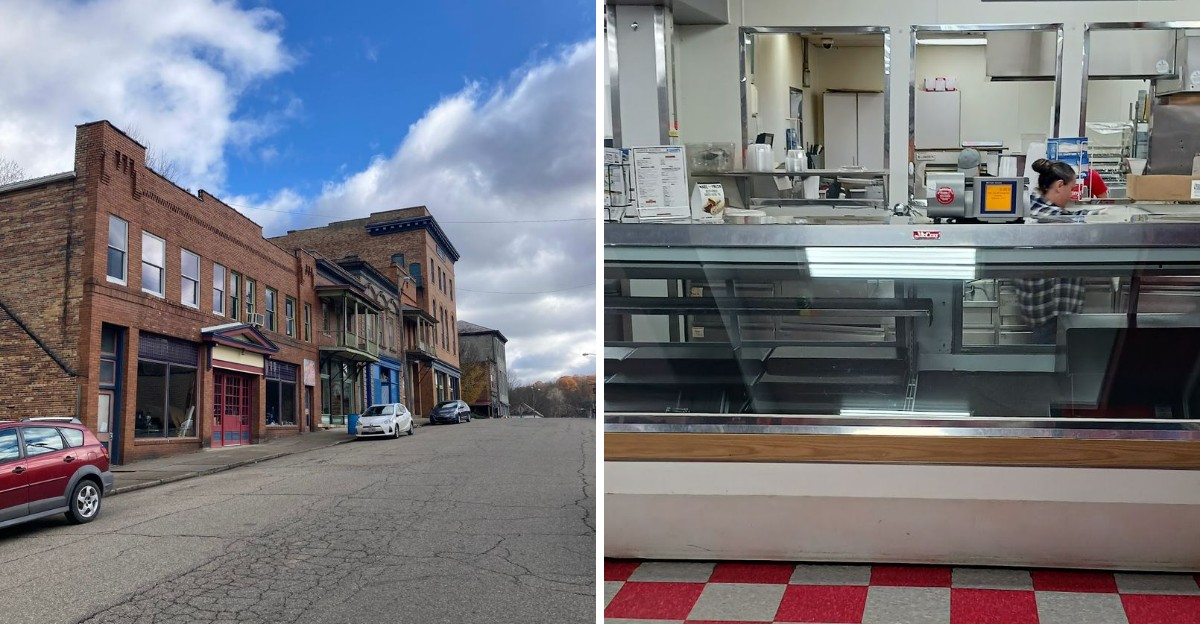
Ohio keeps a few secrets folded into its hills, and this is one most people drive right past. I found it by accident, following a back road that wasn’t on my planned route, past cornfields that slowly gave way to ridgelines and switchbacks.
No signs prepared me for what waited at the bottom of that valley. A cluster of buildings sat quiet against the mountainside, the kind of quiet that makes you slow the car without meaning to.
I parked and walked for an hour, and nobody else showed up the whole time. Its out-of-the-way location adds to the contrast between today’s small village and its much busier coal-boom past.
I still think about the silence there, and how strange it was to find a place so easy to miss and so hard to forget.
A Village Of 500 That Once Held Thousands
Numbers tell the first part of the story here. During the coal boom, close to 4,000 people lived in these hills, and today fewer than 700 remain.
Perry County sits deep in Ohio’s Appalachian region, about nine miles south of the county seat of New Lexington. The 2020 census counted just 505 residents in the village limits.
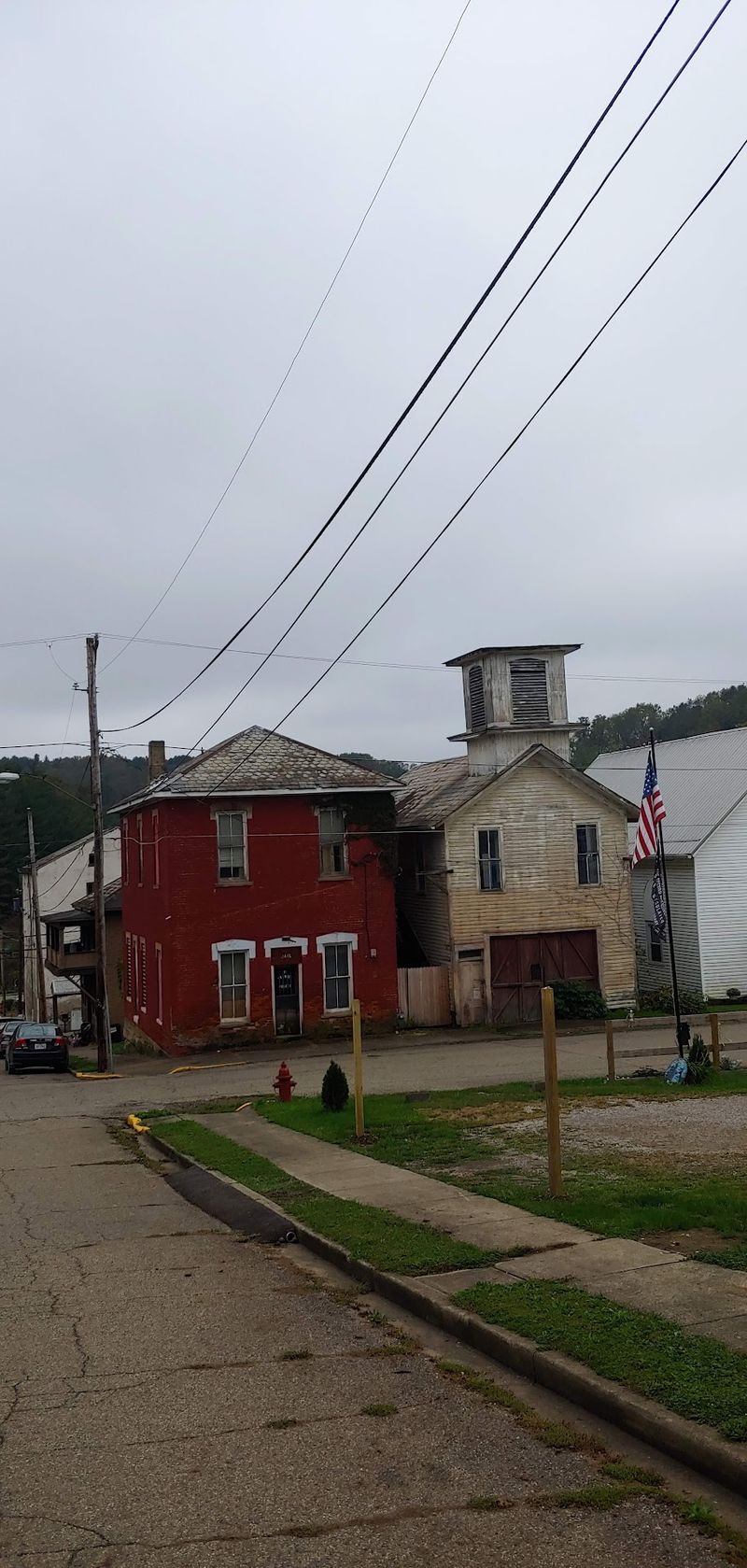
That shrinking didn’t erase the place. It froze it, which is why the streetscape still looks the way it did generations ago.
Shawnee lies about nine miles south of New Lexington. The village is reached by state and local roads rather than by a direct interstate exit.
The remoteness runs deeper than modern maps suggest. The surrounding area wasn’t even settled until 1814, long after other parts of the state filled in.
What surprised me most was how quiet the main street felt at midday. Birdsong carried farther than car engines, which almost never happens in a town with two former opera houses.
If you want a starting point for the whole Little Cities of Black Diamonds region, this village is it. The town is called Shawnee, Ohio.
Main Street’s Famous Overhanging Porches
Few architectural details in Ohio are as instantly recognizable as these porches. Second-story balconies run almost continuously above the sidewalks, shading the storefronts below.
They were practical, not decorative. Shoppers stayed dry, and upstairs residents got a front-row seat to every parade and argument in town.
The effect from the street is theatrical. You get depth, shadow, and repetition that photographers chase for hours in bigger cities.
Two opera houses anchor the historic core, which sounds impossible for a village this size. Coal money once bought serious entertainment out here.
Paint colors vary building to building, some crisp, some weathered to gray. That mix reads as honest rather than staged, and it makes the walk more interesting.
My advice is simple. Park once and cover the street on foot, because driving past means missing the hand-cut trim and old signage ghosts on brick.
The street can be explored from public sidewalks throughout the day. Individual business hours vary, so check current opening times before planning stops inside.
The Tecumseh Theater, Back From The Brink
Construction began in 1907, and the Tecumseh Theater opened during Shawnee’s coal-boom era. That title sounds oversized until you stand in front of it.
The structure dominates the street, listed on the National Register of Historic Places. For years it sat in rough shape while restoration funding was slowly assembled.
Grant money changed the trajectory. Careful work has brought the building back into active use rather than leaving it as a photogenic shell.
The ground floor now operates as Tecumseh Commons. Visitors can get their bearings there, and the space doubles as a venue for community events.
Upstairs, the second-story opera house reopened to the public in June 2026 as restoration work continues. Hearing music in a room built for miners and their families hits differently than a modern venue.
Check the schedule before you go, since programming runs in bursts rather than nightly. A show turns a day trip into an evening worth remembering.
Even on a quiet weekday, the exterior is worth the drive. Restoration work continues on the building even after the 2026 reopening.
Where The Little Cities Of Black Diamonds Story Lives
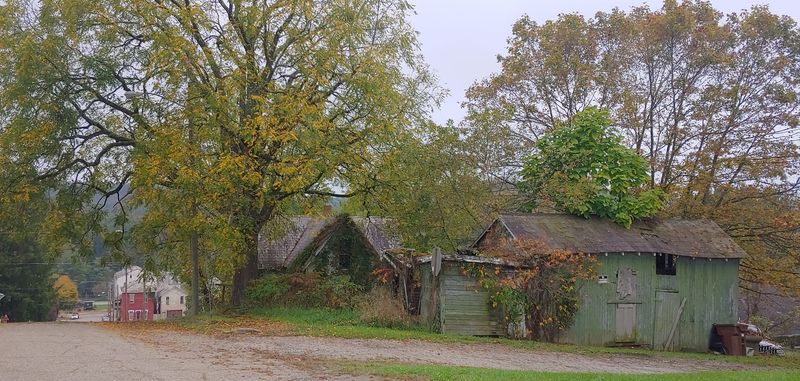
Coal was called black diamonds around here, and the nickname stuck to an entire region. A cluster of former mining towns now shares that identity.
The Shawnee Coal Mining Museum holds tools, lamps, and equipment pulled from local mines. If museum access is important to your visit, confirm current availability before traveling.
Labor history runs through everything. The area played a genuine role in the birth of American labor unions, a fact that gets skipped in most classrooms.
The Little Cities of Black Diamonds Council keeps archives and exhibits of local memorabilia. Photographs, documents, and everyday objects fill in the human side of the industry.
Then there is the mine fire. During the 1884 Hocking Valley strike, mine fires were set around New Straitsville and nearby communities, including one mine at Shawnee.
People called it the World’s Greatest Mine Fire, and exhibits and walking tours still cover it. The historic mine fire burned underground for decades and remains an important part of the area’s mining history.
Give yourself time for the Little Cities Archive or a scheduled Shawnee walking tour, both of which are currently promoted for visitors.
Wayne National Forest At The Village Edge
Step past the last row of houses and the forest takes over. Wayne National Forest presses right up against the village, no long drive required.
Miles of trails run through those hills for hiking and mountain biking. Elevation changes are real here, so southeastern Ohio feels nothing like the flat farmland up north.
The village is an official Trail Town of the Buckeye Trail Association. That designation means hikers on the long-distance route can resupply and rest without detouring far.
Old mining land shapes the scenery in odd ways. Reclaimed areas, leftover coal piles, and occasional sinkholes appear among the trees.
Trail users can see evidence of the area’s mining and reclamation history while following designated routes. It is landscape and history at once, which is a rare combination.
Trail surfaces vary from packed dirt to rocky climbs, so wear real shoes. Cell service is spotty, so download your map before leaving the main street.
Fall is spectacular, though spring brings wildflowers and fewer people. Either way, start early and let the hills set the pace.
Boomtown Beginnings Built On Coal, Oil, And Clay
Founded in 1872, the village grew at a speed that would embarrass a modern suburb. Coal, oil, and clay were all discovered nearby, and the hills filled with workers almost overnight.
Immigrants arrived through the late 1800s from across Europe, chasing steady wages underground. They brought languages, food traditions, and social clubs that shaped the town’s character for decades.
Then the boom ran out. By the 1920s, coal production had collapsed, and families left in waves that never fully reversed.
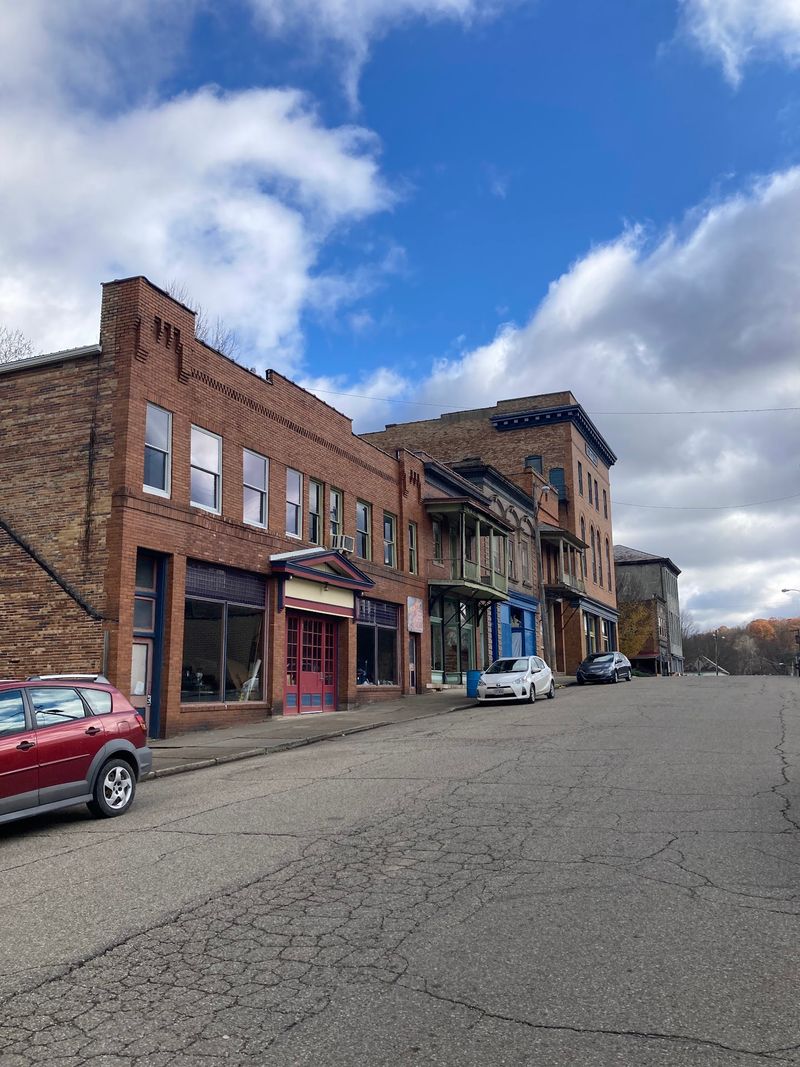
Here’s the strange gift in that collapse. Despite the economic decline and population loss, much of Shawnee’s historic Main Street remained intact.
So the Victorian-era streetscape stayed put, board by board. Today it stands as one of the best intact examples of boomtown architecture anywhere in the eastern United States.
Walking that street feels like reading a page nobody bothered to rewrite. The proportions are wrong for a small village, which is exactly the point.
Storefronts were built for crowds that vanished a century ago. Bring a camera and give yourself an hour, because the details reward slow looking rather than quick snapshots.
Tecumseh Lake, Dug By The Town Itself
Communities usually wait for someone else to build things. Not here.
Shawnee residents built Tecumseh Lake with volunteer labor in the early 1950s, although local historical sources disagree on whether to date its completion or dedication to 1952 or 1954.
The water is calm and framed by wooded slopes. Canoeing, kayaking, and fishing are the main draws, and none of it feels crowded.
Birders have a specific reason to come. The lake is recognized as a birding hot spot, which means patient visitors get rewarded.
Bring binoculars and arrive early, when the surface is still and the shoreline is busy with movement. Migration seasons are especially good.
Paddling here is peaceful rather than adventurous. Paddling conditions can change with the weather, so check conditions before launching.
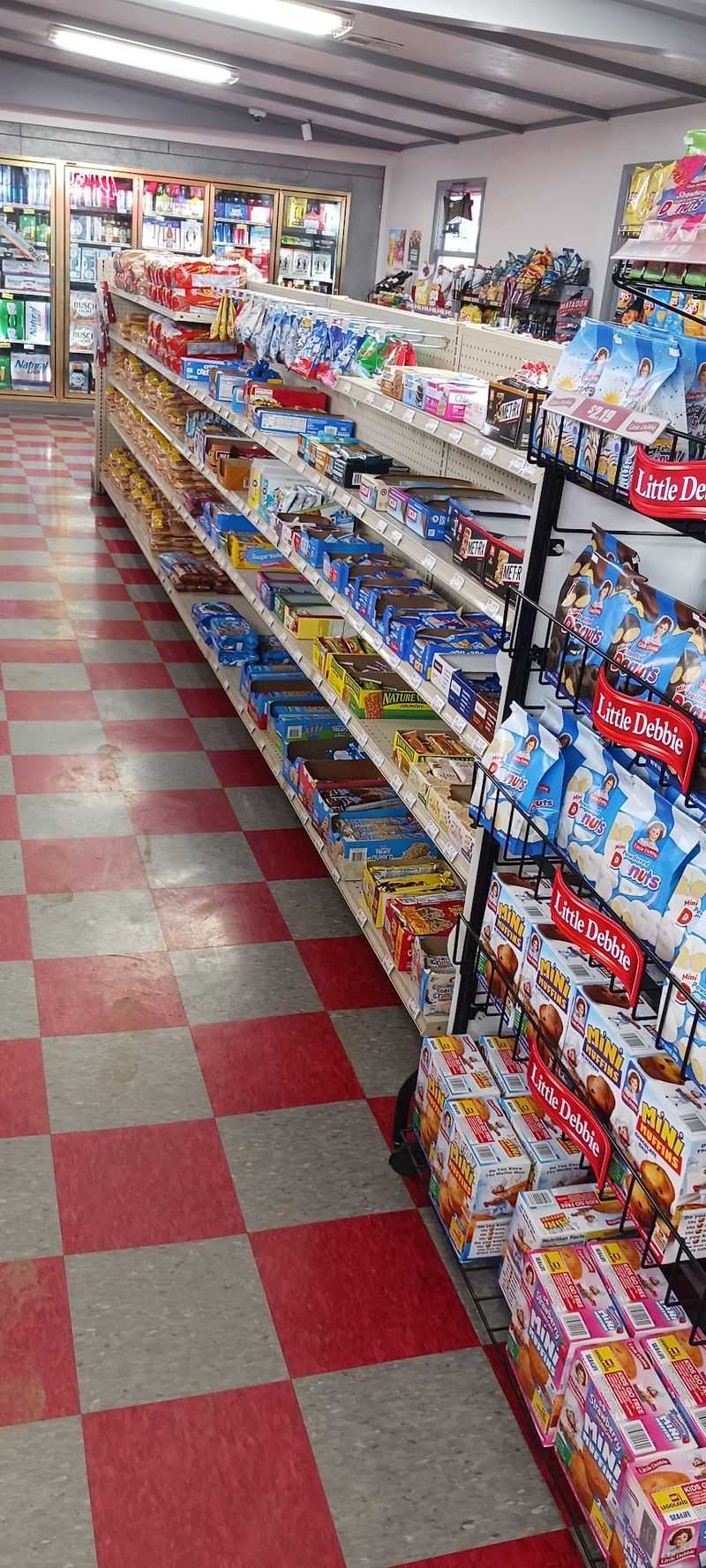
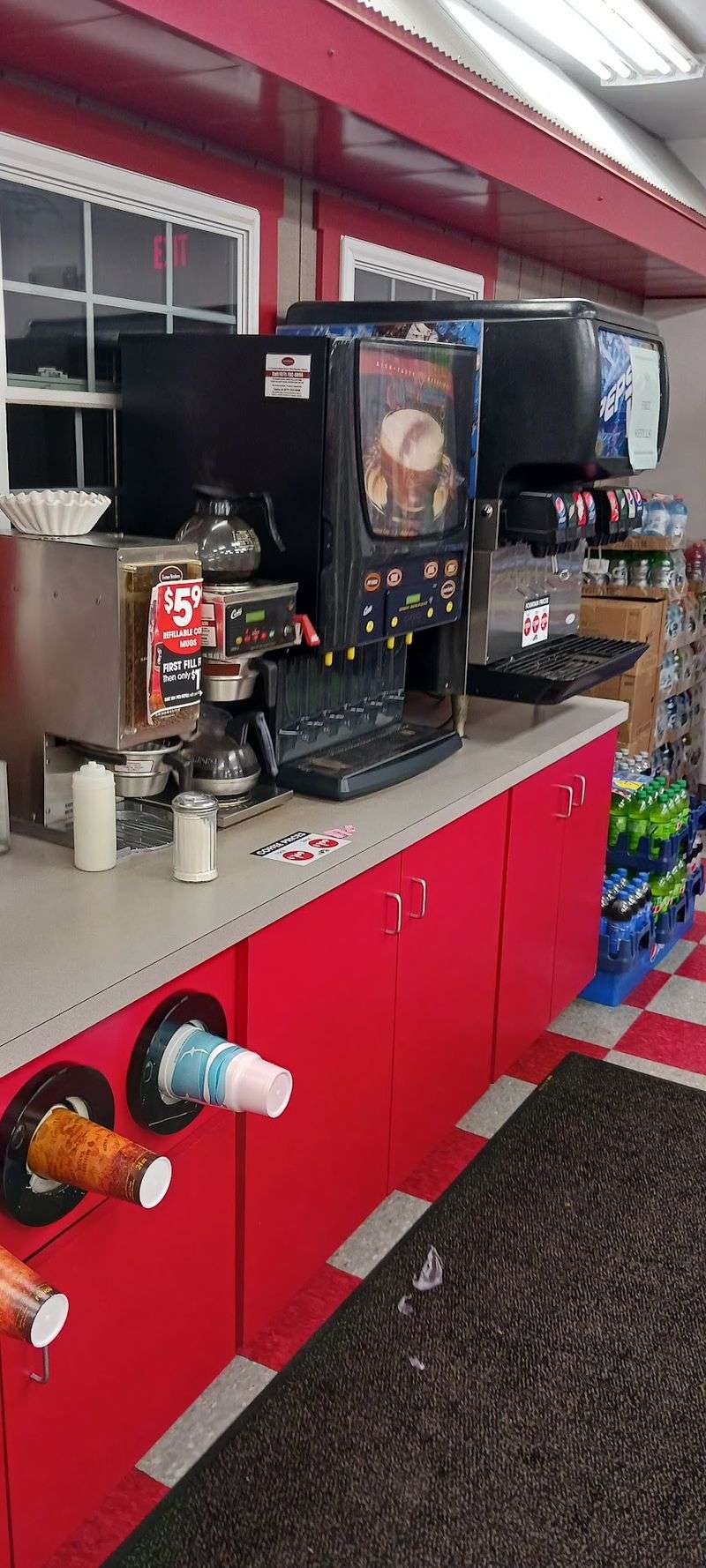
Pack water and snacks, because services in the village are limited and hours can be short. A folding chair and an afternoon are honestly all the equipment you need.
Sunset over the water closes out a day here beautifully. It is the kind of quiet that city visitors notice immediately.
Food, Shops, And Second Saturdays
Hunger arrives eventually, and the historic street handles it. The Black Diamond Tavern sits at 106 W.
Main Street, Shawnee, OH 43782, inside a building with an unusually layered past.
That structure once operated as a saloon, then later as a bank. Eating inside a former bank on a coal-town main street is a solid conversation starter.
A few doors along, Ohio’s Winding Road Marketplace stocks regional foods, art, books, and outdoor gear. It functions as both a shop and an informal information desk.
Community events give the calendar its rhythm. Shawnee Second Saturdays bring music and food trucks to the historic district each month.
Shawnee also hosts seasonal farmers market events, with dates and schedules varying throughout the year. Local produce and small-batch goods show up alongside neighbors catching up on the sidewalk.
Planning around one of these events can make Main Street livelier than it is on an ordinary day. The buildings stay impressive, but the street comes alive with people.
Hours can shift in a village this size, so call ahead. A little planning turns a quiet visit into a genuinely lively one.