These 9 Ohio Towns Are Watching Residents Leave As Property Costs Climb
A hometown can feel exactly the same while the cost of living there changes underneath everything.
In Ohio, several communities are seeing property values, assessments, taxes, and other housing expenses become a bigger part of everyday conversation. That shift deserves attention.
Population movement comes from many factors, so no single number tells the whole story. Still, affordability can influence how residents think about staying long term.
The contrast is what makes these towns interesting.
Historic streets, neighborhood parks, familiar businesses, and longtime traditions remain part of daily life.
At the same time, homeownership is becoming more expensive for some households.
Looking at both trends together reveals a side of these communities that pretty streets alone cannot show.
1. Peninsula, Summit County
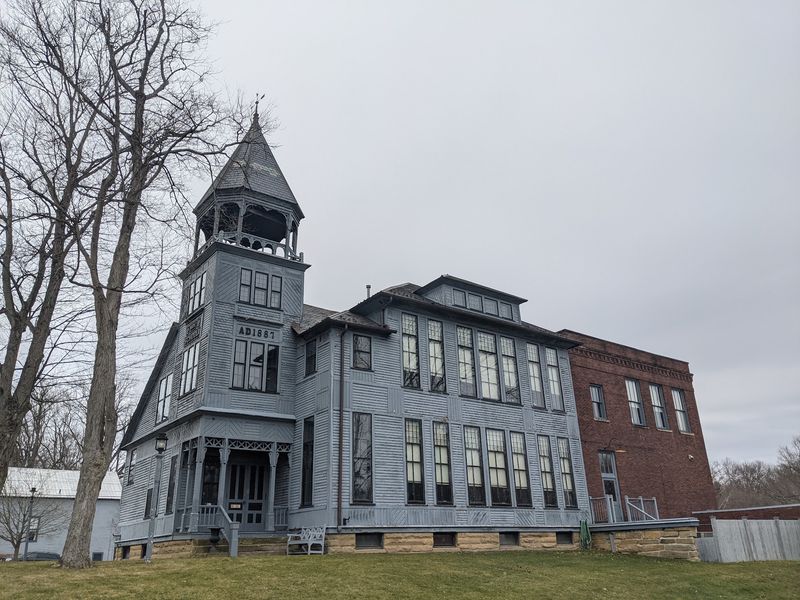
Just imagine for a second a village so small it fits inside a national park. History whispers from nearly every doorway along its old canal route.
Peninsula sits deep in the Cuyahoga Valley, founded back in 1824 as a busy shipping stop on the Ohio and Erie Canal.
Summit County’s 2023 revaluation increased property values across the area, while Ohio’s tax rules determine how much of that change reaches individual tax bills.
That tax squeeze has not dimmed the village’s charm one bit. The National Historic District invites slow strolls past preserved storefronts and 19th-century homes.
Hikers head for Deep Lock Quarry Metro Park, where sandstone walls tell a story of old stonecutting work. Cyclists roll along the Towpath Trail, tracing the same path mules once walked while hauling canal boats.
The Cuyahoga Valley Scenic Railroad rumbles through, carrying passengers past river bends and thick woodland. Autumn turns the whole valley gold, making it the best window for a trip.
Small shops sell art, antiques, and oddities you will not find in a mall. The Peninsula Library and Historical Society keeps local records and photographs for curious wanderers.
For homeowners, the lesson is simple. Check your county auditor’s site for your appraised value, and file a complaint if the number looks off.
Beauty and rising bills now share the same narrow streets here.
2. East Cleveland, Cuyahoga County
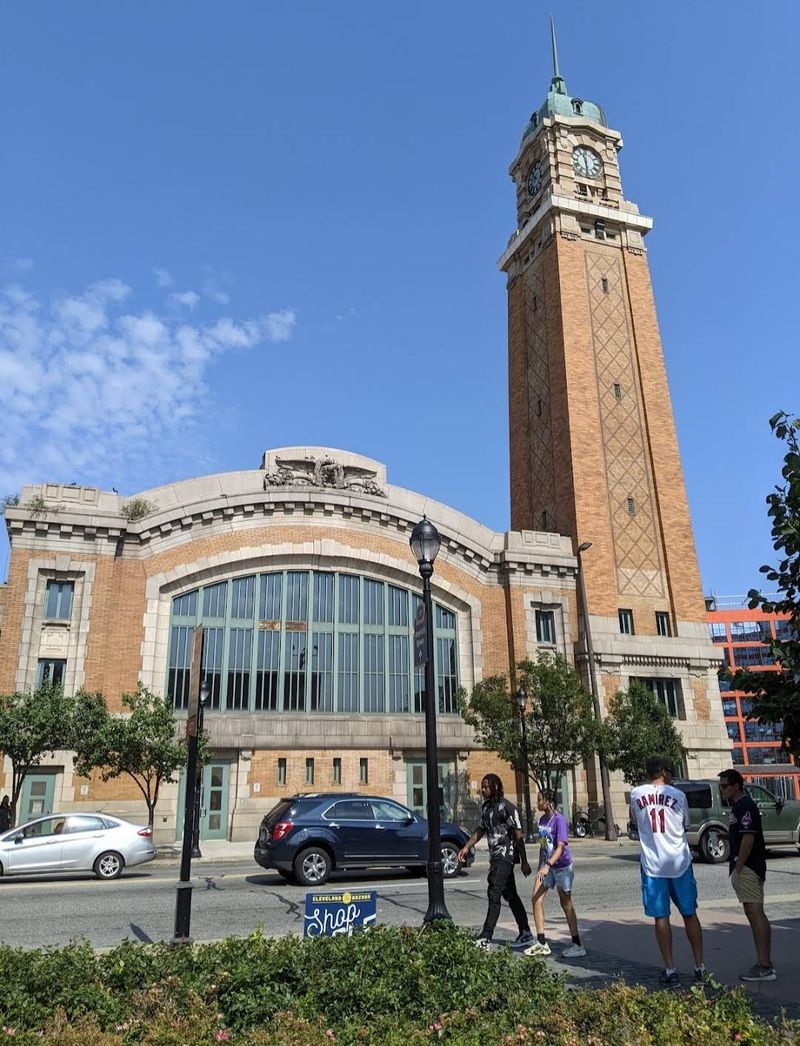
Here is a crazy thought. A city can carry decades of hardship and still hold real stories worth hearing.
East Cleveland sits right beside Cleveland in Cuyahoga County, and its numbers are startling. Residential values were projected to jump 67% in the 2024 reappraisal.
East Cleveland was in fiscal emergency from 1988 to 2006 and returned to fiscal emergency in 2012.
That combination adds another challenge for homeowners in a city already dealing with long-running financial and population pressures. A steep value increase hits hardest where incomes have not kept pace.
Still, the streets tell a layered history of the state’s industry and change. Housing styles shift block by block, marking waves of growth from different decades.
Anyone curious about how American cities rise, struggle, and rebuild will find plenty to think about. Community groups keep pushing revitalization efforts forward, block by block.
Location works in its favor too. World-class museums, university institutions, and Lake Erie shoreline all sit within a short drive.
For residents, staying informed matters more than ever. This state’s counties allow value challenges during set filing windows, and homestead exemptions can help older or disabled homeowners trim their bills.
Property-tax concerns now sit alongside long-running fiscal and demographic challenges that have affected East Cleveland for decades.
East Cleveland’s history now sits alongside difficult questions about affordability and long-term stability.
3. Monroe, Butler County
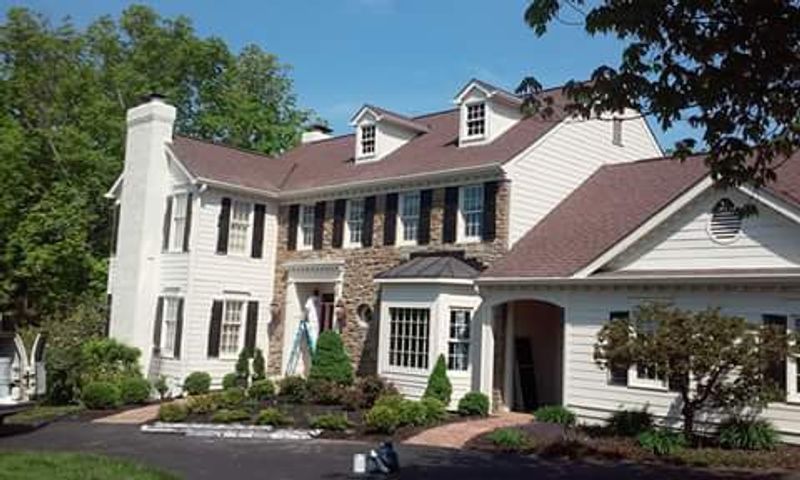
Quiet roads sometimes lead to the most surprising doorways.
Monroe sits partly in Butler County, where property values rose an average of 37% in the 2023 update. The county’s 2026 reappraisal brought another median increase of about 19% for residential and agricultural property.
How much those higher valuations affect individual bills depends on local levies, tax-reduction factors, and the property’s specific taxing district.
Two back-to-back jumps like that reshape household budgets fast. Families on fixed incomes notice it first.
The township still keeps its rural calm and a proud sense of local identity. The 1910 Museum occupies a building that once served as a general store and soda fountain.
Inside Monroe Community Park stands the Monroe Pioneer Log Cabin, a one-room structure from the 1800s filled with pioneer tools and furnishings.
The Chickahominy House Museum replicates a Colonial Williamsburg design and shows how homes looked around 1900.
Butler County wraps the area in cycling paths and scenic parkland, so outdoor plans come easy. Spring and early fall bring the most comfortable weather for trail time.
Practical tip for locals: watch for the 2026 update notices and compare your value against recent nearby sales.
Farmland views and museum keepsakes make this township worth a slow afternoon, tax headlines aside.
4. Worthington, Franklin County
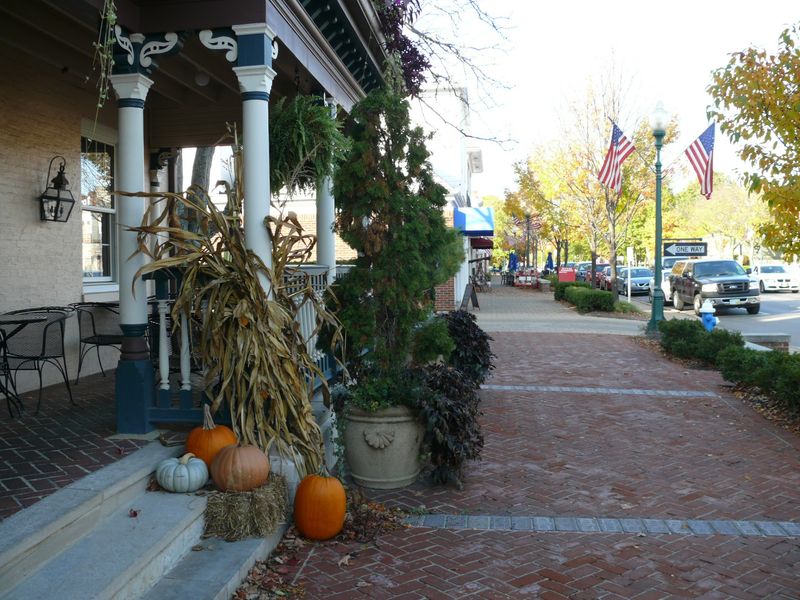
My jaw dropped at the sight of brick sidewalks lined with hanging flower baskets. Some towns simply look staged, and this one earns it honestly.
Worthington was founded in 1803, making it one of the state’s earliest settlements in Franklin County. Its median effective property tax rate sits at 2.22%, above both state and national medians.
Franklin County’s preliminary 2026 update shows residential values in the Worthington school district rising about 9%.
Voters also approved an $11.4 million bond issue for pool facilities in 2024. Those costs add another consideration for homeowners balancing long-term budgets.
Old Worthington remains the heart of things, with buildings nearing two centuries old and elegant lamp posts along the walk. The McConnell Arts Center fills the calendar with exhibitions and performances.
Rail fans should not skip the Ohio Railway Museum, one of the oldest of its kind in the country. The Orange Johnson House shows pioneer and Federal-era living in one of central Ohio’s oldest residences.
Year-round farmers markets keep local produce moving, and the city keeps expanding bike and pedestrian routes. Summer evenings here feel unhurried and pleasantly social.
Homeowner advice: levy language on ballots directly changes your bill, so read those measures before voting.
Find the Worthington Historical Society at 500 W. Dublin-Granville Rd, Worthington, OH 43085. Charm carries a price tag, and residents here know the figure well.
5. Lemon Township, Butler County
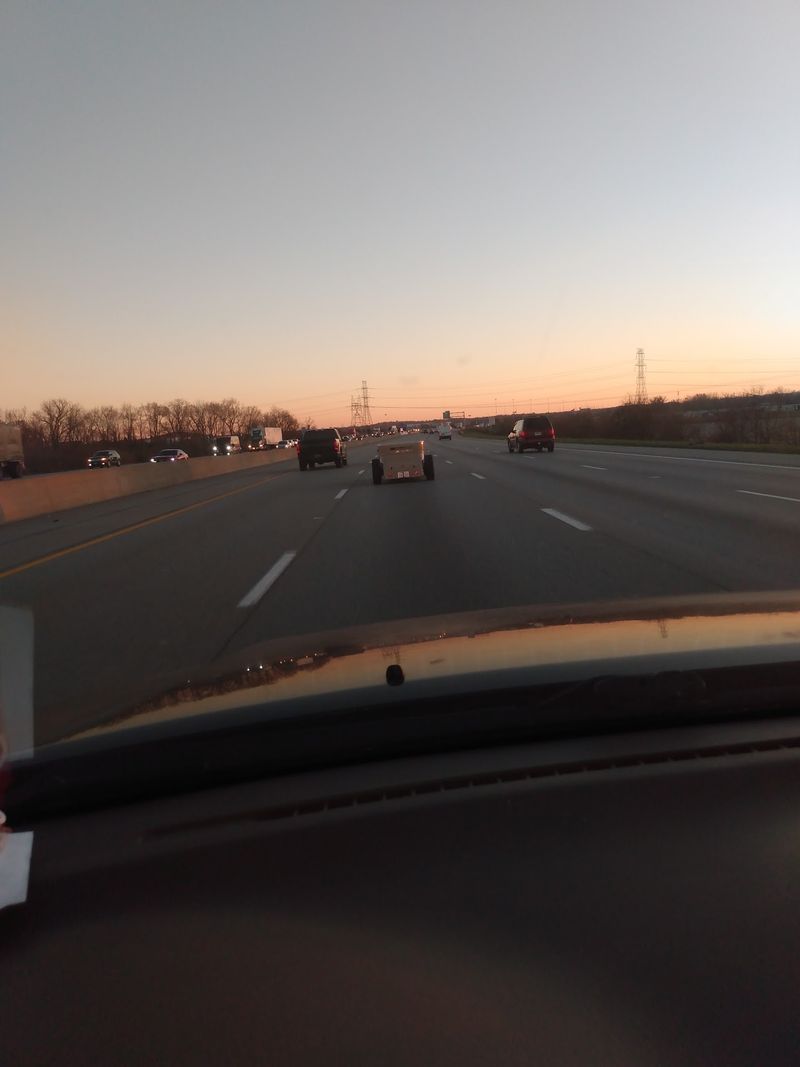
Let’s be real for a second. Open farmland and empty back roads have their own quiet pull.
Lemon Township sits in Butler County, where property values rose an average of 37% in 2023. The county’s 2026 reappraisal brought a median increase of about 19% for residential and agricultural property countywide.
Two waves of increases can turn a comfortable budget into a tight one. Some households may have to reconsider how higher housing costs fit into long-term budgets.
The land itself stays generous. Sweeping fields, barns, and long horizons make for genuinely pleasant country drives.
Butler County’s regional parks sit close by, opening up hiking, cycling, and shaded picnic afternoons. Late summer brings tall corn and golden light that photographers chase.
Local history ties directly to generations of agricultural work across this stretch of southwest Ohio. That heritage still shapes the pace of daily life here.
Practical thought for property owners: agricultural land may qualify for Ohio’s Current Agricultural Use Value program, which taxes farmland based on farm use rather than market value. Worth asking the county auditor about.
Fresh air, wide skies, and near-total quiet remain the main attractions. No crowds, no traffic snarls, just fields rolling toward the tree line.
Rising numbers on paper have not changed the calm you feel out on these roads.
6. Bexley, Franklin County
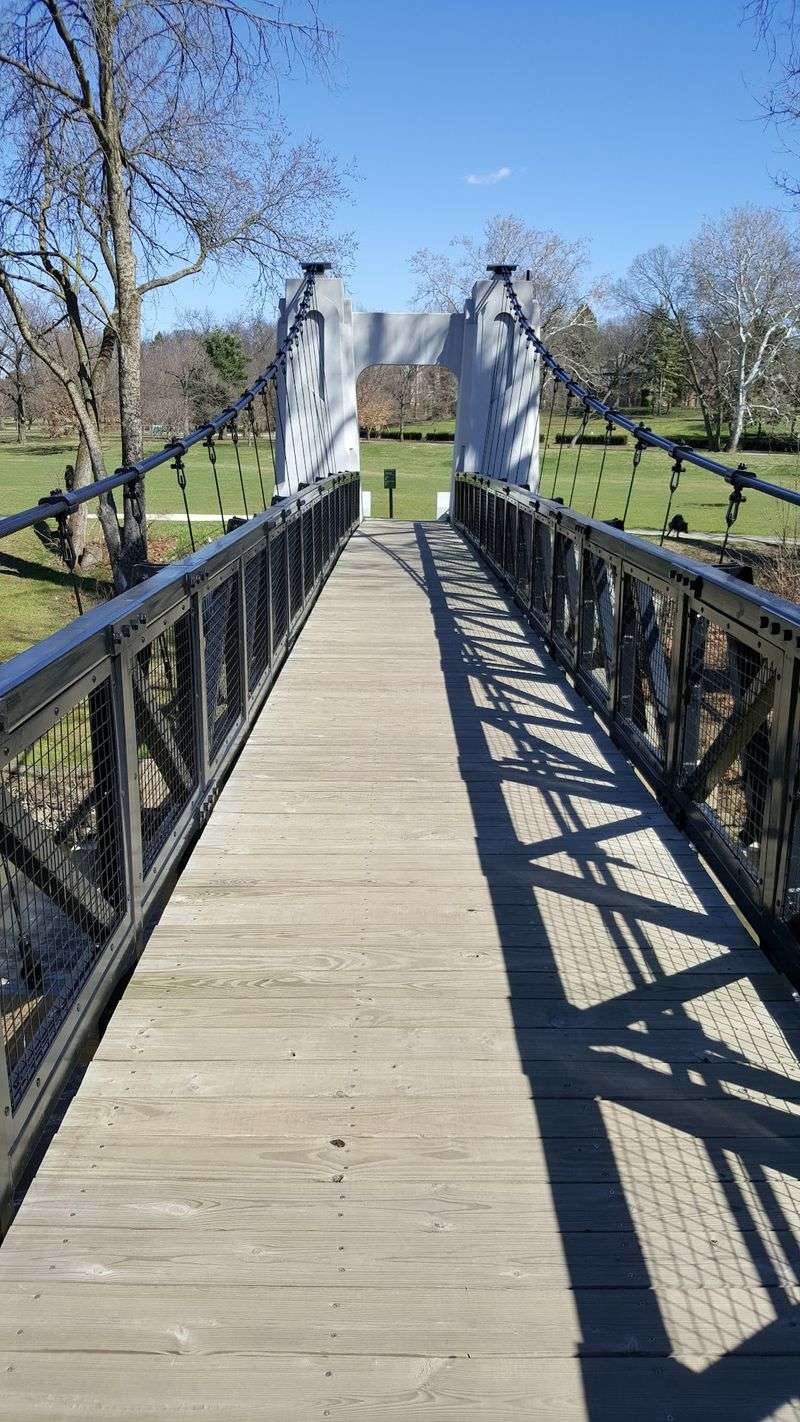
Call me curious, but grand old architecture always pulls me off the highway. Certain neighborhoods reward that detour tenfold.
Bexley sits just east of downtown Columbus in Franklin County, blending small-town streets with big-city access.
Franklin County’s preliminary 2026 update shows residential values in the Bexley school district rising about 14%.
That reputation matters when buyers compare monthly costs across central Ohio. Higher valuations can increase bills, but Ohio’s tax-reduction rules mean the change is not always proportional to the rise in a home’s appraised value.
What keeps people rooted here is the streetscape. Colonial, Tudor, and Georgian homes line the drives, many dating to the early 20th century.
Drexel Circle and Bullitt Park reward slow walks past manicured gardens and stately porches. Jeffrey Mansion and its surrounding park anchor community events, outdoor concerts, and art festivals.
The Drexel Theatre on Main Street still delivers a classic movie night. Nearby, independent boutiques, bakeries, and cafes make errands surprisingly pleasant.
Spring is the sweet spot, when flowering trees frame those historic rooflines.
One useful move for residents: request your property record card from the county auditor and verify square footage and features. Errors happen more often than people expect.
Elegant blocks, walkable corners, and renewed attention to property costs all define this Columbus neighbor today.
7. Boston Heights, Summit County
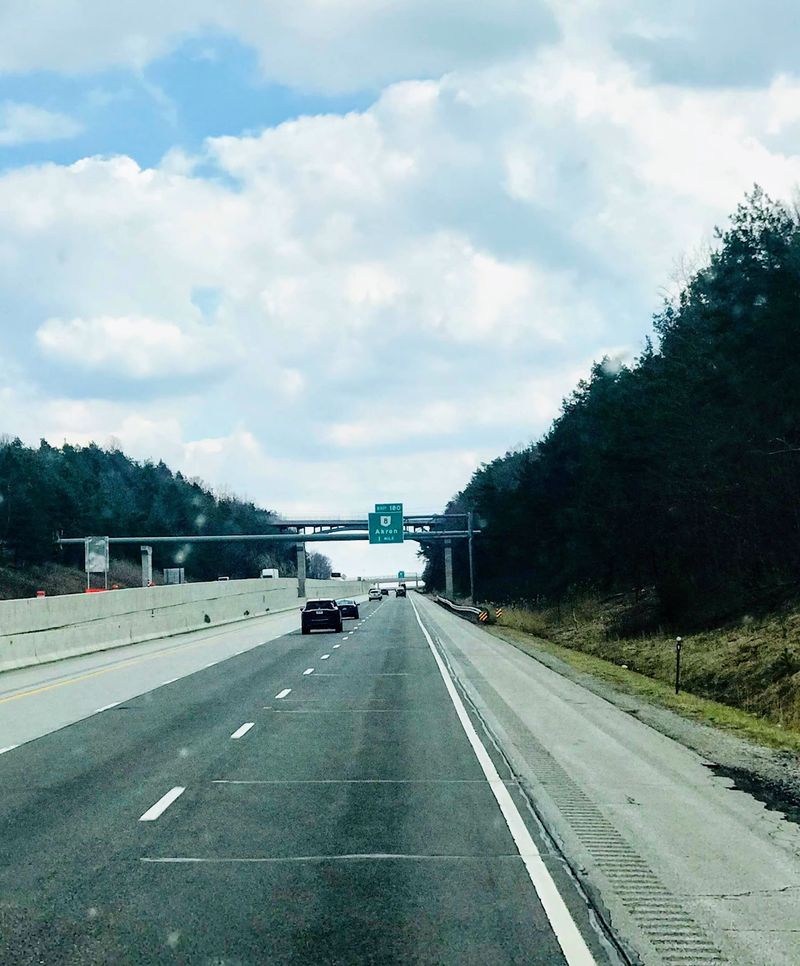
Have you given any thought to living minutes from a sixty-foot waterfall? Some villages sit closer to wonder than they let on.
Boston Heights occupies a small corner of Summit County beside Cuyahoga Valley National Park. The county’s 2023 update raised bills here, compounded by renewed fire levies adding to the millage.
The two fire measures maintained existing funding rather than adding new millage, while changes in property values were handled separately through Ohio’s tax system.
The payoff is access. Brandywine Falls thunders nearby and stays one of northeast Ohio’s most photographed natural features.
Trail networks stretch in several directions, including the East Rim Bike Trail favored by mountain bikers. Winter shifts attention to Boston Mills Ski Resort and its snowy slopes.
The village keeps its community calendar full, with an annual fall festival drawing neighbors together. Historic homes and a small-village feel round out the character.
Akron and Cleveland both sit within easy driving range, which explains the steady demand for housing here.
Homeowner tip: track levy questions on local ballots, since fire and safety measures directly affect your millage.
The Village of Boston Heights is located at 45 E. Boston Mills Rd, Boston Heights, OH 44236. Waterfalls, ski runs, and climbing bills now share this leafy patch of Summit County.
8. Maple Heights, Cuyahoga County
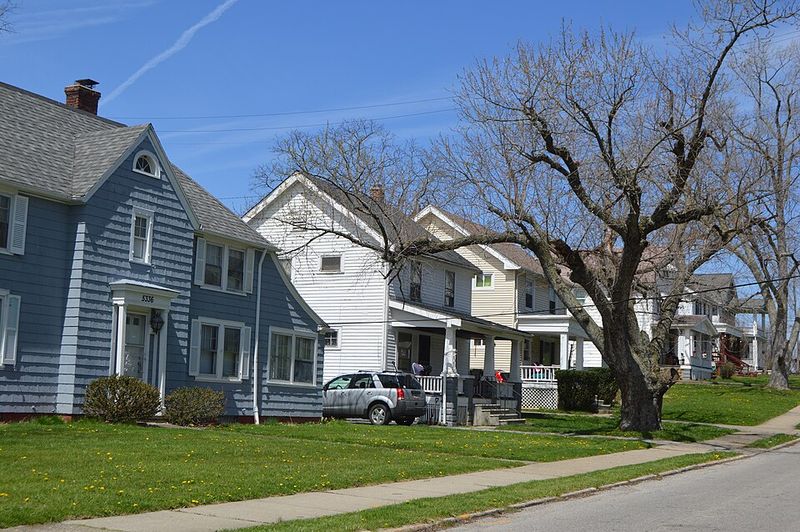
I am still trying to wrap my head around a 59% projected value jump. Numbers like that reshape entire neighborhoods.
Maple Heights sits in Cuyahoga County, incorporated back in 1915 as a working-class community of families and small businesses. Cuyahoga County’s 2024 reappraisal initially showed residential values in Maple Heights rising about 59%.
That combination can make property-tax affordability an especially important concern for local homeowners.
History still gets careful attention here. The Maple Heights Historical Society and Museum operates from the charming Little Red Schoolhouse, filled with memorabilia from early founders, civic clubs, and local shops.
Guided city tours connect those artifacts to real streets and buildings. Regional outdoor destinations are also within driving distance, including sections of the Ohio & Erie Canal Towpath Trail and Tinker’s Creek Gorge.
Tinker’s Creek Gorge Scenic Overlook delivers wide panoramic views of a National Natural Landmark. Fall brings the strongest color to that overlook, so plan accordingly.
Useful advice: Ohio’s homestead exemption can reduce taxable value for qualifying seniors and disabled homeowners. Applications go through the county auditor.
Community pride runs strong, even as the tax math grows tougher each cycle.
9. Grandview Heights, Franklin County
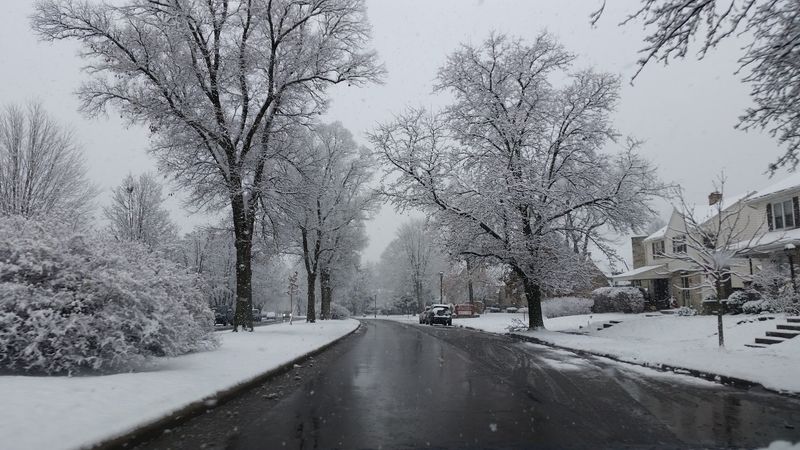
A walkable street with independent shops can be worth more than any highway exit.
Grandview Heights sits in Franklin County, a compact Columbus suburb with an estimated 2.04% median effective property-tax rate.
Franklin County’s preliminary 2026 update shows residential values in the Grandview Heights school district rising about 11%.
Repeated valuation increases have kept property costs prominent in local household budgets.
Still, few Ohio suburbs pack this much into a small footprint. Grandview Avenue hums with boutiques, galleries, and a deep bench of well-regarded restaurants.
A longtime neighborhood theater still lights its marquee nearby. Independent shops and longtime local businesses add more stops for curious wanderers.
The Grandview Hop gathers artists, musicians, and makers for one of the area’s most anticipated street events. History Walks tours unpack the stories behind street names and the mansions built by early notables.
Wide tree-lined sidewalks make the whole area easy to explore on foot or by bike. Warm months are best, when patios spill onto the pavement.
Homeowner note: comparing your value to recent sales on your own street is the fastest way to spot an overassessment.
Grandview Heights Public Library sits at 1685 West First Avenue, Columbus, OH 43212. Small size, big personality, and a bill that keeps stretching upward.