These 9 North Carolina Coastal Spots Where Beachcombers Find Unexpected Treasures
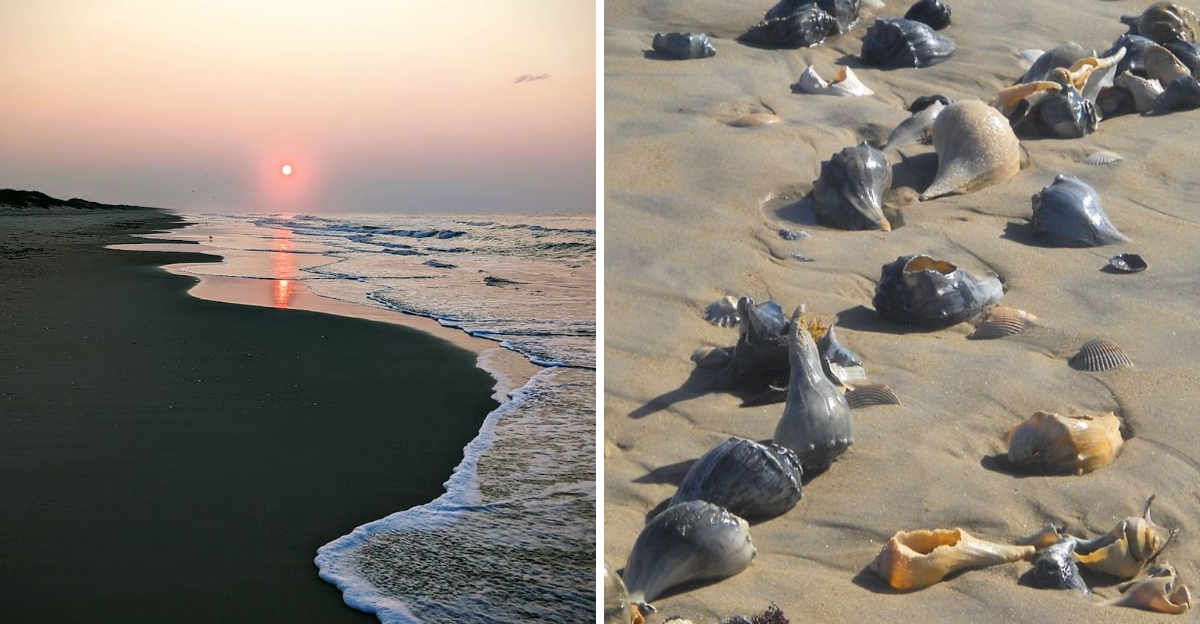
Low tide has a habit of turning an ordinary walk into a full-blown treasure hunt.
Along the North Carolina coast, the sand can hide far more than footprints. Waves keep reshuffling the shoreline, leaving behind small surprises for anyone willing to slow down and look.
One minute, the beach appears completely empty. A few steps later, something unusual catches the light and suddenly everyone nearby is staring at the ground.
That is part of the fun. No two visits feel exactly the same, and the best discoveries rarely appear where expected.
Some stretches are known for delicate shells. Others reward patient beachcombers with sea glass or shark teeth shaped by years in the water.
There is also a certain comedy in watching grown adults become intensely competitive over a tiny object in the sand.
Bring a small bag, keep an eye on the tide, and try not to announce every promising find too loudly. Someone nearby may already be racing toward it.
1. Cape Hatteras Point
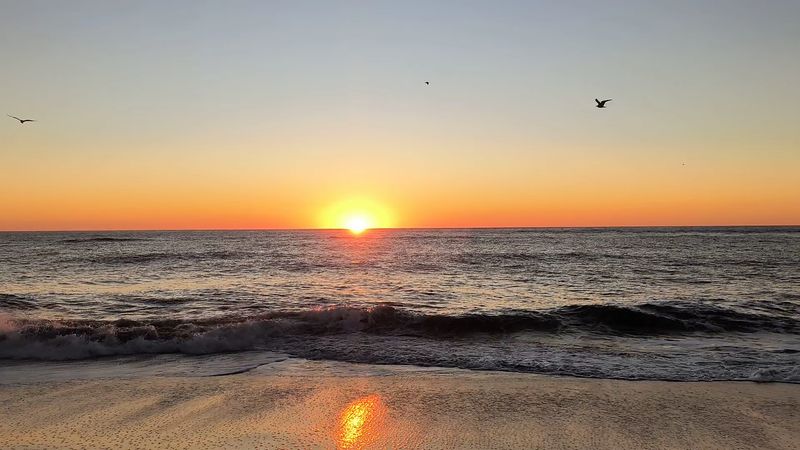
Powerful currents and constantly shifting sand make Cape Point one of the most changeable sections of Cape Hatteras National Seashore.
Shell deposits can form along the surrounding beaches after favorable winds or tides, giving walkers opportunities to find whelks, scallops, coquinas, olive shells, and other empty specimens.
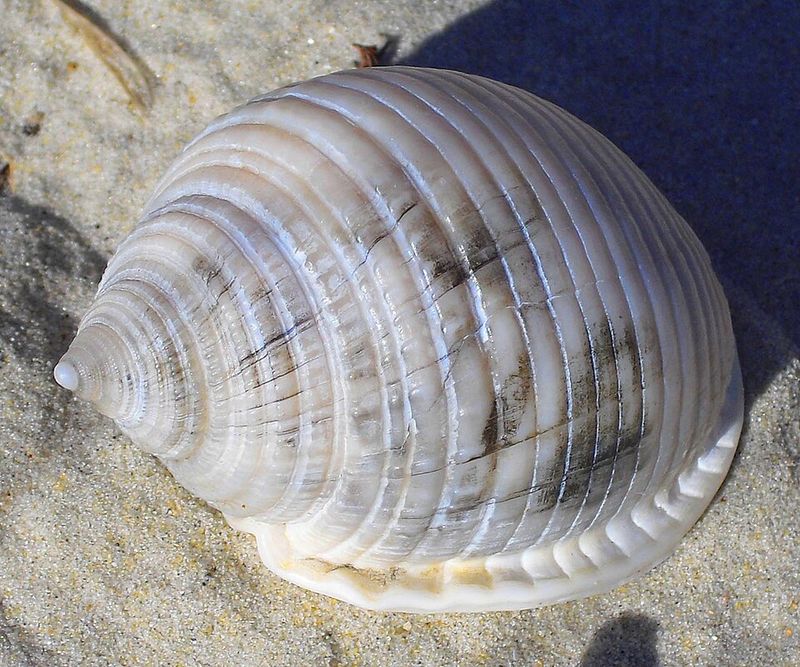
A Scotch bonnet would be an exceptional discovery rather than something visitors should expect. Access can change quickly because sandbars move and protected birds or sea turtles may use portions of the shoreline.
Anyone planning the trip should check the National Park Service beach access report on the same day rather than relying on an older map.
Driving on an open beach route requires an online off-road vehicle permit, while pedestrians may use areas that remain open to foot traffic.
Deep water and strong currents around the point make entering the surf unnecessarily risky during a beachcombing walk. The safest approach is to search exposed sand, shell beds, and the high-tide line without wading toward offshore shoals.
Cape Hatteras National Seashore permits visitors to take empty shells, but anything still occupied by a living animal belongs on the beach. Posted closures and instructions in the field always override information seen earlier online.
2. Ocracoke Island Beaches
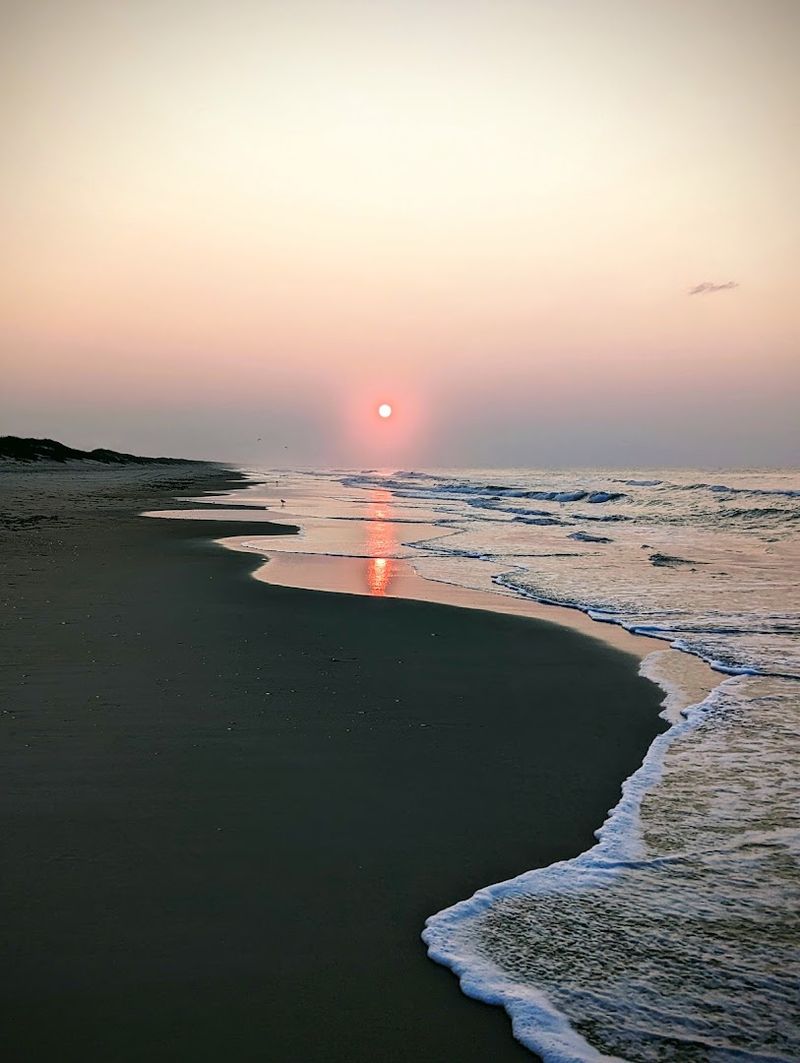
Nearly 17 miles of Cape Hatteras National Seashore shoreline give Ocracoke visitors several places to begin a patient search.
Whelks, scallops, cockles, coquinas, olive shells, driftwood, and occasional sand dollars may appear, but the available mix depends entirely on recent wind, waves, and tides.
One access point can look sparse while another several miles away holds a fresh line of shells. Pedestrian boardwalks and roadside parking areas along NC Highway 12 make beachcombing possible without driving on the sand.
Reaching more distant areas by vehicle requires a National Park Service off-road permit and an open route. Ramp 72 provides access toward the island’s southern end, but the distance open to vehicles can change during wildlife nesting season.
Current conditions should be checked before committing to South Point or any other remote section. Ocracoke itself is accessible only by water or air, with most visitors arriving on an NC Ferry Division route.
Ferry schedules, seasonal demand, and possible waits should become part of the day’s plan. Once on the beach, collect only unoccupied shells and avoid crossing symbolic fencing or marked closures.
Unusual-looking objects that may have cultural significance should remain where they were found rather than becoming souvenirs.
3. Corolla 4×4 Beaches
Pavement ends north of Corolla, where the shoreline becomes the main travel route through the Currituck County four-wheel-drive area. Beachcombers can walk the tide line looking for whelks, scallops, coquinas, driftwood, and other shells uncovered by changing surf conditions.
Sea glass and sand dollars are possible, but neither should be expected during every outing. Reaching this stretch requires a capable four-wheel-drive vehicle because deep, loose sand can quickly stop an ordinary car.
Visitors who park on the beach during the regulated season need a Currituck County beach parking permit. For 2026, permits are required from the second Saturday in May through the final Saturday in September.
Weekly visitor permits cost $50, and only 300 are sold for each week. Parking is prohibited within the first 1.5 miles north of the access ramp, where vehicles must continue using the beach as a travel lane.
Corolla’s Banker horses may appear near the dunes or shoreline, adding another memorable element to the walk. Everyone must remain at least 50 feet away, even while inside a vehicle, and feeding or approaching the horses is prohibited.
Shelling works best after the vehicle is parked legally and well clear of traffic.
4. Portsmouth Island / Core Banks
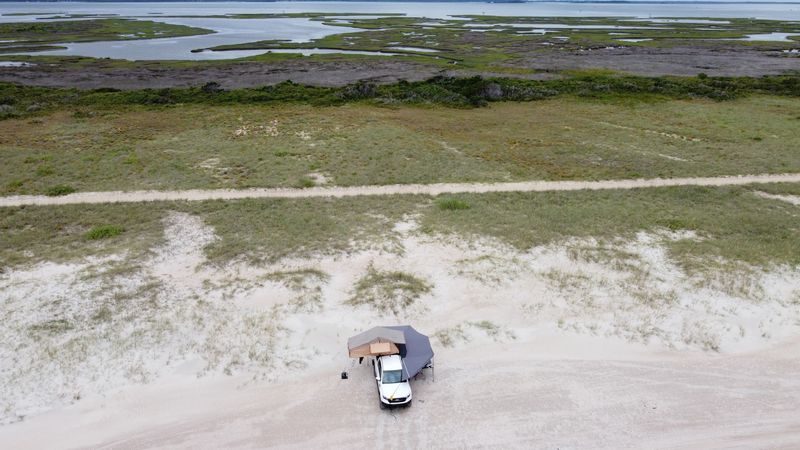
Remote conditions make North Core Banks especially appealing to beachcombers who prefer undeveloped shoreline and plenty of room to walk.
Portsmouth Village occupies the island’s northern end, an area often called Portsmouth Island, while the broader barrier island continues south as North Core Banks.
Visitors can search for empty whelks, scallops, olives, cockles, pen shells, sand dollars, egg cases, and driftwood, although each item remains dependent on the latest tides. Portsmouth Village is most commonly reached by passenger ferry from Ocracoke.
Vehicle ferries from Atlantic carry passengers and suitable vehicles to another section of North Core Banks, but no road connects the island with the mainland.
Cape Lookout National Seashore allows each visitor to collect up to five gallons of empty shells per day for personal, noncommercial use.
Shells occupied by mollusks or other animals must remain where they are found. Cultural objects and other protected resources cannot be removed, so visitors should limit collecting to clearly empty shells.
Facilities and services are minimal outside developed areas. Water, food, sun protection, insect repellent, and a firm return plan are essential.
Ferry schedules vary by operator and season, and reservations are strongly recommended for vehicle transportation.
5. Shackleford Banks
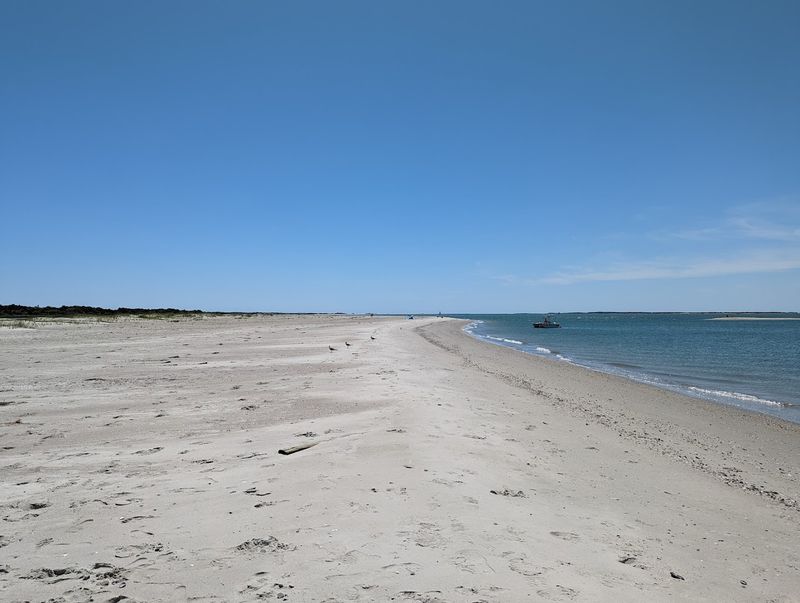
Undeveloped shoreline and a free-roaming horse herd give Shackleford Banks a character unlike the mainland beaches nearby.
Passenger ferries carry visitors from Beaufort to the island’s western end throughout the year, while seasonal service from Harkers Island reaches the eastern side.
No shops, paved roads, or permanent visitor services wait after landing, so every guest must carry water, food, and sun protection. Shelling is one of the island’s most popular activities.
Walkers may encounter empty whelks, scallops, olive shells, cockles, sand dollars, driftwood, and occasional Scotch bonnets, though rare shells are never guaranteed.
Cape Lookout National Seashore allows up to one five-gallon bucket of empty shells per person each day.
Every shell should be checked carefully for a living mollusk or another animal before it leaves the island. Archaeological materials and other protected objects must remain undisturbed.
Approximately 100 wild horses live on Shackleford Banks. Visitors must stay at least 50 feet away and should never feed, touch, surround, or follow them for a photograph.
Walking farther from a busy ferry landing may create a quieter search, but travelers need to track the time and know exactly where their return boat will arrive.
6. Bear Island
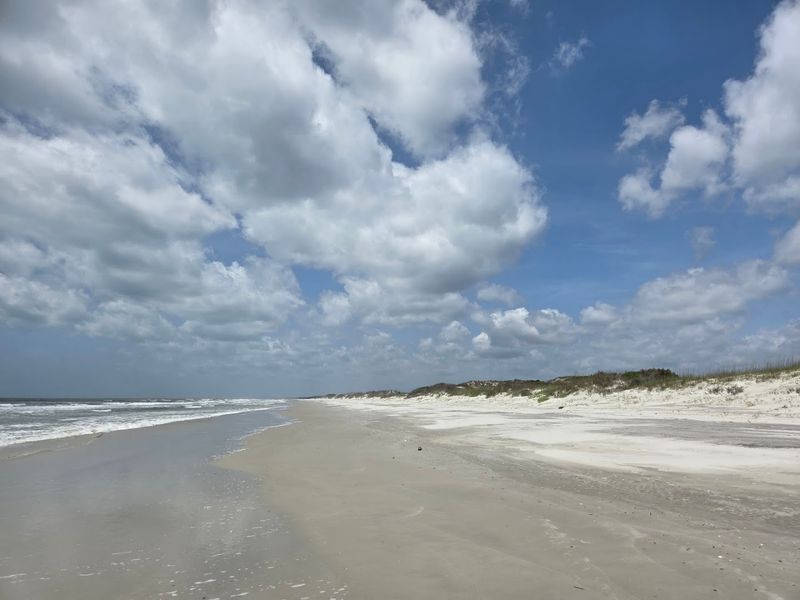
A short passenger-ferry ride separates Bear Island from the mainland section of Hammocks Beach State Park near Swansboro.
Once visitors step off the boat, they find an undeveloped barrier-island beach where shelling can become the main activity rather than a brief walk beside nearby buildings.
Depending on conditions, the tide line may hold whelks, scallops, cockles, pen shells, sand dollars, skate egg cases, horseshoe crab molts, and driftwood. Those are possibilities rather than dependable daily finds.
The 2026 summer ferry schedule runs from May 23 through September 7, with hourly departures Monday through Wednesday and service every 30 minutes Thursday through Sunday and on holidays. The final scheduled return from Bear Island is at 6 p.m.
Round-trip tickets currently cost $10 for passengers ages 13 through 61 and $5 for children ages 3 through 12 and adults 62 or older. Children age 2 and younger ride free.
Weather, staffing, mechanical issues, and island capacity can alter the schedule without advance notice. Bear Island has no public docking facility, although visitors may arrive by private boat or paddle craft.
Pack lightly, bring drinking water, and leave living shells and wildlife exactly where they are found.
7. North Topsail Beach
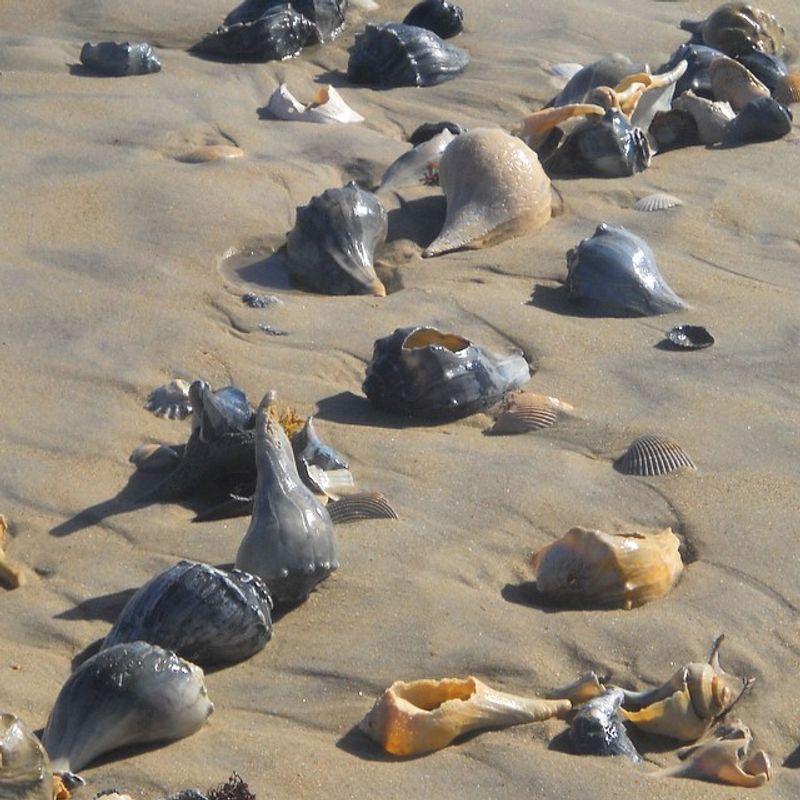
Small fossilized shark teeth make Topsail Island especially interesting for beachcombers willing to examine dark fragments closely.
North Topsail Beach offers numerous public access points where walkers can search the wrack line, shell beds, and freshly exposed sand near low tide.
Genuine teeth usually have a defined crown, a visible root, and a smoother surface than the nearby shell fragments and pebbles. Most discoveries are small.
Large megalodon teeth have occasionally appeared along Topsail Island after unusual storms and shifting sediment, but presenting them as common finds would create unrealistic expectations. Ordinary walks may also uncover coquinas, scallops, whelks, olives, and other empty shells.
Public parking is limited and paid, particularly during the busy summer season. Standard town lots currently charge $5 per hour or $25 per day.
The four-wheel-drive area at Beach Access 3 near River Road requires a suitable vehicle, but drivers must park within the designated access area and cannot continue onto the ocean beach strand.
The nearby inlet has extreme, rapidly changing currents, and the town explicitly warns visitors not to swim or wade there.
Most beachcombers will find easier access and safer walking conditions from one of the regular oceanfront parking areas farther from the inlet.
8. Freeman Park
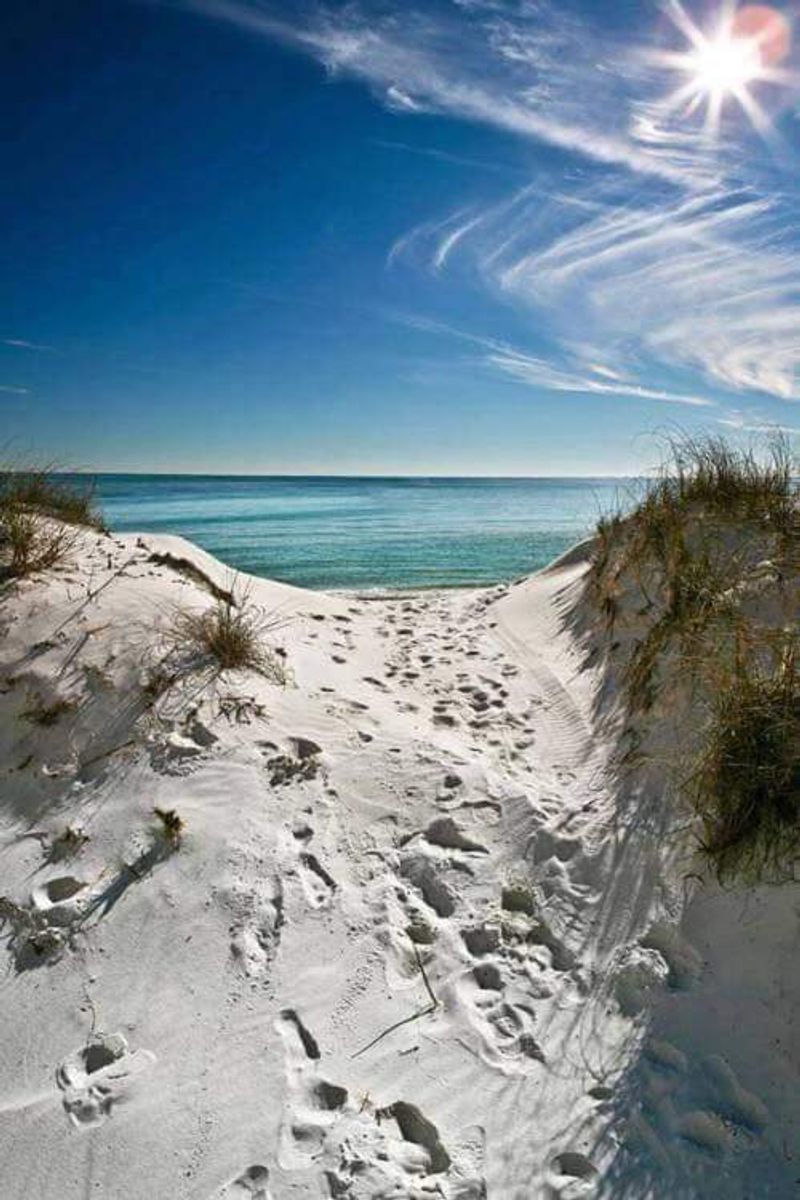
Freeman Park sits at the northern end of Carolina Beach beside Carolina Beach Inlet, where tides and erosion continually reshape the available shoreline.
Shells, driftwood, and other natural material can gather along exposed sections of sand, making a low-tide walk worthwhile when the park is accessible.
Whelks, scallops, cockles, coquinas, olive shells, and sand dollars are possible, but daily results vary and visitors should avoid expecting a rare shell. Four-wheel-drive access remains one of the park’s defining features.
A daily or annual access pass is required for every vehicle entering Freeman Park throughout the year. Current conditions deserve close attention before arrival.
Excessive erosion has closed northern portions of the park to vehicles, reduced the amount of usable sand, and created the possibility of temporary closures during high tides or heavy use. Overnight camping is also suspended until further notice.
Pedestrians should remain alert because open sections may serve as both recreation areas and vehicle lanes. Inlet shoals and fast-moving water are poor places to chase a shell, no matter how close it appears.
Beachcombing should remain on stable, exposed sand. Only empty shells should be collected, while living sand dollars, mollusks, crabs, and other shoreline animals remain undisturbed.
9. Holden Beach East End / Lockwood Folly Inlet
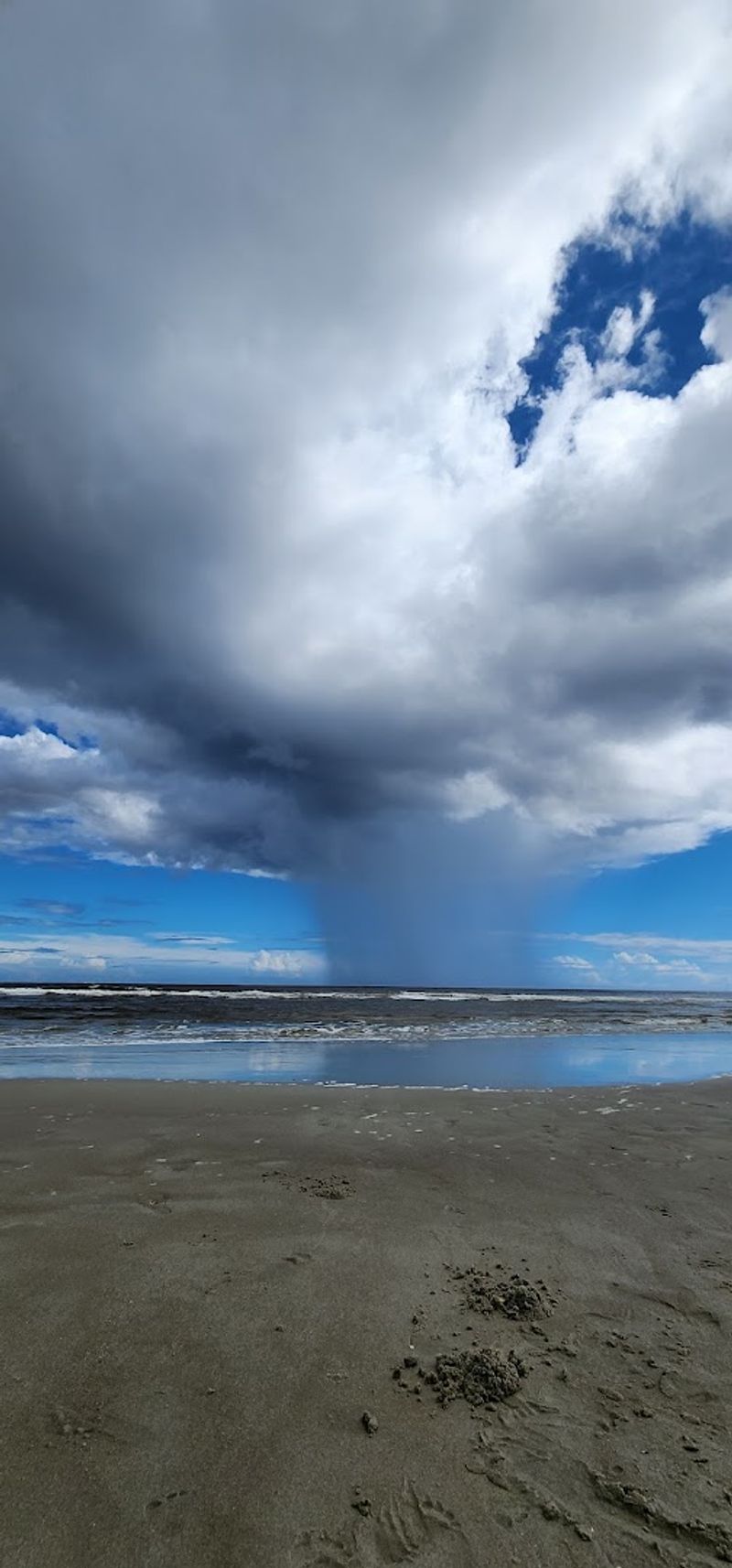
Holden Beach stretches for miles, giving walkers plenty of shoreline where each tide can expose a different combination of shells and small fossil fragments. Beachcombers may find scallops, whelks, olives, cockles, coquinas, driftwood, sand dollars, and occasional shark teeth.
None appears predictably at every access, and even productive areas can look nearly empty after the tide shifts. The east end near Lockwood Folly Inlet attracts interest because inlet currents move sand and marine material around the point.
Access and walking conditions can still change with erosion, nourishment projects, wildlife protections, and temporary fencing. Visitors should use marked public walkways rather than crossing private property or dune vegetation.
Public access is available on the east end, but parking spaces may fill early during summer. Strong inlet currents and changing drop-offs make the water unsuitable for casual wading during a shelling trip.
Staying on the oceanfront sand provides a safer way to search. Low tide often exposes more walking room, while the wrack line can hold heavier items left behind by earlier waves.
Collect only clearly empty shells and return living sand dollars or occupied specimens to their original position. A small, complete shell can be a more realistic and satisfying discovery than waiting all morning for a rare specimen.