This Unassuming North Carolina Thrift Warehouse Is Hiding Designer Brands For Less Than A Cup Of Coffee
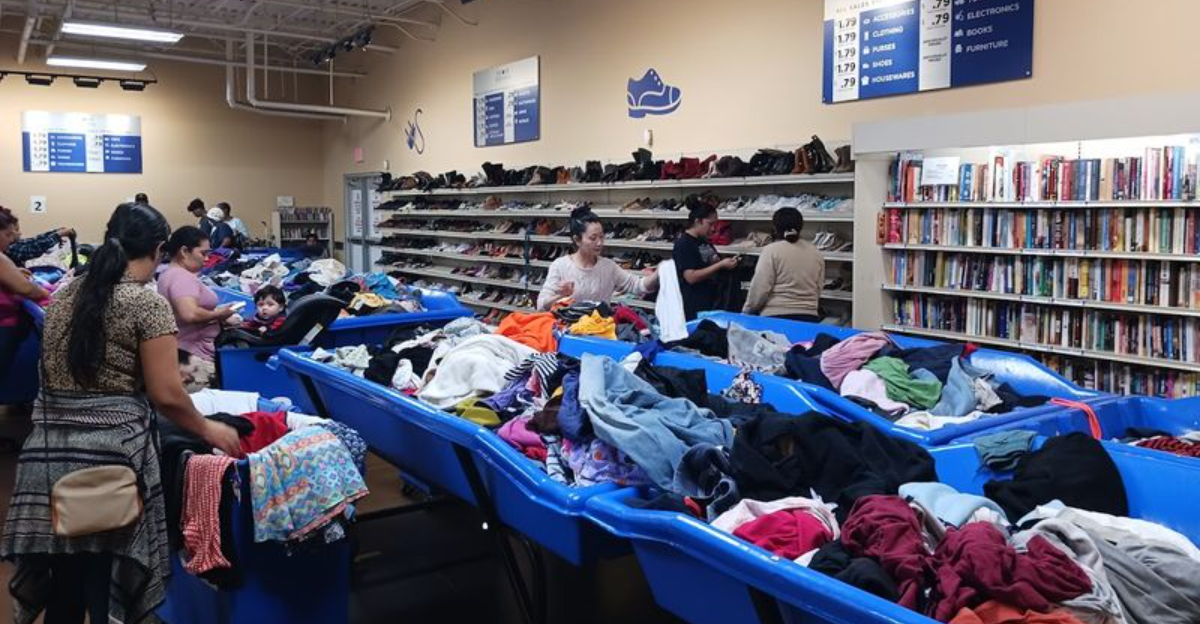
Paying by the pound sounds harmless until the cart starts filling itself.
Behind an unassuming storefront, one enormous thrift warehouse turns bargain hunting into a full-contact sport. Clothing lands in rolling bins, shoppers dig quickly, and the best finds rarely stay buried for long.
North Carolina treasure hunters return for one simple reason. A full armload can cost less than a morning coffee, even when recognizable labels are hiding in the pile.
Nothing here feels slow or carefully arranged. Every bin brings another chance to uncover something surprisingly good before someone else spots it.
Seasoned thrifters arrive ready to search. Curious newcomers usually learn fast once the first great find appears.
The experience can get a little chaotic, but nobody seems bothered when the total at checkout stays this low.
Come with patience, flexible expectations, and enough room in the car. Leaving with only one item may require more self-control than the prices allow.
Dig Through The Racks Before Someone Else Finds The Best Labels
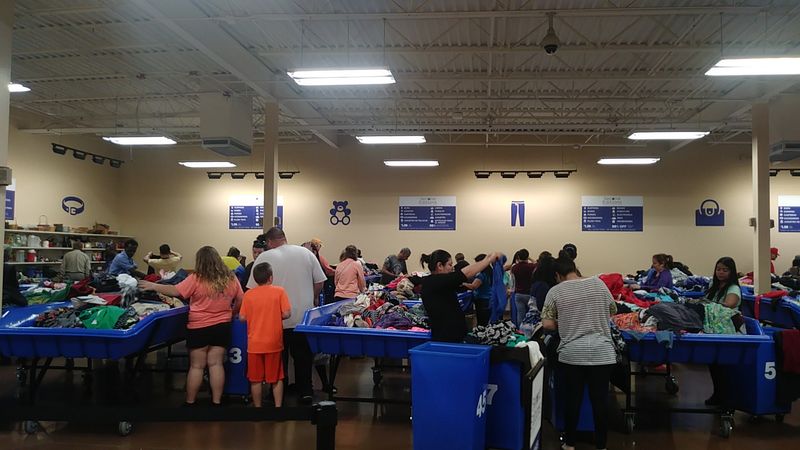
Shopping here begins with large bins filled with textiles and mixed secondhand merchandise rather than neatly arranged clothing racks.
Each layer can reveal a different combination of shirts, jackets, pants, shoes, bags, and accessories, so rushing through the first few pieces rarely gives a clear sense of what is available.
Examine fabric, seams, zippers, buttons, pockets, and interior labels before placing anything in your cart. A familiar brand name cannot make up for damage that prevents the item from being worn or repaired.
Crowded areas also call for patience. Follow employee directions whenever bins are being moved or replaced, and wait until staff members indicate that a section is ready for shoppers.
Reaching across other people or pulling items without looking can make the experience unnecessarily hectic. Comfortable shoes and clothing that allow easy movement help during a longer visit.
Lightweight pieces can cost very little once weighed, but careful inspection remains more valuable than collecting the largest possible pile. The most successful cart holds items you will actually use rather than everything that looked interesting for a few seconds.
See How Far A Few Dollars Can Take You
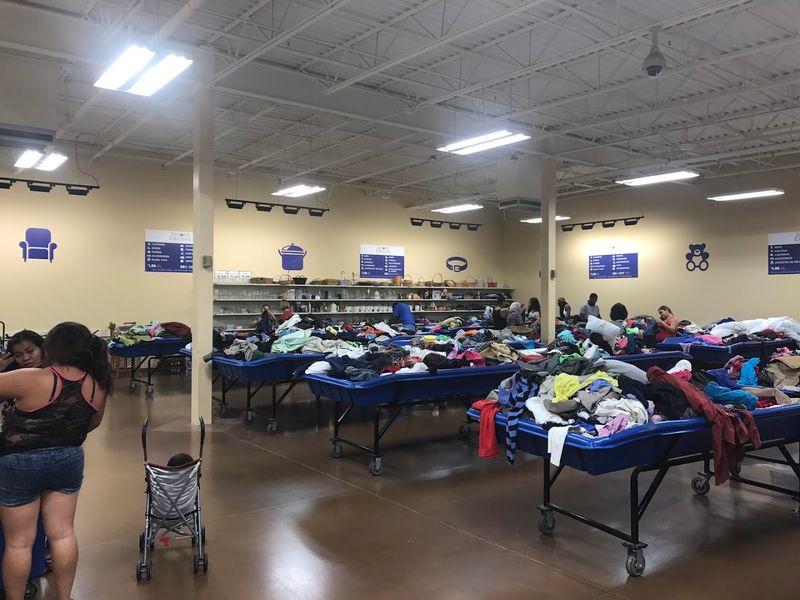
Per-pound pricing changes the way each purchase affects the final total. A thin shirt or small accessory may add only a modest amount, while heavy boots, thick coats, and bulky textiles naturally cost more because of their weight.
Clothing, shoes, purses, accessories, and plush toys currently sell for $1.99 per pound. Housewares, electronics, and toys are priced at $0.79 per pound.
Books and furniture do not go onto the scale and instead cost 50 percent less than their displayed prices. Those rates can produce strong savings, but a full cart may weigh more than expected.
Pausing before checkout gives you time to reconsider duplicates, damaged pieces, or purchases that only seem appealing because they are inexpensive.
A personal spending limit can keep the outing enjoyable without turning every possible bargain into an automatic purchase.
Exact totals depend on the weight and category of each item, so promises that an entire armload will always cost less than a cup of coffee would be misleading. Current pricing is posted by Goodwill and may change in the future.
Hunt For Designer Pieces Without Paying Designer Prices

Recognizable brands occasionally appear because Second Editions receives donated merchandise from across Goodwill’s regional network.
One bin may contain basic everyday clothing, while another could include premium denim, a well-constructed jacket, or a bag from a familiar label.
Nothing guarantees that designer merchandise will be available during a particular visit, so those finds should be treated as pleasant surprises rather than the outlet’s main promise. Construction and condition deserve as much attention as the name on the tag.
Check for stains, stretched fabric, broken closures, missing buttons, worn lining, damaged soles, and repairs that may cost more than the item is worth. Materials can also reveal quality when the brand is unfamiliar.
Wool, linen, silk, sturdy cotton, and genuine leather may be worth examining more closely if they remain in usable condition. Goodwill sends items that did not sell through its traditional stores to Second Editions for another chance to be purchased.
That process keeps the inventory unpredictable and explains why one visit may look completely different from the next.
Check Every Section Because The Best Finds Can Appear Anywhere
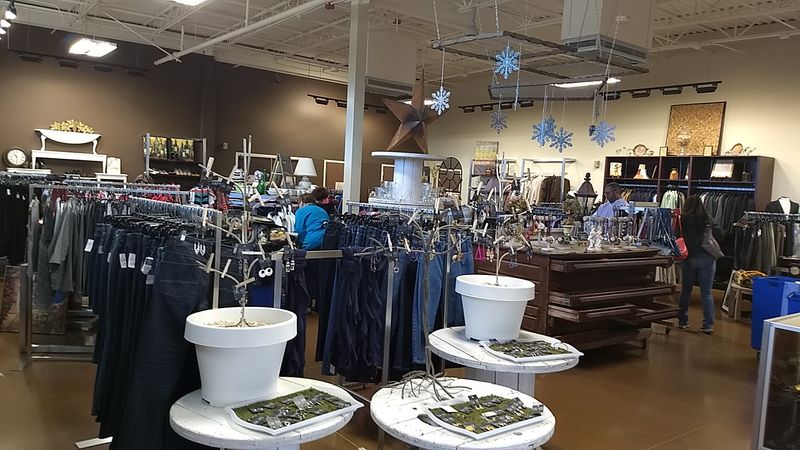
Clothing bins may attract the most attention, but stopping there can mean missing some of the outlet’s most practical purchases.
Housewares, toys, electronics, shoes, accessories, books, and furniture follow their own pricing categories and can change considerably between visits.
Cookware, storage containers, dishes, decorative pieces, children’s items, and small household tools may appear among the mixed merchandise. Electronics require especially careful inspection because condition can vary and Second Editions does not accept returns.
Check visible damage, cords, switches, battery compartments, and missing components before deciding that the low price makes an item worthwhile. Furniture deserves the same attention.
Look beneath cushions, test drawers, inspect hardware, and consider whether the piece can be transported safely before paying half of its ticketed price.
Books should be checked for missing pages, moisture damage, or heavy markings.
Ask an employee when an item’s category or pricing method is unclear. Understanding what goes onto the scale and what retains a marked price prevents confusion at checkout and makes it easier to estimate the cost of a mixed cart.
Give Yourself Time To Sort Through The Unexpected
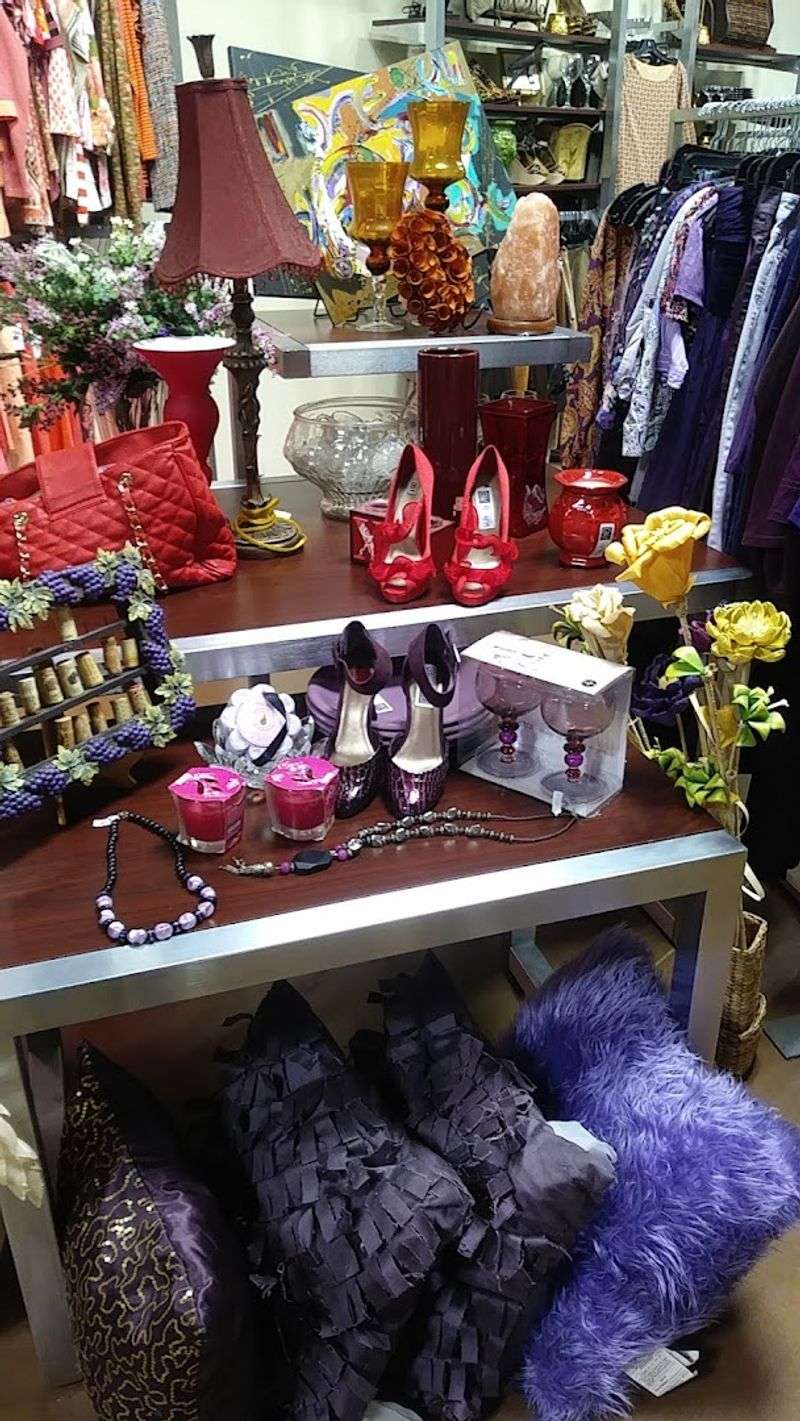
Serious browsing can take longer than expected when useful pieces are hidden beneath several layers of clothing.
A quick visit may still produce something worthwhile, but more time allows you to check condition, compare items, and remove purchases that no longer seem practical.
Second Editions currently opens at 10 a.m. on Monday and Wednesday through Saturday. Tuesday begins one hour earlier at 9 a.m.
Closing time is 9 p.m. from Monday through Saturday, while Sunday hours run from 10 a.m. until 7 p.m. Those extended hours provide several opportunities to visit without needing to rush through the bins.
Crowd levels and merchandise selection cannot be guaranteed at any particular time, so weekday mornings should not automatically be described as quiet. Gloves are optional, though some shoppers may prefer wearing them while handling mixed secondhand goods.
A cart keeps selected items together until the final review, and reusable bags can make carrying purchases easier afterward. Holiday schedules or operational changes may affect posted hours, so visitors traveling from outside Charlotte can call 704-394-6017 before leaving home.
Look Beyond Clothing For Shoes, Accessories, And Household Finds
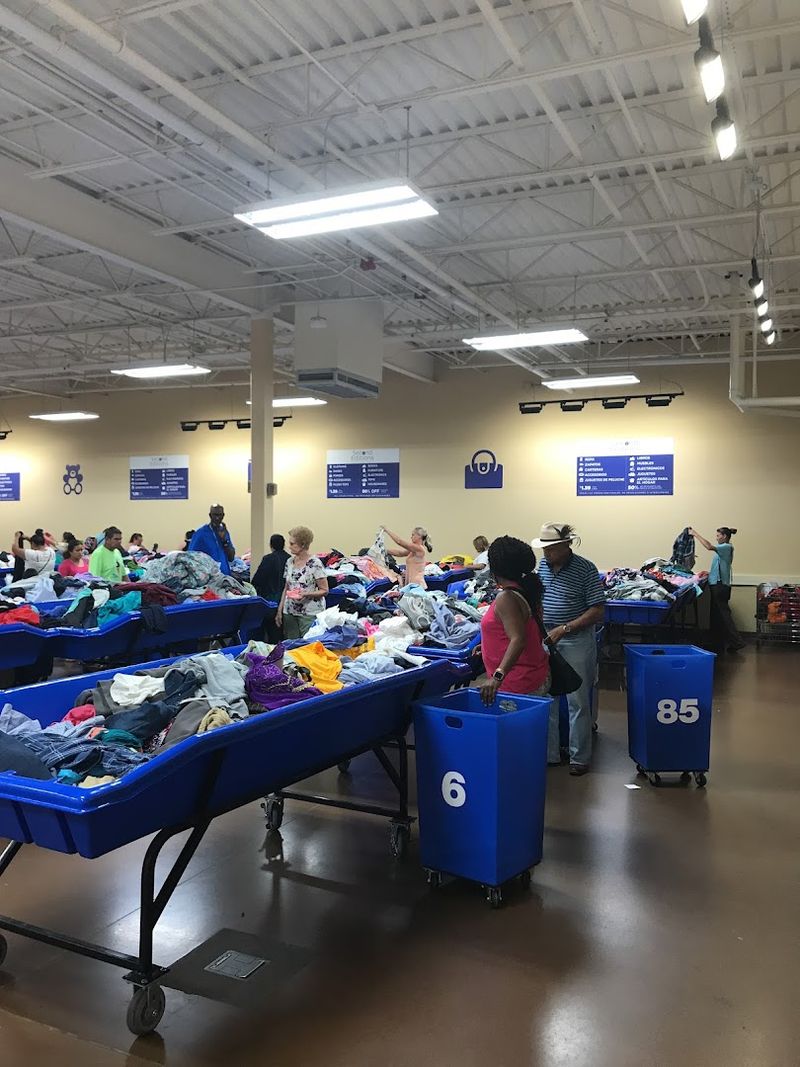
Practical discoveries can be more rewarding than a famous label. A mixing bowl, picture frame, storage basket, children’s toy, or basic household tool may solve an everyday need while adding very little to the final total.
Housewares, electronics, and toys currently cost $0.79 per pound, making many lightweight objects especially affordable. Low pricing should never replace a thorough condition check.
Examine each piece for cracks, sharp edges, missing parts, residue, unusual odors, or damage that makes it difficult to use safely. Matching pairs and complete sets deserve attention because replacement pieces may be difficult to find later.
Shoes, purses, accessories, and plush toys fall into the $1.99-per-pound category. Check soles, fasteners, handles, lining, stitching, and interior compartments before buying.
Since all outlet purchases are final, leaving a questionable item behind is often the better decision. Second Editions works best for shoppers willing to consider several categories instead of arriving with one exact product in mind.
A modest household find may lack the excitement of a designer label, but it can deliver far more lasting value once it reaches your home.
Visit Often Since The Selection Never Stays The Same
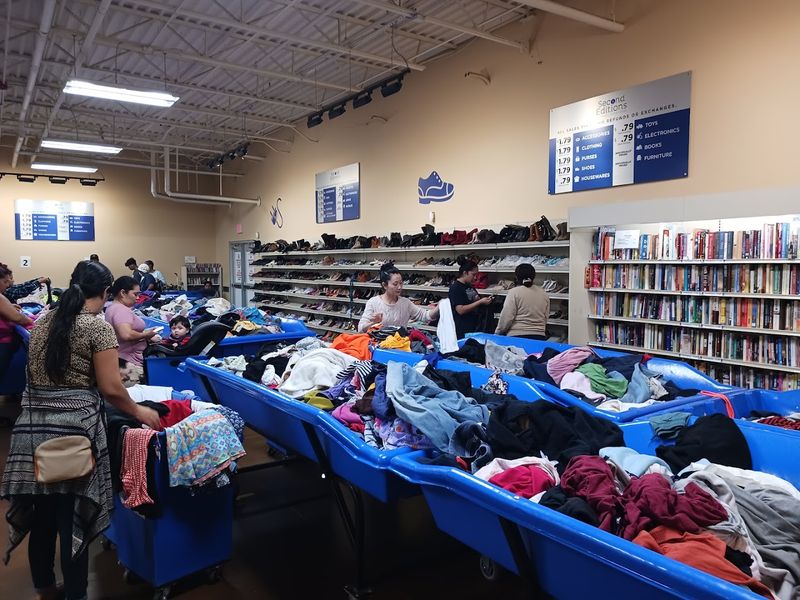
One unsuccessful trip says little about what may appear during the next visit. Second Editions depends on merchandise moving through Goodwill’s broader donation and retail network, which prevents the outlet from maintaining a predictable selection.
Items not purchased through traditional Goodwill stores receive another opportunity at the outlet before remaining goods move into other resale or recycling channels.
One day may bring abundant children’s clothing, kitchenware, and books, while another may offer coats, shoes, furniture, toys, or electronics.
Regular visitors often become faster at recognizing useful materials and spotting damage before an item reaches their cart. They also learn that low cost does not make every object worth carrying home.
Visiting frequently may improve familiarity with the format, but it cannot guarantee premium labels, rare collectibles, or one specific household item. Uncertainty remains part of the experience.
Rather than treating every trip as a hunt for an extraordinary discovery, shoppers can focus on whatever is useful, affordable, and in good condition that day. Walking away empty-handed is still better than buying something simply because the price looked unusually low.
Leave With A Bargain You Will Want To Tell Everyone About
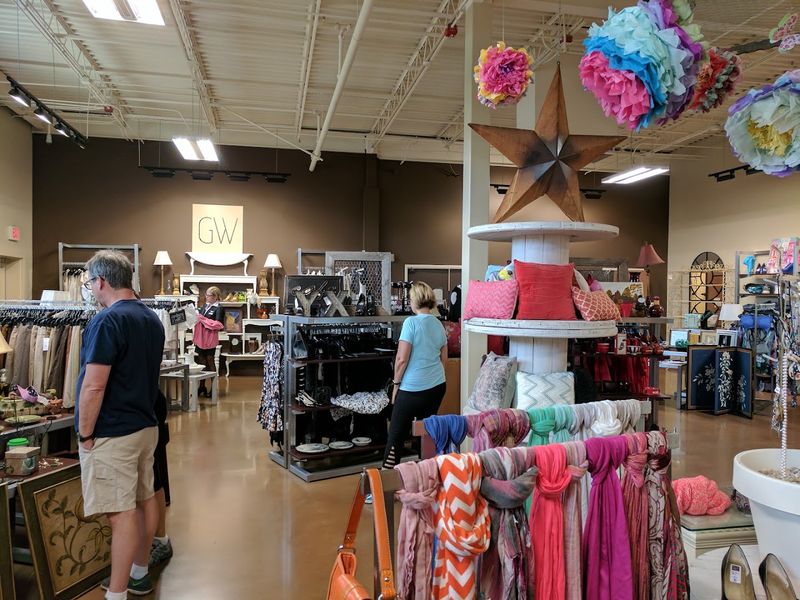
Affordable pricing represents only one part of Second Editions’ purpose. Giving donated clothing, furniture, toys, and household goods another opportunity to be purchased keeps usable items in circulation for longer.
Shoppers benefit from lower prices, while revenue from Goodwill Industries of the Southern Piedmont stores helps support tuition-free job training, skill-building workshops, career development, and employment assistance within the community.
A visit does not need to produce a luxury label or valuable collectible to feel worthwhile.
Finding a wearable coat, useful kitchen item, affordable book, or sturdy piece of furniture can be enough. Thoughtful buying matters more than filling the cart.
Inspect everything, remember that outlet sales are final, and remove items that do not suit your space, wardrobe, or budget before checking out.
The warehouse-style setup may feel unfamiliar during a first visit, but the pricing becomes straightforward once you understand which products are weighed.
A successful trip ends with usable purchases at manageable prices, not the largest possible pile of secondhand merchandise.
Goodwill Industries of the Southern Piedmont operates this outlet at 5301 Wilkinson Boulevard in Charlotte North Carolina, where clothing, shoes, accessories, purses, and plush toys are sold for $1.99 per pound.