8 Beautiful Places Across Minnesota Filled With History And Culture
Hey, culture fans! Clear your whole weekend, because Minnesota hides centuries of remarkable stories!
Rich Indigenous heritage, deep immigrant roots, and lavish old estates trace a long, layered arc. The past in this state runs so deep, and each stop reveals a fresh, quietly surprising chapter.
Minnesota carries far more history than its lakes-and-cabins reputation ever really lets on.
One solemn place honors sacred ground, while the next proudly flaunts pure, dazzling Gilded Age excess.
The vivid stories linger, so these places quietly follow you home for weeks afterward.
History lovers and endlessly curious wanderers both leave the whole state a little rearranged inside.
1. Historic Fort Snelling, St. Paul
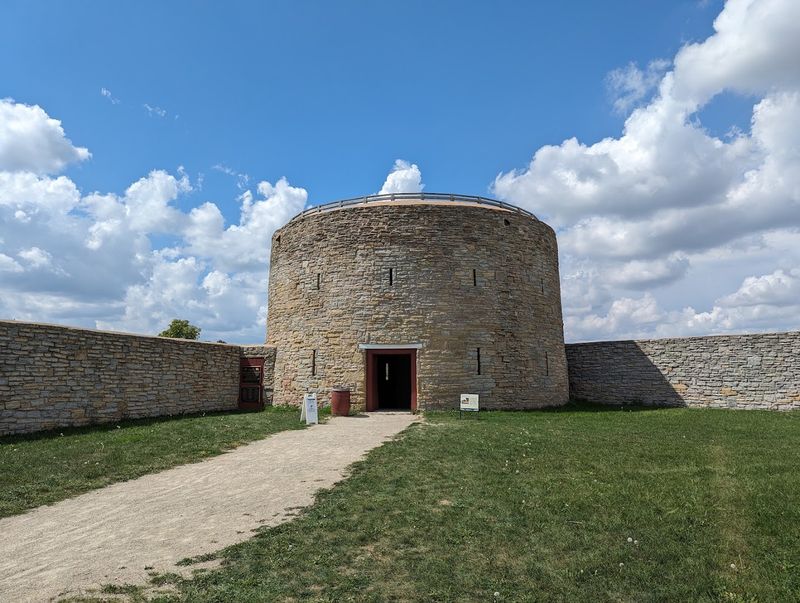
This place rewrites everything you thought you knew about the Midwest.
High above the meeting point of the Mississippi and Minnesota rivers, this fort has been a witness to over two centuries of American history.
Built in the 1820s, it served as a military outpost, a trading hub, and a center of Indigenous and settler interaction all at once.
Today, Historic Fort Snelling in St. Paul, brings that rich past to life in remarkable ways. Costumed interpreters walk the grounds, reenacting daily life from the 1820s, and the detail is genuinely impressive.
You can watch soldiers drill, visit a blacksmith at work, and learn about the Dakota people whose ancestral lands surround the fort.
The views from the bluff alone are worth the trip, stretching out over two rivers in a sweep of natural beauty. The museum inside adds even more context, covering everything from the U.S.-Dakota War to the fort’s later role in the Civil War era.
Kids and adults alike tend to leave with a much deeper understanding of how the American frontier actually looked and felt.
Spring through fall is the best time to experience the full living history programming. The address is 200 Tower Ave, St Paul, and parking is available on site.
Plan for at least two to three hours to take it all in properly, because rushing through this one would be doing it a real disservice.
2. Mill City Museum, Minneapolis
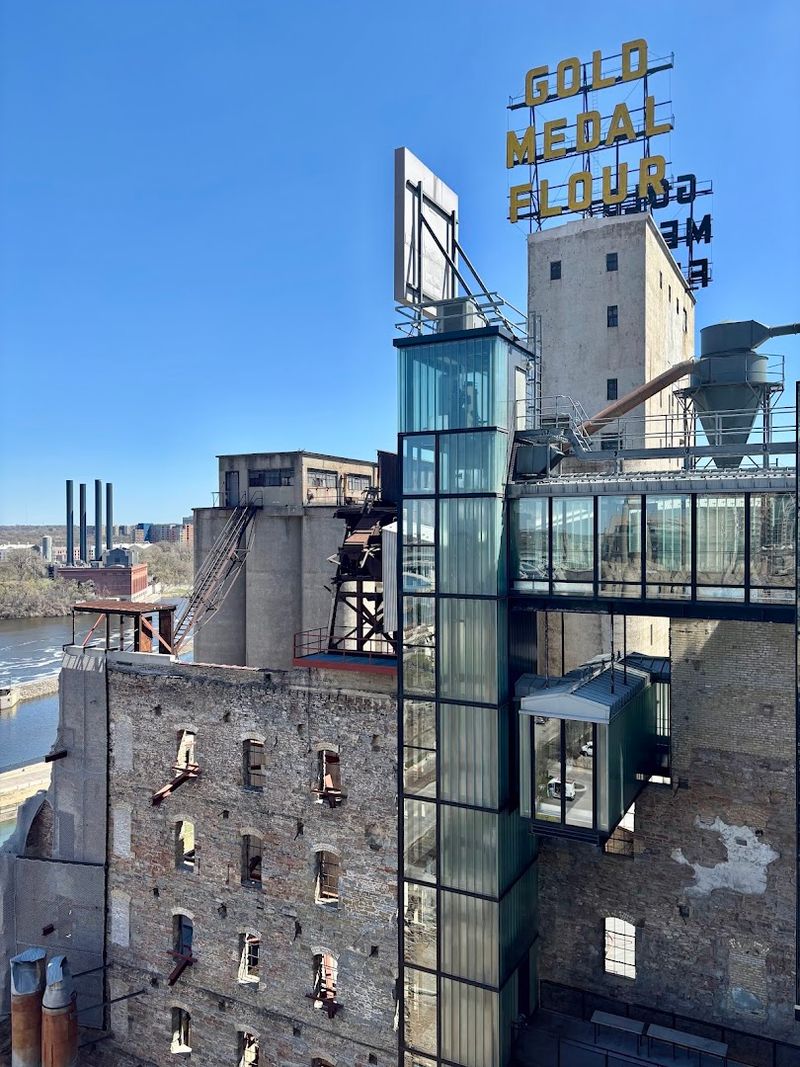
The Mill City Museum in Minneapolis is literally constructed inside the ruins of what was once the largest flour mill in the world.
That is not marketing fluff, that is actual history baked right into the architecture. Minneapolis earned the nickname “Mill City” because its mills along the Mississippi River powered a massive portion of America’s flour production in the late 1800s.
The Washburn A Mill, which now houses the museum, exploded spectacularly in 1878 and was rebuilt, only to burn again in 1991. The ruins were preserved and transformed into one of the most creatively designed museums in the entire country.
Inside, you will find an eight-story freight elevator ride that takes you through the history of flour milling in a theatrical and genuinely entertaining way.
Interactive exhibits let you grind grain and learn how water power fueled an industrial revolution right here on the banks of the Mississippi. The rooftop terrace offers a stunning panoramic view of the river and the city skyline.
The building itself is a conversation starter, with charred stone walls and rusted machinery preserved behind glass as living artifacts.
Families with kids tend to love the hands-on elements, while history buffs appreciate the depth of research behind every display.
The museum at 704 S 2nd St sits right along the Mississippi Riverfront, making it easy to pair with a walk along the Stone Arch Bridge nearby.
3. Split Rock Lighthouse, Two Harbors
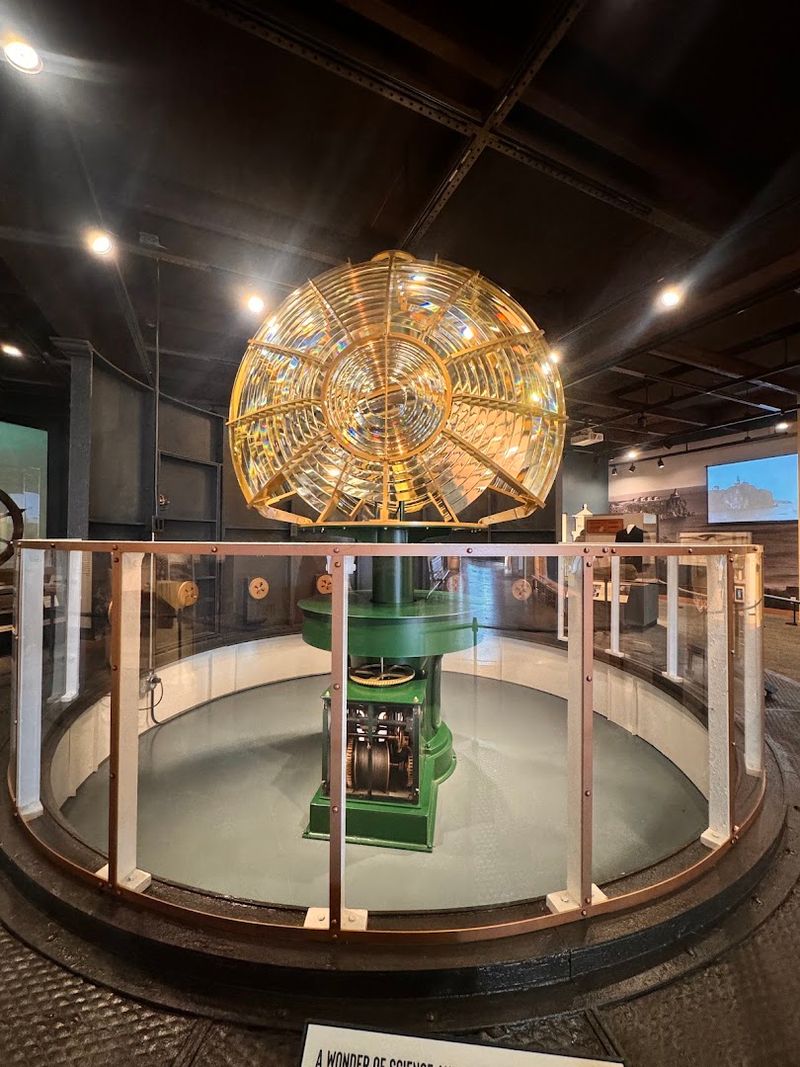
Correct me if I am wrong, but few sights in the entire Midwest hit quite like this one does.
Sitting on a sheer cliff 130 feet above the cold waters of Lake Superior, Split Rock Lighthouse is one of the most photographed landmarks in all of Minnesota. It is the kind of scene that makes you stop mid-sentence just to stare.
Built in 1910 following a devastating storm that wrecked dozens of ships on the rocky North Shore, the lighthouse guided ore freighters safely through treacherous Lake Superior waters for decades.
Near Two Harbors, it operated until 1969 and is now maintained as a historic site by the Minnesota Historical Society.
Touring the lighthouse keeper’s home, the fog signal building, and the tower itself gives you a vivid picture of what isolated life on the North Shore looked like a century ago.
The furnishings are period-accurate, and the costumed guides share stories that feel personal and immediate rather than textbook-dry.
The surrounding Split Rock Lighthouse State Park adds hiking trails, a pebble beach, and sweeping lake views that make a full day here feel effortless. November brings a special beacon lighting ceremony that draws crowds from across the region every year.
The lighthouse is at 3713 Split Rock Lighthouse Rd, Two Harbors, and the drive along Highway 61 to get there is scenic enough to count as part of the experience. Pack layers because the lake breeze can be brisk even in summer.
4. Grand Portage National Monument
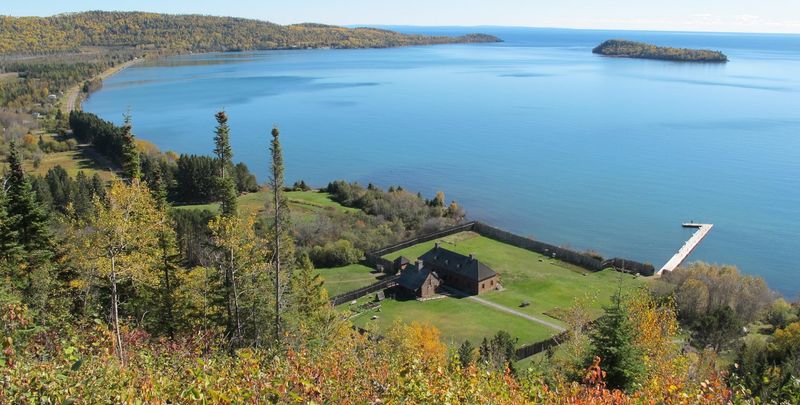
What if one small stretch of land quietly shaped the entire course of North American trade history?
Grand Portage National Monument in Grand Portage sits right at that intersection of Indigenous culture and European fur trade history, and it is far more gripping than most people realize before they arrive.
For centuries, the Ojibwe people used this portage trail to carry canoes and goods around the unnavigable rapids of the Pigeon River.
When European traders arrived in the 1700s, they relied entirely on this Indigenous knowledge and infrastructure to build the North American fur trade network.
The reconstructed Great Hall and stockade at the monument bring that shared history back into focus in a tangible way.
Rangers and cultural interpreters share stories from both the Ojibwe and fur trade perspectives, giving the site a layered depth that single-story historical sites often miss.
You can handle replica trade goods, examine birchbark canoes, and walk the original 8.5-mile portage trail if you are feeling ambitious. The trail leads to the historic depot at Fort Charlotte and passes through genuinely wild backcountry terrain.
The location at the northeastern tip of Minnesota, right on the Canadian border, also means the scenery is spectacular.
Lake Superior stretches out endlessly from the shoreline near the monument, and the Ojibwe community of Grand Portage maintains a strong cultural presence in the area.
The address is 170 Mile Creek Rd, Grand Portage, and the monument is open seasonally from mid-May through mid-October.
5. New Ulm
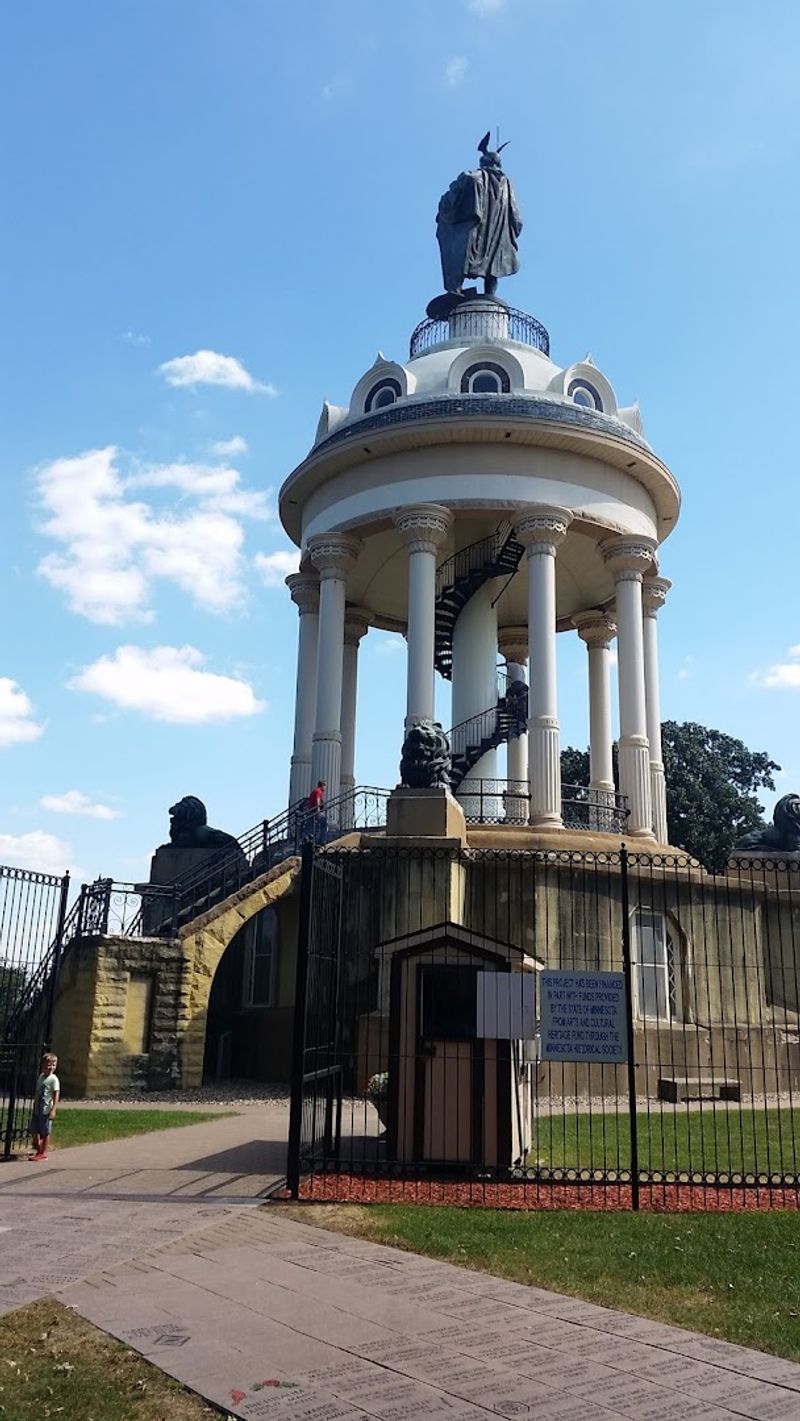
Just imagine for a second stumbling into a Bavarian village that somehow landed in the middle of the Minnesota prairie.
That is essentially the experience of arriving in New Ulm, a town that has preserved its German heritage with a pride and consistency that is genuinely rare in the United States. From the architecture to the festivals to the food, this town commits fully.
Founded in the 1850s by German immigrants, New Ulm was built to feel like home for settlers who had crossed an ocean to start over.
The town’s German-American Heritage Center traces that immigration story through photographs, artifacts, and personal accounts that bring real emotional weight to the history.
Walking the downtown streets, you will notice the old-world building styles are not decorative add-ons but original structures maintained with care.
The famous Glockenspiel in the town square is a free-standing carillon clock tower that puts on a mechanical show three times a day.
Hermann Monument, a 102-foot statue honoring a Germanic tribal hero, towers over the surrounding parkland and offers views across the Minnesota River Valley.
The Schell’s Brewery, one of the oldest family-run breweries in the country, grounds the town’s heritage in a living, working institution.
August’s Heritagefest draws thousands of visitors each year for traditional music, dancing, and German food.
The town of New Ulm is in Brown County in southern Minnesota, roughly two hours southwest of Minneapolis. It is compact enough to explore on foot in a day but rich enough in history to justify a longer stay.
6. Pipestone National Monument
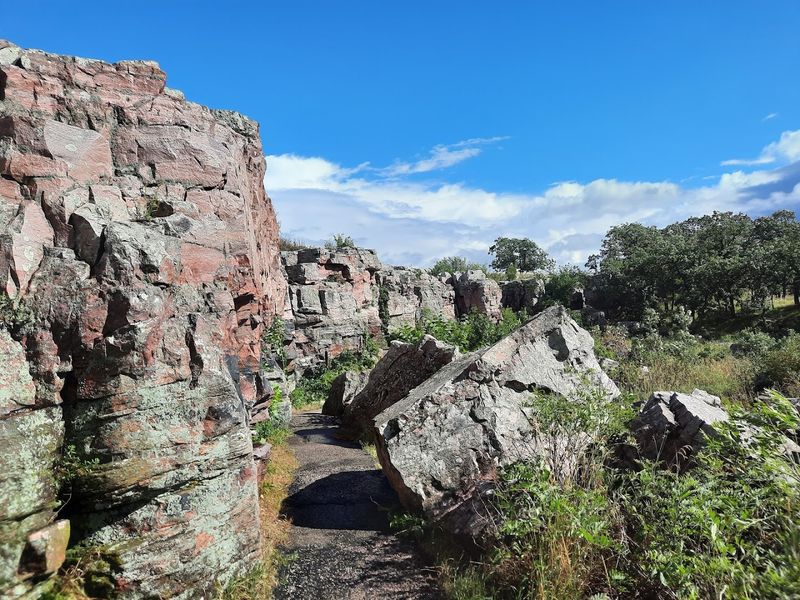
Realistically speaking, some places carry a spiritual weight that you feel before you even read the signs.
Pipestone National Monument in Pipestone is one of those rare sites where the land itself seems to hold memory. The vivid red pipestone, called catlinite, has been quarried here by Indigenous peoples for at least three thousand years.
Native American tribes from across the Great Plains traveled to this sacred site to quarry the soft red stone and carve it into ceremonial pipes.
The monument is unique because active quarrying by enrolled members of federally recognized tribes still continues here today. That living cultural practice makes Pipestone feel fundamentally different from a typical historical museum or preserved ruin.
The visitor center features a fascinating exhibit on the cultural and spiritual significance of the pipes, along with demonstrations by Indigenous artisans who carve and sell their work on site.
A 0.75-mile trail loops past the quarries, the dramatic Sioux quartzite outcroppings, and Winnewissa Falls, a small but pretty waterfall that adds a peaceful rhythm to the walk.
The surrounding tallgrass prairie landscape is also worth slowing down for, especially in late summer when wildflowers fill the meadows with color.
Birdwatching here is surprisingly rewarding, with meadowlarks and various grassland species easy to spot along the trail.
The access point is at 36 Reservation Ave, Pipestone, and the monument is open year-round, though summer brings the fullest range of cultural programming and demonstrations.
Early morning visits offer the quietest, most reflective experience of this genuinely sacred landscape.
7. Glensheen Mansion, Duluth
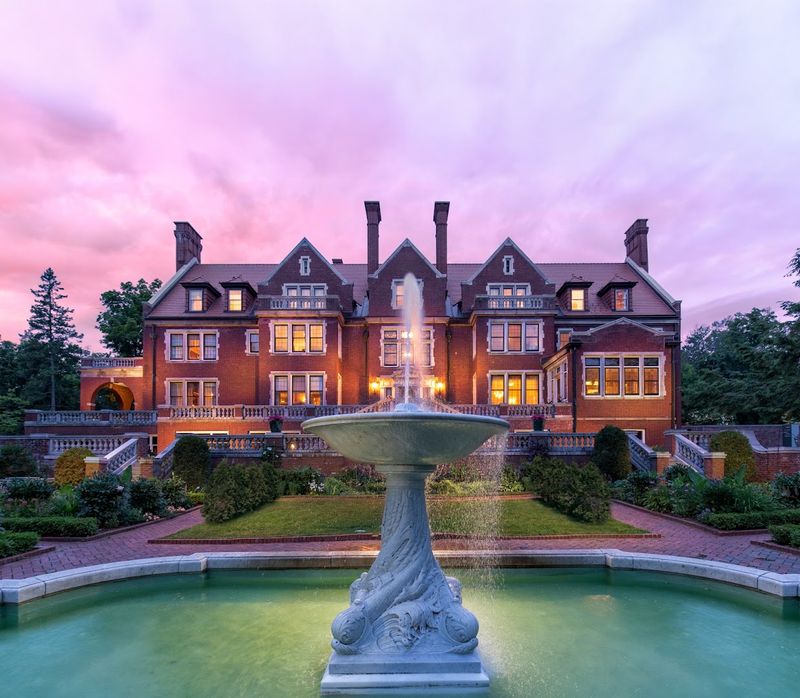
I had to do a double-take the first time I saw this estate sitting right along the Lake Superior shoreline.
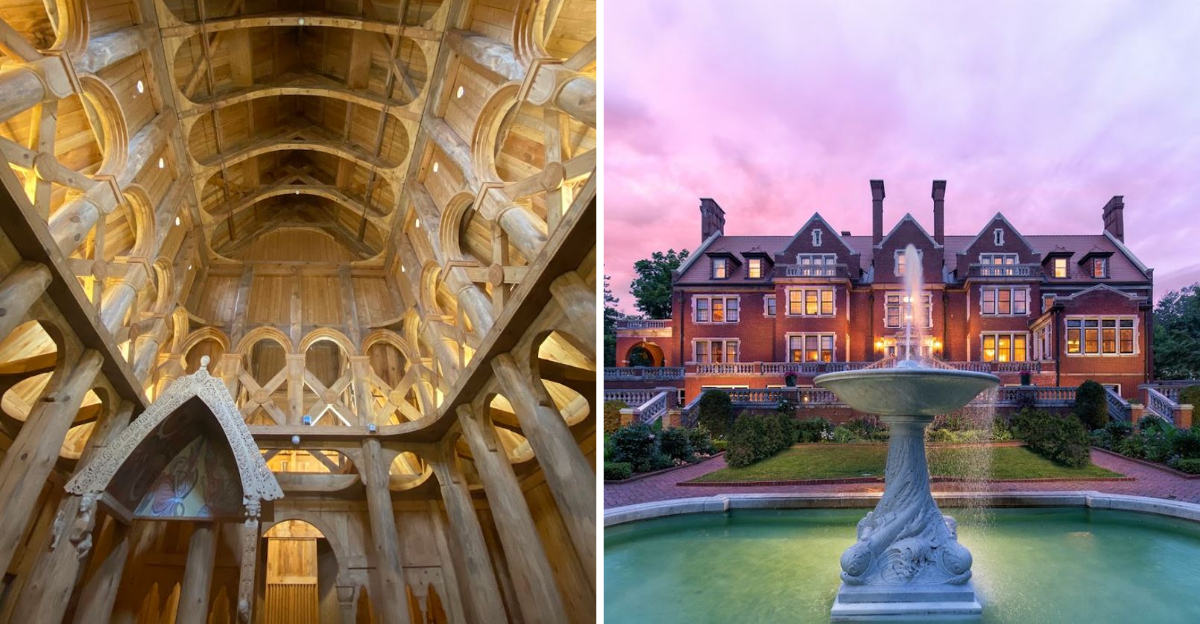
Glensheen Mansion in Duluth is a 39-room Jacobean Revival masterpiece that looks like it belongs in an English countryside novel rather than the rugged North Shore.
Built between 1905 and 1908 for a wealthy mining and business magnate, the mansion is a time capsule of Gilded Age excess and craftsmanship.
Every room tells a story through its original furnishings, hand-crafted woodwork, art glass windows, and carefully sourced decorative objects.
The house was designed to impress, and it absolutely still does more than a century later.
Guided tours walk you through the formal parlors, the butler’s pantry, the children’s playroom, and the sprawling basement service areas where the household staff worked around the clock.
The estate grounds are equally compelling, with formal gardens, a carriage house, a boat house, and ten acres of landscaped lakefront property.
Lake Superior provides a dramatic backdrop that shifts mood depending on the weather, calm and glittering on sunny days, moody and powerful when storms roll in.
Seasonal tours, including candlelight tours and holiday events, add extra layers of atmosphere to an already atmospheric property.
The mansion’s history includes some genuinely dramatic chapters that tour guides handle with care and context.
Located at 3300 London Rd, Duluth, Glensheen is easy to reach and open for tours most of the year. Booking tickets in advance during summer is strongly recommended since this is one of Duluth’s most consistently popular cultural attractions.
8. Hjemkomst Center, Moorhead
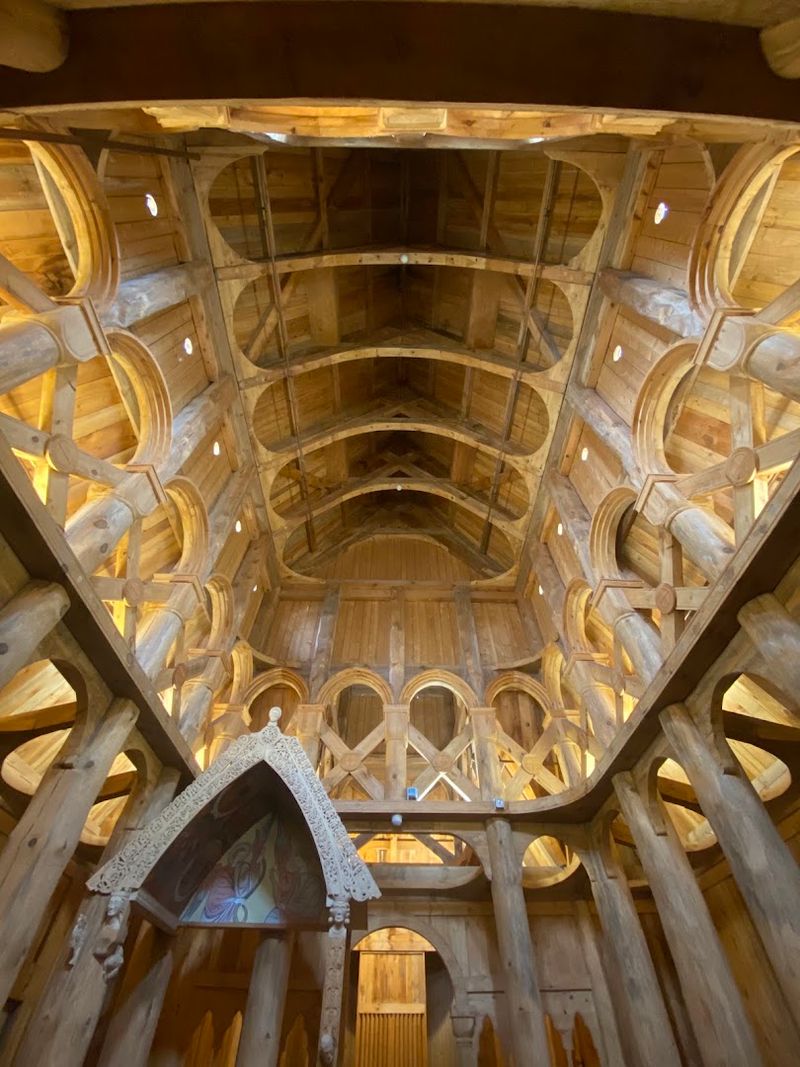
Are you seeing what I am seeing, because there is a full-scale Viking ship sitting inside a museum in the middle of the Red River Valley.
The Hjemkomst Center in Moorhead houses one of the most unexpected and awe-inspiring artifacts you will encounter anywhere in the upper Midwest.
The ship is not a replica in the distant, dusty sense, it is a meticulously crafted vessel that actually sailed across the Atlantic Ocean.
Built by a determined Moorhead man over several years in a potato warehouse, the Hjemkomst, which means homecoming in Norwegian, was completed in 1980.
The ship made the journey from Duluth to Bergen, Norway, in 1982, fulfilling a dream that had started as an almost impossibly ambitious personal project. Seeing it up close, you cannot help but marvel at both the craftsmanship and the sheer audacity of the undertaking.
The center also houses the Clay County Museum, which covers the history of the Red River Valley from prehistoric times through the settlement era.
Rotating exhibits add fresh content throughout the year, keeping the museum relevant for repeat visitors from the surrounding community.
A large Norwegian stave church replica inside the building adds another layer of Scandinavian cultural heritage to the experience.
Moorhead sits directly across the Red River from Fargo, North Dakota, making the Hjemkomst Center easy to pair with a broader regional road trip.
The address is 202 1st Ave N, Moorhead, and the museum is open year-round with consistent hours. The Viking ship alone justifies the stop, but the surrounding exhibits make it a genuinely full afternoon of discovery.